


Zari Work Kurti Wholesale in 2026 – Latest Designer Collection from Surat
Zari Work Kurti Wholesale in 2026 – Latest Designer Collection from Surat
Elegant detailing, festive appeal and strong retail demand make zari kurtis an attractive category for sellers looking to refresh their ethnic wear inventory. From subtle zari highlights for everyday premium wear to richer designs for weddings and festive occasions, the category gives retailers multiple price points and styling options. Wholesaleexport.in connects buyers with fresh Surat collections suitable for boutiques, shops, showrooms, online resellers and home-based clothing businesses.
Introduction
The Indian ethnic wear market continues to evolve, but decorative kurtis remain a dependable category because customers can wear them across festivals, family functions, weddings, office celebrations and social occasions. A well-selected Zari Work Kurti Wholesale range combines the comfort and familiarity of a kurti with the richer appearance created by metallic thread detailing.
For wholesale buyers, the opportunity is not simply to purchase heavily embellished garments. The stronger approach is to build a balanced assortment covering light zari work, embroidered kurtis, festive kurti sets, straight kurtis, A-line styles, kurti-pant combinations and occasion-focused designs. This allows retailers to serve customers with different budgets while maintaining a premium-looking display.
Surat remains an important sourcing destination for women's ethnic wear because of its textile ecosystem, fabric availability, processing capabilities and large network of traders, wholesalers and manufacturing businesses. Buyers searching around the surat textile market, Ring Road and nearby commercial textile areas can find collections developed for both domestic distribution and export.
Wholesaleexport.in helps make this sourcing process easier for buyers who want to compare new collections without depending entirely on physical market visits. Whether the requirement is for a small reseller assortment or repeat bulk purchasing for a showroom, access to regularly updated designs can make inventory planning more efficient.
Why Zari Work Kurtis Remain a Strong Wholesale Category in 2026
Fashion changes quickly, but Indian customers continue to value outfits that look festive without becoming difficult to wear. Zari detailing fits this requirement particularly well. It can transform a relatively simple kurti into an occasion-ready garment while allowing the overall silhouette to remain practical.
For 2026, buyers can build collections around subtle neck detailing, border zari, woven motifs, floral patterns, geometric accents, sleeve highlights, panel work and coordinated dupattas. Retailers can therefore stock the category across entry, mid-range and premium segments rather than treating zari only as an expensive wedding product.
Festive and Occasion-Wear Demand
Festivals create natural demand for embellished ethnic wear. Customers shopping around Diwali, Navratri, Raksha Bandhan, Eid, wedding seasons and family functions often want something richer than an everyday cotton kurti but easier to wear than a heavy lehenga or elaborate suit.
A carefully selected designer zari kurti wholesale assortment gives retailers an opportunity to serve this middle segment. Gold-tone and antique zari details can work especially well with maroon, wine, bottle green, navy, black, mustard, rust and traditional jewel tones, while softer metallic work can complement pastel shades for contemporary buyers.
Premium Appearance at Multiple Price Points
The final price of a zari kurti can vary according to fabric, weaving technique, embroidery density, garment construction, lining, dupatta, bottom, finishing and quantity ordered. This variation is useful for wholesale buyers because it makes it possible to build collections at different selling prices.
Home-based sellers may prefer accessible designs that are easy to showcase through WhatsApp or Instagram. Boutique owners can select more distinctive pieces, while large shop and showroom owners can create a broader assortment combining fast-moving affordable styles with premium statement products.
Best-Selling Zari Kurti Styles for Wholesale Buyers
Choosing the right silhouette is just as important as selecting the embroidery. A wholesale collection becomes more commercially useful when buyers combine familiar shapes with trend-focused designs. This reduces dependence on a single fashion direction and gives customers more reasons to purchase.
Straight Zari Work Kurtis
Straight-cut kurtis are an important option for retailers because they can appeal to a broad customer base. Depending on the design, they can be paired with straight pants, trousers, palazzos or leggings. Zari detailing around the neckline, sleeves or front panel gives the silhouette a premium finish without making it excessively ornate.
For buyers looking for ladies kurti wholesale options with repeat-selling potential, straight silhouettes can provide a practical foundation. They are suitable for boutiques, local clothing stores, online sellers and multi-brand ethnic wear outlets.
A-Line and Flared Zari Kurtis
A-line and lightly flared silhouettes create a more dressed-up appearance and work particularly well for festive merchandising. Strategic zari placement can highlight the neckline, hem, yoke or panels while maintaining a balanced overall look.
These designs can be useful for sellers targeting younger customers who want modern ethnic outfits for celebrations, dinners and small functions. Coordinated bottoms and dupattas can further increase the perceived value of the set.
Zari Kurti Pant Sets
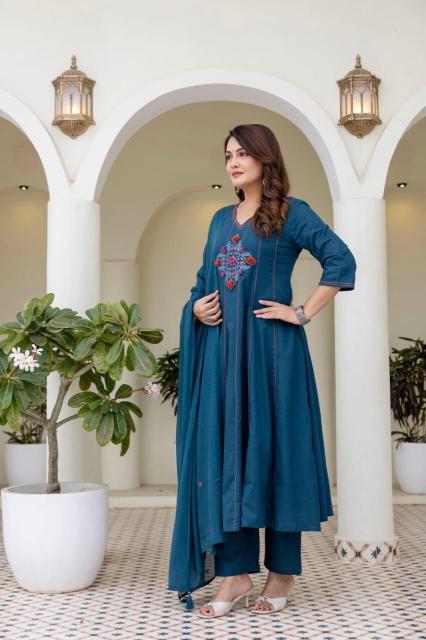
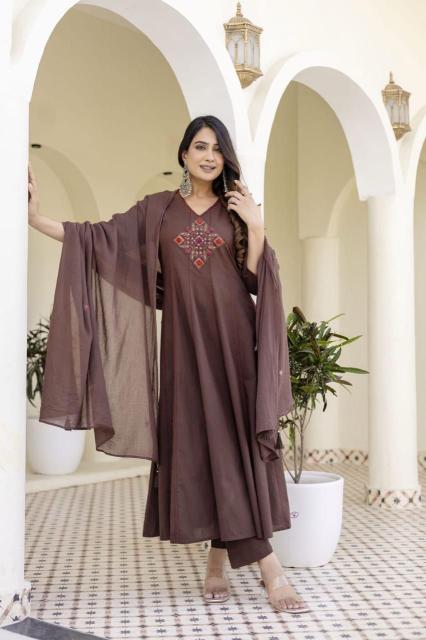
Ready coordinated sets have become useful for retailers because customers do not need to search separately for matching bottoms. A kurti with a coordinated pant creates a complete outfit, while an additional dupatta can move the product into a more festive segment.
Wholesale buyers should compare fabric quality, bottom measurements, stitching, embroidery placement and finishing rather than selecting purely on catalogue photographs. Better consistency can contribute to customer satisfaction and repeat orders.
Zari Kurti with Dupatta
A coordinated dupatta can significantly change the presentation of a kurti. Zari borders, woven motifs or complementary decorative elements can create a complete ethnic look that boutiques can merchandise for festive and wedding-related occasions.
Retailers purchasing kurti with dupatta wholesale collections should consider how the kurti, bottom and dupatta work together visually. A balanced set can often be easier to sell than a design where every component competes for attention.
Choosing Fabrics for Zari Work Kurti Wholesale Orders
The fabric underneath the embellishment influences comfort, drape, appearance and final selling price. Buyers should therefore evaluate fabric and zari together instead of treating them as separate purchasing decisions.
Cotton blends and breathable fabrics can suit lighter designs, while silk blends, rayon varieties, viscose, chanderi-inspired textures and other festive fabrics can support more premium presentations. The ideal selection depends on season, customer profile, target retail price and intended occasion.
Lightweight Collections for Regular Retail
Not every zari design needs to be reserved for weddings. Lightweight fabric with controlled zari detailing can create a product suitable for office celebrations, casual festive gatherings and semi-formal wear. These pieces can be particularly useful for retailers who want faster rotation beyond major festival periods.
When ordering a wholesale kurti collection, buyers can combine lightweight options with richer festive pieces. This creates more selling opportunities and reduces the risk of holding an inventory that works only during a narrow seasonal window.
Premium Fabrics for Festive Buyers
Customers shopping for functions generally pay greater attention to texture, fall and finishing. Premium-looking fabric combined with refined zari can therefore command stronger presentation value. Boutiques can merchandise these designs with jewellery, footwear and festive accessories to create complete occasion-wear displays.
For wholesale buyers, quality control matters at this level. Uneven embroidery, loose metallic threads, weak seams or inconsistent sizing can reduce the value of an otherwise attractive garment. Product selection should consider the complete garment rather than only the front design.
Surat as a Sourcing Hub for Zari Work Kurtis
Surat's strength lies in the depth of its textile ecosystem. Fabric sourcing, processing, embroidery, garment production, cataloguing, trading and distribution are interconnected across the city. For a wholesale buyer, this concentration can provide access to frequent new launches and a wide variety of ethnic wear categories.
The Ring Road textile belt and commercial areas around Sahara Darwaza are familiar sourcing references for traders visiting Surat. However, buyers outside Gujarat increasingly prefer digital sourcing because travelling for every new collection can consume both time and working capital.
Wholesaleexport.in provides an online route for buyers interested in accessing Surat-based wholesale selections. This can be particularly useful for retailers who need to monitor fresh arrivals regularly and place repeat orders according to actual customer demand.
Buying for Shops and Showrooms
Physical retailers generally need breadth. Instead of purchasing too many units of a single pattern, many shop owners can benefit from testing several designs, colours and price brackets and then repeating the better-performing products when availability permits.
A strong Zari Work Kurti Wholesale assortment may include everyday premium kurtis, festive sets, designer pieces, embroidered kurtis, kurti-pant sets and dupatta combinations. The exact mix should reflect the retailer's local customer profile rather than following trends blindly.
Buying for Home-Based Sellers and Resellers
Home-based businesses often operate with tighter inventory budgets, so product selection needs to be especially disciplined. Visually attractive designs that photograph well can help sellers market through WhatsApp, Instagram, Facebook and personal customer networks.
Resellers should pay attention to catalogue clarity, colour presentation, size availability, dispatch conditions and current stock before confirming customer orders. Building trust through accurate product information can be more valuable over time than competing only on the lowest price.
Wholesale Opportunity Beyond India
Indian ethnic fashion also has buyers outside the domestic market. For this collection, three useful markets to consider are Nepal, Australia and Malaysia. Demand patterns differ in each destination, so exporters and overseas retailers should choose assortments according to local climate, festival calendars, community preferences and retail price expectations.
Nepal has a familiar market for Indian ethnic styles and festive products. Australia has a sizeable South Asian customer base across major cities, creating opportunities around weddings, festivals and community events. Malaysia offers another multicultural market where selected Indian ethnic wear can appeal to customers seeking festive and traditional clothing.
International buyers should evaluate shipping cost, customs requirements, import rules, product value, quantity and delivery timelines before finalizing an export kurti order. Product demand alone does not determine profitability; landed cost and stock rotation matter equally.
Vastralife Wholesale and Export Experience Since 2017
Vastralife has been working in wholesale and export since 2017, building industry experience across women's ethnic wear categories. This experience supports an understanding of what different buyers need, from home-based resellers and boutiques to established shops, showrooms and wholesale businesses.
Premium product quality, practical sourcing and regular collection updates remain important when buyers are purchasing for resale. Wholesaleexport.in brings this wholesale-focused approach online so businesses can discover products and evaluate new buying opportunities without relying only on traditional offline sourcing.
For buyers dealing in competitive markets, consistent access to new designs is particularly important. Fashion inventory has a limited selling window, and successful purchasing depends on balancing trend appeal, quality, price and quantity.
How to Build a Profitable Zari Kurti Inventory
A profitable collection is rarely built by purchasing only the most expensive or visually elaborate designs. The better strategy is to create multiple reasons for customers to buy. Some customers want a reasonably priced festive kurti, others prefer a complete set, while boutique shoppers may pay more for detailing and exclusivity.
Wholesale buyers can divide purchasing budgets across core sellers, new trend tests and premium pieces. This makes it easier to understand which styles deserve repeat investment while protecting cash flow from slow-moving stock.
Mix Colours Instead of Depending on One Palette
Classic festive colours such as maroon, green, navy, black and wine can be balanced with beige, peach, lavender, teal, powder blue and other softer shades. Colour preferences vary by location and customer age, so maintaining a thoughtful mix can broaden the addressable audience.
Keep Multiple Selling Price Bands
Retail customers rarely share the same budget. A showroom may need entry-level products to generate footfall, mid-range designs for regular sales and premium outfits for occasion buyers. Wholesale purchasing should therefore be planned around expected retail margins rather than a single buying price.
Wholesaleexport.in can be used to explore fresh catalogue options and identify collections appropriate for different business models. Buyers should confirm current availability and wholesale terms before placing bulk orders because fast-moving designs may change as stock sells.
For businesses expanding their ethnic wear selection, categories such as Jaipuri kurtis wholesale can complement zari-focused inventory with colourful everyday and traditional styles. Sellers serving family-oriented customer bases can also explore kids wear wholesale as an additional category while keeping their core women's collection focused.
Zari Work Kurti Wholesale for Different Retail Business Models
The same collection does not work equally well for every seller. A boutique in a premium shopping area may need limited quantities of distinctive designs, while a high-volume retailer may prefer faster-moving patterns with broader customer appeal. Home-based sellers often need products that can be marketed easily through photographs and videos, while wholesale buyers may prioritize repeat availability and competitive bulk pricing.
For this reason, buyers sourcing Zari Work Kurti Wholesale collections should first define their target customer, expected retail price and desired margin. A carefully planned assortment can improve inventory rotation and reduce the amount of capital locked into slower-moving designs.
For Boutique Owners
Boutiques can focus on distinctive necklines, refined zari detailing, elegant colour combinations and smaller selections that feel curated rather than mass-market. Designer kurtis, festive kurti sets, embroidered ethnic wear and premium dupatta combinations can help create a stronger boutique presentation.
Instead of competing only on price, boutique owners can create value through styling, presentation and carefully chosen collections. A beautiful zari kurti paired with the right accessories can be positioned as a complete festive look rather than simply another garment.
For Shop and Showroom Owners
Shops and showrooms generally benefit from a wider assortment. They can combine ladies kurtis wholesale products across affordable, mid-range and premium segments so customers can compare multiple options within one visit.
Popular colours, practical sizes and occasion-focused designs should form the core of the inventory, while a smaller portion can be allocated to experimental trends. This approach helps retailers respond to changing customer preferences without overcommitting to a single design direction.
For Online and Home-Based Resellers
Online resellers often make the first sale through visual presentation. Clear product images, visible detailing, accurate descriptions and straightforward pricing therefore matter considerably. Zari work is especially suitable for visual selling because embroidery and metallic detailing can immediately communicate a festive appearance.
Home-based sellers can begin with selected pieces or manageable wholesale quantities and increase purchases according to actual customer response. Regular new arrivals can also give them fresh content for social media and WhatsApp marketing.
Wholesale Price, Quantity and Margin Planning
Wholesale purchasing should always be viewed through the complete business calculation. The lowest buying price does not automatically create the highest profit. Fabric quality, workmanship, design appeal, size availability, packaging, transport and customer acceptance all influence the final return on inventory.
Before confirming an order, buyers should calculate the landed cost per piece and compare it with their realistic retail selling price. For export orders, freight and destination-related expenses also need to be included. A slightly higher-quality garment may generate a better margin if customers perceive greater value and are willing to pay accordingly.
Test New Designs Before Scaling
When possible, retailers can begin with a controlled assortment of new styles and track customer response. Designs receiving strong enquiries or quick sales can then become candidates for repeat buying, subject to stock availability.
This is particularly useful in fashion because demand can change quickly. Social media trends, festivals, wedding seasons and regional preferences can all influence which colours and silhouettes move faster.
Plan Bulk Orders Around Selling Seasons
Bulk purchasing becomes more effective when it is aligned with upcoming demand. Buyers preparing for Diwali, wedding seasons, Eid or other important retail periods should source early enough to allow time for dispatch, merchandising and customer promotion.
Showroom owners can also combine regular styles with higher-value festive products so inventory continues moving before and after the peak occasion period. A balanced buying strategy is usually more sustainable than filling the entire store with one seasonal category.
Zari Kurti Manufacturing and Quality Checks
Garment quality depends on more than the visible design. Buyers should examine stitching, fabric feel, zari placement, finishing, measurements and overall construction. Metallic threads should complement the garment rather than making it uncomfortable or poorly finished.
For wholesale purchasing, consistency between catalogue presentation and supplied merchandise is equally important. Retailers build their reputation with end customers, so quality-related problems can affect more than the value of one order.
Important Quality Points for Wholesale Buyers
Check the kurti's stitching around the neckline, side seams and sleeves. Examine whether decorative work is properly secured and whether the fabric supports the embroidery without unwanted pulling. For sets, verify that the kurti, bottom and dupatta have coordinated shades and appropriate finishing.
Size specifications should also be reviewed carefully. Customers increasingly expect predictable sizing, particularly when ordering online. Providing accurate measurements can reduce misunderstandings between retailers and their buyers.
Surat Textile Market Advantage for Wholesale Buyers
The surat textile market continues to attract buyers because it brings together fabric supply, processing, design development, trading and garment distribution. Commercial textile zones around Ring Road and Sahara Darwaza give buyers access to an extensive ecosystem of women's ethnic wear.
Digital wholesale sourcing extends this advantage to buyers who cannot travel to Surat for every purchase. Through Wholesaleexport.in, retailers can monitor new arrivals and explore products remotely before planning their next order.
This is useful not only for businesses in large metropolitan markets but also for shop owners and resellers operating in smaller cities where access to frequently updated Surat collections may be limited.
Demand for Zari Kurtis in India, Nepal and Australia
For India, zari kurtis have broad potential across festive seasons, wedding-related shopping and occasion wear. The category can be positioned differently according to regional preferences, climate and local spending levels.
In Nepal, Indian ethnic fashion is familiar to many consumers, making carefully selected kurti sets and festive styles relevant for boutiques and retailers. Buyers can focus on designs that combine traditional appeal with wearable silhouettes.
In Australia, ethnic wear demand can be driven by the Indian and wider South Asian communities, especially around weddings, Diwali and cultural events. Export buyers should choose products that offer attractive presentation while remaining commercially viable after freight and other landed costs are considered.
Wholesaleexport.in supports wholesale and export-oriented product discovery for businesses looking beyond their immediate local market. Buyers should confirm current shipping options, order requirements and destination-specific details before completing international purchases.
Internal Linking and Related Wholesale Categories
A strong retail business rarely depends on one product category. Zari kurtis can sit alongside printed kurtis, cotton kurtis, embroidered kurti sets, festive suits, Pakistani-style suits, dress materials, sarees and other women's ethnic wear. This allows sellers to serve customers across everyday, festive and wedding requirements.
Retailers should use related categories strategically. A customer attracted by a premium zari kurti may also be interested in a festive suit or coordinated ethnic set, while a customer looking for everyday wear may prefer lighter cotton or printed products. Building complementary categories can therefore increase cross-selling opportunities.
Why Buyers Choose an Experienced Wholesale Partner
Wholesale fashion is a repeat business. Buyers need more than one attractive catalogue; they need access to regular collections, workable pricing, product variety and support that helps them continue purchasing as their business grows.
Vastralife brings wholesale and export experience since 2017, with industry exposure across women's ethnic wear and related fashion categories. That experience is valuable when serving different types of customers, including boutique owners, resellers, retail shops, showrooms and wholesale buyers.
Premium product quality remains an important part of long-term wholesale relationships. When retailers receive products that meet customer expectations, they can sell with greater confidence and build repeat demand in their own markets.
Customer FAQs – Zari Work Kurti Wholesale
1. Where can I buy Zari Work Kurti Wholesale collections online?
You can explore wholesale ethnic wear collections through Wholesaleexport.in. Buyers can review available designs and contact the wholesale team for current stock, price, quantity and ordering details.
2. Who can purchase zari work kurtis at wholesale prices?
Home-based sellers, boutique owners, retail shop owners, showroom owners, resellers and wholesale buyers can source products for resale. The suitable order size and assortment depend on the individual business requirement and current product availability.
3. Are zari work kurtis suitable for festive and wedding sales?
Yes. Zari detailing gives kurtis a richer appearance, making selected designs suitable for festivals, wedding-related functions, family celebrations and occasion wear. Retailers can stock both light and premium work to serve different budgets.
4. Can international buyers order wholesale kurtis from Surat?
Export enquiries can be considered for international buyers. Customers from markets such as Nepal, Australia and other countries should confirm current shipping, order quantity, payment and destination requirements before placing an order.
5. What should I check before placing a bulk kurti order?
Check the current wholesale price, available sizes, fabric, design details, set contents, colour assortment, quantity requirements, dispatch conditions and shipping cost. For international orders, also consider the total landed cost at the destination.
6. Are new kurti collections added regularly?
Fashion inventory changes frequently, so buyers should check the latest available collections before ordering. Regularly reviewing new arrivals can help retailers keep their store, boutique or online catalogue fresh.
7. Is this category suitable for online reselling?
Yes. Zari kurtis can work well for online resellers because the decorative details create strong visual appeal. Sellers should use accurate product information, clear images and realistic delivery commitments when marketing to customers.
Order Latest Zari Work Kurti Wholesale Collections
If you are building or expanding an ethnic wear business in 2026, a thoughtfully selected zari kurti range can add festive appeal, multiple selling price points and attractive merchandising opportunities to your inventory. Whether you operate a boutique, showroom, retail shop, home-based business or wholesale network, choosing the right designs and quantities can help improve stock rotation and customer choice.
Explore Latest Collections, competitive Wholesale Pricing, Trendy Ethnic Wear, Fast Shipping, eligible COD Support, Bulk Order Deals and Quality Products Starting From ₹299. Product availability, applicable COD terms and current prices should be confirmed when placing the order.
Contact Us: +91 9712582172
Website: wholesaleexport.in
Connect with the team for current catalogues, bulk requirements and wholesale buying assistance. With the right combination of quality, pricing and fresh designs, your next ethnic wear collection can be planned around products that are relevant to your customers and practical for your business.