


Zari Work Dress Material Wholesale in 2026: Premium Ethnic Collections for Boutiques & Resellers
Zari Work Dress Material Wholesale in 2026: Premium Ethnic Collections for Boutiques & Resellers
Indian ethnic fashion continues to evolve, but detailed craftsmanship remains one of the strongest reasons customers choose a festive or occasion-ready outfit. For boutiques, resellers and clothing stores, stocking elegant dress materials with attractive zari detailing can create a valuable mix of traditional appeal, modern styling and strong resale potential. Buyers sourcing from Surat can access designs across different fabrics, patterns, colour combinations and price ranges for both domestic and international markets.
Introduction
A beautifully designed zari work dress material offers something that ordinary printed fabric cannot easily reproduce: visual richness. Metallic thread detailing can transform even a relatively simple fabric into an outfit suitable for festivals, weddings, family functions, parties and gifting. This makes zari-based collections particularly relevant for boutique owners, showroom owners, home-based sellers and wholesale buyers who need products that immediately attract attention.
For a wholesale buyer, however, appearance is only one part of the purchasing decision. Fabric quality, embroidery finishing, colour combinations, dupatta design, bottom fabric, wholesale price, stock availability and supplier reliability all influence whether a collection will actually work at retail.
In 2026, customers can compare hundreds of ethnic-wear designs online before purchasing. Retailers therefore need collections that look attractive not only on store racks but also in WhatsApp catalogues, Instagram posts, product videos and online listings. Detailed zari patterns can perform particularly well in visual selling because the work adds texture and premium appeal to product photographs.
Wholesaleexport.in helps wholesale buyers explore Indian ethnic-wear collections sourced for different retail requirements. The broader business experience behind Vastralife, active in wholesale and export since 2017, also brings practical understanding of what boutiques, resellers and professional clothing buyers expect when purchasing products for resale.
Why Zari Work Dress Material Has Strong Retail Appeal
Zari has remained associated with Indian festive fashion for generations. What has changed is how designers combine traditional metallic detailing with contemporary fabrics, lighter silhouettes and wearable colour palettes. Instead of restricting zari to extremely heavy bridal clothing, manufacturers now use it across festive suits, embroidered dress materials, designer salwar suits, party-wear fabrics and premium ethnic collections.
Premium Appearance Without Requiring Ready-Made Inventory
Dress material gives the final customer flexibility to choose her preferred neckline, sleeve pattern, fitting and overall suit style. For a boutique, this creates an opportunity to sell both the fabric and tailoring service. Customers who find standard ready-made sizing difficult can also purchase unstitched material and have it tailored according to their measurements.
This combination of premium appearance and customisation makes zari work dress material wholesale relevant for boutiques serving festive, wedding and traditional-wear customers.
Suitable for Multiple Selling Seasons
Unlike highly seasonal products, carefully selected zari collections can sell during multiple occasions. Retailers can merchandise them for Diwali, Navratri, Eid, wedding shopping, engagement functions, family celebrations and festive gifting. Softer designs can even be positioned as elegant occasion wear rather than extremely heavy festive clothing.
This broader usability can help shop owners manage inventory more effectively. Instead of depending entirely on one festival, they can continue presenting suitable designs throughout the year.
Strong Visual Value for Online Resellers
Home-based sellers increasingly depend on photographs, reels, WhatsApp Status and digital catalogues. An attractive embroidered suit material with clearly visible zari work can create stronger visual impact than a basic product that needs lengthy explanation.
For resellers, the key is choosing products whose actual finishing supports the appearance shown in catalogue photographs. Premium product quality, accurate product details and reliable supply become especially important because the reseller's reputation depends on what ultimately reaches the customer.
Popular Zari Dress Material Styles Wholesale Buyers Can Consider
The category is much broader than one type of traditional suit. Wholesale buyers can build a balanced range using different levels of embroidery, fabric types and price points.
Festive Zari Embroidered Suit Material
These designs generally combine embroidery around the neckline, front panel, sleeves or borders with complementary bottom and dupatta fabrics. They work well for customers looking for traditional festive clothing without moving into very heavy bridal styling.
A boutique can stock lighter and richer variants together. This allows the sales team to serve customers shopping at different budgets while maintaining a consistent premium ethnic theme.
Zari Work with Printed Dupattas
One practical wholesale combination is a comparatively subtle embroidered top paired with a visually stronger printed or embellished dupatta. This can keep the outfit attractive while controlling the overall price.
Such combinations are useful for resellers because the dupatta provides a strong visual element in catalogue photographs. Floral prints, traditional motifs, woven borders and coordinated colour stories can help differentiate one design from another.
Party Wear Dress Materials
Customers shopping for parties and family events frequently want outfits that appear dressed-up without feeling excessively bridal. Zari detailing combined with embroidery, jacquard elements, decorative borders or elegant dupattas can serve this segment effectively.
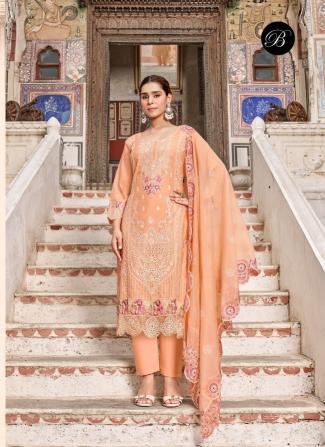
Retailers should evaluate the complete set rather than judging only the front panel. The bottom quality, dupatta width, embroidery finishing, colour consistency and fabric feel all contribute to the customer's perception of value.
What Wholesale Buyers Should Check Before Ordering
Purchasing ethnic wear in bulk requires a different mindset from purchasing a single garment. A small quality problem multiplied across several pieces can affect margins, customer satisfaction and repeat business. Buyers should therefore evaluate several factors before confirming quantity.
1. Fabric Quality and Feel
The base fabric determines comfort, fall and overall garment appearance. Ask what fabric is used for the top, bottom and dupatta instead of assuming all three components use the same material.
For premium collections, also consider whether the fabric supports the weight of the embroidery properly. Heavy decorative work on unsuitable material can affect drape or durability.
2. Zari and Embroidery Finishing
Look closely at the neckline, borders, sleeve areas and major motifs. Threads should appear properly finished, decorative elements should be secure, and the overall pattern should look balanced. Wholesale buyers should also pay attention to the reverse side when relevant because loose finishing can create problems during tailoring.
3. Colour Coordination
A well-designed three-piece dress material should look coordinated as a complete outfit. The top, bottom and dupatta do not need to be identical in colour, but the combination should feel intentional. Sophisticated contrast combinations can often create stronger boutique appeal than completely matching sets.
4. Actual Wholesale Price Versus Retail Potential
The cheapest buying rate is not automatically the most profitable option. Retailers should consider expected selling price, product quality, local customer demand, competing designs and potential margin.
A slightly higher-cost design may generate better profit when its appearance supports a stronger retail price. For this reason, experienced buyers compare wholesale dress material price with resale potential rather than evaluating the purchase rate alone.
Surat as a Major Sourcing Hub for Dress Material Wholesale
Surat has developed a substantial textile ecosystem covering fabrics, dress materials, sarees, kurtis, salwar suits and many other categories of women's clothing. For professional buyers, this ecosystem provides access to manufacturers, traders, wholesalers and suppliers across multiple product segments.
Areas associated with the Surat textile market, including commercial textile zones around Ring Road and Sahara Darwaza, are familiar sourcing points for buyers looking for variety. The wider textile network also supports manufacturing, processing, embroidery, packaging and distribution.
This matters because a boutique owner may need more than one category from the same sourcing city. A buyer purchasing zari dress material may also require Pakistani suits, kurtis, sarees, festive sets or other women's ethnic wear for a complete store assortment.
Manufacturing Access and Faster Trend Movement
Being close to textile manufacturing and wholesale activity can help suppliers respond more quickly to changing fashion demand. New colour combinations, embroidery patterns, seasonal fabrics and catalogue launches can move through the market rapidly.
For buyers, this means regular sourcing is often more effective than purchasing excessive quantities of a single design. A well-planned assortment allows boutiques to introduce new arrivals more frequently and gives returning customers a reason to check the latest collection.
Buying Zari Work Dress Material for Different Business Models
The ideal buying strategy changes depending on how the product will be sold. A physical showroom has different requirements from a WhatsApp reseller, while an export buyer must also consider shipping, documentation and destination-market preferences.
For Boutique Owners
Boutiques can focus on carefully curated designs rather than carrying every available pattern. Select pieces that match the boutique's established customer profile, tailoring style and selling range.
For example, a premium boutique may prefer sophisticated colours and detailed work, while a neighbourhood store may need a broader combination of affordable festive pieces and higher-value designs. A boutique can also increase perceived exclusivity by presenting limited designs rather than overcrowding displays.
For Home-Based Sellers and Resellers
Resellers benefit from products that can be explained quickly through digital catalogues. Clear images, accurate fabric details, visible embroidery and understandable pricing make the selling process easier.
Since many resellers initially work with controlled inventory, they should check minimum order requirements, available colours and current stock before promoting a design heavily to customers.
For Showroom and Wholesale Buyers
Larger stores generally need assortment depth. Instead of buying only one visual style, they can combine traditional zari work, contemporary embroidered suits, printed sets, festive dress materials and different price levels.
This approach allows the showroom to serve customers with different budgets while increasing cross-selling opportunities.
For International Buyers
Indian ethnic wear also has demand outside India among boutiques, resellers and communities purchasing South Asian fashion. Buyers sourcing for markets such as Nepal, Australia and Malaysia should consider local climate, festive calendars, customer preferences, shipping costs and expected retail positioning.
For export orders, product selection should be planned alongside logistics. International buyers should confirm available quantity, packing method, invoice details and shipping arrangements before finalising larger orders.
Wholesaleexport.in can be used by buyers exploring ethnic-wear sourcing options for domestic and international resale requirements.
Choosing the Right Collection Mix for Better Resale
A profitable wholesale purchase is rarely about choosing only the most expensive or most heavily embellished products. The stronger strategy is to create an assortment that gives customers different reasons to buy. Retailers can combine elegant everyday designs, festive pieces, premium embroidered sets and statement zari work dress material within the same buying cycle.
For a boutique or showroom, colour variety is equally important. Traditional shades such as maroon, bottle green, navy and wine remain useful for occasion wear, while beige, peach, pastel green, lavender, powder blue and other softer tones can attract customers seeking a more contemporary look. Buyers should also consider how well each colour photographs because digital presentation now plays a major role in retail sales.
Balance Fast-Moving and Premium Designs
Fast-moving products help maintain regular cash flow, while premium pieces can provide stronger margins and improve the overall presentation of a store. Instead of investing the entire budget in one segment, wholesale buyers can distribute purchases across different selling ranges.
For example, a home-based reseller may begin with a smaller assortment of visually attractive designs. An established showroom can maintain deeper stock in proven patterns while testing new collections in controlled quantities. This approach reduces unnecessary inventory pressure and makes it easier to respond when customer preferences change.
Check the Complete Set Before Comparing Price
Two dress materials with similar catalogue photographs may have very different specifications. One may include richer embroidery, a better-quality dupatta or more detailed zari work, while another may use a simpler construction. Therefore, buyers should compare the complete product specification before deciding which wholesale price offers better value.
The same principle applies when comparing suppliers. A small difference in purchase price can become less important when one supplier offers better consistency, clearer product information, dependable packing and access to regular new arrivals.
Buyers looking to expand their assortment can explore wholesale dress materials for different fabrics and styles. Retailers who want to add another high-demand ethnic category can also browse wholesale Pakistani suits alongside dress materials.
Zari Work Dress Material Trends for 2026
The ethnic-wear market in 2026 is increasingly influenced by customers who want traditional craftsmanship presented in more wearable formats. Heavy decoration still has an important place in wedding and festive shopping, but many customers now prefer outfits that deliver a premium appearance without feeling excessively elaborate.
This creates opportunities for dress materials featuring controlled zari detailing, elegant embroidery placements, refined borders and statement dupattas. Such products can appeal to customers who want an outfit suitable for several occasions rather than something they may wear only once.
Elegant Embroidery Placement
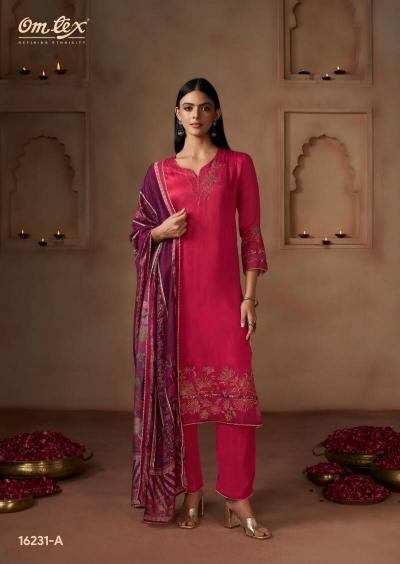
Instead of covering the entire fabric with heavy work, designers can use embroidery strategically around necklines, panels, sleeves and borders. This makes the design visually rich while allowing the fabric itself to remain visible.
For boutiques, these styles can be easier to sell because customers can imagine different tailoring options. A well-positioned neckline motif or border can work with straight suits, A-line silhouettes and other customised patterns.
Statement Dupattas
A distinctive dupatta can significantly influence a customer's buying decision. Woven borders, zari motifs, digital prints, embroidered details and contrasting colour combinations can transform a relatively simple suit into a complete festive look.
Wholesale buyers should therefore examine the dupatta as carefully as the top fabric. Its width, length, material, border finishing and overall colour coordination all contribute to the final retail value.
Versatile Festive Colours
Retail demand is no longer restricted to conventional deep festive shades. Soft neutrals, earthy colours and pastels now sit comfortably beside traditional jewel tones. Maintaining a balanced colour selection gives customers more choice and allows retailers to target different age groups and styling preferences.
Quality Control Before Placing a Bulk Order
Quality becomes particularly important when purchasing multiple pieces because even a small inconsistency can affect several customer orders. Professional buyers should evaluate fabric, embroidery, measurements, colour, finishing and packaging wherever practical before scaling quantities.
Inspect Embroidery and Zari Work
Check whether decorative threads appear properly secured and whether the embroidery maintains reasonable consistency across the design. Loose threads, unfinished borders or poorly attached decorative elements can reduce the perceived value of an otherwise attractive product.
Verify Fabric Details
Do not make buying decisions from photographs alone. Product photography can communicate design and colour, but it cannot fully communicate fabric feel, thickness or fall. Buyers should review available specifications and clarify important details with the supplier before ordering.
Confirm Current Stock
Fashion inventory can move quickly, especially when a new catalogue becomes popular. Wholesale buyers should confirm current availability before collecting customer orders or committing to a major promotion.
This is particularly important for resellers who forward supplier catalogues through WhatsApp or social media. Checking stock before taking final payment helps reduce situations where a customer chooses a design that has already sold out.
Why Supplier Experience Matters in Wholesale Clothing
A reliable wholesale relationship involves more than receiving a competitive quotation. Buyers also depend on accurate communication, suitable product selection, order handling and consistent access to new merchandise.
Vastralife brings wholesale and export experience since 2017, with industry knowledge developed around women's ethnic clothing and the practical requirements of resellers, retailers and wholesale buyers. That experience is relevant when buyers need to select products for different customer profiles instead of simply purchasing whatever is currently available.
Premium product quality remains important because a retailer's reputation ultimately depends on the merchandise delivered to the final customer. Attractive catalogue images may generate the first enquiry, but fabric, finishing and overall product value influence repeat purchases.
Wholesaleexport.in provides buyers with access to different ethnic-wear categories, making it possible to compare collections and build a broader wholesale assortment from a single sourcing channel.
Building a Profitable Ethnic Wear Inventory
Inventory planning should be based on sell-through potential rather than the number of designs available. Shop owners can divide their buying budget between proven products, new trends and premium pieces. This reduces dependence on a single category and gives sales staff more options when serving customers.
Buy According to Your Customer Profile
A boutique serving wedding shoppers may need more elaborate designs, whereas a reseller serving working women may benefit from lighter festive options. A showroom with a broad customer base can maintain both.
Understanding the customer's expected retail budget is particularly useful. If most buyers in a store purchase within a certain range, stocking too heavily above that range can slow inventory movement even when the products themselves are excellent.
Use New Arrivals to Create Repeat Enquiries
Regular new products can give customers a reason to revisit a store, WhatsApp catalogue or social page. Rather than posting an entire inventory repeatedly, sellers can highlight selected new arrivals and then recommend complementary designs according to the customer's response.
For online resellers, this also creates fresh content without requiring a completely new marketing strategy every week. Product launches, close-up embroidery videos, colour options and styling suggestions can all be used to promote the same collection from different angles.
Opportunities for India and Export Buyers
Wholesale ethnic wear serves both India's large domestic market and international buyers seeking Indian fashion. Retailers in Nepal, Australia and Malaysia, for example, may source products for local boutiques, online businesses, festive demand and South Asian customer communities.
International buyers should calculate landed cost rather than comparing only the Indian product price. Freight, customs requirements, local taxes and delivery timelines can affect the final cost of imported merchandise. The best buying quantity therefore depends on both product demand and logistics economics.
Domestic buyers also benefit from planning transport and inventory cycles. A shop located outside Surat may find it more practical to consolidate multiple categories into planned shipments instead of placing frequent small orders without considering transport cost.
Internal Linking and Related Wholesale Categories
A strong ethnic-wear inventory normally contains complementary categories. Customers shopping for dress material may also be interested in Pakistani-style suits, kurtis, sarees, festive sets and other women's clothing. For this reason, professional buyers can use one category to bring customers into the store and then increase the average sale through relevant alternatives.
When sourcing from the Surat textile market, buyers can also compare products from different manufacturing and trading networks around Ring Road, Sahara Darwaza and nearby textile areas. The objective should be to create a commercially balanced collection rather than simply purchasing the largest possible number of designs.
Customer FAQs
1. What is zari work dress material?
Zari work dress material is an unstitched or semi-prepared ethnic-wear fabric set featuring decorative metallic-thread-inspired detailing. Depending on the design, the work may appear on the neckline, front panel, sleeves, borders or dupatta. The set can include top fabric, bottom fabric and a coordinated dupatta.
2. Is zari work dress material suitable for boutiques?
Yes. It can be particularly suitable for boutiques because customers can customise the final stitching according to their preferred fit and design. Boutique owners can offer different tailoring styles while using the same base dress material, increasing the possibilities for personalised selling.
3. Can resellers purchase zari dress materials wholesale?
Wholesale availability depends on the individual collection, stock and applicable minimum quantity. Resellers should confirm current MOQ, colours, product specifications and availability before taking customer orders. Wholesaleexport.in can be used to explore current ethnic-wear collections and sourcing options.
4. What should I check before buying dress material in bulk?
Check the top, bottom and dupatta fabric, embroidery finishing, zari detailing, colour combination, set contents, wholesale price, available quantity and supplier terms. Buyers should also consider expected retail price and customer demand before increasing order quantities.
5. Can Indian dress materials be ordered for export?
Yes, Indian ethnic-wear products are sourced by buyers in international markets. Export buyers should confirm product availability, packing, documentation, shipping method, freight and destination requirements before finalising an order.
6. Are zari dress materials only suitable for weddings?
No. The category includes everything from subtle festive designs to heavier occasion-wear products. Depending on the fabric and amount of work, retailers can position them for festivals, parties, family functions, gifting, engagement events and wedding-related shopping.
7. How can a reseller choose profitable designs?
Look for a balance of attractive wholesale pricing, strong catalogue presentation, practical fabric, current colours and designs appropriate for the reseller's customer base. Testing several designs in controlled quantities can be more practical than putting the entire budget into one pattern.
Order Latest Wholesale Ethnic Wear Collections
If you are a home-based seller, boutique owner, shop owner, showroom owner, reseller or wholesale buyer looking to expand your women's ethnic-wear inventory, explore current collections through Wholesaleexport.in.
Buyers can enquire about Latest Collections, Wholesale Pricing, Trendy Ethnic Wear, Fast Shipping, COD Support, Bulk Order Deals and Quality Products Starting From ₹299. Product availability, applicable minimum quantity, COD eligibility and pricing should be confirmed for the specific order at the time of purchase.
From zari and embroidered dress materials to other fast-moving ethnic-wear categories, the focus is on helping retailers source products suited to their market while benefiting from wholesale industry experience and regular collection updates.
Contact: +91 9712582172
Website: wholesaleexport.in
Explore the latest range, compare available designs and select a wholesale assortment that matches your customers, budget and selling market.