



Winter Ethnic Wear Wholesale Buying Guide for Retailers in 2026
Winter Ethnic Wear Wholesale Buying Guide for Retailers in 2026
Winter creates a valuable seasonal opportunity for ethnic wear retailers because customers want outfits that combine warmth, comfort, elegant styling and practical everyday use. For shop owners, boutique owners, resellers and home-based sellers, the right winter inventory can generate repeat sales throughout the season. Instead of purchasing only heavy garments, successful retailers usually build a balanced collection of warm salwar suits, Pakistani suits, kurti sets, co-ord sets, festive ethnic outfits and comfortable fabrics suitable for different winter climates.
Introduction
The winter fashion market has changed considerably in recent years. Customers no longer look only for thick fabrics or traditional winter clothing. They want attractive ethnic outfits that feel comfortable in cooler weather while still offering contemporary silhouettes, premium prints and stylish detailing. This creates an important buying opportunity for retailers preparing their winter ethnic wear wholesale inventory for 2026.
Demand can differ significantly between regions. A retailer serving North India may require warmer fabrics and full-sleeve designs, while sellers supplying moderate climates can focus on medium-weight fabrics and layering-friendly styles. International buyers also have different requirements depending on their customer base. For this guide, we are focusing particularly on wholesale opportunities across India, Nepal and Canada, three markets where Indian ethnic fashion serves different seasonal and customer requirements.
Wholesaleexport.in helps retailers access multiple ethnic wear categories from the Surat supply ecosystem. With Vastralife's wholesale and export experience since 2017, buyers can benefit from industry expertise developed through working with different product categories, suppliers and domestic as well as international customers. The objective for retailers should always be to purchase products that combine premium product quality, attractive designs and a workable resale price.
Why Winter Ethnic Wear Deserves Separate Stock Planning
A common inventory mistake is treating winter as simply another regular fashion season. Customer preferences change once temperatures begin falling. Sleeve lengths become more important, lightweight transparent fabrics may become less attractive for everyday use, and shoppers increasingly prefer fabrics that offer a slightly warmer feel without becoming uncomfortable indoors.
This is why a carefully prepared winter ethnic wear wholesale buying guide should consider fabric, design, geographical demand, customer budget and expected selling period together. A product can look beautiful in a catalogue but still become slow-moving inventory if its fabric or styling does not suit the retailer's local customer base.
Start Winter Purchasing Before Peak Demand
Retailers should avoid waiting until winter demand reaches its highest point before sourcing stock. Early purchasing provides more flexibility in design selection, size availability and colour choices. It also allows sufficient time for receiving products, creating photographs and videos, promoting collections online and testing customer response before increasing quantities.
For online resellers and home-based sellers, early preparation becomes even more useful because they can start promoting winter arrivals through WhatsApp, Instagram, Facebook and customer groups before competitors flood the market with similar designs.
Build Inventory Around Different Customer Budgets
A strong winter collection should not depend on one price segment. Some customers want affordable daily-wear kurtis, while others are willing to spend more on embroidered suits, premium Pakistani designs and occasion-ready sets. Retailers can therefore create entry, mid-range and premium categories rather than concentrating their complete investment in expensive pieces.
The exact wholesale price will naturally depend on fabric, embroidery, brand, stitching, set configuration, size range and quantity. Instead of choosing stock purely because it is inexpensive, buyers should evaluate whether the final retail price leaves sufficient margin while remaining attractive to their customers.
Best Winter Ethnic Wear Categories for Retailers
The ideal inventory mix depends on the retailer, but several categories have broad potential during the cooler months. A combination of daily wear and occasion wear can help stores serve customers looking for office outfits, casual clothing, family functions, festive occasions and wedding-season purchases.
Pakistani Salwar Suits and Pakistani Suit Sets
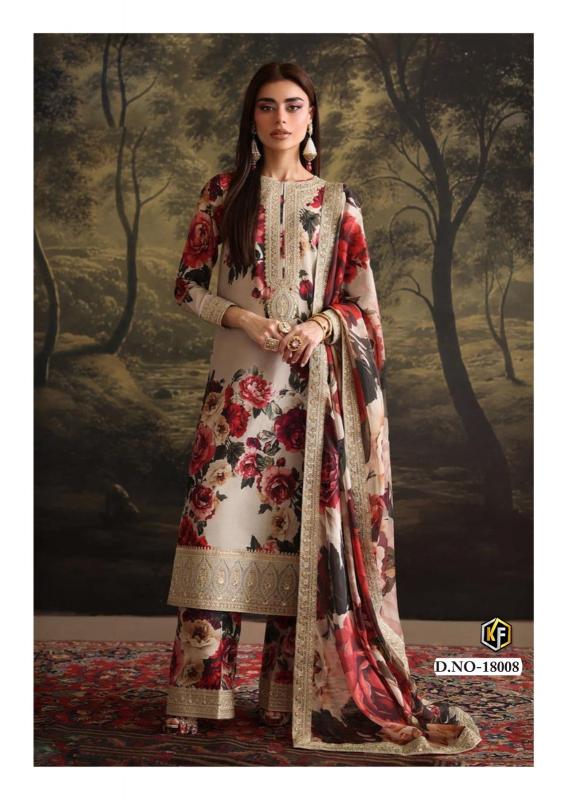
Pakistani suits wholesale collections can be particularly attractive during winter because many designs naturally use longer silhouettes, full or three-quarter sleeves, coordinated bottoms and statement dupattas. Straight-cut kurtas, embroidered necklines and sophisticated colour combinations make these outfits suitable for boutiques and multi-category ethnic stores.
Retailers purchasing Pakistani salwar kameez wholesale collections should examine more than the catalogue photograph. Fabric quality, embroidery finishing, stitching, bottom fabric, dupatta quality and actual garment measurements can strongly influence customer satisfaction.
For winter 2026, earthy shades, deeper jewel tones, beige families, maroon, bottle green, navy, rust, brown and sophisticated neutrals can sit alongside lighter colours. Maintaining colour diversity allows customers to select outfits according to personal taste rather than forcing every buyer toward conventional winter shades.
Kurti Pant Sets for Daily and Semi-Formal Wear
Kurti pant set wholesale inventory remains useful because the format is simple for retailers to merchandise and easy for customers to wear. Coordinated sets eliminate the need to find separate bottoms and can work across office, casual and semi-formal requirements.
During winter, retailers can prioritize full sleeves, three-quarter sleeves, structured straight kurtis, medium-weight materials and designs that can easily be paired with jackets, shawls or stoles. Printed kurti sets can support value-oriented sales, while embroidered and embellished pieces can serve customers looking for elevated styles.
Winter Co-Ord Sets
Modern ethnic and fusion wardrobes have increased demand for coordinated outfits. Co-ord sets wholesale can attract younger customers and shoppers looking for easy styling. Depending on the collection, retailers can stock printed sets, tunic-and-pant combinations and contemporary silhouettes that combine Indian styling with modern convenience.
For home-based sellers, co-ord sets can also perform well in visual marketing because the complete outfit is immediately understandable from a single product image or short video.
Festive and Wedding Ethnic Wear
Winter overlaps with an important wedding and celebration period in many Indian markets. Retailers should therefore reserve part of their purchasing budget for embroidered salwar suits, designer kurti sets, festive Pakistani suits, party wear and premium ethnic collections.
The objective is not necessarily to stock only heavily embellished products. Customers increasingly look for outfits that appear festive without becoming difficult to reuse. Elegant embroidery, attractive dupattas, refined neck work and richer fabrics can create a premium appearance while maintaining practical wearability.
Choosing the Right Fabrics for Winter Wholesale Stock
Fabric selection is one of the most important parts of winter clothing wholesale purchasing. Retailers should think about how the garment feels, how it falls on the body, whether it requires additional layering and whether the fabric matches the climate where it will ultimately be sold.
Medium-Weight Fabrics for Flexible Selling
Medium-weight fabrics can be commercially useful because customers can wear them during early winter, cooler evenings and transitional weather. These fabrics also allow layering, making the garments useful for a broader temperature range.
Retailers operating in western and central India may find this particularly valuable because extremely heavy winter clothing has a relatively short selling window in many cities. The same product may also work for export customers living in colder countries when combined with coats or other winter layers.
Cotton-Based Ethnic Wear
Cotton does not disappear from the market during winter. Comfortable cotton suits, cotton kurti sets and denser cotton fabrics can continue selling for indoor wear and regions with mild winters. Customers who prioritize breathable materials often continue purchasing cotton throughout the year.
For wholesale buyers, cotton-based products can therefore provide continuity between seasons. Rather than completely replacing regular stock, retailers can adjust sleeve styles, colour palettes and fabric weight to make the collection more winter appropriate.
Velvet and Rich Occasion Fabrics
Velvet-inspired textures and richer materials can add a premium winter character to wedding and festive collections. These products should generally be purchased more selectively because their customer base and selling occasion are narrower than everyday kurti sets.
Boutique owners can use such premium products as visual highlights in-store or online. A few striking designs can attract attention and help position the rest of the collection as more premium.
How to Create the Right Wholesale Inventory Mix
Good stock planning is less about finding one bestselling design and more about creating a collection where different products serve different customers. A retailer investing in winter ethnic wear wholesale stock should divide the buying budget across product types, price points, sizes and occasions.
For example, a balanced store may carry affordable daily kurtis for regular turnover, kurti pant sets for customers wanting complete outfits, Pakistani suits for trend-focused shoppers and premium ethnic sets for weddings and festive events. The actual percentage invested in each category should be based on previous sales and local demand.
Use a Core Stock and Test Stock Strategy
Core stock consists of categories that already perform consistently for the retailer. Test stock includes new silhouettes, colours, fabrics or brands where customer response is not yet proven. Instead of making a large first purchase of an unfamiliar collection, retailers can test smaller quantities and reorder successful designs where availability permits.
This approach is especially useful for home-based sellers and smaller boutiques because it protects working capital. A product with an attractive wholesale rate is not profitable if it remains unsold for months.
Keep Enough Variety Without Overloading Designs
Customers like choice, but too much depth in one design can create inventory risk. Retailers can often create a stronger visual assortment by purchasing more carefully selected designs rather than excessive quantities of a limited number of patterns.
Colour variation matters as well. Winter wardrobes may favour deeper colours, but buyers should not ignore pastels, ivory, beige and lighter shades where customer demand supports them. The objective is to create a collection that looks coordinated without appearing repetitive.
Surat as a Wholesale Sourcing Hub for Winter Ethnic Wear
The Surat textile market remains an important sourcing ecosystem for Indian ethnic fashion. Buyers visiting areas around Ring Road and Sahara Darwaza can find access to numerous textile markets, wholesalers, traders and product categories. Surat's extensive textile ecosystem supports everything from fabric and processing to ready-made garments and distribution.
For buyers unable to travel physically, online wholesale platforms make it easier to evaluate collections remotely. Wholesaleexport.in provides access to changing wholesale collections for retailers, resellers and boutiques seeking products connected to the Surat textile supply network.
Retailers should still evaluate catalogue details carefully. Product specifications, fabric information, available sizes, set quantities, dispatch expectations and current stock availability should all be checked before finalizing larger purchases.
Why Manufacturing and Supply Networks Matter
Strong manufacturing and supplier relationships help wholesalers maintain variety and introduce new designs regularly. In fashion retail, catalogue freshness matters because customers frequently respond to newly launched patterns rather than repeatedly seeing the same stock.
Vastralife's wholesale and export experience since 2017 brings practical industry understanding to sourcing and serving wholesale customers. Experience becomes particularly useful when buyers need to balance quality, design selection, pricing and the practical requirements of shipping products to different markets.
Winter Ethnic Wear Buying for India, Nepal and Canada
Geographical demand should influence inventory selection. A collection that sells well in one market may require a different product mix in another because winter intensity, styling preferences and customer budgets vary.
India
India requires region-specific planning. Retailers in northern states may require warmer and more substantial garments, whereas stores in Gujarat, Maharashtra and southern regions may benefit from medium-weight ethnic clothing that customers can wear during comparatively mild winters.
Wedding season also influences demand significantly. Retailers should monitor their local wedding calendar and increase festive ethnic inventory before demand peaks rather than reacting after customers begin shopping.
Nepal
Nepal offers opportunities for Indian ethnic wear suppliers because salwar suits, kurti sets and occasion wear have an established customer base. Colder winter conditions in many areas can make full sleeves, layered looks and more substantial fabrics particularly relevant.
Wholesale buyers supplying Nepal should also account for transportation time when scheduling seasonal purchases. Stock arriving after the strongest selling window can reduce its commercial value even if the designs themselves are attractive.
Canada
For Canada, ethnic outfits are frequently purchased for cultural events, family gatherings, weddings, festivals and community occasions. Indoor heating means customers do not necessarily need extremely heavy ethnic garments; instead, they may prefer stylish suits that can be layered under winter outerwear.
Export buyers should therefore consider versatility, finishing, sizing and occasion value rather than selecting products solely on fabric thickness.
Retailers exploring online collections can use Pakistani suits wholesale options to build trend-focused winter inventory. Stores that also sell celebration and wedding categories can complement those purchases with wholesale sarees to create a broader seasonal ethnic assortment.
How Retailers Should Plan Sizes for Winter Ethnic Wear
Size planning can directly influence the profitability of seasonal inventory. A beautiful collection can still become difficult to sell if the store repeatedly runs out of popular sizes while slower sizes remain in stock. Wholesale buyers should therefore study their previous sales before finalizing winter quantities.
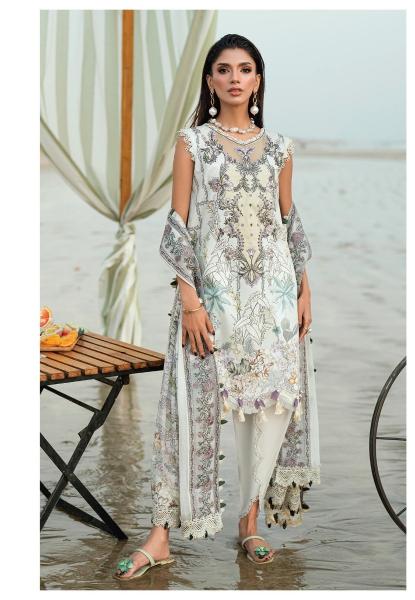
For winter ethnic wear wholesale purchases, retailers should consider that customers may prefer slightly comfortable fits during colder months. Kurtis, Pakistani suits and kurti pant sets that allow easy movement and layering can appeal to a wider customer base. However, retailers should always follow actual garment measurements rather than assuming that every brand follows identical sizing.
Maintain a Practical Size Mix
Shop owners with historical sales data should identify which sizes sell fastest and allocate purchasing accordingly. New resellers who do not yet have enough customer data can initially maintain a broader mix rather than purchasing heavily in one size.
Plus-size ethnic wear can also represent an important opportunity. Instead of treating larger sizes as an occasional addition, retailers can evaluate whether extended-size kurti sets, salwar suits and Pakistani styles deserve a permanent position in their assortment. Providing genuine size variety can help create repeat customers who often struggle to find fashionable options.
Pricing Strategy for Better Winter Retail Margins
Wholesale buying should always be connected to the expected retail selling price. A low purchase rate alone does not guarantee a profitable product. Retailers need to calculate the complete landed cost, including product cost, GST where applicable, transportation, packaging, payment charges and other operating expenses.
Once the landed cost is clear, retailers can decide whether the expected retail price leaves enough margin. This calculation becomes especially important for online sellers who may additionally spend on advertising, content creation, customer acquisition and delivery management.
Create Multiple Retail Price Points
Instead of building the complete winter range around one price band, consider offering multiple levels. Affordable kurtis and everyday sets can bring regular transactions, mid-range coordinated outfits can increase average order value, while premium embroidered suits can provide higher-value sales.
This structure also allows retailers to respond more naturally when customers ask for options according to budget. A boutique can show an entry-level option, a mid-range alternative and a premium design without losing the customer because the initial product was outside their budget.
Protect Margin Instead of Competing Only on Price
Retail businesses sometimes enter unnecessary price competition. Customers may compare rates, but they also consider fabric quality, stitching, design freshness, availability, service and confidence in the seller. Retailers should therefore communicate the complete value of the garment rather than relying entirely on discounting.
Clear product photographs, accurate descriptions, transparent size information and reliable customer support can improve the perceived value of a collection. This becomes particularly useful for Instagram, WhatsApp and online resellers where customers cannot physically examine the garment before ordering.
Stock Planning for Different Types of Wholesale Buyers
Every buyer does not need the same inventory strategy. A large showroom can hold greater variety and depth than a home-based seller, while a boutique may prefer carefully selected premium pieces rather than large quantities of basic designs.
Home-Based Sellers
Home-based sellers should focus strongly on inventory rotation. Smaller quantities across attractive designs can help reduce blocked capital. Products that photograph well and are easy to explain through WhatsApp or social media are especially useful.
Kurti sets, Pakistani suits, comfortable co-ord sets and ready-to-wear ethnic outfits can work well because customers can understand the complete look immediately. Sellers can gradually increase purchasing in categories that generate repeat enquiries.
Shop Owners
Physical retail stores generally require more depth because customers expect immediate size and colour choices. Shop owners should identify their strongest everyday category and build dependable stock around it while keeping enough new arrivals to make the store feel fresh.
For winter 2026, shop owners can combine regular kurti sets with full-sleeve suits, embroidered Pakistani styles, festive outfits and selected premium pieces. Seasonal display changes can help customers immediately recognize that fresh winter stock has arrived.
Boutique Owners
Boutiques can focus more heavily on design differentiation. Rather than competing with mass-market sellers on every product, boutique owners can choose distinctive embroidery, unusual colour combinations, elegant dupattas and refined silhouettes.
A curated boutique collection should feel intentional. Customers visiting a boutique often expect something different from standard market stock, making product selection and presentation as important as wholesale pricing.
Showroom Owners and Large Wholesale Buyers
Showrooms and higher-volume buyers can divide their winter investment among multiple categories and price segments. Larger inventory capacity makes it possible to maintain everyday wear, premium suits, wedding collections and trend-driven designs simultaneously.
Bulk purchasing can improve buying economics, but quantity should still be connected to expected turnover. Even large retailers benefit from monitoring sell-through rates and replenishing winners instead of simply increasing every purchase quantity.
Online Selling Strategy for Winter Ethnic Collections
Digital presentation can influence how quickly wholesale stock converts into retail sales. Customers purchasing through social platforms usually make their first judgement from the image or video, so retailers should present garments clearly and consistently.
Show the complete outfit, close-up fabric details, neckline work, sleeves, dupatta and bottom whenever possible. Product descriptions should clearly state the available size, fabric, colour, set contents and selling price. Avoid making customers repeatedly ask for basic information that could have been included in the original post.
Use New Arrivals to Create Regular Customer Attention
Instead of uploading dozens of products once and then remaining inactive, retailers can introduce new stock consistently. Regular arrivals give customers a reason to revisit WhatsApp groups, Instagram profiles or websites.
Wholesaleexport.in can support this type of sourcing by providing access to changing ethnic wear collections. Retailers can shortlist products according to their audience instead of depending on one category throughout the season.
Sell Complete Looks Where Possible
Complete outfits can be easier to market than isolated pieces. A kurti with coordinated pants and dupatta creates a ready-made look, while Pakistani suits with complementary bottoms and dupattas provide strong visual value for occasion shoppers.
Retailers can also suggest accessories, shawls, jackets or other complementary pieces when available. Increasing the usefulness of a purchase can improve customer satisfaction as well as average transaction value.
Inventory Mistakes Wholesale Buyers Should Avoid
Winter stock has a limited seasonal window, which makes inventory discipline particularly important. Retailers should avoid buying only according to personal preference. The owner's favourite colour or design may not necessarily match customer demand.
Another common mistake is purchasing too deeply before testing a new category. New trends can look promising in catalogues but perform differently in a specific city or customer segment. Testing and reordering can reduce this risk.
Do Not Ignore Fabric Details
Fabric influences comfort, appearance and perceived value. Before purchasing large quantities, wholesale buyers should understand the stated fabric type and product specifications. For premium categories, embroidery quality, lining, finishing and dupatta quality deserve equal attention.
Do Not Ignore Dispatch Time
Seasonal stock loses value when it arrives late. Retailers sourcing from the Surat textile market, including businesses around Ring Road and Sahara Darwaza, should account for order processing and transportation when planning inventory.
International export buyers need additional lead time. Buyers serving Nepal or Canada should plan seasonal ordering early enough to account for transportation, customs-related processes where applicable and local distribution.
Avoid Excessive Dependence on One Trend
Fashion trends can generate quick demand but may also change quickly. Build a portion of the assortment around current trends while maintaining dependable categories such as straight suits, kurti sets, printed ethnic wear and versatile coordinated sets.
Quality Checks Before Placing a Wholesale Order
Premium appearance begins with product quality. Wholesale buyers should pay attention to stitching, print alignment, embroidery finishing, fabric feel, colour presentation, garment measurements and overall construction whenever those details are available.
For ready-made sets, confirm exactly what is included. A catalogue image may show a kurta, bottom and dupatta, but buyers should verify the actual set configuration before calculating retail pricing.
Check Product Specifications Carefully
Before confirming a bulk purchase, review available information about fabric, size range, design quantity and packing. This is especially important when purchasing multiple catalogues for a showroom or when preparing an international shipment.
Retailers should also remember that screen colours can vary. Product selection should therefore be based on complete catalogue information rather than colour appearance alone.
Work with Experienced Wholesale Networks
Experience matters in a fast-moving textile business. Vastralife has been involved in wholesale and export since 2017, developing industry expertise across ethnic wear sourcing and wholesale supply. For buyers, working through an experienced supply network can make it easier to access changing collections while maintaining attention to product quality and practical order requirements.
Wholesaleexport.in is designed for buyers including resellers, boutique owners, shop owners, showroom owners, home-based sellers and wholesale purchasers looking for Indian ethnic fashion collections.
Internal Linking Section: Explore More Wholesale Categories
A strong retail store should not depend entirely on one seasonal product category. Winter collections can be combined with evergreen ethnic products so that customers have more reasons to purchase from the same seller.
For example, a retailer selling Pakistani suits can also maintain kurti sets, co-ord sets, festive wear, sarees, dress materials and selected wedding products. This creates a broader product basket while allowing the retailer to serve daily wear and occasion-wear customers from one inventory system.
When planning seasonal buying, evaluate which categories naturally complement one another. A customer who purchases an embroidered winter suit may later need a saree for a wedding, while a daily kurti customer may also purchase a coordinated set for office or casual outings. Cross-category stock can therefore increase repeat-selling opportunities.
Customer FAQs
1. When should retailers start buying winter ethnic wear wholesale stock?
Retailers should begin planning before winter demand reaches its peak. Early sourcing provides more time for product selection, transportation, merchandising and promotion. The exact buying period should be adjusted according to the climate and winter start date in the retailer's target market.
2. Which ethnic wear products are suitable for winter retail sales?
Popular options can include Pakistani suits, full-sleeve salwar suits, kurti pant sets, coordinated sets, medium-weight kurtis, embroidered festive suits and wedding-season ethnic wear. The best mix depends on local weather, customer budget and the retailer's existing sales pattern.
3. Can small resellers purchase winter collections for online selling?
Yes. Home-based sellers and online resellers can begin with selected designs across several categories and increase quantities according to customer response. A controlled initial purchase can help manage working capital while still providing enough variety for social media and WhatsApp selling.
4. Does Wholesaleexport.in supply buyers outside India?
Wholesaleexport.in serves wholesale and export-oriented requirements. International buyers should confirm current product availability, order requirements, shipping options and destination-specific details before finalizing an order. Markets such as Nepal and Canada can require different inventory and logistics planning from domestic Indian orders.
5. How should retailers choose the right winter wholesale price range?
The ideal range depends on the retailer's customer segment. A balanced collection can include affordable daily wear, mid-range complete sets and premium festive pieces. Buyers should calculate the complete landed cost and expected retail margin rather than evaluating only the initial product price.
6. Is Surat a good place for wholesale ethnic wear sourcing?
Surat has a large textile ecosystem covering fabrics, processing, manufacturing, trading and ready-made garments. Areas around Ring Road and Sahara Darwaza are widely associated with the city's textile trade, making Surat an important sourcing location for retailers looking for Indian ethnic fashion.
7. What should buyers check before placing a bulk winter order?
Buyers should check product specifications, fabric, sizes, set contents, design assortment, quantity requirements, pricing and dispatch expectations. International buyers should additionally account for shipping and destination-related requirements.
Prepare Your Winter 2026 Collection with Wholesaleexport.in
A successful winter season starts with thoughtful buying. Instead of filling shelves with random seasonal products, build a collection around customer demand, climate, size requirements, price points and expected inventory turnover. Combining reliable everyday styles with carefully selected trend and festive products can create a healthier balance between regular sales and higher-value purchases.
Wholesaleexport.in provides wholesale buyers with access to changing ethnic fashion collections backed by Vastralife's wholesale and export experience since 2017. Whether you operate a home-based business, boutique, retail shop, showroom or wholesale operation, the goal is to source products that give your customers attractive choices while supporting sustainable resale margins.
Order Wholesale Ethnic Wear for Your Store
Build your 2026 inventory with fresh styles and practical wholesale buying options. Explore collections suitable for retailers, resellers and boutiques looking to expand their ethnic fashion range.
- Latest Collections – Regularly explore fresh ethnic fashion arrivals.
- Wholesale Pricing – Source products with resale-focused wholesale opportunities.
- Trendy Ethnic Wear – Add contemporary kurtis, suits, sets and seasonal styles to your collection.
- Fast Shipping – Get your selected stock moving quickly so you can start selling sooner.
- COD Support – Available on eligible orders as per applicable terms.
- Bulk Order Deals – Suitable for retailers, boutiques, showrooms and wholesale buyers planning larger purchases.
- Quality Products Starting From ₹299 – Explore value-oriented products across available collections.
Ready to stock your store? Browse the latest collections at Wholesaleexport.in and select products according to your customers, budget and seasonal requirements.
Contact: +91 9712582172
Website: wholesaleexport.in
Plan early, select carefully and keep refreshing your inventory according to actual customer response. The right combination of quality, variety, sensible pricing and timely sourcing can help turn the winter season into a stronger sales opportunity for your retail business.