


Winter Dress Material Collection Wholesale in India 2026 – Latest Designs for Retailers & Resellers
Winter Dress Material Collection Wholesale in India 2026 – Latest Designs for Retailers & Resellers
Winter brings a valuable seasonal opportunity for ethnic wear businesses, especially when customers begin looking for fabrics that feel comfortable in cooler weather without compromising on style. From elegant unstitched suits and rich printed fabrics to premium embroidered sets and occasion-ready designs, a thoughtfully selected winter range can help retailers serve everyday buyers, festive shoppers and premium customers through one well-balanced inventory.
Introduction
The Winter Dress Material Collection has become an important seasonal category for shop owners, boutique owners, home-based sellers, showroom owners and online resellers. Unlike summer collections that primarily focus on lightweight and breathable fabrics, winter buying is influenced by fabric feel, thickness, drape, colour depth, styling and the customer’s intended use.
For the 2026 season, wholesale buyers can build stronger assortments by combining practical daily-wear designs with premium dress materials suitable for celebrations, weddings and festive occasions. The objective is not simply to purchase heavier fabrics; it is to select products that provide the right balance of comfort, appearance, quality and wholesale dress material price.
Wholesaleexport.in helps buyers explore wholesale ethnic wear collections from Surat while comparing styles suited to different customer segments. For businesses that cannot visit the market frequently, online wholesale sourcing can make regular stock updates easier and reduce dependence on repeated physical buying trips.
Why Winter Dress Materials Create a Strong Seasonal Opportunity
Seasonal inventory gives retailers a reason to introduce something fresh when customer preferences begin changing. During cooler months, deeper shades, richer-looking fabrics and coordinated suit sets often become more relevant, particularly in markets where customers want ethnic outfits for both everyday use and social occasions.
A well-planned winter dress material wholesale purchase can include affordable products for regular customers, mid-range designs for gifting and outings, and premium options for weddings or functions. This variety helps retailers avoid depending on one price segment.
Comfort and Fabric Feel Matter in Winter
Customers buying winter ethnic wear generally expect a fabric that feels seasonally appropriate. Depending on the collection, retailers may explore cotton blends, viscose-based fabrics, rayon blends, pashmina-style materials, wool-blend dress materials, velvet-touch options, jacquard-inspired fabrics and other winter-friendly constructions.
Fabric specifications should always be checked for each individual catalogue because names and compositions can differ between manufacturers. Wholesale buyers should consider texture, weight, fall, shrinkage guidance and care requirements before deciding how a product should be positioned at retail.
Rich Colours Add Seasonal Appeal
Winter fashion provides room for stronger colour stories. Wine, maroon, bottle green, navy blue, mustard, rust, coffee, black, plum, deep purple and darker teal can create a distinctly seasonal presentation. Retailers can balance these colours with beige, dusty pink, grey and softer pastels for customers who prefer understated styling.
Colour assortment matters in dress material wholesale because customers rarely respond equally to every shade. A practical buyer studies previous sales, regional preferences and customer age groups before increasing quantities in a particular colour family.
Best Winter Dress Material Styles for 2026
The right product mix depends on the retailer’s customer base. A neighbourhood shop may require more practical daily-wear options, while a premium boutique may focus on sophisticated embroidery, distinctive dupattas and elegant fabric combinations. Online resellers often benefit from products with strong catalogue photography because visual appeal influences digital inquiries.
Printed Winter Dress Materials
Printed collections can provide an accessible entry point for regular customers. Floral patterns, geometric layouts, traditional motifs, abstract prints and ethnic-inspired designs can all work when paired with suitable seasonal colours. These products can be useful for retailers seeking affordable dress material wholesale options with frequent selling potential.
For resellers, printed collections can also be easier to rotate. Instead of investing heavily in one expensive catalogue, sellers can offer multiple patterns and observe which designs attract the strongest customer response before restocking.
Embroidered Dress Materials for Premium Buyers
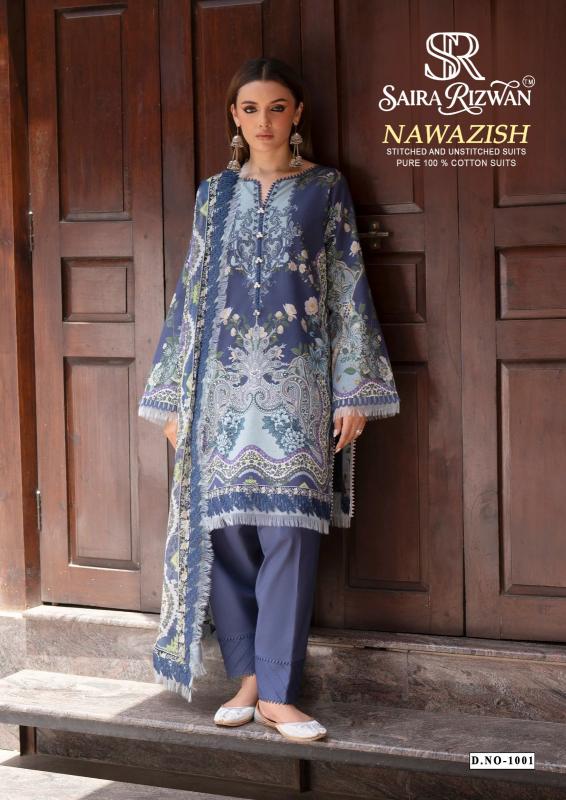
Embroidery adds perceived value and can move a product into a higher retail segment. Neck embroidery, border detailing, thread work, tonal embroidery, sequins and carefully placed motifs can make a winter suit material suitable for occasions without requiring excessively heavy styling.
When buying embroidered dress materials wholesale, retailers should look beyond the catalogue photograph. Work finishing, fabric compatibility, dupatta quality and the overall coordination of the set influence whether customers consider the final price justified.
Winter Suit Materials with Statement Dupattas
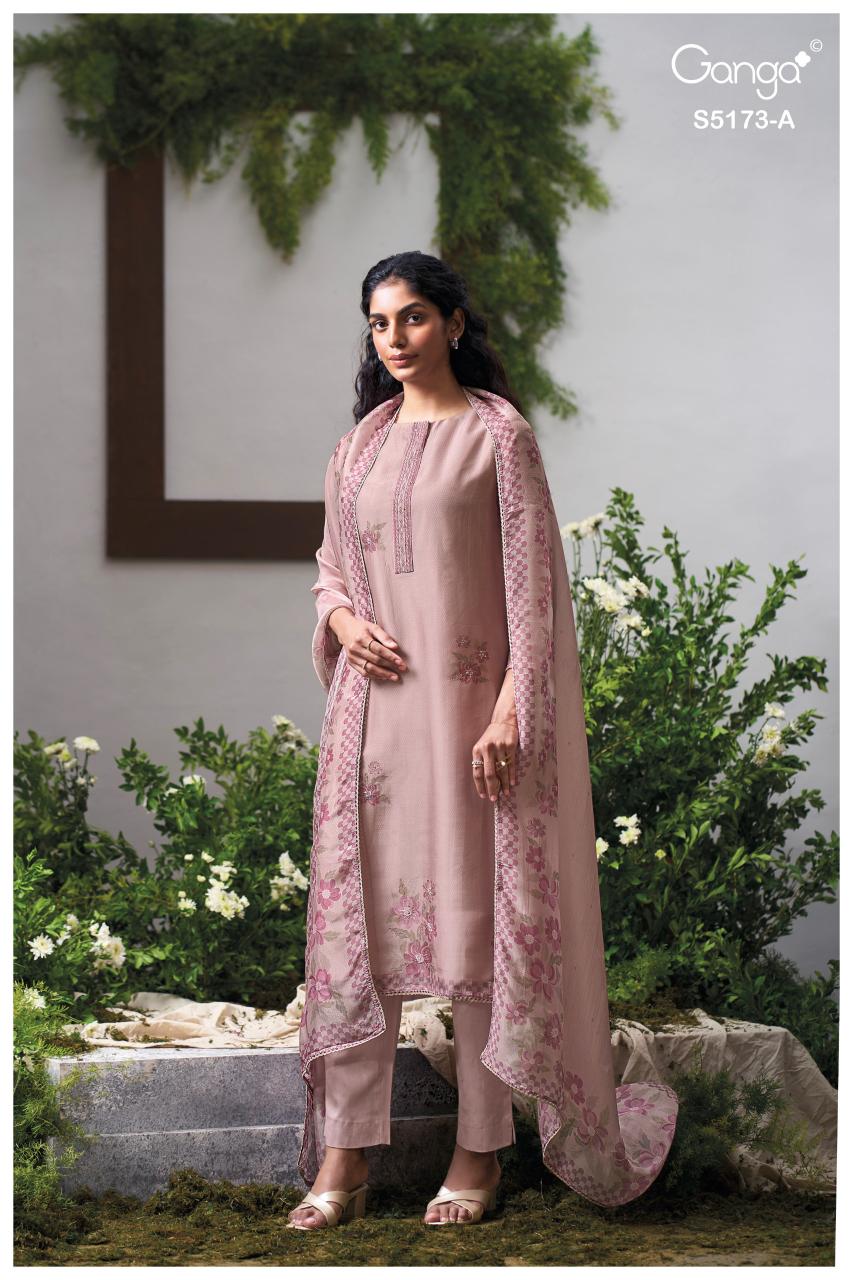
A distinctive dupatta can transform an otherwise simple suit material into an attractive retail product. Printed, woven, embroidered or border-detailed dupattas can give retailers an easy selling point, especially when the base fabric has a clean and elegant appearance.
For boutique owners, such combinations also create styling opportunities. A visually coordinated set can be displayed as a complete look, helping customers imagine the finished outfit before stitching.
Surat Textile Market for Winter Dress Material Wholesale
Surat remains one of India’s major textile sourcing destinations, and the surat textile market provides access to manufacturers, wholesalers, suppliers and distributors across numerous ethnic wear categories. Buyers sourcing winter dress materials can explore different fabric qualities, design concepts and price levels within the broader Surat textile ecosystem.
The commercial belt around ring road is particularly familiar to textile buyers visiting Surat. Numerous textile markets operate across this area, giving wholesale buyers opportunities to compare collections and build supplier relationships. Sahara darwaza is another important reference point within Surat’s textile trading environment.
Manufacturing Advantage of Surat
Surat’s textile strength is closely connected to its large manufacturing, processing, printing, embroidery and wholesale network. This ecosystem can support frequent introductions of new designs and help professional buyers source products across several price segments.
For retailers outside Surat, the benefit is access to a much larger sourcing base than may be available through a single local distributor. Wholesaleexport.in provides an online route for exploring such collections, making it useful for buyers who want to stay connected with Surat-based wholesale supply without travelling for every purchase.
How to Compare Wholesale Price Correctly
The lowest purchase price is not automatically the most profitable choice. Buyers should calculate landed cost, expected retail value, product quality and likely stock rotation. A slightly more expensive product can sometimes deliver a healthier margin if customers perceive significantly greater value.
Before placing a bulk dress material order, businesses should also consider the variety within the catalogue. Buying a practical assortment of colours and designs can reduce the risk of holding excessive stock in one style.
Winter Dress Material Collection for Different Retail Businesses
There is no single buying formula that works for every retailer. The same Winter Dress Material Collection may need to be approached differently by a home-based seller, boutique, traditional textile shop or large showroom because each business has different inventory capacity and customer expectations.
Home-Based Sellers and Online Resellers
Home-based sellers can begin with controlled quantities and a varied catalogue. Their advantage is flexibility: products can be promoted through WhatsApp, Instagram, Facebook and existing customer networks without maintaining a large showroom inventory.
For these sellers, clear product information is especially important. Fabric details, available colours, design references and selling price should be communicated accurately. Attractive product photographs may generate inquiries, but transparent descriptions help convert those inquiries into confident purchases.
Boutique Owners
Boutique buyers can focus more heavily on differentiation. Rather than stocking every available design, they can select winter suit materials that fit their store identity. Premium embroidery, distinctive prints, elegant dupattas and unusual colour combinations can help a boutique create a more curated collection.
A boutique can also test small quantities before increasing investment in a particular style. This allows the owner to respond to real customer demand instead of predicting the entire winter season in advance.
Shop and Showroom Owners
Physical stores usually need greater variety because customers expect to compare fabrics, designs and price ranges. A balanced winter suit material wholesale assortment can include entry-level products for everyday shoppers, attractive mid-range sets and a premium section for occasions.
Showroom owners should also plan inventory around their regional climate. Winter demand in northern markets may differ considerably from demand in warmer regions, so fabric weight and product quantity should match actual customer requirements rather than a generic seasonal trend.
How to Build a Profitable Winter Inventory
Inventory planning should begin with the customer, not the catalogue. Buyers should review what sold during previous seasons, identify missing price points and then purchase new collections accordingly. This prevents attractive but unsuitable products from consuming too much working capital.
Create Multiple Retail Price Levels
One effective strategy is to maintain products across affordable, mid-range and premium categories. Entry-level designs can attract price-sensitive shoppers, while better fabrics and embroidery can serve customers willing to spend more for appearance and finishing.
Retailers should calculate their required margin before finalising a wholesale dress material supplier. Freight, packaging, payment costs and other applicable expenses should be included when determining the final landed cost.
Keep Fresh Designs Moving Through the Store
Customers respond positively when they regularly see something new. Instead of making one very large seasonal purchase, retailers may find it useful to refresh selected categories throughout winter where supply and logistics allow.
This approach can also support social media marketing. Every new catalogue provides fresh material for WhatsApp updates, Instagram content and direct customer communication, helping sellers remain visible during the buying season.
Wholesale Sourcing for India and Export Markets
Indian ethnic wear has a customer base beyond the domestic market, creating opportunities for wholesale buyers serving international communities. For this guide, three useful target markets to consider are Nepal, Australia and Singapore. Product selection for each destination should reflect local climate, customer preferences, retail price expectations and shipping economics.
Wholesale and export buyers should confirm product availability, order quantity, packing requirements, shipping terms and applicable destination regulations before placing large orders. International purchasing works best when product information and commercial terms are clear before dispatch.
Nepal Wholesale Market
Nepal can be relevant for Indian ethnic wear retailers because suits and dress materials fit naturally into the broader South Asian fashion market. Buyers can consider everyday designs alongside richer collections for festive and occasion-based demand.
Australia and Singapore Resellers
Resellers serving Indian communities in Australia and Singapore can build curated selections rather than simply replicating domestic inventory. Premium-looking products, manageable assortments and clear product presentation can be especially useful when shipping cost forms a meaningful part of the landed price.
Vastralife brings wholesale and export experience since 2017, supported by practical textile industry expertise and a focus on premium product quality. Through Wholesaleexport.in, this experience supports buyers looking for ethnic wear sourcing opportunities for domestic and international business.
Businesses preparing the next stage of their inventory can continue with specialised wholesale dress materials in Surat to compare relevant collections. Retailers expanding into complementary women’s categories can also explore feeding kurtis for women according to their customer requirements.
Choosing Winter Dress Materials According to Customer Demand
A profitable winter range is built around real customer demand rather than simply purchasing every new catalogue. Wholesale buyers should study the styles, fabrics, colours and price points that perform well in their market and then use those insights when planning repeat purchases. This is especially useful for businesses carrying several ethnic wear categories at the same time.
For 2026, retailers can keep a combination of comfortable everyday fabrics and premium occasion-oriented collections. A neighbourhood shop may require more affordable designs, while a boutique may benefit from distinctive embroidery, sophisticated prints and coordinated dupattas. Understanding this difference can improve inventory turnover and protect working capital.
Plan Inventory Around Regional Climate
Winter conditions vary considerably across India. Buyers serving colder regions can consider relatively warmer and richer fabrics, while stores in moderate climates may need lightweight winter-friendly materials that remain comfortable throughout the day. This makes regional planning an important part of winter dress material wholesale purchasing.
Retailers should also consider when winter demand actually begins in their market. Purchasing early enough allows time for product photography, merchandising, customer communication and repeat ordering of successful designs before the season reaches its peak.
Use Colour Assortment to Improve Sales Potential
A catalogue may contain several attractive colours, but a retailer does not necessarily need equal quantities of every shade. Deep green, wine, maroon, navy, rust, mustard, black and plum can provide a strong winter identity, while selected lighter shades can keep the display varied.
Home-based sellers can test colour response through customer inquiries before committing to deeper inventory. Shop and showroom owners can use previous billing data to understand which shades repeatedly perform in their location.
Quality Checks Before Placing a Bulk Order
Product quality influences repeat business, particularly when a retailer is building a long-term customer base. Before placing a significant bulk dress material order, buyers should understand the fabric specification, work details, set components, available colours and applicable ordering conditions.
Check the Complete Suit Set
Wholesale buyers should evaluate the complete product rather than judging only the top fabric. The bottom and dupatta contribute significantly to the final appearance and retail value. A premium-looking top paired with an unsuitable dupatta can reduce the appeal of the entire set.
For embroidered collections, buyers should pay attention to the placement and finishing of the work. For printed collections, print clarity, colour balance and fabric feel can influence the customer’s perception of quality. Accurate catalogue information is equally important when products are being sold online.
Compare Quality with Wholesale Price
Professional buying is about value rather than simply finding the lowest dress material wholesale price. Retailers should compare fabric, design, finishing and expected retail value before deciding whether a product belongs in their inventory.
When two products have different wholesale rates, the more expensive option may still produce a better business result if it supports a stronger retail price and generates faster customer acceptance. This is why experienced wholesale buyers evaluate margin and sell-through together.
Benefits of Online Winter Dress Material Wholesale Buying
Digital sourcing has made it easier for retailers outside Surat to stay connected with new textile collections. Buyers can review catalogues, compare designs and communicate their requirements without travelling to the surat textile market for every stock update.
Wholesaleexport.in is designed for wholesale buyers looking for access to ethnic wear collections through an online sourcing route. This can be useful for shop owners, boutiques and resellers who want to refresh inventory while continuing to manage their day-to-day business locally.
Useful for Home-Based and Social Media Sellers
Online sourcing is particularly practical for sellers operating through WhatsApp, Instagram or other digital channels. These businesses may not require a large physical inventory at the beginning. Instead, they can build their customer base by regularly presenting new collections and gradually increasing purchasing in successful categories.
For these sellers, the Winter Dress Material Collection provides seasonal content as well as a selling opportunity. New arrivals can be promoted according to colour, fabric, occasion and price range, helping customers quickly understand which product suits their needs.
Useful for Established Retailers
Established stores can use online wholesale sourcing to supplement their traditional buying process. A buyer may still visit Ring Road, Sahara Darwaza or other Surat textile areas for major seasonal purchasing while using online catalogues for intermediate stock replenishment.
This combination can reduce gaps between buying trips and help stores respond faster when a particular style begins selling unexpectedly well.
Wholesale Business Planning for the 2026 Winter Season
The strongest wholesale strategy is usually based on controlled purchasing, frequent review and timely replenishment. Instead of locking the entire winter budget into one early purchase, buyers can allocate capital across different stages of the season.
Begin with Proven Categories
Retailers can begin by allocating a larger share of their budget to categories that performed well previously. A smaller portion can then be used to test new fabrics, colours and design concepts. This gives the business room to follow trends without making the entire inventory dependent on untested products.
Monitor Sell-Through and Repeat Quickly
When a design starts receiving consistent inquiries, buyers should evaluate whether repeat stock is available and whether the selling window is still strong enough to justify another order. Fast-moving products can sometimes contribute more to profitability than high-margin products that sell slowly.
For showroom owners and wholesale buyers, keeping basic sales records by category, colour and price level can make future purchasing decisions more accurate. Even home-based sellers can maintain a simple record of inquiries and completed sales to identify patterns.
Vastralife Wholesale and Export Experience Since 2017
Textile sourcing becomes easier when buyers work with people who understand the practical requirements of retail and wholesale businesses. Vastralife has been associated with wholesale and export operations since 2017, bringing industry experience to the sourcing of sarees, kurtis, dress materials, ethnic sets and other women’s fashion categories.
This industry expertise helps in understanding what different buyers actually require. A reseller may prioritise manageable purchasing and attractive catalogue presentation, while a showroom may focus on variety, continuity and larger-volume requirements. Export buyers have additional considerations around packing, logistics and destination-market demand.
The focus on premium product quality, practical wholesale sourcing and evolving fashion collections supports businesses that want to build repeat customer relationships rather than depend only on one-time seasonal sales.
Internal Linking and Related Wholesale Categories
Winter inventory does not need to remain limited to one category. Retailers can combine dress materials with complementary ethnic wear based on their customer profile. The relevant wholesale dress material and women’s kurti category pathways linked earlier in this article can help buyers explore related products without making the store assortment feel disconnected.
Wholesaleexport.in can be used to explore broader ethnic wear sourcing opportunities for businesses planning multi-category inventory. A boutique might combine premium dress materials with selected kurtis, while a larger showroom can maintain separate sections for daily wear, festive wear and premium collections.
The objective should be to create a product mix where categories support one another. Customers entering for an unstitched suit may also be interested in a ready-to-wear kurti, while an existing kurti customer can become a potential buyer for a premium dress material collection.
Customer FAQs
1. Where can retailers buy Winter Dress Material Collection in wholesale?
Retailers, boutique owners, resellers and showroom buyers can source winter dress materials through Surat-based wholesale channels and online platforms such as Wholesaleexport.in. Before ordering, buyers should confirm current product availability, fabric details, quantities and applicable prices.
2. Which dress material fabrics are suitable for winter?
The appropriate fabric depends on the climate and customer requirement. Buyers may encounter viscose blends, cotton blends, rayon-based materials, pashmina-style fabrics, wool blends, jacquard-inspired fabrics and other seasonally suitable constructions. Always confirm the actual fabric specification for the selected catalogue.
3. Can home-based sellers purchase winter dress materials for reselling?
Yes. Home-based sellers can build a seasonal assortment according to their budget and customer base. Starting with varied designs and controlled quantities can help sellers identify successful colours, fabrics and price ranges before increasing investment.
4. Are winter dress materials suitable for boutique businesses?
Yes. Boutique owners can select more distinctive products featuring elegant prints, embroidery, coordinated dupattas and premium-looking fabrics. Curated buying can help a boutique differentiate its collection from general retail inventory.
5. How should I compare winter dress material wholesale prices?
Compare more than the basic product rate. Consider fabric quality, complete set components, finishing, freight, packing and expected retail selling price. The product offering the strongest combination of quality, margin and customer demand may be more profitable than the cheapest option.
6. Can wholesale dress materials be ordered for Nepal?
Export and cross-border requirements depend on the current product, order value, logistics and applicable shipping conditions. Buyers in Nepal should confirm available collections, commercial terms and current delivery arrangements before finalising an order.
7. Can buyers from Australia and Singapore source Indian dress materials?
International wholesale buyers and ethnic wear resellers can inquire about suitable collections for Australia and Singapore. Product selection should consider local customer demand, landed cost and shipping economics. Current export and dispatch terms should be confirmed at the time of ordering.
8. Is bulk purchasing better for showroom owners?
Bulk purchasing can provide advantages when the showroom already understands which products sell consistently. Large quantities should be concentrated in proven categories rather than purchased only to obtain a lower unit price. Variety remains important for customer-facing retail displays.
9. When should retailers start buying winter collections?
Buying should begin early enough to prepare the collection before local seasonal demand increases. The ideal timing varies by region because winter arrives earlier and lasts longer in some markets than others. Retailers should use previous sales patterns to plan the 2026 season.
10. How can I get the latest wholesale collection and current price?
Buyers can check Wholesaleexport.in or contact the wholesale team for current catalogues, availability and pricing. Because textile collections and stock can change, confirming the latest information before placing a bulk order is recommended.
Order Your Winter Wholesale Collection for 2026
If you are a home-based seller, reseller, boutique owner, shop owner, showroom owner or wholesale buyer preparing for the winter selling season, build your inventory around products that combine customer appeal, practical pricing and reliable quality. The right assortment can help you serve daily-wear shoppers while still offering attractive options for festive and premium customers.
Explore Latest Collections with competitive Wholesale Pricing and a growing selection of Trendy Ethnic Wear. Wholesale buyers can inquire about Fast Shipping, applicable COD Support, Bulk Order Deals and Quality Products Starting From ₹299. Product prices, availability, MOQ, COD eligibility and shipping conditions should be confirmed for the selected collection at the time of ordering.
Contact Number: +91 9712582172
Website: wholesaleexport.in
Prepare your 2026 winter inventory with a balanced mix of fresh designs, practical price points and customer-focused products. Whether you are sourcing from Surat or ordering remotely, thoughtful purchasing and regular new arrivals can help turn seasonal demand into repeat business.