


Why Product Quality Matters More Than the Lowest Wholesale Price
Why Product Quality Matters More Than the Lowest Wholesale Price
For clothing retailers, boutique owners, resellers and wholesale buyers, buying at the cheapest possible rate can initially look like the easiest way to increase margins. But the real profitability of a clothing business depends on what happens after the product reaches the customer. Fabric feel, stitching, fitting, colour, finishing, design accuracy and customer satisfaction can ultimately create far more value than saving a small amount on the purchase cost.
Introduction
The wholesale clothing market has become highly competitive in 2026. Buyers can compare hundreds of suppliers, catalogues and products online within minutes. Whether someone is sourcing from the surat textile market, purchasing through an online wholesale platform or placing an export order from another country, comparing price is now extremely easy.
That convenience creates a common purchasing mistake: choosing a supplier primarily because the quoted rate is lower.
A ₹50 or ₹100 saving per piece may look attractive while placing a bulk order. However, if those garments have weak stitching, inconsistent measurements, colour variation, poor fabric, unfinished embroidery or a noticeably different appearance from the catalogue photographs, the apparent saving can quickly disappear.
A better wholesale purchasing approach is to evaluate the complete value of a garment. That includes product quality, design demand, fabric, workmanship, size consistency, supplier reliability, packing, dispatch support and the potential resale price.
This approach is especially important for home-based sellers, boutique owners, showroom operators and online resellers because their customers usually judge the seller, not the manufacturer behind the product.
1. Your Customer Remembers Quality, Not Your Purchase Cost
Your customer normally has no idea whether you purchased a garment for ₹500, ₹550 or ₹600. What the customer can see and feel is the product delivered to them.
They notice whether the fabric feels comfortable. They notice whether embroidery looks clean, whether stitching is straight and whether the garment fits according to the promised size. They also notice whether the actual colour and design resemble the photographs used while selling the product.
This makes wholesale clothing quality one of the most important factors behind repeat business.
Suppose two wholesale products are available. Product A costs slightly less but has inconsistent finishing. Product B costs slightly more but has better fabric, cleaner stitching and reliable sizing. Product A may offer a higher theoretical margin, but Product B can generate greater long-term value if customers are happier and reorder.
Quality Helps Build Repeat Customers
A profitable clothing business is rarely built entirely through first-time customers. Repeat customers can become especially valuable because the seller does not need to establish trust from zero every time.
A customer who receives a good kurti, suit, saree, lehenga or kidswear product is more likely to check your next collection. A boutique owner who receives dependable merchandise from a wholesaler is more comfortable placing a larger subsequent order.
This is why experienced wholesale buyers often look beyond the lowest rate and concentrate on consistent garment quality.
Poor Quality Creates Hidden Costs
The lowest wholesale price can carry costs that are not visible on the invoice. These may include customer complaints, replacement expenses, return shipping, damaged reputation, unsold inventory and time spent resolving problems.
For resellers working through WhatsApp, Instagram, Facebook or their own online stores, one dissatisfied customer can also affect future referrals.
The real buying cost therefore should not be calculated using the product rate alone. Buyers should consider the product's overall saleability and the likelihood that it can be delivered to the final customer without problems.
2. Better Garment Quality Can Support Better Selling Prices
Wholesale profitability is not simply about purchasing at the lowest possible amount. The difference between buying price and realistic selling price matters more.
Consider a simple example. A low-quality garment purchased at ₹450 may only be comfortably sellable at ₹650. A better-designed and better-finished garment purchased at ₹550 might potentially fit a higher retail positioning, depending on the product, local market and customer segment.
The exact margins vary by category and market, but the principle remains important: wholesale price should always be evaluated together with resale potential.
Premium presentation also matters for boutiques and showrooms. Customers are generally more comfortable paying higher prices when fabric, design and workmanship justify the positioning.
Look at Value Per Piece Instead of Price Per Piece
Before placing a bulk clothing order, ask several practical questions. Is the design currently sellable? Does the fabric match the target customer's expectations? Is the workmanship appropriate for the quoted price? Can the product create a healthy resale margin? Is the sizing suitable for the intended market? Is the supplier able to provide consistent quality across repeat orders?
These questions help a buyer evaluate value per piece instead of focusing only on cost per piece.
Wholesaleexport.in works with buyers looking for different price segments, from accessible everyday ethnic wear to more premium collections. Vastralife's wholesale and export experience since 2017 also provides practical industry understanding of what retailers, resellers and wholesale buyers need when selecting merchandise.
3. Fabric Quality Is the Foundation of a Good Garment
A beautiful catalogue photograph cannot compensate for uncomfortable or unsuitable fabric. Buyers placing wholesale orders should therefore understand the basic fabric specification before comparing rates.
Depending on the clothing category, buyers may encounter cotton, rayon, viscose, georgette, chiffon, organza, silk blends, muslin, linen blends, crepe and numerous other materials.
Two garments that look almost identical in photographs can feel completely different because of differences in fabric weight, weave, softness and finishing.
Check Fabric According to the Product Category
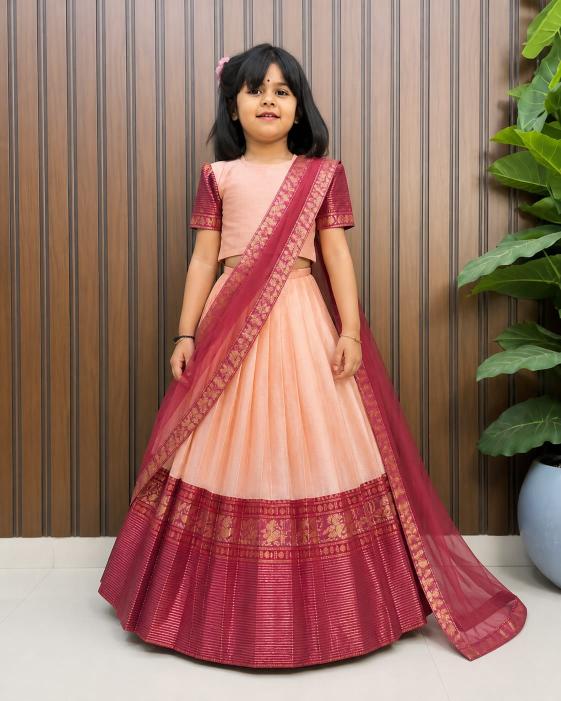
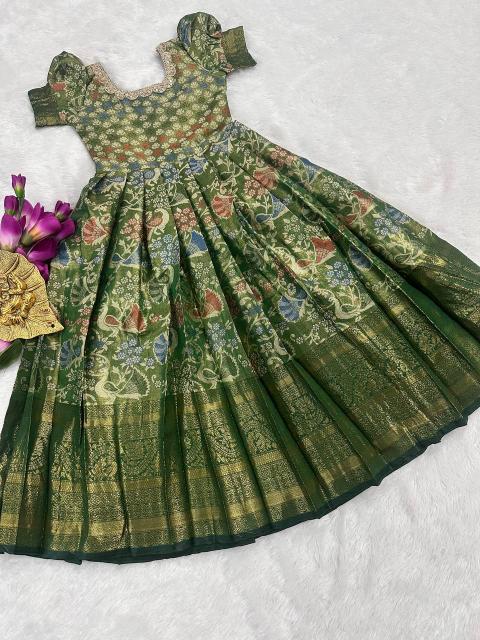
There is no single fabric that is best for every garment. Everyday kurtis may require comfort and easy maintenance, whereas festive suits may depend more heavily on fall, embroidery and visual richness. Lehenga choli collections may need sufficient structure to support embellishment, while children's ethnic wear needs special attention to comfort and finishing.
For this reason, garment quality checking should be category-specific.
A wholesale buyer should ideally evaluate fabric composition, transparency, thickness, colour appearance, shrinkage expectations and whether the fabric complements the intended design.
4. Stitching and Finishing Separate Good Stock From Cheap Stock
Small workmanship details often reveal whether a garment was produced with proper quality control.
Buyers should look at seams, sleeve attachment, neckline finishing, hems, side stitching, zippers, hooks, buttons and embroidery edges. Loose threads alone may be minor, but repeated finishing problems across multiple pieces can indicate weak production control.
This becomes particularly important when ordering from a clothing manufacturer in Surat or another large manufacturing hub where thousands of styles can enter the market quickly.
Surat's textile ecosystem around Ring Road, Sahara Darwaza and the wider surat textile market gives buyers access to an enormous variety of garments. Variety is an advantage, but professional buyers should still evaluate each collection according to quality, market demand and selling potential rather than assuming that the cheapest catalogue offers the best business opportunity.
Embroidery and Decorative Work Need Extra Attention
For festive and designer products, inspect embroidery density and finishing carefully. Check whether sequins, beads, lace, zari, thread work and other decorative elements are attached properly.
The more detailed the garment, the more important workmanship becomes.
When buying premium ethnic wear, a small difference in manufacturing quality can create a noticeable difference in how the finished garment looks in a boutique or showroom.
5. Size Consistency Is Critical for Resellers
Size inconsistency can become one of the most expensive problems for online clothing sellers. If one XL piece fits like L while another fits like XXL, customers may lose confidence even when the fabric and design are attractive.
This is why a professional wholesale clothing supplier should provide reasonably clear sizing information whenever applicable.
For buyers, especially those purchasing larger quantities, size charts and category-specific measurements can be as important as product photographs.
Home-based sellers and online resellers should pay particular attention because their customers often purchase without physically trying the garment.
Plus-Size Buyers Need Even Greater Accuracy
The plus-size segment offers significant opportunities for retailers, but inconsistent measurements can create problems quickly. Bust, waist, hip, sleeve and garment length should correspond sensibly with the stated sizes.
A cheaper product that generates repeated fitting complaints may eventually become more expensive than a slightly higher-priced collection with dependable measurements.
6. Catalogue Accuracy Matters in Online Wholesale
Digital wholesale buying depends heavily on images and videos. Buyers may place orders from another city or even another country without physically inspecting every piece.
Therefore, the difference between catalogue presentation and the actual garment should be reasonable.
Professional buyers should compare colour, embroidery placement, fabric appearance, silhouette and included pieces. For example, if a suit is advertised as a three-piece set, confirm exactly what is included before ordering.
This becomes particularly important for export clothing orders, where exchanging stock can involve additional time and logistics.
Buyers exploring specialised categories can browse kids wear wholesale options according to their customer segment. Retailers building broader ethnic inventories can also evaluate wholesale sarees alongside suits, kurtis and other categories.
7. Quality Matters Even More for Export Buyers
For international buyers, a small quality problem can become a large commercial problem because the product has already travelled across borders.
Consider a boutique buyer in Nepal, a reseller in Australia or an ethnic clothing retailer in the USA. Their sourcing decisions involve not only the garment price but also freight, customs requirements, local operating expenses and delivery time.
If poor-quality inventory reaches the destination, replacing it can be much more complicated than replacing stock locally.
This is why international buyers should evaluate the complete landed value of the order rather than chasing the minimum factory rate.
Export Quality Should Be Consistent Across the Order
A sample can look excellent while bulk production varies. Wholesale buyers should therefore work with suppliers who understand that consistency across the order matters.
When sourcing for export, practical checks can include quantity verification, colour and size assortment, finishing, packaging and product matching before dispatch.
Wholesaleexport.in serves wholesale and export-focused buyers who want access to Indian ethnic wear collections while keeping product selection practical for their target markets.
8. The Lowest Price Can Increase Dead Stock Risk
Inventory that does not sell is expensive regardless of how cheaply it was purchased.
Suppose a retailer purchases 100 pieces simply because the supplier offers an unusually low rate. If 30 pieces remain unsold because the design, fabric or finishing does not appeal to customers, the effective cost of the sold inventory becomes considerably different from the original calculation.
This is why experienced buyers think about inventory turnover.
A slightly more expensive collection that sells quickly can generate healthier cash flow than cheaper stock sitting on shelves for months.
Buy What Your Customers Can Sell or Wear
Home-based sellers should generally prioritise products that photograph well and are easy to explain online. Boutique owners may focus on distinctive designs and better presentation. Showroom owners may require broader variety and size depth. Wholesale buyers supplying retailers may prioritise repeatable designs, competitive price points and dependable availability.
The right product mix therefore depends on the buyer's business model.
9. Supplier Reliability Is Part of Product Quality
Quality does not end with fabric and stitching. A good wholesale relationship also depends on communication, accurate order handling, proper packing and dependable dispatch.
For a buyer placing regular orders, these operational factors can be just as valuable as a small difference in price.
Reliable sourcing becomes increasingly important as the business grows. A home-based reseller placing a small initial order may eventually become a boutique, shop or distributor purchasing significantly larger quantities.
A supplier who can support that growth becomes a business asset.
Experience Helps With Wholesale Selection
Vastralife has wholesale and export experience since 2017, with industry exposure across women's ethnic wear and related categories. This experience helps in understanding the practical needs of resellers, retailers, boutiques and bulk buyers, including product variety, quality expectations and market-oriented sourcing.
Wholesaleexport.in is designed to make wholesale discovery easier for buyers who want to explore multiple clothing categories from the Indian textile market.
10. Calculate Profit After Quality, Not Before It
Before placing an order, many buyers calculate profit using a simple formula: selling price minus buying price. A more useful calculation considers additional factors such as shipping, packaging, marketing, potential defects, returns, discounts and unsold stock.
This gives a more realistic picture of the expected margin.
For example, if a better-quality product costs slightly more but results in fewer complaints, stronger customer satisfaction and faster stock movement, the net business result can be better.
This is the central reason product quality matters more than the lowest wholesale price. The cheapest purchase is not automatically the most profitable purchase.
How to Compare Wholesale Suppliers Before Ordering
Instead of comparing suppliers on price alone, buyers can create a practical evaluation covering product range, fabric, stitching, sizing, finishing, catalogue accuracy, availability, packing, communication and dispatch support.
Start With a Suitable Order Size
When dealing with a new collection, selecting an appropriate initial quantity can help buyers understand market response before increasing inventory. Fast-moving designs can then be reordered subject to availability.
Compare Similar Products
Do not compare the price of a basic printed kurti with an embroidered premium kurti simply because both belong to the same category. Compare garments with similar fabric, workmanship, design complexity and size range.
Ask What Is Included
For suit sets, lehengas, dress materials and coordinated ethnic wear, confirm the components included in the quoted price. Dupatta, bottom, lining or other elements can materially change product value.
Think About Your Final Customer
The best wholesale stock is ultimately stock your customer wants to purchase. Trends matter, but so do climate, age group, local preferences, festival demand and typical retail budget.
Customer FAQs
1. Should I always avoid the cheapest wholesale clothing?
No. A low price does not automatically mean poor quality. The important point is to verify what you are receiving for that price. If fabric, stitching, sizing and finishing are suitable for your target customer, a competitively priced garment can be an excellent purchase.
2. What should I check first before placing a bulk clothing order?
Start with the product specification: fabric, sizes, design, included pieces, colour options and workmanship. Then consider supplier reliability, dispatch expectations and the total cost of getting the inventory to your business.
3. Is Surat suitable for wholesale ethnic wear sourcing?
Surat is a major textile and garment sourcing centre with extensive wholesale and manufacturing activity. Areas around Ring Road and Sahara Darwaza are well known within the textile trade. Buyers should still evaluate individual products and suppliers according to their own requirements.
4. Can home-based resellers buy wholesale clothing online?
Yes. Online wholesale sourcing allows home-based sellers and resellers to access collections without maintaining a traditional physical sourcing setup. Before ordering, buyers should review product details, MOQ, pricing and applicable shipping or payment terms.
5. Why is quality particularly important for overseas wholesale orders?
International orders involve additional logistics and may involve customs, freight and longer delivery routes. Because resolving product issues after international delivery can be more complicated, careful product selection and quality verification become especially valuable.
6. Does a higher wholesale price always mean higher quality?
No. Price alone is not proof of quality. Buyers should judge the actual garment. The goal is not to buy the most expensive product; it is to find the right balance of quality, demand, purchase cost and resale potential.
Internal Linking and Wholesale Product Discovery
Building a profitable inventory usually requires more than one category. Depending on the target customer, a seller may combine kurtis, kurti sets, salwar suits, Pakistani suits, sarees, lehenga choli, dress materials, kidswear and other trending ethnic wear.
When comparing collections, evaluate each category separately rather than applying one quality or price benchmark to everything. Fabric, workmanship and customer expectations vary significantly between everyday clothing and occasion wear.
Wholesaleexport.in helps buyers explore different product segments from one wholesale-focused platform, making it easier to shortlist collections according to budget, customer demand and business model.
Build Your 2026 Inventory Around Value, Quality and Sellability
Successful wholesale buying is not about paying more unnecessarily. It is about knowing where saving money makes sense and where excessive cost-cutting can damage profitability.
For 2026 wholesale clothing sourcing, focus on products that combine competitive pricing with dependable quality, attractive designs and realistic resale potential. Whether you are a home-based seller, reseller, boutique owner, shop owner, showroom operator or wholesale buyer, inventory should help you generate repeat sales rather than simply provide the lowest purchase invoice.
Explore Latest Collections, Wholesale Pricing, Trendy Ethnic Wear, Fast Shipping, COD Support, Bulk Order Deals and Quality Products Starting From ₹299.
Contact: +91 9712582172
Website: wholesaleexport.in
Choose wholesale stock with the complete business picture in mind: quality that customers appreciate, pricing that leaves room for profit, designs that fit your market and sourcing support that helps you keep selling.
How Quality Protects Your Wholesale Clothing Profit Margin
A healthy margin is not created only at the moment of purchase. The real margin becomes clear after the merchandise has been sold, customers have received their orders and any complaints, exchanges or unsold inventory have been considered. This is why professional buyers should calculate the true cost of wholesale clothing instead of looking only at the supplier's quoted price.
Imagine that one garment is available at a very low wholesale price but regularly creates stitching complaints. Another garment costs slightly more but has better finishing, dependable sizing and stronger customer acceptance. Even though the second product requires a higher initial investment, it may generate a healthier overall return because fewer pieces create after-sales problems.
This distinction becomes particularly important when purchasing large quantities. A small quality issue multiplied across 100, 500 or 1,000 pieces can become a significant business expense. For this reason, bulk clothing buyers should evaluate quality before increasing quantities.
Calculate the Cost of Unsold Inventory
Dead stock is one of the most overlooked costs in wholesale clothing. A garment purchased cheaply but left unsold for several months ties up working capital and occupies valuable storage or showroom space.
By contrast, a slightly higher-priced design that customers actively want may rotate faster. Faster stock movement allows the same capital to be reinvested into fresh collections several times during a season.
For boutique owners and resellers, this makes stock turnover an important factor when comparing wholesale deals. A product should not be considered profitable merely because its purchase price is low.
Quality Is Especially Important for Festive and Occasion Wear
Customer expectations usually rise when purchasing clothing for weddings, festivals, parties and special occasions. Products such as lehenga choli, embroidered suits, festive sarees, designer kurtis and children's ethnic wear are often purchased for important events, making visible finishing particularly important.
Buyers should carefully check embroidery placement, decorative work, lining, borders, dupatta finishing, stitching and colour coordination. A small finishing defect that might receive little attention on an inexpensive everyday garment can be much more noticeable on occasion wear.
Retailers sourcing from the surat textile market have access to a large variety of festive designs across multiple price ranges. The objective should be to find merchandise where workmanship reasonably matches the intended retail segment.
Premium Presentation Can Increase Perceived Value
Good fabric and workmanship also improve how a product looks in photographs, videos, boutique displays and social-media promotions. This can be especially valuable for WhatsApp sellers, Instagram resellers and home-based businesses that depend heavily on visual presentation.
A garment with clean finishing, attractive fall and detailed work can create stronger product content. Better presentation can make it easier for a reseller to communicate why a particular design deserves its selling price.
In 2026, when customers can compare numerous clothing options online, presentation and actual product quality need to support each other.
Why Reliable Manufacturing Matters for Repeat Orders
A successful design can create an opportunity for repeat purchases, but that opportunity is valuable only when subsequent stock maintains reasonable consistency. This is where dependable manufacturing becomes important.
Wholesale buyers should not only ask whether a product looks good today. They should also consider whether the supplier has systems for product selection, order processing, quality checking and dispatch.
For showroom owners and larger wholesale buyers, consistency can become more valuable as order volumes increase. If customers become familiar with a certain quality level, sudden variation in fabric, measurements or workmanship can damage confidence.
Consistency Helps Build a Recognisable Retail Standard
A boutique develops its reputation partly through the products it chooses. When customers repeatedly find comfortable fabrics, dependable fitting and attractive finishing, they begin to associate those characteristics with the boutique itself.
This means supplier selection indirectly affects the retailer's brand.
Vastralife's wholesale and export experience since 2017 provides industry exposure to the practical expectations of retailers, resellers and wholesale buyers. Product variety is important, but maintaining a focus on sellability and quality is equally important when building long-term wholesale relationships.
Domestic and Export Buyers Should Evaluate Quality Differently
The fundamentals of garment quality remain similar, but the financial impact of a mistake can vary according to the destination. A domestic buyer may have comparatively simpler logistics, while an international buyer may need to consider freight, customs procedures, local distribution and longer transit times.
For buyers in Nepal, Australia and the USA, the cost of moving merchandise from India means every shipment should be planned carefully. An extremely cheap garment is not a bargain if a meaningful portion of the shipment becomes difficult to sell after arrival.
International buyers should therefore evaluate product suitability for their local market along with garment quality. Climate, customer preferences, sizing expectations, festival calendars and retail price positioning can all affect demand.
Landed Cost Is More Important Than Factory Price
For export buyers, the useful number is often the landed cost rather than the original product price. The landed cost can include the garment, packing, transport, freight and other applicable import-related expenses.
When these costs are added, saving a very small amount on the garment while compromising quality may make little commercial sense.
A better approach is to source merchandise with sufficient resale potential to absorb logistics costs while still providing an appropriate margin.
How Boutique Owners Should Balance Price and Quality
Boutique customers frequently expect something beyond the cheapest mass-market product. They may be looking for distinctive designs, better fabrics, attractive embroidery, flattering silhouettes or curated colour combinations.
A boutique owner should therefore establish clear buying segments. Everyday collections can target accessible prices, while festive or premium collections can carry stronger workmanship and higher perceived value.
This creates a balanced inventory rather than forcing every product into the lowest possible price bracket.
Use Multiple Price Points
Instead of stocking only one price segment, retailers can maintain entry-level, mid-range and premium products. This allows customers to choose according to their budgets while giving the retailer flexibility in margins and product presentation.
For example, affordable everyday kurtis can bring regular traffic, while premium suit sets, sarees or lehengas can serve customers shopping for occasions. Kidswear and seasonal collections can add further opportunities.
The key is to ensure that the quality-to-price ratio makes sense within each segment.
Quality Checks to Perform Before Confirming a Bulk Order
Before increasing an order quantity, wholesale buyers can use a practical checklist. Begin with the fabric and verify whether its texture, weight and appearance match the intended category. Review stitching around the neckline, sleeves, side seams and hem. For decorated garments, inspect embroidery, sequins, lace, zari or bead work.
Next, confirm sizes, colours, assortment, product components and quantity. Buyers should understand whether the quoted price covers a single garment or a complete set.
For catalogue-based purchases, compare the available product photographs or videos with the specifications provided. Clarifying these details before payment can reduce misunderstandings later.
Check Packaging and Dispatch Requirements
Packaging becomes particularly important for premium products and export orders. Garments should be packed in a way appropriate for their category and transport journey.
Buyers should also plan order timing around seasonal demand. Purchasing excellent-quality festive merchandise too late can reduce its commercial value if it arrives after the primary selling period.
Quality sourcing therefore involves not only the garment but also availability, order planning and logistics.
Customer FAQs
1. Is the cheapest wholesale supplier always risky?
No. A competitive wholesale price can be perfectly suitable when the garment meets the required quality standard. Buyers should compare similar products and verify fabric, workmanship, sizing and specifications instead of assuming that either the cheapest or most expensive option is automatically better.
2. What is the most important quality factor in wholesale clothing?
There is no single factor for every category. Fabric, stitching, fitting, finishing and design accuracy all matter. For embellished ethnic wear, embroidery and decorative workmanship become particularly important, while everyday clothing may place greater emphasis on comfort, durability and easy maintenance.
3. How can resellers reduce the risk of poor-quality stock?
Resellers can start with manageable quantities, understand product specifications, review available product images or videos, confirm size information and work with established wholesale sources. Once a product demonstrates customer demand, the reseller can consider increasing quantities subject to stock availability.
4. Should boutiques buy premium products only?
Not necessarily. A boutique can carry multiple price segments. Affordable products can serve regular buyers while premium collections can target festive and occasion customers. What matters is that the quality reasonably matches the price and customer expectation within each segment.
5. Why does garment quality matter more for export orders?
International orders usually involve additional transportation and handling. Resolving a quality issue after merchandise reaches another country can be more complicated and expensive. Careful product selection before dispatch therefore becomes especially important for export buyers.
6. Does Wholesaleexport.in supply different ethnic wear categories?
Wholesaleexport.in focuses on wholesale-oriented product discovery across multiple clothing categories, helping resellers, shop owners, boutique owners, showroom owners and bulk buyers explore products according to their target customers and budgets.
7. What should a new home-based clothing seller prioritise?
A new seller should prioritise manageable inventory, attractive designs, appropriate sizing, reliable quality and products that suit the intended customer base. Buying a huge quantity only because the per-piece rate is low can unnecessarily lock working capital into stock.
8. How important is the Surat textile market for wholesale sourcing?
Surat has a large textile manufacturing and wholesale ecosystem. Areas around Ring Road and Sahara Darwaza are closely associated with textile trading, giving buyers access to numerous categories, designs and price segments.
Internal Linking and Product Sourcing
Wholesale buyers can build a stronger inventory by selecting categories according to actual customer demand rather than purchasing whichever catalogue offers the biggest discount. A retailer serving families, for example, may combine women's ethnic wear with kids wear wholesale collections to broaden selling opportunities.
Businesses focused on traditional and festive demand can also explore wholesale sarees while building a wider assortment of suits, kurtis, lehengas and other ethnic clothing.
The objective of internal product discovery should be to create a balanced inventory that matches customer budgets, local demand and expected selling seasons.
Choose Wholesale Value, Not Just the Lowest Number
A low purchase price can be useful, but only when the merchandise remains commercially viable. The strongest wholesale decisions usually combine competitive pricing, dependable product quality, current designs, suitable sizing and realistic resale potential.
For home-based sellers, shop owners, boutique owners, showroom owners, resellers and wholesale buyers, this approach can protect both margins and customer relationships.
Wholesaleexport.in provides access to wholesale clothing selections for buyers looking to source Indian fashion and ethnic wear for domestic and export markets.
Source Your Next Wholesale Collection
Explore Latest Collections with Wholesale Pricing across Trendy Ethnic Wear categories. Buyers can enquire about Fast Shipping, applicable COD Support, Bulk Order Deals and Quality Products Starting From ₹299.
Whether you are refreshing a boutique, building a home-based reselling business, sourcing for a retail shop or planning a larger wholesale order, choose products by considering quality, customer demand, price and long-term profitability together.
Contact Number: +91 9712582172
Website: wholesaleexport.in
Build your inventory around products your customers will be happy to receive, wear and purchase again. In wholesale clothing, the best deal is not simply the lowest invoice value; it is merchandise that gives your business the right combination of quality, sellability and sustainable margin.