


Wholesale Shopping in Surat 2026 – Best Textile Markets, Products & Buying Guide
Wholesale Shopping in Surat 2026 – Best Textile Markets, Products & Buying Guide
Surat gives fashion businesses access to one of India's most active textile sourcing ecosystems, where retailers can explore everything from everyday ethnic wear to festive and wedding collections. A successful buying trip, however, is not about visiting the maximum number of shops. It is about arriving with a clear product requirement, comparing quality and rates carefully, controlling inventory investment and choosing collections that match the customers you actually serve.
Introduction
Wholesale shopping in Surat attracts Home-Based Sellers, Shop Owners, Boutique Owners, Showroom Owners, Resellers and Wholesale Buyers looking for fresh fashion inventory at wholesale rates. Surat has developed a strong textile identity through fabric production, garment trading, sarees, dress materials, kurtis, ethnic sets, lehenga cholis and numerous other fashion categories.
The city's textile ecosystem includes manufacturing units, wholesalers, distributors, catalogue suppliers and multi-category sourcing businesses. This variety gives buyers considerable choice, but it also means that two products that appear similar may differ in fabric, finishing, work, MOQ and actual resale potential.
The surat textile market network around major commercial textile zones such as ring road and sahara darwaza gives physical buyers access to a large number of sourcing possibilities. Buyers outside Surat can also explore collections digitally through Wholesaleexport.in instead of travelling for every stock update.
For 2026, the most practical approach is to combine market knowledge with disciplined buying. Rather than purchasing whatever looks attractive, buyers should evaluate product category, customer demand, selling price, required sizes, season and expected inventory rotation before committing capital.
Why Wholesale Shopping in Surat Attracts Fashion Businesses
Surat's strength comes from the depth of its textile and fashion supply ecosystem. Different buyers can source according to different budgets and retail formats instead of depending on a single product segment.
Large Fashion Product Selection
Wholesale Buyers can explore wholesale kurtis, kurti sets, sarees, dress materials, salwar suits, kids wear, lehenga cholis, festive collections and other ethnic fashion. This variety makes Surat relevant to businesses ranging from small Instagram sellers to established multi-category showrooms.
Different Wholesale Price Segments
Not every retailer serves the same customer. Some businesses require affordable fast-moving products, while others need boutique or premium ranges. Surat sourcing can provide options across multiple price levels depending on fabric, work, design and quantity.
Access to Fresh Collections
Fashion businesses depend on newness. Regular collection changes give Resellers and retailers an opportunity to keep their catalogues active instead of repeatedly showing customers the same stock.
Manufacturing and Wholesale Ecosystem
Surat combines textile production with an extensive wholesale network. Depending on quantity and category, buyers can work with manufacturing-oriented sources, wholesalers or businesses offering collections across several suppliers.
Best Areas for Wholesale Textile Shopping in Surat
A first-time buyer can easily become overwhelmed by the scale of Surat's textile trading areas. Instead of attempting to cover everything in one visit, plan sourcing according to the products you need.
Ring Road Textile Market Area
Ring road is closely associated with Surat's textile trade and includes numerous textile market complexes and businesses. Buyers visiting this area should prepare a list of required categories and budget levels before starting their search.
Keep supplier names, product codes, wholesale rates and MOQ details organised. When several collections are viewed in a short period, written notes make later comparisons much easier.
Sahara Darwaza Textile Market Area
Sahara Darwaza and surrounding commercial textile areas are another important part of Surat's sourcing ecosystem. Buyers can compare collections and suppliers while moving through nearby market zones.
A popular location alone does not guarantee that every product will suit your business. Compare actual fabric, design, finishing and commercial terms before confirming orders.
Surat Textile Market Sourcing Online
Buyers who live outside Gujarat do not necessarily need to travel for every fresh collection. Digital wholesale sourcing can help retailers review products remotely, communicate requirements and place repeat orders more efficiently.
Wholesaleexport.in provides an online route for buyers looking to explore changing wholesale fashion collections from Surat according to their business requirements.
What Products to Buy Wholesale from Surat
The right category depends on your customer base rather than on what is simply popular in the market. A children's clothing retailer, saree shop and boutique will naturally require different buying strategies.
Kurtis and Kurti Sets
Kurti wholesale in Surat can include everyday cotton styles, printed kurtis, designer kurtis, kurti-pant combinations, dupatta sets and festive ethnic sets. Buyers should compare fabric, sizes, design and final retail potential.
Home-Based Sellers can begin with controlled quantities across multiple styles, while established shops may purchase deeper quantities of proven fast-moving designs.
Wholesale Sarees
Surat has a strong association with saree sourcing. Buyers can build inventory across regular, printed, festive, party and occasion-focused collections according to their retail market.
Compare fabric, drape, work, blouse details where applicable and customer selling price before selecting quantity. A low wholesale rate is valuable only when the product can move through your retail business efficiently.
Lehenga Choli Wholesale
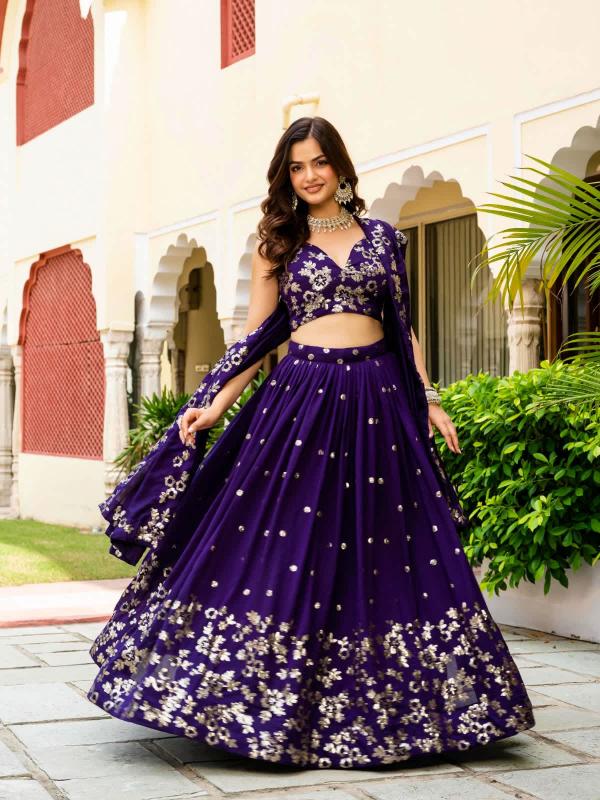
Wholesale lehenga choli sourcing can be particularly relevant before weddings and major festive periods. Buyers can explore different fabrics, embroidery levels, colour palettes and price segments.
Because lehengas can require more capital per design than basic everyday garments, boutiques and retailers should avoid overstocking untested premium styles.
Kids Wear Wholesale
Children's fashion can complement boutiques, family clothing stores and online reselling businesses. Compare size sets, comfort, fabric, stitching and occasion suitability rather than purchasing only according to appearance.
Dress Materials and Suits
Dress materials and suit collections can help retailers serve customers who prefer traditional styling with flexibility in fitting. Fabric, dupatta combination, print or embroidery and regional preferences can influence demand.
How to Plan Your Surat Wholesale Shopping Budget
A clear budget prevents buyers from spending too much during the first part of a market visit. Divide the available capital according to business priorities before evaluating individual catalogues.
Keep Maximum Budget for Proven Categories
If kurtis already generate most of your sales, they can reasonably receive a larger share of your purchasing budget. Do not reduce a proven category merely because another product looks exciting during a market visit.
Reserve Budget for New Arrivals
Keep part of the purchasing capital available for fresh products. This prevents the complete budget from becoming locked into collections purchased early in the sourcing cycle.
Keep a Testing Budget
New categories can be introduced through smaller test purchases. If customers respond positively, increase the next order rather than making a large initial commitment.
Do Not Ignore Working Capital
Stock is only one part of a business. Retailers still need capital for shipping, marketing, operating expenses and fast-moving reorders. Wholesale purchasing should never consume funds required for regular operations.
How to Compare Wholesale Prices in Surat
One of the biggest mistakes during wholesale shopping in Surat is comparing only the number quoted by the supplier. Correct price comparison requires products with reasonably similar specifications.
Compare Fabric with Fabric
Two garments may have similar colours and silhouettes but use different fabric qualities. A meaningful comparison begins by checking what is actually being supplied.
Compare Embroidery and Work
Embroidery density, sequins, zari, prints, embellishments and handwork can significantly influence garment cost. The cheapest-looking quotation may represent a simpler product rather than a genuinely better wholesale deal.
Compare Stitching and Finishing
Ready-made clothing requires attention to stitching, neckline finishing, hems, closures and overall garment construction. Better finishing can support stronger customer satisfaction and retail positioning.
Compare Complete Sets
For kurti sets, suits and lehenga cholis, verify every component included at the quoted rate. Dupatta, bottom, lining, blouse and other components can materially change product value.
Compare Landed Price
The final inventory cost can include product rate, transport, packaging and other applicable expenses. International buyers should additionally consider freight and relevant export costs.
Manufacturer vs Wholesaler: Where Should You Shop?
Buyers often assume that purchasing directly from a manufacturer must always be the best option. In reality, the correct source depends on order size and the type of variety required.
When Direct Manufacturing Sourcing Makes Sense
A manufacturing-oriented source can work well when a buyer requires larger quantities, repeat products or deeper stock within a specific category. Established Wholesale Buyers may benefit once they know exactly which styles perform consistently.
When Wholesalers Make More Sense
Wholesalers can provide access to broader collections, making them practical for boutiques and Resellers that need frequent design changes rather than heavy quantities of one style.
Use Both Sourcing Models
A growing retailer does not need to select only one model. Proven basics can be sourced in greater depth, while wholesalers can supply changing fashion collections that keep the store fresh.
Wholesale Shopping Strategy for Home-Based Sellers
Home-Based Sellers generally need a different sourcing strategy from large showrooms. Protecting working capital and maintaining visual variety can be more important than obtaining the absolute lowest per-piece rate.
Start with Controlled Quantity
Instead of buying heavy quantities of one catalogue, test several products according to the purchasing terms available. Customer response will reveal which styles deserve reorders.
Choose Easy-to-Sell Price Segments
Know what your existing customers usually spend. Stock purchased outside that comfortable retail range may move slowly even when the design is attractive.
Use WhatsApp and Social Selling
Home sellers can showcase fresh collections through WhatsApp, Instagram and other digital channels. Regular updates can make a small inventory appear more active without requiring excessive stock.
Wholesale Shopping Strategy for Boutique Owners
Boutique Owners should look beyond quantity and focus on curation. Customers visiting a boutique often expect a more selective collection than they would find in a general clothing shop.
Mix Everyday and Statement Products
A balanced boutique can combine accessible daily or semi-festive products with selected premium pieces. This gives customers more than one spending option.
Avoid Buying Every Trending Design
A trend may perform strongly in one market but poorly with your customers. Buy according to the style identity and sales history of your own boutique.
Prioritise Presentation Quality
For higher retail segments, fabric, finishing and design details become especially important. Premium customers should be able to see why a product commands a higher selling price.
Wholesale Shopping Strategy for Shops and Showrooms
Shop Owners and Showroom Owners can generally manage broader inventories, but larger stock also increases the risk of capital becoming blocked in slow-moving products.
Build Clear Price Sections
Create affordable, mid-range and premium sections according to customer demand. This makes both purchasing and retail presentation more structured.
Track Size-Wise Sales
For ready-made fashion, maintain records of which sizes move fastest. Future purchases should reflect actual sales rather than buying the same quantity of every available size.
Reorder Winners Quickly
When a design performs well and repeat stock is available, faster reordering can be more profitable than continually searching for completely different products.
Wholesale Buying for India, Nepal and Australia
Wholesale Shopping for India
Retailers serving India can build inventories across daily wear, festive fashion, wedding collections, kurtis, sarees, kids wear and other ethnic categories. Regional customer preferences should determine the exact buying mix.
Wholesale Shopping for Nepal
Businesses serving Nepal can curate Indian ethnic fashion according to local customer demand, festivals, weddings and price preferences. Product selection should consider the final landed cost rather than only the Surat purchase rate.
Wholesale Shopping for Australia
Retailers serving Australia can source Indian ethnic collections for weddings, cultural events, festivals and boutique customers. Product quality, freight and expected resale price should be evaluated together before confirming larger quantities.
Vastralife Wholesale and Export Experience Since 2017
Wholesale sourcing becomes easier when buyers work with businesses that understand the practical requirements of retailers and Resellers. Vastralife has wholesale and export experience since 2017, supported by textile industry expertise and experience with changing fashion categories.
Premium product quality remains an important part of sustainable wholesale buying. A competitive rate can help a retailer, but fabric, finishing, design and customer satisfaction ultimately determine whether the product creates repeat business.
Through Wholesaleexport.in, Home-Based Sellers, Shop Owners, Boutique Owners, Showroom Owners, Resellers and Wholesale Buyers can explore changing wholesale collections according to their stock requirements.
Create a Wholesale Shopping Checklist Before Visiting Surat
A simple purchasing checklist can make a Surat visit considerably more productive. Prepare it before entering the market so that buying decisions remain connected to your business goals.
Write Your Required Categories
List your priority products in order. For example, a retailer might allocate the first priority to kurtis, followed by sarees, kids wear and selected festive lehengas.
Set a Maximum Buying Budget
Fix the total amount you are prepared to invest and divide it by category. This reduces impulsive purchasing.
Write Your Required Price Range
Know your target purchase and selling levels. When a collection sits significantly outside your required range, you can make a faster decision instead of spending unnecessary time on it.
Record MOQ Before Selecting Designs
Ask about minimum order requirements early. There is little benefit in selecting a complete catalogue if its quantity terms do not suit your business.
Keep Supplier Details Organised
Record business name, product category, catalogue code and relevant purchasing information. This becomes useful for repeat orders after returning from Surat.
The strongest wholesale buying strategy is not about purchasing the maximum quantity at the lowest visible rate. It is about matching product, quality, price, quantity and customer demand while keeping enough working capital available for fast-moving reorders and future new arrivals. The next part continues with the internal linking section, Image 2, seasonal and wedding sourcing, export planning, online buying, common wholesale shopping mistakes, Customer FAQs and the complete Wholesaleexport.in CTA.
Internal Linking Section
Buyers planning a wedding and festive inventory can explore the wholesale lehenga market Surat with price category to compare different styles, work levels and wholesale buying options before allocating their seasonal budget.
Retailers who want to maintain a stronger year-round ethnic wear selection can also explore wholesale sarees India and select collections according to regional demand, customer budget and upcoming occasions.
Adding new categories works best when expansion is connected to actual customer enquiries. Start with controlled quantities, track the response and increase your purchasing budget only when the category generates consistent sales.
Seasonal Wholesale Shopping in Surat
Seasonal planning can make a significant difference to inventory performance. Buyers who purchase before demand begins have more time to prepare product photographs, create catalogues, promote new arrivals and build customer enquiries.
Festive Season Buying
Festivals can create demand for designer kurtis, ethnic sets, sarees, kids wear, lehenga cholis and other occasion-focused fashion. Buyers should select colours, designs and price levels according to the customers they serve rather than treating every festive collection as universally suitable.
Wedding Season Buying
Wedding inventory can include lehengas, designer sarees, festive suits, premium kurti sets and occasion wear. Because many wedding products require higher investment per piece, Boutique Owners and Showroom Owners should keep quantities aligned with previous sales and confirmed customer demand.
Regular Wear Between Festive Seasons
A sustainable clothing business should not depend entirely on major festivals. Everyday kurtis, practical ethnic sets, regular sarees, dress materials and other repeat-demand categories can help maintain stock movement during quieter periods.
Purchase Before Peak Demand
Waiting until the selling season has already started can reduce the time available for promotion and reordering. Planning purchases earlier gives retailers a better opportunity to test designs and reorder fast-moving products while stock remains available.
Lehenga Wholesale Shopping in Surat
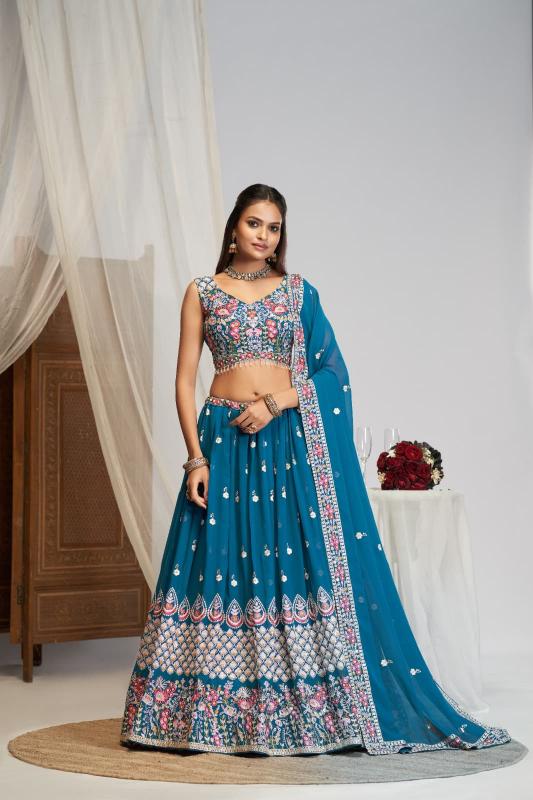
Lehenga cholis are an important category for wedding and festive businesses, but they require more careful selection than many everyday garments. Design, fabric, embroidery, blouse styling, dupatta and overall presentation can all influence the final retail value.
Compare Affordable and Premium Lehengas
Instead of purchasing only one price segment, retailers can create a balanced assortment according to customer demand. Affordable designs can provide volume, while selected premium pieces can serve wedding and boutique customers looking for a stronger fashion statement.
Check Complete Lehenga Specifications
Before confirming an order, understand what is included with the product. Check blouse details, dupatta, fabric, work and relevant sizing information. Similar-looking lehengas can differ significantly in actual specifications.
Buy Colours According to Your Market
Traditional wedding colours remain important, but customers may also request pastels, blues, greens and other contemporary palettes. Your previous sales and customer enquiries should determine the colour mix rather than buying equal quantities of every shade.
Test Premium Designs Before Scaling
A premium lehenga can offer attractive retail potential, but slow movement can also block more working capital. New designs should therefore be tested before larger quantities are purchased.
Online Wholesale Shopping from Surat
Businesses located outside Gujarat can combine occasional physical market visits with regular online sourcing. This approach can reduce travel requirements while still allowing retailers to keep their inventory fresh.
Review Fresh Collections Digitally
Online catalogues allow buyers to shortlist products according to category, design and expected selling price. This is particularly useful for businesses that require new stock frequently but cannot visit Surat every few weeks.
Confirm Product Details Before Ordering
Do not purchase based only on the first product image. Check available information about fabric, size, set components and other specifications relevant to the garment.
Maintain Product Codes
Save catalogue names and product codes with your purchasing records. Accurate product identification simplifies customer enquiries and repeat ordering.
Order According to Sales, Not Catalogue Size
Seeing hundreds of designs online can encourage unnecessary purchasing. Select products according to available working capital and customer demand rather than trying to stock every new collection.
Wholesaleexport.in provides a convenient sourcing route for businesses looking to explore changing wholesale fashion collections from Surat without depending entirely on physical market visits.
Export Buying from Surat in 2026
Surat fashion products can also be considered by international retailers and ethnic fashion businesses. Export purchasing requires additional planning because the Surat wholesale rate is only one part of the final inventory cost.
Calculate the Complete Export Landed Cost
International buyers should calculate the product rate together with freight and other applicable export expenses. The final landed cost should then be compared with the realistic retail selling price in the destination market.
Choose Products with Suitable Resale Value
When logistics increase the cost per piece, products should have enough perceived customer value to support the required retail price. Design, quality and presentation therefore become especially important.
Consider Product Weight
Heavy garments may affect transportation economics differently from lighter fashion products. Buyers should consider the relationship between product weight, landed cost and resale opportunity when preparing larger international orders.
Prioritise Quality for International Orders
Resolving issues becomes more difficult after goods have travelled internationally. Fabric, stitching, finishing and product specifications should therefore be checked carefully before quantities are increased.
Wholesale Shopping for India, Nepal and Australia
India Wholesale Buying Strategy
Retailers in India can source across broad fashion categories and multiple price points. The ideal stock mix can vary considerably between cities, so local customer behaviour should guide purchases.
A retailer serving everyday customers may allocate more budget to practical kurtis, sarees and ethnic sets, while a wedding-focused showroom may invest more heavily in festive and designer collections.
Nepal Wholesale Buying Strategy
Businesses serving Nepal can select Indian ethnic wear according to local festivals, weddings, customer preferences and seasonal demand. Kurtis, sarees, suits, kids ethnic wear and selected festive collections can be tested according to the retailer's market.
Buyers should calculate the complete landed cost before deciding retail pricing and avoid purchasing large quantities solely because the Surat wholesale price appears attractive.
Australia Wholesale Buying Strategy
Ethnic fashion retailers serving Australia can curate collections for Indian festivals, weddings, cultural events and family functions. Products with strong presentation and appropriate resale value may be particularly suitable when international freight is part of the final cost.
How to Negotiate During Wholesale Shopping in Surat
Negotiation should be practical rather than focused entirely on reducing the rate. A good wholesale purchase balances price, product specifications, quantity and business sustainability.
Understand the Product Before Negotiating
Ask about fabric, work, sizes, set quantity and availability first. Negotiating without understanding the product can result in comparing rates that are not genuinely equivalent.
Discuss Rates According to Real Quantity
If you genuinely require larger quantities, ask whether applicable bulk purchasing terms are available. Do not commit to unnecessary inventory merely to obtain a small per-piece reduction.
Protect Quality While Negotiating
A lower buying price is useful only if the product continues to meet your customers' expectations. Saving a small amount on a garment that creates complaints or returns can be more expensive in the long term.
Build Reliable Supplier Relationships
Consistent business relationships can become valuable for fresh collection updates and repeat purchasing. Evaluate suppliers according to overall performance rather than changing sources for every minor price difference.
How to Calculate Profit After Surat Wholesale Shopping
Purchase price alone does not represent the real cost of inventory. Businesses should calculate the landed cost before deciding the retail selling rate.
Add the Product Purchase Price
Start with the exact wholesale amount paid for the item. Maintain product-wise records when different designs have different rates.
Add Transportation and Applicable Expenses
Transport from Surat, packaging and other applicable expenses should be allocated to inventory. For smaller orders, shipping can represent a larger percentage of the per-piece landed cost.
Include International Freight Where Required
Export buyers should add relevant freight and applicable expenses before calculating margin. Comparing profit only against the Surat purchase rate can create an unrealistic picture.
Set a Realistic Retail Price
The final selling price should make sense to the customer segment you serve. A theoretical high margin has little value if the product remains unsold because customers consider it overpriced.
Measure Stock Rotation Alongside Margin
A product generating a moderate margin but selling repeatedly can sometimes produce a better business result than a high-margin product that remains in inventory for months.
Common Mistakes During Wholesale Shopping in Surat
Spending the Complete Budget Too Early
Surat offers a large number of collections, so avoid exhausting your capital at the first few suppliers. Keep part of the budget available until you have compared enough products.
Buying Only Because the Price Is Low
Low-cost inventory becomes expensive when it does not sell. Always consider design, quality and customer demand alongside wholesale pricing.
Ignoring MOQ Before Selecting Products
Ask about minimum order quantity before spending too much time selecting a catalogue. The purchasing terms should fit your business size.
Buying Too Many Similar Designs
Several products may look attractive individually but appear almost identical when displayed together. Maintain enough variation in colours, silhouettes and price levels.
Ignoring Size-Wise Demand
For ready-made clothing, track which sizes actually sell. Repeatedly purchasing unsuitable size combinations can gradually create dead stock.
Overbuying Seasonal Fashion
Festive and wedding products can sell strongly during the right period, but leftover stock may rotate more slowly after the season. Quantities should therefore remain realistic.
Following Personal Taste Instead of Customer Data
Your favourite colour or design is not necessarily your customer's first choice. Previous orders, enquiries and sales should gradually become the strongest guide for purchasing.
Ignoring Supplier Performance
Maintain simple records of product quality, availability and your overall buying experience. This makes future supplier selection more systematic.
How to Reduce Dead Stock After Wholesale Buying
Inventory control begins during purchasing, not after products stop selling. A disciplined sourcing strategy can reduce the amount of capital trapped in slow stock.
Test Before Buying Deep
New styles can be introduced in controlled quantities wherever purchasing terms allow. Increase stock when actual customer orders demonstrate demand.
Track Category-Wise Sales
Separate sales performance for kurtis, sarees, lehengas, kids wear and other categories. This shows which products deserve more of the next purchasing budget.
Review Slow Products Regularly
Identify whether slow movement is caused by design, size, colour, season or selling price. This information can prevent similar purchasing mistakes.
Keep Capital for Reorders
Do not invest every available rupee in new designs. Reserve funds for products that prove themselves after reaching customers.
Vastralife Wholesale and Export Experience Since 2017
Successful sourcing involves more than finding attractive catalogues. Buyers need product variety, practical wholesale options and an understanding of how different collections fit retail and reselling businesses.
Vastralife has wholesale and export experience since 2017, supported by textile industry expertise and experience in fashion sourcing. Premium product quality remains important because long-term wholesale business ultimately depends on the satisfaction of the retailer's final customers.
Through Wholesaleexport.in, Home-Based Sellers, Shop Owners, Boutique Owners, Showroom Owners, Resellers and Wholesale Buyers can explore changing collections according to their business requirements and target market.
Customer FAQs
1. Is Surat good for wholesale clothing shopping?
Yes. Surat has an extensive textile and fashion ecosystem covering multiple clothing categories, price levels and sourcing models for different types of wholesale buyers.
2. What products can I buy wholesale from Surat?
Buyers can explore kurtis, kurti sets, sarees, lehenga cholis, kids wear, dress materials, suits and other ethnic fashion depending on current supplier collections.
3. Where should I go for textile wholesale shopping in Surat?
The wider surat textile market ecosystem includes numerous textile businesses around Ring Road, Sahara Darwaza and surrounding commercial textile areas.
4. Can I buy Surat wholesale clothing online?
Yes. Buyers who cannot visit Surat regularly can explore changing collections through Wholesaleexport.in and select products according to their business requirements.
5. Is direct manufacturer buying always better?
Not always. A manufacturer can suit certain volume and repeat-product requirements, while a wholesaler may provide broader collection variety. The better option depends on your business model.
6. How should Home-Based Sellers buy from Surat?
Home-Based Sellers can focus on manageable quantities, useful variety and products that fit their customers' preferred selling range. Testing new styles before increasing stock can reduce risk.
7. How should I compare wholesale prices?
Compare similar fabric, work, finishing and complete product components. Then include transportation and applicable expenses to calculate the real landed cost.
8. Can I source from Surat for export?
International Wholesale Buyers can source products according to destination-market demand while considering freight, product specifications and applicable export requirements.
9. How can I avoid dead stock?
Buy according to customer demand, test unfamiliar designs, track sizes and categories, and reserve working capital for reorders of proven products.
10. Should I visit Surat or buy online?
Both approaches can be useful. Physical visits provide broader market exploration, while online sourcing can make regular stock updates and repeat purchasing more convenient.
11. When should I buy festive and wedding collections?
Buying before peak demand provides time for marketing and testing customer response. It can also create an opportunity to reorder successful designs while they remain available.
12. What is the best wholesale shopping strategy for 2026?
Set a budget, prioritise proven categories, compare quality and landed price, test new products in controlled quantities and use actual sales data to guide repeat purchases.
Strong CTA Section
Ready to build or refresh your fashion inventory? Explore wholesale collections according to your customer profile, purchasing budget and selling market through Wholesaleexport.in.
- Latest Collections – Explore regularly updated fashion and ethnic wear collections.
- Wholesale Pricing – Source products for retailers, boutiques, Resellers and Wholesale Buyers.
- Trendy Ethnic Wear – Add fresh styles for regular, festive and wedding demand.
- Fast Shipping – Convenient dispatch support for eligible wholesale orders.
- COD Support – Check applicable COD terms for eligible orders.
- Bulk Order Deals – Enquire about suitable options for larger wholesale requirements.
- Quality Products Starting From ₹299 – Explore value-focused products across changing collections.
Contact Number: +91 9712582172
Website: wholesaleexport.in
Smart wholesale shopping in Surat is about buying products that can move profitably through your business, not simply collecting the maximum number of catalogues. Compare quality, price, MOQ, sizes and customer demand; understand the difference between wholesale and manufacturing sources; and keep enough working capital available for fresh arrivals and successful reorders. With Vastralife's wholesale and export experience since 2017, industry expertise and focus on premium product quality, Wholesaleexport.in provides a practical sourcing option for fashion businesses planning their inventory for 2026 and beyond.