


Wholesale Salwar Suit Buying Guide 2026: Smart Sourcing for Retailers & Resellers
Wholesale Salwar Suit Buying Guide 2026: Smart Sourcing for Retailers & Resellers
Buying salwar suits in bulk is not simply about finding the lowest rate. A profitable purchase depends on choosing the right fabric, design, size range, supplier, quantity and selling price for your customer base. For boutique owners, shop owners, home-based sellers and online resellers, a carefully selected collection can create faster stock rotation and better repeat business throughout the year.
Introduction
The Indian ethnic wear market gives wholesale buyers an enormous variety of salwar suits, from everyday cotton sets and printed designs to embroidered festive suits, Pakistani-style collections, designer pieces and premium party wear. That variety creates opportunity, but it can also make purchasing confusing. A buyer needs to know which products fit the target market instead of ordering only because a catalogue looks attractive.
This Wholesale Salwar Suit Buying Guide is designed to make that sourcing process more practical. Whether you operate a physical clothing store, boutique, showroom, WhatsApp reselling business or online ethnic wear store, the objective should be to purchase products that combine customer demand, suitable price, dependable quality and realistic resale potential.
Surat remains an important sourcing centre for Indian ethnic fashion. Areas connected with the surat textile market, ring road and sahara darwaza give wholesale buyers access to a broad network of textile trading, designing, processing and manufacturing businesses. Online wholesale platforms have made it possible for buyers outside Surat to access similar collections without making a physical market visit for every purchase.
Wholesaleexport.in serves buyers looking for ethnic wear collections from Surat and related sourcing networks. Backed by Vastralife's wholesale and export experience since 2017, the focus is on helping retailers and resellers access commercially relevant products while maintaining premium product quality and practical wholesale sourcing support.
What to Check Before Buying Salwar Suits Wholesale
A common mistake among new wholesale buyers is selecting products entirely by photographs. Catalogue presentation matters, but the actual business decision should consider fabric, work, stitching, sizing, colour assortment, wholesale rate, minimum order requirement and expected retail demand.
Know Your Customer Before Selecting the Catalogue
Start with your customer rather than the product. A boutique serving premium festive customers will require a very different assortment from a neighbourhood store selling affordable daily wear. Similarly, an Instagram reseller may prefer visually striking designs, while a high-volume retail shop may prioritise repeatable styles at accessible prices.
For salwar suits wholesale purchasing, divide your customers into useful segments such as daily wear, office wear, festive wear, wedding wear, premium designer wear and value-focused ethnic wear. This allows you to invest more money in the categories that already generate enquiries instead of spreading your budget across unrelated designs.
Choose the Right Fabric for the Selling Season
Fabric has a direct influence on comfort, appearance, price and customer satisfaction. Cotton and cotton blends remain practical for regular wear and warmer weather. Rayon-based suits can work well for buyers seeking soft, comfortable styles at competitive rates. Chanderi, silk blends, organza, georgette and other dressier fabrics are more relevant when customers are shopping for festivals, functions and occasion wear.
For a wholesale salwar suit supplier, the collection should ideally include different fabric and price segments. Retailers can then build an assortment instead of depending on one style throughout the season.
Understand Unstitched, Semi-Stitched and Ready-Made Demand
Unstitched dress material gives customers flexibility in fitting and styling. Ready-made salwar suits, on the other hand, offer immediate convenience and can work particularly well for online selling when measurements and size charts are clearly communicated. Semi-stitched and designer formats occupy another useful segment for customers who want some flexibility with a more structured design.
Before placing a bulk order, check what your existing customers actually request. If most enquiries are for ready-to-wear products, buying a large quantity of unstitched material simply because its wholesale rate is lower may not generate better turnover.
Wholesale Salwar Suit Categories Worth Stocking in 2026
Rather than filling inventory with similar products, retailers can create a balanced mix covering different buying occasions. A diversified assortment also gives customers a reason to explore more products during a store visit or WhatsApp catalogue session.
Daily Wear Cotton Salwar Suits
Cotton salwar suits wholesale collections can provide a dependable base for stores serving regular ethnic wear customers. Printed patterns, comfortable silhouettes and practical colour combinations are useful for everyday wear. These designs can also support repeat purchasing because customers generally need more than one daily-wear outfit.
Home-based sellers can benefit from keeping several accessible options rather than investing the entire purchasing budget in expensive occasion wear. The right daily-wear assortment can generate smaller but more frequent transactions.
Pakistani Style Salwar Suits
Pakistani-inspired silhouettes continue to offer a distinctive presentation for boutiques and ethnic fashion resellers. Straight cuts, elegant embroidery, longer kurtas, coordinated bottoms and attractive dupattas can create a premium visual effect without every design needing extremely heavy embellishment.
Buyers searching for Pakistani suits wholesale should compare fabric, embroidery finish, colour combinations and complete-set presentation. For online resale, good catalogue photography is especially valuable because detailing needs to be visible to the customer before ordering.
Embroidered and Festive Salwar Suits
Festival and wedding seasons can support higher-value purchasing when the collection matches local demand. Embroidery, zari details, sequins, thread work, lace, decorative dupattas and richer fabrics help distinguish occasion wear from basic daily products.
For designer salwar suits wholesale, however, heavier work should not automatically be treated as better. Buyers should inspect whether the embroidery looks balanced, whether finishing is clean and whether the final product can realistically be sold at the required retail rate in their market.
Party Wear and Premium Collections
Boutique and showroom owners can add selected premium designs to improve the perceived range of their store. Instead of purchasing a very large quantity of expensive products, a mixed catalogue with controlled quantities can help test demand first.
This strategy is particularly useful for businesses selling through Instagram, Facebook, WhatsApp or their own website. Premium pieces can attract attention and enquiries, while mid-range products often provide the volume required for consistent sales.


How to Compare Wholesale Price Without Compromising Quality
The lowest salwar suit wholesale price is not necessarily the most profitable buying option. A cheaper product that generates complaints, inconsistent fitting or poor repeat demand can cost a reseller more than a slightly higher-priced collection with dependable quality.
Wholesale buyers should calculate the complete landed cost. This can include the product rate, shipping, packaging, payment charges where applicable and any other costs associated with getting the stock ready for sale. Export buyers should additionally account for destination-specific freight, customs and applicable taxes rather than judging profitability only from the Indian product rate.
Calculate the Retail Margin Before Ordering
Suppose a product appears attractive at the wholesale level but similar designs are already being sold very aggressively in your local market. Your theoretical markup may look good, yet the actual selling price customers are willing to pay could reduce the margin significantly.
A smarter approach is to determine your realistic retail range first. Work backwards from that number and decide the maximum landed purchase cost you can accept. This makes buying more disciplined and reduces the risk of dead stock.
Do Not Compare Different Quality Levels Only by Price
Two visually similar salwar suits may have significantly different costs because of fabric quality, embroidery density, printing technique, dupatta material, stitching quality or finishing. Ask for sufficient product information before treating one catalogue as cheaper than another.
For wholesale buyers in India as well as export-focused businesses serving Nepal, USA and other markets, consistent quality can be particularly important because replacing an unsatisfactory product after long-distance shipping is more difficult than resolving a local retail transaction.
Buying from Surat Textile Market for Better Variety
Surat has built a broad ecosystem around fabrics, processing, embroidery, trading, ready-made garments and ethnic fashion. Buyers searching for salwar suit manufacturers in Surat can encounter collections across economical, mid-range and premium categories.
The commercial zones around Ring Road, Sahara Darwaza and surrounding textile markets make Surat a familiar sourcing destination for retailers across India. The growth of digital wholesale has also changed how buyers access this market. Instead of travelling for every new collection, shop owners can evaluate catalogues remotely and place repeat orders online.
Wholesaleexport.in is intended to make that process more convenient by giving wholesale buyers access to new ethnic wear options from the Surat sourcing ecosystem. For a reseller, the advantage is not simply having more products; it is being able to compare collections and purchase according to the needs of a specific customer segment.
Manufacturing and Supplier Selection Matter
A reliable supplier relationship becomes more valuable as order volume grows. Regular buyers need accurate product information, timely communication, dependable dispatch and clarity regarding availability. For boutiques and resellers, supplier consistency also makes it easier to advertise products confidently to their own customers.
Vastralife's wholesale and export experience since 2017 contributes practical industry understanding across ethnic wear sourcing and wholesale supply. That experience is especially relevant when buyers require regular collections rather than a one-time purchase.
Build Inventory According to Your Business Model
The same stock plan will not work for every wholesale buyer. A home-based seller with limited storage should purchase differently from a large showroom. Your inventory model should therefore reflect capital, customer volume, average order value and how quickly new products can be introduced.
For Home-Based Sellers and Resellers
Begin with controlled quantities and a broader design mix. Focus on products that can be marketed easily through WhatsApp, Instagram and Facebook. Clear images, straightforward pricing and readily understandable size or fabric information can make conversion easier.
Once a design begins receiving repeated enquiries, increase the quantity rather than buying deeply into every new catalogue from the beginning. This reduces unnecessary inventory pressure.
For Boutique Owners
Boutiques can differentiate themselves through selection. Look for distinctive embroidery, attractive colour palettes, premium fabrics and coordinated sets that are not easily interchangeable with basic mass-market products.
A curated ethnic wear wholesale assortment can include Pakistani styles, embroidered suits, festive collections and selected premium designs alongside accessible products. This creates multiple selling price points without making the store feel repetitive.
For Shop and Showroom Owners
Physical retailers often require greater depth in proven categories. Maintaining size availability and replenishing fast-selling designs quickly can be more important than continuously adding unrelated products.
Track actual sales by category, price bracket, colour and fabric. Purchasing decisions based on previous sales data are usually more useful than assumptions about what customers might like.
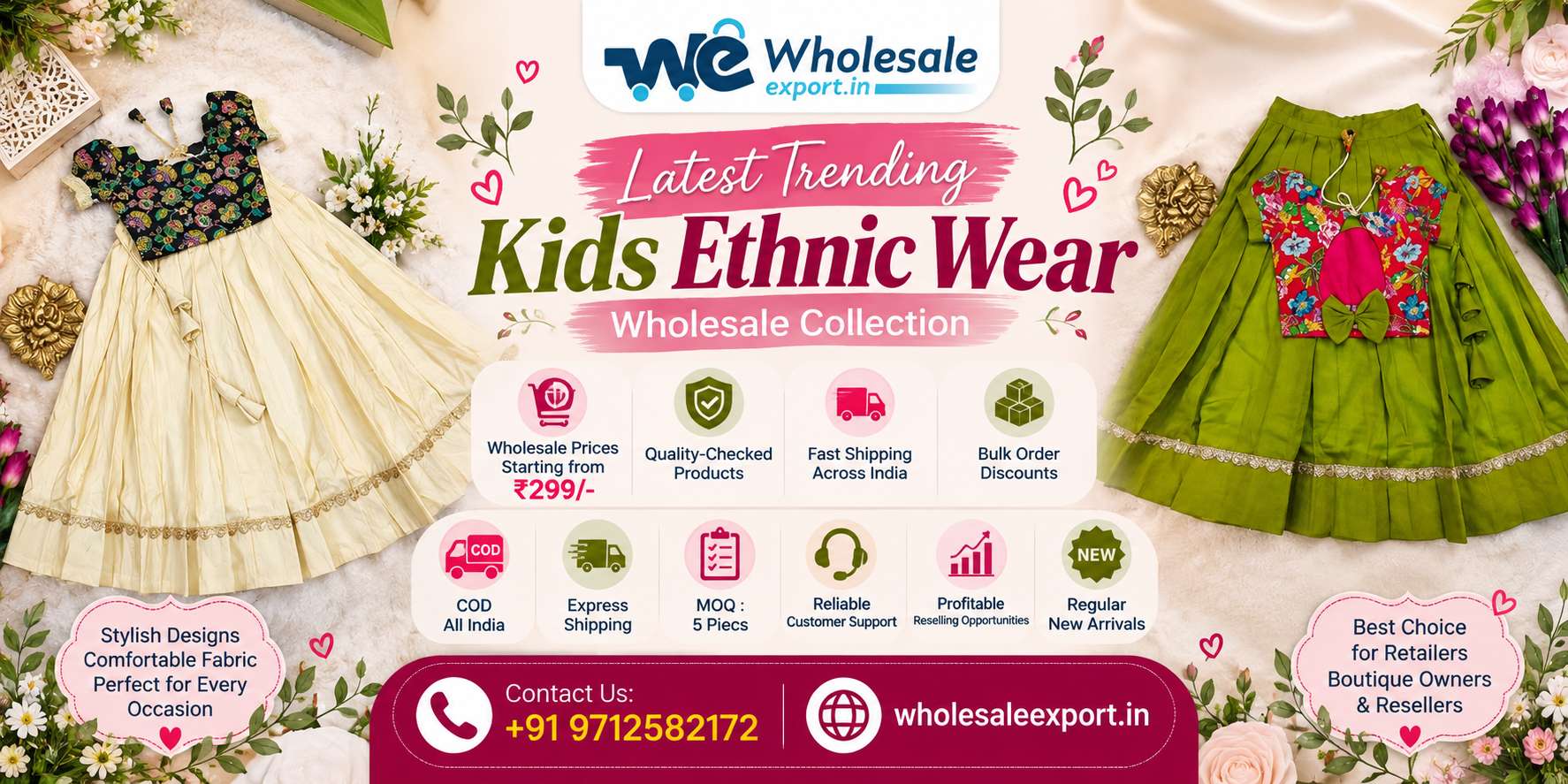
Buyers who want to explore additional ethnic categories can review kids wear wholesale options when building a broader family-fashion assortment. Retailers focused on occasion-led inventory can also explore the wholesale lehenga market range to complement salwar suit purchasing.
How to Select Fast-Selling Salwar Suit Designs
A strong wholesale purchase is not measured by how many catalogues you buy; it is measured by how quickly the selected stock converts into retail sales. When selecting salwar suits wholesale, buyers should look at the complete combination of colour, fabric, pattern, work, dupatta and final selling price. A design may look impressive in a catalogue but still move slowly if its retail price does not suit the target customer.
For 2026, keeping a balanced assortment is generally more practical than concentrating the entire budget in one style. Everyday printed suits can serve regular customers, embroidered sets can cover festive requirements, Pakistani-inspired designs can strengthen boutique collections, and premium occasion wear can serve higher-value buyers.
Use Colour Assortments Strategically
Colour selection can directly affect stock movement. Instead of buying too many pieces in one shade, retailers can maintain combinations of neutrals, pastels, rich festive tones and seasonally relevant colours. The ideal assortment depends on the region and customer profile, so previous sales records should influence repeat purchasing.
For online resellers, catalogue presentation matters as much as the colour itself. Images should represent the actual shade as accurately as possible because major differences between catalogue photographs and delivered products can create customer dissatisfaction.
Choose Work According to the Occasion
Thread embroidery, sequins, zari, lace, digital prints, handwork-inspired detailing and decorative dupattas can all have a place in a profitable inventory. The key is matching the work to the intended use. Customers purchasing regular wear may prefer lighter detailing and easier maintenance, whereas wedding and festive buyers may actively look for richer presentation.
A wholesale buyer should therefore avoid treating every heavily decorated product as a premium seller. Commercially successful stock is the stock that matches the customer's occasion, budget and style preference.
MOQ and Bulk Ordering Strategy for Wholesale Buyers
Minimum order quantity is an important part of wholesale sourcing because it affects both investment and inventory risk. A smaller reseller may need more variety with fewer pieces per design, while a showroom owner may require deeper quantities in proven categories.
When evaluating a wholesale salwar suit supplier, buyers should understand whether the MOQ applies per catalogue, design, colour or total order. This detail can materially change how much capital is required to build a useful assortment.
Start with Variety Before Increasing Depth
For new sellers, purchasing multiple commercially relevant designs in controlled quantities can provide useful sales data. Once customers start responding to particular colours, fabrics or price ranges, repeat orders can focus on those proven segments.
This approach is particularly useful for home-based sellers and social-commerce resellers because their customer preferences can become visible quickly through enquiries, WhatsApp responses and actual orders.
Use Bulk Orders for Proven Products
Bulk purchasing becomes more effective after demand has been established. Shop owners and showroom buyers can use sales history to identify products with reliable rotation and then negotiate or plan larger quantities accordingly.
Bulk salwar suits wholesale orders should also be planned around the selling calendar. Festive inventory needs to arrive early enough for retailers to photograph, advertise, display and sell it before peak customer demand begins.
Quality Checks Before Confirming a Wholesale Order
Quality is one of the most important factors in repeat business. A reseller may successfully sell an attractive product once, but long-term customer retention depends on whether the delivered garment matches expectations.
Check Fabric and Construction
Fabric should correspond with the product description and expected price category. In ready-made products, examine stitching quality, seam finishing, neckline construction, sleeve finishing and bottom measurements. For unstitched dress materials, verify the fabric components and approximate material lengths provided in the catalogue details.
Inspect Embroidery and Decorative Work
For embroidered salwar suits wholesale, look closely at the neatness of the work. Loose threads, poorly finished borders or inconsistent embellishments can reduce the perceived retail value. Premium collections require particularly careful finishing because customers naturally expect more when paying a higher price.
Confirm Size Details for Ready-Made Suits
Do not depend only on labels such as M, L, XL or XXL. Measurements can differ between manufacturers and designs. When possible, work with clear size information covering bust, garment length, waist or bottom measurements and relevant fit details.
This becomes even more important for online resellers because customers cannot physically try the garment before ordering.
Wholesale Salwar Suits for Export Markets
Indian ethnic wear has customers beyond the domestic market, and exporters can serve boutiques, ethnic stores and resellers in countries with Indian and South Asian communities. For markets such as Nepal, USA and Australia, product selection should consider local customer preferences as well as freight and landed costs.
Export buyers should request clear product specifications and calculate the complete landed price before deciding their retail margin. Shipping charges, customs requirements, taxes and destination regulations can differ by country, so these expenses should be evaluated separately from the product's Indian wholesale price.
For international buyers, consistency can be especially valuable. Once a particular fabric, style or price bracket works in a market, having access to regular new collections from a dependable sourcing network can simplify future purchasing.
Choose Export-Friendly Assortments
When shipping internationally, stock value relative to shipping cost deserves attention. An assortment should provide enough variety to make the shipment commercially worthwhile without creating excessive unsold inventory at the destination.
Premium Pakistani-style suits, designer salwar sets, festive ethnic wear and carefully selected everyday products can be combined according to the overseas buyer's customer base. The right mix will vary considerably between a boutique serving occasion-wear customers and a reseller focused on affordable everyday ethnic fashion.
Why Surat Remains Important for Salwar Suit Sourcing
Surat's textile ecosystem connects fabric supply, processing, embroidery, designing, trading and garment production. Buyers searching for salwar suit manufacturers in Surat can access numerous product segments from everyday collections to premium fashion.
The surat textile market network around ring road, sahara darwaza and surrounding commercial areas has long attracted buyers from different Indian states. Digital sourcing now allows retailers to access new collections without depending entirely on physical market visits.
Wholesaleexport.in brings this sourcing approach online for wholesale and export customers. With Vastralife's industry experience since 2017, the objective is to support buyers looking for commercially relevant ethnic wear, premium product quality and regular access to changing wholesale collections.
Inventory Planning for Festivals and Wedding Seasons
Seasonal purchasing should begin before consumer demand reaches its peak. Waiting until a festival is already close can reduce the time available for product photography, advertising, shipping and retail selling.
Plan Multiple Price Segments
Rather than carrying only expensive festive products, create a range. Entry-level ethnic wear can attract budget-conscious buyers, mid-range embroidered suits can generate volume, and selected premium designs can increase average order value.
A retailer can therefore serve customers searching for affordable festive wear as well as those wanting premium designer pieces. This broader price architecture can be especially useful for showrooms and multi-category ethnic stores.
Refresh Stock During the Season
A festival collection does not necessarily need to be purchased in one large order. Where supply and lead times permit, buyers can begin with a planned assortment, monitor sales and replenish stronger designs. Fresh arrivals also provide new content for social media, WhatsApp groups and customer follow-ups.
How Online Resellers Can Sell Salwar Suits More Effectively
For a digital reseller, sourcing and marketing should work together. Buying good stock is only the first step; customers need enough information to make a confident purchase.
Product posts should communicate fabric, available sizes, whether the item is stitched or unstitched, what the set includes, major work details and selling price. Catalogue images should be clear and consistent. Avoid hiding essential information until a customer sends multiple messages, because unnecessary friction can reduce conversions.
Use WhatsApp for Repeat Customers
WhatsApp can be useful for sharing new arrivals with existing buyers, especially when collections change regularly. Instead of forwarding every available catalogue, segment customers according to what they normally purchase. A boutique customer interested in premium Pakistani suits may not need dozens of low-price daily-wear catalogues.
Use Social Media to Create Product Discovery
Instagram Reels, Facebook posts and short product videos can show embroidery, fabric movement, dupatta styling and full garment presentation better than a single static photograph. Include a clear call to action so interested customers know how to place an order.
Internal Linking and Related Wholesale Categories
A diversified ethnic wear business can gradually expand beyond one product category, but expansion should be based on customer demand. Retailers who already sell salwar suits can introduce complementary festive and family-wear categories rather than adding unrelated inventory.
When building the product mix, consider whether existing customers are asking for kids wear, lehengas, sarees, kurtis or other ethnic categories. Cross-category purchasing can increase average customer value when the products serve the same audience and occasion.
Customer FAQs
1. What should I check before buying salwar suits wholesale?
Check fabric, stitching or material details, embroidery quality, sizes, colour assortment, MOQ, wholesale price, shipping cost and your expected retail margin. The product should match the preferences and spending range of your actual customers.
2. Which salwar suits are suitable for resellers?
A balanced assortment can include cotton daily wear, printed suits, Pakistani-style suits, embroidered sets, festive collections and selected designer pieces. The best mix depends on your customer segment rather than one universal product category.
3. Can home-based sellers buy wholesale salwar suits?
Yes. Home-based sellers can start with controlled quantities and multiple designs, test customer response through WhatsApp and social media, and increase quantities in styles that generate repeat demand.
4. Can salwar suits be sourced from Surat for international resale?
Yes. International wholesale buyers can source Indian ethnic wear for resale, subject to supplier terms, shipping availability and destination-country requirements. Buyers should calculate freight, customs, taxes and other applicable costs before finalising their selling price.
5. How can I reduce the risk of unsold wholesale stock?
Use previous sales data, begin new designs in controlled quantities, maintain multiple price points and reorder proven products. Avoid purchasing large quantities only because a catalogue is new or because the per-piece price appears attractive.
6. Is wholesale price the most important factor when choosing a supplier?
No. Price matters, but product quality, availability, communication, dispatch reliability and consistency are equally important for a sustainable resale business. A slightly higher-cost product may be commercially stronger if it generates better customer satisfaction and repeat orders.
Order Latest Wholesale Ethnic Wear Collections
If you are a home-based seller, boutique owner, retail shop, showroom, reseller or wholesale buyer, Wholesaleexport.in can help you explore fresh ethnic wear collections for your business. Browse products according to your customer segment, budget and selling season instead of filling inventory without a clear sales plan.
Explore Latest Collections, competitive Wholesale Pricing, Trendy Ethnic Wear, Fast Shipping, available COD Support, Bulk Order Deals and Quality Products Starting From ₹299. Product availability, order conditions and shipping options may vary by collection and destination, so confirm current details while ordering.
Contact: +91 9712582172
Website: wholesaleexport.in
With Vastralife's wholesale and export experience since 2017 and a strong connection with Surat's textile sourcing ecosystem, wholesale buyers can build collections around quality, customer demand and realistic resale opportunities. A disciplined purchasing strategy—choosing the right designs, checking quality, controlling inventory and replenishing proven sellers—can make wholesale salwar suit sourcing more efficient and commercially sustainable in 2026.