


Wholesale Salwar Kameez for Boutiques: Complete Buying Guide for 2026
Wholesale Salwar Kameez for Boutiques: Complete Buying Guide for 2026
Salwar kameez continues to be one of the most versatile categories in women's ethnic fashion, giving boutique owners opportunities to sell everything from comfortable everyday sets to premium festive and designer collections. For retailers planning inventory in 2026, the real advantage comes from choosing the right mix of fabrics, silhouettes, colours, sizes and price points instead of filling shelves with similar designs. With Surat's extensive textile and garment ecosystem, boutique owners can source collections for local customers as well as growing export requirements.
Introduction
A boutique customer rarely walks in looking only for a generic salwar suit. She may need something comfortable for everyday use, a stylish set for the office, an embroidered outfit for a family function or a premium three-piece ensemble for a wedding. This variety is precisely why wholesale salwar kameez for boutiques remains an important purchasing category.
For boutique owners, home-based sellers, shop owners, showroom owners and online resellers, salwar kameez offers flexibility across multiple customer segments. Cotton suits can support everyday sales, embroidered sets can serve semi-festive buyers, while premium fabrics and detailed work can create a stronger occasion-wear section.
The sourcing strategy matters just as much as the designs. Buying only according to a low price can result in repetitive collections or inconsistent quality. Successful inventory planning requires a balance of product quality, customer demand, fashion relevance, retail margin and stock rotation.
Surat plays an important role in this ecosystem. The surat textile market, including major trading areas around ring road and sahara darwaza, connects fabric traders, garment suppliers, wholesalers and manufacturing businesses. This makes Surat a practical sourcing destination for retailers looking for regular collection updates.
Buyers who cannot personally visit the market can also explore collections through Wholesaleexport.in, helping boutiques compare styles and plan purchases remotely according to their target customers.
Why Salwar Kameez Remains Important for Boutique Inventory
Fashion trends change quickly, but salwar kameez has the advantage of adapting to those changes. The basic category can be interpreted through different cuts, fabrics, prints, embroidery techniques and bottom styles, allowing boutiques to refresh their collection without abandoning a familiar product format.
One Category, Multiple Customer Segments
A thoughtfully selected salwar kameez inventory can address several buying occasions. Retailers can stock comfortable cotton styles for regular wear, sophisticated straight suits for work and social outings, embroidered sets for festivals and elaborate party wear for weddings and celebrations.
This makes the category useful for stores that do not want their business to depend entirely on one festival or wedding season. Even when demand for heavy occasion wear slows, lighter ladies salwar suits wholesale collections can continue generating everyday sales.
Strong Potential for Repeat Purchases
Customers who find a comfortable fit, suitable fabric and reliable boutique frequently return for different colours and newer designs. This creates repeat-sale opportunities that are particularly valuable for boutiques and home-based sellers.
Instead of stocking very deep quantities of a few designs, smaller sellers can maintain variety and introduce fresh products regularly. The strategy keeps WhatsApp catalogues, social media feeds and boutique displays looking active.
Suitable for Offline and Online Selling
Salwar kameez can be marketed through physical boutiques, showrooms, websites, Instagram, Facebook and WhatsApp catalogues. A complete three-piece outfit is relatively straightforward for customers to understand when the seller clearly presents the kurta, bottom and dupatta.
For online selling, full-length photographs should be supported with close-up views of embroidery, fabric texture, sleeves, neckline and dupatta. Accurate product descriptions can reduce uncertainty before purchase.
Best Salwar Kameez Categories for Boutique Owners in 2026
A boutique does not need every available style. It needs the right assortment for its customer base. A useful purchasing strategy is to divide the inventory according to usage and retail budget.
Cotton Salwar Kameez for Everyday Buyers
Cotton and cotton-blend collections can provide a dependable foundation for a boutique. They are relevant for customers prioritising comfort and can work well for everyday wear, office use, casual outings and warm-weather purchasing.
Printed cotton suits, subtle embroidery, floral patterns, geometric motifs and coordinated dupattas can give retailers enough variation without moving every design into a premium price bracket.
Designer Salwar Kameez for Boutique Customers
Designer salwar kameez wholesale collections are useful for retailers who want more distinctive products. Design value can come from embroidery placement, fabric combinations, neckline detailing, sleeves, borders, unusual colour palettes or an elevated dupatta.
The word designer should not simply mean more decoration. For a boutique customer, the complete garment should look coordinated and thoughtfully finished. An attractive kurta paired with an unsuitable bottom or ordinary dupatta can reduce the perceived value of the whole outfit.
Embroidered Salwar Suits
Embroidery can help a retailer create clear differences between everyday and occasion-based collections. Thread embroidery, zari-inspired work, sequins, beads, lace and decorative panels can all influence product positioning.
When purchasing embroidered salwar suits wholesale, boutique owners should examine finishing carefully. Secure embroidery, neat borders and clean stitching are especially important because customers paying for decorative work tend to inspect these details closely.
Party Wear and Festive Salwar Kameez
Festive collections can include silk blends, organza, chiffon, jacquard and other fabrics that complement richer detailing. These designs can be marketed for weddings, engagement events, festivals, family celebrations and evening functions.
Retailers should plan these purchases early enough to photograph, promote and sell them before peak demand. Buying festive stock only when the season has already started can shorten the effective selling window.
Pakistani-Inspired Salwar Suit Styles
Long straight kurtas, coordinated trousers, elegant embroidery and statement dupattas have helped Pakistani-inspired styling become an important part of contemporary ethnic fashion. These designs can add a premium visual character to boutique inventory while still remaining familiar to customers who regularly wear salwar suits.
Retailers can combine subtle Pakistani-inspired everyday styles with more detailed festive pieces rather than stocking only heavily embellished products.
Choosing the Right Fabrics for Wholesale Salwar Kameez
Fabric influences comfort, appearance, seasonality and selling price. For this reason, boutique purchasing should never be based entirely on photographs. Buyers need to understand what material is used for each part of the set.
Cotton and Cotton Blends
Cotton remains valuable for everyday collections because of its comfortable feel and broad customer familiarity. Cotton blends can offer different drapes, textures and price levels while retaining practical wearability.
Rayon and Viscose-Based Fabrics
Rayon and viscose blends can provide a soft fall and work well in straight kurtas, flared silhouettes and coordinated sets. Buyers should still evaluate thickness, colour quality and overall finishing rather than judging the material by name alone.
Chanderi, Organza and Chiffon
These fabrics can add a dressier character, especially when used for dupattas or festive suit combinations. Lightweight fabrics with embroidery or borders can create an elegant look without necessarily making an outfit excessively heavy.
Silk Blends and Jacquard
Silk-inspired fabrics and jacquard are particularly useful for festive and premium boutique collections. Their texture can complement traditional motifs, zari-style work and richer colour palettes.
For boutique buyers, the objective should be to create enough fabric variation to address different customer needs while maintaining consistent product quality.
How to Select Wholesale Salwar Kameez That Can Sell Faster
There is no single design that performs equally well for every retailer. A boutique in a metropolitan market may have different customer preferences from a home-based seller in a smaller city. However, several practical buying principles can improve inventory decisions.
Buy According to Your Existing Customer Data
Previous sales are one of the most useful signals available to a retailer. Review which sizes, fabrics, colours and price ranges sold faster. If customers repeatedly ask for cotton sets in a particular price segment, that information should influence the next wholesale purchase.
The same applies to slow-moving merchandise. Reordering a design simply because it looks attractive in a catalogue can create unnecessary inventory if similar products have historically performed poorly with your customers.
Create a Balanced Colour Mix
A boutique collection can combine dependable colours with selected trend-oriented shades. Black, maroon, blue, green, beige and versatile neutrals can sit alongside pastels, seasonal tones and brighter festive colours.
The objective is variety without creating random inventory. When buying a catalogue in multiple colours, retailers should also consider whether their customer base tends to purchase every shade or consistently prefers a narrower palette.
Maintain Multiple Price Points
A boutique serving mixed customers should avoid concentrating all stock at one price. Entry-level products can bring regular transactions, mid-range designs can form the core assortment and selected premium pieces can increase average order value.
Wholesale buyers should calculate the actual landed cost before determining their selling price. Transport, packing, payment costs, applicable taxes and other expenses can affect the final margin.
Quality Checks Before Placing a Bulk Salwar Kameez Order
When a boutique purchases one garment, a small quality problem affects one sale. When it purchases dozens of pieces, the same problem can affect a much larger part of the inventory. Quality checks therefore become increasingly important as order quantities rise.
Check Stitching and Finishing
Look at seams, neckline finishing, sleeve edges, side stitching and hems. Loose threads or inconsistent finishing can reduce customer confidence even when the design itself is attractive.
Review Embroidery and Decorative Work
For embroidered products, examine whether the work appears neat and properly secured. Heavy decorative elements should not make the fabric uncomfortable or distort the garment unnecessarily.
Confirm Set Contents
Buyers should know exactly what is included: kurta only, kurta and bottom, or a complete three-piece set with dupatta. Also confirm whether the garment is ready-made, semi-stitched or unstitched.
Check Size Availability
Size planning is especially important for boutiques. Attractive inventory cannot generate sales if the retailer repeatedly lacks the sizes its customers request. Before bulk ordering, confirm the available size range and whether the supplier provides individual sizes or fixed size sets.
Vastralife's wholesale and export experience since 2017 brings industry understanding across women's ethnic wear sourcing and supply. For professional buyers, experience matters because successful wholesale purchasing involves much more than selecting an attractive catalogue; product quality, communication, availability and practical order handling all contribute to a sustainable business relationship.
Surat as a Wholesale Salwar Kameez Sourcing Hub
Surat's textile ecosystem gives buyers access to fabrics, garment production, processing and wholesale distribution within one major commercial centre. This concentration is one reason retailers across India regularly look toward Surat when sourcing women's ethnic wear.
Areas connected with the surat textile market, ring road and sahara darwaza are familiar sourcing references for traders. Buyers can find salwar suits, dress materials, kurtis, sarees, lehengas and other categories through the city's extensive wholesale network.
The presence of numerous manufacturing and supply businesses also means collections can change frequently. For boutique owners, this constant product movement creates opportunities to refresh inventory rather than depending on the same catalogue for long periods.
Online Sourcing from Surat
Physical market visits remain useful, but they are no longer the only way to source. Wholesaleexport.in enables buyers to explore wholesale collections online, making it easier for retailers outside Surat to discover products before planning orders.
This can be particularly useful for home-based sellers and smaller boutiques that need regular product updates but cannot travel to Surat for every purchasing cycle.
Wholesale Salwar Kameez for India and International Buyers
Ethnic fashion has customers both within India and in international markets with South Asian communities. For this guide, three useful markets to consider are India, Nepal and Canada.
India
Indian buyers can sell salwar kameez through physical shops, boutiques, showrooms, websites and social-commerce channels. Regional preferences vary significantly, so wholesalers should avoid assuming that identical colours and designs will perform equally across every market.
Nepal
Retailers in Nepal can source Indian ethnic wear according to festive, wedding and regular retail requirements. Cross-border buyers should consider product cost together with transportation, applicable customs or taxes and the expected delivery timeline when calculating their final selling price.
Canada
Canadian retailers serving South Asian communities may require ethnic collections for weddings, festivals and cultural events. For an international export order, buyers should confirm product specifications, quantities, packing, shipping and relevant commercial documentation before finalising a bulk purchase.
For both domestic and overseas buyers, Wholesaleexport.in can provide an online starting point for exploring current ethnic wear collections and discussing wholesale requirements.
How Boutique Owners Can Build a Profitable Salwar Kameez Collection
Profitability in ethnic wear does not come only from purchasing at the lowest possible wholesale price. A boutique needs products that customers actually want, sufficient variety to encourage repeat visits and enough margin to cover operating expenses. This is why inventory planning should begin with customer demand rather than simply buying whichever catalogue appears cheapest.
A practical collection can combine fast-moving daily wear with selected premium pieces. Everyday cotton and rayon sets can support regular sales, while embroidered, festive and designer styles can provide higher-value transactions. This mix also gives customers different options when they visit a boutique with a specific budget.
Start With Controlled Quantities
New resellers and boutique owners should be careful about committing too much capital to one design. Fashion changes quickly, and a catalogue that looks attractive today may not remain equally popular for months.
Controlled initial quantities allow retailers to test customer response. Designs that generate enquiries and repeat orders can then be replenished where stock remains available. This approach can help maintain healthier cash flow and reduce the risk of excessive unsold inventory.
Keep New Arrivals Coming Regularly
Customers have more reasons to follow a boutique when they know new products are introduced regularly. Even a smaller assortment of fresh designs can create stronger engagement than a large catalogue that remains unchanged for months.
New arrivals can be promoted through WhatsApp status, broadcast lists, Instagram Reels, Facebook posts, short product videos and in-store displays. Clear images, fabric details, available sizes and price information make it easier for customers to make purchase decisions.
Choose Products With Resale Margin in Mind
Before purchasing wholesale salwar kameez for boutiques, calculate a realistic retail price. Consider wholesale product cost, transportation, packaging, payment charges, taxes where applicable and promotional expenses. International sellers also need to consider shipping and import-related costs.
A low purchase cost is useful only when the product maintains acceptable quality. Poor-quality inventory can lead to complaints, replacements and loss of repeat customers, reducing the value of the initial saving.
Internal Linking: Explore Related Wholesale Ethnic Wear Categories
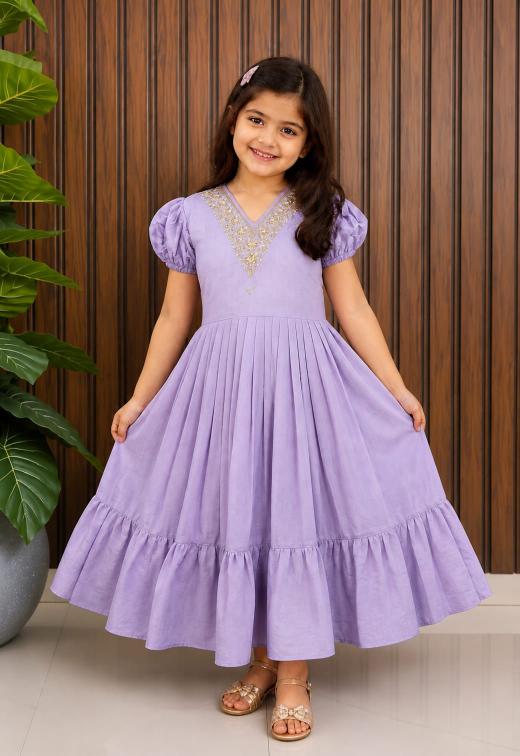
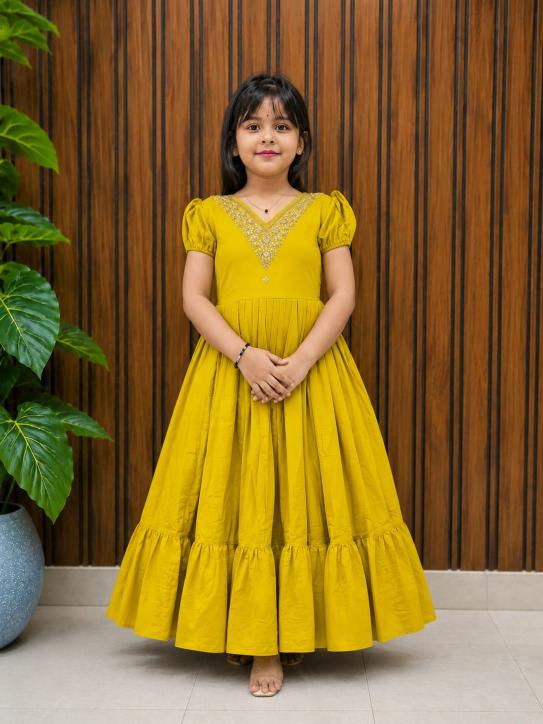
Boutique owners usually achieve better assortment diversity when they combine salwar suits with complementary categories. Buyers sourcing women's collections can explore kids wear wholesale products when they want to expand into children's ethnic and occasion wear.
Retailers building a broader festive section can also explore the wholesale lehenga market Surat with price category to add wedding, festive and celebration-oriented merchandise alongside salwar kameez collections.
Using related categories strategically can help boutiques increase basket value. A family shopping for a festival or wedding may need women's suits, lehengas and children's outfits at the same time, giving multi-category retailers additional selling opportunities.
Salwar Kameez Trends Boutique Buyers Can Consider in 2026
Fashion-led purchasing should never mean blindly following every trend. The objective is to identify styles that fit the boutique's existing customer profile while adding enough freshness to keep the assortment relevant in 2026.
Elegant Straight-Cut Suits
Straight-cut silhouettes remain versatile because they can move between everyday, office, festive and semi-formal wardrobes depending on the fabric and detailing. Clean embroidery, coordinated trousers and a distinctive dupatta can turn a simple silhouette into a stronger boutique product.
Flared and Anarkali-Inspired Silhouettes
Flared silhouettes create a more occasion-oriented appearance and can be valuable for customers shopping for festivals, weddings and family events. Fabric fall is particularly important in these designs because it influences how the garment looks when worn.
Statement Dupattas
A strong dupatta can change the perceived value of a complete suit. Printed, embroidered, bordered, organza, chiffon and traditionally inspired dupattas can give relatively simple kurtas a more premium appearance.
When comparing salwar kameez wholesale suppliers, buyers should therefore inspect the complete set rather than evaluating the kurta alone.
Pastels Alongside Traditional Festive Colours
Soft shades can work effectively for daytime events and contemporary boutique displays, while maroon, green, royal blue, wine and other deeper colours remain useful for traditional festive assortments. A balanced colour selection gives customers alternatives without making the collection visually repetitive.
Comfortable Premium-Looking Sets
Customers increasingly expect attractive styling without sacrificing wearability. Retailers can therefore look for products that combine comfortable fabrics with refined embroidery, good finishing and coordinated components.
How Home-Based Sellers and WhatsApp Resellers Can Sell Salwar Kameez
A physical showroom is not essential for entering ethnic wear retail. Home-based sellers can begin with controlled stock, supplier catalogues and digital marketing channels. What matters is maintaining accurate information and dependable customer communication.
Use Clear Product Photos and Videos
Customers buying remotely cannot touch the garment. Product presentation therefore becomes part of the sales process. Use full-length images and close-ups wherever possible, and clearly mention fabric, size, colour, set contents and relevant product details.
Short videos can be especially useful for showing fabric movement, embroidery and dupatta detailing. Avoid editing photographs so heavily that the actual colour or product appearance becomes misleading.
Create WhatsApp-Friendly Product Information
Long descriptions are not always necessary for WhatsApp selling. A concise format containing product name, fabric, available sizes, set contents and selling price can make catalogues easier for customers to browse.
Resellers should also update availability regularly. Fast-moving wholesale designs can sell out, and advertising unavailable stock can create unnecessary customer dissatisfaction.
Build Trust Through Consistency
Repeat business grows when the delivered product matches the description and photographs shared before purchase. Accurate communication about dispatch, delivery and product specifications is more sustainable than exaggerated sales promises.
This principle applies equally to a home-based reseller and a large showroom owner. Customer trust is an asset that compounds over time.
What Wholesale Buyers Should Confirm Before Ordering
Before making a bulk payment, buyers should confirm essential commercial and product information. A few minutes spent checking order details can prevent confusion after dispatch.
Product and Size Details
Confirm whether the design is ready-made or unstitched, the available sizes, colours, quantity per catalogue and exact set contents. For ready-made products, understanding the supplier's size chart is particularly useful.
Wholesale Price and MOQ
Ask for the current price and minimum order quantity before finalising an order. Wholesale pricing can vary according to product category, design, quantity, fabric and collection.
Stock Availability
Ethnic wear inventories can change rapidly. Buyers should confirm stock at the time of ordering rather than relying on an older catalogue or social media post.
Dispatch and Shipping
Domestic and export buyers should understand the expected dispatch process and shipping arrangement. International customers should additionally confirm documentation and destination-related requirements before ordering.
Product Quality Expectations
For large purchases, clarity about fabric, embroidery, stitching and finishing is essential. Professional wholesale relationships work better when both buyer and supplier understand the expected product specifications before the order is processed.
Why Surat Sourcing Can Support Growing Boutique Businesses
One advantage of sourcing from a large textile ecosystem is category depth. A buyer visiting or sourcing from the surat textile market can potentially build an assortment across salwar kameez, kurtis, sarees, lehengas, dress materials and other women's ethnic categories.
Commercial textile areas around ring road and sahara darwaza have long been associated with Surat's textile trade. The wider city also supports extensive fabric processing, trading, garment manufacturing and wholesale distribution.
For retailers outside Surat, digital wholesale sourcing helps bridge the geographic gap. Wholesaleexport.in allows buyers to explore product categories online and connect regarding wholesale requirements without depending exclusively on physical market visits.
Vastralife brings wholesale and export experience since 2017, with industry expertise focused on serving professional buyers looking for women's ethnic wear. Attention to product selection and premium product quality is particularly important for boutiques where repeat customers expect consistency across successive purchases.
Wholesale Salwar Kameez for Export Buyers
For buyers serving customers outside India, assortment planning needs to consider both fashion demand and logistics. Indian ethnic wear is purchased internationally for festivals, weddings, cultural functions, family occasions and regular traditional dressing.
Retailers in markets such as Nepal and Canada can build collections according to their local customer preferences rather than simply duplicating an Indian retail assortment. Climate, festival timing, preferred colours, sizing and average customer budget may differ by market.
International wholesale buyers should request accurate product details and calculate the complete landed cost. The product's Indian wholesale price is only one component; freight, customs, taxes and local distribution expenses may also influence final retail pricing.
Wholesaleexport.in can be used by domestic and international wholesale buyers to discover Indian ethnic wear categories and discuss purchasing requirements.
Customer FAQs
1. Where can I buy wholesale salwar kameez for my boutique?
Boutique owners can source from established wholesale textile markets and online wholesale suppliers. Surat is one of India's major textile sourcing centres, and buyers can also explore collections through Wholesaleexport.in for remote wholesale purchasing.
2. What type of salwar kameez should a new boutique stock first?
A new boutique can begin with a balanced selection of everyday cotton or rayon suits, mid-range designer sets and a smaller number of festive or embroidered pieces. The final selection should reflect the target customer's budget, preferred sizes and local demand.
3. How should I choose a salwar kameez wholesale supplier?
Compare product quality, design variety, current stock availability, wholesale pricing, minimum order requirements, communication and dispatch arrangements. For long-term sourcing, consistency can be more important than choosing a supplier solely because one catalogue has the lowest price.
4. Can home-based resellers purchase wholesale salwar suits?
Yes. Home-based sellers can use wholesale ethnic wear collections for WhatsApp, Instagram, Facebook and direct customer sales. Starting with controlled quantities and reinvesting according to actual sales can help manage inventory more efficiently.
5. Are salwar kameez collections suitable for international export?
Yes. Salwar kameez and other Indian ethnic wear categories are sold to international retailers and resellers. Export buyers should confirm product specifications, quantity, shipping arrangements, documentation and destination-specific import requirements before placing bulk orders.
6. What should I check before purchasing embroidered salwar suits wholesale?
Check fabric quality, embroidery finishing, stitching, neckline and sleeve finishing, dupatta quality, bottom fabric, available sizes and colour consistency. These details directly influence how customers perceive the final garment.
7. Is it better to purchase many pieces of one design or more design variety?
The right choice depends on your sales history. Smaller boutiques often benefit from broader variety with controlled quantities, while retailers with proven demand for particular styles may purchase deeper stock. Previous customer data should guide the decision.
8. How can boutique owners improve repeat sales?
Maintain consistent quality, introduce fresh collections regularly, provide accurate product information and communicate clearly about availability and delivery. A customer who receives the quality and service expected is more likely to return for future collections.
Build Your Next Ethnic Wear Collection with Wholesaleexport.in
Whether you operate a home-based business, boutique, retail shop, showroom or wholesale operation, the right supplier can make inventory planning easier. Instead of competing only on the lowest possible cost, build your business around attractive products, reliable quality, sensible margins and collections that suit your customers.
Explore Latest Collections, competitive Wholesale Pricing and Trendy Ethnic Wear for your next buying cycle. Wholesale buyers can also enquire about Fast Shipping, applicable COD Support, Bulk Order Deals and available product categories.
Quality Products Starting From ₹299 give resellers and retailers opportunities to build collections across different customer budgets, subject to the current product and stock availability.
For boutique owners searching for wholesale salwar kameez for boutiques, regular collection updates can help keep inventory fresh and give customers more reasons to return.
Contact: +91 9712582172
Website: wholesaleexport.in