


Wholesale Indian Fashion for Japan Buyers: Ethnic Wear Sourcing Guide 2026
Wholesale Indian Fashion for Japan Buyers: Ethnic Wear Sourcing Guide 2026
Indian fashion offers Japanese boutiques, online stores and ethnic wear resellers an opportunity to build collections that combine traditional craftsmanship with contemporary styling. From elegant sarees and embroidered suits to modern kurti sets and wedding lehengas, buyers can source different categories from India according to their customers, selling season and retail positioning. Working with an experienced wholesale supplier also makes it easier to compare designs, quantities, fabrics and commercial terms before placing an international order.
Introduction
The market for Indian clothing is no longer limited to buyers operating inside India. International boutiques, ethnic fashion stores, online sellers and specialist retailers increasingly look toward Indian textile centres for fresh designs and broader product selection. For businesses exploring Wholesale Indian Fashion for Japan Buyers, sourcing directly from India provides access to categories ranging from affordable everyday clothing to premium wedding and festive collections.
Japan is an interesting market for retailers serving Indian and South Asian communities as well as customers interested in distinctive global fashion. A carefully selected Indian collection can include wearable cotton kurtis, coordinated kurti sets, embroidered salwar suits, flowing Anarkali styles, sarees and occasion-focused lehenga choli.
The important point for a wholesale buyer is not simply to purchase more products. The objective is to select the right merchandise at the right price, understand the supplier's order process and build an assortment that fits the intended customer base.
Wholesaleexport.in connects professional buyers with Indian fashion collections for wholesale and export requirements. Buyers can browse different categories remotely and discuss current availability before finalising an order, reducing the need to travel to India every time new inventory is required.
Why Japan Buyers Source Indian Fashion Directly from India
Direct sourcing gives retailers greater access to the variety produced and traded within India's textile industry. Instead of depending exclusively on stock that has already passed through several distribution levels, professional buyers can explore collections closer to the original wholesale ecosystem.
Access to a Much Wider Product Selection
Indian women's fashion includes numerous categories, fabrics, silhouettes and price segments. A retailer can source simple printed kurtis for regular sales while simultaneously building a premium range of embroidered suits and designer-style lehengas.
Popular wholesale categories include Indian kurtis wholesale, kurti pant sets, salwar kameez, Pakistani-style suits, sarees, lehenga choli, Anarkali suits, dress materials, co-ord sets, plus-size ethnic wear and festive clothing.
This diversity can be useful for boutique owners because they do not have to position every product at the same retail level. Entry-level styles can attract everyday shoppers, while premium occasion wear can support higher-value purchases.
Fresh Collections for Repeat Customers
Fashion customers respond to freshness. When a boutique regularly introduces different prints, colours and silhouettes, existing customers have a reason to return rather than seeing the same inventory repeatedly.
Indian wholesale markets continuously introduce new catalogs. For Japan retailers, this creates an opportunity to work with smaller seasonal selections, identify fast-moving styles and reorder or refresh the collection based on actual demand.
Multiple Wholesale Price Segments
Not every retailer serves the same audience. Home-based sellers may need affordable products with accessible retail pricing, whereas specialist boutiques may prefer premium embroidery and sophisticated occasion wear.
A wholesale assortment can therefore combine affordable products, mid-range fashion and premium pieces. Buyers should compare fabric, workmanship, size range, set components and design details rather than selecting products purely because they have the lowest price.
Best Indian Ethnic Wear Categories for Japan Retailers
A successful assortment should reflect the retailer's actual customers. Businesses testing Indian ethnic wear wholesale for Japan can begin with a few complementary categories instead of investing heavily in every style available.
Kurtis and Kurti Sets
Kurtis remain one of the most flexible categories for wholesale buyers. Straight kurtis, A-line styles, printed kurtis, embroidered designs and kurti pant sets can work for everyday dressing, casual occasions and semi-festive use.
For online sellers, ready-made sets can also be easier to merchandise because customers can see the complete outfit rather than needing to coordinate separate pieces.
Salwar Suits and Indian Suit Sets
Wholesale salwar suits give boutiques access to both practical and premium ethnic styles. Collections can range from printed daily wear to embroidered festive suits with dupattas.
Retailers serving wedding customers can select richer fabrics and decorative work, while businesses focused on everyday customers can concentrate on comfortable fabrics and simpler patterns. This allows one broad product category to cover several selling occasions.
Sarees for Traditional and Occasion Wear
Sarees continue to hold a distinct place within Indian fashion. Wholesale selections may include printed sarees, Bandhani-inspired designs, silk-look styles, festive sarees and embellished occasion wear.
For Japan-based Indian communities, sarees may be relevant for weddings, religious events, festivals and cultural gatherings. Boutique owners should consider the blouse details, fabric characteristics and drape when choosing inventory.
Lehenga Choli for Weddings and Festive Events
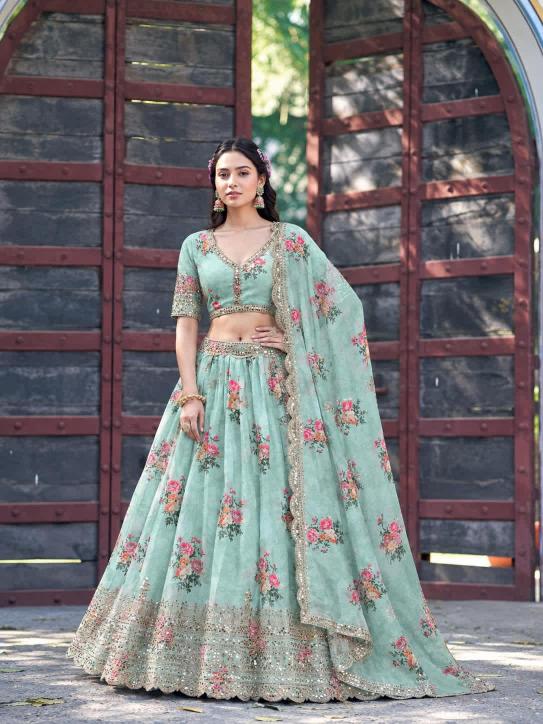
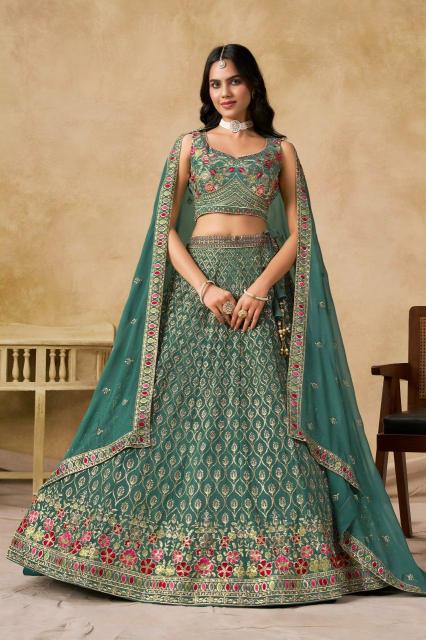
Wholesale lehenga choli is particularly suitable for retailers targeting wedding and celebration purchases. Designs can range from lighter festive outfits to heavily detailed bridal and occasion collections.
Because lehengas generally require a higher inventory investment than basic kurtis, buyers should select colours, sizes and design levels carefully. Product photographs, fabric details and current availability should be checked before confirming bulk quantities.
Plus-Size Indian Ethnic Wear
Size diversity can help retailers serve customers who may otherwise have difficulty finding suitable ethnic clothing locally. Plus-size kurtis, suits and coordinated sets can therefore become a useful addition to a broader wholesale assortment.
Retailers should confirm actual size charts and measurements rather than assuming that sizing conventions are identical across different manufacturers or countries.
Surat as a Major Indian Textile Sourcing Hub
For businesses researching Indian clothing wholesale suppliers, Surat is one of the key names they are likely to encounter. The city's textile ecosystem connects manufacturing, fabric trading, garment distribution, catalog suppliers and wholesale businesses.
The surat textile market area around Ring Road, Sahara Darwaza and nearby commercial zones is closely associated with large-scale textile activity. This concentration helps buyers access different categories and price levels through a single sourcing region.
Manufacturing and Wholesale Connectivity
Surat's strength comes from the relationship between textile production, processing, trading and garment manufacturing. Wholesale buyers can find products covering everyday ethnic fashion as well as more decorative festive categories.
For overseas retailers, working with an established supplier connected to this ecosystem can be more practical than individually coordinating with numerous small vendors. Product selection, order consolidation and export-related communication can be handled through a more organised buying process.
Why Product Variety Matters for Japan
Japan buyers may serve several different customer groups. One store could sell primarily to Indian families, while another might serve a broader South Asian audience or customers interested in international fashion.
Having access to Surat's extensive assortment enables buyers to adapt. The same wholesale order might include understated kurtis for regular use, festive salwar suits and selected lehengas for wedding customers.
How Japan Buyers Can Plan a Wholesale Order from India
International wholesale purchasing works best when inventory decisions are made before payment rather than after goods have been dispatched. A buyer should know the intended categories, approximate quantity, customer segment and target retail range.
Step 1: Define Your Customer Segment
A home-based reseller may require a very different assortment from a large showroom. Before selecting products, determine whether the primary customers are looking for everyday ethnic clothing, premium boutique fashion, wedding outfits or a mixture of these categories.
For example, a boutique serving younger customers might concentrate on modern kurti sets and contemporary silhouettes, whereas a wedding-focused business may invest more heavily in embroidered suits, sarees and lehenga choli.
Step 2: Decide the Buying Budget
Set an inventory budget before browsing hundreds of designs. The budget should consider merchandise cost as well as international shipping and the import-related expenses that may apply at the destination.
Buyers should avoid calculating profitability from the Indian product price alone. The relevant figure for retail planning is the overall landed cost after applicable freight and import expenses are considered.
Step 3: Select a Balanced Collection
A balanced order can reduce dependence on a single design. Rather than investing the entire budget in one expensive category, buyers can spread purchasing across fast-moving everyday products and selected higher-value occasion pieces.
For example, a retailer could combine kurtis and kurti sets with salwar suits, then add a smaller selection of premium sarees or lehengas. The exact mix should depend on the store's historical sales and customer enquiries.
Step 4: Confirm Product Specifications
Before ordering, check available sizes, fabric, colour, product components and current stock. Catalog photographs are useful for selection, but professional wholesale buying should also consider the practical product details customers will ask about.
This is especially important for e-commerce retailers because accurate product descriptions can reduce confusion after the item has been listed online.
What Wholesale Buyers Should Check Before Export Shipping
An international transaction involves more than choosing merchandise. Japan buyers should understand the commercial documents, packing method, freight arrangement and destination import requirements associated with their shipment.
Invoice and Packing Details
A commercial order should have appropriate billing and shipment documentation. Buyers should ensure that the order description and quantities correspond with the goods being supplied.
For larger orders, organised packing is particularly useful because the buyer may need to reconcile multiple catalogs and designs when the shipment arrives.
International Shipping Method
The suitable shipping option depends on factors such as shipment weight, volume, urgency and destination. Small trial orders and larger commercial shipments may require different logistics approaches.
Before confirming an export order, buyers should request the available shipping information and understand which charges are included or payable separately.
Japan Import Requirements
Import duties, taxes, customs classifications, documentation requirements and other rules can depend on the merchandise and shipment. Because these requirements may change, buyers should confirm the current requirements with Japan Customs, their freight provider or a qualified customs professional before importing commercial quantities.
This is particularly important when calculating retail margins for Wholesale Indian Fashion for Japan Buyers. Accurate landed-cost planning is more useful than assuming that the wholesale invoice value will be the final inventory cost.
Wholesale Indian Fashion Trends to Consider in 2026
In 2026, buyers can build stronger assortments by combining established ethnic categories with designs that feel practical for contemporary customers. The goal does not need to be chasing every short-lived trend. A better approach is maintaining core products while periodically introducing new fashion.
Contemporary Ethnic Sets
Coordinated kurti sets can appeal to customers who want a complete outfit without spending time matching separate pieces. Straight silhouettes, comfortable fabrics and tasteful embroidery can bridge traditional styling with modern usability.
Festive Embroidery
Embroidered suits, embellished lehengas and occasion sarees remain important for celebrations. Buyers can carry a limited premium selection alongside more affordable inventory to create multiple retail price points.
Comfortable Everyday Indian Wear
Printed kurtis, cotton-based garments and simple ready-made sets provide a different purchasing reason from wedding wear. These products can support more regular sales rather than depending entirely on festival or wedding seasons.
Inclusive Size Ranges
Retailers should also consider whether their assortment serves a broad enough size range. Providing additional sizing can expand the potential customer base and make a boutique more useful to repeat shoppers.
Wholesaleexport.in for International Wholesale Buyers
Wholesaleexport.in is designed to help wholesale buyers explore Indian fashion collections across multiple categories. For buyers who cannot regularly visit India's textile markets, online catalog discovery can simplify the first stage of sourcing.
The platform can be relevant to boutique owners, showroom owners, resellers, shop owners and wholesale buyers looking for Indian fashion inventory. Buyers should confirm current stock, order quantities, applicable pricing and shipment terms when placing an order.
Vastralife brings wholesale and export experience since 2017, together with practical industry expertise in Indian women's fashion. The focus on product selection and premium product quality is particularly relevant for professional buyers who depend on repeat customer satisfaction.
Wholesaleexport.in can also support buyers exploring collections for different international markets. In addition to Japan-focused sourcing, wholesale businesses serving markets such as Singapore, Australia and Canada can evaluate Indian ethnic wear according to their own customer requirements.
For professional buyers, the value of a sourcing platform becomes clearer when purchasing is treated as a long-term inventory process rather than a one-time transaction. Retailers can review new catalogs, identify products suited to their customers and gradually refine future buying decisions using actual sales performance.
Japan retailers can also benefit from maintaining variety across different price points. Entry-level kurtis can support regular purchases, while premium salwar suits, sarees and lehengas can address festive, cultural and wedding demand. This combination helps a retailer avoid depending on a single customer segment.
Buyers interested in occasion-focused inventory can explore the wholesale lehenga market Surat with price category for additional designs. Retail businesses that want to expand beyond women's collections can also review mens wear when planning a broader Indian fashion assortment.
Wholesale Buying Strategy for Different Japan Retail Businesses
There is no single wholesale assortment that works equally well for every business. A home-based seller may want lower inventory exposure, while an established ethnic fashion showroom may need a much deeper selection. The purchasing model should therefore match the size and selling style of the business.
Home-Based Sellers
Home-based sellers can begin with selected designs rather than building an oversized inventory immediately. Kurtis, coordinated ethnic sets and selected salwar suits can provide multiple selling options without requiring the seller to carry a large wedding collection.
New sellers can monitor which colours, sizes, silhouettes and price ranges receive the strongest response. Future wholesale orders can then concentrate more heavily on proven categories.
Online Resellers
Online sellers need products that can be presented clearly through photographs and accurate descriptions. Ready-made Indian clothing works particularly well for this model because customers can understand the complete look before purchasing.
Retailers can organise online collections around categories such as Indian ethnic wear wholesale, festive suits, designer kurtis, wedding lehengas, sarees and plus-size clothing. Regular new arrivals can then be promoted through websites, social media and customer groups.
Boutique Owners
Boutiques usually benefit from stronger curation. Instead of carrying every available catalog, buyers can select merchandise that fits the visual identity and target retail price of their store.
A premium boutique in Japan might combine elegant kurti sets with embroidered suits and a limited number of statement lehengas. Another boutique serving everyday customers could emphasise comfortable kurtis, printed suits and practical ready-made sets.
Showroom and Shop Owners
Larger retail locations can create dedicated sections for everyday clothing, festive fashion, wedding wear and premium collections. This allows customers to shop according to occasion and budget while giving the retailer opportunities for cross-selling.
Showrooms can also use broader size and colour availability to serve families shopping together for festivals, weddings or community celebrations.
Wholesale Buyers and Distributors
Volume buyers require more than attractive designs. They should evaluate repeat supply, catalog variety, wholesale price structure, packing and the ability to manage larger orders. Their inventory may ultimately be distributed to several smaller shops, so consistency becomes particularly important.
How to Protect Retail Margins When Importing from India
A competitive buying price matters, but profitability is determined by the complete transaction. Japan buyers should calculate how much inventory costs after shipping and applicable import expenses rather than judging a collection only by its Indian wholesale rate.
Calculate Landed Cost Before Setting Retail Price
A practical landed-cost calculation should consider the product invoice value, freight and applicable customs-related costs or taxes. Requirements can vary according to the merchandise and shipment, so buyers should verify current Japanese import requirements with the relevant authorities or logistics professionals.
Once the approximate landed cost is understood, a retailer can decide whether a product fits the intended selling price and margin.
Compare Value, Not Just the Lowest Wholesale Rate
The cheapest garment is not automatically the most profitable product. Fabric feel, finishing, embroidery, fit, presentation and customer demand all affect how easily an item can be sold.
A better buying decision considers the relationship between wholesale pricing and expected retail value. A slightly higher-cost garment that customers perceive as premium may offer better selling potential than a low-cost design with weak demand.
Test Before Expanding Quantities
When entering a new category, retailers can use an initial collection to understand demand. If particular styles sell quickly, future purchasing can increase around those products. Slow-moving categories can be reduced before too much capital becomes locked in inventory.
This approach can be particularly useful for businesses beginning Wholesale Indian Fashion for Japan Buyers because local customer preferences may differ from those in India or other international markets.
Planning Seasonal Indian Fashion Inventory in Japan
Ethnic wear demand is often connected to weddings, festivals, community gatherings and cultural events. Retailers can use these occasions as inventory-planning periods rather than purchasing the same product mix throughout the year.
Wedding Season Collections
Wedding customers may look for embroidered lehengas, premium salwar suits, sarees, Anarkali suits and coordinated family outfits. Retailers should order such products sufficiently in advance to allow time for international shipping and local merchandising.
Premium wedding pieces can also benefit from detailed product presentations showing embroidery, fabric texture and complete outfit components.
Festive Collections
Festive demand can support colourful sarees, embellished suits, kurti sets and lighter lehenga designs. Retailers can create occasion-specific campaigns around new arrivals instead of presenting every item as general-purpose inventory.
Everyday Collections
A business should not depend exclusively on occasional events. Everyday kurtis, comfortable sets and versatile ethnic clothing can support sales between major festive periods.
Maintaining a core everyday range alongside rotating occasion collections can create a healthier inventory structure throughout the year.
Why Product Quality Matters for Repeat Wholesale Business
Retailers build their reputation one customer order at a time. When customers receive clothing that matches their expectations for fabric, finishing and appearance, they are more likely to return and recommend the seller.
For this reason, premium product quality should be considered alongside design and price. Buyers should review product specifications carefully and communicate any important requirements before placing commercial quantities.
Accurate Product Information
Clear product information is especially important for Japan-based online retailers. Customers may want to know the garment size, fabric, outfit components, colour and care requirements before ordering.
Accurate listings can improve the shopping experience and help retailers avoid preventable misunderstandings.
Consistency Across Repeat Orders
Fast-moving fashion can sell out, and exact designs may not remain available indefinitely. Buyers should therefore confirm current availability when reordering rather than assuming that an older catalog is still in stock.
Retailers can also maintain substitute options. If one design becomes unavailable, a similar style in the same price and product segment can help maintain assortment continuity.
Indian Fashion Sourcing from Surat for Japan
Surat provides access to a broad network of textile businesses and women's fashion suppliers. The commercial areas around Ring Road and Sahara Darwaza form part of the wider surat textile market ecosystem known for textile trading and garment sourcing.
Buyers sourcing remotely do not necessarily need to navigate each market independently. Working with a wholesale platform can make it easier to discover multiple collections and communicate purchasing requirements from Japan.
For businesses planning regular export orders, the ability to access different fashion categories through the Indian wholesale ecosystem can support frequent inventory refreshes throughout 2026 and beyond.
Customer FAQs
1. Where can Japan buyers purchase Indian clothing wholesale?
Japan-based boutiques, resellers, shops and wholesale buyers can source Indian fashion through wholesale suppliers and B2B platforms in India. Wholesaleexport.in provides access to multiple Indian ethnic wear categories for professional wholesale and international sourcing enquiries.
2. What Indian clothing is suitable for Japan retailers?
Popular options can include kurtis, kurti sets, salwar suits, sarees, lehenga choli, Anarkali suits, dress materials, festive wear and plus-size ethnic clothing. The best assortment depends on the retailer's customer profile and selling price range.
3. Can I buy Indian lehenga choli wholesale for Japan?
Yes. Retailers can source lehenga choli from Indian wholesalers for wedding and festive collections. Before purchasing, confirm the available designs, sizes, product components, quantity requirements and shipping terms.
4. Can small resellers source Indian fashion online?
Yes. Home-based sellers and online resellers can explore wholesale catalogs remotely. New businesses should choose quantities according to their budget, customer demand and the supplier's applicable minimum-order conditions.
5. Does Wholesaleexport.in provide international export support?
Wholesaleexport.in serves wholesale and export-oriented buyers. International buyers should contact the team with their destination, product selection and order requirements so the available shipping and commercial terms can be confirmed.
6. How should Japan buyers calculate the final cost of Indian clothing?
Buyers should consider the merchandise value together with freight and any applicable import duties, taxes or customs-related charges. Current Japan import requirements should be verified with the appropriate authority, customs professional or logistics provider.
7. Is Surat suitable for wholesale Indian fashion sourcing?
Surat is a major Indian textile and garment trading centre with extensive wholesale and manufacturing activity. Its textile ecosystem provides access to numerous women's fashion categories and price segments.
8. How can a boutique select the right first order?
A boutique can begin by identifying its core customer, target retail price and strongest product categories. A balanced initial assortment may combine regular-selling kurtis or suits with a smaller selection of premium festive merchandise.
9. Can Japan buyers order new collections regularly?
Buyers can enquire about current catalogs and new arrivals according to their purchasing cycle. Because fashion inventory can change quickly, current availability should always be reconfirmed before payment.
10. How do I contact Wholesaleexport.in for wholesale purchasing?
Wholesale buyers can visit Wholesaleexport.in and contact the sales team at +91 9712582172 to discuss current collections, wholesale requirements and applicable order details.
Start Sourcing Wholesale Indian Fashion for Japan
For retailers looking to expand into Wholesale Indian Fashion for Japan Buyers, the strongest approach is to combine careful product selection with realistic landed-cost planning and regular inventory refreshes. Indian fashion offers enough variety for businesses ranging from small home-based resellers to established boutiques and showrooms.
Through Wholesaleexport.in, buyers can explore Latest Collections, Wholesale Pricing, Trendy Ethnic Wear, Fast Shipping options, applicable COD Support, Bulk Order Deals and Quality Products Starting From ₹299. Product availability, MOQ, shipping and payment conditions should be confirmed for each order and destination.
With Vastralife's wholesale and export experience since 2017, industry expertise and access to India's fashion sourcing ecosystem, professional buyers can explore collections for boutiques, shops, showrooms, resale businesses and wholesale requirements.
Whether your customers are searching for everyday kurtis, coordinated ethnic sets, sarees, embroidered salwar suits or statement lehenga choli, a carefully planned assortment can help your Japan retail business offer greater variety without losing focus on quality and commercial value.
Contact Us: +91 9712582172
Website: wholesaleexport.in
Explore fresh collections, compare wholesale options and start building an Indian ethnic wear assortment designed around your customers and your business requirements.