


Wholesale Indian Clothing for UK Boutique Owners – Surat Supplier & Export Guide 2026
Wholesale Indian Clothing for UK Boutique Owners – Surat Supplier & Export Guide 2026
The UK has become an important international market for Indian fashion, with demand extending far beyond traditional festive shopping. Boutique customers now look for stylish Pakistani suits, elegant sarees, modern kurti sets, designer ethnic wear, lehengas and Indo-western outfits for weddings, celebrations and everyday occasions. For boutique owners who want fresh designs and commercially workable pricing, sourcing directly from Surat can provide access to one of India’s most active textile and garment supply networks.
Introduction
Finding reliable wholesale Indian clothing for UK boutique owners involves more than comparing catalogue pictures and choosing the lowest price. UK retailers need attractive designs, dependable quality, suitable size options, regular new arrivals and a supplier who understands the practical requirements of international wholesale purchasing.
India offers an enormous variety of ethnic and contemporary clothing, while Surat has developed into one of the country’s most recognised textile sourcing destinations. The wider Surat textile market, including major trading areas around Ring Road and Sahara Darwaza, connects textile traders, garment suppliers, wholesalers and manufacturing networks serving buyers in India and overseas.
For UK boutique owners, shop owners, showroom owners, resellers, home-based sellers and wholesale buyers, this ecosystem can provide a valuable sourcing advantage. Instead of depending entirely on limited local stock, businesses can explore new Indian collections according to their own customer profile, season and selling price.
Wholesaleexport.in supports this sourcing process with access to multiple fashion categories and the industry expertise associated with Vastralife’s wholesale and export experience since 2017. The focus is on helping buyers discover commercially relevant collections while maintaining attention to product quality, pricing and long-term wholesale relationships.
Why Indian Clothing Has Strong Demand in the UK
The UK has a large and diverse South Asian population with established Indian, Pakistani, Bangladeshi, Nepali and Sri Lankan communities. This creates year-round demand for traditional and contemporary South Asian clothing rather than limiting sales to one or two annual festivals.
Weddings, engagements, Eid, Diwali, Navratri, family functions, religious celebrations and community events create demand for premium occasion wear. At the same time, casual kurtis, cotton suits, co-ord sets and comfortable ethnic outfits can support everyday business throughout the year.
Traditional Fashion with Modern Styling
UK customers increasingly combine cultural fashion with contemporary styling. A shopper may choose a traditional embroidered suit for a wedding but prefer a simple kurti set or fusion outfit for a family gathering. Younger customers also frequently look for styles that photograph well for social media while remaining comfortable enough to wear for several hours.
This changing demand gives boutique owners opportunities across multiple categories. Rather than stocking only heavy occasion wear, retailers can create a balanced collection that includes everyday, semi-festive and premium designs.
Wedding and Celebration Market
South Asian weddings in the UK can involve several functions, creating demand for different outfits for mehendi, sangeet, engagement ceremonies, receptions and wedding events. This makes designer suits, lehengas, sarees, Anarkali styles and premium embroidered collections commercially important for boutique businesses.
A boutique that understands its local customer base can plan seasonal purchases around wedding periods and major festivals. Early sourcing also provides more time for international transportation, merchandising and marketing before customer demand peaks.
Why Surat Is Important for UK Boutique Sourcing
Surat’s textile ecosystem has developed over decades around fabric production, processing, trading, garment manufacturing and wholesale distribution. For overseas retailers, this concentration provides access to numerous product categories and price points within one major sourcing destination.
Areas around Ring Road and Sahara Darwaza are closely associated with Surat’s textile trade. Collections move rapidly through this market, which means retailers can regularly discover updated colours, prints, cuts and fabric combinations.
For businesses seeking Indian clothes wholesale from Surat, access to a fast-moving supply network can make it easier to refresh inventory instead of carrying the same products for extended periods.
Access to Multiple Price Segments
One advantage of sourcing from Surat is the variety of wholesale price levels available. A new home-based seller may want affordable products with lower inventory investment, while a premium UK boutique may be looking for more detailed fabrics, embroidery and exclusive-looking designs.
Neither approach is automatically better. The right price segment depends on the customer. Successful boutique buying is about matching product quality and styling with what local shoppers are realistically prepared to pay.
Frequent New Fashion Collections
Fashion discovery has become faster in 2026. Customers see new designs through Instagram, short videos, influencers, wedding content and online marketplaces. This puts pressure on retailers to update their collections more frequently.
Working with a supplier connected to the Surat market can help UK businesses explore new arrivals and respond more quickly to changing fashion preferences. Regular buying does not necessarily mean purchasing huge quantities; it can also mean selecting smaller, more focused collections at appropriate intervals.
Best Wholesale Indian Clothing Categories for UK Boutiques
The strongest product mix will vary according to location and customer profile, but several categories have broad potential for UK ethnic fashion retailers. Boutique owners should evaluate each category according to demand, competition, average selling price and season.
Pakistani Style Salwar Suits
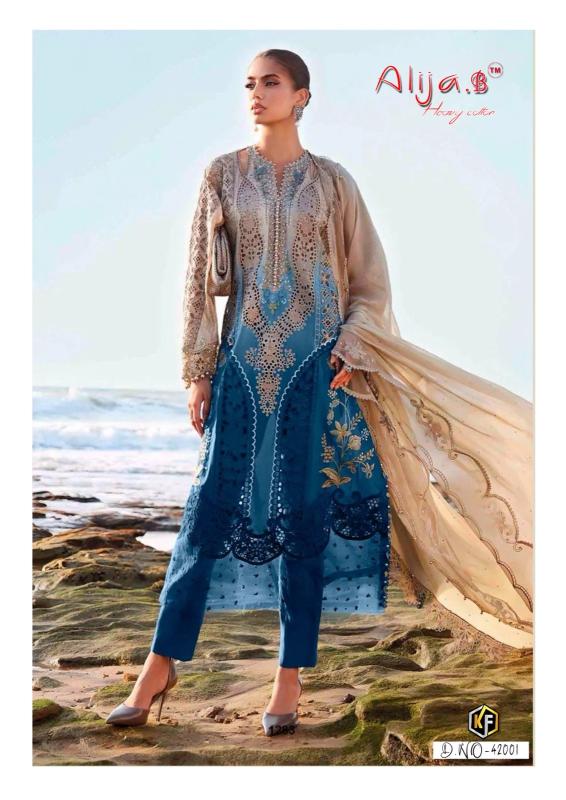
Pakistani suits wholesale is an important sourcing category for many South Asian fashion retailers. Straight-cut suits, long kameez styles, embroidered designs, printed sets and premium dupatta combinations can appeal to customers looking for elegant outfits that work across festive and semi-formal occasions.
Fabric and finishing are particularly important in this category. Cotton-based collections may work for regular wear, while richer fabrics, embroidery and detailed dupattas can serve wedding and festive customers.
Wholesale Kurtis and Kurti Sets
Wholesale kurtis from Surat can provide a practical year-round category for boutiques. Printed kurtis, embroidered styles, kurti-pant combinations and kurti-pant-dupatta sets can serve customers who want Indian fashion that is easier to wear regularly.
Kurti sets are also useful for online resellers because a complete coordinated outfit is easy to present through catalogue photos, reels and social media posts. Retailers can maintain different price levels by combining basic styles with more detailed festive designs.
Indian Sarees Wholesale
Sarees remain an essential category for many Indian clothing businesses. Wedding sarees, party wear, Banarasi-inspired designs, printed sarees and contemporary lightweight styles can all serve different sections of the UK market.
When selecting Indian sarees wholesale, boutique owners should consider the age profile of their customers, local cultural preferences and typical occasions. A wedding-focused store may need more premium sarees, whereas an online seller may prefer affordable designs that can generate quicker stock rotation.
Lehenga Choli Collections
Lehengas remain highly relevant for weddings, engagements, Navratri, receptions and other major occasions. UK boutiques can explore bridal-inspired styles, lighter party wear lehengas and colourful festive collections according to their customer segment.
Because lehengas generally represent a higher investment than everyday clothing, buyers should be selective with designs, colours and sizes. A carefully chosen assortment is often more commercially sensible than purchasing large quantities simply because a catalogue looks impressive.
Dress Materials and Unstitched Suits
Unstitched dress materials continue to appeal to customers who prefer custom fitting or personalised tailoring. They can also help boutiques serve customers whose measurements are not easily covered by standard ready-made sizes.
Printed cotton materials, embroidered suit pieces and premium festive fabrics can be included depending on local demand. This category may be particularly useful for retailers that already have relationships with tailoring services.
Co-Ord Sets and Indo-Western Clothing
Contemporary co-ord sets and Indo-western outfits can help a traditional boutique appeal to younger customers. Indian prints combined with modern silhouettes create outfits that can be worn for casual gatherings, holidays, lunches and social events.
For businesses developing an online presence, these products can also create visually engaging content. A modern assortment alongside traditional clothing can expand the store’s appeal without losing its ethnic fashion identity.
How UK Boutique Owners Should Plan a Wholesale Order
A successful wholesale order starts before products are added to the purchase list. Boutique owners should first understand their customer base, existing inventory and available purchasing budget. This prevents attractive catalogue images from becoming slow-moving stock after arrival.
Know Your Customer’s Preferred Price Range
One of the most useful pieces of information for a boutique is the average amount customers comfortably spend. If most regular customers purchase mid-range outfits, filling the store with only premium designer products may restrict sales. The opposite can also be true for boutiques serving customers who expect exclusive occasion wear.
Analyse previous sales and enquiries. Identify which categories, colours, sizes and price points generate the strongest response. These details can guide the next order far more effectively than general fashion trends alone.
Create a Balanced Inventory
UK boutiques can reduce inventory risk by dividing their purchasing budget across different categories. Everyday kurtis and suits may provide regular turnover, while premium sarees and lehengas can generate higher-value occasion sales.
Home-based sellers and newer resellers can start with a broader variety in controlled quantities. Once sales data reveals the strongest categories, subsequent orders can place more emphasis on proven products.
Consider UK Weather and Seasonal Demand
Climate can influence product selection. Lightweight cotton and breathable styles may perform better during warmer months, while layered outfits, richer fabrics and festive collections can become more relevant during autumn and winter celebrations.
Retailers should also plan around Diwali, Eid, wedding seasons and local cultural events. International sourcing works best when inventory is ordered early enough to arrive before marketing activity and customer demand begin.
Quality Matters More in International Wholesale Buying
For overseas buyers, product quality has a direct impact on customer trust. Returning or replacing products after international shipping is more complicated than handling a local purchase, so careful sourcing becomes especially important.
Premium product quality does not mean that every garment must be expensive. Instead, fabric, stitching, finishing and presentation should be appropriate for the product’s selling segment. An affordable everyday suit should still offer acceptable workmanship, while a premium festive outfit should justify its higher retail positioning.
Check Fabric, Stitching and Finishing
Fabric appearance is only one part of quality. Buyers should also consider stitching, lining where applicable, embroidery finishing, accessories, dupatta quality and overall garment construction.
This becomes particularly important for boutique owners building repeat business. Customers who receive consistent quality are more likely to return, recommend the store and trust future new arrivals.
Accurate Product Presentation Builds Customer Trust
Online sellers and boutiques using digital catalogues should describe products accurately. Customers need realistic information about fabric, size, colour and design. Over-promising may generate a quick sale, but it can damage long-term customer confidence.
Wholesaleexport.in focuses on helping buyers explore fashion collections with the industry experience developed through Vastralife’s wholesale and export operations since 2017. This experience is relevant not only for UK buyers but also for businesses sourcing Indian fashion for markets such as Australia, Canada and New Zealand.
Wholesale Pricing, Shipping and Landed Cost for UK Buyers
Wholesale product price is important, but UK boutique owners should make buying decisions using the complete landed cost. International orders may involve freight, applicable import duties or taxes, payment costs, local transportation and other business expenses.
A product that looks extremely inexpensive in India may not necessarily provide the best retail margin after all costs are included. Similarly, a slightly higher-priced garment with stronger design appeal and better quality may provide greater value if customers are willing to pay a higher retail price.
Calculate Before Setting Your UK Retail Price
Before placing a larger order, estimate the landed cost for each major product segment. Add the purchase price to estimated shipping and other applicable expenses. Then consider the retail selling price realistically achievable in your local market.
This simple calculation helps protect margins and allows boutique owners to compare collections commercially rather than judging products only by their Indian wholesale rate.
International Export Planning
International export orders require appropriate planning for packaging, documentation and transportation. Shipment costs can vary according to weight, volume, destination, service and other factors, so buyers should confirm current shipping information before finalising an order.
UK importers should also verify current customs, VAT and import requirements with official UK authorities or a qualified customs professional. Regulations and thresholds can change, and the exact treatment of a shipment may depend on its classification and value.
Building a Long-Term Wholesale Sourcing Strategy
The most successful boutique owners often think beyond one order. A long-term sourcing strategy helps a business maintain fresh collections, learn what customers actually buy and gradually improve purchasing decisions.
When evaluating wholesale Indian clothing for UK boutique owners, consider whether the supplier can support repeat purchases across multiple categories. Access to changing collections can help a boutique refresh its inventory without repeatedly searching for a completely new sourcing network.
Wholesaleexport.in combines access to Indian wholesale fashion with knowledge of Surat’s textile ecosystem and Vastralife’s experience in the wholesale and export industry since 2017. For UK retailers, this provides an opportunity to explore Indian fashion with a business-oriented approach to sourcing rather than treating each purchase as an isolated transaction.
Best Sourcing Strategy for Different Types of UK Fashion Sellers
Not every wholesale buyer should follow the same purchasing strategy. The ideal product mix, quantity and price range depend on how and where the products will be sold. A home-based reseller may require flexibility and lower inventory exposure, while an established showroom may need broader collections and deeper stock.
Home-Based Sellers
Home-based sellers can begin with a carefully selected assortment rather than investing heavily in one catalogue. Kurtis, ready-made suits, co-ord sets and a limited selection of festive outfits can provide enough variety to understand what customers prefer.
Social media, WhatsApp and customer groups can then be used to test new designs. Products generating stronger enquiries can receive more investment in future orders, allowing the business to grow according to real customer demand.
Boutique Owners
Boutique customers often expect something different from mass-market fashion. UK boutique owners can therefore focus on curated collections, distinctive prints, premium-looking fabrics, embroidery and styles that complement their store identity.
Working with a reliable source for wholesale Indian clothing for UK boutique owners can help retailers refresh their selection frequently. Instead of competing only on price, boutiques can build value around product selection, styling, customer service and exclusivity.
Shop and Showroom Owners
Physical stores normally need greater category and size diversity because customers expect to browse several options during a visit. Retailers may combine affordable everyday outfits with mid-range suits, sarees, festive wear and premium statement pieces.
Showroom owners should also monitor which products attract attention but do not convert into sales. This information can reveal whether the issue is design, size availability, quality or retail price and can improve future wholesale purchasing decisions.
Online Resellers
Online resellers depend heavily on visual presentation. Products with clear design details, fashionable colours and complete styling can perform well in Instagram reels, WhatsApp catalogues and other digital selling channels.
However, successful online selling also depends on accurate descriptions and dependable quality. Customers who receive products matching their expectations are more likely to become repeat buyers and recommend the seller to others.
Wholesale Buyers and Distributors
Higher-volume buyers require a more systematic sourcing process. Product availability, competitive wholesale pricing, category depth and repeat purchasing potential become particularly important when supplying other retailers.
For these buyers, access to the Surat textile market and its wider manufacturing and trading ecosystem can make it easier to build a broad assortment across different price segments.
Indian Fashion Trends UK Boutique Owners Should Watch in 2026
Customer preferences continue to evolve in 2026. Social media has accelerated fashion discovery, while customers increasingly want outfits that balance Indian tradition with modern comfort. Boutique owners should understand these trends without allowing short-lived fashion cycles to control their entire inventory strategy.
Pakistani-Inspired Suit Designs
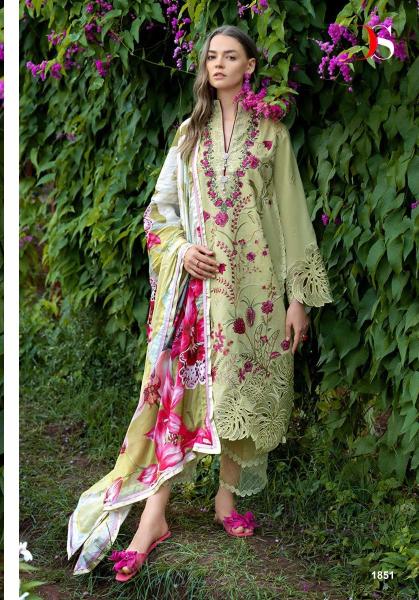
Long silhouettes, elegant necklines, coordinated dupattas, detailed embroidery and sophisticated prints continue to make Pakistani-inspired suits attractive for South Asian fashion retailers. These designs can work for festive events, Eid, family celebrations and semi-formal occasions.
Buyers should maintain variety within the category. Alongside heavily detailed designs, simpler cotton and printed suits can provide options for customers seeking regular wear at more accessible prices.
Comfortable Ready-to-Wear Sets
Convenience has become increasingly important. Customers who do not want to arrange tailoring often prefer complete ready-to-wear kurti sets and salwar suits. Coordinated outfits also simplify styling and can provide strong perceived value.
For boutique owners, ready-made sets can create opportunities across everyday, office, festive and casual fashion segments depending on fabric and detailing.
Modern Indo-Western Collections
Younger shoppers frequently combine traditional Indian fashion with contemporary wardrobes. Co-ord sets, tunics, fusion cuts and modern printed outfits can therefore help boutiques reach customers who may not regularly purchase conventional ethnic clothing.
This category can be particularly effective for social-media marketing because modern silhouettes and Indian prints create visually distinctive content.
Premium Wedding and Occasion Wear
Wedding fashion remains an important part of the UK ethnic wear market. Embroidered suits, designer sarees, lehengas, Anarkali styles and statement dupattas can provide higher-value selling opportunities.
Boutique owners should avoid assuming that every wedding customer wants the most expensive product. Maintaining several premium levels can make occasion wear accessible to customers with different budgets.
Internal Linking and Wholesale Product Discovery
Product discovery should be treated as an ongoing part of boutique management rather than something that happens only when shelves become empty. Regularly reviewing new arrivals can help retailers understand changing fabrics, colour combinations and designs before planning the next order.
UK retailers looking for elegant South Asian collections can explore wholesale Pakistani suits to compare current styles for festive, casual and boutique-focused selling.
Businesses preparing wedding and celebration collections can also explore the wholesale lehenga market in Surat when planning higher-value occasion inventory.
Using product categories in this way helps buyers create a more organised sourcing process. Rather than purchasing random designs, boutique owners can compare categories according to customer demand, season and expected margin.
How to Improve Profit Margins on Indian Clothing in the UK
Profitability is influenced by more than the initial wholesale price. Retailers need to consider product selection, stock rotation, landed cost, marketing expenses and the selling price customers are prepared to accept.
Buy According to Sales Data
Previous sales provide some of the best information for future buying. Identify which sizes sell fastest, which colours generate repeat demand and which categories consistently produce healthy margins.
Even a simple record of product enquiries and completed sales can help a boutique make better wholesale decisions. Over time, this reduces unnecessary inventory and concentrates purchasing budgets on products with stronger commercial potential.
Mix Fast-Moving and Premium Products
Affordable kurtis, cotton suits and everyday sets can generate frequent sales, while premium sarees, Pakistani suits and lehengas may generate higher value per transaction. Combining both types can create a healthier inventory structure.
Fast-moving products help maintain regular customer activity, while carefully selected premium pieces can increase the average order value and strengthen the boutique’s occasion-wear offering.
Do Not Compete Only on Lowest Price
Price competition can become difficult when several sellers offer similar products. Boutiques can create additional value through carefully selected designs, styling advice, responsive service, attractive packaging and trustworthy product information.
Customers may accept a higher retail price when they believe they are receiving better quality, convenience and service. Building this perception can protect margins without depending entirely on discounting.
Refresh Collections Regularly
Fresh products encourage existing customers to return. Instead of making one very large purchase and selling the same collection for months, some boutiques may benefit from more frequent, carefully planned stock updates.
The right frequency depends on sales volume and shipping economics, but maintaining visible new arrivals can create a stronger reason for customers to continue following the business.
Why Work with Wholesaleexport.in?
Wholesaleexport.in is designed for retailers, resellers, boutiques and wholesale buyers looking for access to Indian fashion through an experienced sourcing ecosystem. With Vastralife’s wholesale and export experience since 2017, the business brings years of textile industry knowledge to product sourcing and international wholesale requirements.
Surat provides access to a large network of textile trading and garment manufacturing. Major textile areas around Ring Road and Sahara Darwaza remain important parts of the city’s wholesale ecosystem, where new fashion collections and multiple pricing segments are continuously available.
Premium product quality is also important for overseas buyers. The objective is to offer commercially relevant collections where fabric, design, stitching and overall presentation are suitable for the intended price category.
Wholesaleexport.in can be useful for buyers who want to explore multiple Indian fashion categories rather than relying on a narrow product range. This is particularly valuable for boutiques that want everyday, festive, wedding and contemporary collections within one broader sourcing strategy.
Preparing Indian Clothing for Export to the UK
After product selection, buyers should plan the shipment carefully. International export involves more than putting garments into a parcel. Packaging, weight, shipment method, documentation and destination requirements can influence both cost and delivery experience.
Confirm Products Before Dispatch
Buyers should review quantities, sizes, designs and other order details before the shipment is prepared. This becomes particularly important when combining several catalogues or product categories into one wholesale order.
Clear communication during the ordering stage can reduce misunderstandings and help the dispatch process move more smoothly.
Plan International Shipping Costs
Shipping costs may depend on actual or volumetric weight, destination and service level. Boutique owners should therefore consider freight as part of their landed cost before deciding final UK retail prices.
Large-volume buyers may find that shipment economics differ from smaller parcels, so it is useful to evaluate the most appropriate shipping option according to order size and urgency.
Check Current UK Import Requirements
UK businesses should verify current customs, VAT, duties and import requirements before placing an international commercial order. Rules can change, and the exact treatment may depend on product classification, shipment value and the structure of the importing business.
Using current official information or advice from a qualified customs professional helps buyers calculate costs more accurately and avoid basing purchasing decisions on outdated assumptions.
How to Market Indian Ethnic Wear to UK Customers
Strong sourcing creates the foundation, but products still need effective marketing. Boutique owners should present collections in ways that help customers imagine when, where and how they can wear each outfit.
Create Occasion-Based Collections
Instead of displaying every product together, create focused collections around weddings, Eid, Diwali, Navratri, party wear, office wear and casual fashion. Occasion-based merchandising makes browsing easier and can help customers find relevant products quickly.
Use Video to Show Fabric and Movement
Photographs are useful, but short videos can show fabric movement, embroidery, dupatta details and the overall fit more effectively. Instagram reels and WhatsApp videos can therefore become powerful tools for boutique marketing.
Build a Repeat Customer Community
Existing customers can be one of a boutique’s strongest assets. WhatsApp groups, broadcast updates, social media pages and email lists can be used to announce new arrivals and seasonal launches.
When customers know that new designs are added regularly, they have a reason to remain connected to the business rather than searching for a new retailer every time they need an outfit.
Customer FAQs
1. Where can UK boutiques buy Indian clothing wholesale?
UK boutique owners can source Indian clothing directly from wholesale suppliers and textile markets in India. Surat is a major sourcing destination for sarees, kurtis, salwar suits, Pakistani-style suits, dress materials, lehengas, co-ord sets and other ethnic fashion categories. Wholesaleexport.in provides an online route for exploring such wholesale collections.
2. What Indian clothing should a new UK boutique stock first?
A new boutique can consider starting with a balanced assortment of ready-made suits, kurtis, kurti sets, Pakistani-style suits and a smaller quantity of festive or premium pieces. The exact mix should depend on local customers, average selling price and available investment.
3. Can home-based UK sellers source clothing from Surat?
Yes. Home-based sellers and online resellers can source Indian fashion from Surat, subject to the supplier’s current order requirements and international shipping conditions. New sellers should generally test customer demand before committing too much capital to a single design.
4. Are Pakistani-style suits available from Surat wholesalers?
Yes. Surat wholesalers offer a wide range of Pakistani-inspired salwar suits, including printed, embroidered, cotton, festive and premium designs. Availability changes frequently as new catalogues and collections are introduced.
5. How do UK boutiques calculate the final retail price?
Begin with the Indian wholesale price and add international freight, applicable customs or tax costs, local delivery, packaging, marketing and other operating expenses. Once the landed cost is understood, the retailer can apply a commercially suitable margin according to local market conditions.
6. Why source Indian ethnic wear directly from Surat?
Surat provides access to a large textile trading and manufacturing ecosystem, broad product variety and multiple wholesale price levels. Direct sourcing can help retailers discover more collections and develop a product mix suited to their own customers.
7. How often should a boutique introduce new collections?
There is no single ideal schedule. The right frequency depends on sales volume, customer demand and shipping economics. However, regular new arrivals can help maintain customer interest and prevent a boutique’s inventory from appearing repetitive.
8. What should I confirm before placing a wholesale export order?
Confirm designs, quantities, sizes where applicable, current stock, wholesale pricing, payment terms, estimated shipping costs and dispatch expectations. UK buyers should also verify applicable import and tax requirements independently before confirming commercial shipments.
Start Sourcing Wholesale Indian Clothing for Your UK Business
For home-based sellers, established boutiques, retail shops, showrooms and wholesale distributors, sourcing from India can provide access to a much wider fashion range. The strongest results come from combining good product selection with accurate landed-cost calculations, realistic retail pricing and consistent customer service.
If you are searching for wholesale Indian clothing for UK boutique owners, build your buying strategy around the customers you already serve. Select everyday products for regular turnover, maintain attractive festive collections and use premium pieces strategically for wedding and occasion demand.
With Vastralife’s wholesale and export experience since 2017, industry expertise and access to the Surat textile ecosystem, Wholesaleexport.in helps businesses explore Indian fashion collections for domestic and international wholesale requirements.
Grow Your Boutique with Wholesaleexport.in
Explore fresh Indian fashion for your next boutique, showroom, retail or resale collection and connect with the team for current product availability and wholesale buying information.
- Latest Collections – Discover regularly updated Indian fashion and new arrivals.
- Wholesale Pricing – Explore competitive wholesale rates for business purchasing.
- Trendy Ethnic Wear – Shop kurtis, sarees, salwar suits, Pakistani styles, lehengas, co-ord sets and more.
- Fast Shipping – Shipping support according to order requirements and destination.
- COD Support – Available for eligible India orders according to applicable terms.
- Bulk Order Deals – Contact the team for current bulk purchasing opportunities.
- Quality Products Starting From ₹299 – Explore value-focused collections subject to current product and stock availability.
Contact Number: +91 9712582172
Website: wholesaleexport.in
Explore new collections, compare wholesale prices and build a stronger Indian fashion inventory for your UK customers with a sourcing partner focused on quality, variety and long-term wholesale business.