


Wholesale Indian Clothing for UAE Boutiques: Sourcing Guide 2026
Wholesale Indian Clothing for UAE Boutiques: Sourcing Guide 2026
The UAE has become an attractive market for Indian ethnic fashion, with boutique customers looking for fresh designs that combine traditional detailing with modern silhouettes. For boutique owners, resellers and showroom buyers, sourcing directly from India can provide access to a much wider product range, competitive wholesale pricing and frequently updated collections. From everyday kurtis and coordinated sets to festive suits, kids wear and occasion-ready styles, a carefully planned buying strategy can help UAE retailers build a collection suited to different customer segments.
Introduction
Buying wholesale Indian clothing for UAE boutiques is not simply about finding low prices. A successful boutique needs products that look attractive in-store and online, fit the preferences of its target customers and leave enough margin after shipping, import costs and other operating expenses.
Dubai, Sharjah, Abu Dhabi and other UAE markets serve diverse communities, including customers with strong connections to Indian and South Asian fashion. This creates opportunities for retailers that can offer the right combination of daily ethnic wear, contemporary Indian styles, festive clothing and premium occasion collections.
India provides a broad sourcing ecosystem for these businesses. Surat in particular has developed a large textile and garment trade supported by fabric suppliers, designers, manufacturers, wholesalers and distributors. Buyers visiting the Surat textile market often explore commercial areas around Ring Road and Sahara Darwaza, where a wide variety of women's clothing categories can be sourced.
For buyers who do not want to travel for every purchase, online wholesale sourcing makes it possible to review catalogues, compare designs and place orders remotely. Wholesaleexport.in provides access to Indian wholesale fashion for retailers, boutiques, resellers and international buyers looking to source from India.
Why UAE Boutiques Source Indian Ethnic Wear
Indian fashion gives UAE retailers an unusually broad selection within a single sourcing market. A boutique can build an everyday section with cotton kurtis, add stylish kurti-pant sets for working customers, stock Pakistani-inspired suits for premium buyers and introduce heavily detailed festive collections ahead of important shopping periods.
This flexibility is particularly useful for independent boutiques. Instead of competing only through price, smaller retailers can continuously introduce new designs and create a distinctive assortment.
Large Variety for Different Customer Segments
A UAE retailer sourcing from India can consider categories such as wholesale kurtis, kurti sets, salwar suits, Pakistani-style suits, Anarkali suits, co-ord sets, dress materials, sarees, plus-size ethnic wear, designer kurtis and children's ethnic clothing.
The correct mix depends on the boutique's location and customer profile. A neighbourhood store serving repeat family customers may require practical and moderately priced pieces, while a fashion-led boutique may place greater emphasis on distinctive silhouettes, embroidery, premium fabrics and limited-looking designs.
Regular New Arrivals Support Repeat Sales
Fashion customers have a reason to return when a store regularly displays something new. This is why latest ethnic wear collections are commercially important for boutiques.
Instead of purchasing a very large quantity of one design without testing demand, retailers can create a broader selection and monitor which fabrics, colours, fits and price ranges move fastest. Successful styles can then guide subsequent buying decisions.
Direct India Sourcing Can Improve Buying Options
Direct sourcing can reduce the number of intermediaries between the original supply market and the retailer. It can also provide UAE buyers with more choice over catalogues, sizes and collection types. However, buyers should evaluate the complete landed cost rather than comparing only the quoted Indian wholesale rate.
Shipping, duties, applicable taxes, clearance costs and local delivery can affect the final margin. For that reason, professional wholesale buyers calculate their expected landed cost before deciding their UAE retail price.
What Indian Clothing Should UAE Boutiques Stock in 2026?
The strongest inventory strategy usually combines dependable everyday products with a smaller proportion of trend-led and occasion-focused merchandise. This reduces dependence on a single fashion cycle and gives customers more reasons to shop throughout the year.
Kurtis and Kurti Sets
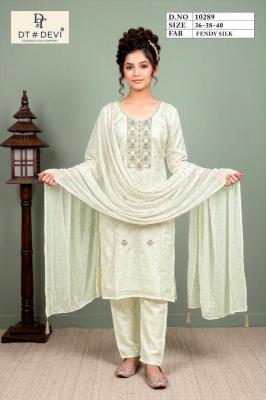
Indian kurtis wholesale remains an important sourcing category because kurtis can serve several price segments and age groups. Straight kurtis, A-line silhouettes, printed styles, embroidered pieces and kurti-pant combinations can be merchandised for everyday, office and casual occasions.
For UAE boutiques, fabric selection deserves attention because climate and comfort influence purchasing decisions. Lightweight fabrics and comfortable silhouettes can work well for regular wear, while richer textures and decorative details can be reserved for occasion collections.
Pakistani-Style Suits
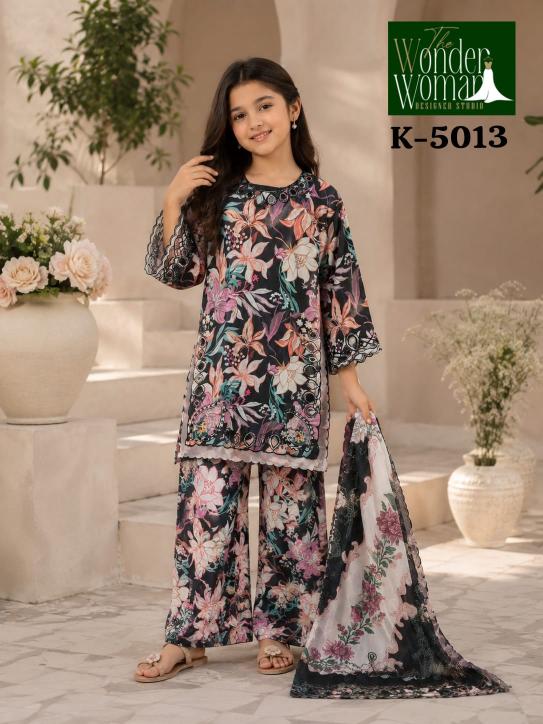
Pakistani suits wholesale collections can add a more elaborate fashion direction to a boutique. Longer silhouettes, coordinated bottoms, attractive dupattas, embroidery and sophisticated colour combinations give retailers products that can be positioned above basic daily wear.
For boutiques selling through Instagram, WhatsApp or other visual channels, these coordinated outfits can also be easier to present because customers see a complete look rather than having to imagine separate pieces together.
Plus-Size Indian Ethnic Wear
Size diversity should be considered while planning a 2026 collection. Boutique owners can evaluate plus-size kurtis wholesale, coordinated sets and occasion styles instead of limiting their assortment to standard size runs.
When sourcing plus sizes, buyers should look beyond simply enlarging the garment. Appropriate proportions, comfortable armholes, practical lengths and flattering silhouettes can make a meaningful difference to customer satisfaction and repeat purchases.
Kids Wear and Family Shopping Categories
Retailers serving families can complement women's collections with kids wear wholesale. Children's ethnic and Indo-western clothing can be especially useful when customers shop for weddings, celebrations, family gatherings and gifting occasions.
A boutique does not necessarily need a very large children's department. A carefully selected range can allow existing customers to purchase for more than one family member during the same visit.
How to Select a Wholesale Supplier for UAE Orders
Choosing a supplier should involve more than comparing catalogue photos. International buying introduces additional variables because replacing an unsuitable product after it reaches the UAE is more complicated than correcting a local purchase.
Before placing regular orders, boutique owners should evaluate product consistency, available sizes, catalogue details, dispatch processes, communication and the supplier's ability to handle export orders from India.
Check Product Information Before Ordering
Ask for clear information about fabric, garment type, sizes, set contents and relevant product details. If a catalogue includes a kurti, pant and dupatta, confirm whether the quoted amount represents the complete set or an individual piece.
The same principle applies to dress materials, sarees and children's garments. Clear buying information reduces misunderstandings and makes inventory costing easier.
Understand MOQ and Catalogue Requirements
MOQ, or minimum order quantity, can differ by product and catalogue. UAE resellers should confirm the current MOQ before calculating an order because some products may be available in smaller quantities while others may require a full set or catalogue.
For new sellers, smaller test purchases can help identify customer preferences before committing more working capital. Established showrooms with reliable sales data may be comfortable ordering deeper quantities of proven categories.
Compare Quality With the Selling Segment
There is no single quality specification suitable for every boutique. A value-focused reseller and a premium occasion-wear showroom may require completely different products.
The goal is to match fabric, finishing, design and overall presentation to the intended selling price. Premium product quality becomes particularly important when a boutique is building repeat business rather than depending only on one-time discount sales.
Surat as a Sourcing Base for UAE Fashion Retailers
Surat plays an important role in India's textile and apparel ecosystem. Its combination of fabric trade, garment manufacturing, wholesale distribution and logistics makes it relevant to domestic as well as international fashion buyers.
The commercial network around the Surat textile market, Ring Road and Sahara Darwaza gives buyers exposure to numerous categories and price points. This can be particularly useful for a UAE boutique that wants to combine several Indian ethnic-wear categories within its buying plan.
At the same time, physical market visits are not practical for every reorder. Digital wholesale sourcing can complement traditional market buying by helping retailers discover new catalogues remotely and communicate with suppliers before committing to inventory.
Manufacturing and Wholesale Access
Access to a large textile cluster can help retailers discover collections at different stages of the supply chain. Depending on the product, suppliers may work with manufacturers, brands, distributors or wholesale catalogues.
This variety gives buyers room to balance entry-level merchandise with better-finished collections. For UAE stores, that means the assortment can include accessible daily wear as well as higher-value festive products without relying on a single product segment.
Experience Matters in International Supply
Vastralife brings wholesale and export experience since 2017, with industry knowledge developed through serving wholesale buyers, retailers and resellers. That experience is useful when buyers need practical assistance with product selection and sourcing rather than simply browsing isolated product images.
Wholesaleexport.in extends this sourcing approach online, allowing buyers to explore Indian fashion collections for their stores and resale businesses.
Building a Profitable UAE Boutique Order
A profitable purchase begins before payment is made. Boutique owners should decide how much of their buying budget belongs in fast-moving essentials, how much can be allocated to new trends and how much should be reserved for premium or seasonal pieces.
One practical structure is to build the order around several retail needs rather than a single category. Everyday kurtis can provide regular turnover, coordinated ethnic sets can lift the average selling value, festive products can create seasonal demand and selected plus-size designs can expand the boutique's addressable customer base.
Plan by Selling Price, Not Only Buying Price
A low wholesale price does not automatically create the best profit. A slightly higher-cost product may deliver better value if its styling, finishing and presentation allow the retailer to sell it faster or at a stronger margin.
UAE buyers should calculate product cost, freight, import-related charges where applicable, packaging and local operating costs before setting retail pricing. This gives a more realistic picture of the margin available on each collection.
Balance Fast Movers With Statement Products
Not every item needs to be a statement piece. In fact, an assortment made entirely of heavy designs may restrict repeat everyday sales. Combining wearable commercial styles with visually distinctive products gives a boutique both dependable stock and attention-grabbing merchandise.
For social-media sellers, eye-catching products can generate enquiries, while simpler pieces can convert customers looking for practical purchases. The combination can therefore support both reach and actual sales.
Retailers can also explore kids wear wholesale when they want to extend their assortment into family shopping. Buyers planning broader women's inventories may review wholesale dress materials Surat options for customers who prefer stitched-to-order ethnic fashion.
Wholesale Indian Clothing Opportunities Beyond the UAE
Although this sourcing strategy is focused on UAE boutiques, Indian ethnic wear also has resale potential in several international markets. Buyers in Australia, Canada and Singapore often serve multicultural communities where Indian clothing is purchased for everyday wear, weddings, festivals, family functions and cultural occasions. For exporters and wholesale buyers, this creates opportunities to build collections that can serve more than one geographic market.
The product mix may differ from country to country. A UAE boutique might require lightweight styles suitable for a warmer climate and frequent social occasions, while a retailer in Canada may plan inventory around seasonal celebrations and indoor events. Australian boutiques may combine contemporary ethnic wear with traditional festive collections. Understanding the final customer is therefore more important than simply sending the same catalogue to every country.
Why Export Buyers Need a Flexible Product Mix
International boutiques frequently operate with tighter inventory planning than large domestic retailers. Shipping time and freight costs make overstocking expensive, while selling out too early can mean missing an important seasonal opportunity. A flexible mix of Indian ethnic wear wholesale, kurtis, coordinated sets, kids wear, plus sizes and occasion clothing can help buyers spread their risk.
For a new UAE reseller, the objective should be to identify repeatable categories first. Once sales data shows which sizes, colours, fabrics and silhouettes customers prefer, subsequent orders can become more focused. This is generally more sustainable than repeatedly purchasing large quantities based only on catalogue appearance.
How Online Wholesale Buying Helps UAE Resellers
Online sourcing has changed how smaller boutiques access Indian wholesale markets. A retailer no longer needs to travel to Surat for every new collection. Product catalogues can be reviewed remotely, shortlisted according to the store's budget and ordered from India after confirming the required details.
For home-based sellers and social-commerce resellers, this is particularly useful because their business may not justify frequent sourcing trips. They can instead concentrate on customer acquisition, WhatsApp enquiries, Instagram marketing and local delivery while using an online wholesale source for inventory.
Browse New Collections Without Holding Excess Stock
One advantage of online wholesale buying is the ability to review a wider range before committing capital. Buyers can compare kurtis, salwar suits, dress materials, sarees, kids wear and other categories and then build an order according to their actual selling model.
Wholesaleexport.in can be used by boutique owners and wholesale buyers to explore changing collections from India. Since fashion inventory can move quickly, buyers should confirm current stock and the latest applicable wholesale pricing when placing an order rather than relying on an older catalogue.
Use Product Data to Plan Reorders
Every order provides useful information. Retailers should track which products receive enquiries, which convert quickly, which sizes sell first and which price bands generate the best margins. Even a simple spreadsheet can reveal patterns after several orders.
For example, if embroidered three-piece suits consistently outperform heavily embellished pieces, the next purchase can increase the proportion of that category. If customers repeatedly request larger sizes, the boutique can expand its plus-size range. Data-driven reordering helps transform wholesale purchasing from guesswork into a more disciplined retail process.
Seasonal Buying Strategy for UAE Boutiques
Fashion demand does not remain constant throughout the year. Weddings, Eid shopping, Diwali, Navratri, family functions and other occasions can influence what customers look for. Boutique owners should therefore plan seasonal purchases early enough for sourcing, export, customs clearance where applicable, merchandising and promotion.
Festive and Occasion Collections
Festive inventory can include embroidered salwar suits, Anarkali styles, designer kurti sets, embellished dupattas, sarees and coordinated ethnic outfits. These products usually need stronger visual presentation because customers are buying the complete look as much as the garment itself.
Stores should avoid waiting until peak customer demand has already started before placing the main seasonal order. International logistics add time between sourcing and actual retail availability, so the buying calendar should work backwards from the intended UAE selling period.
Everyday Collections Keep Sales Moving Between Seasons
Festive clothing can create strong periods of demand, but everyday products help maintain regular turnover. Printed kurtis, cotton-based styles, simple coordinated sets and wearable ethnic pieces can remain useful between major shopping events.
For this reason, a balanced wholesale Indian clothing for UAE boutiques strategy should not depend entirely on festivals. Everyday merchandise gives customers a reason to return throughout the year and can create a more predictable revenue base.
What Boutique Owners Should Confirm Before Placing an Export Order
International orders deserve an additional level of checking because correcting a mistake after dispatch can be costly. Before payment, the buyer should have a clear understanding of the products being purchased, quantities, sizes, commercial terms and expected logistics.
Confirm Current Stock and Final Product Details
Fashion inventory can sell quickly, particularly when a design becomes popular. Confirm availability before making final commitments to customers. The buyer should also verify size ranges, colours, fabric details and what is included with each style.
Confirm Shipping and Import Responsibilities
Ask what shipping arrangement is being used and which charges are included or excluded. UAE buyers should independently understand applicable import procedures, duties, taxes and local requirements for their business. These can change and may depend on shipment structure and product classification.
A professional retailer should calculate the landed price rather than treating the supplier's garment price as the final inventory cost. This allows more accurate retail pricing and reduces surprises after the shipment arrives.
Check the Order Before Approving Dispatch
Maintain an order record containing catalogue references, quantities and agreed details. For larger purchases, a structured purchase sheet can make reconciliation easier. This becomes increasingly important as the boutique begins buying from multiple catalogues or carrying a wider selection of categories.
Wholesale Indian Clothing for Different Types of UAE Sellers
Home-Based Sellers
Home-based businesses can start with carefully selected collections rather than trying to imitate a large showroom. A focused selection of fast-moving kurtis, sets and occasional premium pieces can keep initial inventory manageable. Social selling can then be used to identify demand before expanding.
Boutique Owners
Boutiques can differentiate themselves through curation. Instead of stocking every available design, they can choose a recognisable colour palette, styling direction or customer segment. This makes the store feel more distinctive and can reduce direct price comparison with competitors.
Showroom Owners
Larger showrooms usually require greater depth across categories and sizes. They can combine daily wear, premium ethnic sets, festive collections, plus sizes, sarees and family categories. Their purchasing advantage comes from using sales history to place deeper orders in proven designs while keeping part of the floor fresh with new arrivals.
Resellers and Wholesale Buyers
Resellers need products that are easy to explain, photograph, share and price. Clear catalogue information is therefore valuable. Wholesale buyers supplying other retailers may focus more heavily on repeatable designs, competitive cost structures and reliable replenishment.
Why Product Quality Matters for Repeat Boutique Business
Customers may initially visit because of an attractive design or promotional price, but repeat business depends heavily on their experience with the garment. Fabric feel, stitching, fit, finishing and whether the received product matches expectations all influence trust.
This is especially important for UAE retailers serving communities where recommendations and repeat customers can contribute significantly to sales. A boutique that develops a reputation for consistent products may have greater freedom to compete through selection and service rather than discounting alone.
Vastralife's wholesale and export experience since 2017 brings practical industry expertise to this sourcing ecosystem, with attention to wholesale buyers, retailers and resellers seeking premium product quality and commercially relevant fashion collections.
Internal Sourcing Options for Expanding Your Collection
Once a UAE boutique has established a reliable core assortment, expansion should be deliberate. A retailer already selling women's kurtis may add coordinated sets or kids wear. A boutique known for occasion suits may introduce selected sarees or dress materials to capture additional purchases from existing customers.
The objective is not simply to add more SKUs. Each new category should have a clear role: attracting a different customer, increasing average order value, providing a lower entry price or creating an additional seasonal opportunity.
Wholesaleexport.in can support this broader sourcing approach by giving wholesale buyers access to multiple Indian fashion categories rather than requiring them to build every order around a single garment type.
Customer FAQs
1. Where can UAE boutique owners source Indian clothing wholesale?
UAE boutique owners can source from established Indian textile and garment markets or use online wholesale platforms such as Wholesaleexport.in to explore collections remotely. Surat is a major sourcing location, with substantial textile activity around Ring Road, Sahara Darwaza and the wider Surat textile market.
2. What Indian clothing categories are suitable for UAE boutiques?
Popular categories to evaluate include kurtis, kurti-pant sets, Pakistani-style suits, salwar suits, dress materials, sarees, plus-size ethnic wear, kids wear and festive collections. The right selection depends on the boutique's customers, selling price range and location.
3. Can a home-based UAE reseller buy Indian ethnic wear wholesale?
Yes. Home-based sellers can source wholesale products online, subject to the MOQ and ordering conditions of the selected catalogue. Starting with a curated assortment can help a new reseller test customer response before increasing inventory.
4. How should I calculate the selling price in the UAE?
Begin with the product purchase price and add relevant freight, import-related costs, packaging, local operating expenses and other applicable costs. Then calculate a margin appropriate for your business. Always use the actual landed cost rather than the Indian product price alone.
5. Can Indian clothing be exported to countries other than the UAE?
Indian ethnic clothing is supplied to buyers in many international markets. In addition to UAE-focused sourcing, retailers serving customers in markets such as Australia, Canada and Singapore can evaluate suitable collections. Shipping procedures, duties and import requirements should be checked for the destination country before ordering.
6. What should I check before ordering wholesale clothing online?
Confirm current stock, fabric, sizes, quantity, set contents, MOQ, price, payment terms and shipping arrangements. International buyers should also understand destination-country import requirements and calculate expected landed costs.
7. Is Surat suitable for sourcing Indian ethnic wear?
Surat has a substantial textile, wholesale and garment ecosystem and is widely used for sourcing numerous women's fashion categories. Buyers can explore suppliers connected with manufacturing and wholesale activity across the city's textile-market areas.
8. How often should a UAE boutique add new collections?
The ideal frequency depends on sales volume and customer behaviour. Rather than following a fixed rule, monitor stock turnover and introduce new arrivals often enough to keep the assortment fresh without creating excessive unsold inventory.
Source Wholesale Indian Clothing for Your UAE Boutique
If you are building or expanding a UAE boutique in 2026, a structured sourcing strategy can give you access to a broader selection of Indian fashion while keeping inventory aligned with your customers. Whether you operate a home-based resale business, retail shop, boutique, showroom or wholesale operation, focus on products that combine attractive styling, appropriate quality, practical pricing and genuine resale potential.
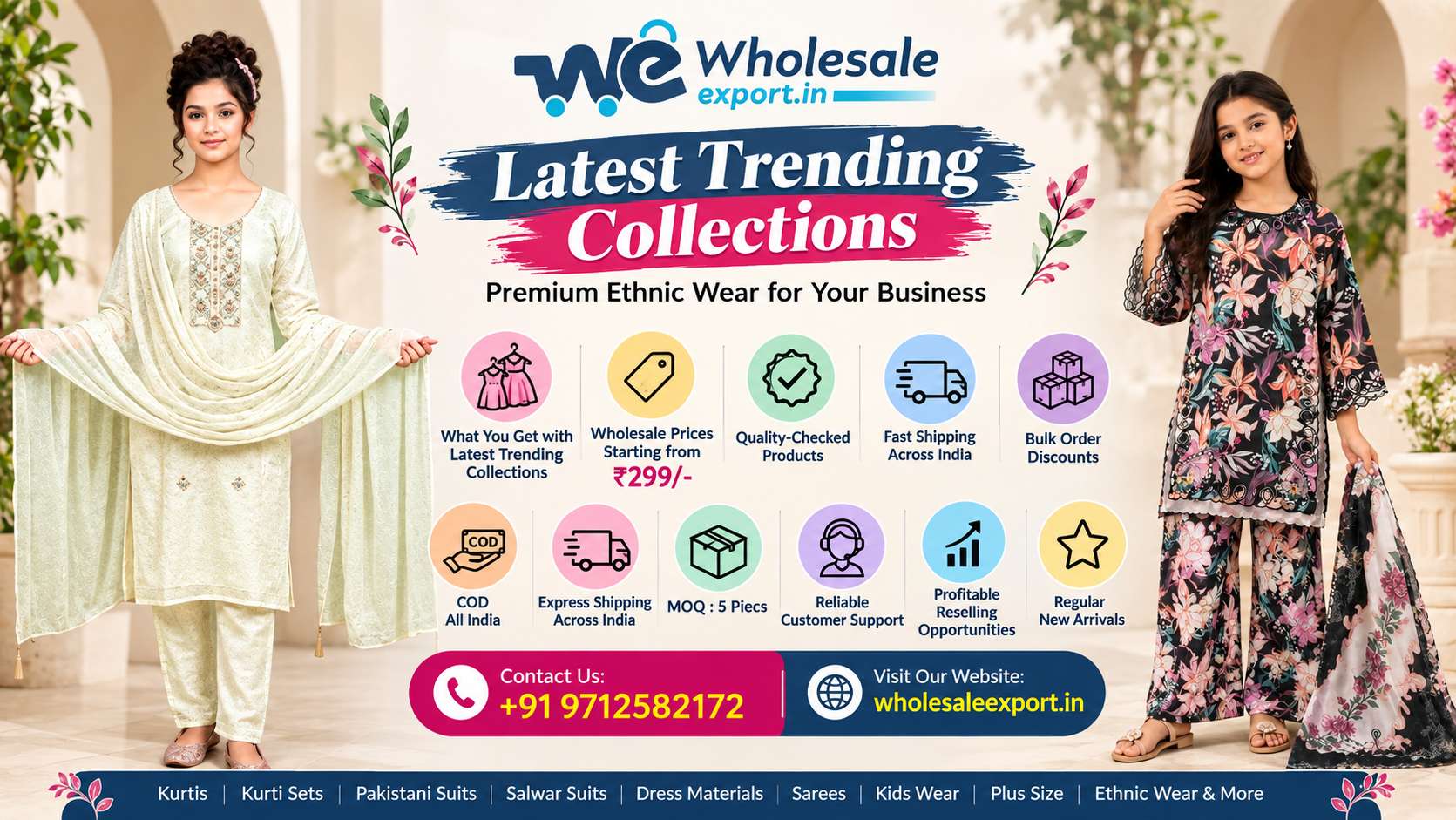
Explore Wholesaleexport.in for Latest Collections, Wholesale Pricing, Trendy Ethnic Wear, Fast Shipping, COD Support where applicable, Bulk Order Deals and Quality Products Starting From ₹299. Product availability, minimum quantities, COD eligibility, shipping charges and current prices should be confirmed when ordering.
Contact Number: +91 9712582172
Website: wholesaleexport.in
Build your next wholesale Indian clothing for UAE boutiques order around the products your customers actually want, test new trends intelligently and use reliable sourcing to keep your collection fresh, competitive and ready for the next selling opportunity.