


Wholesale Clothing Suppliers in India with Worldwide Shipping – Global Sourcing Guide 2026
Wholesale Clothing Suppliers in India with Worldwide Shipping – Global Sourcing Guide 2026
Indian fashion has developed a strong international market because buyers can source an exceptional variety of ethnic, traditional and contemporary women’s clothing from one country. For retailers outside India, the opportunity becomes even more valuable when they can work with suppliers who understand wholesale buying, product selection, international dispatch and the practical requirements of running a profitable fashion business.
Introduction
The Indian textile industry connects centuries of craftsmanship with modern manufacturing, digital catalogs and international commerce. A boutique in another country can now discover new collections from Surat, communicate with an Indian supplier and arrange an export order without travelling to India for every purchase.
This change has increased demand for reliable wholesale clothing suppliers in India with worldwide shipping. International buyers are no longer searching only for inexpensive garments. They want dependable sourcing partners offering fresh designs, commercially suitable price ranges, accurate product information and consistent communication.
India offers an enormous selection of sarees, kurtis, kurti sets, lehenga cholis, salwar suits, Pakistani-style suits, Anarkali suits, dress materials, gowns, co-ord sets and other women’s fashion categories. This variety allows Home-Based Sellers, Shop Owners, Boutique Owners, Showroom Owners, Resellers and Wholesale Buyers to build collections for very different customer segments.
For businesses sourcing internationally in 2026, understanding where products come from, how wholesale pricing works and how international shipping affects the final landed cost is just as important as choosing attractive designs.
Why India Is a Major Destination for Wholesale Clothing
India’s greatest sourcing advantage is the depth of its textile ecosystem. Different regions have developed expertise in fabrics, printing, embroidery, weaving, garment construction and fashion categories. This gives wholesale buyers access to products ranging from affordable daily wear to elaborate occasion collections.
India also supports different levels of the apparel supply chain. Buyers can work with fabric producers, garment manufacturers, catalog brands, traders, distributors and online wholesale platforms depending on their quantity and business requirements.
For international retailers, this means one sourcing relationship can potentially open access to multiple categories instead of limiting the business to a single garment type.
Variety for Different Customer Segments
A boutique selling premium Indian occasion wear may concentrate on embroidered lehengas, Anarkalis and designer sarees. A community-focused ethnic store may require kurtis, salwar suits, sarees and dress materials across several price ranges. Online Resellers may prefer products that are visually attractive and easy to present through catalogs and short videos.
This flexibility is one reason Indian clothing wholesale continues to attract domestic as well as overseas businesses.
Traditional Fashion Meets Modern Trends
Indian wholesale fashion is no longer limited to heavily traditional clothing. Alongside sarees and salwar suits, retailers can find contemporary kurti sets, Indo-western designs, co-ord sets, fusion outfits and modern festive wear.
This broader assortment helps international boutiques serve second-generation and younger South Asian customers who may want cultural styling in more contemporary silhouettes.
Surat’s Importance in the Indian Wholesale Clothing Industry
Surat is one of the most recognized textile and apparel sourcing cities in India. The city has developed a vast network involving fabric production, processing, trading, garment sourcing and wholesale distribution.
The surat textile market ecosystem attracts buyers looking for sarees, dress materials, kurtis, suits, lehengas, gowns and other women’s fashion products. Commercial areas around ring road contain numerous textile markets, while sahara darwaza is another familiar reference point for buyers navigating Surat’s textile trading zone.
For overseas buyers, understanding Surat’s role is useful even when orders are placed online. Many catalogs and fashion collections sold across India and exported internationally are connected directly or indirectly to Surat’s extensive textile supply network.
Why International Buyers Source from Surat
Variety is a major advantage. A buyer can potentially source daily-wear sarees, designer sarees, kurti sets, dress materials, salwar suits and occasion wear through the same city’s supplier ecosystem.
Competition among manufacturers and wholesalers also creates multiple price and product-quality segments. Buyers can select products according to their target market instead of being restricted to one retail positioning.
However, the lowest quoted price should never be the only deciding factor. International buyers should also evaluate fabric information, product finishing, supplier communication, packing standards and export capabilities.
What Worldwide Shipping Really Means for Wholesale Buyers
Worldwide shipping involves much more than handing a parcel to a courier. International wholesale orders can require appropriate packing, shipping documentation, correct consignee information and compliance with destination-country requirements.
Businesses searching for clothing exporters from India should therefore discuss shipping terms clearly before confirming an order. Freight costs, delivery timelines and import procedures can vary according to destination, parcel weight, shipment value and shipping method.
The final cost of an international wholesale purchase should be calculated using the complete landed cost rather than simply the product price shown in a catalog.
Product Cost and Freight
Shipping a small quantity internationally can result in a higher freight cost per garment than sending a larger consolidated order. Buyers should compare different order quantities to understand how freight affects their final cost per piece.
This does not mean every buyer should immediately place a huge order. New international customers can begin carefully, understand the supplier and market response, and then scale their purchasing when the economics become clearer.
Customs and Import Requirements
Customs duties, taxes and import regulations differ between countries. International buyers should confirm applicable requirements with appropriate local authorities or logistics professionals before importing commercially.
A wholesale supplier can provide information related to the shipment from India, but destination-country compliance remains an important part of the buyer’s planning.
Best Indian Clothing Categories for International Wholesale
Different international markets respond to different Indian fashion categories. Retailers should build their buying strategy around their actual customer base rather than ordering simply because a product is currently trending in India.
Wholesale Sarees
Wholesale sarees from India continue to have broad international appeal among South Asian communities. Retailers can source daily-wear, printed, festive, wedding and designer sarees across multiple fabric and price segments.
For international boutiques, a balanced saree selection can include accessible products for regular purchasing and premium designs for weddings, festivals and special occasions.
Wholesale Kurtis and Kurti Sets
Wholesale kurtis from India can serve a wide customer base because they are adaptable to casual, office, festive and social settings. Ready-to-wear kurti sets make the purchase even easier by providing coordinated bottoms and, in many designs, matching dupattas.
For Resellers, complete sets can be particularly effective online because customers can understand the entire outfit through a single catalog presentation.
Lehenga Choli Wholesale Collections
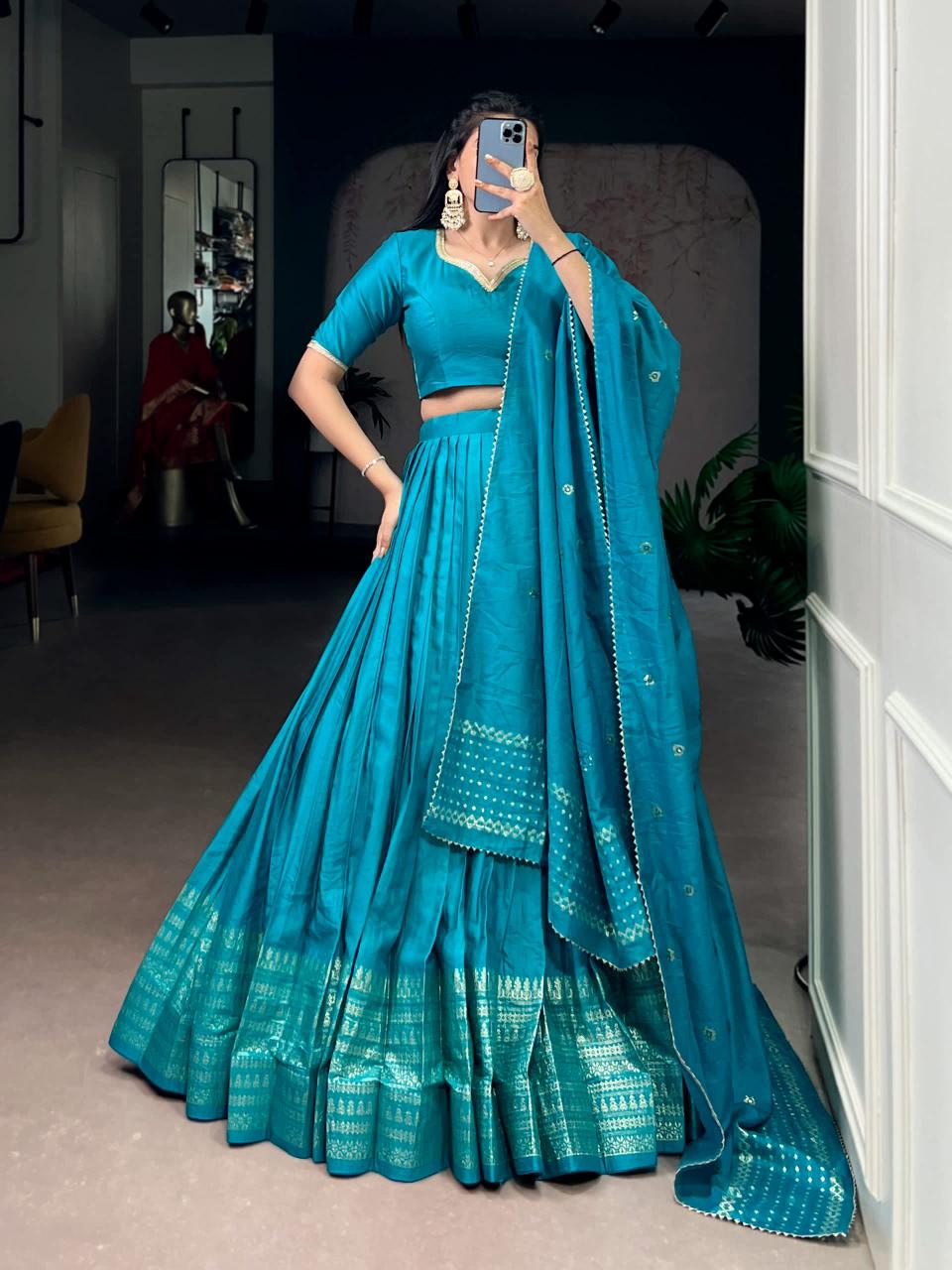
Wholesale lehenga choli collections are important for boutiques serving wedding, festive and occasion-wear customers. Designs can range from relatively simple festive styles to detailed premium bridal looks.
Because lehengas generally involve a higher investment per piece than basic daily wear, international buyers should carefully select colors, sizes, work and price levels that suit their market.
Salwar Suits and Anarkali Suits
Salwar suits remain familiar across South Asian communities, while Anarkali styles provide a more occasion-oriented silhouette. These products can help retailers create collections for festivals, weddings, family functions and traditional celebrations.
Buyers should check whether products are readymade, semi-stitched or sold as dress material because this distinction significantly affects the end customer.
How to Choose a Reliable Wholesale Clothing Supplier in India
International sourcing requires trust because the buyer cannot physically inspect every garment before dispatch. A reliable supplier should therefore provide clear information and communicate commercial terms before accepting the order.
When comparing wholesale clothing suppliers in India with worldwide shipping, look beyond catalog photographs. Evaluate how professionally the supplier handles product questions, availability, order confirmation, payment and dispatch communication.
Verify Product Details Before Ordering
Ask for relevant information about fabric, sizes, garment type, number of pieces included, work or embellishment and available colors. Never assume specifications solely from an image.
This is particularly important for international orders because misunderstandings become more difficult to resolve once goods have crossed borders.
Understand MOQ and Catalog Conditions
Some manufacturers require full catalogs or specific minimum quantities. Other wholesalers may provide more flexible buying options. Ask whether products can be mixed across designs, sizes or categories and whether the supplier has a minimum order value.
For Boutique Owners and new Resellers, flexibility can sometimes be more commercially useful than achieving the absolute lowest per-piece cost.
Ask About Quality Checking
Product quality has a direct effect on the retailer’s reputation. Ask the supplier about their quality-checking process and how genuine manufacturing defects are handled.
Buyers should also understand that handcrafted work, embroidery and textile production can involve minor variations. The important issue is whether the product remains commercially acceptable and consistent with its description.
Wholesale Clothing for Nepal, Australia and Canada
Indian fashion serves customers in many countries, but buying behavior can differ significantly by destination. For this guide, three useful examples are Nepal, Australia and Canada.
Wholesale Indian Clothing for Nepal
Nepal has strong cultural familiarity with Indian fashion. Sarees, kurtis, salwar suits, Anarkali sets, lehengas and festive collections can all have relevance depending on the season and target customer.
Retailers sourcing for Nepal should plan inventory around local festivals, wedding demand, climate and customer price expectations rather than copying an Indian retail assortment exactly.
Wholesale Indian Clothing for Australia
Australia has established South Asian communities across major cities, creating demand for ethnic clothing for weddings, festivals, religious events and family celebrations.
Boutiques may benefit from combining premium occasion wear with practical kurtis and coordinated sets. Because international freight influences landed cost, buyers should plan quantities carefully and consolidate orders when commercially sensible.
Wholesale Indian Clothing for Canada
Canada also has a substantial market for South Asian fashion. Retailers can target wedding customers, festival shoppers, families and younger buyers looking for modern interpretations of Indian clothing.
A balanced inventory may combine traditional products with contemporary ethnic and fusion styles. Accurate size planning is especially important for businesses selling ready-made garments internationally.
Vastralife’s Wholesale and Export Experience Since 2017
International clothing sourcing becomes easier when buyers work with businesses that understand both products and the practical requirements of wholesale trade. Vastralife has wholesale and export experience since 2017, supported by industry expertise developed through working with women’s fashion and textile products.
This experience helps in understanding the different requirements of Home-Based Sellers, Shop Owners, Boutique Owners, Showroom Owners, Resellers and professional Wholesale Buyers.
A small reseller may prioritize manageable quantities and fast-moving styles, while an established showroom may require broader assortments and repeat supply. International buyers additionally need clear product information and organized export communication.
Premium product quality remains important throughout this process. Long-term wholesale relationships are built when buyers receive commercially suitable products and can confidently return for future collections.
Wholesaleexport.in brings this sourcing experience into an online environment where buyers can explore multiple women’s clothing categories and discover collections suitable for domestic and international retail businesses.
How Wholesaleexport.in Supports Modern Fashion Sourcing
Traditional sourcing often requires buyers to visit markets physically, move between wholesalers and compare catalogs manually. Physical sourcing remains useful, but digital platforms can reduce the need for repeated travel.
Wholesaleexport.in allows businesses to discover wholesale fashion collections remotely. This can be particularly useful for retailers outside Surat and international customers who cannot visit the surat textile market regularly.
The objective is not simply to put products online. Effective B2B sourcing requires a combination of fresh collections, clear product positioning, wholesale pricing and support that understands the needs of commercial buyers.
Useful for Small and Growing Sellers
Home-Based Sellers and Resellers can explore products according to their customer segment instead of investing immediately in a huge inventory. As sales grow, purchasing quantities can be increased in categories that demonstrate consistent demand.
Useful for Established Retailers
Shop Owners and Showroom Owners can use online sourcing to discover supplementary collections, compare styles and refresh existing inventory without depending entirely on market visits.
Understanding Wholesale Price Before You Export
International buyers should never calculate profitability using only the listed wholesale price. A realistic calculation includes the product cost, domestic handling where applicable, international freight, customs-related expenses, destination taxes and local delivery.
After calculating the landed cost, the retailer can establish a sustainable selling price based on local competition, customer expectations and required profit margin.
This is particularly important with premium ethnic wear. A garment may have a higher purchase cost, but if it fills a specific wedding or festive requirement and has suitable perceived value, it may still generate a healthy margin.
Do Not Compete Only on Being Cheapest
Independent boutiques rarely win by competing solely on price. Their strength can come from product selection, customer service, styling knowledge, availability and unique collections.
International buyers should therefore source according to the retail experience they want to create, not merely according to whichever supplier quotes the lowest amount.
For retailers comparing wholesale lehenga market Surat options, reviewing multiple designs and price levels can help create a stronger occasion-wear assortment. Businesses wanting to diversify into everyday and boutique-friendly ethnic fashion can also explore Jaipuri kurtis wholesale collections as part of their broader sourcing strategy.
Building a Profitable International Clothing Inventory
A successful international clothing business needs the right combination of variety and inventory depth. Too little variety can make the store repetitive, while too much untested inventory can trap working capital.
One practical strategy is to divide inventory into three groups: dependable everyday products, trend-driven new arrivals and premium festive or occasion wear.
Everyday categories can create regular transactions. Trend-focused products help keep the collection fresh. Premium designs can increase average order value during weddings and festival seasons.
When working with wholesale clothing suppliers in India with worldwide shipping, buyers can gradually adjust this mix according to real sales performance rather than relying entirely on forecasts.
How to Plan Wholesale Orders for Better Shipping Efficiency
International shipping can influence the profitability of a clothing business almost as much as the purchase price itself. Buyers should therefore plan their wholesale orders with freight efficiency in mind instead of treating shipping as an expense to calculate only after product selection is complete.
Smaller trial orders can be useful when testing a new supplier or unfamiliar product category. Once the buyer understands the product quality, customer response and delivery process, consolidating larger quantities can often improve the shipping cost per piece.
Combine Complementary Categories
Rather than importing only one type of garment, some retailers can build a balanced shipment containing products that appeal to related customers. For example, a boutique might combine kurtis, kurti sets, sarees, Anarkali suits and selected lehenga designs within its buying plan.
This helps create greater variety from the same shipment while spreading logistics costs across several commercially useful categories. The exact combination should always depend on the supplier’s availability, MOQ conditions and shipping terms.
Plan Around Festivals and Wedding Seasons
International retailers should consider the selling season at the destination before dispatching a large order. Indian ethnic fashion often experiences stronger demand around weddings, Diwali, Navratri, Eid, Durga Puja and other cultural celebrations depending on the customer community.
Ordering early gives businesses sufficient time for international transport, customs procedures, local photography, marketing and customer pre-booking. Waiting until demand has already peaked can reduce the useful selling window.
How Product Photography Supports International Wholesale Sales
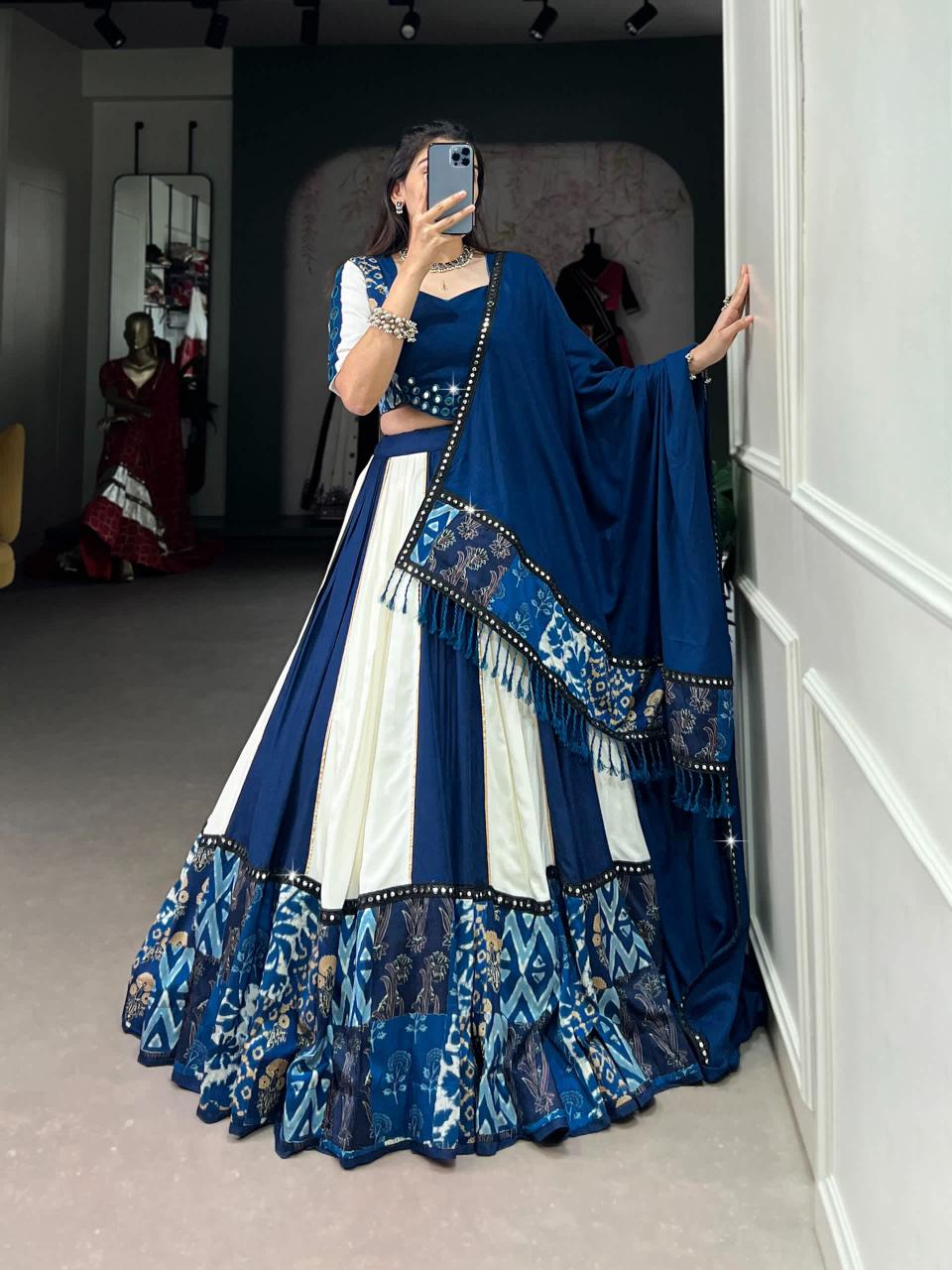
For businesses selling through Instagram, WhatsApp, Facebook, websites or online marketplaces, product presentation has a direct influence on customer interest. International retailers often receive collections digitally before the physical goods reach their store, so strong catalog photographs can help them begin marketing earlier.
Images should represent the garment clearly. Buyers need to see the silhouette, colors, visible embroidery, borders and overall styling. Additional close-up images or videos can be particularly useful for premium garments where detailed work contributes significantly to perceived value.
Use Accurate Product Descriptions
A strong image should be supported by accurate text. Retailers should mention verified fabric details, available sizes, garment components and relevant care information rather than creating claims based on visual assumptions.
This becomes especially important when products are being sold internationally. Accurate descriptions help reduce confusion between the wholesaler, retailer and final customer.
Wholesale Manufacturing and Multi-Brand Sourcing
India’s apparel ecosystem includes both direct manufacturing businesses and multi-brand wholesalers. Each sourcing model offers different advantages.
Direct manufacturers can be suitable when buyers require larger quantities, repeat production or a specific category. Multi-brand wholesale sourcing can be more useful when retailers want several designs and product types in the same buying cycle.
A Boutique Owner may prefer access to multiple collections because constant variety is an important part of boutique retail. A larger Showroom Owner may combine both approaches by purchasing proven products in quantity while testing new designs through smaller wholesale orders.
Choose the Model That Matches Your Business
There is no universal rule saying manufacturers are always better than wholesalers or vice versa. Buyers should compare the minimum quantity, available assortment, price, product consistency, communication and shipping possibilities.
The right supplier is ultimately the one that fits the retailer’s selling model and can support growth without creating unnecessary inventory pressure.
What Wholesale Buyers Should Confirm Before Payment
Clear communication before payment can prevent many avoidable problems. Whether the order is being shipped within India or internationally, buyers should review the complete order details before confirming the transaction.
Product Availability
Fashion catalogs can move quickly. A design visible today may sell out before the buyer completes the order. Current availability should therefore be confirmed before payment.
Sizes and Colors
Ready-made clothing should be ordered according to actual customer demand. International businesses should pay particular attention to sizing because exchanging goods across borders can involve additional cost and time.
Final Commercial Value
Understand what the quoted price includes and what charges are separate. Product cost, taxes where applicable, freight, packing or other legitimate charges should be clearly understood before calculating the expected retail margin.
Dispatch and Documentation
For an export shipment, confirm the consignee details and documentation requirements in advance. Buyers should also coordinate with their local logistics or customs professionals whenever destination-specific compliance is involved.
How Resellers Can Compete Without Holding Huge Inventory
One of the biggest opportunities created by digital wholesale sourcing is the ability to build a clothing business without operating like a traditional large-stock retailer from the beginning.
Resellers can start by identifying a focused customer segment and regularly introducing relevant products. Instead of trying to sell every available fashion category, they can build authority in a smaller niche and gradually expand.
A seller might begin with affordable kurti sets and later add sarees. Another may specialize in premium festive clothing before adding daily wear. The right path depends on customer demand rather than the number of products available from the supplier.
Consistency Is More Valuable Than Random Uploading
Regular New Arrivals can keep an audience interested, but they should still fit the store’s positioning. Customers are more likely to remember a business when its selection feels deliberate rather than random.
Low MOQ buying, repeat sourcing and reliable supplier relationships can make this consistency easier to maintain.
Benefits for Home-Based Sellers
A home-based fashion business can use online wholesale sourcing to operate with relatively controlled overheads. Sellers can communicate with customers through digital channels, promote catalogs and purchase inventory according to their available budget.
The biggest advantage is flexibility. Home-Based Sellers do not necessarily need to maintain the same inventory depth as a large showroom. They can test selected collections, observe inquiries and invest further in categories that demonstrate actual demand.
However, profitability still requires careful calculations. Shipping, packing and advertising costs can represent a larger percentage of small orders, so every product should be priced with the complete selling cost in mind.
Benefits for Boutique and Showroom Owners
Boutiques generally win customers through curation, styling and product differentiation. Access to a wide network of Indian ethnic wear suppliers allows them to combine traditional and contemporary collections rather than depending on a limited local assortment.
Showroom Owners can use wholesale sourcing differently. They may require greater inventory depth, but online product discovery can help identify new catalogs before placing larger repeat orders.
Both business models benefit when suppliers introduce new products regularly and maintain clear communication about available quantities.
Internal Linking
Retail buyers browsing Wholesaleexport.in can explore related clothing categories and sourcing guides to understand how different products fit their customer base. Studying market-oriented content alongside product collections can be particularly helpful for buyers who are new to Surat sourcing or Indian wholesale apparel.
A structured browsing approach can also help businesses compare daily wear, boutique fashion and premium occasion products before finalizing their assortment. Instead of purchasing isolated designs, buyers can create collections with complementary categories and more useful price variation.
Customer FAQs
1. Can Indian wholesale clothing suppliers ship internationally?
Many suppliers and exporters handle international orders, but destination coverage and shipping methods vary. Buyers should confirm whether their country is serviceable and understand freight, documentation and import requirements before ordering.
2. Which city is popular for wholesale women’s clothing in India?
Surat is a major textile and apparel sourcing destination, particularly for women’s ethnic and fashion products. The broader surat textile market, Ring Road and Sahara Darwaza areas are widely associated with the city’s textile trade.
3. Which Indian clothing products are suitable for overseas boutiques?
Sarees, kurtis, kurti sets, Anarkali suits, salwar suits, lehenga cholis, gowns, co-ord sets and dress materials can all be suitable depending on the boutique’s customer profile.
4. Can I start with a small wholesale order?
This depends on the supplier and product. Some collections have smaller MOQ requirements while manufacturers or specific brands may require larger sets or complete catalogs. Always confirm the applicable MOQ before ordering.
5. How do I calculate the real cost of an international order?
Consider product cost, applicable taxes, packing, freight, customs duties, import taxes and local delivery. The resulting landed cost provides a more useful basis for setting your retail price.
6. What should I check before buying a lehenga wholesale?
Confirm fabric, blouse details, dupatta, embroidery or work, size information, color, stitching status and exactly what is included in the set. These details are particularly important for premium occasion wear.
7. Is Indian wholesale clothing suitable for Canada, Australia and Nepal?
Yes, Indian ethnic and contemporary fashion has potential across these markets, especially where there are customers interested in South Asian clothing. Product selection should still be adapted to local demand, climate, festivals and customer budgets.
8. How can I identify a reliable wholesale supplier?
Look for transparent product information, clear commercial terms, professional communication, established industry experience and a consistent approach to product quality and dispatch.
9. Are online wholesale platforms useful for international buyers?
Yes. Online platforms can reduce the need for repeated physical sourcing trips and make it easier to review new products remotely. Buyers should still verify current stock and commercial terms before payment.
10. Should I buy in bulk immediately?
Not necessarily. A smaller test order can be useful when working with a new category or supplier. Bulk purchasing becomes more practical when product demand, quality and logistics have already been evaluated.
Why Experience Matters in Worldwide Wholesale Supply
International apparel trading requires more than attractive products. Industry knowledge helps suppliers understand changing fashion demand, wholesale buying behaviour and the practical difference between serving a small reseller and an established retail business.
Vastralife’s wholesale and export experience since 2017 provides this industry perspective, with a focus on commercially relevant collections and premium product quality. Long-term sourcing relationships depend on understanding what retailers actually need rather than simply selling a one-time catalog.
Wholesaleexport.in extends this approach to online wholesale sourcing, helping businesses explore women’s fashion collections from India while connecting product discovery with practical wholesale support.
Start Sourcing Wholesale Clothing from India
If you are a Home-Based Seller, Shop Owner, Boutique Owner, Showroom Owner, Reseller or Wholesale Buyer looking for wholesale clothing suppliers in India with worldwide shipping, building a reliable sourcing process can help you expand your collection without depending entirely on local inventory.
Explore Latest Collections and discover Trendy Ethnic Wear across multiple styles and customer segments. Wholesaleexport.in provides access to Wholesale Pricing and regularly updated products suitable for growing fashion businesses.
Buyers can inquire about Fast Shipping, applicable COD Support for eligible domestic orders, Bulk Order Deals and Quality Products Starting From ₹299, subject to the availability and terms of individual products and orders.
Contact Number: +91 9712582172
Website: wholesaleexport.in
Conclusion
India offers international retailers a remarkable combination of textile expertise, manufacturing capacity, design variety and wholesale fashion categories. From the markets around Surat’s Ring Road and Sahara Darwaza to modern digital sourcing platforms, buyers now have multiple ways to discover commercially useful Indian clothing.
The most successful sourcing strategy is not simply about finding the lowest price. Buyers need the right products, dependable information, suitable quantities, consistent quality and a shipping plan that protects their margins.
For retailers in Nepal, Australia, Canada and other global markets, carefully selected Indian apparel can help create distinctive collections for everyday wear, festivals, weddings and special occasions. Begin with a clear customer profile, calculate the complete landed cost and expand your inventory according to real sales performance.
With thoughtful purchasing and reliable supplier relationships, sourcing from India can develop from an occasional wholesale order into a sustainable long-term supply strategy for a growing fashion business.