


Which Women’s Clothing Products Sell Fastest? Best-Selling Wholesale Ethnic Wear Trends for 2026
Which Women’s Clothing Products Sell Fastest? Best-Selling Wholesale Ethnic Wear Trends for 2026
Choosing the right women’s clothing stock can make a major difference to inventory movement, repeat orders and overall profitability. Fashion retailers today have thousands of designs available, but successful buying is not about stocking everything. It is about identifying categories that match current customer demand, the right price segment, seasonal buying patterns and the expectations of your local or online audience. For Home-Based Sellers, Boutique Owners, Shop Owners, Showroom Owners, Resellers and Wholesale Buyers, understanding fast-moving categories can help create a more focused purchasing strategy.
Introduction
The Indian women’s clothing market offers an exceptionally broad product mix. Everyday kurtis, kurti pant sets, salwar suits, Pakistani-style suits, sarees, dress materials, Anarkali suits, festive outfits, co-ord sets and wedding collections all serve different customers and occasions. However, demand does not remain identical throughout the year.
A product that moves quickly during the wedding season may behave differently during regular months. Likewise, a design that performs strongly with an Instagram reseller may not necessarily be the first choice for a traditional retail showroom. This is why the question which women’s clothing products sell fastest should always be considered together with customer type, season, location and selling price.
For 2026, buyers are increasingly looking for a balance of attractive design, wearable styling, practical pricing and fresh collections. Retailers sourcing through Wholesaleexport.in can explore multiple ethnic-wear categories while building a stock mix around their actual customer demand rather than relying on a single fashion segment.
What Makes a Women’s Clothing Product Sell Fast?
Fast-selling fashion usually combines several factors. Design is important, but it is rarely the only reason a garment performs well. Fabric, comfort, fit, colour, occasion, price and product presentation can all influence how quickly inventory moves.
Price Range and Customer Budget
Every retailer serves a particular buying audience. Some customers want affordable daily wear, while others are willing to spend considerably more for premium festive or occasion wear. A retailer should therefore identify the price range that generates the highest number of enquiries and conversions within their own business.
Affordable products can attract larger audiences and support frequent repeat buying. Premium products can deliver a higher value per transaction but may require a more targeted customer base. The ideal wholesale inventory often includes carefully selected options across more than one price segment.
Wearability and Repeat Demand
Products suitable for regular use can generate recurring demand because customers need them more frequently than special-occasion garments. Comfortable kurti sets, cotton suits and practical ethnic wear can therefore become important inventory categories for many retailers.
Festive and wedding products operate differently. They may sell in smaller numbers throughout normal periods but experience stronger demand around weddings, festivals and family functions. Successful retailers plan these categories according to their local sales calendar.
Fresh Designs and Visual Appeal
Online fashion selling is highly visual. Attractive colours, fashionable cuts, good catalogue photography and fresh styling can help a product receive attention quickly on WhatsApp, Instagram, Facebook and online stores.
For Resellers and Home-Based Sellers, visual appeal is particularly important because customers may make their initial decision from a product image or video. Keeping the catalogue fresh can therefore be as important as maintaining basic evergreen products.
Kurti Sets Remain a Strong Everyday Wholesale Category
Kurti sets have become an important part of modern ethnic wardrobes because they combine convenience with coordinated styling. Instead of selecting a kurti and bottom separately, customers receive a ready combination that can be worn for work, casual outings, small functions and everyday occasions.
For wholesalers and retailers, kurti sets wholesale can cover several price segments and design directions. Straight-cut kurti pant sets, printed sets, embroidered sets, festive kurti sets, cotton combinations and kurti-pant-dupatta sets allow sellers to address different customer profiles without moving completely outside the same core category.
Why Retailers Stock Kurti Pant Sets
A coordinated set makes purchasing easier for the end customer. This simplicity can help both physical stores and online sellers because the complete look is already visible in the catalogue image.
Retailers can create separate selections for everyday wear, office wear and festive use. This allows a single category to serve multiple customer requirements while giving buyers different wholesale price options.
What to Check Before Buying Kurti Sets Wholesale
Check fabric details, size availability, bottom style, dupatta inclusion where applicable, colour combinations, stitching and finishing. Buyers should also confirm the catalogue quantity or applicable MOQ before making payment because wholesale ordering conditions can differ between products.
Indian Suits and Salwar Suits Have a Broad Customer Base
Indian suits continue to serve customers across age groups and occasions. Their broad styling range makes them relevant for daily wear, office wear, festive occasions, weddings and gifting. For retailers, this means the category can support both regular and seasonal purchasing.
Indian suits wholesale collections may include straight suits, pant-style suits, embroidered suits, printed suits, designer sets and festive combinations. The exact products a retailer should stock depend on the audience being served.
Shop Owners targeting family shoppers may prefer a broad mix, while a fashion-focused boutique might select fewer but more distinctive designs. Online sellers can test different styles through their customer network before increasing order quantities.
Pakistani-Style Suits and Longer Silhouettes
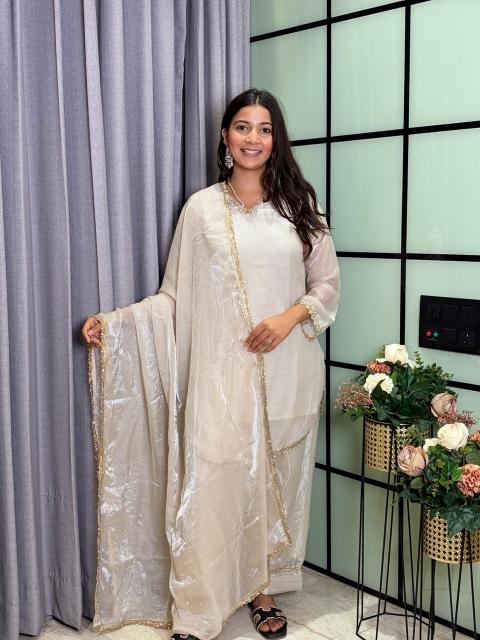
Longer silhouettes and Pakistani-inspired styling have developed a strong visual presence in ethnic fashion. Straight cuts, detailed necklines, coordinated bottoms and elegant dupattas can appeal to customers looking for a sophisticated traditional look.
For wholesale buyers, the important factor is not simply following a trend. Check whether customers in your own market are actively enquiring about the style and whether the wholesale price leaves enough room for your intended retail positioning.
Festive Suits and Occasion-Based Selling
Festive suits can become especially important before Diwali, Navratri, Eid, wedding periods and other regional celebrations. Buyers should ideally plan festive stock in advance so that products can be photographed, advertised and presented before customer demand reaches its peak.
Dress Materials Continue to Offer Flexibility for Retail Buyers
Unstitched dress materials remain relevant because customers can customise the final outfit according to personal measurements and styling preferences. This flexibility is valuable for customers who prefer tailored garments rather than standard ready-made sizing.
Dress materials wholesale collections can include cotton, rayon, printed, embroidered, festive and premium options. Fabric combinations, dupatta designs and seasonal colour palettes allow retailers to maintain variety within the category.
Dress material retailers can also serve customers who have established relationships with local tailors and prefer personalised necklines, sleeve lengths or fits. This makes the category different from ready-made fashion and gives it a distinct customer base.
Sarees Remain an Important Indian Ethnic Wear Category
Sarees continue to serve an extensive market across India and international Indian communities. Everyday sarees, printed sarees, festive designs, wedding styles and premium collections can all attract different customer segments.
For a retailer, sarees wholesale buying should be based on the store’s existing audience. A daily-wear customer may prioritise comfort and manageable price points, while wedding and occasion buyers may focus more heavily on fabric appearance, work and overall presentation.
Printed and Everyday Sarees
Printed sarees can work well for customers seeking wearable styles for regular use, small occasions or gifting. Their commercial appeal can come from accessible pricing and broad design variety.
Festive and Wedding Sarees
Occasion-focused sarees can command different price levels depending on fabric, work and design. Retailers should plan these purchases carefully because premium inventory can tie up more working capital than regular daily-wear products.
Why Surat Is Important for Women’s Clothing Wholesale
Surat has a well-established textile and garment ecosystem and is widely associated with textile trading, production and wholesale distribution. Buyers searching the surat textile market encounter an extensive network of manufacturers, traders, wholesalers and garment businesses.
Areas around Ring Road and Sahara Darwaza are closely connected with Surat’s textile trade. For retailers, the scale of this ecosystem creates access to different product categories, price levels and suppliers.
At the same time, buyers no longer need to depend entirely on physical market visits. Online sourcing has made it possible to view collections remotely, discuss availability and arrange dispatch. Wholesaleexport.in is designed around this changing wholesale purchasing behaviour, helping business buyers explore Indian fashion products without requiring a Surat visit for every new collection.
How Manufacturing Influences Fast-Moving Fashion
The connection between demand and manufacturing is particularly important in fashion. When a style becomes popular, retailers naturally want fresh variations quickly. Manufacturers and suppliers capable of responding to changing demand can help the wholesale ecosystem keep collections current.
However, fast-moving products can also sell out quickly. Retailers should avoid assuming that a catalogue shared several days earlier will remain fully available. Current stock should be confirmed before accepting firm customer commitments or making payment.
Quality Matters Alongside Trend
A fashionable product may generate the first sale, but product quality can influence repeat business. Fabric feel, stitching, finishing and the relationship between catalogue presentation and the delivered product all matter to long-term customer confidence.
Vastralife brings wholesale and export experience since 2017, industry expertise and a focus on premium product quality. This experience helps support business buyers who require not only trending designs but also a practical approach to wholesale sourcing.
How Different Sellers Should Choose Fast-Selling Products
The answer to which women’s clothing products sell fastest changes depending on who is selling them. A home reseller, boutique and large showroom should not automatically purchase identical inventory.
Home-Based Sellers
Home-Based Sellers can benefit from products that are easy to demonstrate through images, videos and WhatsApp catalogues. Kurti sets, suits, dress materials and selected festive products can be tested with a relatively focused customer group before the seller expands the assortment.
Instead of buying too many unrelated designs, new sellers can identify a few categories that generate consistent enquiries and gradually increase stock according to confirmed demand.
Boutique Owners
Boutiques often benefit from stronger product curation. Customers may visit a boutique specifically for distinctive designs rather than maximum variety. Premium suits, designer kurti sets, elegant sarees and selected festive collections can help create a more defined product identity.
Showroom Owners
Showrooms usually require greater depth because customers expect immediate choice. A showroom may therefore maintain everyday products while adding seasonal collections for festivals and weddings.
Resellers and Social Media Sellers
Resellers should pay particular attention to catalogue presentation and current availability. Social-media-driven demand can move quickly, so a product that receives strong engagement should be checked for available stock before the seller begins taking multiple orders.
Wholesale Buyers
Larger buyers should evaluate inventory turnover at category level. Instead of focusing only on which design looks attractive, analyse which categories consistently produce repeat orders and how quickly capital returns after each purchase cycle.
This creates a stronger foundation for deciding whether to increase buying quantities in kurtis, suits, sarees, dress materials, lehengas or other categories.
Trending Women’s Clothing Products to Watch in 2026
Fashion demand continually changes, but retailers can build a balanced assortment by combining established categories with selected trends. For 2026, practical coordinated sets, elegant traditional silhouettes, occasion wear and visually distinctive ethnic designs can all form part of a diversified buying strategy.
The strongest approach is not to predict that one garment will outsell everything else. Instead, monitor enquiries, repeat purchases, social engagement, local demand and actual sell-through. These signals provide more useful information than trend assumptions alone.
Co-ord Sets and Contemporary Ethnic Styling
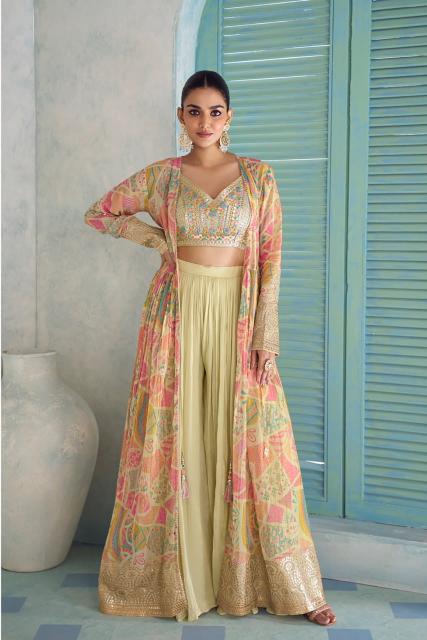
Co-ordinated outfits can appeal to customers who prefer convenient styling with a modern appearance. Depending on fabric and design, these products may serve casual, travel, office or semi-festive requirements.
Anarkali and Flared Silhouettes
Anarkali suits and flared outfits maintain relevance for festive occasions and celebrations because of their distinctive visual presentation. These products can be particularly suitable for boutiques and social sellers targeting occasion-based customers.
Lehenga Choli for Weddings and Festive Demand
Lehengas remain an important occasion-wear category. Wedding functions, Navratri, festive celebrations and family events create specific purchasing opportunities. Buyers can explore different wholesale price levels rather than treating all lehengas as a single premium category.
Because this category is more seasonal than basic everyday clothing, inventory planning is especially important. Stock should ideally arrive early enough to allow marketing before the main purchasing period begins.
Fast-Selling Women’s Clothing for International Markets
Indian ethnic wear is also purchased by retailers serving customers outside India. Markets such as USA, Canada and Nepal can have demand for Indian suits, sarees, kurtis, lehengas and festive collections, although preferences differ by customer community and location.
International retailers should therefore avoid assuming that the same assortment will perform equally in every country. Climate, local Indian community preferences, festival calendars, sizing expectations and final retail price after shipping can all influence product selection.
Wholesaleexport.in can support buyers exploring Indian wholesale fashion and export-oriented sourcing. International buyers should communicate their destination, approximate quantity and product requirements when discussing an order so that applicable shipping arrangements can be considered.
How to Identify Your Own Best-Selling Products
Industry trends are useful, but your own sales records provide stronger business-specific evidence. Retailers should regularly review which products sold, how quickly they sold and whether customers returned for similar styles.
Keep a simple record of category, purchase price, selling price, quantity purchased, quantity sold, time required to sell, customer enquiries and repeat demand. After several buying cycles, patterns become much easier to identify.
If kurti sets repeatedly sell faster than another category in your business, that information can guide your next purchase. If premium festive suits receive many enquiries but few completed orders, your pricing or customer segment may need adjustment.
Internal Linking for Related Wholesale Collections
Retailers who want to expand their suit assortment can explore wholesale Pakistani suits for additional traditional and contemporary designs. This category can complement existing kurti and Indian suit inventory for customers seeking longer silhouettes and coordinated ethnic looks.
Businesses that serve customers who prefer customised stitching can also explore wholesale dress materials Surat collections. Combining ready-made and unstitched options can help retailers serve different purchasing preferences without depending entirely on one clothing category.
These categories can be evaluated according to your target audience, available investment, seasonal requirements and historical sales rather than simply increasing inventory across every product line.
How to Buy Fast-Moving Stock Without Over-Investing
Working capital is one of the most important considerations in wholesale clothing. Even an attractive product becomes a problem if too much money remains locked in unsold stock.
Start with a Balanced Mix
Combine proven everyday categories with a smaller allocation for trends and seasonal fashion. This gives the business an opportunity to benefit from new demand without placing the entire inventory budget on a short-lived trend.
Reorder Proven Products
When a category performs consistently, allocate more purchasing budget to it. Reordering based on real demand can be more reliable than continuously selecting completely new products.
Confirm Availability Before Promotion
Wholesale products can sell out rapidly. If you operate through social media or customer groups, confirm availability before promising immediate dispatch. This becomes especially important during festival and wedding seasons.
Customer FAQs
1. Which women’s clothing products sell fastest?
There is no single category that sells fastest in every market. Kurti sets, Indian suits, sarees, dress materials and selected festive products can all generate strong demand depending on season, location, customer age group, price range and selling channel.
2. What is a good clothing category for Home-Based Sellers?
Home-Based Sellers can consider easy-to-present categories such as kurti sets, suits, sarees and dress materials. Starting with controlled quantities and tracking actual customer response can reduce unnecessary inventory risk.
3. Are kurti sets suitable for wholesale resale?
Kurti sets can serve multiple customer segments because they are available in everyday, office, casual and festive styles. Retailers should choose fabrics, sizes, designs and price ranges according to their own customer demand.
4. Which women’s clothing is suitable for festive selling?
Festive demand can include designer suits, Anarkali outfits, sarees, lehengas, embroidered kurti sets and other occasion wear. The exact demand varies by festival, region and customer profile.
5. Can I purchase women’s clothing wholesale online from Surat?
Yes. Online sourcing allows retailers to explore catalogues and communicate with wholesale suppliers without travelling to the Surat textile market for every purchase. Buyers should always confirm current stock, MOQ and order terms before payment.
6. How can I know which product will sell in my store?
Review previous sales, customer enquiries, repeat orders, local preferences, social-media engagement and seasonal demand. Testing smaller quantities before increasing an order can provide useful real-world sales information.
7. Can international retailers source Indian women’s ethnic wear?
Yes, depending on supplier and destination arrangements. Buyers should discuss product requirements, quantity, export logistics and shipping costs before finalising international wholesale orders.
8. Where can I explore new wholesale women’s clothing collections?
Wholesaleexport.in provides access to changing wholesale fashion collections for retailers, boutiques, resellers and other business buyers. Current availability and applicable ordering conditions should be confirmed when purchasing.
Source Your Next Fast-Moving Collection with Wholesaleexport.in
Choosing fast-selling women’s fashion requires more than following a viral design. Successful retailers combine customer knowledge, seasonal planning, suitable price points, product quality and disciplined inventory management. When those factors work together, wholesale purchasing becomes more focused and easier to scale.
Explore Wholesaleexport.in for Latest Collections, Wholesale Pricing, Trendy Ethnic Wear, Fast Shipping, COD Support where applicable, Bulk Order Deals and Quality Products Starting From ₹299, subject to current product availability and applicable order terms.
Backed by Vastralife’s wholesale and export experience since 2017, industry expertise and focus on premium product quality, Wholesaleexport.in helps Home-Based Sellers, Shop Owners, Boutique Owners, Showroom Owners, Resellers and Wholesale Buyers explore Indian fashion collections for their business.
Contact Number: +91 9712582172
Website: wholesaleexport.in
Explore the latest collections, compare products according to your target customers and build a wholesale inventory strategy around what your buyers actually want to purchase.
Which Products Should You Prioritize for Faster Inventory Movement?
Once a retailer understands the major categories, the next step is deciding how much buying budget should go into each one. The safest approach is usually to create a combination of regular-demand products, trending styles and seasonal collections instead of investing heavily in only one fashion category.
For example, everyday kurti sets and Indian suits can form the regular portion of inventory, while Anarkali suits, designer sarees, Pakistani-style suits and lehengas can be introduced according to current demand. This type of assortment allows Shop Owners, Boutique Owners and Resellers to serve customers with different budgets while keeping the collection fresh.
Another useful strategy is to observe enquiry-to-order conversion. A product may receive hundreds of views on social media but still generate few confirmed purchases. On the other hand, a comparatively simple suit may receive less engagement but convert consistently. For wholesale buying, actual sales performance is more valuable than views alone.
Keep Core Products and Trending Products Separate
Retailers can divide inventory into two practical groups. Core products are styles that customers purchase throughout the year, while trending products are designs influenced by current fashion, social media, celebrities, festivals or seasonal demand.
This distinction can help prevent overstocking. A trend may generate excellent sales for a short period but lose momentum later. Core products generally provide more consistent demand. Combining both can create a healthier inventory cycle for 2026.
Wholesale Buying Strategy for Different Price Segments
Price is one of the strongest factors affecting how quickly fashion inventory moves. Instead of assuming that the cheapest product will sell fastest, retailers should understand the spending capacity and expectations of their own customers.
Affordable Everyday Segment
Value-focused customers generally look for attractive products that can be worn regularly without a high purchase commitment. Printed kurtis, simple kurti sets, everyday suits, selected sarees and dress materials can work within this segment.
Products in accessible price ranges can also be useful for Home-Based Sellers and new Resellers because they may be easier to introduce to first-time customers. Wholesaleexport.in offers changing collections across multiple categories, including Quality Products Starting From ₹299, subject to the individual product, catalogue and current availability.
Mid-Range Fashion Segment
The mid-range segment can include better fabrics, coordinated sets, embroidery, fashionable silhouettes and more detailed finishing. This segment may suit boutiques, established retailers and customers who want something more distinctive than basic daily wear while remaining conscious of price.
For many sellers, this can become an important category because it balances presentation and affordability. Buyers should compare fabric, work, catalogue quantity and expected retail margin before placing bulk orders.
Premium and Occasion Wear
Premium suits, designer sarees, wedding lehengas and heavily worked ethnic outfits serve a different buying purpose. These products are generally purchased for weddings, festivals, celebrations and important social occasions.
Premium inventory should be selected carefully because the investment per piece is higher. Boutiques and Showroom Owners with an established premium customer base may carry greater variety, while smaller sellers can begin with selected designs and expand according to confirmed demand.
Why Online Resellers Need Fast Collection Updates
Social commerce has shortened fashion cycles considerably. Customers can discover a design through Instagram, Facebook, WhatsApp or short-form video and immediately ask a seller whether it is available. This creates opportunities for online Resellers but also means collections can become highly competitive very quickly.
Resellers should therefore maintain a regular flow of fresh products rather than repeatedly circulating the same catalogues. New arrivals can bring previous customers back to the seller's WhatsApp status, group, social profile or online store.
At the same time, sellers should avoid accepting orders solely because an old catalogue image remains available. Wholesale inventory can change quickly. Confirming current availability before taking final payment from the customer can reduce avoidable order complications.
Indian Ethnic Wear Demand Beyond India
Indian fashion is not limited to domestic retail. Ethnic wear is also purchased by retailers and communities in markets such as the USA, Canada and Nepal. Products can be required for festivals, weddings, cultural events, family celebrations and regular ethnic dressing.
For an export buyer, product selection should consider more than the Indian wholesale price. Shipping, destination, quantity, customer preferences and final landed cost can affect the commercial viability of an order.
International retailers may also need a different product mix from domestic sellers. A collection that performs well around Ring Road or Sahara Darwaza in Surat may need different sizing, styling or price positioning for customers overseas. Buyers should therefore communicate their market and target audience when discussing larger wholesale requirements.
Seasonal Planning Can Improve Clothing Sales
One of the most effective ways to improve stock movement is to purchase before demand begins rather than after a trend has already peaked. Fashion retailers can prepare a simple annual buying calendar covering wedding periods, summer, monsoon, festive months and winter.
Wedding Season
Wedding periods can increase interest in lehengas, sarees, Anarkali suits, designer suits, premium kurti sets and other occasion wear. Retailers should start promoting these collections before customers begin their final shopping.
Festival Season
Navratri, Diwali, Eid and regional festivals can create demand for colourful and festive ethnic wear. The preferred products differ between markets, so retailers should use previous-year sales data alongside current 2026 trends.
Regular Everyday Demand
Festive fashion may create strong seasonal peaks, but everyday clothing can help maintain business between major occasions. Comfortable kurtis, suits and practical ethnic sets can provide a more regular sales cycle.
How to Reduce Dead Stock in a Women’s Clothing Business
Knowing which women’s clothing products sell fastest is useful, but controlling slow-moving stock is equally important. Dead stock locks working capital that could otherwise be used for new collections.
Retailers should monitor ageing inventory instead of waiting until the end of a season. If a product receives little customer response, consider changing its presentation, creating a combination offer or using an appropriate promotion before the design becomes outdated.
Do Not Buy Only Because the Wholesale Price Is Low
A low price does not automatically make a product profitable. If customers do not want the design, even a deeply discounted wholesale purchase can become expensive inventory.
Evaluate the product itself first. Consider fabric, colour, size range, catalogue photography, current demand and how well it fits your existing customer base. Then evaluate price.
Use Customer Enquiries as Buying Data
Keep track of repeated requests. If customers frequently ask for plus-size kurtis, Pakistani suits, cotton sets or a particular type of saree, those enquiries provide valuable purchasing information even before a large order is placed.
Reinvest in Proven Categories
When a product category consistently generates repeat orders, allocating additional capital to similar collections can be more disciplined than continuously experimenting with unrelated fashion categories.
Customer FAQs
1. Which women’s clothing products generally have regular demand?
Kurti sets, Indian suits, sarees and dress materials can have broad demand, while festive suits, Anarkali styles and lehengas can become more important during specific seasons. Actual sales depend on location, customer profile, price and selling channel.
2. What should a new clothing reseller stock first?
A new reseller can begin with a focused selection rather than too many categories. Kurti sets, suits and other easy-to-present ethnic products can be tested with existing customers, after which the seller can increase purchasing in categories that generate confirmed orders.
3. Is the Surat textile market suitable for wholesale women’s clothing sourcing?
Surat has a large textile and garment trading ecosystem, including businesses around Ring Road and Sahara Darwaza. Buyers can source through physical markets as well as online wholesale channels connected with Surat.
4. How much stock should a Boutique Owner purchase?
There is no universal quantity. It depends on available working capital, historical sales, customer traffic, category, season and supplier MOQ. Smaller test purchases can be useful when introducing an unfamiliar style.
5. Which ethnic wear products are suitable for festival selling?
Depending on the festival and customer market, options can include designer suits, Anarkali suits, sarees, lehengas, embroidered kurti sets and other festive ethnic wear. Retailers should purchase early enough to market the collection before peak demand.
6. Can Home-Based Sellers source wholesale clothing online?
Yes. Online wholesale sourcing allows Home-Based Sellers to view collections remotely and place orders without repeatedly visiting a physical wholesale market. Current stock, MOQ, payment terms and dispatch conditions should always be confirmed before ordering.
7. Can Indian ethnic wear be ordered for international resale?
International wholesale and export orders can be possible depending on destination, product availability and shipping arrangements. Overseas buyers should provide their country, required products and approximate quantities when requesting order details.
8. Does a trending product always sell quickly?
No. Online popularity does not guarantee retail conversion. A trend must still match the retailer's customer profile, price range, local preferences and season. Actual sales data should guide repeat purchasing.
Internal Linking Section – Explore Related Wholesale Categories
Retailers expanding their ethnic-wear assortment can explore wholesale Pakistani suits for contemporary long silhouettes, coordinated sets and traditional styling suitable for different customer segments.
Buyers serving customers who prefer customised stitching can also browse wholesale dress materials Surat collections and build a mix of ready-made and unstitched fashion.
The objective should be to create complementary categories rather than adding products without a plan. When a retailer knows which customer each collection is intended for, inventory becomes easier to manage and promote.
Build a Smarter Wholesale Collection for 2026
The most useful answer to which women’s clothing products sell fastest comes from combining market trends with your own sales data. Kurti sets, Indian suits, Pakistani-style suits, sarees, dress materials, Anarkali outfits and lehengas can all become successful categories, but their performance depends on the customer, occasion, location and price point.
For retailers sourcing from Surat, the manufacturing and trading ecosystem around the surat textile market, Ring Road and Sahara Darwaza provides access to an extensive range of Indian fashion. Digital wholesale sourcing now allows buyers to access many of these collections without making a physical market visit for every purchase.
Vastralife brings wholesale and export experience since 2017, along with industry expertise and a focus on premium product quality. Wholesaleexport.in supports Home-Based Sellers, Shop Owners, Boutique Owners, Showroom Owners, Resellers and Wholesale Buyers looking for fresh Indian ethnic-wear sourcing opportunities.
Order Latest Women’s Wholesale Collections
Explore Wholesaleexport.in for Latest Collections, Wholesale Pricing, Trendy Ethnic Wear, Fast Shipping, COD Support where applicable, Bulk Order Deals and Quality Products Starting From ₹299, subject to current collection availability and applicable ordering conditions.
Whether you are developing a new home-based clothing business, refreshing boutique inventory, expanding a retail shop or purchasing stock for a larger showroom, choose products according to real customer demand and keep testing new collections without unnecessarily locking capital into slow-moving inventory.
Contact: +91 9712582172
Website: wholesaleexport.in
Check the latest available collections, shortlist products suitable for your customer base and plan your next wholesale purchase around demand, season and the price segment that performs best for your business.