


Where to Buy Low MOQ Wholesale Clothing in India – Complete Guide for Resellers 2026
Where to Buy Low MOQ Wholesale Clothing in India – Complete Guide for Resellers 2026
Starting or expanding a clothing business no longer means purchasing hundreds of pieces from a single supplier. Today, retailers can build attractive collections with smaller quantities, test customer demand and reorder successful designs without locking excessive money into inventory. This flexible buying model is especially valuable for boutiques, online resellers, home-based businesses and stores that need frequent new arrivals rather than huge quantities of the same design.
Introduction
India has one of the most diverse textile and apparel sourcing ecosystems in the world. From large manufacturing clusters to specialized wholesale markets and digital B2B platforms, buyers can source sarees, kurtis, co-ord sets, salwar suits, dress materials, gowns and many other categories across different budgets.
However, smaller businesses often face one important challenge: minimum order quantity. Traditional manufacturers may offer attractive rates but sometimes expect buyers to purchase full catalogs, complete size sets or significant quantities. That purchasing model is not always practical for Home-Based Sellers, Boutique Owners, Shop Owners, Resellers and businesses that are still discovering what their customers prefer.
This is why low MOQ wholesale clothing in India has become an important sourcing option in 2026. Instead of investing heavily in one collection, buyers can select smaller quantities across multiple designs and create greater variety for their customers.
For a new reseller, this approach can reduce inventory pressure. For an established showroom, it can make trend testing faster. For an online seller, it can provide fresh products more frequently for WhatsApp, Instagram, Facebook and website catalogs.
What Does Low MOQ Mean in Wholesale Clothing?
MOQ stands for Minimum Order Quantity. It refers to the minimum number of pieces, sets or minimum purchase value a supplier requires for accepting a wholesale order.
There is no universal definition of a low MOQ. One supplier may consider five pieces a small order, while a manufacturer dealing in large production runs may consider 50 pieces relatively small. The important factor is whether the purchasing requirement fits your business model and available working capital.
When searching for low MOQ wholesale clothing in India, buyers should therefore check not only the number of pieces required but also whether they can mix designs, colors, sizes and categories within that quantity.
Why Low MOQ Is Useful for Small Businesses
A lower purchasing quantity gives sellers more flexibility. Instead of spending the complete buying budget on one kurti design, a reseller may be able to purchase several different styles and observe which ones receive the strongest response.
This is particularly useful in fashion because customer preferences change quickly. A print that performs strongly this month may slow down later, while a newly introduced silhouette may suddenly become popular.
Smaller buying quantities can therefore help businesses manage risk while maintaining variety.
Low MOQ Does Not Always Mean the Lowest Price
Buyers should understand an important wholesale principle: purchasing fewer pieces may not always produce the lowest per-piece price. Manufacturers and distributors often provide better rates for larger quantities because packing, handling and production costs are distributed across more units.
The objective of low MOQ sourcing is therefore not simply to find the cheapest garment. The objective is to find the right balance between purchase price, product quality, inventory risk, variety and expected selling margin.
Why Low MOQ Wholesale Clothing Is Growing in 2026
The retail clothing business has changed considerably with social commerce. A seller no longer necessarily needs a large physical showroom to start selling garments. Many entrepreneurs begin from home, create digital catalogs, share products through WhatsApp or social platforms and gradually expand their customer base.
This has increased demand for wholesale clothing suppliers in India that can serve buyers with manageable order quantities.
Customers are also seeing new styles more frequently through social media. As a result, retailers need regular collection updates. Purchasing smaller quantities allows sellers to refresh inventory instead of holding large stocks for long periods.
For Wholesale Buyers and established retailers, low MOQ purchasing can also be used strategically. They may purchase bulk quantities of proven bestsellers while using smaller orders to test newly launched designs.
Surat – One of India’s Major Wholesale Clothing Sourcing Hubs
For women’s ethnic wear and textile sourcing, Surat remains one of the most important destinations in India. The city has a large network of textile manufacturers, wholesalers, traders, processors and garment suppliers.
The surat textile market ecosystem covers numerous product categories, including sarees, kurtis, salwar suits, dress materials, lehenga choli collections, gowns, co-ord sets and other women’s fashion products.
Buyers visiting Surat often explore commercial areas around ring road because this belt contains a dense concentration of textile markets and wholesale businesses. Sahara darwaza is another widely recognized reference point connected with Surat’s textile trading area.
This concentration provides an important advantage: buyers can compare multiple suppliers, categories and price ranges without depending entirely on a single source.
Why Surat Works Well for Boutique and Reseller Sourcing
Surat combines textile production with large-scale trading. This means buyers can encounter everything from manufacturer-oriented catalogs to trader-curated collections.
A Boutique Owner may be interested in designer kurtis and premium sets, while a home-based seller may prioritize affordable daily wear. A showroom may require broader collections across several categories. Surat’s extensive supplier ecosystem makes these different sourcing strategies possible.
At the same time, buyers should verify the supplier’s MOQ, fabric details, size availability, dispatch process and replacement policy before placing an order.
Best Clothing Categories to Buy with a Low MOQ
Not every category needs to be purchased in the same quantity. The best approach is to select products according to your customer profile, selling channel and average order value.
1. Wholesale Kurtis and Kurti Sets
Wholesale kurtis remain a practical category for retailers because they can serve daily wear, office wear, casual and festive requirements depending on the fabric and design.
Kurti-pant sets and kurti-pant-dupatta combinations can also provide a higher-value ready-to-wear option. Buyers looking for low MOQ wholesale clothing in India can use smaller kurti purchases to test colors, prints and silhouettes before repeating successful designs.
2. Wholesale Sarees
Wholesale sarees provide extensive variety across daily wear, festive, wedding and occasion segments. Printed sarees, cotton styles, georgette options and designer collections can serve very different customer groups.
For sellers with limited capital, purchasing mixed saree designs can sometimes be more useful than stocking excessive quantities of one pattern. Product specifications should always be confirmed with the supplier before ordering.
3. Co-Ord Sets
Women’s co-ord sets wholesale collections have become relevant for boutiques and online fashion businesses because they offer convenient styling and a contemporary appearance.
Printed co-ords, cotton sets and relaxed two-piece outfits can be particularly useful for younger and urban customer segments. Smaller quantities allow retailers to experiment with this category without overcommitting to one trend.
4. Salwar Suits and Dress Materials
Wholesale salwar suits and dress material wholesale collections continue to serve a broad ethnic-wear market. Retailers can build assortments across printed, embroidered and occasion-oriented designs depending on regional demand.
These categories can also be relevant for international South Asian retailers looking for Indian ethnic fashion for customers in markets such as Nepal, Canada and Australia.
5. Festive and Occasion Wear
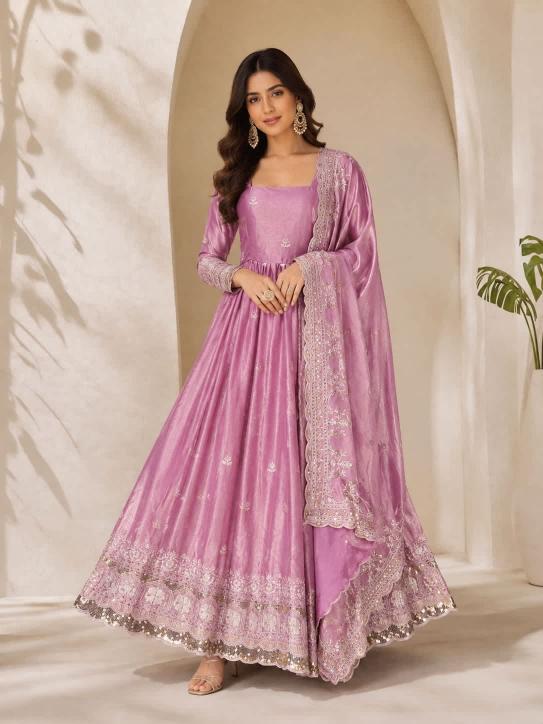
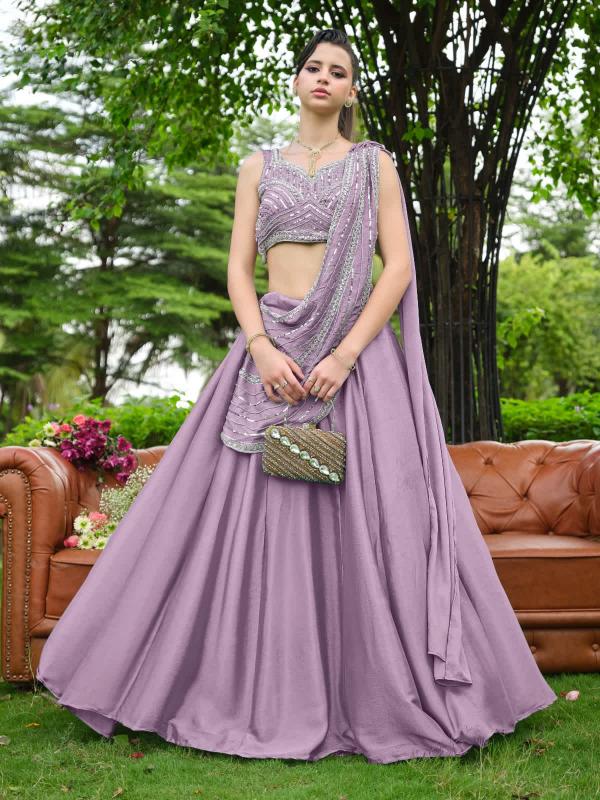
Lehenga cholis, Anarkali suits, designer gowns and premium festive sets generally involve a higher purchase value than basic daily-wear garments. Low MOQ sourcing can therefore be particularly useful when a retailer wants to test premium styles without holding too much capital in expensive inventory.
How to Find Genuine Low MOQ Wholesale Clothing Suppliers
Finding a supplier is easy; finding a reliable supplier requires more evaluation. Buyers should avoid selecting vendors based only on the lowest advertised price.
A professional clothing wholesaler in India should provide clear product information and transparent ordering terms. Before placing a substantial order, ask about MOQ, available sizes, fabric, dispatch schedule, payment conditions and the procedure for reporting genuine manufacturing defects.
Check Product Information Carefully
Catalog photographs can show design and styling, but buyers should still confirm technical details separately. Fabric composition, garment measurements, included pieces and embellishment details can influence both customer satisfaction and retail pricing.
For example, never assume that a product is pure cotton simply because the photograph has a cotton-like appearance. Accurate product descriptions protect both the reseller and the final customer.
Evaluate the Supplier Beyond One Order
A good wholesale relationship becomes more valuable over time. Look at whether the supplier regularly introduces new collections, communicates clearly, dispatches orders systematically and provides consistent product information.
Wholesaleexport.in is designed around the requirements of retailers and resellers looking for multiple women’s fashion categories from a wholesale sourcing platform. Buyers can explore collections according to their business requirements rather than depending solely on offline market visits.
Manufacturer vs Wholesaler: Which Is Better for Low MOQ?
Many buyers automatically assume that purchasing directly from a manufacturer is always the best option. Direct garment manufacturers in India can certainly offer advantages, especially for large orders or repeat production. However, manufacturing economics often require minimum quantities.
A multi-brand wholesaler or distributor may provide greater flexibility because products can be sourced from several brands or production units. This can be particularly useful when a retailer wants variety instead of a large quantity of one design.
For small and medium businesses, the best supplier is therefore not necessarily the one closest to the factory. It is the supplier whose assortment, MOQ, service and pricing structure match the retailer’s business model.
When Direct Manufacturing Makes Sense
Direct manufacturing becomes attractive when you know exactly which designs, fabrics and quantities consistently sell. Larger Showroom Owners and repeat Wholesale Buyers may eventually negotiate production-based orders once demand becomes predictable.
New sellers, however, can benefit from testing the market first through small quantity wholesale clothing.
How Much Should a New Reseller Invest?
There is no single correct starting budget. A seller’s investment should depend on product category, customer base, expected selling price and available working capital.
Instead of asking only, “How much money should I invest?”, a better question is, “How many different sellable options can I create within my safe budget?”
Suppose a reseller has a limited purchasing budget. Putting nearly all of it into one expensive catalog creates concentration risk. Dividing the same budget among carefully selected products can create a more varied storefront and provide useful information about actual customer demand.
This is one reason low MOQ wholesale clothing in India can be valuable for first-time entrepreneurs.
Compare Wholesale Price with Total Buying Cost
The displayed product price is only one component of the final cost. Buyers should also account for applicable taxes, shipping, packing and other legitimate charges associated with their order.
For international export orders, freight, documentation, customs procedures and destination-related charges may also affect the landed cost.
A product that appears slightly cheaper at first may not necessarily be the better purchase if quality, dispatch reliability or product accuracy is poor. Successful sourcing requires comparing the complete business value rather than only the initial number on a catalog.
Calculate Your Selling Margin Before Ordering
Before buying, estimate the realistic selling price for your market. Then account for the wholesale purchase cost, shipping, packaging, marketing costs, payment charges where applicable and potential returns or replacements.
This gives a more realistic picture of your expected gross margin.
Home-Based Sellers should be particularly careful about this calculation because courier and packaging expenses can represent a larger percentage of a small order.
Why Product Variety Can Matter More Than Huge Stock
Fashion customers enjoy choice. A store displaying 20 different styles may sometimes create stronger buying interest than a store holding a large quantity of only a few designs.
For this reason, low MOQ clothing suppliers can be valuable to businesses focused on catalog variety and frequent new arrivals.
A reseller can test traditional kurtis, contemporary co-ords, ethnic sets and seasonal collections simultaneously. Sales data can then guide the next purchase rather than relying entirely on assumptions.
This approach is particularly useful in 2026 because digital sellers can receive customer reactions quickly through inquiries, shares, saves, messages and actual orders.
Vastralife’s Wholesale and Export Experience Since 2017
Experience in textile sourcing becomes important when buyers need to navigate changing fashion trends, product categories and different market requirements. Vastralife has been involved in wholesale and export since 2017, building industry expertise around women’s apparel sourcing and serving different types of buyers.
This experience supports an understanding of what Shop Owners, Boutique Owners, Showroom Owners, Resellers and Wholesale Buyers typically require: fresh collections, commercially workable products, reliable information and consistent sourcing support.
Premium product quality is equally important because sustainable wholesale business depends on repeat customers. A retailer may gain a first sale through an attractive photograph, but repeat business depends on the actual product experience.
Wholesaleexport.in brings this sourcing approach online so businesses can discover new collections without relying exclusively on physical market visits.
For buyers comparing wholesale clothing in Surat, understanding both the market structure and supplier terms can make purchasing decisions easier. Retailers interested in expanding their ethnic inventory can also explore wholesale Pakistani suits as part of a diversified product mix.
How to Build a Low MOQ Buying Strategy That Can Scale
A successful low MOQ strategy should not remain random. The objective is to use smaller purchases to collect real sales information and gradually increase quantities where demand becomes predictable.
Begin by dividing your inventory into core products, experimental products and seasonal products. Core products are categories that consistently sell in your market. Experimental products are new designs or trends you want to test. Seasonal products are purchased for festivals, weddings or specific demand periods.
This structured method can help you decide where to invest more and where to remain cautious.
As sales data develops, repeat successful products faster and reduce purchasing in styles that receive weak customer response. This transforms low MOQ buying from a simple small-order strategy into a practical inventory management system.
How Boutique Owners Can Use Low MOQ Buying
Boutiques usually compete through selection rather than sheer inventory volume. Customers visit a boutique expecting something different from the products available everywhere else. This makes low MOQ sourcing particularly useful for Boutique Owners who want to introduce fresh designs regularly without purchasing large quantities of every catalog.
A boutique can divide its buying budget among several categories such as designer kurtis, kurti sets, co-ord sets, sarees, Anarkali suits and festive collections. When a particular design receives strong customer response, the seller can check whether repeat stock is available and increase the quantity in the next purchase.
This method also makes seasonal planning easier. Instead of carrying excessive festive stock after the season ends, retailers can begin with controlled quantities and scale their buying according to actual demand.
Use New Arrivals to Create Repeat Visits
Customers have more reasons to revisit a boutique when they know new products are introduced regularly. Smaller wholesale orders can support this strategy because the retailer can refresh a portion of the collection more frequently.
Digital sellers can use the same principle. Instead of uploading a very large catalog once and remaining inactive for weeks, they can consistently share new arrivals through WhatsApp Status, Instagram, Facebook and their online store.
Low MOQ Strategy for Home-Based Sellers and Resellers
For Home-Based Sellers, inventory management is particularly important because storage space and working capital may be limited. Purchasing smaller quantities can help sellers start with a manageable assortment and learn what their local or online customers actually want.
New resellers should consider beginning with products that are easy to explain and market. Kurti sets, printed sarees, ready-to-wear ethnic sets and co-ord sets can work well because customers can quickly understand the complete look through catalog photographs or videos.
A reseller should also maintain basic records of inquiries and sales. Note which colors receive the most questions, which sizes sell faster, which price points generate conversions and which products are repeatedly requested. This information can improve future purchasing decisions considerably.
Do Not Confuse More Catalogs with More Sales
One common mistake among new online resellers is sharing hundreds of products without understanding their audience. More catalogs do not automatically produce more orders.
A curated selection can often be easier for customers to browse. If your audience mainly buys affordable daily wear, focus strongly on that segment and introduce selected premium products gradually. If your customers prefer boutique fashion, emphasize unique styles rather than competing only on the lowest price.
Low MOQ Buying for Shop and Showroom Owners
Shop Owners and Showroom Owners generally need a broader inventory than home-based businesses, but low MOQ purchasing can still play an important role in their buying strategy.
A physical store may keep deeper stock in proven categories while using smaller orders for experimental designs. For example, if regular kurti sets already perform well, the retailer may maintain substantial inventory in that category while testing newer co-ord sets or premium festive styles in smaller quantities.
This creates a balanced inventory structure: dependable products generate regular turnover while new products keep the store visually fresh.
Seasonal Wholesale Clothing Planning in India
Indian apparel demand changes throughout the year according to weather, weddings, festivals and regional shopping patterns. Wholesale Buyers should therefore avoid treating every month in exactly the same way.
Summer can create stronger interest in lightweight and comfortable products. Festive periods can increase demand for embellished ethnic wear, sarees, Anarkali suits, designer kurti sets and lehenga cholis. Wedding seasons can create opportunities for premium occasion wear.
Low MOQ sourcing makes it easier to participate in these seasonal opportunities without carrying excessive leftover stock afterward.
Plan Purchases Before Demand Peaks
Retailers should not wait until the final days before an important festival to begin sourcing. Product selection, payment, packing, dispatch and transportation all require time.
Planning in advance also provides a better opportunity to photograph products, prepare promotional material and introduce collections before customers complete their shopping.
Wholesale Clothing for International Buyers
Indian women’s fashion also has a substantial audience outside India. Boutiques and ethnic-wear retailers serving South Asian communities can source Indian collections for international markets.
For businesses in Nepal, Canada and Australia, low MOQ buying can be useful when testing new suppliers or introducing unfamiliar product categories. Instead of immediately importing a large quantity, buyers can begin with a more controlled assortment where supplier terms and shipping economics permit.
International buyers should evaluate the complete landed cost rather than only the garment price. Shipping, applicable taxes, customs requirements and other destination-related costs can influence profitability.
Export Buyers Need Accurate Product Information
Accuracy becomes even more important in export transactions because replacing or exchanging products internationally can be more complicated and expensive than domestic transactions.
Buyers should confirm sizes, fabric details, pieces included in a set, color information, quantity and commercial terms before payment. Wholesale suppliers should likewise provide clear order communication so both parties understand the transaction.
How to Evaluate Premium Product Quality
A successful clothing business cannot depend on price alone. Customers remember fabric feel, stitching, finishing, fitting and whether the delivered product reasonably matches what was presented to them.
When evaluating premium product quality, wholesale buyers should consider the overall garment rather than focusing only on visible embroidery or decorative work.
Fabric and Construction
Fabric should be appropriate for the product’s intended positioning. Stitching should appear neat, and the garment construction should support comfortable wear. Buyers should request or verify product specifications instead of making assumptions from photographs.
Finishing and Presentation
Clean finishing can significantly influence perceived value. Even an affordable product can generate positive customer response when the design, stitching and presentation align well with its selling price.
Consistency Matters for Repeat Business
A retailer builds reputation one customer at a time. If product quality varies dramatically between orders, maintaining trust becomes difficult. This is why supplier consistency should be considered alongside catalog variety.
Common Mistakes When Buying Low MOQ Wholesale Clothing
Low MOQ reduces some inventory risk, but buyers still need a structured sourcing process. Avoiding a few common mistakes can improve profitability and customer satisfaction.
Choosing Only by Lowest Price
A low buying price is attractive, but it should not be the only purchasing criterion. Extremely low pricing has limited value if the garment does not suit your customers or if important product details are unclear.
Ignoring Your Customer Profile
A fashionable product is not automatically right for every market. A seller targeting working women may require different products from a bridal boutique. Similarly, customers in different cities or countries may prefer different fabrics, silhouettes and price ranges.
Ordering Too Many Similar Designs
The purpose of small quantity wholesale clothing is flexibility. Purchasing several nearly identical designs can reduce that advantage. A better strategy is to create meaningful variation across colors, prints, styling and price segments.
Not Checking Size Demand
Retailers sometimes concentrate on designs while overlooking sizes. Track which sizes sell consistently in your business and use that information while selecting future inventory.
Ignoring Shipping Cost
Small orders can have a higher shipping cost per piece than larger consolidated orders. Compare the complete purchase economics before finalizing quantities.
How to Improve Profit Margins with Smart Wholesale Buying
Profit does not come only from finding the cheapest supplier. Strong margins result from purchasing the right products, controlling operating costs, reducing unsold inventory and selling efficiently.
One useful approach is to divide products by margin and sales speed. Some items may provide a lower percentage margin but sell quickly. Others may provide higher margins but require more time to find the right customer. A healthy retail assortment can include both.
Repeat ordering is another useful strategy. Once a design proves successful, buying additional quantities becomes more informed than purchasing large quantities before any customer response is available.
Use Data Instead of Guesswork
Maintain a simple record containing purchase date, product category, buying price, selling price, quantity purchased and quantity sold. Over time, this information can reveal which categories deserve more investment.
This is one of the strongest advantages of beginning with low MOQ wholesale clothing in India: every smaller order can function as a practical market test.
Why Surat Remains Important for Wholesale Fashion Sourcing
Despite the rapid growth of online wholesale platforms, Surat continues to play an important role in India’s textile supply chain. Its concentration of traders, processors, manufacturers and garment businesses gives buyers access to extensive product diversity.
The commercial textile belt around ring road, the broader surat textile market network and areas around sahara darwaza remain familiar sourcing references for buyers visiting the city.
Online sourcing has not necessarily replaced these traditional markets. Instead, it has made Surat-origin and other Indian wholesale collections easier for distant buyers to discover without making a physical sourcing trip for every purchase.
Wholesaleexport.in helps connect this changing buying behavior with digital product discovery, allowing retailers to explore wholesale fashion collections from their own location.
How Online Wholesale Sourcing Saves Time
Traditional market visits can be valuable, particularly when buyers want to meet suppliers and physically inspect a broad range of products. However, repeated travel also requires time and expense.
An online B2B clothing marketplace can make routine sourcing more convenient. Buyers can review new collections remotely, shortlist products and communicate about availability before making purchasing decisions.
This can be especially useful for retailers outside Surat and for international buyers who cannot regularly visit India.
What to Check Before Placing an Online Wholesale Order
Confirm the current product availability, MOQ, sizes, color options, wholesale pricing, payment terms and shipping process. If anything in the catalog description is unclear, ask before ordering rather than assuming.
Buyers should also understand the seller’s policy for genuine defects and what evidence may be required to report an issue.
Internal Linking
Businesses exploring Wholesaleexport.in can use related category and market pages to compare different clothing segments before building their purchase plan. Moving between relevant kurti, saree, suit, co-ord and festive-wear collections can help retailers create an assortment suited to their own customers instead of purchasing products randomly.
Internal category exploration is particularly useful for new sellers because it helps them understand how different product types, designs and price points can fit into one inventory strategy. Established Wholesale Buyers can use the same approach to identify new categories that complement their current bestsellers.
Customer FAQs
1. What is considered a low MOQ in wholesale clothing?
There is no fixed industry-wide number. A low MOQ simply means the minimum purchasing requirement is relatively manageable for the buyer. It can vary according to supplier, brand, garment category and whether products can be mixed within an order.
2. Where can I buy low MOQ wholesale clothing in India?
Buyers can explore major textile sourcing hubs such as Surat as well as online wholesale platforms. Wholesaleexport.in offers access to women’s fashion collections for retailers, boutiques, resellers and other wholesale buyers looking for convenient digital sourcing.
3. Is Surat suitable for new clothing resellers?
Yes. Surat has a large textile and apparel ecosystem with numerous product categories and price segments. New buyers should still compare suppliers carefully and understand MOQ, product details and commercial terms before ordering.
4. Which products are suitable for starting a women’s clothing business?
Kurtis, kurti sets, sarees, co-ord sets, salwar suits and dress materials are among the categories a new seller can evaluate. The right selection depends on the intended customer, local demand and selling price range.
5. Is low MOQ better than bulk buying?
Neither model is universally better. Low MOQ is useful for testing designs and controlling inventory, while bulk buying can provide better economics when a product already has predictable demand. Many successful retailers use both approaches.
6. Can home-based sellers purchase wholesale clothing?
Yes. Home-based clothing businesses can use manageable wholesale orders to build their initial inventory. They should calculate shipping and other costs carefully because these can have a greater impact on smaller orders.
7. Can I source Indian wholesale clothing for international markets?
Yes, subject to the supplier’s export capabilities and applicable destination regulations. International buyers should confirm shipping, documentation, taxes, customs requirements and landed costs before ordering.
8. How can I reduce the risk of unsold stock?
Start with controlled quantities, diversify your designs, track actual customer demand and reorder products that perform well. Avoid purchasing excessive quantities purely because a design appears fashionable in a catalog.
9. Should I buy directly from a manufacturer or wholesaler?
Direct manufacturers can be suitable for larger and repeat quantities, while wholesalers can sometimes provide greater variety and more flexible purchasing options. Choose according to your required quantity, product mix and business scale.
10. What should I ask a wholesale supplier before ordering?
Confirm MOQ, current availability, fabric details, sizes, number of pieces in the set, wholesale price, payment terms, dispatch process, shipping charges and the procedure for reporting genuine manufacturing defects.
Start Your Wholesale Clothing Business with Wholesaleexport.in
Whether you are launching a home-based clothing business, adding new products to a boutique or sourcing inventory for an established showroom, a flexible wholesale strategy can help you control investment while keeping your collection fresh.
Wholesaleexport.in provides access to women’s fashion collections for businesses looking for convenient wholesale sourcing backed by textile industry knowledge. With Vastralife’s wholesale and export experience since 2017, the focus remains on industry expertise, commercially relevant collections and premium product quality.
Explore Latest Collections, check Wholesale Pricing, discover Trendy Ethnic Wear and find products suitable for different retail customer segments. Buyers can also inquire about Fast Shipping, applicable COD Support, Bulk Order Deals and Quality Products Starting From ₹299, subject to the terms and availability of the selected products.
Contact Number: +91 9712582172
Website: wholesaleexport.in
Conclusion
The wholesale clothing market in 2026 offers more flexibility than the traditional model of purchasing large quantities from a single catalog. For Home-Based Sellers, Shop Owners, Boutique Owners, Showroom Owners, Resellers and Wholesale Buyers, smaller initial purchases can provide a practical way to test demand, maintain variety and manage working capital.
India’s extensive textile ecosystem, particularly sourcing hubs such as Surat, gives retailers access to numerous categories across different price levels. Combining this traditional manufacturing and wholesale strength with online sourcing makes it possible for buyers across India and international markets to discover collections more efficiently.
The key is to treat low MOQ as a business strategy rather than simply a way to buy fewer pieces. Select products according to your customer, calculate the complete buying cost, verify supplier terms, track actual sales and increase quantities when demand proves itself. Done consistently, this approach can help create a healthier inventory cycle and a more scalable clothing business.