


Where Do Online Clothing Sellers Buy Their Stock? Wholesale Sourcing Guide 2026
Where Do Online Clothing Sellers Buy Their Stock? Wholesale Sourcing Guide 2026
Successful online fashion businesses rarely depend on random retail purchases for inventory. Most sellers build relationships with wholesalers, manufacturers, textile-market suppliers and online B2B sourcing platforms where they can access better buying rates and regularly updated collections. For anyone planning to sell ethnic wear through Instagram, WhatsApp, a website, marketplace, boutique or physical store, understanding where professional sellers source their products is one of the most important steps toward building sustainable margins.
Introduction
If you have ever looked at an Instagram clothing page, WhatsApp reseller group or online boutique and wondered, where do online clothing sellers buy their stock?, the answer usually involves a combination of wholesale textile markets, manufacturers, distributors and online wholesale clothing suppliers.
The sourcing model has changed considerably. Sellers no longer have to travel physically to a textile market every time they need new stock. In 2026, digital catalogues, product photographs, videos, online ordering and organised logistics allow buyers to source fashion inventory from another city or even another country.
This development is particularly useful for Home-Based Sellers, Resellers and Boutique Owners who want access to wholesale clothing without maintaining a purchasing office in a textile hub. Established Shop Owners and Showroom Owners also use remote sourcing to replenish stock between physical buying trips.
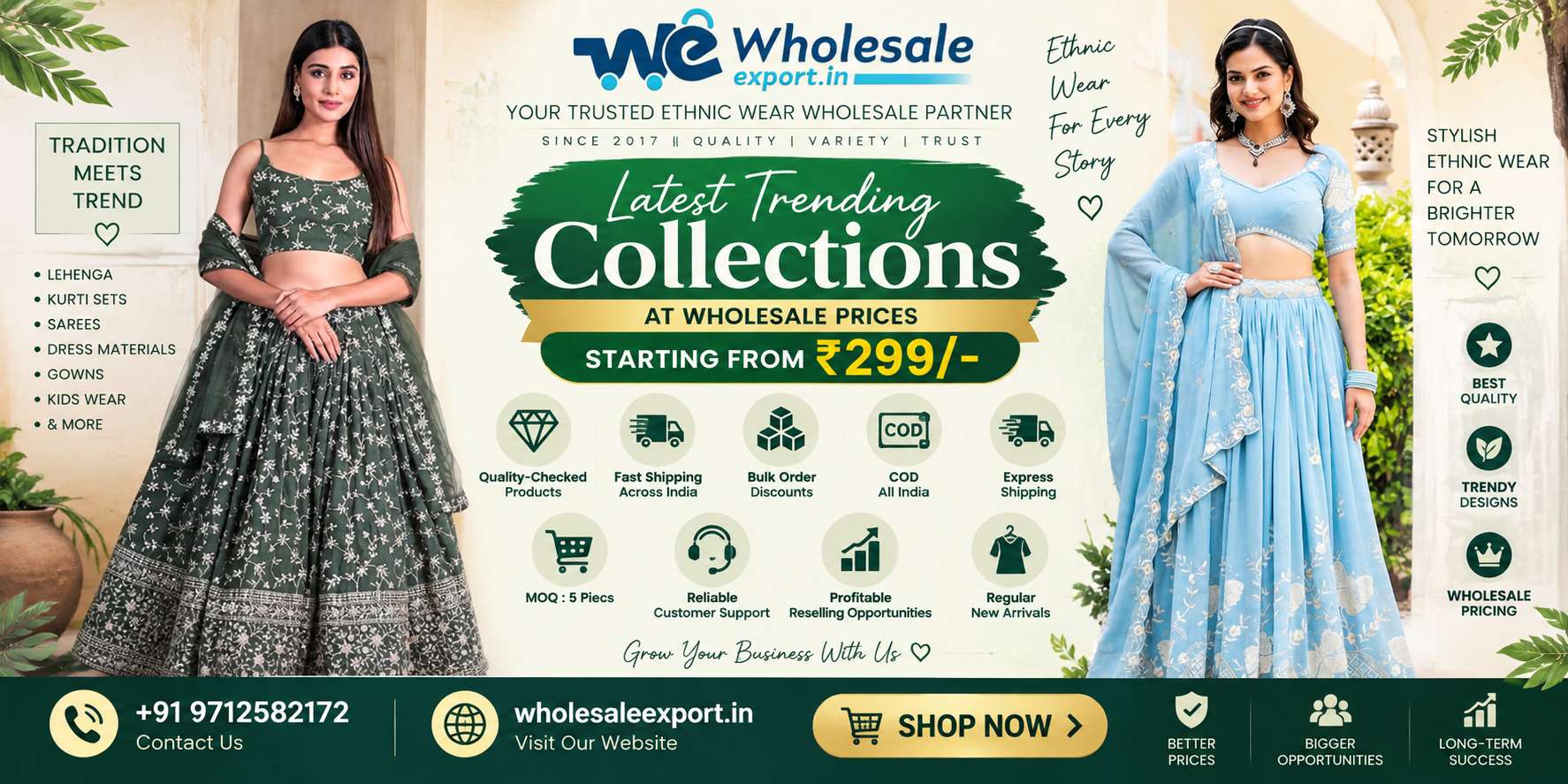
Wholesaleexport.in is designed for business buyers looking for Indian ethnic wear and wholesale fashion collections. Backed by Vastralife's wholesale and export experience since 2017, the sourcing ecosystem combines industry expertise, access to changing fashion demand and a focus on premium product quality.
Where Do Online Clothing Sellers Usually Source Their Products?
Online clothing businesses use different sourcing channels depending on their scale, category and customer base. A small Instagram Reseller may purchase from an online wholesaler, while a large retailer may work with several manufacturers and distributors. Many established businesses use more than one source so that they can maintain variety and reduce dependence on a single catalogue.
1. Direct Clothing Manufacturers
Manufacturers can be an important source for businesses purchasing specific categories in meaningful quantities. Direct clothing manufacturers in India may offer collections developed around particular fabrics, silhouettes or seasonal trends.
However, buying directly from manufacturing units is not automatically the right choice for every seller. Some manufacturers specialise in only one category and may have quantity requirements that are higher than a small Reseller wants to purchase. A multi-category wholesaler can sometimes be more practical when the buyer needs kurtis, sarees, dress materials, lehengas and other products from different suppliers.
2. Wholesale Clothing Suppliers
Wholesale suppliers connect retailers with a broader selection of ready-to-sell collections. This model is popular among Shop Owners, Boutique Owners and online sellers because they can often explore products from multiple brands, manufacturers and categories through one sourcing channel.
A good wholesale clothing supplier can help a retailer reduce the time required to search for individual manufacturers. Buyers should still compare product specifications, MOQ, current stock, price and applicable order conditions before purchasing.
3. Textile Markets
Traditional wholesale markets remain important to India's apparel trade. Buyers visit textile hubs to explore designs, compare suppliers and understand market trends. Surat is particularly relevant for women's ethnic fashion, fabrics and related textile trade.
The surat textile market ecosystem around Ring Road, Sahara Darwaza and nearby textile-commercial areas connects a wide network of traders, suppliers and manufacturing businesses. Retailers from different Indian states have traditionally travelled to Surat for sourcing, but many of those buying relationships can now also be managed digitally.
4. Online Wholesale Clothing Websites
Online B2B sourcing has created a convenient option for sellers who cannot repeatedly visit Surat or other textile markets. A buyer can review available catalogues, shortlist products and communicate order requirements remotely.
Wholesaleexport.in provides this type of sourcing access for business buyers exploring Indian fashion products. It can be useful for new Resellers as well as established retailers looking for wholesale clothes online.
Why Surat Is a Major Sourcing Destination for Online Clothing Sellers
Surat has developed a large textile ecosystem involving fabrics, processing, trading, garment supply and manufacturing. This gives buyers access to a broad variety of products and price segments rather than restricting them to one type of fashion.
For an online seller, the advantage is not simply that Surat has many products. The larger benefit is the ability to refresh inventory frequently as fashion demand changes.
Ring Road and the Surat Textile Market Ecosystem
Ring Road is closely associated with Surat's textile trade, with numerous textile-market complexes operating across the surrounding commercial belt. Buyers sourcing women's clothing often encounter suppliers dealing in sarees, dress materials, kurtis, suits and other ethnic categories.
Sahara Darwaza is another familiar reference point within Surat's wider textile trading environment. A seller searching for Surat wholesale clothing may therefore see Ring Road, Sahara Darwaza and Surat textile market frequently mentioned in supplier information and product searches.
You Do Not Need to Live in Surat to Source from Surat
One of the biggest changes in wholesale fashion is that geographic distance is less restrictive than it once was. A seller operating from another part of India can explore collections digitally instead of travelling for every stock purchase.
This is valuable for retailers who need regular new arrivals. Rather than waiting weeks for the next market trip, they can review current collections and purchase suitable inventory according to actual customer demand.
What Type of Stock Do Online Clothing Sellers Buy?
There is no single inventory formula used by every successful seller. The right products depend on the target customer, selling platform, season, geographical market and expected retail price.
Kurtis and Kurti Sets
Kurtis wholesale remains an important sourcing category because sellers can target different customer segments through casual, office, festive, designer and everyday styles. Kurti sets can also provide a complete-look option for customers who prefer coordinated outfits.
Sarees and Dress Materials
Sarees cover multiple customer segments, from everyday and printed styles to festive and occasion collections. Dress materials can work well for customers who prefer customised stitching and traditional suit styling.
Lehenga Choli and Festive Collections
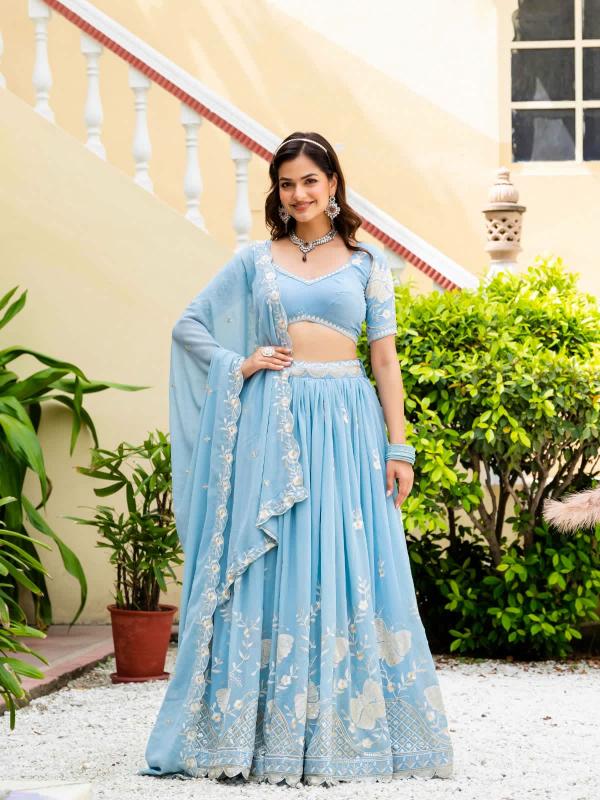
Wedding and festive demand creates opportunities for sellers dealing in lehenga choli wholesale, gowns and occasion wear. These products can command different price points depending on fabric, work, design and overall positioning.
Retailers should purchase according to their customer profile rather than assuming that the most expensive or most heavily worked collection will automatically produce the best sales.
Kids Wear and Family Fashion
Kids wear is another category used by online Resellers, children's boutiques and family fashion stores. Coordinated mother-daughter outfits can also create a distinctive selling proposition for festive functions, weddings, birthdays and family occasions.
How Online Sellers Choose a Wholesale Supplier
Finding products is relatively easy; finding products that fit a profitable business model requires more attention. Sellers should evaluate a supplier using practical commercial factors rather than selecting purely on the lowest advertised price.
Product Quality and Market Fit
A wholesale collection needs to suit the seller's target customer. Fabric, design, finishing, sizing where applicable, colour combinations and overall presentation should align with the expected retail segment.
A premium boutique and a budget-focused Home-Based Seller may both purchase ethnic wear, but their ideal products can be completely different. Knowing your customer helps prevent unnecessary inventory.
Wholesale Price and Reselling Margin
The buying price affects profitability, but sellers should calculate the complete cost rather than looking only at the supplier's product rate. Shipping, packaging, marketing, payment charges and other applicable business expenses can influence the final margin.
A slightly higher-priced product that sells quickly can sometimes be more valuable than cheaper stock that remains unsold. Inventory turnover matters because capital locked in slow-moving products cannot easily be used for new arrivals.
MOQ and Order Flexibility
Minimum Order Quantity is particularly important for new businesses. A Home-Based Seller testing a category may not want the same quantity as a large Showroom Owner.
Check the applicable MOQ before planning the purchase. Smaller starting quantities can help new sellers test demand, while bulk orders may become more suitable once sales patterns are established.
Fresh Collections and Stock Availability
Fashion changes quickly, and popular catalogues can sell out. Online sellers therefore benefit from suppliers who regularly introduce fresh products and communicate current stock information.
When a design performs strongly with customers, sellers should consider replenishment while it remains available rather than assuming it can be reordered months later.
How Home-Based Sellers Buy Wholesale Clothing Stock
A Home-Based Seller can begin with a comparatively simple sourcing model. Instead of renting a showroom immediately, the seller can purchase a focused selection, market it through WhatsApp or social media and learn from real customer response.
Start with a Specific Customer Group
A new seller may begin with friends, local contacts, community customers or an existing social-media audience. This initial group can help identify which designs, colours, sizes and price points receive stronger interest.
Once sales data becomes available, future purchases can be based on evidence rather than assumptions.
Avoid Buying Too Much Stock Initially
Large inventory does not automatically make a new clothing business stronger. Unsold stock can reduce working capital and limit the ability to purchase newer designs.
Begin with an assortment appropriate to your sales capacity. When particular categories prove successful, gradually increase the investment.
Reinvest in Fast-Moving Categories
If kurti sets repeatedly sell faster than other products, allocate more capital toward similar inventory. If festive lehengas perform strongly before wedding season, prepare the next buying cycle accordingly.
This demand-driven approach helps online sellers develop a healthier stock mix over time.
How Boutique and Showroom Owners Source Fresh Stock
Established retailers often combine multiple sourcing methods. They may visit wholesale markets periodically while using online suppliers for regular replenishment. This hybrid approach allows them to maintain supplier relationships without making every buying decision dependent on travel.
For a boutique, curation is particularly important. Uploading or displaying every available wholesale design can weaken the store's identity. Instead, the buyer can select collections that match the boutique's established style and customer expectations.
Use Seasonal Buying Cycles
Indian ethnic wear demand changes around weddings, festivals and seasonal occasions. Sellers can plan purchasing calendars in advance while retaining some working capital for unexpected trends.
In 2026, social media can make a particular silhouette, colour or styling concept popular quickly. Keeping part of the inventory budget flexible allows retailers to respond without overcommitting months in advance.
Maintain Core Products Alongside Trends
Not every item needs to be trend-driven. Many businesses benefit from maintaining dependable everyday categories while introducing fresh fashion in controlled quantities.
This creates a balance between predictable turnover and the excitement of Regular New Arrivals.
Where Do International Online Sellers Source Indian Ethnic Wear?
Indian ethnic fashion is also sourced by boutiques and Resellers serving customers outside India. Buyers in markets such as the USA, Canada and Nepal can explore Indian wholesale collections remotely where international supply and export service are available.
International buyers should evaluate more than the product price. Shipping method, quantity, applicable destination requirements and realistic landed cost should be considered before setting the final retail price.
USA-Based Indian Clothing Sellers
Online boutiques serving Indian and South Asian customers in the USA may source sarees, kurtis, suits, lehengas and festive collections from India. Product selection should reflect the retailer's own customer demand and local selling season.
Wholesale Indian Clothing for Canada
Canada-based Resellers and boutiques can similarly build inventory around ethnic occasions, weddings, festivals and everyday Indian wear. Remote sourcing can reduce the need for repeated international buying trips while giving sellers access to changing collections.
Indian Ethnic Wear Supply for Nepal
Nepal-based retailers can source Indian fashion for boutique, retail and wholesale requirements. Buyers should choose products according to their own market, purchasing capacity and customer price range rather than treating every Indian trend as equally relevant locally.
Wholesaleexport.in supports wholesale and export-oriented sourcing enquiries, allowing buyers to explore suitable collections according to current availability and order requirements.
How Online Clothing Sellers Source Stock Without Visiting Surat
Physical market visits are still useful, but they are no longer compulsory for every purchase. Many retailers now source through digital catalogues, product images, videos and direct communication with wholesale suppliers. This allows a seller in another Indian state or overseas market to explore products from Surat without spending additional time and money on frequent travel.
The process normally begins by selecting a trusted supplier, checking available collections, understanding the applicable MOQ and confirming current stock. Sellers can then calculate the product price together with shipping and other applicable costs before finalising an order. This model is particularly convenient for Home-Based Sellers and Resellers who may not have the purchasing volume required for frequent market visits.
Businesses looking for Indian ethnic fashion can explore wholesale lehenga market Surat collections online. Retailers planning to diversify beyond women's ethnic wear can also explore mens wear wholesale options according to their customer base.
Online Wholesale Buying vs Physical Wholesale Market Buying
Both purchasing methods can work successfully. The better option depends on buying frequency, location, quantity and how much time the business owner can dedicate to sourcing.
Advantages of Online Wholesale Sourcing
Online sourcing can significantly reduce travel requirements. A retailer does not necessarily have to travel to the surat textile market, Ring Road or Sahara Darwaza every time new stock is required. Fresh catalogues can be reviewed remotely, making it easier to replenish inventory regularly.
This can be especially useful for businesses located far from Surat. The cost of travel, accommodation and time away from the store can become significant when purchasing trips are frequent. Online wholesale buying can therefore become part of a more efficient stock-management system.
Advantages of Visiting a Wholesale Market
A physical visit allows buyers to see fabrics, finishing and colours directly and interact with suppliers personally. Larger Wholesale Buyers may also use market visits to understand emerging trends across several suppliers at once.
For many businesses, however, the most practical approach is a combination of both methods. They may establish relationships through physical visits and then manage routine repeat purchasing online.
How to Calculate the Real Cost of Wholesale Clothing Stock
One common mistake among new online sellers is calculating profit using only the wholesale product rate. The real cost of inventory can include several other expenses.
For example, suppose a product is purchased at a wholesale price and then shipped to your location. Your actual cost may include product value, transportation, packaging, applicable taxes or charges, payment-related expenses and the cost of promoting the product. Your retail selling price should be planned only after considering the complete cost structure.
Do Not Compete Only on the Lowest Price
Customers do not always purchase the cheapest available garment. Design, quality, product presentation, trust, service and availability can all influence the final decision.
This is particularly important for Boutique Owners. A carefully selected collection with attractive presentation may provide better business potential than simply purchasing the cheapest inventory available.
Understand Your Required Margin
Different businesses require different margins. A high-volume seller may work differently from a small boutique with personalised service. Home-Based Sellers may have lower overheads than Showroom Owners, while international retailers must account for export logistics and destination-related costs.
There is therefore no single margin percentage that suits every clothing business. Sellers should calculate their own expenses and determine a sustainable selling price.

How to Select Profitable Clothing Stock for 2026
Good sourcing is not simply about finding thousands of designs. The objective is to identify products that match real customer demand. In 2026 wholesale clothing, retailers have access to an enormous amount of inventory, making product selection increasingly important.
Follow Your Own Sales Data
Your previous orders are one of the most useful sources of buying information. Review which categories sold quickly, which price points generated repeat orders and which products received enquiries but did not convert.
If your customers repeatedly purchase everyday kurti sets, increasing stock in that category may make more sense than investing heavily in an unrelated trend. Similarly, a wedding-focused boutique may need a stronger selection of lehengas, suits and occasion wear.
Watch Seasonal Demand
Festivals, weddings and regional occasions influence Indian fashion purchasing. Sellers should plan inventory before major demand periods instead of waiting until the season has already reached its peak.
Festive ethnic wear, wedding lehengas, designer suits, sarees, kurti sets and family outfits can experience changing demand throughout the year. Advance sourcing gives businesses more time to photograph, advertise and sell their collections.
Use Trends Carefully
A viral fashion trend can generate strong short-term demand, but trends can also disappear quickly. Avoid placing an unnecessarily large order simply because a design is currently popular on social media.
A practical strategy is to test a trending category in controlled quantities. If customer response is strong, the seller can reorder while stock remains available.
What Should You Check Before Paying a Wholesale Supplier?
Whether you are purchasing from a local supplier or ordering remotely, basic verification is important. Business buyers should clearly understand what they are ordering before making payment.
Confirm Product Details
Check the product category, fabric information provided by the supplier, available colours, set details, sizes where applicable and quantity. If a catalogue contains multiple designs, confirm whether the complete catalogue must be purchased or whether another ordering option is available.
Confirm Current Stock
Wholesale fashion inventory can move quickly. A catalogue shared earlier may not necessarily have the same availability today. Confirm stock before payment, particularly when purchasing fast-moving or seasonal products.
Understand MOQ
MOQ can vary by product, catalogue and supplier. Never assume that every wholesale collection has the same minimum quantity. Ask for the applicable quantity before finalising the purchase.
Check Dispatch and Shipping Terms
Understand how the order will be dispatched and what shipping arrangements apply to your destination. International buyers should also discuss available export options and relevant shipping details before placing the order.
How Much Stock Should a New Online Clothing Seller Buy?
There is no universal starting quantity because available capital, product category and sales network differ significantly between businesses. The safer principle for a new seller is to protect working capital while collecting real sales data.
Instead of spending the entire inventory budget on one style, consider creating a controlled product mix. This gives customers some choice and helps identify which categories deserve larger future investment.
For Home-Based Sellers
Home-Based Sellers can begin with selected products that fit their immediate customer network. The initial objective should be to understand demand and build repeat customers rather than trying to carry every category available in the market.
For Boutique Owners
Boutiques can focus on a more curated collection that reflects their positioning. If the boutique is known for premium ethnic wear, the buying strategy should prioritise design, finishing and presentation rather than maximum product count.
For Showroom and Wholesale Buyers
Higher-volume businesses generally require deeper inventory and broader assortment. Their purchasing decisions may involve category-wise sales history, seasonal planning and faster replenishment schedules.
Can You Sell Wholesale Clothing Without Keeping Large Inventory?
Yes, some sellers operate with relatively lean inventory, although the exact model depends on supplier availability and customer expectations. A seller can maintain selected ready stock while regularly promoting newly available wholesale collections.
The important consideration is that wholesale stock can change quickly. A product promoted today may sell out at the supplier level before a customer places an order. Sellers should therefore avoid guaranteeing availability until current stock has been confirmed.
Businesses that develop a disciplined system for checking inventory, confirming orders and replenishing successful designs can reduce unnecessary stock while still offering customers regular variety.
Why Supplier Relationships Matter in the Clothing Business
A dependable supplier relationship can become a long-term business asset. Fashion retailers need more than a one-time low price; they need regular products, clear communication and reliable fulfilment.
Vastralife brings wholesale and export experience since 2017, along with industry knowledge developed through working with clothing buyers and changing fashion demand. This experience supports Wholesaleexport.in in serving retailers searching for Indian ethnic wear and wholesale sourcing opportunities.
For sellers, consistency is important. Working with suppliers who understand wholesale business requirements can simplify repeat buying and allow the retailer to spend more time on marketing, customer acquisition and sales.
Wholesale Clothing Opportunities for International Sellers
The internet has made Indian fashion sourcing accessible to retailers beyond India. Sellers serving Indian and South Asian communities in the USA and Canada, as well as businesses in Nepal, can explore collections from Indian suppliers without maintaining a permanent buying team in Surat.
International Wholesale Buyers should communicate their destination and approximate quantity when requesting an order. This makes it easier to discuss available shipping and export arrangements.
Product selection should also be adapted to the destination market. A collection performing strongly in India may not necessarily have identical demand overseas. Local customer preferences, climate, festivals, sizing requirements and retail price expectations should guide buying decisions.
Internal Linking and Product Discovery
A well-planned online sourcing journey should move from broad product research to specific category selection. Instead of purchasing random items, retailers can first decide whether they need everyday ethnic wear, festive fashion, wedding collections, kids wear or another category and then compare relevant products.
Wholesaleexport.in helps business buyers explore changing fashion collections from a central online source. This can reduce the effort involved in contacting multiple unrelated suppliers whenever new inventory is needed.
For SEO-driven online retailers, product categories should also match the way their own customers search. Terms such as Indian ethnic wear wholesale, wholesale clothing suppliers, Surat wholesale market, wholesale kurtis online, sarees wholesale, dress materials wholesale, lehenga choli supplier, kids wear wholesale, boutique clothing supplier and Indian garments exporter can represent different purchasing intentions.
Customer FAQs
1. Where do online clothing sellers buy their stock?
Online clothing sellers commonly source from manufacturers, distributors, wholesale textile markets and online wholesale suppliers. Surat is an important sourcing hub for Indian women's ethnic wear, while online platforms allow retailers to access collections remotely.
2. Can I buy wholesale clothes from Surat without visiting the market?
Yes. Many suppliers now provide digital product catalogues and remote ordering facilities. Buyers can review collections, confirm current availability and arrange dispatch without travelling to Surat for every order.
3. Is online wholesale clothing suitable for a Home-Based Seller?
It can be. Home-Based Sellers can start with a controlled inventory according to the supplier's applicable MOQ and gradually increase purchasing after identifying products that perform well with their customers.
4. What clothing products can I source for an online boutique?
Depending on current supplier availability, online boutiques can explore categories such as kurtis, kurti sets, sarees, dress materials, suits, lehengas, gowns, festive wear and kids wear. The final selection should match the boutique's target customer and retail positioning.
5. Can international buyers purchase Indian ethnic wear wholesale?
Yes, subject to supplier and destination arrangements. International buyers should provide their country, product requirements and quantity so that suitable export and shipping options can be discussed.
6. How do I choose a reliable wholesale clothing supplier?
Evaluate product quality, current availability, MOQ, price transparency, communication, dispatch arrangements and business experience. Avoid choosing a supplier based solely on the lowest quoted rate.
7. What is the best way to reduce unsold clothing stock?
Start with measured quantities, track customer response and reinvest more heavily in proven categories. Avoid committing too much capital to short-term trends until their demand has been tested with your customers.
8. Does Wholesaleexport.in provide regularly updated collections?
Wholesaleexport.in focuses on giving wholesale buyers access to Latest Collections and changing ethnic-fashion options. Since availability can change, buyers should confirm current stock when placing an order.
Build Your Clothing Business with Wholesaleexport.in
Whether you are starting from home, expanding an Instagram store, managing a boutique, operating a retail showroom or purchasing for wholesale resale, your sourcing system can directly influence inventory turnover and customer satisfaction.
Explore Wholesaleexport.in for Latest Collections, Wholesale Pricing, Trendy Ethnic Wear, Fast Shipping, COD Support where applicable, and Bulk Order Deals. Buyers can discover Quality Products Starting From ₹299, subject to current collection, stock and applicable order terms.
With Vastralife's wholesale and export experience since 2017, industry expertise and focus on premium product quality, business buyers can explore sourcing opportunities for growing their clothing business in India and selected international markets.
Ready to source your next collection?
Contact: +91 9712582172
Website: wholesaleexport.in
Explore the latest wholesale fashion, select products according to your customer demand, confirm current stock and build your inventory with a purchasing strategy designed for profitable reselling and long-term growth.