


When Should Retailers Buy Diwali Clothing Stock? Wholesale Buying Timeline for 2026
When Should Retailers Buy Diwali Clothing Stock? Wholesale Buying Timeline for 2026
Diwali can be one of the strongest selling periods for women’s ethnic wear, but good festive sales depend heavily on when a retailer starts buying. Ordering too early can lock money into untested designs, while buying too late can mean limited choices, sold-out bestsellers and less time to promote new arrivals. A planned buying calendar helps retailers balance fresh fashion, working capital and timely availability.
Introduction
For shop owners, boutique owners, showroom owners, resellers and home-based sellers, the question is not simply what to buy for Diwali. The more important question is when to buy Diwali clothing stock and how much inventory to purchase at each stage of the season.
The ideal approach is rarely to purchase the entire festive requirement in one order. A smarter strategy is to divide the buying cycle into phases: early market observation, first inventory building, core festive purchasing, bestseller replenishment and finally controlled last-minute restocking.
This matters particularly in a fashion-driven market. A lehenga, saree, kurti set or festive suit that appears promising several months before Diwali may perform differently once actual customer demand becomes visible. At the same time, waiting for confirmed demand before purchasing everything can leave a retailer competing for limited fast-moving stock.
For Diwali clothing stock 2026, retailers should therefore build a flexible inventory plan rather than depending on a single buying date. Businesses sourcing through Surat can watch new manufacturing launches and wholesale catalogs as they arrive, compare the price range, and gradually increase purchasing as the festival approaches.
What Is the Best Time to Start Buying Diwali Clothing Stock?
As a practical buying framework, many retailers can begin serious Diwali planning roughly 8 to 12 weeks before the festival. This does not mean filling the entire store three months in advance. It means beginning product selection, supplier discussions, category planning and the first round of purchases early enough to avoid unnecessary pressure later.
The exact timing should depend on your location, customer profile, supplier lead time, shipping requirement and whether you sell through a physical shop, boutique, social media, marketplace or reseller network.
10 to 12 Weeks Before Diwali: Research and First Selection
This is the stage for identifying the direction of the festive market. Start checking Diwali wholesale clothing catalogs, colours, fabrics, silhouettes, embroidery patterns and expected wholesale price bands.
Retailers should look at previous Diwali sales before making the first purchase. Which categories sold fastest last year? Which price points moved without heavy discounting? Which sizes were repeatedly requested? Which products remained after the season?
Your answers should influence the first buying round. If premium lehengas looked attractive but kurti sets generated most of your actual revenue, your 2026 inventory budget should reflect customer behaviour rather than personal preference.
8 to 10 Weeks Before Diwali: Build the Core Collection
This can be an important buying period for retailers who want sufficient choice without entering too early. At this stage, you can begin building a stronger selection across the categories that matter to your customers.
Depending on your market, the assortment may include festive kurti sets wholesale, embroidered salwar suits, ready-to-wear sarees, lehenga choli, Anarkali suits, dress materials, party-wear sarees, co-ord sets and other women’s ethnic wear.
The objective is not simply quantity. Your collection should provide meaningful variation in colour, styling and price. For example, a store serving mixed-budget customers may require entry-level festive products, mid-range designs and selected premium pieces rather than putting the entire budget into one segment.
6 to 8 Weeks Before Diwali: Increase Inventory Depth
By this stage, festive shopping interest generally deserves closer attention. Retailers should have enough merchandise to begin proper promotion while keeping part of their purchasing budget available for products that show stronger demand.
If you sell online, this timing also gives you an opportunity to photograph products, prepare reels, update WhatsApp catalogs, create festive offers and start customer communication before competition becomes extremely intense.
Wholesaleexport.in can be checked regularly for fresh wholesale collections so buyers can compare new launches instead of depending entirely on inventory selected in one purchasing round.
Why Retailers Should Not Buy the Entire Diwali Stock at Once
Fashion demand changes quickly. Buying 100% of your planned inventory in one early order creates the risk that your working capital becomes tied to products before you know which designs customers actually want.
A phased buying strategy gives the business more flexibility.
Divide the Diwali Budget into Buying Phases
Instead of treating your festive budget as one amount that must be spent immediately, divide it into separate purchasing stages. The exact percentages should depend on your business, but the principle is straightforward: keep some money available for replenishment.
Your first purchase can establish variety. The next purchase can strengthen categories receiving enquiries. Later orders can concentrate more heavily on proven sellers.
This approach is especially useful for home-based sellers and smaller boutiques because cash flow may be more important than carrying a very large assortment.
Keep Money Available for New Arrivals
One advantage of sourcing closer to the season is access to newer festive wear wholesale collections. If the entire budget has already been spent, even an excellent new design cannot easily be added without increasing financial pressure.
Keeping part of the inventory budget flexible lets retailers react to fashion trends and customer enquiries during the season.
Reorder Proven Designs Faster
Once a design begins selling consistently, check its availability immediately rather than waiting until your last piece is sold. Fast-moving festive inventory can disappear quickly as more buyers enter the market.
A disciplined retailer should monitor sales every few days during the strongest festive period. Products can then be divided into fast-moving, normal-moving and slow-moving groups. Reordering should favour products with demonstrated demand rather than simply adding more random designs.
Which Clothing Categories Should Retailers Stock for Diwali?
Diwali demand is not limited to one type of ethnic wear. Customers may need clothing for office celebrations, family gatherings, puja, festive dinners, gifting, pre-Diwali functions and social events. A retailer can therefore create a more useful assortment by covering multiple wearing occasions.
Festive Kurti Sets
Kurti and pant sets can provide a practical balance between festive appearance and everyday usability. Embroidery, jacquard details, prints, zari accents and coordinated dupattas can help differentiate festive products from regular daily wear.
For retailers, wholesale kurti sets can also provide useful variety across different price points, making them relevant to boutiques, traditional stores and online resellers.
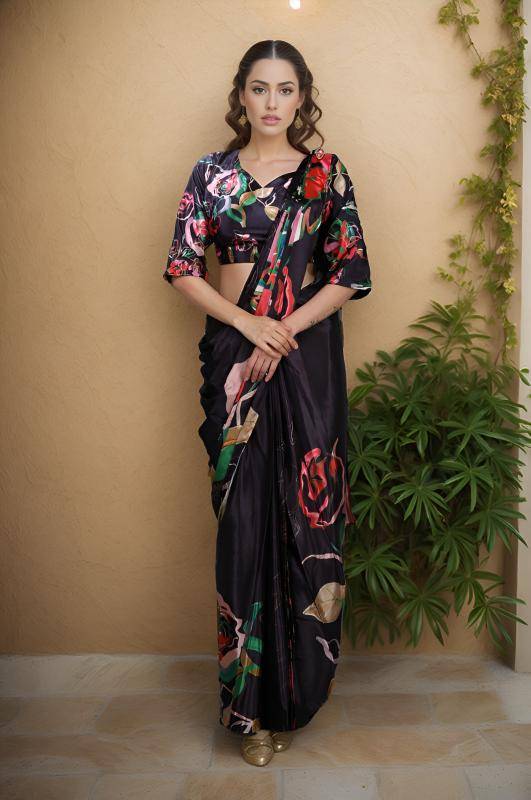
Ready-to-Wear Sarees
Convenience-led ethnic fashion deserves attention in a modern festive assortment. Ready-to-wear and pre-stitched sarees can appeal to customers who want the appearance of a saree with easier draping and faster dressing.
They can be particularly useful for younger buyers, working customers and people purchasing outfits for multiple festive events.
Lehenga Choli
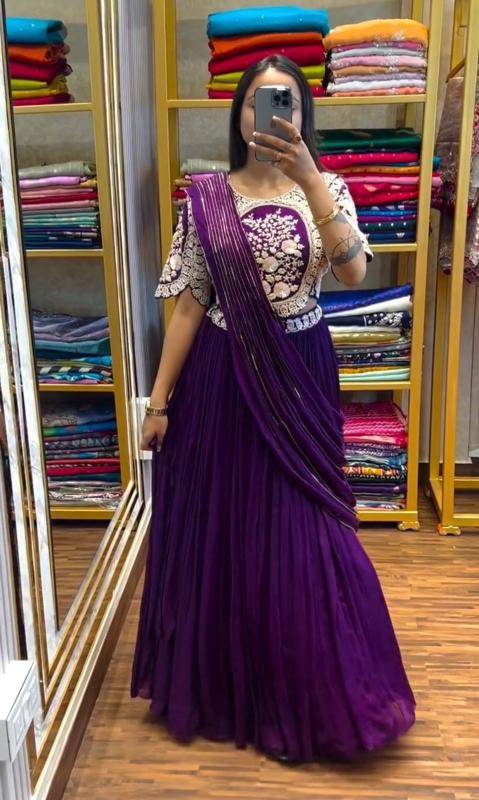
Wholesale lehenga choli remains an important occasion-wear category where customer demand supports it. Retailers should consider lightweight festive lehengas alongside heavier statement pieces so customers can choose according to occasion and budget.
Colour selection also matters. Traditional festive shades can be combined with softer contemporary colours, depending on the preferences of your local market.
Party-Wear and Festive Sarees
Sarees can cover several customer segments, from relatively simple festive styling to premium occasion wear. Retailers should consider fabric, drape, embellishment, blouse design and expected retail price when selecting stock.
Salwar Suits and Dress Materials
Not every customer wants ready-made clothing. Wholesale dress material and unstitched suits can remain valuable for buyers who prefer personalised tailoring. Premium printed fabrics, embroidered materials, Pakistani-inspired suits and festive dupatta combinations can broaden the assortment.
Plus-Size Festive Wear
Size planning should be treated as part of the buying strategy, not as an afterthought. If your sales data shows demand for extended sizes, allocate inventory accordingly. Offering fashionable festive designs across a wider size range can help retailers serve customers who often find fewer choices during peak shopping periods.
Why Surat Matters for Diwali Wholesale Clothing Sourcing
Surat is closely associated with textile trading and apparel supply, making it a familiar sourcing destination for many Indian clothing businesses. Areas around the Surat textile market, Ring Road and Sahara Darwaza are well known to buyers exploring textile and garment trade.
For retailers located outside Surat, online wholesale purchasing makes it possible to review catalogs without travelling for every buying cycle. Buyers can compare designs, check specifications and communicate with suppliers remotely before placing an order.
Digital sourcing is particularly useful during the Diwali season because retailers often need repeated smaller replenishments instead of one annual market visit.
Vastralife brings wholesale and export experience since 2017, with industry knowledge focused on supplying fashion products to business buyers. Through Wholesaleexport.in, buyers can explore product options for boutiques, shops, showrooms, reselling businesses and wholesale purchasing.
Plan Diwali Inventory According to Your Customer Type
The best Diwali inventory for one retailer can be completely wrong for another. Your buying plan should reflect who actually shops from you.
For Home-Based Sellers
Keep inventory controlled and focus on products your existing customer network is likely to purchase. Fresh catalogs can be shared strategically to gauge interest, but availability should be confirmed before promising a fast-moving design.
For Boutique Owners
Curated variety usually matters more than carrying excessive quantities of similar products. Select distinctive styles and maintain enough buying budget to introduce new arrivals throughout the festive period.
For Shop Owners
Physical stores generally need stronger inventory depth because customers expect immediate choice. Keep a balanced range of entry, middle and premium price points and monitor which racks are moving fastest.
For Showroom Owners
Larger showrooms can plan category-wise targets and maintain deeper stock in proven segments. Daily or weekly sales reports become particularly valuable when deciding which festive products deserve repeat purchasing.
For Online Resellers
Product presentation matters almost as much as selection. Begin marketing early enough to collect enquiries, but do not keep advertising unavailable products. Regular communication with the wholesale supplier becomes critical during fast-moving periods.
Retailers planning their festive assortment can explore ready-to-wear saree collections for customers looking for convenient festive styling. Buyers targeting Gujarat and nearby retail markets can also explore sourcing options connected with the Ahmedabad kurti wholesale market category as part of their broader festive buying research.
How Much Diwali Stock Should a Retailer Purchase?
There is no single quantity that works for every clothing business. The right Diwali purchase depends on previous sales, current customer base, available working capital, average selling price, storage capacity and how quickly the supplier can replenish successful products. A retailer doing strong walk-in business may require significantly deeper inventory than a home-based seller who primarily sells through WhatsApp or Instagram.
A practical starting point is to study your previous festive sales and identify the categories that generated the highest turnover. Instead of increasing every category equally in 2026, allocate more money to products with demonstrated demand while reserving part of the budget for new trends.
For example, if kurti sets and festive suits represented a large share of last season's sales while premium lehengas moved more slowly, your purchasing plan should reflect that pattern. The purpose of inventory planning is not to make the store look full; it is to maintain enough saleable merchandise to support revenue without unnecessarily blocking cash.
Use Sales Velocity Instead of Guesswork
During the festive period, record how many pieces of each design or category are selling every few days. A product selling consistently deserves a different replenishment decision from a design that has received plenty of views but few actual purchases.
Retailers can maintain a simple stock sheet containing opening quantity, quantity sold, current stock, wholesale price, selling price and reorder status. This gives a much clearer picture of which products deserve additional investment.
Protect Working Capital for Reorders
Do not spend the entire festive budget on the first purchase. Keeping a portion available can make it easier to reorder proven products, add newly launched designs and respond to unexpected customer demand.
This is especially important when buying from a large manufacturing and textile ecosystem such as Surat, where new fashion catalogs can continue appearing throughout the season. Freshness can become an advantage when competitors are still selling the same inventory they purchased months earlier.
When Should Retailers Stop Making Large Diwali Purchases?
As Diwali gets very close, purchasing strategy should gradually change from broad collection building to selective replenishment. At this point, retailers should avoid adding large quantities of uncertain products merely because they are available at an attractive wholesale rate.
The closer you get to the festival, the more important sell-through probability becomes. A slightly higher-margin design is not necessarily better if it has a greater chance of remaining unsold after the festive period.
Focus late-season orders on proven designs, versatile ethnic wear and merchandise that can continue selling after Diwali. Kurti sets, suits, sarees and selected occasion wear may have a longer selling window than products with extremely festival-specific styling.
Consider Delivery Time Before Every Late Order
A supplier may have a product in stock, but retailers must still account for order processing, dispatch and transportation. Always leave enough time to receive the merchandise, inspect it, photograph or display it and sell it before the strongest demand period ends.
This becomes even more important for international export buyers. Businesses in Nepal, Australia and Canada, for example, should account for international shipping, customs processes and local delivery time rather than following exactly the same purchase schedule as a retailer located within India.
International buyers should therefore plan festive stock earlier and maintain a buffer between expected delivery and their actual sales campaign.
How to Plan Diwali Stock Across Different Price Segments
A strong festive collection should generally offer customers more than one spending level. Depending entirely on premium inventory can limit the number of buyers you can serve, while stocking only entry-level products may cause you to miss customers looking for more elaborate festive clothing.
Value-Priced Festive Products
Affordable products are useful for resellers, home-based businesses and shops serving price-sensitive customers. These can also work for customers purchasing multiple outfits for different celebrations.
Retailers should still check fabric, finishing, stitching and overall presentation rather than selecting products purely because the wholesale price is low. An affordable product with good perceived value can produce stronger repeat business than an extremely cheap product that disappoints the customer.
Mid-Range Festive Wear
For many stores, the middle price segment can provide a useful balance of design, quality and affordability. Embroidered kurti sets, stylish suits, sarees and lighter lehengas can fit this category depending on your customer base.
Keep sufficient variety within this range because customers frequently compare multiple options before making a festive purchase.
Premium Occasion Wear
Premium inventory should be selected carefully. Strong embroidery, distinctive fabrics, better finishing and more elaborate silhouettes can justify higher pricing, but the quantities should match your actual premium customer demand.
Boutiques and showrooms may benefit from selected statement pieces because they help build the overall presentation of the collection even when the bulk of sales comes from more accessible price points.
Use Online Wholesale Sourcing to Replenish Stock Faster
Traditionally, clothing retailers often travelled physically to wholesale markets to purchase seasonal stock. Physical sourcing remains useful, but online wholesale platforms can make repeated festive replenishment easier, particularly for businesses outside Surat.
Wholesaleexport.in allows wholesale buyers to explore collections remotely and evaluate options without making a market trip for every reorder. This can help shop owners, boutiques and resellers maintain a more flexible buying cycle during a fast-moving season.
Retailers sourcing from areas associated with the Surat textile market, Ring Road and Sahara Darwaza can combine traditional market knowledge with online catalog purchasing. The objective is to reduce the time between identifying customer demand and bringing suitable merchandise into the business.
Diwali Stock Planning for Online Sellers and Resellers
Online sellers have an additional challenge: they need time not only to receive products but also to market them. A product arriving shortly before Diwali may technically be available for sale, but the seller might not have enough time to create content, reach customers, collect orders and complete delivery.
Begin posting your major festive collection while customers still have sufficient time to browse. Create product reels, WhatsApp status updates, catalog posts and customer broadcasts in stages instead of uploading everything on one day.
Promote Bestsellers More Frequently
If one product generates stronger enquiries, do not treat every design equally in your marketing. Give proven products additional visibility while they remain available.
However, always verify stock before launching a large promotional push. Fast-moving wholesale fashion can sell out, and continuing to advertise an unavailable design creates unnecessary customer frustration.
Create Urgency Without Making Unrealistic Claims
Retailers can communicate genuine availability information such as limited ready stock or current dispatch status. Accurate communication is more sustainable than artificial scarcity. During Diwali, customers already have a natural deadline, so clear information about ordering and delivery can be more valuable than exaggerated promotional language.
Diwali 2026 Inventory Checklist for Retailers
Before finalising your festive purchase, review the complete inventory rather than evaluating individual products in isolation. Check whether your collection has enough variation in categories, sizes, colours, fabrics, price levels and occasions.
- Review previous Diwali sales before deciding quantities.
- Start sourcing and evaluating collections around 8–12 weeks before the festival where appropriate for your business.
- Build core inventory in phases instead of spending the complete budget at once.
- Keep working capital available for fast-selling reorders.
- Maintain a balanced mix of kurtis, suits, sarees, lehengas and other relevant festive categories.
- Check extended-size demand using your own customer data.
- Monitor new arrivals and actual sales throughout the season.
- Confirm ready-stock availability before promoting individual designs heavily.
- Consider transport and processing time when placing late orders.
- For export orders, include additional logistics and customs time in the buying calendar.
- Reduce speculative purchasing as Diwali approaches.
- Prefer late-season products that can continue selling after the festival if demand slows.
Internal Linking Section
A well-connected wholesale website can help buyers move between related categories while planning their inventory. Retailers can use relevant product and market pages to compare styles, price ranges and categories before deciding how much capital to allocate to each festive segment.
Instead of purchasing based only on one attractive catalog, compare multiple collections and think about how each product fits your existing customer profile. The strongest buying decision is generally the one supported by actual customer demand, realistic selling prices and sufficient time to market the product.
Customer FAQs
1. When should I start buying Diwali clothing stock in 2026?
A useful planning window for many retailers is around 8–12 weeks before Diwali, although the exact timing depends on your location, customer base and supplier lead time. Start with selection and controlled purchasing, then increase inventory as actual festive demand becomes clearer.
2. Should I purchase all my Diwali stock in one wholesale order?
Usually, phased purchasing gives a retailer greater flexibility. You can build an initial collection, observe sales and then use remaining working capital to reorder bestsellers or purchase fresh arrivals. Businesses with proven historical demand may choose deeper initial quantities in their strongest categories.
3. What are useful clothing categories to consider for Diwali retail?
Depending on your customers, the assortment can include kurti sets, salwar suits, sarees, ready-to-wear sarees, lehenga choli, dress materials, Anarkali suits and other trendy ethnic wear. Your own sales history should determine the final category mix.
4. Can small resellers buy Diwali wholesale clothing online?
Yes. Online wholesale sourcing can be particularly practical for home-based sellers and resellers who do not want to travel to Surat for every purchase. Always check current minimum-order requirements, product details, payment terms and dispatch information before confirming an order.
5. How should an international retailer plan Diwali stock?
International buyers should generally allow more lead time than domestic buyers because shipping, customs and local transportation can extend delivery schedules. The required buffer depends on the destination country and shipping method, so confirm the current timeline before committing to a sales campaign.
6. Is it better to buy cheap Diwali stock or premium products?
Neither segment is automatically better. The correct mix depends on your customers. Many retailers benefit from carrying multiple price levels so they can serve value-focused customers as well as shoppers looking for more elaborate festive clothing.
7. How frequently should I check Diwali inventory?
During the active festive selling period, review inventory frequently enough to identify fast-moving products before they sell out. Larger retailers may monitor sales daily, while smaller businesses may find a review every few days sufficient.
8. Can I reorder Diwali bestsellers close to the festival?
Yes, if ready stock and delivery time make the reorder commercially practical. Before placing a late order, calculate whether the merchandise can arrive early enough to be displayed, promoted and sold during the remaining demand window.
Plan Your Diwali Wholesale Collection with Wholesaleexport.in
A successful festive season starts with disciplined buying rather than simply purchasing the largest possible quantity. Start early enough to build variety, monitor actual customer response and keep part of your budget available for the products that prove themselves during the season.
With Vastralife's wholesale and export experience since 2017, industry expertise and a focus on premium product quality, Wholesaleexport.in is built for business buyers looking for fashion products for resale. Shop owners, boutique owners, showroom owners, home-based sellers, resellers and wholesale buyers can explore new collections according to their business requirements.
Explore Latest Collections, Wholesale Pricing, Trendy Ethnic Wear, Fast Shipping, COD Support, Bulk Order Deals and Quality Products Starting From ₹299. Product availability, applicable COD terms, shipping timelines and current prices should be confirmed when ordering.
Contact: +91 9712582172
Website: wholesaleexport.in
Plan your Diwali clothing stock 2026 in stages, keep an eye on fresh collections and reorder according to real sales. A flexible inventory strategy can help you keep your collection fresh while protecting working capital throughout the festive season.