


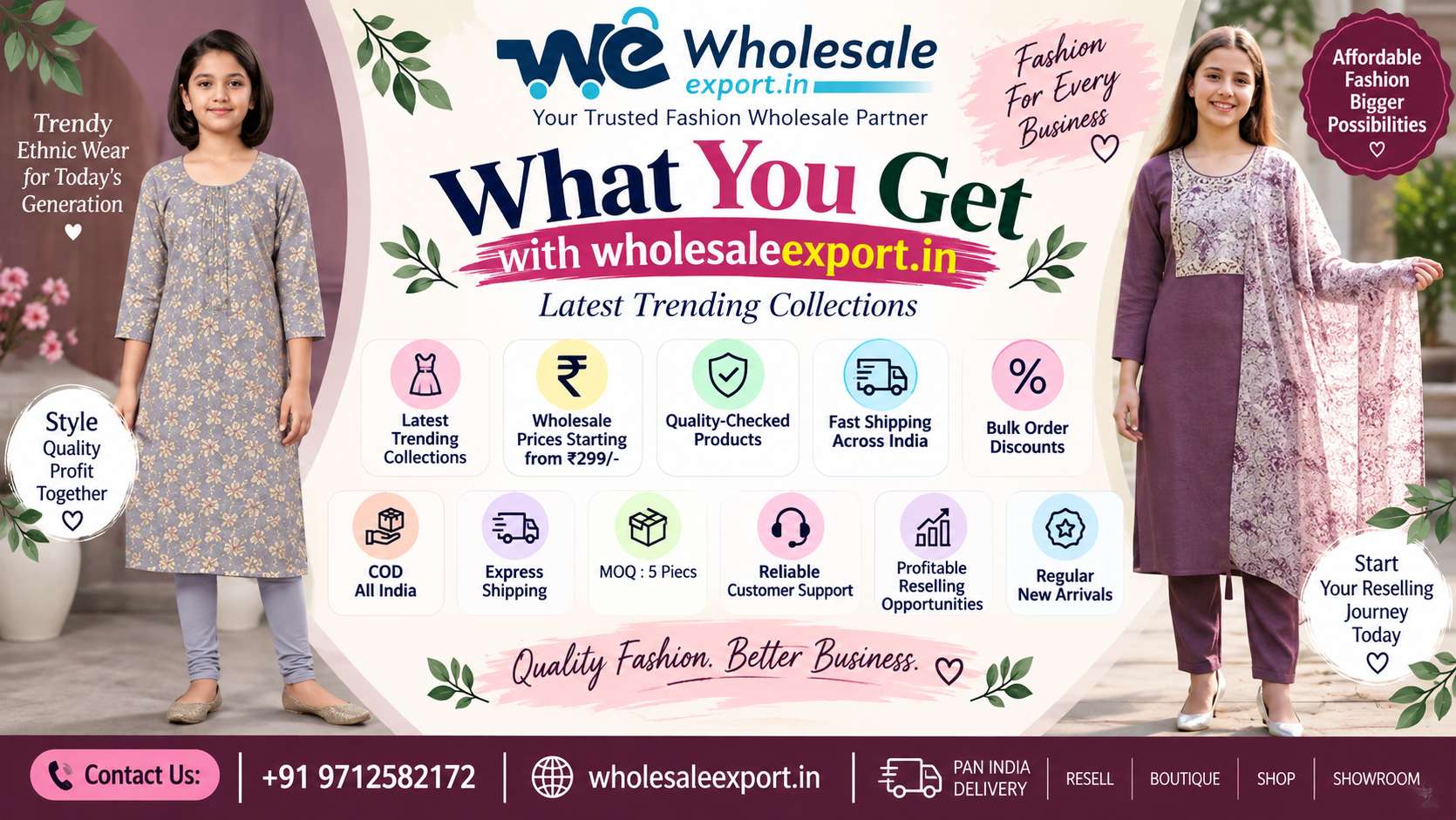
What Is the Minimum Order for Wholesale Clothing? MOQ Guide for Resellers in 2026
What Is the Minimum Order for Wholesale Clothing? MOQ Guide for Resellers in 2026
Buying clothing at wholesale rates does not always mean purchasing hundreds of pieces at one time. Today, home-based sellers, WhatsApp resellers, boutique owners, retailers and growing online stores can begin with comparatively smaller quantities and gradually increase their stock as sales improve. The right order quantity depends on the product category, supplier, design availability, size ratio, wholesale price and whether you are purchasing ready stock or placing a manufacturing order.
Introduction
One of the first questions buyers ask before sourcing garments is, “How many pieces do I actually need to buy?” This is especially important for new resellers who want wholesale pricing without investing too much money in untested inventory.
The answer is not one fixed number. A minimum order for wholesale clothing can vary significantly according to the supplier and product. Some suppliers sell only complete catalogues, some require a minimum purchase value, while others provide low MOQ wholesale clothing where buyers can start with only a few pieces.
For example, a reseller testing a new kids wear range may prefer five or six pieces, while an established showroom purchasing a proven saree design may comfortably order dozens of pieces. Export buyers can have another requirement because shipping charges and international logistics influence the economical order size.
Wholesaleexport.in is designed for buyers looking for access to multiple Indian clothing categories without having to depend on a single product segment. The platform can be useful for home-based sellers, boutique owners, shop owners, showroom operators and wholesale buyers searching for Indian wholesale clothing with practical stock options.
What Does MOQ Mean in Wholesale Clothing?
MOQ means Minimum Order Quantity. It is the smallest quantity or purchase level a wholesaler is willing to accept for an order. The MOQ helps suppliers maintain wholesale economics while allowing buyers to purchase products below normal retail pricing.
Suppose a supplier has an MOQ of five pieces. A reseller needs to purchase at least five qualifying pieces before the order can be processed under that wholesale arrangement. Another supplier may specify six pieces per design, twelve pieces per catalogue or a minimum total invoice value instead of a fixed piece quantity.
This distinction matters because the term “wholesale” covers several sourcing models. A wholesale clothing supplier dealing in ready stock may be able to offer a smaller MOQ than a manufacturer producing a completely customized design.
Piece-Based MOQ
A piece-based MOQ specifies the minimum number of garments required. For example, a supplier may allow an order beginning from five pieces. This approach is particularly attractive to resellers because they can calculate their initial stock investment easily.
Catalogue-Based MOQ
Many Indian ethnic wear brands sell collections in catalogue sets. If one catalogue contains six colours or designs, the buyer may need to purchase the complete six-piece set. Catalogue buying can provide a coordinated range and often gives retailers multiple options to display to customers.
Value-Based Minimum Order
Some wholesale sellers do not restrict the buyer to a specific number of garments. Instead, they set a minimum invoice amount. This can give buyers greater freedom to mix kurtis, sarees, dress materials, kids wear or other categories while reaching the required purchase value.
Manufacturing MOQ
Manufacturing orders normally work differently. Producing a garment requires fabric procurement, cutting, stitching, printing or embroidery, finishing, quality checking and packing. Therefore, the MOQ for customized clothing manufacturing can be substantially higher than the minimum quantity required for ready-stock wholesale purchasing.
What Is a Good Minimum Order for a New Reseller?
For a new seller, the best MOQ is generally the quantity that allows meaningful product testing without creating unnecessary dead stock. Buying the cheapest garment is not automatically the safest strategy. Stock rotation and sell-through matter just as much as the purchase price.
A small initial assortment can help a reseller understand which colours, sizes, fabrics and designs customers actually prefer. Once a design starts receiving repeat inquiries, the reseller can increase the quantity on the next purchase.
Low MOQ purchasing is particularly useful for home-based clothing resellers, Instagram sellers, WhatsApp sellers and small boutiques. Instead of putting most of the available capital into one catalogue, the buyer can spread the investment across several products.
For example, a buyer with a limited starting budget might achieve better variety by purchasing small quantities from multiple fast-moving categories rather than investing the complete amount in one premium design. This approach can also provide more photographs, styles and price points to promote through social media.
Why Low MOQ Wholesale Clothing Matters in 2026
The clothing resale market in 2026 is increasingly driven by digital selling. A reseller can show products through WhatsApp, Instagram, Facebook or an ecommerce store without maintaining the type of physical inventory traditionally required by a large retail shop.
That has made low MOQ wholesale clothing particularly valuable. Smaller buying quantities can help sellers refresh collections more frequently and respond faster when trends change.
A low MOQ can offer several practical advantages:
- Lower initial inventory investment
- More styles within the same purchasing budget
- Reduced risk of unsold stock
- Faster testing of new designs
- Better colour and size experimentation
- More frequent collection updates
- Greater flexibility for seasonal purchasing
- Easier entry for new home-based resellers
However, buyers should compare more than MOQ alone. Product quality, actual wholesale price, dispatch reliability, available sizes, repeat-stock possibilities and supplier support can have a greater long-term impact on profitability.
How Wholesale MOQ Changes by Clothing Category
Different garment categories naturally have different buying patterns. Understanding these differences can help buyers select an appropriate minimum order for wholesale clothing rather than applying one stocking rule to every product.
Sarees
Sarees can be relatively flexible because there is generally no standard garment size to manage. Buyers can build stock across printed sarees, fancy sarees, silk sarees, festive sarees, wedding sarees and daily-wear collections.
A reseller may initially test several designs in smaller quantities and increase stock when particular colours or fabrics perform well. Buyers sourcing from the Surat textile market often find a broad variety of saree segments across different wholesale price points.
Kurtis and Kurti Sets
Kurtis require more careful inventory planning because size ratios matter. If a design is available from M through XXL or larger sizes, the supplier may sell either individual sizes or a predefined size set.
For boutique owners, a balanced size assortment can sometimes be more valuable than simply buying a large quantity. The aim should be to keep enough variation for customers without accumulating excessive inventory in slow-moving sizes.
Dress Materials and Suits
Dress materials, salwar suits and Pakistani-style suit collections can work well for retailers who serve customers seeking both daily and occasion wear. Catalogue MOQ may vary depending on the brand, fabric and collection structure.
For premium designs, buyers should examine fabric, work, finishing and presentation rather than selecting inventory purely on the lowest price. Better merchandise can support a stronger retail margin when the target customer values quality.
Kids Wear
Kids wear involves age and size variation, making a smaller initial assortment useful for market testing. A retailer can evaluate whether customers prefer casual sets, party wear, ethnic wear, girls dresses or boys clothing before increasing quantities.
For buyers looking at kids wear wholesale, ready stock can also help reduce the waiting period between ordering and selling.
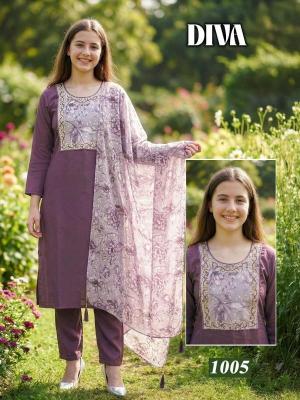
Ready Stock MOQ vs Manufacturing MOQ
This is one of the most important distinctions for wholesale buyers. Ready stock and manufacturing orders should not be evaluated using the same MOQ expectations.
Ready stock wholesale clothing has already been manufactured. The supplier therefore has greater flexibility to dispatch smaller orders, subject to the catalogue and stock conditions. This is generally suitable for retailers who want faster delivery and want to begin selling immediately.
Manufacturing orders may require a larger quantity because production has to be planned specifically for that order. Fabric, printing, embroidery, stitching and finishing all have setup costs. A customized colour, private label, special size chart or exclusive design can increase the required MOQ further.
For a reseller who is still testing demand, ready stock is generally a more flexible starting point. Once monthly sales become predictable, larger or customized manufacturing orders can become commercially attractive.
How MOQ Affects Your Wholesale Price
MOQ and price are connected, but not always in a simple way. Larger quantities can sometimes qualify for stronger bulk pricing because handling and processing costs are spread across more pieces. However, purchasing additional inventory only to obtain a slightly lower unit price can be counterproductive if those products remain unsold.
Consider a reseller choosing between a smaller mixed order and a much larger single-design order. The larger purchase may offer a better per-piece rate, but the smaller mixed order may generate faster turnover because customers receive more variety.
The important calculation is therefore not merely “What is the cheapest wholesale rate?” A retailer should consider:
- Purchase price per piece
- Expected selling price
- Shipping and packing expense
- Payment-related costs
- Return or replacement exposure
- Marketing expense
- Expected stock turnover
- Gross profit per sale
This is particularly important for new sellers. A ₹50 saving on the buying price has little value if the garment remains in stock for months. A slightly higher-cost product that sells quickly can produce better overall cash flow.
Wholesale Clothing Sourcing from Surat
Surat is one of India's major textile sourcing centres and offers an extensive ecosystem of manufacturers, wholesalers, traders and distributors. Buyers commonly associate areas around Ring Road, Sahara Darwaza and the wider Surat textile market with sarees, dress materials, kurtis and other ethnic wear categories.
For an outstation buyer, however, physically visiting different markets for every stock requirement is not always practical. Online wholesale sourcing can make catalogue comparison and repeat ordering easier.
Wholesaleexport.in gives buyers an online route for exploring wholesale ethnic wear and related clothing categories. Vastralife brings wholesale and export experience since 2017, along with industry knowledge built around sourcing and supplying Indian fashion products. The emphasis on premium product quality is particularly relevant for boutiques and resellers whose customer retention depends on receiving merchandise that matches expectations.
Buyers in India can use online sourcing to expand beyond what is locally available, while international buyers can explore Indian ethnic collections for markets where South Asian fashion has an established customer base.
MOQ for International Wholesale Buyers
For export orders, buyers should consider the economical shipping quantity in addition to the supplier's technical MOQ. An order may qualify at a small quantity, but international freight can represent a larger percentage of the landed cost when only a few pieces are shipped.
For example, boutique owners in the USA, Australia and Nepal may evaluate their order based on the final landed cost rather than only the garment price. Combining several designs or categories in a larger shipment can sometimes produce better freight economics.
International buyers should therefore calculate merchandise value, shipping, applicable import charges and local selling price before finalizing stock. This approach makes the export wholesale clothing order more commercially sustainable.
At the same time, buyers should avoid ordering excessive quantities simply to reduce freight per piece. The right balance is an order large enough to make logistics sensible but diversified enough to reduce inventory risk.
How Much Stock Should a Home-Based Seller Buy?
A home-based seller does not need to imitate the inventory model of a large showroom. Their advantage is flexibility. They can begin with selected fast-moving products, photograph or promote them, study customer responses and reinvest sales revenue into the next collection.
A practical starting stock can include a mix of affordable daily wear, a few higher-value products and some occasion-focused designs. The exact quantity should depend on available capital and customer base rather than an arbitrary industry number.
When evaluating a wholesale clothing minimum order, home-based sellers should prioritize assortment. Five well-selected pieces across relevant styles can sometimes generate better early results than twenty identical pieces.
Start With Products Your Customers Can Actually Buy
Product selection should reflect the spending capacity of the target audience. If most customers buy mid-range ethnic wear, filling inventory exclusively with premium occasion wear may slow cash rotation.
Reorder Winners Instead of Guessing
Track enquiries, saves, WhatsApp responses and completed sales. When a design performs strongly, reorder it while stock is available. This turns purchasing into a data-based process rather than a guessing exercise.
Keep Capital Available for New Arrivals
Fashion inventory changes quickly. Using the complete budget on one purchase leaves no capital for an attractive new collection that may arrive a few days later. Maintaining a purchasing reserve can therefore be valuable.
For shop owners and showroom buyers, the same principle applies at a larger scale. Instead of increasing quantity across every design, purchasing can be concentrated on proven categories while smaller quantities are used to test fresh styles. This creates a healthier balance between variety, stock depth and working capital.
Choosing the Right Wholesale Supplier for Low MOQ Orders
A low MOQ is useful only when it comes with dependable product quality, realistic pricing and reliable order handling. Buyers should therefore evaluate the complete sourcing experience rather than choosing a supplier simply because the minimum quantity is small.
A professional wholesale clothing supplier should make product details clear enough for buyers to understand what they are purchasing. Fabric, sizes, catalogue quantity, available colours, work details, wholesale price and stock status are particularly important when ordering remotely.
For resellers, another major factor is collection frequency. Customers who purchase through WhatsApp, Instagram or online stores regularly expect new designs. A supplier with frequent arrivals can help sellers keep their catalogue active without requiring an oversized investment in each individual design.
Wholesaleexport.in is positioned for buyers who want to source different Indian clothing categories from one wholesale platform. This is useful for sellers who prefer building a mixed inventory instead of restricting their business to a single garment category.
Check Product Quality Before Increasing Quantity
New buyers can begin with a manageable order and evaluate fabric feel, stitching, colour, finishing and overall presentation. If the collection performs well with customers, future purchases can be increased confidently.
This approach is particularly valuable for boutiques and premium resellers because customer expectations are usually higher. A lower buying price cannot compensate for poor finishing when customers expect quality merchandise.
Check Ready Stock Availability
Ready stock can shorten the gap between purchasing and selling. Buyers preparing for festivals, wedding seasons or promotional campaigns should confirm stock before planning their marketing.
Fast-moving products can sell out quickly, so retailers should avoid waiting too long after identifying a successful design. Repeat purchasing works best when the supplier maintains frequent inventory updates.
Compare Total Buying Cost, Not Only Product Rate
The actual cost of wholesale purchasing can include product price, GST where applicable, packing, transport and other logistics. International buyers also need to consider freight and destination-side expenses. Comparing the complete landed cost gives a more realistic picture of potential retail profit.
Buyers expanding their range can explore kids wear wholesale when they want to add children's clothing to their existing inventory. Sellers serving broader family-fashion demand can also consider mens wear as an additional category rather than relying entirely on one product segment.
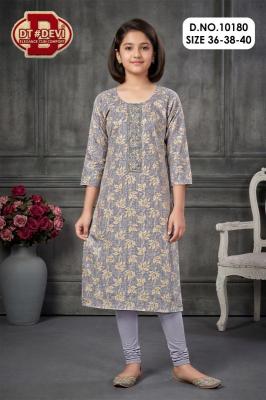
How to Build a Mixed Wholesale Order
One of the strongest ways to use a smaller MOQ is to create a carefully selected product mix. Instead of asking only how many garments are required, buyers can ask which combination gives them the greatest opportunity to sell.
A boutique might combine everyday kurtis with a few premium kurti sets and festive designs. A home-based reseller may mix affordable pieces with visually attractive products that perform well on WhatsApp and Instagram. A larger retailer can maintain deeper inventory in proven categories while testing new collections in smaller quantities.
The objective is to create enough choice for customers without locking too much money into inventory. This makes the minimum order for wholesale clothing part of a broader stock strategy rather than simply a supplier condition.
Budget Segment
Budget products can generate regular enquiries and help sellers attract price-conscious customers. Products available at accessible wholesale rates can be particularly effective for WhatsApp resellers and home-based sellers whose customers frequently compare prices.
Mid-Range Segment
Mid-range ethnic wear can provide a balance between design, quality and selling margin. This segment is suitable for boutiques, shops and online sellers looking for products that feel more distinctive without reaching premium occasion-wear pricing.
Premium Segment
Premium garments can improve average order value and give sellers products for festive, wedding and occasion demand. Buyers should select this segment carefully because quality of fabric, embroidery, finishing and presentation strongly influences customer willingness to pay a higher price.
Minimum Order Strategy for Boutique and Showroom Owners
Established boutiques and showrooms often need greater stock depth than home-based sellers, but they still benefit from disciplined MOQ planning. More floor space does not mean every design needs to be purchased in large quantities.
A practical strategy is to classify inventory into fast sellers, seasonal products and experimental collections. Fast sellers can receive deeper stock. Seasonal merchandise can be purchased according to upcoming demand, while new or experimental designs can initially be ordered closer to the supplier's minimum quantity.
For a showroom, this approach reduces the possibility of filling racks with slow-moving merchandise. It also leaves purchasing capital available for new arrivals throughout the season.
Retailers sourcing around Ring Road, Sahara Darwaza and other parts of the Surat textile market are familiar with the enormous variety available in the city. Online sourcing adds another layer of convenience because collections can be reviewed remotely and ordered without physically visiting the market for every requirement.
Minimum Order and Retail Profit Calculation
MOQ should always be connected to expected profit. Suppose a retailer purchases ten garments simply because the per-piece price is lower at that quantity. If only four pieces sell quickly and six remain unsold, the apparent wholesale saving may not produce the best business result.
Now compare that with a smaller diversified purchase in which most pieces sell within a short period. Even with a slightly higher buying price, the retailer may recover capital faster and reinvest it into fresh merchandise.
This is why experienced wholesale buyers often focus on inventory turnover rather than unit price alone.
A simple purchasing calculation can be:
Total Landed Cost = Product Cost + Packing + Shipping + Applicable Charges
Then calculate:
Expected Gross Profit = Expected Selling Revenue − Total Landed Cost
Retailers should also consider how quickly they expect the stock to sell. Fast inventory rotation can allow the same working capital to generate multiple selling cycles during a season.
Wholesale MOQ for Seasonal and Festival Buying
Festival and wedding demand can justify larger quantities, but timing is important. Buyers preparing for Navratri, Diwali, wedding season, Eid or other major selling periods should purchase early enough to receive stock and market it before peak customer demand.
Festive buying can include sarees, lehenga cholis, Anarkali suits, kurti sets, kids ethnic wear, dress materials and other occasion-focused products. Rather than purchasing maximum quantities across all designs, retailers can build a combination of high-confidence stock and smaller test collections.
Seasonal stock also requires stronger attention to delivery timelines. Merchandise arriving after the main selling period can quickly lose its expected value. Ready-stock wholesale collections can therefore be particularly useful when the selling window is short.
Wholesale Orders for India and Export Markets
Domestic and international wholesale orders require different stock calculations. Within India, buyers can often reorder faster when a successful design remains available. This gives smaller retailers greater flexibility to begin with controlled quantities.
For buyers in the USA and Australia, international freight and transit time can make slightly larger consolidated purchases more economical. An overseas boutique may combine multiple ethnic wear categories in one shipment to improve the overall landed cost.
International buyers should also consider local customer preferences. Indian fashion demand can vary significantly by region. A collection selling strongly in one market may not perform equally in another. Smaller initial testing followed by larger repeat orders can therefore reduce risk for export buyers as well.
Vastralife's wholesale and export experience since 2017 supports the understanding of different buyer requirements, from domestic resellers to international boutiques. Industry expertise, access to varied collections and attention to premium product quality are particularly important when products are being supplied to customers who cannot physically inspect them before ordering.
Common Mistakes When Selecting Wholesale Order Quantity
Buying Too Much Only for a Lower Price
Bulk discounts can look attractive, but additional inventory is not a saving if it remains unsold. Buyers should increase quantity when demand supports the decision, not merely because a larger order reduces the per-piece rate.
Buying Too Little of Proven Bestsellers
The opposite problem also occurs. Once a retailer has clear sales evidence that a product or category is performing strongly, continually purchasing only the minimum quantity can lead to missed sales and repeated shipping costs.
Ignoring Size Ratios
For kurtis, suits, dresses, kids wear and other sized garments, quantity alone does not define a good order. The correct size distribution is equally important. Retailers should use previous sales to identify their strongest sizes.
Using the Entire Budget in One Order
Keeping some capital available for new arrivals provides flexibility. Textile and fashion collections change regularly, and buyers who retain purchasing capacity can react when a strong new product enters the market.
Ignoring Product Quality
Wholesale purchasing should not become a race to find the lowest possible rate. Customer complaints, poor repeat business and discounting unsatisfactory stock can cost considerably more than the initial saving.
Internal Linking: Explore More Wholesale Clothing Categories
Wholesale buyers should build their inventory around the customer they serve rather than simply purchasing whatever is available at the lowest rate. A home-based seller may prioritize affordable, easy-to-sell pieces, while a premium boutique may need stronger fabrics, finishing and exclusive-looking designs.
Wholesaleexport.in can support a broader sourcing approach by giving buyers access to multiple clothing segments. This allows resellers to evaluate different collections, wholesale pricing and stock opportunities while building an assortment suitable for their individual market.
When planning a purchase, compare MOQ, catalogue quantity, product quality, sizes, available colours, dispatch readiness and expected resale value together. This produces a far stronger buying decision than evaluating any single factor independently.
Customer FAQs
1. What is the minimum order for wholesale clothing?
The minimum order depends on the supplier, product and catalogue. Some wholesale collections may be available with a small piece-based MOQ, while others require a complete catalogue, size set or minimum invoice value. Manufacturing and customized orders generally require higher quantities than ready-stock wholesale products.
2. Can I start a clothing resale business with a small order?
Yes. Home-based sellers, WhatsApp resellers, Instagram sellers and new boutiques can start with controlled quantities and expand according to actual sales. A smaller diversified order can help test customer demand while reducing the risk of dead inventory.
3. Is low MOQ available at wholesale prices?
Low MOQ wholesale purchasing is available for selected ready-stock products and collections, although pricing and minimum quantities vary by product. Buyers should confirm the current rate and applicable order conditions before purchasing.
4. Is the MOQ the same for every clothing category?
No. Sarees, kurtis, kurti sets, dress materials, lehenga cholis, kids wear and other categories can have different minimum quantities. Brand catalogue structure, sizes, manufacturing requirements and ready-stock availability influence the MOQ.
5. Can international buyers place wholesale orders?
International wholesale and export buyers can source Indian ethnic wear, subject to product availability, payment, shipping and destination requirements. Overseas retailers should calculate the complete landed cost before deciding their economical order quantity.
6. Is ready stock better for a new reseller?
Ready stock can be a practical option because it normally allows faster dispatch and avoids production waiting time. It can also help new sellers test collections before committing to larger manufacturing quantities.
7. Should I buy the minimum quantity or order in bulk?
New products can generally be tested with smaller quantities, while proven fast sellers may justify bulk purchasing. The decision should be based on sales history, available capital, expected margin and stock turnover rather than price alone.
8. Where can I source wholesale clothing online from Surat?
Buyers looking for Indian wholesale clothing can explore Wholesaleexport.in for multiple ethnic wear and fashion categories. Online sourcing can be particularly useful for buyers who cannot regularly visit Surat's textile markets personally.
Start Your Wholesale Clothing Order with Wholesaleexport.in
Whether you are starting from home, expanding a boutique, managing a retail shop, building a showroom collection or purchasing for resale, the best wholesale order is one that matches your customers, budget and expected sales speed.
With the right MOQ strategy, you can test more designs, control inventory risk and gradually increase quantities as your business develops. Buyers should focus on reliable sourcing, competitive wholesale pricing, current designs and consistent quality rather than purchasing unnecessary quantities merely to qualify for a lower rate.
Explore Latest Collections, competitive Wholesale Pricing, Trendy Ethnic Wear, Fast Shipping, applicable COD Support, Bulk Order Deals and Quality Products Starting From ₹299.
Wholesaleexport.in brings together wholesale sourcing opportunities for home-based sellers, resellers, boutique owners, shop owners, showroom buyers and wholesale purchasers looking to grow their clothing business in 2026.
Contact Us: +91 9712582172
Website: wholesaleexport.in
Start with the quantity that suits your business, test what your customers actually buy, and scale your next wholesale order with confidence.