


Wedding Season Wholesale Clothing Checklist 2026 – Complete Buying Guide for Retailers
Wedding Season Wholesale Clothing Checklist 2026 – Complete Buying Guide for Retailers
Wedding season can create one of the strongest sales periods for ethnic-wear retailers, but higher demand also makes inventory planning more important. Customers shop for multiple functions, different budgets and different levels of festive dressing, so retailers need a balanced assortment rather than depending on one bestselling category. From bridal and party-wear lehengas to sarees, embroidered suits and contemporary ethnic sets, a planned wholesale purchase can help businesses build variety while keeping inventory risk under control.
Introduction
A practical Wedding Season Wholesale Clothing Checklist begins with understanding how wedding shopping actually happens. A single family celebration may include engagement functions, haldi, mehendi, sangeet, wedding ceremonies and receptions. The bride may require several outfits, while relatives, friends and guests also shop for occasion-specific clothing.
This creates demand across several product categories and price levels. A customer attending one function may want an affordable festive kurti set, while another customer may be searching for a premium embroidered lehenga. Retailers who stock only expensive bridal clothing or only everyday ethnic wear can miss a large part of wedding-season demand.
For 2026 wedding season wholesale clothing, Shop Owners, Boutique Owners, Showroom Owners, Home-Based Sellers, Resellers and Wholesale Buyers can benefit from dividing their purchasing budget across proven categories, fresh designs and selected premium products.
Surat continues to be an important sourcing destination because the surat textile market connects fabric suppliers, processors, embroidery units, garment manufacturing, wholesalers and distributors. Major textile trading zones around Ring Road and Sahara Darwaza provide access to frequently changing women's ethnic-wear collections.
Wedding Season Wholesale Clothing Checklist: Start with Your Customer
Before selecting catalogs, define who is actually buying from your business. A boutique serving premium customers requires a different inventory mix from a Home-Based Seller serving value-conscious buyers through WhatsApp.
Check Your Previous Wedding Season Sales
Previous transactions are one of the most useful starting points for wholesale purchasing. Identify which categories generated actual sales rather than simply receiving customer inquiries.
Review your bestselling sizes, colours, average selling price and fastest-moving product types. If embroidered suits performed better than heavy lehengas in your store, that information should influence the next purchase.
Define Your Main Price Segments
Do not build an inventory in which every product competes within the same price range. Customers attending weddings have different budgets, and even the same customer may spend differently for separate functions.
Create practical entry-level, mid-range and premium segments. This helps your sales team offer alternatives when the customer's first selection does not match the intended budget.
Understand Local Style Preferences
Fashion trends can be national or international, but purchasing behaviour remains highly local. Colours and silhouettes that perform strongly in one city may move differently in another.
Use actual customer inquiries, previous orders and local wedding preferences when deciding how deeply to purchase each style.
Checklist Item 1: Wholesale Lehenga Choli Collection
Wholesale lehenga choli is an important category for wedding-season retailers because it can cover bridal functions, bridesmaids, family celebrations, receptions and festive events. However, not every lehenga needs bridal-level embroidery or pricing.
Stock Different Levels of Lehenga Work
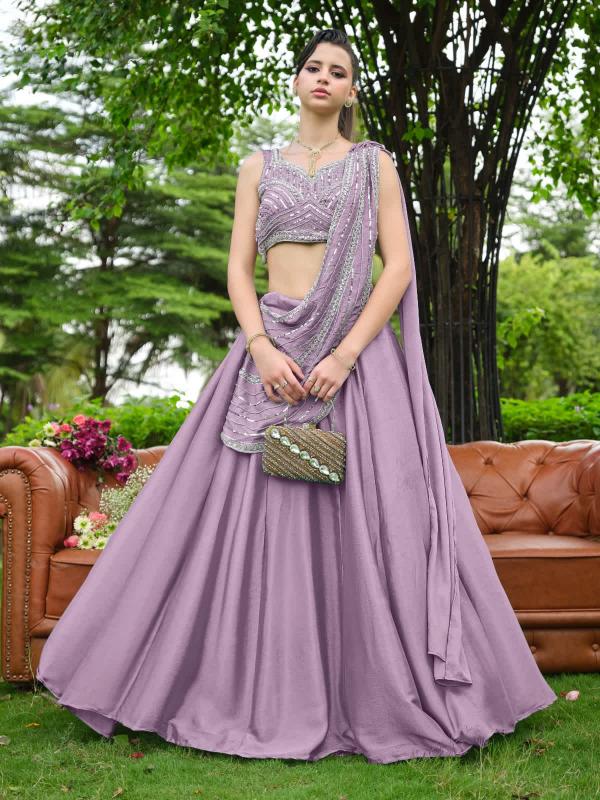
A balanced assortment can include lightweight festive lehengas, embroidered party-wear styles, premium wedding lehengas and selected bridal-looking designs. This provides options for customers attending different wedding functions.
Retailers should evaluate the complete outfit rather than judging only the skirt. Blouse design, dupatta, embroidery placement, finishing and colour coordination all influence perceived value.
Include Traditional and Contemporary Colours
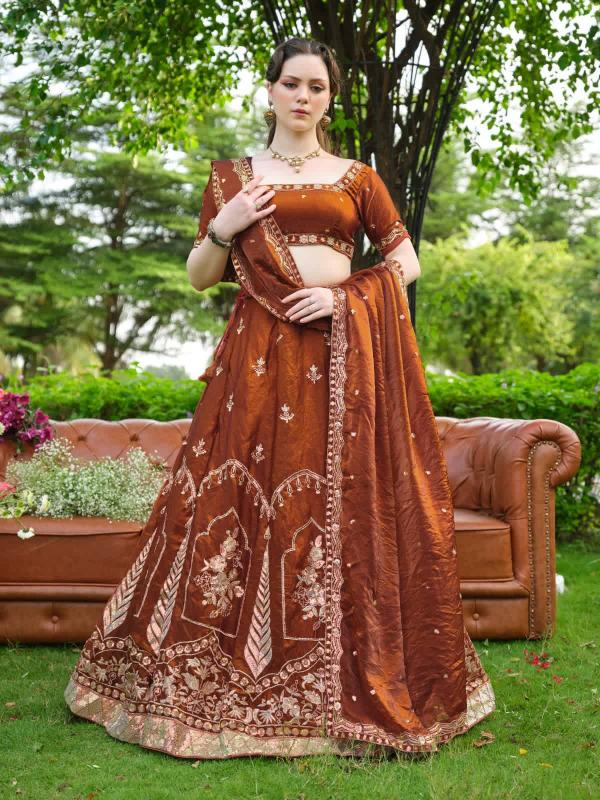
Red, maroon and deeper festive tones remain useful wedding options, but modern shoppers may also explore lavender, wine, peach, green, blue, orange, purple and pastel palettes.
A good wholesale collection combines proven shades with selected fashion-forward colours instead of investing too heavily in a single trend.
Check Blouse and Dupatta Details
Retail customers often evaluate a lehenga as a complete styling package. An attractive skirt paired with an ordinary blouse or weak dupatta can reduce the overall appeal.
Before confirming bulk quantities, check whether the blouse fabric, embroidery and dupatta support the expected retail price.
Checklist Item 2: Wedding Sarees Wholesale
Wedding sarees wholesale collections can serve brides, mothers, relatives and wedding guests. Sarees also provide retailers with an important category that can continue selling beyond a particular wedding season.
Maintain Occasion-Based Variety
Instead of treating sarees as one category, retailers can divide inventory into lighter festive sarees, traditional wedding styles, embroidered or designer sarees and premium occasion wear.
This makes it easier to recommend products according to the customer's function and budget.
Balance Trend and Repeat-Selling Potential
Fashion-led sarees can create attention, but timeless products can provide longer inventory life. A combination of both reduces dependence on short-term trends.
Retailers can also coordinate saree purchasing with lehenga and suit collections so that different members of a wedding party can shop within the same store.
Checklist Item 3: Designer Salwar Suits and Pakistani Suits
Wedding shopping is not limited to lehengas and sarees. Designer salwar suits wholesale collections can generate demand for engagement parties, family functions, pre-wedding celebrations and post-wedding gatherings.
Pakistani-Style Suits for Elegant Occasion Wear
Pakistani suits wholesale can provide an elegant alternative for customers who want sophisticated festive dressing without wearing a lehenga. Longer silhouettes, coordinated trousers, embroidered necklines and statement dupattas can make these sets suitable for multiple occasions.
Embroidered Three-Piece Suits
Complete three-piece suits can be particularly practical for retailers because customers receive a coordinated outfit. Depending on fabric and work, they can be positioned across mid-range and premium segments.
Keep Ready-to-Wear Options Available
Customers shopping close to a wedding date may prefer ready-made clothing rather than arranging stitching. Maintaining appropriate ready-made sizes can therefore create valuable last-minute sales opportunities.
Checklist Item 4: Kurti Sets for Smaller Wedding Functions
Kurti sets wholesale should not be overlooked when planning wedding inventory. Haldi gatherings, family lunches, mehendi events and smaller celebrations often create demand for stylish clothing that is festive but not excessively heavy.
Three-piece kurti sets, printed ethnic sets, embroidered kurtis, palazzo combinations and kurti-pant-dupatta sets can fill this requirement. They can also serve customers who want clothing that remains wearable after the wedding.
Include Comfortable Fabrics
Wedding events can last for several hours, particularly during warmer months. Cotton blends, rayon, muslin and other comfortable fabrics can complement heavier occasion-wear products.
Use Colour to Create Festive Appeal
Yellow, mustard, green, pink and orange can work well around haldi and mehendi-inspired retail presentations, while deeper jewel tones can create a stronger evening-wear appearance.
Retailers should still choose according to their customers rather than treating colour trends as fixed rules.
Checklist Item 5: Plan Stock for Every Wedding Function
One of the easiest ways to improve a Wedding Season Wholesale Clothing Checklist is to plan inventory according to occasions rather than product names alone. This helps retailers identify missing categories before the main buying period begins.
Engagement Collection
Engagement shoppers may look for elegant lehengas, designer sarees, premium suits and contemporary ethnic sets. Products should feel special while offering several price points.
Haldi Collection
Lightweight lehengas, yellow ethnic sets, printed kurtis and comfortable festive outfits can work well for this segment. Customers often prefer styles that photograph beautifully without being excessively heavy.
Mehendi and Sangeet Collection
These functions allow more experimentation with colours and silhouettes. Flowing lehengas, sharara sets, palazzo suits and statement ethnic combinations can provide attractive options.
Main Wedding Collection
The main ceremony generally justifies a stronger premium assortment. Retailers can showcase richer lehengas, traditional sarees, embroidered suits and selected high-value occasion wear.
Reception Collection
Reception clothing may include elegant sarees, sophisticated lehengas, contemporary suits and premium coordinated sets. Rich colours, refined embroidery and cleaner styling can work well depending on local customer preferences.
Checklist Item 6: Build the Right Price Mix
Wholesale purchasing becomes safer when retailers intentionally divide their budget across price segments. Carrying only expensive products can restrict the customer base, while focusing entirely on low-cost inventory can make it difficult to serve premium wedding shoppers.
Affordable Festive Inventory
Entry-level ethnic wear can attract wedding guests, younger shoppers and customers purchasing outfits for multiple functions. Affordable does not have to mean visually ordinary; attractive prints, coordinated sets and selective embroidery can create strong perceived value.
Mid-Range Wedding Clothing
For many retailers, the mid-range segment can provide an effective balance between design, quality and customer affordability. Embroidered suits, fashionable lehengas and occasion-ready sarees can form the core of this assortment.
Premium Wedding Inventory
Premium products can improve the overall presentation of a boutique or showroom and serve customers seeking statement outfits. Because the investment per piece is higher, quantities should be based on realistic demand.
Checklist Item 7: Check Fabric, Work and Finishing Before Buying
Product photographs are useful for initial selection, but wedding customers often pay close attention to finishing. Retailers should evaluate quality according to the product's intended price and customer expectations.
Fabric Quality
Check whether the fabric supports the garment's design and expected positioning. A premium-looking catalog image cannot compensate for fabric that feels unsuitable for the intended retail segment.
Embroidery and Decorative Work
Inspect embroidery placement, loose threads, sequins, borders and other decorative details where possible. The heavier the garment's visual work, the more important clean finishing becomes.
Stitching and Construction
Ready-made products should have reliable stitching around seams, sleeves, necklines and closures. Retailers should also understand the available size range before committing to quantities.
Dupatta and Bottom Quality
Customers evaluate the complete set. The kurta may look premium, but a weak bottom fabric or poorly coordinated dupatta can lower the perceived value of the entire product.
Checklist Item 8: Plan Sizes Before Placing Bulk Orders
Size planning is one of the most important aspects of wedding clothing wholesale. Unsold stock is not always caused by a poor design; sometimes the required customer sizes simply sell out first.
Review previous sales to identify your strongest size range. Businesses serving different customer profiles should adapt their mix rather than following a generic size ratio.
Maintain Core Sizes in Proven Sellers
When a style is already known to perform well, keeping appropriate depth in frequently requested sizes can reduce lost sales.
Include Plus-Size Options Where Demand Exists
Inclusive sizing can help retailers serve a wider customer base. If your customers regularly request extended sizes, treat them as part of planned inventory rather than an afterthought.
Avoid Equal Quantities Without Sales Data
Ordering identical quantities of every size may look simple, but it can produce an inefficient inventory mix. Previous transactions provide a better foundation for deciding size-wise quantities.
Checklist Item 9: Source Wedding Clothing from Surat
The surat textile market is connected to a large ecosystem of fabric trading, embroidery, processing, printing, garment production and wholesale distribution. For retailers building several wedding categories at once, this diversity can make Surat an important sourcing location.
Ring Road Textile Market Access
Ring Road is associated with a broad textile trading ecosystem where buyers can encounter different categories and price segments. Retailers sourcing wedding products can use the wider Surat network to compare styles rather than depending on one product category.
Sahara Darwaza Wholesale Sourcing
Sahara Darwaza and surrounding textile areas are also part of Surat's broader wholesale environment. Together with nearby markets, these zones contribute to the city's importance in women's ethnic-wear sourcing.
Manufacturing and Regular New Arrivals
Surat's manufacturing and textile-processing ecosystem supports frequent introduction of designs. For retailers, regular new arrivals can be valuable during wedding season because customers often expect fresh collections rather than seeing identical inventory for several months.
Checklist Item 10: Plan Online Wholesale Buying Carefully
Not every retailer can travel to Surat for each purchase. Online sourcing can make it easier for businesses in other cities and countries to explore collections remotely.
Wholesaleexport.in helps wholesale buyers explore changing ethnic-wear categories suitable for shops, boutiques, showrooms and reselling businesses. Buyers can shortlist products according to category, design and expected customer segment before confirming requirements.
Check Current Availability
Wedding-season collections can move quickly. Availability should therefore be confirmed when the buyer is ready to place an order rather than assuming that an older catalog remains fully available.
Calculate the Complete Buying Cost
Compare the wholesale price together with relevant shipping and other applicable costs. International buyers should pay particular attention to the landed cost before deciding their retail pricing.
Keep Reordering Flexibility
Instead of using the entire seasonal budget immediately, retailers can keep part of their working capital available for products that demonstrate genuine customer demand.
Wedding Season Export Opportunities for India, USA and Nepal
Wedding ethnic wear has demand both within India and among South Asian communities overseas. For this 2026 strategy, India, the USA and Nepal offer three different customer environments that wholesale buyers can evaluate according to their own market.
Wedding Wholesale Clothing for India
India provides extensive demand across lehengas, sarees, salwar suits, kurtis and other ethnic categories. Regional differences are important, so retailers should adapt inventory to local wedding customs, climate and customer spending patterns.
Indian Wedding Wear for USA Retailers
Retailers and boutiques serving South Asian communities in the USA can consider wedding and festive ethnic wear across multiple categories. International buyers should begin sourcing earlier so that export, merchandising and customer delivery can be completed comfortably before key wedding dates.
Wholesale Ethnic Wear for Nepal
Buyers serving Nepal can select Indian wedding styles according to their local customer base, preferred pricing and seasonal demand. Lehengas, sarees, suits and coordinated ethnic sets can be evaluated according to actual retail requirements rather than purchasing every category equally.
Vastralife Wholesale and Export Experience Since 2017
Wholesale purchasing becomes easier when buyers work with industry experience and understand how categories, seasonal demand and customer preferences change. Vastralife has wholesale and export experience since 2017, backed by textile industry expertise and a focus on premium product quality.
Through Wholesaleexport.in, retailers can explore changing collections for different budgets and customer segments. This can support Shop Owners, Boutique Owners, Showroom Owners, Home-Based Sellers, Resellers and Wholesale Buyers who want access to wedding and festive ethnic wear without depending entirely on physical market visits.
A reliable sourcing strategy is not simply about finding the lowest price. Product quality, design relevance, customer demand, inventory rotation and repeat-order potential should all influence the final buying decision.
Checklist Item 11: Keep Working Capital for Wedding Season Reorders
A common wholesale mistake is investing the complete wedding budget before customers have responded to the collection. Even experienced retailers cannot accurately predict every bestseller.
Use the First Order to Establish Variety
The opening purchase can cover the important categories and price levels needed to create a convincing wedding display. This gives customers choice while allowing the retailer to collect genuine sales data.
Identify Fast-Moving Products
Once sales begin, monitor which lehengas, suits, sarees, colours and sizes move most quickly. Customer inquiries are useful, but completed sales provide stronger evidence for replenishment.
Reinvest in Proven Demand
Reserve part of the budget for repeat purchasing. When a particular collection performs strongly, retailers can increase quantities while there is still enough wedding-season demand remaining.
This approach can make the Wedding Season Wholesale Clothing Checklist more practical because purchasing decisions evolve with actual customer behaviour instead of depending entirely on predictions.
Checklist Item 12: Create a Smart Wedding Inventory Mix
A profitable wedding collection should provide enough variety to attract different customers without spreading the buying budget across too many untested products. Retailers can divide inventory into proven sellers, trending designs and selected premium pieces. This approach gives the store a fresh appearance while keeping a meaningful portion of investment in categories that already have demonstrated demand.
Keep Proven Sellers as the Foundation
Previous sales should influence the largest portion of the buying plan. If your customers regularly purchase embroidered suits, wedding sarees or mid-range lehengas, these categories can form the foundation of the new collection. Fashion changes every season, but existing customer behaviour remains valuable buying data.
Add Fresh 2026 Designs in Controlled Quantities
New silhouettes, embroidery patterns, colour combinations and contemporary ethnic sets are necessary to keep a store relevant. However, every trend does not require deep inventory. Retailers can initially purchase smaller quantities and increase orders when actual sales justify additional investment.
Use Premium Pieces to Strengthen Presentation
Selected premium garments can create visual impact inside a boutique or showroom. Even when these pieces sell more slowly than mid-range products, they can communicate the positioning of the store and attract customers looking for wedding statement wear.
Checklist Item 13: Plan Inventory for Bride, Family and Wedding Guests
Wedding-season customers should not be treated as one audience. A bride, bridesmaid, mother of the bride, close relative and wedding guest can have completely different requirements. Retailers who organise products around these customer groups can create a more complete buying experience.
Bridal and Premium Occasion Buyers
Customers shopping for the bride or major wedding functions generally pay greater attention to fabric, embroidery, finishing and exclusivity. Premium lehenga choli, richly worked sarees and elaborate ethnic ensembles can be selected for this segment.
Retailers should avoid purchasing excessive quantities of identical premium pieces. Customers spending more on wedding clothing often appreciate exclusivity and may prefer distinctive designs.
Bridesmaids and Close Family Members
This segment can generate significant sales because several people may shop for the same wedding. Stylish lehengas, coordinated sets, embroidered suits, sarees and contemporary ethnic wear can provide different options without necessarily reaching bridal-level prices.
Wedding Guest Collection
Wedding guests generally need attractive clothing at practical prices. A retailer can serve them with lightweight lehengas, designer suits, fashionable sarees, kurti sets and other occasion-ready outfits that can also be worn after the wedding.
Checklist Item 14: Prepare Your Stock for Online Selling
Even retailers with physical stores increasingly use WhatsApp, Instagram and other digital channels to show new arrivals. Wholesale inventory should therefore be evaluated not only for how it looks on a rack but also for how effectively it can be presented through photographs and videos.
Select Visually Strong Products
Detailed necklines, attractive embroidery, statement dupattas and coordinated colour combinations can communicate their value clearly in digital catalogs. Customers viewing products on a phone should be able to understand why one garment belongs to a different price segment from another.
Keep Product Information Ready
Maintain accurate details about fabric, available sizes, colour options and components included with the garment. If a lehenga includes skirt fabric, blouse and dupatta, the customer should clearly understand the complete set before placing an order.
Update Availability Regularly
Fast-moving wedding collections can sell out quickly. Online sellers should avoid continuing to promote unavailable designs. Confirming availability before taking final customer orders can reduce cancellations and improve the buying experience.
Checklist Item 15: Prepare for Fast Wedding Season Replenishment
Wedding inventory planning should continue after the first order arrives. Once customers begin purchasing, retailers gain valuable information about which designs deserve additional stock.
Monitor Sell-Through Every Week
Track the number of pieces purchased against the number sold. A product that receives many inquiries but few completed purchases may not deserve the same reorder priority as a design producing consistent transactions.
Reorder Sizes That Are Actually Selling
A catalog may appear to be selling well overall while one or two sizes create most of the demand. Size-wise tracking allows retailers to improve the efficiency of repeat orders.
Do Not Reorder Too Late
Before confirming a repeat order, calculate how much selling time remains. Stock arriving after the peak wedding period can increase inventory holding unless the product has broader festive or occasion-wear potential.
Internal Linking for Wedding Wholesale Buyers
Retailers looking to strengthen their premium wedding assortment can explore the wholesale lehenga market Surat with price category for lehenga options suited to boutiques, stores, showrooms and reselling businesses.
Businesses building a broader ethnic-wear assortment can also explore wholesale sarees India to complement lehengas, suits and other wedding-season collections.
Checklist Item 16: Plan International Wedding Wear Orders Early
For international wholesale buyers, inventory timing requires additional attention. The buying cycle includes product selection, order processing, dispatch and international export transportation before products can be marketed locally.
USA Wedding Ethnic Wear Buyers
Boutiques and Resellers serving South Asian communities in the USA can plan inventory around wedding calendars and local customer requirements. Because stock travels internationally, purchasing earlier can provide additional time for merchandising and customer promotions.
Nepal Wholesale Buyers
Buyers serving Nepal can create a wedding collection using lehengas, sarees, suits and contemporary ethnic wear according to local preferences. Product selection should consider customer budgets and the expected retail price after all relevant costs.
India Retailers Can Use Faster Replenishment Cycles
Retailers within India may have greater flexibility to use phased buying and quicker repeat ordering, depending on stock availability and dispatch arrangements. This can reduce the need to predict the complete season's demand in the opening purchase.
Checklist Item 17: Merchandise the Wedding Collection Properly
How clothing is displayed can influence customer perception. Wedding products deserve organised presentation because customers often compare several outfits before making a final decision.
Create Function-Wise Displays
A boutique can organise selected products around Haldi, Mehendi, Sangeet, Wedding and Reception themes. This helps customers visualise where an outfit can be worn rather than forcing them to search through unrelated inventory.
Create Price-Wise Sections
Affordable, mid-range and premium displays can help sales staff quickly guide customers toward realistic options. It also reduces the possibility of customers repeatedly selecting products far outside their intended budget.
Display Complete Looks
Where possible, present lehengas, suits and sarees as complete styled outfits. Showing the blouse, dupatta and coordinated accessories can help customers understand the overall visual potential of the garment.
Checklist Item 18: Reduce Leftover Wedding Inventory
Strong seasonal revenue does not automatically mean strong profitability if a large amount of unsold inventory remains afterward. Retailers should therefore plan for stock rotation from the beginning.
Prefer Products with Multiple-Occasion Potential
A lehenga that can be worn at weddings, Navratri events and festive celebrations may have a longer selling life than an extremely occasion-specific design. Similarly, embroidered suits and premium sarees can continue selling for family functions after the main wedding period.
Identify Slow Sellers Early
Review stock before the season ends. If a product is not receiving enough customer interest, improve its presentation, feature it through social media or reposition it alongside complementary products while active wedding demand still exists.
Avoid Buying Based Only on Catalog Appearance
A beautiful photograph does not automatically make a product suitable for your customers. Buying decisions should consider price, sizes, local demand, fabric, styling and expected retail value together.
Checklist Item 19: Use Wholesale Data for Your Next Buying Cycle
Every wedding season should improve the next one. Retailers can record basic sales information to make future purchasing more accurate.
Record Category-Wise Performance
Compare lehengas, sarees, suits, kurti sets and other categories. Determine which generated the strongest revenue and which delivered the best inventory turnover.
Track Colour and Size Performance
Record the shades and sizes that sold most frequently. This information can become especially valuable when deciding quantities for future wholesale orders.
Review Price-Wise Sales
Identify the price range where most completed transactions occurred. If customers consistently purchase within a particular range, future inventory can allocate more budget there while still maintaining options above and below it.
Why Wholesaleexport.in Can Support Wedding Season Buying
Wholesaleexport.in provides access to changing women's ethnic-wear collections for businesses looking to source products for retail and reselling. Buyers can explore different styles instead of limiting their wedding inventory to a single category.
With Vastralife's wholesale and export experience since 2017, the focus remains on industry expertise, changing market demand and premium product quality. This experience is relevant for buyers who need to balance product selection with practical wholesale considerations.
Whether the requirement comes from a Home-Based Seller testing a smaller assortment or an established Showroom Owner building a wider seasonal collection, the objective should remain the same: purchase products that fit the customer base rather than simply accumulating inventory.
Complete Wedding Season Wholesale Clothing Checklist
Before confirming your next order, review this practical checklist:
- Identify your target customer and average retail budget.
- Review previous wedding-season sales.
- Plan lehenga choli inventory across different price levels.
- Add wedding and festive sarees.
- Include designer salwar suits and Pakistani-style suits.
- Stock lighter kurti sets for smaller functions.
- Create separate options for Haldi, Mehendi, Sangeet, Wedding and Reception.
- Check fabric, embroidery, stitching and overall finishing.
- Plan sizes using previous customer demand.
- Balance classic colours with selected 2026 trends.
- Keep affordable, mid-range and premium price segments.
- Confirm current product availability before ordering.
- Calculate shipping and relevant costs before setting retail prices.
- Keep working capital available for reorders.
- Track fast-moving designs and sizes during the season.
- Prepare product information for online selling.
- Plan international export orders early.
- Use multi-occasion products to reduce leftover stock.
- Record sales data for the next buying cycle.
Following this Wedding Season Wholesale Clothing Checklist can help retailers make more disciplined buying decisions while maintaining the variety customers expect during an important ethnic-wear sales period.
Customer FAQs
1. What clothing should retailers stock for wedding season?
Retailers can build a balanced assortment using lehenga choli, wedding sarees, embroidered salwar suits, Pakistani-style suits, kurti sets, palazzo sets and selected premium ethnic wear. The exact mix should depend on local customer demand and price preferences.
2. Where can I buy wedding clothing wholesale from Surat?
Surat has an extensive textile and garment wholesale ecosystem around areas such as Ring Road and Sahara Darwaza. Buyers who prefer online sourcing can explore changing ethnic-wear collections through Wholesaleexport.in.
3. How early should retailers buy wedding-season inventory?
Purchase early enough to receive products, create displays, promote the collection and replenish fast sellers. International buyers should maintain additional time for export and transportation.
4. Which lehenga colours should retailers consider for 2026?
Retailers can combine traditional red, maroon and jewel tones with selected contemporary colours such as orange, purple, green, wine, blue and pastels. Actual local sales should determine how deeply each colour is stocked.
5. Should a small reseller buy complete catalogs in bulk?
The appropriate quantity depends on supplier requirements, available capital and customer demand. Smaller sellers can focus on controlled purchasing and increase quantities when products generate actual orders.
6. How can retailers avoid leftover wedding stock?
Buy in stages, avoid excessive quantities of untested designs and choose products that can continue selling during festivals, parties and other family occasions after the main wedding period.
7. Can wedding ethnic wear be supplied for international markets?
International buyers can plan wholesale and export requirements according to destination, quantity, available collection and shipping arrangements. The complete landed cost should be calculated before final retail pricing.
8. Which category is suitable for customers who do not want heavy lehengas?
Embroidered salwar suits, Pakistani suits, premium kurti sets, palazzo combinations and elegant sarees can provide wedding-ready alternatives to heavily worked lehengas.
9. Why is Surat important for wedding clothing wholesale?
The surat textile market connects fabric, embroidery, processing, printing, garment manufacturing and wholesale trading, allowing buyers to explore multiple women's ethnic-wear categories through one major textile ecosystem.
10. What is the best way to plan a wholesale wedding collection?
Start with previous sales data, divide the budget across customer segments and price ranges, purchase proven categories first, test new trends in controlled quantities and keep funds available for replenishing genuine bestsellers.
Stock Your Wedding Season Collection with Wholesaleexport.in
Wedding season rewards retailers who combine attractive fashion with disciplined inventory planning. Whether you operate a boutique, showroom, retail shop, home-based business or online reselling operation, the goal is to offer enough variety for different wedding functions while keeping purchasing aligned with actual customer demand.
Explore Wholesaleexport.in for changing ethnic-wear collections backed by Vastralife's wholesale and export experience since 2017 and textile industry expertise.
- Latest Collections for wedding and festive demand
- Wholesale Pricing for retailers and resellers
- Trendy Ethnic Wear across multiple categories
- Fast Shipping for efficient order movement
- COD Support on eligible India orders
- Bulk Order Deals for wholesale requirements
- Quality Products Starting From ₹299 across eligible collections
Contact Number: +91 9712582172
Website: wholesaleexport.in
Plan your wedding clothing wholesale purchase early, build the right combination of lehengas, sarees, suits and contemporary ethnic wear, and let real customer demand guide your repeat orders. A structured buying strategy can help turn the 2026 wedding season into a stronger opportunity for inventory rotation, customer choice and sustainable retail growth.