


Wedding Saree Wholesale Supplier in 2026 – Latest Bridal Sarees from Surat
Wedding Saree Wholesale Supplier in 2026 – Latest Bridal Sarees from Surat
Wedding fashion creates some of the strongest selling opportunities in the Indian ethnic wear business. Brides, families and wedding guests look for sarees that feel special, photograph beautifully and match different ceremonies, budgets and regional preferences. For retailers, this makes bridal and occasion sarees an important category where thoughtful wholesale sourcing can create attractive margins and repeat seasonal business.
Introduction
Choosing the right wedding saree wholesale supplier can directly influence the variety, quality and profitability of a retailer's wedding collection. A good sourcing strategy should provide more than attractive designs. Boutique Owners, Shop Owners, Showroom Owners, Home-Based Sellers, Resellers and Wholesale Buyers also need practical wholesale pricing, reliable product quality and enough variety to serve customers across different wedding occasions.
In 2026, wedding saree buying is becoming increasingly diverse. Some customers continue to prefer traditional rich sarees, while others are looking for lightweight designer styles, ready-to-wear options, elegant party wear and contemporary colours. Retailers who maintain a balanced assortment can serve bridal shoppers without depending entirely on one design direction.
Surat remains a major sourcing centre for Indian ethnic wear because its textile ecosystem connects fabric processing, designing, trading, manufacturing and wholesale distribution. Buyers sourcing around the surat textile market, Ring Road and Sahara Darwaza can find products across multiple price segments and fashion categories.
For buyers who prefer digital sourcing, Wholesaleexport.in provides an online route to explore wholesale ethnic wear collections for retail, reselling and larger business requirements.
Why Wedding Sarees Remain a Powerful Wholesale Category
Wedding purchases are different from everyday fashion purchases. Customers are often shopping for specific ceremonies, family functions and photographs that will remain memorable for years. As a result, design, colour, fabric and overall presentation can carry greater importance than they do in routine daily-wear purchases.
One Wedding Creates Multiple Saree Requirements
A wedding is rarely a single-event purchase. Engagements, family functions, traditional ceremonies, receptions and related celebrations can create demand for multiple outfits. Beyond the bride, sarees may also be purchased by mothers, sisters, relatives and wedding guests.
This gives retailers opportunities to build a broader wedding sarees wholesale assortment instead of focusing only on extremely heavy bridal products. Mid-range festive sarees and elegant party wear can serve a much wider customer group.
Wedding Sarees Support Multiple Retail Price Segments
Customers do not enter the wedding market with identical budgets. Some may want an affordable yet attractive saree for a family function, while others may be willing to invest substantially more in a bridal or premium designer piece.
Wholesale buyers can therefore build collections across entry, mid and premium levels. The wholesale price should be evaluated alongside fabric, work, presentation and realistic resale value rather than considered independently.
Seasonal Demand Can Create Larger Buying Opportunities
Wedding seasons can generate concentrated demand for ethnic wear. Retailers who prepare their inventory before the peak shopping period have more time to promote new arrivals, contact existing customers and arrange collections according to different budgets.
For Wholesale Buyers supplying other retailers, advance purchasing can also help create a stronger catalogue before downstream customers begin their seasonal sourcing.
Wedding Saree Trends Wholesale Buyers Can Consider in 2026
There is no single wedding saree style that suits every customer. The most commercially useful inventory combines traditional appeal with contemporary options so buyers can respond to different age groups, ceremonies and styling preferences.
Traditional Bridal Sarees
Bridal sarees wholesale collections can include richer fabrics, detailed borders, traditional motifs and colours associated with wedding dressing. Red, maroon, wine and other deep tones continue to have relevance, while regional preferences can influence which colours and fabrics receive the strongest response.
Retailers should select traditional products according to their actual customer base. A saree that performs strongly in one region or community may have a different sales pattern elsewhere.
Designer Wedding Sarees
Designer sarees wholesale collections can appeal to customers who want wedding fashion with a more contemporary appearance. Modern colour combinations, decorative borders, embroidery, sequins and distinctive draping concepts can create strong boutique appeal.
These products can be particularly useful for Boutique Owners who want their wedding section to look curated rather than dominated by standard catalogue merchandise.
Party Wear Sarees for Wedding Guests
Wedding guests often want products that look festive without feeling as heavy as bridal wear. This creates a large potential segment for party wear sarees wholesale sourcing.
Elegant embroidery, tasteful shimmer, fashionable colours and manageable fabrics can make these sarees suitable for receptions, engagement functions and evening celebrations. Shop Owners can maintain multiple price levels to serve both regular and premium customers.
Ready-to-Wear Sarees for Convenience-Focused Buyers
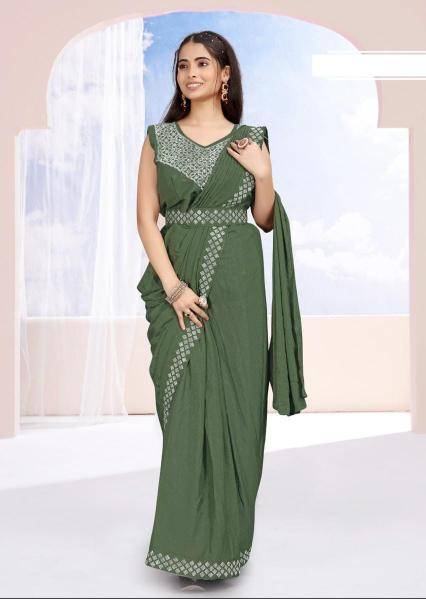
Ready-to-wear and pre-stitched concepts can appeal to customers who appreciate the saree look but want a simpler dressing experience. These products can also attract younger buyers who may not regularly wear traditional sarees.
For Resellers, this category provides an additional fashion angle that can be promoted alongside conventional wedding sarees rather than replacing them.
How to Choose a Wedding Saree Wholesale Supplier
A reliable wedding saree wholesale supplier should support the retailer's ability to maintain attractive merchandise across changing seasons. Buyers should therefore evaluate more than catalogue photographs before establishing a long-term sourcing relationship.
Check Product Variety
A strong wedding collection should provide enough variety to serve different customers. Traditional sarees, designer styles, lighter party wear and contemporary options can help retailers create a more complete wedding section.
Variety is especially important for Showroom Owners because customers often want to compare multiple looks before making a final purchase.
Compare Quality with Wholesale Price
The lowest rate does not automatically produce the best retail margin. A product that looks weak in person or does not meet customer expectations can become difficult to sell even if the initial buying cost was low.
Professional buyers should compare fabric quality, work, finishing and visual appeal with the wholesale price. The objective is to purchase products customers will perceive as good value at the intended retail rate.
Look for Regular New Collections
Wedding fashion evolves through colours, fabrics, borders and styling details. A supplier offering regular fresh collections can help retailers prevent their inventory from looking repetitive.
Fresh merchandise is particularly valuable for online Resellers because every new catalogue provides new content for WhatsApp, Instagram and other digital selling channels.
Evaluate Bulk and Export Requirements
Wholesale Buyers purchasing larger quantities or sourcing for overseas markets should confirm applicable order conditions and logistics before placing significant orders. International buying requires attention to the complete landed cost rather than the product rate alone.
Why Surat Is a Leading Market for Wedding Saree Wholesale Buying
Surat's importance in India's textile industry comes from the scale and diversity of its textile ecosystem. The city connects fabric businesses, processors, manufacturers, wholesalers and traders dealing in sarees and numerous other ethnic wear categories.
Surat Textile Market for Wholesale Buyers
The broader surat textile market provides professional buyers with access to numerous product segments. Depending on their customer base, retailers can source affordable sarees, wedding collections, festive styles and premium designer products.
This diversity helps buyers compare products across several price points rather than building an entire wedding collection from one narrow category.
Ring Road and Textile Wholesale Activity
Ring Road is closely associated with Surat's textile trading environment. Retailers visiting Surat often explore this commercial belt while sourcing sarees, dress materials, kurtis and related ethnic fashion.
For buyers travelling from outside Gujarat, planning requirements before visiting the market can make purchasing more focused. Knowing the intended category, approximate budget and customer profile can reduce random buying.
Sahara Darwaza and Surat's Textile Ecosystem
Sahara Darwaza is another familiar reference within Surat's wider textile commercial area. The surrounding ecosystem helps connect retailers and wholesale businesses with multiple sourcing opportunities.
Physical market access is valuable, but digital sourcing is also becoming an important option for businesses that cannot repeatedly travel to Surat. Wholesaleexport.in helps buyers explore wholesale-oriented ethnic wear collections online while planning their inventory remotely.
Wedding Saree Wholesale Strategy for Boutique Owners
Boutiques generally benefit from selection rather than simply carrying maximum quantity. A curated wedding assortment can give customers clear differences between everyday products and merchandise intended for important occasions.
Create a Signature Bridal Section
A boutique can maintain a selected bridal section featuring richer colours, premium fabrics and stronger detailing. These products can become visual highlights within the store even when they represent a smaller portion of total inventory.
Presentation matters in this segment. Customers shopping for weddings often want the purchase to feel special, making thoughtful merchandising an important complement to product quality.
Add Wedding Guest Sarees at Accessible Prices
Not every customer entering during wedding season is the bride. Building an assortment for relatives and guests can significantly widen the potential audience.
Lightweight festive and party wear products can give boutiques a broader price ladder while still maintaining an occasion-focused appearance.
Wedding Saree Wholesale Strategy for Home-Based Sellers
Home-Based Sellers can participate in wedding fashion without carrying showroom-level inventory. Digital catalogue selling and carefully selected stock can help control the amount of capital committed to the business.
Start with a Balanced Collection
Instead of investing the complete budget in very expensive bridal pieces, new sellers can combine affordable festive sarees, mid-range wedding products and selected premium designs.
This creates more opportunities to test which price levels receive the strongest response from the seller's customer network.
Use Wedding Season for Catalogue Marketing
Customers often begin planning wedding purchases before the actual event. Sellers can use new-arrival updates, curated wedding selections and occasion-based recommendations to begin marketing earlier rather than waiting for peak season.
A seller who consistently shares relevant collections can become a familiar contact when customers are finally ready to purchase.
Wholesale Saree Buying for Shops and Showrooms
Retail shops and showrooms typically need greater depth than smaller sellers because walk-in customers expect immediate choice. Inventory planning should therefore balance variety with stock rotation.
Build Separate Price Segments
Creating clear affordable, mid-range and premium sections can help sales teams understand which products to show customers first. This reduces unnecessary product presentation and makes the shopping process more focused.
Combine Traditional and Contemporary Designs
Wedding customers can range from those seeking conventional bridal styling to younger shoppers looking for modern sarees. Maintaining both directions can help a showroom serve families with different fashion preferences under one roof.
Track Actual Sales Before Reordering
Retailers should record which colours, designs and price ranges generate completed transactions. Actual sales provide stronger purchasing signals than social media engagement alone and can guide the next bulk order.
Wedding Saree Export Opportunities for International Retailers
Indian wedding fashion has customers beyond India. Ethnic wear businesses serving communities in USA, Australia and Nepal can source wedding sarees according to their local audience, seasonal demand and retail positioning.
Wedding Sarees for USA Boutiques
Indian and South Asian weddings in the USA can create demand for bridal sarees, party wear and festive ethnic fashion. Boutiques can maintain a carefully selected combination rather than relying entirely on very heavy wedding products.
Indian Wedding Fashion for Australia
Retailers serving South Asian customers in Australia can select products according to local preferences and event calendars. Versatile festive sarees can provide broader selling opportunities, while premium bridal merchandise can be purchased selectively.
Wholesale Sarees for Nepal
Nepal's familiarity with Indian fashion creates opportunities for businesses sourcing sarees across multiple ranges. Buyers should select products according to their own customers and evaluate applicable purchasing and logistics requirements.
For any international export order, buyers should calculate product cost, quantity, shipping and expected retail value before committing to larger inventory.
Vastralife Wholesale and Export Experience Since 2017
Experience can be valuable when retailers need ongoing sourcing rather than a single seasonal purchase. Vastralife has worked in textile wholesale and export since 2017, bringing industry expertise to ethnic wear sourcing for professional buyers.
The requirements of a Home-Based Seller can differ substantially from those of a showroom or international Wholesale Buyer. Understanding these different business models helps support more practical product selection across price ranges and categories.
Premium product quality remains an important consideration because the retailer's reputation ultimately depends on what reaches the customer. A commercially successful wedding collection should therefore balance appearance, quality and buying cost rather than competing only on price.
Planning Wedding Saree Inventory for 2026
The best time to plan wedding stock is before demand reaches its peak. Retailers who source early have more time to organise collections, create promotional content and reconnect with previous customers.
Keep Evergreen Wedding Colours
Traditional reds, maroons and rich festive tones can provide a dependable foundation where they match local customer preferences. Retailers can then introduce trending colours alongside these established choices.
Add Contemporary Colours Selectively
Pastels, muted tones and unconventional wedding colours can appeal to younger and fashion-conscious customers. These products can help modernise the overall collection without requiring the retailer to abandon traditional designs.
Maintain Different Levels of Embellishment
Not every wedding customer wants heavy work. A balanced assortment can include elegant minimal styles, moderately embellished sarees and richer statement products, giving customers options for different ceremonies and budgets.
For businesses looking for a dependable wedding saree wholesale supplier, this combination of variety, quality and commercially realistic pricing can make the collection more useful across the complete wedding season.
Ready-to-Wear Sarees for Modern Wedding Customers
One of the interesting opportunities within the 2026 wedding market is the growing space for convenient saree formats. Traditional draping remains central to Indian fashion, but some customers want the elegance of a saree with a simpler dressing experience. This makes ready-to-wear and pre-stitched options useful additions for retailers looking to broaden their wedding assortment.
Why Ready-to-Wear Sarees Can Attract Younger Buyers
Younger customers may love the appearance of a saree but feel less confident about creating and maintaining a traditional drape. Ready-to-wear designs can reduce this concern while retaining an ethnic and occasion-ready look.
These products can be particularly suitable for engagement parties, receptions, family celebrations, destination weddings and other occasions where customers want both style and convenience.
Add Ready-to-Wear Styles Without Replacing Traditional Sarees
For retailers, ready-to-wear sarees should complement rather than replace conventional collections. Traditional sarees continue to have deep cultural relevance, while convenient draping formats provide another choice for modern customers.
Maintaining both categories allows a wedding saree wholesale supplier or retailer to address different dressing preferences within the same wedding market.
How to Calculate Wedding Saree Wholesale Price and Retail Margin
Successful wholesale purchasing requires more than identifying an attractive catalogue. Before placing an order, retailers should understand the complete cost of the product and determine whether the expected selling price provides a commercially practical margin.
Compare Product Value, Not Only Buying Rate
Two sarees may have different wholesale rates because of fabric, embroidery, finishing, border work, design complexity or overall presentation. Comparing them only according to the lowest price can therefore lead to poor purchasing decisions.
Retailers should consider what the customer will see and experience. A product with better presentation and stronger perceived value may support a healthier retail margin even when its wholesale cost is moderately higher.
Understand Your Customer's Spending Range
A Boutique Owner serving premium wedding customers will require a different assortment from a Home-Based Seller targeting affordable festive fashion. Before purchasing, buyers should identify the price bands that generate the majority of their actual sales.
Once those ranges are understood, the retailer can allocate more inventory budget to proven segments while testing new premium or trend-led products in controlled quantities.
Consider Inventory Rotation in Profit Calculations
Margin percentage alone does not determine profitability. A saree purchased at an excellent rate but remaining unsold for months can restrict working capital. A product with a slightly smaller margin that sells repeatedly may contribute more effectively to overall business performance.
This is particularly important for wedding merchandise because fashion preferences and seasonal demand can change. Buyers should balance expected margin with realistic stock movement.
Wedding Sarees and Complementary Festive Categories
A customer shopping for a wedding may require more than one type of ethnic outfit. This gives retailers opportunities to combine sarees with complementary festive categories while maintaining a clear wedding-focused inventory strategy.
Ready-to-Wear Sarees for Quick Occasion Styling
Retailers interested in convenient draping formats can explore ready-to-wear saree collections alongside conventional bridal and party wear designs. These products can provide an alternative for customers seeking a saree-inspired look with easier wearing.
The category can also be useful for online sellers because its convenience provides a clear selling point that can be communicated through product descriptions and social media promotions.
Lehengas for Broader Wedding Inventory
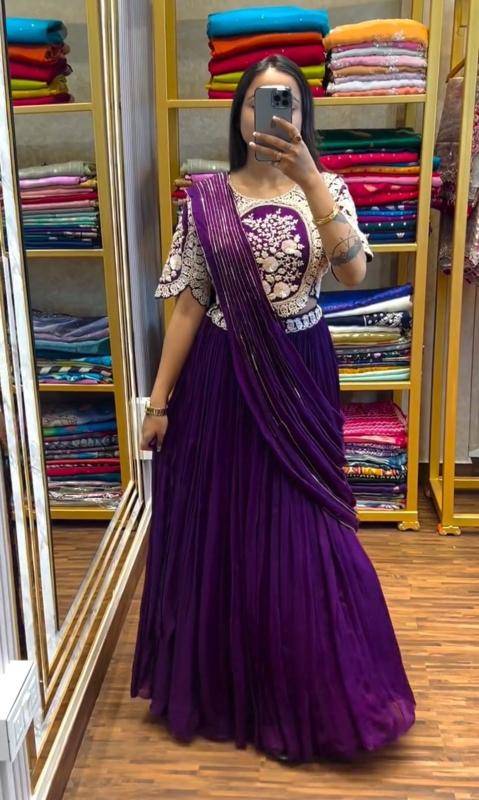
Boutiques and showrooms receiving demand for multiple wedding categories can also explore the wholesale lehenga market Surat with price options to complement their saree assortment. Adding carefully selected lehengas can help retailers serve customers shopping for different ceremonies within the same wedding.
The expansion should remain commercially focused. Retailers should add complementary categories according to genuine customer enquiries instead of investing heavily in unrelated merchandise.
How Online Resellers Can Sell Wedding Sarees in 2026
Online reselling has opened the wedding fashion market to businesses that do not operate large physical stores. Home-Based Sellers and digital Resellers can use catalogue-based selling to reach customers through WhatsApp, Instagram, Facebook and other online channels.
Organise Collections by Occasion
Instead of presenting hundreds of sarees without context, sellers can organise merchandise according to customer needs. Separate selections for bridal wear, engagement functions, receptions, wedding guests and lighter festive occasions can make browsing easier.
Customers often respond better when they can quickly identify products relevant to the event they are attending.
Present Different Budget Options
A customer asking for wedding sarees may have a very specific spending range. Digital sellers can create selections for affordable, mid-range and premium buyers so that product recommendations remain relevant.
This approach also helps prevent unnecessary price enquiries and allows Resellers to concentrate on products that genuinely match the customer's purchasing intention.
Share Fresh Wedding Collections Regularly
New arrivals can be promoted gradually rather than sending the complete inventory in one large message. Regular catalogue updates keep the business visible and provide repeat customers with a reason to check what has recently arrived.
Wholesaleexport.in can be used by professional buyers exploring wholesale ethnic wear collections for their reselling, boutique or retail requirements.
How Boutique Owners Can Build a Premium Wedding Saree Section
A premium wedding section should feel carefully selected. Boutique customers may be willing to pay more when they can see a meaningful difference in fabric, design, detailing and overall presentation.
Choose Statement Pieces Selectively
Not every saree in a boutique needs heavy work. A stronger assortment can combine elegant products with a smaller number of statement pieces that immediately attract attention.
These premium designs can become the visual highlights of the wedding section while mid-range sarees provide more accessible buying options.
Focus on Colour Variety
Traditional wedding colours remain important, but contemporary customers may also request pastels, earthy tones, jewel colours and sophisticated neutrals. A curated colour mix helps the boutique appeal to customers with different styling preferences.
Maintain Premium Product Quality
Premium positioning needs to be supported by the product itself. Customers paying a higher retail price are likely to evaluate fabric feel, finishing, decorative work and overall appearance carefully.
For this reason, Boutique Owners should consider product quality as part of their brand reputation rather than simply another wholesale specification.
Wholesale Buying Strategy for Wedding Season
Wedding inventory should be planned according to demand rather than purchased randomly. Retailers can use previous sales records, customer enquiries and regional wedding calendars to determine which categories deserve greater investment.
Buy Core Products Before Peak Demand
Reliable wedding colours and proven price ranges can be sourced ahead of the main selling period. This gives retailers time to organise displays, photograph products and begin customer promotions.
Add New Trends in Controlled Quantities
Fresh trends are useful for keeping the collection current, but retailers should avoid putting too much capital into an untested design. Smaller initial quantities can reveal customer response before larger repeat orders are considered.
Reorder According to Actual Sales
Completed transactions provide the strongest indication of demand. If particular colours, designs or price segments repeatedly sell, those patterns can guide subsequent purchasing.
This approach helps Wholesale Buyers build a more responsive inventory instead of depending entirely on assumptions about what customers may want.
Wedding Saree Export for USA, Australia and Nepal
The appeal of Indian wedding fashion extends beyond the domestic market. Retailers and ethnic wear businesses in the USA, Australia and Nepal can source sarees from India according to their customer communities and local demand.
USA Wedding Saree Market
Indian and South Asian weddings in the USA can involve multiple celebrations, creating demand for bridal sarees, festive wear and outfits for family members. Retailers can maintain both premium statement pieces and more versatile occasion sarees.
Wedding Sarees for Australia
Australian ethnic wear businesses can select Indian sarees according to local seasons, wedding calendars and customer preferences. Lightweight party wear can complement premium bridal merchandise and help create a broader retail assortment.
Wholesale Wedding Sarees for Nepal
Nepal offers another market for Indian ethnic fashion. Retailers can select products according to local preferences, customer budgets and their individual store positioning.
For international export buying, businesses should confirm applicable order conditions and calculate the complete cost of sourcing before determining resale pricing.
Why Vastralife's Experience Matters for Wholesale Buyers
Vastralife has wholesale and export experience since 2017, with industry expertise developed through years of working in the textile and ethnic wear business. This experience is relevant for professional buyers who need more than occasional access to a new catalogue.
Home-Based Sellers, Shop Owners, Boutique Owners, Showroom Owners, Resellers and Wholesale Buyers have different purchasing requirements. A smaller seller may focus on controlled quantities and fast-moving price points, while a larger buyer may need broader collection depth and bulk sourcing.
Understanding the Surat Textile Ecosystem
Surat's combination of trading and manufacturing supports an extensive ethnic wear supply chain. Businesses connected with the market can respond to changing fashion demand through fresh fabrics, colours, patterns and product concepts.
The surat textile market, Ring Road and Sahara Darwaza remain important references for buyers searching for Indian textile wholesale opportunities.
Quality Matters for Long-Term Retail Growth
Premium product quality helps retailers build trust. Customers who are satisfied with their wedding purchases are more likely to return for future festivals, family functions and other ethnic wear requirements.
A dependable wedding saree wholesale supplier relationship should therefore support both immediate product sourcing and the retailer's longer-term reputation.
Internal Linking Section
Wedding fashion buyers can strengthen their inventory by exploring closely related ethnic wear categories according to customer demand. A saree-focused retailer may add convenient ready-to-wear options for modern customers, while boutiques with stronger wedding traffic can introduce selected lehengas and other festive products.
The purpose of category expansion should be to increase relevant choice rather than simply carry more stock. When related products serve the same wedding customer, cross-selling becomes easier and the retailer can potentially capture a larger share of each customer's occasion-wear purchase.
Buyers can use Wholesaleexport.in to explore wholesale ethnic wear collections and plan an assortment according to their retail format, customer profile and purchasing budget.
Customer FAQs
1. Where can I find a wedding saree wholesale supplier in Surat?
Surat has an extensive textile wholesale ecosystem around Ring Road, Sahara Darwaza and other textile market areas. Buyers can also explore online wholesale collections through Wholesaleexport.in when they prefer digital sourcing.
2. Which sarees are best for wedding retail collections in 2026?
A balanced assortment can include bridal sarees, designer sarees, ready-to-wear styles, party wear, traditional designs and lighter festive products. The best mix depends on customer budgets and regional preferences.
3. Can Home-Based Sellers buy wedding sarees wholesale?
Yes. Home-Based Sellers can source wedding sarees according to applicable wholesale ordering requirements. Starting with a controlled assortment across several price segments can help sellers test demand before increasing inventory.
4. How should I choose the right wholesale saree price?
Compare the buying rate with fabric, design, finishing, expected retail value and customer demand. The lowest-priced product is not necessarily the most profitable if it has weak resale potential.
5. Are ready-to-wear sarees suitable for wedding customers?
Yes. Ready-to-wear sarees can appeal to customers who want saree styling with greater convenience. They can be particularly useful for receptions, engagement functions and younger customers who prefer easier draping.
6. Can Boutique Owners source premium bridal sarees wholesale?
Yes. Boutique Owners can create a premium wedding section using richer fabrics, designer styles and statement products according to available wholesale collections and ordering terms.
7. Can wedding sarees be sourced for export?
International retailers and Wholesale Buyers can source Indian wedding sarees for export according to applicable supplier and shipping arrangements. Buyers should confirm order conditions and destination costs before purchasing.
8. Why is Surat popular for saree wholesale sourcing?
Surat has a large textile trading, processing and manufacturing ecosystem. Its extensive product variety and wholesale network make it an important sourcing destination for Indian ethnic wear businesses.
9. Should retailers buy bridal sarees in large quantities?
Quantities should reflect actual customer demand. Retailers can purchase proven styles more deeply while testing new premium or trend-led designs in controlled quantities before increasing future orders.
10. What should I check before selecting a wedding saree supplier?
Evaluate product variety, quality, wholesale price, new collection frequency, applicable order requirements and whether the supplier's assortment matches your target customers.
Buy Wedding Sarees Wholesale for Your 2026 Collection
If you are searching for a wedding saree wholesale supplier for your boutique, retail shop, showroom, reselling business or wholesale operation, build your collection around attractive designs, dependable quality and commercially practical pricing. A balanced assortment can help you serve brides, family members and wedding guests across multiple budgets.
- Latest Collections – Explore fresh wedding, festive and ethnic wear designs.
- Wholesale Pricing – Source collections at business-focused wholesale rates.
- Trendy Ethnic Wear – Add current Indian wedding styles to your inventory.
- Fast Shipping – Efficient processing and dispatch for wholesale orders.
- COD Support – Available according to applicable order terms.
- Bulk Order Deals – Enquire about larger wholesale purchasing requirements.
- Quality Products Starting From ₹299 – Explore value-focused products across available collections.
Contact Number: +91 9712582172
Website: wholesaleexport.in
Prepare your 2026 wedding inventory with a practical mix of traditional elegance, contemporary fashion and attractive wholesale value. Explore fresh collections through Wholesaleexport.in and select products according to the customers, price ranges and occasions that matter most to your business.