


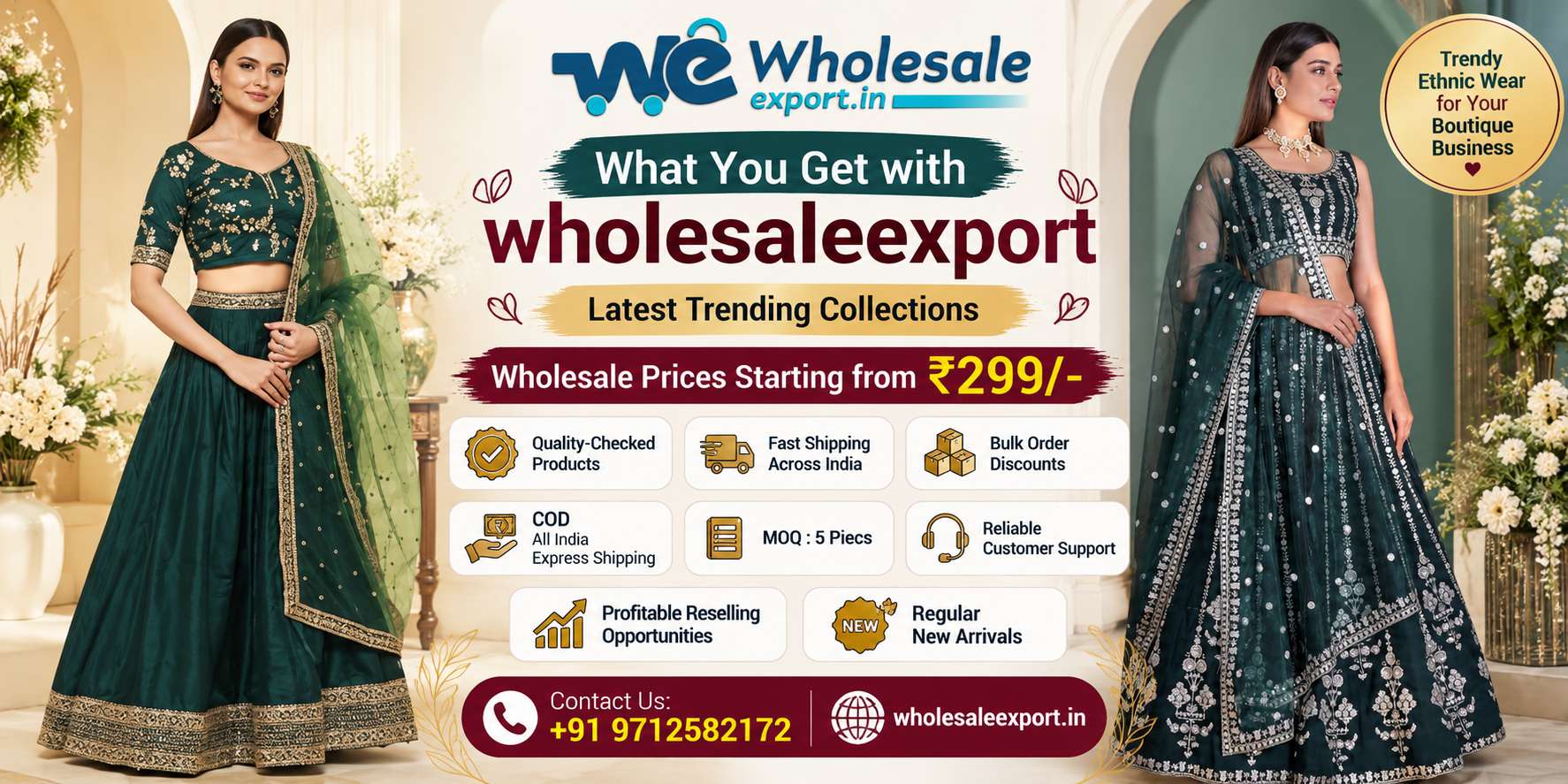
Trusted Wholesale Supplier for Boutique Business in India 2026
Trusted Wholesale Supplier for Boutique Business in India 2026
Running a profitable boutique is not only about choosing beautiful products. The strength of the business often begins with dependable sourcing, consistent quality, workable margins and access to fresh collections that customers actually want to purchase. For boutique owners, resellers and retailers looking to build a sustainable fashion business, choosing the right wholesale partner can make inventory planning simpler and help maintain a stronger flow of new designs throughout the year.
Introduction
The Indian boutique market continues to create opportunities for entrepreneurs who understand their customers and maintain the right product mix. From everyday ethnic wear to festive collections, designer suits, sarees, lehengas, kurtis and dress materials, buyers today expect variety at different price levels. At the same time, boutique owners need to protect their margins, avoid unnecessary inventory and regularly introduce new products.
This is why selecting a trusted wholesale supplier for boutique business is more important than simply finding the lowest quotation. A dependable supplier should help a retailer access market-relevant collections, consistent product information, practical wholesale quantities and reliable order support.
Wholesaleexport.in serves wholesale buyers looking for women's fashion sourced through Surat's established textile ecosystem. Backed by Vastralife's wholesale and export experience since 2017, the business works with the practical requirements of boutique owners, shop owners, showroom operators, home-based sellers and resellers who need regular merchandise for their customers.
Surat remains an important sourcing destination because of its extensive textile manufacturing and trading network. Areas around the Surat textile market, Ring Road and Sahara Darwaza connect buyers with a wide range of manufacturers, wholesalers and fashion suppliers. Online wholesale sourcing makes this ecosystem accessible to retailers who cannot personally travel to Surat whenever they need fresh stock.
What Makes a Wholesale Supplier Reliable for Boutique Owners?
Reliability in wholesale fashion involves several factors working together. Product quality matters, but so do collection variety, communication, pricing, dispatch planning and the ability to source styles that match changing retail demand.
Consistent Product Quality
A boutique builds its reputation one customer at a time. When a customer purchases a suit, kurti, saree or lehenga, the quality of that product directly affects how she remembers the boutique. This makes fabric quality, finishing, embroidery, printing, stitching and overall presentation important considerations during wholesale buying.
Premium product quality does not necessarily mean that every item must be expensive. A good wholesale collection should offer appropriate quality for its price category. Affordable daily-wear merchandise and premium festive products serve different purposes, but both need to deliver reasonable value to the end customer.
Regular New Collections
Fashion customers respond strongly to freshness. A boutique displaying the same merchandise for months can gradually lose customer attention, particularly when competitors are regularly showing new designs on Instagram, Facebook and WhatsApp.
A strong boutique clothing wholesale supplier should therefore provide access to regular arrivals across different categories. Fresh stock gives retailers more opportunities to reconnect with existing customers and create new marketing content without depending entirely on discounts.
Competitive Wholesale Price Structure
Wholesale price affects the entire retail calculation. Boutique owners need enough margin to cover operating expenses, marketing, shipping, staff costs and occasional discounting while still generating profit.
The lowest wholesale rate, however, is not always the best buying decision. A product purchased slightly cheaper but difficult to sell can block working capital. A better-performing collection purchased at a sensible wholesale price may produce faster stock rotation and stronger overall returns.
Why Boutique Businesses Need the Right Product Mix
Successful boutiques rarely depend on only one design category. Customers shop for different occasions and budgets, so inventory should provide enough variation to create repeat visits while maintaining a recognisable store identity.
A boutique may combine wholesale kurtis, kurti sets, designer suits, unstitched dress materials, sarees, Pakistani suits, festive wear and lehengas. The exact assortment should depend on customer demand rather than simply following every trend appearing in the wholesale market.
Daily-Wear Ethnic Collections
Daily-wear merchandise can help create regular turnover. Cotton kurtis, printed suits, lightweight dress materials and comfortable kurti sets appeal to customers looking for practical products for office wear, casual outings and routine use.
Retailers can maintain several colours and patterns within approachable price brackets. This category can also work well for home-based sellers because everyday fashion usually has a broader customer base than highly specialised occasion wear.
Festive and Designer Collections
Festive inventory can increase average selling value during wedding seasons and major celebrations. Embroidered suits, designer sarees, premium kurti sets, lehengas and decorative ethnic wear allow boutiques to create a more aspirational product presentation.
Retailers should plan festive purchasing early enough to promote the products before peak demand. Buying too late can reduce the available selling window, while buying excessively early without understanding current preferences can increase inventory risk.
Premium Collections for Higher-Value Customers
Some boutique customers are willing to spend more when they see a visible difference in fabric, craftsmanship and styling. Premium collections can therefore create a separate revenue segment for stores that serve customers looking for distinctive products.
Premium does not simply mean heavy embroidery. Elegant fabrics, refined colour combinations, sophisticated prints, attractive dupattas and clean finishing can create strong perceived value without making the garment excessively elaborate.
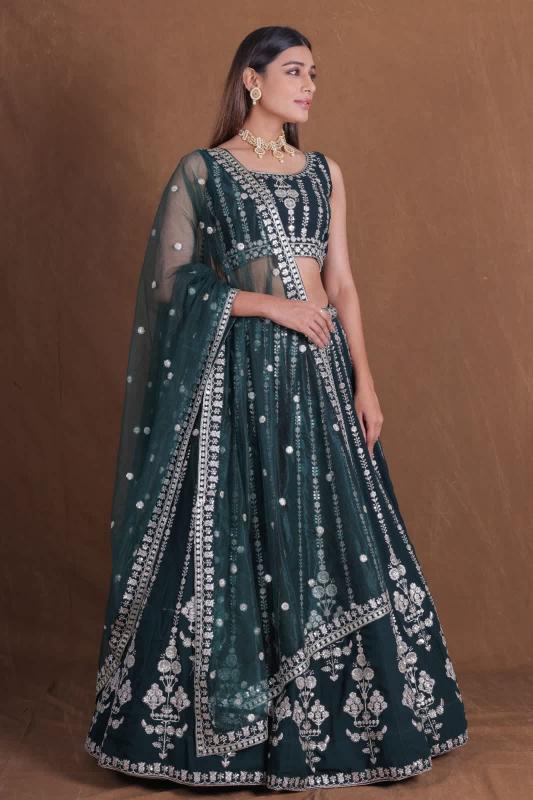
Wholesale Lehenga and Occasion Wear Opportunities for Boutiques
Lehengas can become an important category for boutiques serving wedding and festive customers. Bridal events, engagement functions, Navratri, family celebrations and destination weddings generate demand across several price segments rather than only the premium bridal market.
A boutique can build its lehenga section strategically instead of stocking large quantities of similar designs. Some customers want rich bridal styles, while others look for lighter lehengas suitable for family functions or festive occasions. Maintaining different levels of work, colour and price can make the collection relevant to a broader audience.
For boutique buyers, the advantage of sourcing through a large textile hub is access to manufacturing and wholesale variety. Surat's textile ecosystem continually develops products for different Indian markets, making it possible for retailers to compare designs before allocating their purchasing budget.
Bridal and Wedding Collections
Bridal customers usually evaluate detailing carefully. Embroidery placement, flare, fabric, blouse design, dupatta combination and colour coordination all influence the buying decision. Boutique owners targeting this market should therefore focus on visual impact and finishing rather than choosing products only because they appear heavily embellished.
Wedding merchandise also creates cross-selling opportunities. A customer shopping for a bridal or festive lehenga may also need sarees, suits or ethnic outfits for other family members. A well-planned boutique assortment can capture more of this occasion-based spending.
Festive Collections with Faster Rotation
Lighter occasion wear may offer faster rotation than extremely premium bridal stock. Retailers can use these collections for festival campaigns and wedding-season promotions while maintaining a manageable inventory investment.
Home-based sellers can also market such designs through catalogue sharing and social channels, allowing them to test customer response before expanding a category.
Why Surat Matters for Boutique Wholesale Sourcing
Surat has developed into one of India's most recognised textile trading and manufacturing centres. Its ecosystem includes fabric processing, printing, embroidery, garment production, catalogue development, wholesale distribution and export activities.
For retailers searching for a wholesale clothing supplier in Surat, areas around Ring Road, Sahara Darwaza and the wider Surat textile market provide access to a huge variety of women's fashion. The scale of the market can be an advantage because buyers can source products for several customer segments from the same city.
Wholesaleexport.in helps make Surat-based sourcing more accessible to businesses located elsewhere in India and overseas. Instead of depending entirely on physical market visits, buyers can explore wholesale collections remotely and enquire according to their inventory requirements.
Direct Access to Changing Fashion Demand
Wholesale markets respond quickly to changing retail demand. When particular silhouettes, prints, fabrics or colour combinations begin selling strongly, manufacturers and suppliers often introduce new variations. Boutique owners who maintain regular sourcing cycles can use these developments to keep their merchandise current.
For 2026, this flexibility matters because customers increasingly discover trends digitally. A style can gain attention quickly through social media, creating opportunities for retailers who can introduce relevant products while interest remains high.
Wholesale Sourcing for Home-Based Sellers and Resellers
A physical showroom is no longer essential for every fashion business. Many entrepreneurs start by selling through WhatsApp, Instagram, Facebook and personal customer networks. Their purchasing requirements may differ from those of established showrooms, but supplier reliability remains equally important.
Home-based sellers should focus on collections that are easy to present digitally. Clear designs, attractive colour combinations and identifiable product details make catalogue selling easier. Instead of investing heavily in one style, sellers can build variety and monitor which products receive the strongest enquiries.
Start with Controlled Inventory
New resellers can protect working capital by keeping their initial inventory focused. A smaller but well-selected assortment can provide useful information about customer preferences before the seller increases purchasing quantities.
As sales data develops, buyers can identify their strongest categories and price bands. This makes future purchasing more disciplined and reduces dependence on assumptions.
Use Every New Arrival to Generate Sales
New merchandise gives sellers a reason to contact customers again. Instead of sending repetitive promotional messages, businesses can share fresh arrivals and allow the products themselves to create interest.
Short videos, catalogue images, styling suggestions and customer broadcasts can turn regular wholesale sourcing into a continuous content strategy. This is particularly useful for small businesses that need organic customer engagement alongside paid advertising.
Wholesale Sourcing for Shop and Showroom Owners
Established retailers generally require greater assortment depth. Their customers expect to compare fabrics, colours, designs and price points during a single visit. A dependable ethnic wear wholesale supplier can support this requirement by offering multiple categories rather than a narrow range.
Shop owners should study actual sales instead of judging demand only by customer comments. Products customers admire are not always the same products they ultimately purchase. Tracking sold quantities by category, price and design can produce better buying decisions.
Showroom owners can also segment merchandise by purpose: daily wear, office wear, festive wear, wedding wear and premium collections. This simplifies the selling process for staff and helps customers navigate a larger inventory.
Wholesale and Export Opportunities Beyond India
Indian ethnic wear also has an established customer base outside India. Retailers serving South Asian communities abroad can source Indian fashion for local boutiques, online stores and community-based businesses.
For markets such as Malaysia, Australia and Nepal, product selection should reflect local climate, customer preferences, selling seasons and expected retail price. Export buying therefore requires more planning than simply selecting the most attractive catalogue.
Shipping cost, order quantity, product weight and delivery schedule can influence the landed cost. International wholesale buyers should calculate these elements before deciding their final retail pricing.
Export Buyers Need Reliable Product Communication
An international buyer cannot easily inspect every product physically before ordering. Clear communication regarding product details and order requirements therefore becomes particularly important. Working with an experienced wholesale and export business can make the purchasing process more structured.
Vastralife's experience in wholesale and export since 2017 provides Wholesaleexport.in with practical understanding of buyers who source products for different markets. The objective is not simply to offer more catalogues, but to help businesses access collections suitable for resale.
For retailers building a long-term sourcing relationship, the next step is to evaluate categories according to customer demand, inventory rotation and achievable margin. After this point, boutique owners can also explore relevant categories such as wholesale lehenga market Surat collections when planning wedding and festive inventory.
Businesses that want to expand beyond suits and lehengas can additionally review wholesale sarees India collections to create a broader ethnic assortment without moving away from their core customer segment.
How Boutique Owners Can Choose the Right Wholesale Collection
Buying wholesale stock becomes more profitable when every purchase has a clear purpose. Boutique owners should consider their customer profile, average selling price, previous sales and upcoming occasions before placing the next order. A collection that performs well for a premium showroom may not necessarily be the right choice for a home-based seller, while fast-moving affordable products may perform exceptionally well for resellers working through WhatsApp and social media.
A trusted wholesale supplier for boutique business should make it easier to build a balanced inventory rather than encouraging buyers to purchase stock without considering demand. Retailers can divide their budget between regular-selling products, trending designs and premium occasion wear. This approach keeps enough variety in the store while reducing excessive dependence on one fashion category.
Choose Products According to Your Selling Price
Before buying, calculate the final price at which the product can realistically sell in your market. Consider wholesale cost, transportation, packaging, marketing expenses and the margin your business requires. The objective should be to find products that offer attractive customer value while leaving a workable retail margin.
A boutique serving value-conscious customers may prioritise affordable kurtis, dress materials and suit sets. A premium boutique can allocate more inventory to designer suits, embroidered sarees, festive sets and wedding collections. Many successful retailers combine both segments so customers can shop across several budgets.
Buy Variety Instead of Repeating Similar Designs
Variety gives customers more reasons to browse. Buying too many similar patterns can make a boutique look repetitive even when the actual inventory quantity is large. Different fabrics, silhouettes, colour families, prints and work styles create a richer presentation.
This is particularly important for online sellers because customers often judge the entire collection through catalogue images. A visually varied assortment can make WhatsApp broadcasts, Instagram posts and online catalogues more engaging.
2026 Boutique Buying Strategy for Better Inventory Rotation
Inventory rotation is one of the most important considerations for a retail fashion business in 2026. Profit does not come simply from having a large stock value; it comes when merchandise moves consistently and the invested capital becomes available for the next purchase cycle.
Boutique owners can divide purchasing into smaller, more regular buying cycles instead of putting the entire budget into one large seasonal order. This provides greater flexibility when customer preferences change and allows the store to introduce latest wholesale ethnic wear more frequently.
Track Fast-Moving Categories
Maintain a simple record of which categories sell fastest. Track products such as kurti sets, unstitched suits, sarees, lehengas and designer dress materials separately. Also note successful price ranges and colours. Even basic sales tracking can make the next wholesale purchase considerably more focused.
If a certain category repeatedly sells faster, increase its share gradually rather than making a sudden large purchase. Similarly, reduce repeated buying of slow-moving designs until existing stock clears.
Plan Seasonal Purchases Early
Wedding and festival demand should be planned before the selling season reaches its peak. Retailers need time to receive merchandise, create product photography or videos, display stock and promote it to customers.
A well-timed purchase can therefore be more valuable than a last-minute purchase at a lower price. Working with a reliable wholesale clothing supplier and monitoring regular new arrivals can make seasonal planning more organised.
Quality Matters When Building a Repeat-Customer Boutique
Repeat customers are especially valuable for boutique businesses. When shoppers trust the quality and selection of a store, future sales can require less convincing. This is why product quality should remain part of the buying decision even when retailers are aggressively comparing wholesale prices.
Fabric feel, colour presentation, stitching, embroidery finishing, print clarity and overall garment appearance influence customer satisfaction. Premium product quality also gives boutique owners greater confidence when presenting merchandise online or recommending it personally to regular customers.
Wholesaleexport.in works with the requirements of retailers who need collections suitable for resale. Supported by industry experience connected with Vastralife since 2017, the sourcing approach combines the variety of the Surat market with practical wholesale and export requirements.
Surat Wholesale Sourcing Advantage for Growing Retailers
Surat's manufacturing and wholesale infrastructure allows retailers to access an extensive selection of Indian women's fashion. Ring Road, Sahara Darwaza and surrounding textile trading areas connect a large network of manufacturers, distributors and wholesalers.
The Surat textile market is particularly valuable for retailers because different categories can be sourced within the same textile ecosystem. A boutique may need everyday suits this month, wedding lehengas the next month and festive sarees before the upcoming season. Access to diverse suppliers makes such purchasing flexibility possible.
Wholesaleexport.in brings this sourcing advantage online for buyers who want to order without repeatedly travelling to Surat. This is useful for shop owners across India as well as international buyers looking for Indian ethnic collections for export.
Internal Linking: Explore More Wholesale Categories
Boutique owners should treat their online sourcing catalogue as a way to compare categories rather than purchasing every new design immediately. Review product presentation, expected customer demand, wholesale price and the role each collection will play in your store. Categories can then be shortlisted according to actual retail requirements.
Wholesaleexport.in provides access to women's ethnic fashion for retailers seeking regular purchasing options from Surat. Buyers can keep checking new arrivals and build their orders around daily wear, premium fashion, wedding products and seasonal demand.
Why Wholesaleexport.in Can Support Boutique Business Growth
Finding products online is easy; developing a dependable sourcing process is more valuable. Wholesaleexport.in focuses on wholesale buyers, boutique owners, resellers, showroom owners and home-based sellers who need products for resale rather than one-time personal shopping.
Experience Since 2017
Vastralife's wholesale and export experience since 2017 provides an established understanding of women's ethnic fashion sourcing. Years of dealing with changing market demand help in recognising that retailers require more than a large catalogue. They need fresh collections, practical pricing, dependable support and products suited to different customer segments.
Collections for Different Business Sizes
A home-based reseller and a large showroom may have completely different purchasing requirements. Wholesale sourcing should therefore support businesses at different stages of growth. Buyers can select products according to their customer base and gradually expand their purchasing as sales increase.
Regular Fashion Updates
Regular new arrivals are particularly useful in women's fashion because trends and seasonal demand change continuously. Fresh collections allow boutiques to maintain customer interest and create frequent promotional content.
For a retailer searching for a trusted wholesale supplier for boutique business, consistency across collection, quality, pricing and service is ultimately more important than one attractive deal.
Customer FAQs
1. Where can boutique owners buy wholesale ethnic wear from Surat?
Boutique owners can source women's ethnic wear through Wholesaleexport.in, which provides wholesale collections connected with Surat's textile sourcing ecosystem. Buyers can explore products remotely and select stock according to their store, showroom, resale or home-based business requirements.
2. What products should a new boutique purchase first?
A new boutique should begin with products that match its target customers and local selling price. Kurti sets, dress materials, suits, sarees and selected festive products can provide useful variety. It is generally better to understand actual customer response before investing heavily in one category.
3. Can resellers and home-based sellers purchase wholesale collections?
Yes. Wholesale collections can be suitable for home-based sellers and resellers as well as established shops and showrooms. Smaller sellers can use catalogue-based promotion through WhatsApp, Instagram and other digital channels to develop their customer base.
4. Does Wholesaleexport.in supply products outside India?
Wholesale and export enquiries can be handled for international buyers. Retailers in markets such as Malaysia, Australia and Nepal can enquire about suitable Indian ethnic wear collections and shipping requirements. International buyers should consider product cost, shipment weight and applicable destination charges when calculating their final landed price.
5. How should a boutique select a wholesale supplier?
Evaluate collection variety, product quality, pricing, communication, order support, regular availability of new designs and wholesale experience. A dependable supplier relationship can be more valuable over time than repeatedly changing suppliers only to obtain the lowest rate.
6. Are new wholesale collections available regularly?
Women's fashion changes frequently, so regular new arrivals form an important part of boutique sourcing. Buyers should check Wholesaleexport.in periodically for fresh designs across relevant ethnic wear categories and plan purchasing according to current demand.
7. Is Surat a good place for wholesale boutique sourcing?
Yes. Surat has an extensive textile manufacturing and wholesale network covering fabrics, sarees, suits, kurtis, lehengas and other women's fashion categories. Its Ring Road and Sahara Darwaza textile areas are widely associated with wholesale textile trading and make Surat an important sourcing destination for Indian retailers.
8. How can boutique owners improve profit margins?
Margins can improve through disciplined purchasing rather than simply increasing retail prices. Track fast-selling designs, control slow-moving inventory, negotiate sensible bulk purchases, plan shipping efficiently and select products that offer customers clear value at the intended selling price.
Order Wholesale Boutique Collections from Wholesaleexport.in
If you are a boutique owner, shop owner, showroom owner, home-based seller, reseller or wholesale buyer looking for fresh women's fashion, Wholesaleexport.in can help you explore collections suited to your business.
Get access to Latest Collections, competitive Wholesale Pricing, Trendy Ethnic Wear, Fast Shipping, available COD Support, Bulk Order Deals and Quality Products Starting From ₹299. Regular new arrivals make it easier to refresh your catalogue and keep customers interested throughout the season.
Whether you are developing a new boutique or expanding an established retail operation, focus on collections that combine attractive design, sensible price, premium product quality and strong resale potential. Wholesaleexport.in connects wholesale buyers with the variety and manufacturing strength associated with Surat while supporting both domestic and export requirements.
Contact for Wholesale Orders: +91 9712582172
Website: wholesaleexport.in
Explore the latest collections, shortlist products according to your customers and build your next boutique inventory with a wholesale partner backed by experience since 2017.