


Trusted Wholesale Supplier for Boutique Business: Complete Buying Guide 2026
Trusted Wholesale Supplier for Boutique Business: Complete Buying Guide 2026
Running a profitable boutique today depends on more than choosing attractive designs. Boutique owners need consistent stock availability, dependable product quality, sensible buying quantities and a supplier who understands changing customer demand. Whether you operate a physical store, sell through social media or manage a home-based clothing business, choosing the right wholesale partner can directly influence your margins, customer satisfaction and long-term growth.
Introduction
The boutique fashion market in 2026 has become highly competitive. Customers discover new styles through Instagram, marketplaces, influencers and short-form videos almost every day. A design that looks fresh today can quickly become common, which means retailers need access to regular new arrivals without carrying unnecessary inventory.
This is why finding a trusted wholesale supplier for boutique business is one of the most important decisions for Boutique Owners, Shop Owners, Home-Based Sellers, Showroom Owners, Resellers and Wholesale Buyers. A dependable supplier does much more than offer garments at a wholesale price. The right partner helps buyers source trending collections, maintain product variety, manage repeat purchases and replenish fast-moving styles.
Surat continues to play a major role in India's textile supply network. Areas around the surat textile market, Ring Road and Sahara Darwaza connect retailers with an extensive ecosystem of traders, wholesalers, designers and manufacturing businesses. Online wholesale platforms have made this ecosystem accessible even to buyers who cannot personally visit Surat.
Wholesaleexport.in is designed around this changing wholesale buying model by helping fashion businesses explore collections online and source products suitable for different customer segments. Buyers can compare designs, select collections according to their budget and build inventory without depending entirely on traditional offline sourcing trips.
Why Choosing the Right Wholesale Supplier Matters for a Boutique
A boutique earns customer loyalty when shoppers trust its selection. If the products are fashionable, quality remains consistent and fresh styles arrive regularly, customers have a reason to return. But when sourcing is inconsistent, even a well-marketed boutique can struggle.
A professional boutique clothing wholesale supplier should therefore support the complete buying cycle, from discovering trending products to placing repeat orders. Retailers should evaluate suppliers on product quality, collection variety, order flexibility, communication, dispatch reliability and overall service rather than choosing only on the lowest possible price.
Consistent Product Quality Builds Customer Trust
Customers remember their experience with fabric, stitching, fitting, colour and finishing. One poor-quality purchase can affect repeat business, especially for small boutiques where personal recommendations are important. Choosing a supplier that focuses on premium product quality can reduce complaints and make it easier for retailers to confidently recommend products.
Quality becomes even more important when selling online because customers cannot physically touch the garment before ordering. Clear product information combined with dependable quality helps reduce the gap between customer expectations and the actual product received.
Regular New Arrivals Keep Your Collection Fresh
Successful Boutique Owners usually do not depend on a single style throughout the year. Customer demand changes with festivals, weddings, seasons, office wear trends, casual fashion and regional preferences. A reliable wholesale ethnic wear supplier should therefore provide regular access to new collections across multiple categories.
Popular wholesale categories can include kurtis, kurti sets, dress materials, sarees, co-ord sets, festive collections, designer ethnic wear and other women's fashion products. This variety allows retailers to create a balanced inventory rather than depending on only one category.
Competitive Wholesale Pricing Protects Retail Margins
The buying price directly affects how much room a retailer has for marketing expenses, shipping, discounts and profit. However, the cheapest product is not always the most profitable product. Boutique buyers should consider perceived value, fabric quality, design appeal and expected retail selling price before finalising an order.
A reliable wholesale clothing supplier in India helps retailers access products at commercially practical rates so they can create attractive offers without sacrificing their margins. For many smaller sellers, a good balance between price and quality is more valuable than simply buying the lowest-priced stock available.
What Boutique Owners Should Look for in a Wholesale Supplier
Finding a supplier is easy. Finding one that can support your boutique consistently is more difficult. Before placing larger or repeated orders, buyers should evaluate several practical factors that influence day-to-day operations.
A Wide Range of Boutique-Friendly Products
A strong supplier should offer enough variety to help a retailer serve different customer preferences. One customer may want affordable daily wear while another is searching for premium festive fashion. Maintaining both segments becomes easier when the supplier provides multiple product categories and price levels.
This is especially useful for Home-Based Sellers and emerging boutiques that may not have relationships with dozens of separate suppliers. Working with a broad ladies wear wholesale supplier can simplify purchasing and help buyers build coordinated collections from one sourcing platform.
Low MOQ for Better Inventory Control
Inventory is one of the biggest investments for any fashion retailer. Buying very large quantities of an untested design can lock up working capital and increase the risk of unsold stock. This is why flexible or low MOQ wholesale clothing options are valuable for smaller businesses.
A manageable MOQ allows boutiques to test different colours, patterns and categories before committing to deeper inventory. Retailers can then reorder products that perform well and gradually reduce investment in slow-moving styles.
For new resellers, starting with smaller quantities can also make business expansion more controlled. Instead of spending the entire purchasing budget on one catalogue, buyers can distribute investment across multiple collections and learn which designs receive the strongest response from their audience.
Reliable Dispatch and Shipping
Fashion products often have a short selling window. A festive collection arriving after the relevant festival or a wedding range reaching the store too late can reduce its commercial value. Fast and organised shipping therefore becomes an important part of wholesale sourcing.
Retailers should work with suppliers that provide clear order communication and dependable dispatch support. For buyers sourcing from Surat but selling in different parts of India, reliable shipping makes it possible to access the variety of Ring Road and Sahara Darwaza markets without travelling for every purchase.
Surat as a Major Wholesale Fashion Sourcing Hub
Surat has developed one of India's strongest textile ecosystems. The city is widely associated with synthetic fabrics, sarees, dress materials, ethnic fashion, value-added garments and large-scale textile trading. Its extensive supplier network enables retailers to explore collections across different budget levels and customer segments.
Importance of Surat Textile Market
The surat textile market consists of numerous textile complexes and wholesale businesses spread across important commercial areas. Ring Road is particularly well known among clothing buyers, while Sahara Darwaza connects several major textile trading zones.
This concentration of trading and manufacturing businesses provides boutique owners with access to frequent new designs. Instead of depending only on wholesalers located in their own city, retailers can source closer to a major textile distribution centre.
Digital sourcing has further changed this process. Buyers can now explore products online, communicate remotely and arrange delivery without spending days travelling through physical markets. Wholesaleexport.in combines the convenience of online discovery with access to the type of product variety for which Surat is known.
Advantages of Sourcing Closer to Manufacturing Networks
Working within an established manufacturing and wholesale ecosystem can improve access to new designs and commercially relevant product ranges. Suppliers located close to textile production and trading networks often receive information about changing styles earlier than retailers in distant markets.
For boutique businesses, this can mean quicker access to emerging trends and a stronger ability to refresh inventory. It also creates opportunities for retailers to compare different categories rather than purchasing whatever limited stock is available locally.
Wholesale Buying for Different Types of Fashion Businesses
The ideal wholesale strategy is different for every buyer. A large showroom may purchase deeper quantities, while a home-based reseller may prefer several smaller collections. A trusted wholesale supplier for boutique business should be capable of serving these different purchasing patterns without making the sourcing process unnecessarily complicated.
Home-Based Sellers and Social Media Resellers
Home-Based Sellers often start with limited inventory and generate sales through WhatsApp, Instagram, Facebook or personal customer networks. Their biggest priorities are usually attractive designs, manageable investment and products with enough margin for resale.
Instead of purchasing large quantities at the beginning, sellers can test several trending ethnic wear wholesale products and track which categories generate inquiries. Fast-moving items can then be reordered as the business grows.
Boutique Owners and Shop Owners
Physical boutiques require a stronger balance of variety and stock depth. Customers visiting a store expect options in colours, styles and price ranges. Boutique Owners therefore benefit from keeping core everyday products alongside a smaller selection of premium or occasion-focused designs.
Working with an experienced wholesale dress material supplier or multi-category fashion wholesaler can simplify replenishment. Retailers can maintain regular stock while also experimenting with new arrivals that help make their store look fresh.
Showroom Owners and Larger Wholesale Buyers
Showrooms and established Wholesale Buyers generally need greater product depth and stronger consistency. Their purchasing decisions may be based on seasonal plans, historical sales data, regional preferences and inventory turnover.
For these businesses, dependable supply becomes as important as product selection. A supplier capable of supporting repeat orders, bulk requirements and wholesale clothing online sourcing can help reduce procurement complexity while maintaining product variety.
How Wholesaleexport.in Supports Boutique and Reseller Sourcing
Wholesaleexport.in focuses on simplifying fashion sourcing for retailers who want access to varied collections without relying entirely on physical wholesale market visits. The platform is suitable for resellers, boutique businesses, shop owners and wholesale buyers looking for commercially relevant products from the Indian textile supply network.
The business benefits from Vastralife's wholesale and export experience since 2017, combining industry knowledge with an understanding of what fashion retailers typically need: product variety, responsive sourcing, dependable quality and practical wholesale buying options.
This industry expertise becomes particularly useful when businesses want to expand beyond a single category or customer segment. A retailer selling kurtis, for example, may later introduce dress materials, sarees or festive ethnic products without needing to rebuild the entire sourcing process from the beginning.
Opportunities for Domestic and International Buyers
Online wholesale sourcing is not limited to Indian retailers. Ethnic fashion businesses in markets such as Nepal, Australia and Malaysia may also explore Indian collections for boutiques serving South Asian communities and customers interested in Indian fashion.
For international buyers, an experienced export clothing supplier is valuable because wholesale purchasing involves more than selecting products. Communication, packing, logistics coordination and understanding export requirements can influence the overall buying experience.
As boutique retail becomes increasingly digital, suppliers that combine wholesale expertise with online accessibility are becoming more relevant to buyers who want to discover new stock faster and make purchasing decisions without unnecessary complexity.
How to Select Profitable Wholesale Collections in 2026
Choosing a supplier is only one part of building a profitable boutique. The next challenge is selecting products that customers will actually buy. In 2026, fashion trends can move quickly because customers discover new designs through social media, online marketplaces, influencers and digital catalogues. Boutique owners should therefore combine trend awareness with actual customer purchasing behaviour.
Rather than investing heavily in every new design, retailers can divide their buying budget between proven categories and experimental collections. Everyday kurtis, dress materials and practical ethnic sets can provide regular sales, while festive wear, premium suits and designer pieces can create higher-value opportunities during weddings and seasonal celebrations.
Understand Your Customer Before Buying Stock
Every market has a different customer profile. A boutique serving college students may need fashionable products at accessible prices, while a premium showroom may focus on sophisticated fabrics, detailed workmanship and exclusive-looking designs. Similarly, customers shopping for everyday clothing generally have different expectations from those purchasing outfits for weddings and festivals.
Before ordering from a trusted wholesale supplier for boutique business, retailers should review previous sales, customer inquiries, popular sizes, preferred colours and successful price points. These simple observations can make wholesale purchasing much more accurate.
Retailers can also classify their inventory into daily wear, office wear, festive wear, wedding fashion and premium collections. This makes it easier to identify missing categories and prevents the purchasing budget from becoming concentrated in one type of merchandise.
Focus on Inventory Rotation Instead of Only Large Margins
A garment with an excellent theoretical profit margin is not useful if it remains unsold for months. Inventory turnover should therefore be considered alongside margin. Products that sell consistently and can be replenished regularly may generate more total profit than expensive designs with slower demand.
Home-Based Sellers and Resellers can use this principle especially effectively. Start with controlled quantities, observe customer response and increase purchasing only after a product proves its demand. This approach helps preserve working capital while keeping the collection fresh.
Buyers researching a wholesale lehenga market in Surat can explore occasion-focused sourcing opportunities, while retailers wanting versatile everyday inventory can also consider Jaipuri kurtis wholesale collections according to their customer segment.
Why Product Quality Matters More Than the Lowest Price
Price comparison is a normal part of wholesale purchasing, but choosing merchandise entirely on the lowest rate can create problems. Poor stitching, inconsistent sizing, weak fabric quality or differences between catalogue presentation and actual merchandise can damage a retailer's reputation.
Customers generally associate the product they purchase with the boutique that sold it, not with the wholesaler behind the transaction. Therefore, the retailer carries much of the reputational risk when product quality disappoints the customer.
Calculate Value, Not Just Buying Cost
A better purchasing decision considers the complete value of the product. Retailers should examine fabric, finishing, design, customer appeal, expected selling price and potential margin together.
For example, paying slightly more for a well-finished product may be commercially sensible when the design can command a stronger retail price and generate greater customer satisfaction. This is particularly relevant for boutiques that depend on repeat customers and referrals.
Premium product quality can also help retailers build a clear market position. Instead of competing only through discounts, boutiques can become known for carefully selected merchandise and dependable value.
Wholesale Ethnic Wear Categories Boutique Owners Can Explore
A diversified product mix gives customers more reasons to browse and purchase. Instead of depending on one garment category throughout the year, retailers can combine daily wear, festive fashion and occasion-focused collections according to local demand.
Kurtis and Kurti Sets
Kurtis wholesale remains an important sourcing category because kurtis can serve customers across casual, office, festive and semi-formal segments. Different fabrics, prints, cuts and styling options allow boutiques to maintain variety without moving completely away from a proven category.
Kurti sets can add greater perceived value because customers receive a coordinated look. Depending on the collection, sets may include pants, palazzos or dupattas, making them suitable for customers who prefer ready-to-style outfits.
Dress Materials and Salwar Suit Collections
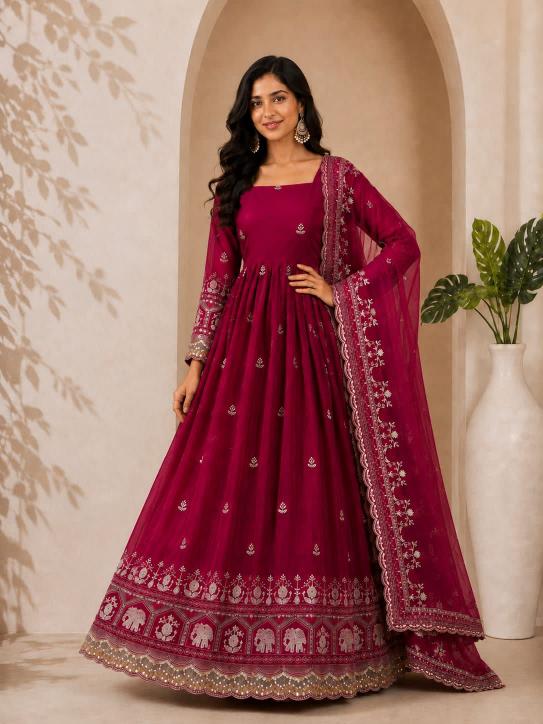
Wholesale dress materials continue to serve customers who prefer customised fitting and personalised stitching. Printed cotton styles can work for regular use, while embellished and premium fabrics can serve festive and occasion-driven demand.
Retailers can stock different price levels rather than restricting the category to either budget or premium merchandise. This provides customers with more choice and allows the boutique to address multiple purchasing budgets.
Sarees for Everyday, Festive and Occasion Demand
Wholesale sarees provide another broad retail category. Depending on regional demand, boutiques can explore printed sarees, festive designs, traditional-inspired styles and premium occasion collections.
The ideal saree inventory depends heavily on customer preferences. Retailers should study which fabrics, colours and price points sell in their market before investing deeply in any particular range.
Lehenga Choli and Festive Fashion
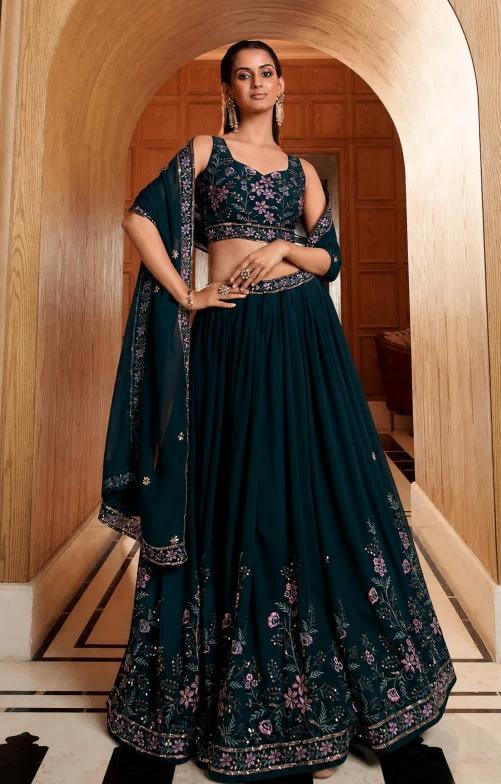
Wedding seasons and festivals can create strong demand for lehenga choli wholesale collections. These products can provide higher transaction values, but they also require careful buying because trends, colours and design preferences can change quickly.
Retailers should therefore combine statement pieces with commercially wearable options. A balanced collection can serve customers searching for wedding outfits as well as shoppers wanting festive clothing at more accessible prices.
Co-Ord Sets and Contemporary Ethnic Fashion
Contemporary customers increasingly appreciate clothing that combines traditional influences with convenient styling. Co-ord sets, fusion outfits and modern kurti combinations can help boutiques attract shoppers looking for something different from conventional ethnic wear.
Adding such products alongside established categories can make a store appear more current without requiring a complete change in its identity.
Wholesale Sourcing Strategy for India and Export Markets
A retailer purchasing for a local Indian market may make different inventory decisions from a business serving customers overseas. Climate, cultural events, sizing preferences, fashion trends and retail price expectations can vary significantly between regions.
For Indian businesses, access to Surat's manufacturing and wholesale ecosystem can support frequent inventory refreshes. Buyers located outside Gujarat can explore online sourcing instead of making repeated physical trips to the surat textile market, Ring Road or Sahara Darwaza.
For businesses operating in Nepal, Australia or Malaysia, Indian ethnic fashion can serve local South Asian communities as well as customers interested in traditional and contemporary Indian clothing. Working with a supplier familiar with export requirements can make cross-border wholesale purchasing more organised.
Plan International Orders Carefully
International Wholesale Buyers should evaluate product cost together with logistics and other applicable expenses before deciding their final retail price. A product that appears inexpensive at source may have a different landed cost after shipping and other relevant charges are considered.
It is also sensible to select products according to the destination market rather than simply ordering whatever is currently popular in India. Understanding local customer demand helps international boutiques build more commercially relevant collections.
How to Build a Long-Term Relationship With a Wholesale Supplier
A strong supplier relationship can become an important business asset. Instead of repeatedly searching for unfamiliar sources, retailers can develop dependable purchasing channels and spend more time on sales, marketing and customer service.
Communicate Your Requirements Clearly
Buyers should communicate preferred categories, approximate budget, quantities and customer segment as clearly as possible. A supplier can provide more relevant options when they understand what the retailer is trying to sell.
For example, saying that you need women's ethnic wear is very broad. Explaining that you need affordable daily-wear kurti sets for customers within a particular retail price range provides much more useful direction.
Track What Sells and Reorder Strategically
Maintain simple records of which collections sell quickly, which sizes move regularly and which products generate repeat inquiries. This information can guide future purchasing and make communication with suppliers more efficient.
A trusted wholesale supplier for boutique business becomes even more valuable when combined with disciplined inventory management. The supplier provides access to merchandise, while the retailer uses customer data and local knowledge to determine what should be reordered.
Build Consistency Before Scaling
New retailers do not need to purchase huge quantities immediately. Begin with manageable stock, understand the supplier's products and service, identify successful categories and scale gradually.
This approach can be particularly useful for Home-Based Sellers who plan to develop into larger online stores or physical boutiques. Controlled growth helps reduce inventory risk while providing valuable information about actual customer behaviour.
Internal Linking and Wholesale Buying Resources
Wholesale buyers should treat sourcing research as an ongoing process rather than a one-time activity. Understanding fabrics, seasonal trends, regional demand, product categories and changing customer preferences can lead to better buying decisions.
Wholesaleexport.in can be used to explore wholesale fashion opportunities and discover collections relevant to boutiques, resellers, shops and showrooms. Buyers can compare different product categories and plan purchases around their audience instead of relying on random inventory selection.
When researching wholesale products, consider the expected retail customer first. Evaluate the product's appearance, quality, wholesale price, possible selling price, seasonality and potential inventory turnover. This makes product sourcing more commercially focused and can reduce unnecessary stock accumulation.
Common Mistakes Boutique Owners Should Avoid When Buying Wholesale
Buying Too Much of an Untested Design
A design may look attractive in a catalogue but still perform differently with your customers. Avoid committing too much working capital before testing demand, particularly when introducing a new category.
Choosing Suppliers Only by Price
Very low rates can be attractive, but retailers should compare quality and commercial value. Saving a small amount on the buying price is rarely worthwhile if inconsistent merchandise leads to complaints or lost customers.
Ignoring Your Local Customer Profile
Not every national trend will perform equally well in every city or country. A successful boutique learns what its own customers prefer and purchases accordingly.
Keeping the Same Inventory for Too Long
Fashion customers enjoy seeing new products. Regular new arrivals can encourage repeat store visits and give social media sellers fresh content to promote. Even when core products continue selling, introducing new designs helps maintain customer interest.
Not Calculating the Complete Cost
Retailers should understand their complete buying cost before deciding the final selling price. Product cost, shipping and other applicable business expenses can influence actual profitability.
Customer FAQs
1. How do I find a trusted wholesale supplier for boutique business?
Evaluate suppliers based on product quality, collection variety, pricing, communication, order flexibility and shipping reliability. Begin with manageable quantities when possible and assess the complete purchasing experience before increasing your order volume.
2. Which products are suitable for starting a new boutique?
Kurtis, kurti sets, dress materials, sarees and selected festive products can be practical categories depending on your target customers. New businesses should preferably begin with a mixed inventory instead of investing the entire budget in one design.
3. Is Surat a good location for wholesale clothing sourcing?
Yes. Surat has a large textile trading and manufacturing ecosystem. Ring Road, Sahara Darwaza and the wider Surat textile market are well known among textile and fashion buyers sourcing various clothing categories.
4. Can home-based resellers purchase wholesale clothing?
Yes. Home-Based Sellers can build a wholesale fashion business through social media, WhatsApp and other digital channels. Manageable quantities and carefully selected products can help new resellers begin without carrying excessive inventory.
5. What should I check before placing a bulk wholesale order?
Review product specifications, available variants, quality expectations, quantities, pricing and shipping information. You should also calculate the potential retail price and expected margin before committing to larger quantities.
6. Why is low MOQ useful for boutique businesses?
A lower minimum order quantity can help retailers test more designs with less inventory exposure. Once demand is established, successful products can be reordered in larger quantities where available.
7. Can international boutiques source ethnic wear from India?
Yes. International retailers can source Indian ethnic fashion for suitable markets, subject to supplier serviceability, shipping arrangements and applicable import requirements. Buyers should confirm all relevant order and logistics details before purchasing.
8. How often should a boutique add new collections?
There is no single schedule for every business. However, adding fresh merchandise regularly can encourage repeat customer engagement. The ideal frequency depends on sales volume, working capital, seasonality and how quickly existing inventory moves.
Choose a Wholesale Partner That Can Grow With Your Business
Building a successful boutique requires a combination of attractive products, disciplined purchasing and dependable sourcing. The objective should not simply be to find the cheapest merchandise. Retailers need products their customers genuinely want, sufficient margins to operate profitably and a supply relationship they can depend on as their business expands.
With Vastralife's wholesale and export experience since 2017, industry expertise and focus on premium product quality, Wholesaleexport.in provides sourcing opportunities for Boutique Owners, Home-Based Sellers, Shop Owners, Showroom Owners, Resellers and Wholesale Buyers looking to expand their fashion inventory.
Whether you are starting with a few collections or building a larger retail operation, choosing a trusted wholesale supplier for boutique business and following a data-driven buying strategy can help you control inventory, respond faster to trends and create a stronger experience for your customers.
Explore Wholesale Collections and Start Sourcing Today
Ready to refresh your boutique inventory? Explore Latest Collections, competitive Wholesale Pricing, Trendy Ethnic Wear and sourcing opportunities for different fashion businesses through wholesaleexport.in.
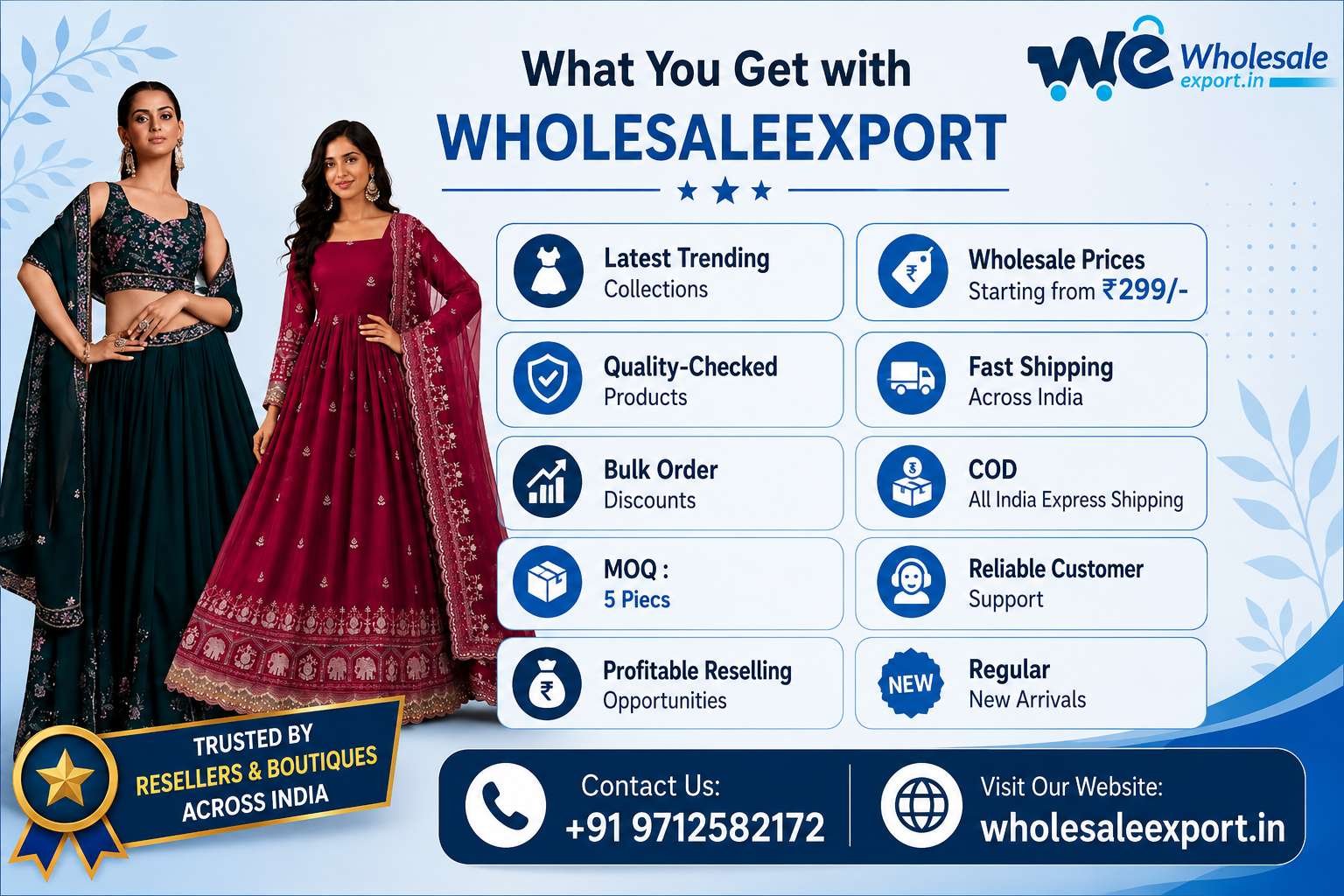
Buyers can explore options with Fast Shipping, COD Support where applicable, Bulk Order Deals and Quality Products Starting From ₹299. Product availability, pricing and applicable order conditions may vary by collection, so confirm current details while placing your order.
Contact: +91 9712582172
Website: wholesaleexport.in
Build your next collection with better planning, fresh designs and a wholesale sourcing partner focused on helping your boutique stay competitive in 2026 and beyond.