


Trending Kurti Designs for Retailers in 2026 – Wholesale Buying Guide
Trending Kurti Designs for Retailers in 2026 – Wholesale Buying Guide
The kurti market continues to move quickly, with customers expecting fresh colours, comfortable fabrics, modern silhouettes and ethnic detailing at practical price points. For retailers, this creates a clear opportunity: stock designs that look current, fit the purchasing capacity of the target customer and can generate repeat sales. From everyday printed kurtis to Nayra cuts, coordinated sets and festive designs, selecting the right assortment can make a major difference to inventory rotation and retail profitability.
Introduction
For Shop Owners, Boutique Owners, Showroom Owners, Home-Based Sellers and online Resellers, kurti purchasing is no longer simply about keeping a large number of designs. Customers now discover fashion through Instagram, marketplaces, short videos and influencer content, so demand can shift rapidly from one silhouette to another.
This is why selecting trending kurti designs for retailers requires a balance between fashion and business practicality. A beautiful design may attract attention, but retailers also need to consider wholesale price, fabric, size availability, season, customer age group, selling price and how quickly the style is likely to move.
In 2026, retailers can build a stronger ethnic-wear assortment by mixing proven everyday products with selected trend-led collections. Wholesaleexport.in provides wholesale buyers access to changing kurti ranges suitable for different retail formats and customer budgets.
Surat remains an important sourcing centre for Indian ethnic wear because of its extensive textile trading and manufacturing ecosystem. Buyers sourcing around the surat textile market, ring road and sahara darwaza areas can find suppliers dealing in kurtis, kurti sets, dress materials, sarees and other women's ethnic-wear categories.
What Makes a Kurti Design Retail-Friendly?
A retail-friendly kurti should do more than look attractive in a catalogue. It needs to appeal to the store's actual customer base while remaining commercially practical at the selected price.
Design Should Match the Target Customer
A college-focused fashion store may require shorter kurtis, contemporary prints and fusion styling, whereas a family-oriented ethnic-wear shop may sell more straight kurtis, A-line patterns, longer lengths and kurti sets. Boutiques may need a stronger mix of premium detailing and distinctive silhouettes.
Retailers should therefore avoid buying every viral style. The better approach is to identify trends that overlap with existing customer demand.
Comfortable Fabrics Support Repeat Sales
Rayon, cotton-based fabrics, viscose blends and other comfortable materials continue to have strong potential for everyday use. Festive and occasion collections can incorporate richer surfaces, embroidery, decorative borders and premium styling.
Fabric choice also affects the final retail price. A retailer should compare the design value with the expected customer budget before confirming bulk quantities.
Fit and Size Availability Matter
Customers increasingly expect better size options. A fashionable kurti can lose sales when the retailer repeatedly lacks the required sizes. Retailers should monitor which sizes sell most frequently instead of ordering an identical quantity of every size without reviewing previous sales.
Trending Kurti Designs Retailers Should Consider in 2026
The strongest assortment usually combines several silhouettes rather than depending on a single trend. Below are important categories that can be evaluated when sourcing wholesale kurtis for retailers.
1. Nayra Cut Kurtis
Nayra cut styles have developed a recognisable place in women's ethnic fashion. Their flowing silhouette can create a more dressed-up appearance than a basic straight kurti while remaining suitable for multiple occasions.
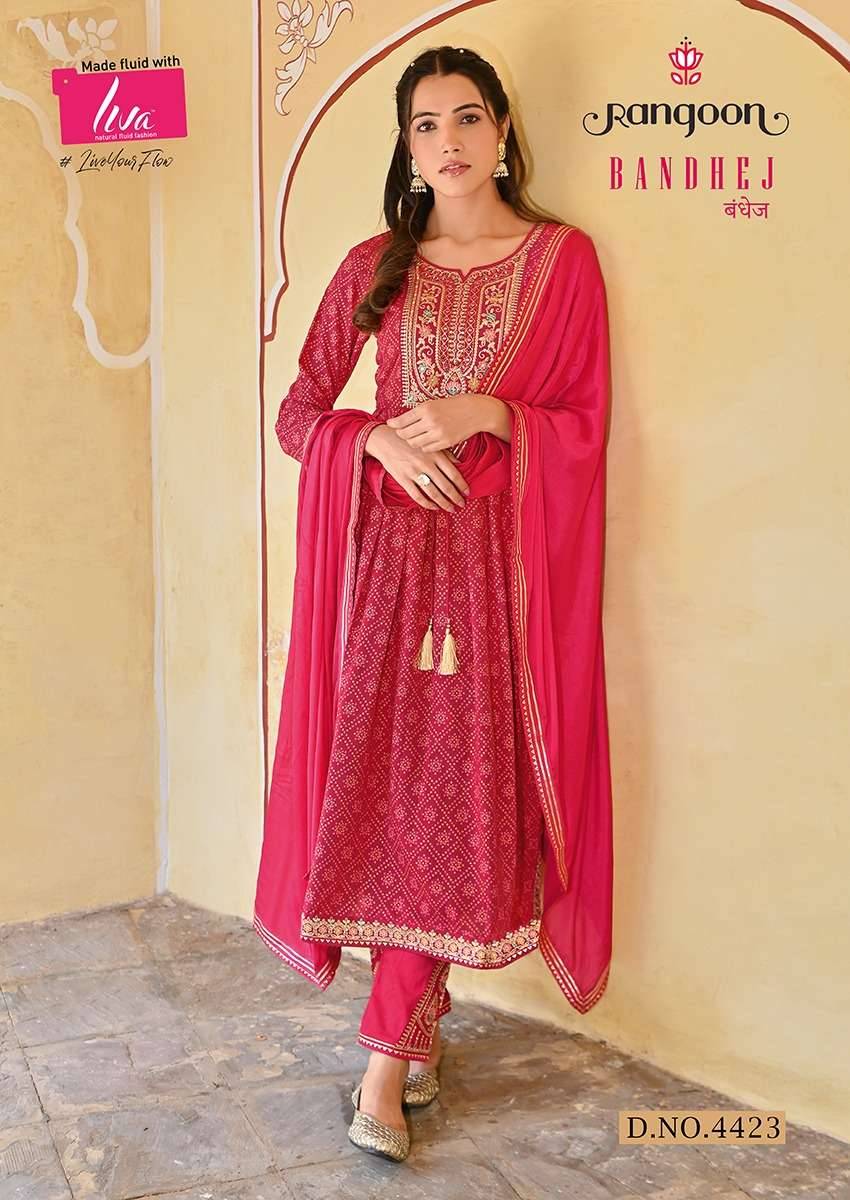
For retailers, Nayra cut kurtis can work particularly well when customers want something more distinctive for outings, gatherings, small functions or festive use. Printed, Bandhej-inspired and embellished versions allow sellers to create different price levels within the same silhouette.
2. A-Line Kurtis
A-line kurtis remain a useful retail category because the silhouette is familiar and adaptable. Retailers can stock simple printed versions for everyday customers and more detailed versions for semi-festive buyers.
A balanced assortment of neck patterns, sleeve treatments and colour combinations can help prevent the collection from looking repetitive.
3. Straight-Cut Daily Wear Kurtis
Not every customer is searching for an elaborate fashion statement. Straight-cut kurtis continue to provide an important foundation for regular retail business because they can be styled for office, casual, college and everyday requirements.
For this segment, retailers should focus on wearable prints, comfortable materials and accessible wholesale rates. Products that customers can purchase in multiple colours can also encourage repeat orders.
4. Printed Kurtis
Printed kurtis wholesale collections allow retailers to refresh their displays frequently without depending entirely on heavy work or premium embellishment. Floral motifs, geometric patterns, traditional-inspired prints and contemporary layouts can target different customer groups.
Printed styles are especially useful for Home-Based Sellers and online Resellers because the design can communicate clearly through photographs and product videos.
5. Bandhej-Inspired Kurti Designs
Traditional visual influences continue to work well when adapted into modern silhouettes. Bandhej-inspired prints and patterns can provide ethnic character while maintaining a contemporary retail appearance.
Such products can be positioned around festive periods, cultural occasions and regional customer preferences. Retailers should evaluate colour combinations carefully, as strong reds, maroons, pinks, greens and other festive shades can perform differently according to market and season.
Kurti Sets Are Becoming Important for Retail Assortments
Customers increasingly appreciate coordinated outfits because they simplify styling. Instead of purchasing a kurti and then searching separately for matching bottoms or dupattas, they can choose a ready combination.
Kurti Pant Sets
Kurti and pant combinations can work across daily, office and semi-festive segments depending on fabric and detailing. Retailers can maintain basic sets at accessible rates while introducing premium styles for higher-value purchases.
Kurti Pant Dupatta Sets
Three-piece sets create a more complete ethnic appearance and can support higher ticket values. Printed dupattas, contrast combinations and coordinated borders can add visual value without requiring extremely heavy ornamentation.
For Boutique Owners and Showroom Owners, these complete looks can also improve visual merchandising because they are easier to present as finished outfits.
Festive Kurti Sets
Festive collections should be selected differently from daily wear. Retailers can look for stronger colours, elegant embellishment, attractive dupattas, distinctive necklines and premium-looking details while keeping the final selling price appropriate for their customer base.
How Retailers Can Select the Right Wholesale Kurti Price Range
One of the biggest mistakes in kurti purchasing is focusing entirely on the lowest buying price. A cheaper product is not automatically more profitable. Retail profit depends on how easily the garment sells, the final selling price and how quickly invested capital returns to the business.
A retailer buying at ₹500 and selling quickly at ₹800 may create a healthier inventory cycle than another retailer purchasing an expensive piece that remains unsold for months. This makes stock rotation as important as percentage markup.
Entry-Level Collections
Affordable products can attract budget-conscious customers and support frequent purchases. They are particularly useful for Home-Based Sellers, value-focused shops and Resellers serving price-sensitive markets.
Mid-Range Kurtis
Mid-range products can become the core assortment for many retailers. Customers generally expect a noticeable improvement in fabric, finish or design while still looking for practical value.
Premium Boutique Kurtis
Premium kurtis should provide visible differentiation. Better detailing, unique silhouettes, richer fabrics or coordinated styling can justify higher retail positioning. Boutique owners should purchase such products selectively rather than allocating excessive working capital to untested premium inventory.
Why Surat Is a Major Kurti Sourcing Destination
Surat's textile ecosystem gives buyers access to manufacturers, wholesalers, traders, processors and fashion suppliers across multiple women's ethnic-wear categories. The surat textile market and surrounding trading areas around Ring Road and Sahara Darwaza are widely associated with wholesale textile activity.
This concentration can be useful for buyers searching for kurti wholesale Surat options, because sourcing requirements may range from economical daily wear to boutique collections and larger-volume orders.
Wholesaleexport.in extends this sourcing approach online, helping wholesale buyers review product options without relying exclusively on physical market visits.
Manufacturing Access Supports Collection Variety
A strong manufacturing and supply ecosystem can make it easier for wholesale businesses to introduce new prints, colours and designs as demand changes. For retailers, regular new arrivals are important because repeat customers generally want to see something different each time they return.
Wholesale Sourcing for Different Business Sizes
A large showroom and a home-based reseller do not need identical quantities. Wholesale purchasing should match the size of the business, available working capital and realistic sales capacity.
Smaller businesses can begin with selected fast-moving designs and expand quantities after understanding customer response. Established shops can maintain broader category depth and replenish successful designs more aggressively.
Wholesale Kurti Opportunities Beyond India
Indian ethnic wear also attracts wholesale interest outside India. Retailers serving Indian and South Asian communities in markets such as USA, Australia and Nepal can evaluate kurtis and coordinated ethnic sets according to local customer preferences.
For export orders, buyers should calculate complete landed costs rather than looking only at the Indian wholesale rate. Freight, applicable duties, local taxes and other destination-related charges can influence the final retail positioning.
USA Retail Market
Retailers serving customers in the USA can create a combination of daily ethnic styles and occasion-oriented collections. Size requirements, seasonality and local selling prices should be considered before placing larger wholesale orders.
Australia Wholesale Buyers
Australian boutiques and resellers can evaluate breathable daily wear alongside festive Indian collections. Product photographs, clear measurements and accurate fabric information become especially important when sourcing remotely.
Nepal Retailers and Resellers
Nepal remains a relevant regional market for Indian ethnic wear. Retailers can select products according to their local customer base and should confirm current shipping, payment and order conditions before finalising purchases.
How to Build a Profitable Kurti Collection Instead of Random Stock
The most successful assortment is rarely the one with the maximum number of designs. Retailers benefit more from a collection where every category has a defined customer and price purpose.
Use a Core Plus Trend Strategy
A practical approach is to keep proven daily-wear products as the core of the inventory and use a controlled portion of the purchasing budget for latest kurti designs. This allows the store to appear fresh without risking too much capital on short-lived trends.
Track Which Designs Receive Repeat Orders
Sales data should influence future purchasing. Retailers can monitor which silhouettes, colours, fabrics, sizes and price bands receive repeat demand. A product that repeatedly sells deserves a different purchasing strategy from a style that receives attention but few actual orders.
Buy According to Selling Season
Festivals, wedding periods, summer demand and regional occasions can influence ethnic-wear purchasing. Retailers should ideally receive relevant collections before peak demand begins rather than after competitors have already captured early customers.
Vastralife's wholesale and export experience since 2017, combined with textile industry expertise and a focus on premium product quality, supports the understanding that long-term wholesale business depends on more than catalogue quantity. Product selection, quality consistency and changing market demand all matter.
Digital Selling Makes Visual Kurti Designs More Valuable
Online retail has changed how customers evaluate fashion. A product now needs to look attractive not only on a hanger but also on a smartphone screen. This makes model photography, colour presentation and visible garment detailing increasingly important.
Model Images Help Customers Visualize the Outfit
Model photographs can communicate length, silhouette and overall styling more effectively than folded-product images alone. Retailers using WhatsApp, Instagram, Facebook or their own online store can benefit from clear catalogue imagery supplied with the products.
Short Videos Can Improve Product Understanding
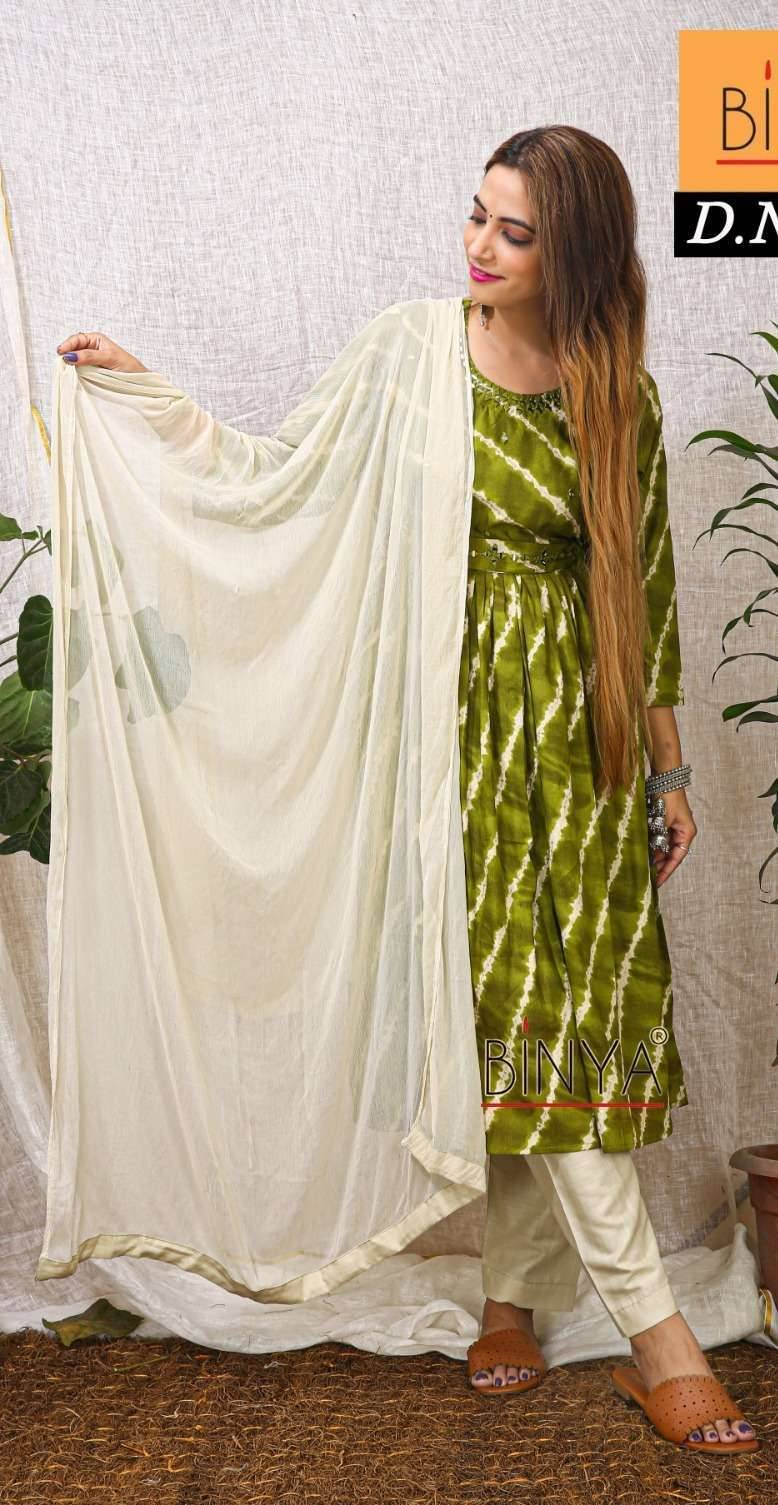
A short video can show fabric movement, side profile, dupatta details and overall fit. For products with distinctive cuts such as Nayra styles, this can be particularly useful because a static front image may not communicate the complete silhouette.
Regular New Arrivals Encourage Repeat Engagement
Customers who know that a retailer introduces fresh products frequently have a reason to revisit the store, catalogue or social-media profile. This is why consistent sourcing can be more valuable than purchasing a huge quantity only a few times each year.
Wholesaleexport.in can help business buyers explore changing wholesale ethnic-wear collections while planning stock according to their customer segment and purchasing capacity.
How Retailers Can Choose Fast-Moving Kurti Designs
Fashion trends can attract attention, but retailers ultimately need products that convert that attention into sales. The best trending kurti designs for retailers are therefore not simply the newest designs in the market. They are styles that combine current fashion appeal with wearable colours, practical fabrics, suitable sizes and a retail price customers are comfortable paying.
Before placing a larger wholesale order, retailers can review previous sales records, customer inquiries and frequently requested sizes. Even a simple record of which designs sold within the first 15, 30 and 60 days can provide useful direction for the next purchase.
Prioritize Designs With Multiple Wearing Occasions
Products that customers can wear for more than one occasion can have broader sales potential. A comfortable printed kurti may work for office, casual outings and everyday wear, while a moderately embellished Nayra cut kurti can suit family functions, festivals and social gatherings.
This versatility gives Shop Owners and Resellers more opportunities to sell the same collection to different customer groups.
Look Beyond the Lowest Wholesale Price
Low-cost purchasing can protect working capital, but retailers should not compromise on the characteristics customers notice immediately. Fabric feel, stitching, colour combination, finishing and overall appearance influence whether a customer considers the product worth its selling price.
A slightly higher wholesale rate can sometimes produce a stronger result when the product has better visual appeal and faster stock rotation.
Keep a Balanced Colour Mix
Retailers can combine dependable shades with trend-oriented colours. Black, navy, maroon and other versatile colours can provide a stable base, while brighter seasonal colours can make displays and social-media catalogues appear fresh.
Instead of purchasing equal quantities of every colour, buyers can use previous sales performance to identify the shades their customers prefer.
Trending Kurti Designs for Different Retail Customers
A profitable assortment becomes easier to build when products are selected for specific customer groups. The same latest kurti designs will not necessarily perform equally well for college customers, working women, festive shoppers and boutique buyers.
Kurtis for College and Younger Customers
Younger customers may respond to contemporary prints, shorter lengths, straight silhouettes, fusion styles and comfortable everyday designs. Retailers serving this segment should pay close attention to affordability because customers may want multiple pieces rather than one expensive garment.
Office Wear Kurtis
Office customers generally benefit from designs that combine comfort with a polished appearance. Straight cuts, subtle prints, practical sleeves and easy-to-style colours can work effectively in this segment.
Retailers can also introduce kurti-pant combinations for customers who prefer ready coordinated outfits for work.
Festive and Occasion Kurtis
Festive customers often expect stronger visual detailing. Embroidery, Bandhej-inspired patterns, statement dupattas, attractive borders and richer colour combinations can help create an occasion-ready appearance.
Retailers should purchase festive stock according to the expected selling window. Receiving a trend after peak demand has passed can leave expensive inventory sitting in the store.
Plus-Size Kurti Customers
Size-inclusive inventory can expand a retailer's customer base. Buyers should monitor demand for larger sizes and look for silhouettes designed to maintain proper proportion and comfort rather than simply scaling up smaller patterns.
Reliable size availability can also create repeat customers because shoppers often return to retailers where they consistently find suitable options.
Wholesale Kurti Buying Strategy for Boutique Owners
Boutique Owners generally benefit from a more curated approach. Rather than competing exclusively on low prices, boutiques can build value through product selection, styling and presentation.
Choose Designs That Look Distinctive
If customers can find an identical product everywhere, direct price comparison becomes easier. Boutique buyers can therefore mix proven products with selected styles featuring distinctive prints, silhouettes, dupattas or detailing.
Purchase Limited Quantities of Experimental Trends
A new trend may look impressive in a catalogue but still perform differently with actual customers. Smaller initial quantities allow boutiques to test demand before committing more capital.
Once a design begins generating repeat inquiries, the retailer can increase purchasing depth or source similar styles.
Create Complete Looks
Boutiques can merchandise kurtis with matching pants, dupattas and accessories. This increases perceived styling value and may also improve the average customer bill.
For online boutiques, model photographs and styling videos can achieve a similar effect by helping customers visualize the complete outfit.
Wholesale Strategy for Home-Based Sellers and Resellers
Home-Based Sellers and digital Resellers often need a different buying strategy because they may operate with limited storage and working capital. Their advantage is flexibility: they can test collections quickly and adjust purchasing according to customer response.
Start With High-Shareability Products
Products with clear catalogue photographs, attractive colours and easily visible design details are useful for WhatsApp and social-media selling. Customers should be able to understand the product quickly without requiring lengthy explanations.
Keep the Buying Range Focused
Instead of investing in too many categories simultaneously, new Resellers can begin with a defined range such as daily-wear kurtis, Nayra cuts or coordinated sets. A focused assortment can make marketing more consistent.
Build Repeat Customers Before Expanding Inventory
A strong customer database can reduce dependence on paid advertising. Sellers can share new arrivals with customers who have already purchased similar products, creating an opportunity for repeat business.
Internal Linking for Related Wholesale Categories
Retailers building a wider ethnic-wear assortment can explore Jaipuri kurtis wholesale collections when customers prefer traditional prints and versatile ethnic styles.
Businesses receiving demand beyond stitched kurtis can also evaluate wholesale dress materials Surat collections to broaden their product offering while remaining within women's ethnic wear.
A broader assortment should still be built according to customer demand. Adding categories simply because they are available can increase inventory without improving profitability.
Kurti Wholesale Purchasing for Seasonal Demand
Retailers should align purchasing with the selling calendar. Fashion stock has a time value: a design purchased at the correct moment can sell at a healthier margin, while the same design purchased too late may require discounting.
Festive Season Purchasing
Before major festive periods, buyers can increase the proportion of brighter colours, traditional-inspired patterns, embellished kurtis and complete ethnic sets. Purchasing should happen early enough to allow merchandising and customer promotion before peak demand.
Summer Kurti Collections
During warmer months, comfortable and breathable products can become more important. Lightweight everyday kurtis, practical prints and easy silhouettes can serve customers looking for regular wear.
Wedding and Occasion Demand
Retailers who serve wedding-related customers can introduce more premium kurti sets, rich dupattas and statement silhouettes. These products can complement heavier ethnic categories while serving customers who prefer comfortable occasion wear.
Wholesale Kurti Export Opportunities in 2026
Indian ethnic fashion has potential beyond the domestic market, particularly among boutiques and Resellers serving South Asian communities overseas. Buyers in the USA, Australia and Nepal can select kurti collections according to local demand, climate, customer profile and preferred price level.
Prepare Collections for the Destination Market
International buyers should not assume that the same assortment will perform equally in every country. Climate, festive calendars, local purchasing power and community preferences can influence which products sell.
Calculate Complete Export Cost
The Indian wholesale price is only one part of an international buyer's final cost. Shipping, applicable duties, taxes and other export expenses should be considered before setting retail prices.
Wholesale Buyers should confirm current product availability, shipping conditions and applicable charges before finalising an international order.
Why Product Quality Matters for Long-Term Retail Growth
Retailers may generate an initial sale through an attractive design, but repeat business depends heavily on customer experience. Fabric quality, stitching, colour performance, fitting and finishing can influence whether the buyer returns.
For this reason, premium product quality does not necessarily mean that every garment must be expensive. Quality should be appropriate and dependable within the product's price segment.
Vastralife brings wholesale and export experience since 2017, along with textile-industry expertise and experience working with wholesale requirements across women's ethnic-wear categories. This practical understanding helps connect changing fashion demand with the requirements of retailers, boutiques and Resellers.
Customer FAQs
1. Which kurti designs are trending for retailers in 2026?
Nayra cuts, printed kurtis, straight-cut daily wear, A-line designs, kurti-pant sets, kurti-pant-dupatta sets and traditional-inspired patterns are useful categories for retailers to evaluate in 2026. Actual demand can vary by location and customer segment.
2. Where can retailers buy wholesale kurtis from Surat?
Surat has an extensive textile trading and manufacturing ecosystem around areas associated with the surat textile market, Ring Road and Sahara Darwaza. Buyers can also explore wholesale collections through Wholesaleexport.in.
3. Which kurti designs are suitable for boutique owners?
Boutiques can consider Nayra cuts, coordinated kurti sets, premium printed styles, embroidered kurtis and distinctive ethnic designs that provide visible differentiation from basic everyday products.
4. Are daily-wear kurtis good for retail business?
Daily-wear kurtis can provide regular sales because they serve practical customer requirements. Comfortable fabrics, attractive prints, useful sizes and competitive pricing can make this category suitable for repeat purchasing.
5. Should retailers buy trending kurtis in bulk?
New trends are generally safer to test in controlled quantities. Retailers can increase their purchasing volume after confirming customer demand. Proven fast-moving designs are usually better candidates for deeper stock.
6. Are Nayra cut kurtis suitable for festive retail collections?
Yes. Nayra cut styles with Bandhej-inspired patterns, embroidery, decorative borders or coordinated dupattas can be positioned for festive and semi-occasion customers depending on the design.
7. Can Home-Based Sellers buy wholesale kurtis?
Home-Based Sellers can build a kurti business by choosing manageable quantities, targeting a defined customer group and using WhatsApp or social media for product presentation. Current minimum order requirements should be confirmed before purchasing.
8. What should retailers check before buying wholesale kurtis?
Buyers should review fabric, design, size availability, wholesale price, expected retail rate, customer demand, quantity requirements and shipping conditions. International buyers should additionally calculate applicable export and landed costs.
9. Which colours should retailers stock in 2026?
There is no single colour mix suitable for every business. Retailers can combine dependable shades such as navy, black and maroon with seasonal colours based on current customer response and local fashion preferences.
10. How can retailers improve kurti stock rotation?
Track fast-moving designs, reduce repeat buying of slow stock, purchase new trends in controlled quantities and replenish products that generate actual sales. Inventory decisions should be based on customer behaviour rather than catalogue appearance alone.
Build Your 2026 Kurti Collection With Wholesaleexport.in
For retailers, the goal is not simply to stock more kurtis; it is to stock the right kurtis. A balanced collection should combine proven everyday sellers with carefully selected trending kurti designs for retailers, multiple price levels and products suitable for the store's actual customer base.
Wholesaleexport.in helps Home-Based Sellers, Shop Owners, Boutique Owners, Showroom Owners, Resellers and Wholesale Buyers explore changing ethnic-wear collections for their business requirements.
Buyers can enquire about Latest Collections, Wholesale Pricing, Trendy Ethnic Wear, Fast Shipping, available COD Support, Bulk Order Deals and Quality Products Starting From ₹299. Product rates, MOQ, COD eligibility, stock and delivery conditions can vary by collection and should be confirmed while ordering.
Whether you are refreshing a local boutique, expanding a showroom, building a home-based fashion business or sourcing products for resale, selecting fresh designs with practical selling potential can help create healthier inventory movement in 2026.
Contact Number: +91 9712582172
Website: wholesaleexport.in
Explore new wholesale arrivals, compare collections according to your customer segment and build an ethnic-wear assortment designed for repeat sales, stronger inventory rotation and sustainable retail growth.