


Traditional Print Suit Material Wholesale: Latest Designs, Fabrics & Buying Guide 2026
Traditional Print Suit Material Wholesale: Latest Designs, Fabrics & Buying Guide 2026
Indian ethnic fashion continues to create strong retail opportunities because customers still value clothing that combines cultural character with everyday comfort. For retailers, boutiques, resellers and online sellers, printed unstitched suits offer the flexibility to serve different age groups, regional preferences, seasons and price segments without limiting customers to fixed ready-made sizes.
Introduction
The market for traditional print suit material has developed far beyond a small ethnic-wear category. Today, buyers can source collections inspired by Bandhani, Ajrakh, Kalamkari, Bagru, block prints, floral motifs, paisley patterns, geometric designs and contemporary interpretations of traditional Indian artwork. This variety makes suit material a practical category for businesses that want regular stock rotation and designs suitable for everyday, festive and semi-formal requirements.
For wholesale buyers, the opportunity becomes more interesting when the collection balances attractive designs with wearable fabrics and sensible pricing. A shop owner may require affordable cotton printed dress materials for regular customers, while a boutique may prefer distinctive patterns that can be converted into customized salwar suits. A reseller selling through WhatsApp or social media may instead focus on visually appealing catalog designs that are easy to present digitally.
Surat remains an important sourcing destination for Indian ethnic wear because of its extensive textile ecosystem. The surat textile market, including commercial areas around Ring Road and Sahara Darwaza, connects buyers with a broad network involved in fabric, printing, processing, embroidery, garment production and wholesale distribution. Wholesaleexport.in brings this sourcing environment online so buyers can explore products without depending entirely on physical market visits.
Why Traditional Printed Suit Materials Remain Strong in 2026
Fashion changes quickly, but traditional prints have an advantage: they can be refreshed through new colors, fabrics, silhouettes and combinations without losing their familiar appeal. In 2026, retailers can build assortments that include subtle office-friendly prints, colorful everyday suits, premium festive designs and modern ethnic patterns within the same category.
Unlike highly occasion-specific garments, printed dress materials can appeal to customers across different buying situations. A customer may purchase one for daily wear, another for a family function and a premium design for festive use. Because the final garment can be tailored according to individual preference, unstitched suit material also gives consumers greater freedom over neckline, sleeves, fitting and styling.
Traditional Style with Modern Colour Stories
Modern wholesale collections increasingly reinterpret familiar Indian motifs in updated shades. Instead of relying only on conventional red, maroon and green combinations, collections may feature lavender, wine, mustard, teal, peach, rust, black, indigo, pastel pink and earthy neutral tones. This creates opportunities for sellers to offer latest suit material designs without moving away from traditional aesthetics.
The combination of heritage-inspired prints and contemporary colours is particularly useful for boutiques and online sellers. Customers get something recognizably ethnic while the visual presentation remains fresh enough for current fashion preferences.
Useful Category for Multiple Customer Segments
A well-planned dress material wholesale range can serve customers at several price levels. Home-based sellers can begin with selected catalogs, retailers can maintain broader assortments, boutiques can choose premium designs, and established showrooms can stock multiple fabrics and print categories simultaneously.
This flexibility also makes the category relevant for wholesale buyers serving different regions of India. Preferences may change between cities, but cotton fabrics, traditional prints, comfortable salwar suit materials and visually attractive dupattas continue to create broad selling opportunities.
Traditional Prints Wholesale Buyers Can Consider
Choosing the right print mix is important because stocking only one visual style can make a collection repetitive. Buyers should ideally create variety while maintaining a recognizable ethnic theme.
Bandhani and Bandhej Inspired Prints
Bandhani-inspired patterns are strongly associated with western Indian ethnic fashion and work especially well in vibrant colours. These designs can be suitable for salwar suits, dupatta combinations and festive dress materials. Buyers looking for traditional suit material wholesale options often include Bandhej-style designs because they are familiar to customers yet can be presented in many new combinations.
Ajrakh and Hand-Block Inspired Patterns
Ajrakh-style designs typically create a deeper handcrafted visual character. Indigo, maroon, black and earthy tones can make these patterns attractive for customers who prefer sophisticated ethnic wear. Block-print-inspired products also fit naturally into boutique collections and everyday premium wear.
Floral and Paisley Prints
Floral motifs remain versatile because they can be scaled from tiny all-over patterns to large statement designs. Paisley, another enduring ethnic motif, works well across cotton, rayon, silk blends and other fabrics. For sellers who want broadly wearable merchandise, floral and paisley print suit material can provide a useful balance between traditional and contemporary styling.
Kalamkari Inspired Collections
Kalamkari-inspired motifs can add artistic depth to a wholesale assortment. Designs influenced by floral vines, heritage artwork and narrative-style patterns are particularly suitable for buyers who want their catalogs to look different from basic printed suits.
Retailers should avoid selecting products purely because a particular print is currently popular. Fabric quality, colour combination, dupatta coordination, overall finishing and expected customer price should be evaluated together before placing a bulk order.
Choosing the Right Fabric for Printed Suit Material
The same print can look and feel completely different depending on the fabric. Wholesale buyers therefore need to consider not only the design but also the end use of the finished garment. A fabric that works well for summer daily wear may not create the premium appearance required for festive merchandise.
Cotton Suit Material for Everyday Demand
Cotton suit material wholesale collections are useful for retailers targeting customers who prioritize comfort and regular use. Printed cotton suits can perform well during warmer months and in markets where lightweight ethnic clothing is preferred.
For a stronger retail assortment, buyers can mix understated office-friendly designs with brighter prints for casual and family occasions. Cotton-based collections are also practical for resellers because customers generally understand the fabric and its everyday usability.
Rayon and Soft-Flowing Fabrics
Rayon and similar soft fabrics can create a more fluid fall than conventional cotton. They work well for contemporary ethnic styling and can be attractive for younger customers looking for comfortable suits with a modern appearance.
When purchasing these products wholesale, check the fabric weight, print clarity and overall finish rather than comparing only the price. A slightly better fabric can improve the customer's perception of the finished outfit and potentially support a stronger retail margin.
Silk Blends and Festive Suit Materials
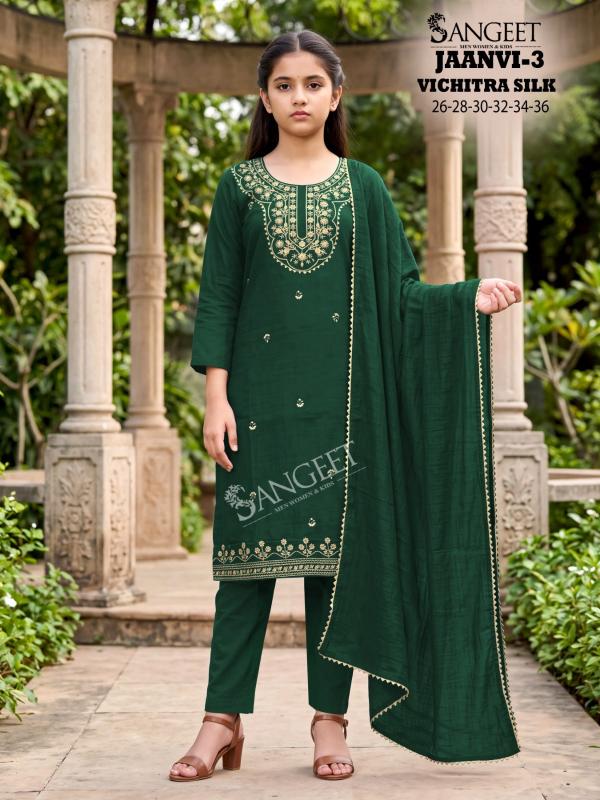
For festive and premium collections, silk blends and richer fabrics can provide additional sheen and structure. Traditional prints can also be combined with woven borders, embroidery, decorative dupattas or coordinated bottoms to create more premium-looking sets.
These products can be positioned differently from regular daily-wear merchandise. A showroom or boutique may maintain a smaller but carefully selected premium section alongside faster-moving economical stock.
Wholesale Price Planning for Better Retail Margins
Wholesale sourcing should never be reduced to finding the lowest available rate. The more useful question is whether a product gives the retailer enough value, presentation quality and margin at the intended selling price.
For example, an inexpensive design that looks weak in product photographs may be difficult for an online reseller to sell. A slightly higher-priced product with attractive styling, coordinated colours and better fabric may generate stronger customer response. Wholesale buyers should therefore compare product quality, market positioning and potential retail margin together.
Wholesaleexport.in allows businesses to explore multiple ethnic categories and compare products according to their own customer base. The platform is relevant for wholesale suit material buyers, boutiques, resellers, home-based sellers, shop owners and showroom operators looking for regular product additions.
Build Stock Across Multiple Price Segments
A balanced inventory can include entry-level products for price-sensitive customers, mid-range designs for regular retail demand and selected premium collections for customers willing to spend more. This approach reduces dependence on a single customer segment.
It is also sensible to test new patterns in controlled quantities before increasing inventory. Once a particular colour, print family or fabric starts receiving repeat demand, buyers can plan replenishment based on actual sales rather than assumptions.
Consider the Complete Cost of Sourcing
Wholesale product cost is only one part of the buying calculation. Retailers should also account for shipping, packaging, applicable taxes, payment terms and the quantity required for a particular catalog. Export buyers additionally need to consider international logistics and destination-related charges.
For buyers located away from Surat, online sourcing can reduce repeated travel to the Ring Road and Sahara Darwaza textile areas. Digital catalog access also allows businesses to review new arrivals more frequently instead of waiting for the next physical sourcing trip.
How Different Sellers Can Build a Profitable Collection
The ideal inventory depends heavily on how and where the products will be sold. A large showroom does not need the same assortment strategy as a home-based reseller, and a boutique serving custom tailoring customers will have different priorities from a general ethnic-wear shop.
Home-Based Sellers and Resellers
Home-based sellers should prioritize products that communicate value quickly through photographs and catalog presentations. Clear colours, visible prints and coordinated sets make online selling easier. Instead of holding too many similar pieces, they can rotate new suit material collections regularly and observe which styles receive inquiries.
Social commerce sellers can also segment customers by preference—for example, everyday cotton buyers, festive ethnic customers and premium dress-material shoppers. This makes future catalog sharing more relevant.
Boutique Owners
Boutiques can use unstitched materials more creatively because tailoring adds another layer of customization. A traditional printed fabric can be converted into straight suits, A-line styles, palazzo combinations or customized festive outfits depending on the customer's requirements.
For boutiques, exclusivity and presentation may matter more than simply stocking maximum quantity. Distinctive patterns, premium dupattas and fabrics that tailor well can create stronger perceived value.
Retail Shops and Showrooms
Physical retailers should build visual variety. If every displayed product uses similar colours or prints, customers may perceive the assortment as limited even when substantial inventory is available. Mixing cotton prints, traditional motifs, festive materials and contemporary ethnic designs creates a broader shopping experience.
Businesses sourcing from the Surat textile market can benefit from the city's large manufacturing and distribution network. However, consistent buying decisions still require attention to fabric, finishing, design rotation and customer demand rather than relying solely on the reputation of the sourcing location.
Wholesale and Export Opportunities for Traditional Suit Materials
Indian ethnic fashion also has an audience outside India. Retailers serving Indian and South Asian communities can consider traditional printed suits as part of their ethnic inventory. For this guide, three relevant international markets are USA, Australia and Nepal, each of which can have different customer preferences, climate considerations and retail price expectations.
Export buyers should select products according to their local audience rather than simply copying domestic assortments. Fabric weight, colours, festive calendars, sizing-related tailoring preferences and selling channels can all influence what works in a particular country.
Vastralife brings wholesale and export experience since 2017, along with industry familiarity across Indian ethnic-wear sourcing. That experience supports the broader product ecosystem associated with Wholesaleexport.in, where the focus includes premium product quality, regular collections and business-oriented sourcing.
Manufacturing networks around Surat also make it possible for wholesale businesses to access frequent design updates. For retailers, this means stock can be refreshed throughout the season rather than depending on one large annual purchase.
For international and domestic buyers alike, consistency is important. A retailer may find an attractive catalog once, but sustainable business requires regular access to fresh products, clear product information and dependable dispatch support. This is especially important during festive and wedding seasons, when popular designs can move quickly and customers expect retailers to introduce new options frequently.
Buyers planning larger quantities should therefore evaluate not only individual designs but also the supplier’s ability to provide recurring collections. A dependable sourcing relationship can help businesses reduce the time spent searching for stock and concentrate more on customer acquisition, merchandising and repeat sales.
Traditional Suit Material Trends Retailers Can Stock in 2026
The ethnic-wear market in 2026 is increasingly influenced by customers who want traditional aesthetics without sacrificing comfort or versatility. This creates opportunities for retailers to stock printed suits that can work for everyday use, office wear, small celebrations, festive gatherings and gifting.
Instead of purchasing large quantities of one pattern, buyers can create a more adaptable inventory by combining multiple print families. Bandhani-inspired designs can sit alongside floral prints, paisley patterns, geometric motifs, block-print styles and richer festive options. This gives customers more reasons to browse and helps retailers understand which styles work best in their particular market.
Soft Traditional Colours for Everyday Retail
Pastels and softer shades can work particularly well for customers looking for understated ethnic wear. Peach, lavender, pista green, powder blue, beige and soft pink can be combined with traditional motifs to create merchandise that feels contemporary without losing its Indian identity.
Retailers selling through social media should pay particular attention to colour presentation. Products that photograph clearly can generate stronger engagement on WhatsApp, Instagram and other catalog-based selling channels.
Rich Colours for Festive Demand
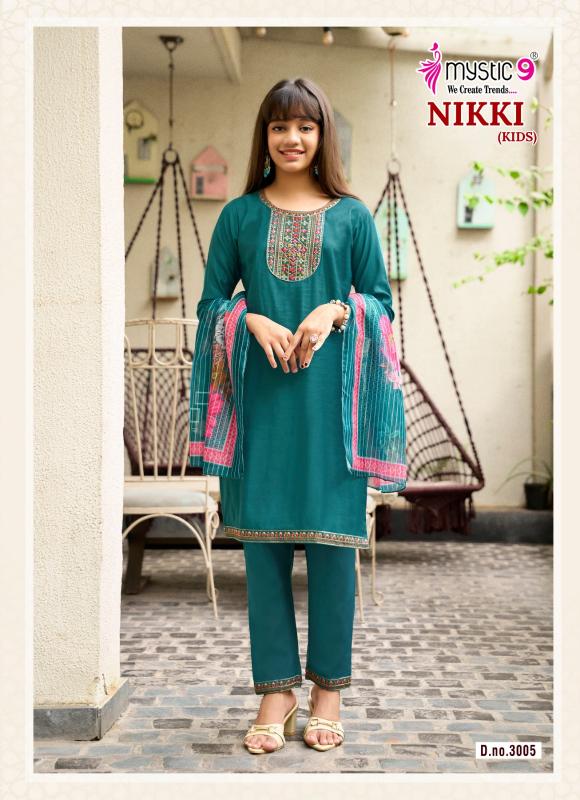
Festive customers often look for deeper shades and stronger contrasts. Wine, maroon, royal blue, bottle green, mustard and traditional red can make printed suit materials more prominent, especially when paired with decorative dupattas, borders or subtle embellishments.
A retailer does not necessarily need heavily worked garments to serve festive demand. A premium-looking print, coordinated bottom and attractive dupatta can create a complete ethnic presentation while remaining accessible to customers who prefer lighter outfits.
Mix-and-Match Friendly Collections
Another useful inventory approach is selecting designs that customers can style beyond a single predetermined combination. Printed kurtas paired with plain trousers, palazzos or contrasting dupattas can increase styling possibilities. Such versatility is especially useful for boutiques and repeat customers who want something different from standard catalog combinations.
How to Evaluate Quality Before Buying Wholesale
A low wholesale price is valuable only when the merchandise meets the quality expectations of the intended customer. Retailers should therefore evaluate fabric feel, print definition, colour consistency, finishing and the coordination between the top, bottom and dupatta before deciding how strongly to invest in a collection.
Check Print Clarity and Colour Balance
Traditional motifs often contain intricate details. Poor print registration or unclear motifs can reduce the visual quality of the finished garment. Wholesale buyers should look at close product images whenever available and understand the nature of the print before ordering larger quantities.
Colour coordination also matters. The kurta fabric, bottom and dupatta should feel like a planned set rather than three unrelated components. Good coordination improves product presentation and makes it easier for retailers to communicate value to customers.
Understand Fabric Before Comparing Price
Two visually similar catalogs can have very different wholesale prices because the fabric construction, print technique, dupatta quality or finishing may differ. Comparing only the final rate can therefore create misleading buying decisions.
Retailers should identify the intended customer first. Economical daily-wear buyers may prioritize comfort and affordability, while boutique customers may willingly pay more for distinctive fabrics, premium prints and better finishing.
Evaluate the Entire Set
When purchasing three-piece dress material, buyers should consider the complete package. A strong kurta design paired with an ordinary dupatta can reduce overall appeal, while an attractive coordinated dupatta can substantially improve the perceived value of even a relatively simple printed suit.
This is why successful traditional print suit material sourcing requires more than selecting an attractive front design. Retailers need to evaluate how the complete product will appear when displayed online, on a counter or after tailoring.
Internal Linking for Related Wholesale Categories
Buyers who want to broaden their assortment beyond printed dress materials can also explore kids wear wholesale collections when building a wider family-fashion inventory. Adding complementary categories can help established retailers increase the number of products offered to existing customers without depending entirely on one segment.
Businesses serving a broader customer base can similarly explore mens wear wholesale options alongside women’s ethnic collections. The right category expansion should be based on existing customer demand, available working capital and the retailer's ability to rotate inventory efficiently.
Inventory Planning for Shop Owners and Wholesale Buyers
Stock planning becomes especially important when traditional products are purchased in catalogs or bulk quantities. A retailer should aim for variety without turning every available design into inventory. Selecting merchandise according to customer history, season and selling channel can produce healthier stock movement.
Start with Core Fast-Moving Designs
Regular-use prints and comfortable fabrics can form the foundation of the assortment. These products are useful because demand is not completely dependent on weddings or major festivals. Retailers can then add stronger seasonal designs around this core range.
Add Limited Trend-Based Merchandise
Trends can generate fast sales, but they can also change quickly. Rather than allocating the majority of inventory to one viral print or colour, retailers can test new trends in smaller quantities and increase purchases after observing customer response.
Plan Festival Stock in Advance
Festival demand should ideally be planned before the peak buying period. Waiting until customer demand has already accelerated can leave retailers competing for fast-moving designs that may have limited availability.
Wholesale buyers can use Wholesaleexport.in to keep track of latest ethnic wear collections and consider replenishment according to actual business requirements. Regular new arrivals can be particularly useful for sellers who communicate with customers through WhatsApp groups, social media pages and digital catalogs.
Traditional Print Suit Material for Online Resellers
Online reselling has changed the way ethnic products reach customers. A home-based seller no longer needs a large physical showroom to present a varied collection. Product images, descriptions, pricing and communication can turn a smartphone-based business into a practical retail channel.
However, online customers cannot physically touch the fabric before purchasing. This makes accurate product presentation important. Sellers should communicate fabric type, available colours, set components and relevant product details clearly rather than relying entirely on decorative photographs.
Choose Visually Strong Catalogs
A product should communicate its value quickly when viewed on a mobile screen. Clear model photographs, close views of print details and visible dupatta combinations can make catalog sharing more effective.
Traditional designs can be particularly suitable for online reselling because recognizable motifs help customers understand the style immediately. A strong collection of printed salwar suit material can therefore support both direct retail and social-commerce selling.
Rotate New Arrivals Regularly
Customers who repeatedly receive identical catalogs may gradually stop checking updates. Introducing fresh merchandise gives resellers a reason to reconnect with existing buyers. New arrivals do not always need to replace older successful products; they can complement established bestsellers.
Wholesaleexport.in can support this approach by providing access to multiple wholesale fashion categories from a single online destination, helping buyers compare new products and build collections around their own market requirements.
Export Potential for Indian Printed Suit Materials
Indian ethnic clothing continues to have relevance among overseas customers who purchase traditional garments for festivals, weddings, community events and regular cultural wear. For wholesale export buyers serving markets such as the USA, Australia and Nepal, suit materials can offer an additional advantage because customers can tailor garments according to their individual preferences.
Export buyers should nevertheless avoid treating all international markets as identical. Product selection should consider local customer tastes, seasonal demand, shipping economics and expected retail price. Lightweight printed fabrics may be practical for some markets, while richer festive materials may perform better around wedding and festival periods.
Vastralife’s wholesale and export experience since 2017 brings practical industry knowledge to this ecosystem. Product quality, sourcing consistency and understanding of wholesale requirements remain important whether an order is intended for a retailer in India or a business selling Indian fashion internationally.
Why Surat Continues to Matter for Ethnic Wear Sourcing
Surat has developed a large textile infrastructure covering fabric trading, processing, printing, embroidery, manufacturing and garment distribution. Areas connected with the surat textile market, Ring Road and Sahara Darwaza remain familiar sourcing references for businesses purchasing Indian fashion.
For buyers outside Surat, however, visiting the physical market for every product update may not always be practical. Online wholesale platforms help bridge this gap by making catalogs available remotely. This can be particularly useful for businesses operating from smaller cities or overseas locations.
The combination of Surat's manufacturing ecosystem and digital wholesale access gives buyers more flexibility in how they source. Physical market knowledge remains valuable, while online buying can make frequent product discovery and repeat purchasing more convenient.
Customer FAQs
1. Where can I buy traditional print suit material wholesale online?
Wholesale buyers, shop owners, boutiques and resellers can explore ethnic-wear collections through Wholesaleexport.in. Before ordering, check current product details, catalog quantity, fabric information, available stock and applicable wholesale pricing.
2. Which traditional prints are suitable for a retail shop?
Bandhani-inspired, paisley, floral, block-print, Kalamkari-inspired, Ajrakh-style and geometric ethnic patterns can all be considered. The best mix depends on your customer profile, region, season and preferred retail price range.
3. Is cotton printed suit material suitable for regular sales?
Yes. Cotton-based printed suits can be practical for everyday and seasonal demand because many customers value breathable fabrics and easy-to-wear ethnic clothing. Retailers can combine economical cotton products with selected premium fabrics to cover multiple price segments.
4. Can home-based sellers purchase wholesale dress materials?
Yes. Home-based sellers can use wholesale catalogs to build a reselling business without operating a large showroom. It is sensible to start with manageable quantities, identify customer preferences and increase purchases of products that demonstrate consistent demand.
5. Can traditional suit materials be supplied for export orders?
Indian ethnic products can be sourced for international markets subject to product availability, order requirements and shipping arrangements. Export buyers should confirm current logistics, payment and dispatch details before finalizing an order.
6. What should I check before placing a bulk suit material order?
Check the fabric, print, catalog quantity, colour assortment, set components, wholesale price, shipping terms and expected customer segment. For larger purchases, inventory planning is particularly important because a lower purchase rate does not automatically guarantee faster sales.
7. Are traditional printed suits suitable for boutiques?
Yes. Boutiques can use unstitched materials to create customized silhouettes and offer customers greater freedom in tailoring. Distinctive prints and premium fabric combinations can also help boutique owners create differentiated merchandise.
8. How should retailers select products for the 2026 season?
A practical 2026 assortment can combine established traditional prints with updated colours, comfortable fabrics and a smaller percentage of trend-driven merchandise. Retailers should use actual customer demand and sales history to decide how much inventory to allocate to each segment.
Order Traditional Ethnic Collections for Your Business
If you are building or expanding an ethnic-wear business, a varied collection can help you serve customers across everyday, festive and premium requirements. Wholesaleexport.in is designed for home-based sellers, shop owners, boutique owners, showroom owners, resellers and wholesale buyers looking for business-focused fashion sourcing.
Explore Latest Collections, competitive Wholesale Pricing and Trendy Ethnic Wear for different customer segments. Buyers can also benefit from Fast Shipping, available COD Support where applicable, Bulk Order Deals and Quality Products Starting From ₹299, subject to the current product, order and delivery conditions.
Whether you are sourcing traditional printed suits, dress materials or other fast-moving ethnic collections, selecting the right combination of quality, price and variety can help build a stronger retail assortment. Focus on products that fit your actual customers, introduce new designs regularly and scale successful styles according to genuine sales response.
Contact: +91 9712582172
Website: wholesaleexport.in