


Traditional Print Dress Material Wholesale in India: Trends, Fabrics & Buying Guide 2026
Traditional Print Dress Material Wholesale in India: Trends, Fabrics & Buying Guide 2026
Indian ethnic fashion continues to create strong opportunities for retailers who understand what customers want: wearable fabrics, recognizable Indian craftsmanship, attractive colour combinations and designs that feel traditional without looking outdated. For boutique owners, shop owners, resellers and wholesale buyers, printed unstitched suits remain especially practical because they offer flexibility in sizing, styling and selling price while serving customers across different age groups.
Introduction
The market for traditional print dress material has evolved considerably. Buyers are no longer searching only for basic printed suits. They are looking for collections that combine Indian printing traditions with modern colour palettes, coordinated dupattas, comfortable fabrics and designs suitable for everyday wear, festive occasions and gifting.
This creates an important opportunity for Home-Based Sellers, Shop Owners, Boutique Owners, Showroom Owners, Resellers and Wholesale Buyers. A carefully selected dress material collection can cover several customer segments without requiring the seller to maintain a separate size inventory for every design.
For 2026, wholesalers are seeing interest in Bandhej-inspired patterns, floral ethnic prints, geometric motifs, Ajrakh-inspired designs, block-print looks, traditional border work, paisley patterns and coordinated printed dupattas. The right assortment can work for customers in India while also supporting ethnic-wear demand from markets such as USA and Nepal.
Wholesaleexport.in helps buyers explore ethnic fashion collections sourced from the Indian textile ecosystem. With Vastralife's wholesale and export experience since 2017, the focus remains on industry knowledge, practical sourcing and premium product quality suitable for retailers and professional wholesale buyers.
Why Traditional Printed Dress Materials Remain a Strong Retail Category
Fashion trends change quickly, but traditional Indian prints have a different advantage: customers already understand and recognize them. A Bandhej-inspired dupatta, a floral printed salwar suit or an ethnic motif immediately communicates Indian styling. Retailers therefore do not always need to educate customers about how or where the product can be worn.
Freedom of Stitching Makes Dress Material Easier to Sell
Ready-made garments depend heavily on size availability. Dress materials give the customer more control. She can choose her preferred neckline, sleeve style, kurta length, pant pattern and fitting. This makes unstitched dress material wholesale particularly useful for boutiques serving customers with different body types and styling preferences.
A customer may turn the same fabric combination into a straight kurta set, Punjabi suit, salwar suit, A-line kurta or another personalized silhouette. That flexibility expands the potential audience for one wholesale catalogue.
Traditional Designs Work Across Multiple Occasions
A retailer can build different selling stories around printed dress materials. Lighter cotton and rayon prints can be positioned for daily wear and office wear. Richer fabrics, elaborate dupattas and detailed borders can serve festive and occasion-based demand. Colourful Bandhej and ethnic patterns can also perform well during regional festivals and wedding-related shopping periods.
This is why a good dress material wholesale supplier should provide variety rather than simply repeating similar patterns in different colours.
Traditional Prints Buyers Can Consider for 2026
A balanced assortment is usually more useful than purchasing large quantities of one trend. Retailers can combine familiar Indian designs with updated prints to maintain variety on shelves, websites, WhatsApp catalogues and social-media pages.
Bandhej and Bandhani Inspired Designs
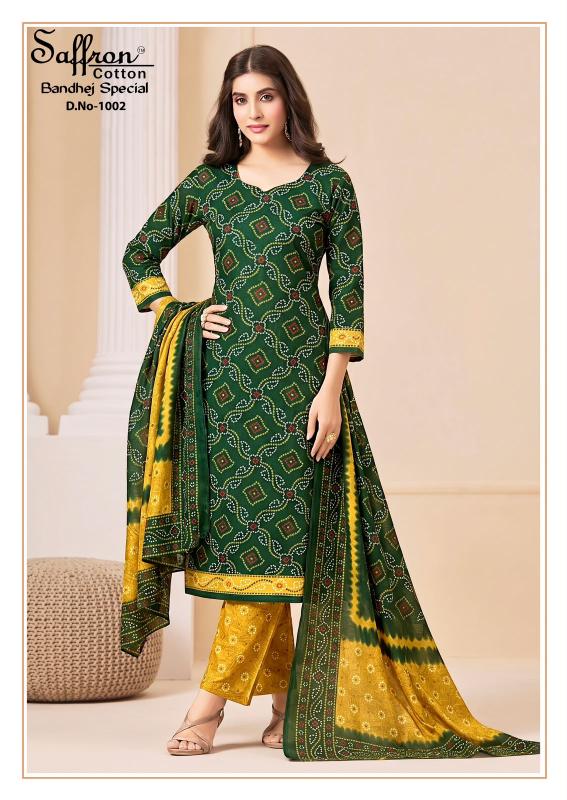
Bandhej continues to have strong visual recognition in Indian ethnic fashion. Its dotted patterns, vibrant combinations and traditional character make it suitable for festive collections as well as contemporary styling.
A Bandhej dress material wholesale assortment can include bright reds, pinks, greens and yellows alongside deeper maroon, navy and wine tones. Coordinating the kurta fabric with a contrasting or matching dupatta can make the catalogue visually stronger.
Floral Traditional Prints
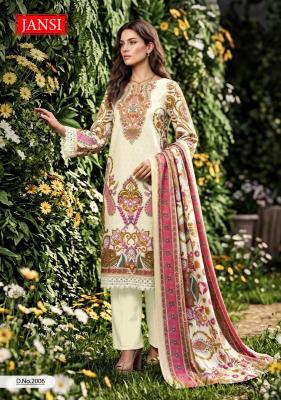
Floral designs are versatile because their commercial appeal can move between everyday and festive categories depending on fabric, colour and detailing. Small floral motifs can work for everyday suits, while larger florals with ornamental borders can create a more premium appearance.
Retailers should examine print clarity, colour balance and the placement of motifs before ordering. An attractive product photograph can generate enquiries, but the actual fabric quality and finishing influence repeat purchases.
Block Print Inspired Dress Materials
Block-print aesthetics remain popular among customers who prefer an artisanal Indian look. Geometric motifs, flowers, vines, paisleys and repeated ethnic patterns can give simple fabrics a distinctive appearance.
For boutiques, block print dress material wholesale can provide a useful category for customers seeking understated ethnic wear rather than heavily embellished suits.
Ajrakh and Geometric Ethnic Patterns
Deep colours and detailed geometric arrangements create a recognizable traditional character. Ajrakh-inspired collections can be especially attractive for customers who prefer sophisticated ethnic patterns rather than brighter festive designs.
When sourcing such designs, retailers should create a colour mix instead of purchasing only one shade family. Indigo, maroon, rust, beige, black and earthy combinations can help create visual variety.
Choosing the Right Fabric for Traditional Dress Materials
The print may attract the customer first, but fabric often determines whether she actually purchases the product. Retailers therefore need to evaluate fabric comfort, fall, transparency, seasonality, washing requirements and final stitched appearance.
Cotton Dress Materials
Cotton dress material wholesale is useful for stores targeting regular wear, summer demand and customers who prioritize breathable fabrics. Printed cotton suits can serve office wear, home wear and casual ethnic wardrobes.
For wholesale purchasing, check fabric feel, colour consistency and whether the top, bottom and dupatta combination appears coordinated. A low price alone should not determine the order because poor fabric quality can reduce repeat business.
Rayon and Blended Fabrics
Rayon and suitable blends can offer a soft fall and modern appearance while keeping collections commercially accessible. They work particularly well when traditional motifs are presented through contemporary colour combinations.
These fabrics can be useful for resellers who need products that photograph attractively for Instagram, WhatsApp and online catalogues.
Premium Festive Fabrics
Festive customers often expect a richer appearance. Depending on the collection, buyers may consider silk blends, jacquard elements, premium dupattas, embroidery combinations and decorative borders.
The objective should be to create different price levels within the store. Entry-level printed suits can attract volume buyers, while premium combinations can increase average order value.
Surat as a Major Sourcing Destination for Dress Material
Surat has developed a large textile ecosystem covering fabric trading, processing, designing, wholesale distribution and manufacturing. Buyers searching for Surat dress material wholesale often explore the city because many categories and price segments can be sourced within one textile hub.
Commercial textile areas around Ring Road, Sahara Darwaza and the broader Surat textile market ecosystem connect buyers with suppliers dealing in ethnic wear, sarees, dress materials, kurtis and other women's fashion categories.
For an outstation retailer, however, travelling to multiple markets every time fresh stock is needed may not be practical. Digital wholesale sourcing allows buyers to examine new catalogues remotely, compare styles and reorder suitable products without making a physical market visit for every purchase.
What Wholesale Buyers Should Check Before Ordering
Before placing an order for traditional print dress material wholesale, buyers should verify what is included in the catalogue. Confirm the top fabric, bottom fabric, dupatta material, approximate fabric measurements where provided, colour assortment, catalogue quantity, wholesale price, minimum order requirement and dispatch terms.
Product photographs should also be examined carefully. For traditional prints, colour combinations play an important role in customer response, so retailers should avoid building an entire assortment around nearly identical shades.
Build a Balanced Wholesale Price Range
A common purchasing mistake is choosing stock entirely on the basis of the lowest price. Retail customers have different budgets. A better inventory strategy is to maintain affordable products for regular buyers, mid-range collections for boutiques and premium styles for festive or occasion-driven customers.
Wholesaleexport.in can be used to explore current collections across different product segments while planning stock according to the retailer's own customer profile.
How Retailers Can Create a Better Traditional Print Assortment
A profitable collection is not necessarily the catalogue with the greatest number of designs. It is one in which the products complement each other and cover different customer requirements.
Start with Proven Colours and Add Trend Shades
Retailers can combine dependable colours such as navy, maroon, green, red, black and beige with seasonal shades. This keeps the assortment familiar while introducing enough freshness to encourage existing customers to look at new arrivals.
For online sellers, colour variety is especially valuable because every new shade can become separate content for product posts, reels, stories and WhatsApp promotions.
Mix Everyday and Occasion-Based Products
Instead of filling the complete inventory with festive merchandise, maintain products that customers can purchase throughout the year. Everyday printed suits provide continuity, while festive designs can create stronger seasonal demand.
This strategy can be useful for Home-Based Sellers and smaller boutiques because capital does not remain concentrated entirely in occasion-specific stock.
Understand Your Local Customer Before Buying
Demand differs by market. A product performing well in one region may move more slowly elsewhere. Shop owners should track which colours, fabrics, price bands and print styles their own customers repeatedly request.
Online resellers can use enquiry data in the same way. If customers repeatedly ask for cotton printed suits, Bandhej sets or premium dupatta combinations, future purchasing can give those categories greater weight.
For buyers wanting to compare a wider selection, the wholesale dress materials Surat category provides a natural starting point for evaluating ethnic suit options. Retailers expanding beyond dress materials can also explore the Ahmedabad kurti wholesale market selection to diversify their women's ethnic-wear inventory.
Traditional Print Dress Material for Online and Offline Retail
The way ethnic wear is sold has changed significantly. A retailer no longer needs to depend only on customers walking into a physical shop. The same traditional print dress material collection can be promoted through a showroom, website, WhatsApp catalogue, Instagram page, Facebook page and reseller network. This makes dress material a flexible category for businesses of different sizes.
For physical stores, the advantage is that customers can touch the fabric, compare colours and understand the complete top-bottom-dupatta combination. Online sellers need to replace that physical experience with clear photographs, accurate fabric information, colour details and straightforward pricing.
Home-Based Sellers can begin with selected catalogues instead of carrying a very large inventory. Established shop and showroom owners can maintain deeper stock across cotton suits, printed salwar suits, Bandhej designs, festive dress materials and premium collections.
Use New Arrivals to Generate Repeat Customer Interest
Customers who regularly purchase ethnic wear want to see something new. Posting the same designs repeatedly can reduce engagement even when those designs are commercially successful. Regularly introducing latest dress material designs gives previous buyers a reason to revisit your store or contact you again.
For 2026, retailers can create a simple rotation: everyday printed collections, office-wear designs, regional traditional prints, festive suits and premium dupatta combinations. This gives the business fresh promotional material throughout the year without depending on one category.
Product Presentation Matters
A good wholesale product can underperform online when presented poorly. Retailers should use clear front-view images, close-up fabric photographs where available and simple descriptions mentioning fabric, print, colour, set contents and price range.
A reseller should avoid making the product description unnecessarily complicated. Customers generally want quick answers: What fabric is it? What comes with the set? Is it unstitched? What colours are available? What is the price? How quickly can it be dispatched?
Wholesale Opportunities for Boutique Owners and Resellers
Boutique owners can use traditional printed materials differently from general retailers. Instead of selling only the unstitched set, they can convert selected fabrics into customized suits and offer stitching as an additional service. This creates an opportunity to differentiate the business even when several retailers are sourcing from similar wholesale markets.
Resellers can focus on catalogue-based selling. The ability to show several products digitally allows them to test customer response before expanding inventory. However, reliable stock information and supplier communication become particularly important when products are promoted without maintaining large quantities locally.
Home-Based Sellers
For a home-based ethnic-wear business, controlled purchasing is important. Start with designs that can serve a wider customer base instead of buying only highly experimental styles. Cotton printed suits, ethnic floral patterns and traditional colour combinations can provide a practical foundation.
As customer data grows, purchasing can become more specific. A seller may discover that her buyers prefer brighter Bandhej combinations, subtle office wear, premium printed dupattas or a particular price range. That information should guide the next wholesale order.
Boutique and Showroom Owners
Boutiques can combine commercial designs with distinctive premium pieces. Showrooms with a broader customer base can create dedicated sections for daily wear, festive wear, traditional prints and premium dress material.
When choosing a dress material supplier in India, businesses should look beyond the initial catalogue. Regular availability of new collections, product quality, dispatch support and consistency become increasingly important when the relationship develops into repeat purchasing.
Traditional Dress Material for Export Buyers
Indian ethnic wear is also purchased by retailers serving Indian and South Asian communities outside India. Traditional prints have an advantage in international markets because their visual identity immediately connects with Indian fashion.
Wholesale buyers supplying the USA can consider a combination of everyday ethnic suits and occasion collections. In Nepal, traditional and festive Indian fashion can be incorporated according to local customer demand and seasonal buying cycles. Buyers supplying Singapore may similarly select compact, commercially tested assortments according to their target customer profile.
For export orders, retailers should plan earlier than domestic buyers because transit, documentation, customs processes and local distribution can add time. Seasonal inventory should ideally arrive before demand reaches its peak rather than during the final days of a festival or event.
Plan Export Orders Around Selling Dates
International buyers should work backwards from the intended selling period. Consider supplier preparation time, dispatch time, international transportation and the additional time required to receive, photograph, advertise and distribute the merchandise locally.
Ordering earlier also provides more opportunity to replenish successful designs when stock and production availability permit.
Choose Products According to Customer Profile
An overseas ethnic-wear business should not assume that every Indian style will perform equally well. Customer age, local climate, community preferences, festival calendar and average retail price all influence demand.
A mixed shipment containing everyday printed suits, premium traditional sets and selected festive products can reduce dependence on one type of customer.
How to Compare Wholesale Dress Material Price and Value
Wholesale price is important, but the lowest quotation does not automatically provide the best business value. Two visually similar products can differ in fabric quality, print finish, dupatta quality, measurements, colour accuracy and overall presentation.
Retailers should calculate the complete landed cost of inventory. Depending on the order, this may include the product cost, GST where applicable, transportation, packaging and other relevant expenses. Export buyers should separately consider shipping and destination-related charges applicable to their order.
The final retail margin should leave enough room for operating expenses, promotions and occasional slow-moving products. A retailer who purchases entirely on low price may save on the initial order but lose customers if the merchandise does not meet expectations.
Quality Helps Build Repeat Business
Repeat customers are more valuable than one-time transactions. When customers consistently receive fabrics and designs that match their expectations, trust grows naturally. That is why premium product quality should remain an important part of wholesale sourcing.
Vastralife's wholesale and export experience since 2017 provides practical industry exposure to changing customer preferences, textile sourcing and ethnic-wear distribution. This experience supports the broader wholesale approach associated with Wholesaleexport.in.
Stock Planning for Traditional Print Collections
Stock planning should be based on rotation rather than simply accumulating inventory. A retailer should know which designs are new, which are selling consistently, which need replenishment and which have started moving slowly.
Create Three Inventory Groups
A useful approach is to divide stock into three groups. The first is regular-selling merchandise that customers can purchase throughout the year. The second is trend-based merchandise introduced to keep the collection fresh. The third is seasonal stock intended for festivals, weddings and specific buying periods.
This structure helps shop owners maintain variety without committing excessive capital to short-lived trends.
Reorder Winners Faster
If a particular print, colour combination or fabric receives repeated enquiries, note it immediately. Wholesale buyers who track their fast-moving merchandise can make better replenishment decisions than buyers who depend only on memory.
Wholesaleexport.in can help retailers check new wholesale dress material collections and compare options as they refresh inventory. The objective should be to purchase according to actual customer response rather than simply following every new trend.
Prepare Early for Festival Demand
Festival purchasing often begins before the final consumer starts shopping. Retailers need time to receive stock, organize displays, prepare product photographs and launch promotions. Wholesale purchasing should therefore happen before the expected retail rush.
Traditional prints can work particularly well during festival periods because colour, ethnic identity and occasion dressing become stronger purchase factors. Bandhej-inspired designs, richer dupattas, decorative borders and festive colour combinations can be added alongside regular stock.
Internal Linking and Product Discovery
A well-organized wholesale website makes it easier for buyers to move between related product categories. Retailers visiting Wholesaleexport.in can compare collections based on their target market instead of depending on a single product type.
For example, a boutique selling printed dress materials can later expand into kurtis, ready-made ethnic sets, sarees or festive styles. Category diversification can increase the number of buying occasions served by the same store while allowing customers to purchase multiple products from one retailer.
When expanding, retailers should do it gradually. First understand which existing category generates dependable sales. Then introduce related products in controlled quantities and monitor customer response before increasing stock.
Customer FAQs
1. What is traditional print dress material?
Traditional print dress material generally refers to unstitched suit fabrics featuring Indian-inspired motifs, regional print influences, Bandhej patterns, floral ethnic designs, block-print styles, paisleys, geometric patterns or traditional borders. A set may include fabric for the kurta, bottom and dupatta, depending on the catalogue.
2. Where can retailers buy traditional print dress material wholesale?
Retailers can source through established textile suppliers and wholesale platforms connected with major textile hubs such as Surat. Wholesaleexport.in provides online access to women's ethnic-wear collections for Home-Based Sellers, Shop Owners, Boutique Owners, Showroom Owners, Resellers and Wholesale Buyers.
3. What should I check before buying wholesale dress material?
Check the fabric type, catalogue quantity, available colours, top-bottom-dupatta combination, print quality, wholesale price, minimum order requirement, dispatch conditions and product photographs. Buyers should also understand the supplier's policies before confirming an order.
4. Are traditional printed dress materials suitable for online reselling?
Yes. Their visual patterns and colour combinations can make them suitable for catalogue selling through websites, WhatsApp and social media. Online sellers should provide accurate product information and avoid promising colours, fabrics or features that are not confirmed by the supplier.
5. Can Indian traditional dress materials be supplied for export?
Many Indian ethnic-wear businesses serve international wholesale buyers. Export feasibility, shipping method, documentation, delivery time and applicable charges should be confirmed for the destination and specific order before payment and dispatch.
6. Which traditional prints are useful for a mixed retail collection?
A retailer can consider Bandhej-inspired designs, floral prints, block-print looks, geometric ethnic patterns, paisleys and regional-inspired motifs. The final mix should reflect the preferences and budget of the retailer's actual customer base.
7. Is Surat useful for wholesale ethnic-wear sourcing?
Surat has a large textile trading and manufacturing ecosystem. Areas around Ring Road and Sahara Darwaza are associated with the broader Surat textile market, making the city relevant to buyers sourcing women's ethnic wear and textile products.
Grow Your Ethnic Wear Business with Wholesaleexport.in
Whether you are starting a home-based reselling business, expanding a boutique, refreshing a retail shop or sourcing for a larger showroom, the right products and consistent wholesale supply can make inventory planning easier.
Explore Wholesaleexport.in for Latest Collections, Wholesale Pricing, Trendy Ethnic Wear, Fast Shipping, COD Support, Bulk Order Deals and Quality Products Starting From ₹299. Product availability, applicable COD conditions and current pricing should be confirmed while ordering.
Contact Number: +91 9712582172
Website: wholesaleexport.in
With Vastralife's wholesale and export experience since 2017, industry expertise and a focus on quality products, wholesale buyers can explore collections designed for today's competitive ethnic-wear market. From everyday printed suits to traditional and festive collections, a carefully selected product mix can help retailers offer customers greater variety while maintaining a healthier inventory cycle.
For 2026, the opportunity is not simply to stock more products. It is to source the right fabrics, prints, colours and price points for the customers you actually serve. A well-planned traditional print dress material collection can become a dependable category for boutiques, resellers, shop owners and wholesale buyers seeking to grow their ethnic-wear business.