


Top Trending Saree Categories in 2026 for Wholesale Buyers & Retailers
Top Trending Saree Categories in 2026 for Wholesale Buyers & Retailers
The saree market continues to evolve with changing customer preferences, social-media-driven fashion, regional styles and new fabric innovations. For retailers, boutique owners, resellers and wholesale buyers, choosing the right categories is no longer only about stocking beautiful designs; it is about building a balanced collection that can serve daily wear, festive shopping, weddings, premium customers and value-focused buyers throughout the year. Understanding which styles are gaining attention can help businesses plan inventory more confidently and discover better opportunities in India's large ethnic wear market.
Introduction
For saree retailers, 2026 brings an interesting combination of tradition and contemporary fashion. Customers still appreciate timeless Indian weaving styles, but they are also looking for lighter fabrics, comfortable drapes, modern prints, attractive colour combinations and occasion-specific designs. This creates opportunities across several trending saree categories in 2026, from Banarasi and silk sarees to printed, fancy, ready-to-wear and festive collections.
A retailer does not necessarily need hundreds of designs from one category. A more practical wholesale strategy is to create a diverse assortment across different price points and occasions. A boutique may require premium statement sarees, while a neighbourhood shop may need affordable fast-moving varieties. Home-based sellers and online resellers often prefer visually attractive products that are easy to promote through WhatsApp, Instagram and Facebook.
Buyers sourcing from the Surat textile market also benefit from access to a wide variety of fabrics, designs and manufacturers. Surat's textile ecosystem around areas such as Ring Road and Sahara Darwaza has long been associated with sarees, dress materials and women's ethnic fashion. Wholesaleexport.in helps buyers explore collections digitally, making wholesale sourcing more convenient for businesses that cannot visit the market frequently.
Why Saree Trends Matter for Wholesale Buyers in 2026
Wholesale purchasing is fundamentally different from personal shopping. A retailer is investing capital into inventory that must eventually sell. Selecting a saree only because it looks attractive is therefore not enough. Buyers should consider fabric, target customer, selling season, expected retail price, design repeatability, colour mix and the type of occasion for which the product is likely to be purchased.
One important change in the saree business is the increasing influence of digital discovery. Customers can see hundreds of styles through reels, influencer content, marketplace listings and boutique pages before entering a physical store. As a result, shop owners and resellers increasingly need fresh designs rather than relying exclusively on traditional permanent stock.
Build Inventory Around Multiple Customer Needs
A practical saree assortment can include affordable everyday styles, mid-range festive designs and selected premium pieces. This allows retailers to address different budgets without concentrating their entire investment in a single segment. Wholesale sarees with attractive catalogue photography can also be useful for online sellers because customers can understand the drape, colour and overall styling before ordering.
Seasonal Buying Can Improve Stock Rotation
Wedding seasons, Navratri, Diwali, regional festivals and family functions can create demand for different saree styles. Retailers can therefore plan purchases in smaller cycles and replenish successful designs rather than buying excessive quantities of every new trend. This approach can be especially useful for home-based sellers and boutiques operating with limited inventory space.
1. Banarasi Sarees Continue to Attract Wedding and Festive Buyers
Banarasi sarees wholesale remains an important category for ethnic wear retailers because the style carries strong recognition among Indian shoppers. Rich-looking borders, woven motifs, zari-inspired details and traditional colour combinations make these sarees suitable for weddings, festivals, gifting and family celebrations.
In 2026, the category is not limited to extremely heavy traditional designs. Buyers can find lighter Banarasi-inspired options, silk-blend varieties and contemporary colour palettes that make the look accessible to a wider customer base. This flexibility gives retailers the ability to maintain both premium and more affordable options.
What Retailers Should Look for in Banarasi Stock
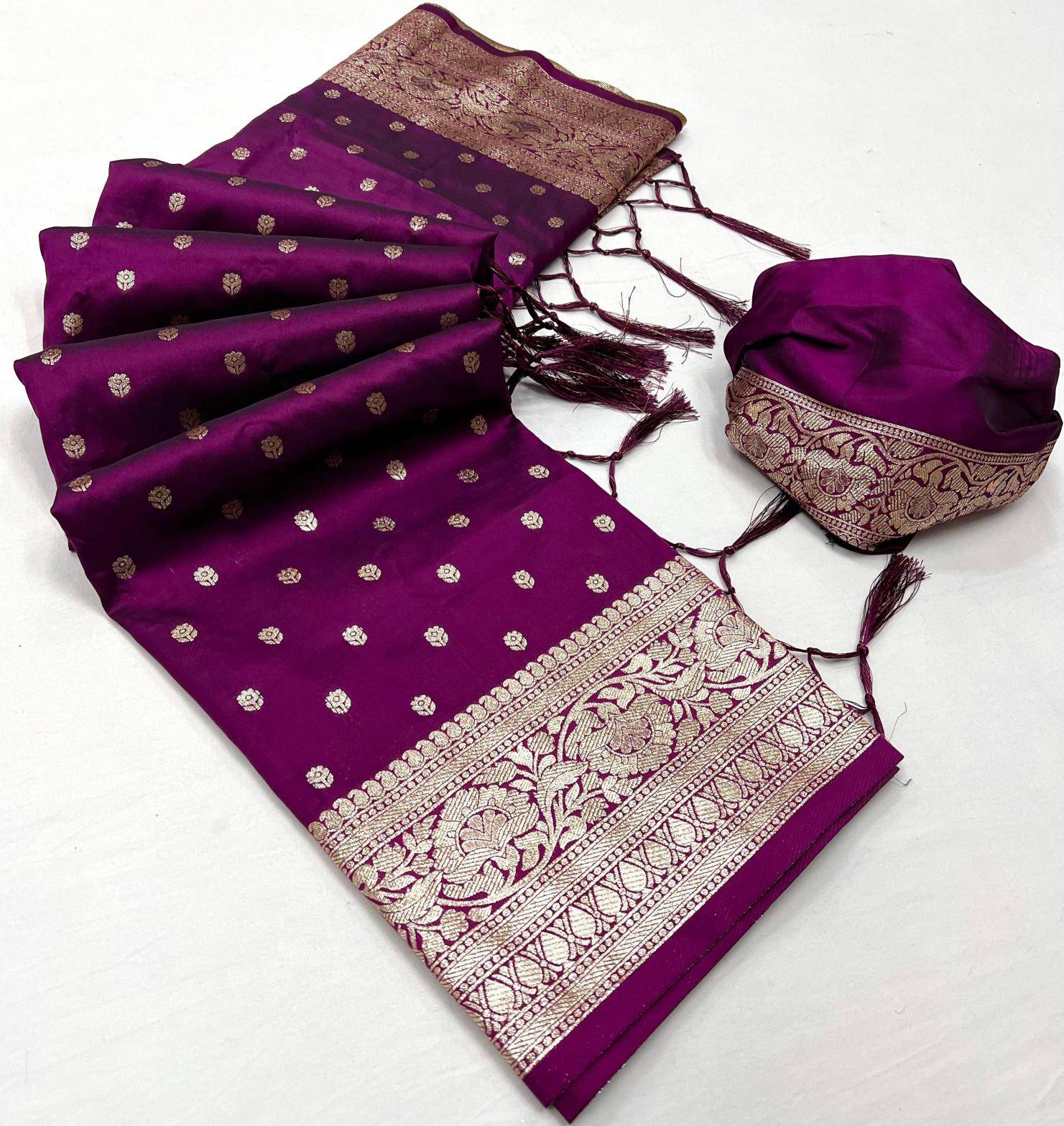
Check the fabric feel, border finishing, pallu presentation, blouse piece and weaving consistency before placing larger orders. Deep red, maroon and green remain familiar festive choices, while pastel shades, wine, purple, mustard and other modern tones can broaden a boutique collection. Instead of purchasing only one colour family, wholesalers and retailers can create a mixed catalogue suitable for different age groups and occasions.
For buyers searching for saree wholesale suppliers in India, product presentation is also important. Clear catalogue images and accurate fabric information make it easier to sell through both physical stores and digital channels.
2. Silk and Silk-Blend Sarees for Premium Ethnic Collections
Silk-style sarees continue to occupy an important place in wedding and festive wardrobes. Depending on the target customer, retailers may stock traditional silk looks, soft silk, silk blends, jacquard patterns, woven designs and contemporary festive sarees. The objective should be to create enough variation without overloading inventory with very similar designs.
Silk sarees wholesale can be particularly useful for boutiques and showrooms serving customers who want a more premium appearance. Retailers should compare the finish, weight, drape, border work and blouse combination rather than evaluating a saree only through its catalogue photograph.
Premium Look at Different Price Points
Not every shopper seeking a silk appearance wants the same budget. Maintaining multiple price bands can help retailers serve wedding shoppers, festival customers and value-conscious buyers. For wholesale purchasing, it is useful to compare the actual fabric specification and workmanship alongside the price.
Export buyers can follow the same principle. Indian ethnic wear businesses supplying markets such as USA, Australia and Nepal may require different colours, sizing-related blouse considerations and assortment depth depending on their local customer base. Rather than assuming one collection will perform identically everywhere, buyers can begin with a controlled assortment and reorder according to response.
3. Fancy Sarees for Fast-Changing Fashion Demand
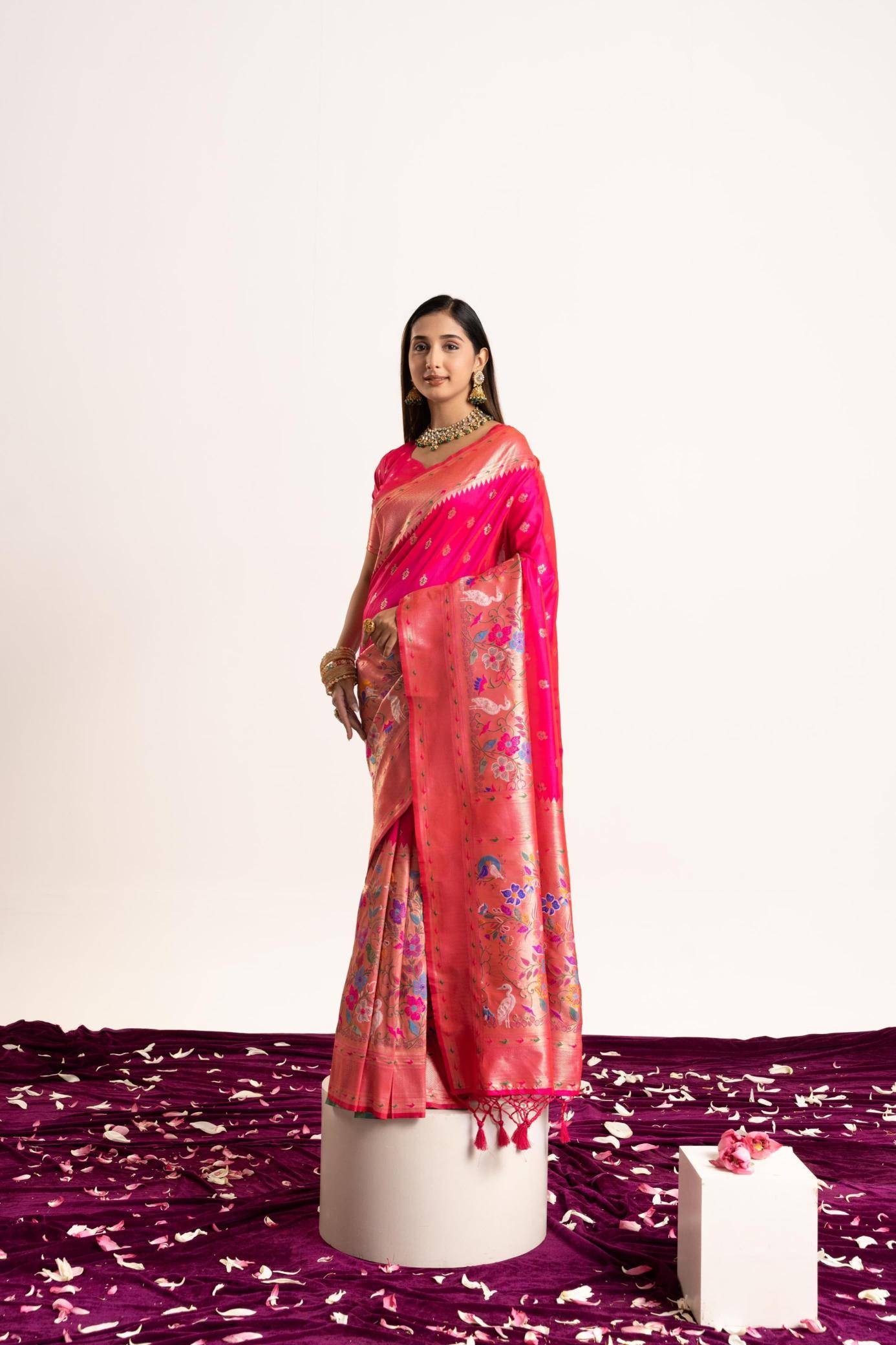
Fancy sarees wholesale is one of the broadest segments available to retailers because it can incorporate new fabrics, prints, borders, embroidery, embellishments and styling ideas quickly. This makes fancy sarees suitable for businesses that regularly refresh their inventory and want designs for parties, festivals, functions and semi-formal occasions.
The term “fancy” covers many combinations. Georgette, chiffon, organza, crepe, soft fabrics, sequins, embroidery, digital printing and designer borders can all appear within this segment. Retailers should therefore classify fancy stock according to the customer and occasion rather than treating every product as one category.
Why Fancy Sarees Work Well for Online Resellers
Visual presentation matters greatly in social selling. A distinctive border, fashionable blouse, elegant drape or striking colour can capture attention quickly in catalogue posts. Home-based sellers and resellers can use such collections to maintain frequent product updates without depending entirely on heavy wedding inventory.
For 2026, buyers can look for balanced combinations of wearable colours and standout designs. Keeping both options allows a seller to serve customers who want something fashionable without making every product highly experimental.
4. Printed Sarees for Everyday and Versatile Retail Demand
Printed sarees remain commercially useful because they can serve everyday wear, office wear, casual occasions and light festive dressing depending on the fabric and design. Floral prints, geometric patterns, traditional-inspired motifs, digital prints, abstract designs and regional print influences can all create different retail propositions.
Printed sarees wholesale can also give retailers access to broader colour and pattern variety at manageable inventory levels. Cotton-based prints can appeal to comfort-oriented shoppers, while georgette and other flowing fabrics can provide a more contemporary appearance.
Traditional Prints Are Finding New Customers
Bandhani-inspired, Ajrakh-inspired, Leheriya, Dabu and Batik-style patterns can bring an Indian craft character to modern retail assortments. When sourcing these products, retailers should describe the actual technique accurately and avoid representing a digitally reproduced pattern as a handcrafted process unless the product genuinely uses that method.
This distinction is especially important for premium boutiques and export saree suppliers, where customers may care about fabric origin, production technique and authenticity. Clear product information can help businesses build long-term trust.
5. Designer Sarees for Boutiques and Showroom Collections
Designer-style sarees are valuable when retailers need statement products that can sit above their regular assortment. Embroidery, sequins, distinctive borders, unusual blouse designs, premium fabrics and coordinated detailing can help create a stronger occasion-wear presentation.
For boutique owners, the objective is often not to purchase the maximum number of designs but to choose pieces that give the store a recognisable fashion identity. A few carefully selected designer sarees wholesale can complement larger quantities of faster-moving regular sarees.
Focus on Complete Presentation
The blouse design is increasingly important to the overall saree look. Buyers should evaluate whether the blouse piece, border and saree body work together as a complete retail product. Good catalogue photography is another advantage when the collection will be promoted online.
Wholesaleexport.in allows buyers to explore multiple women's ethnic wear options from one sourcing platform. With Vastralife's wholesale and export experience since 2017, the broader focus is on industry expertise, product selection and premium product quality for retailers, boutiques, resellers and wholesale buyers.
6. Lightweight Sarees for Comfort-Focused Customers
One of the practical purchasing trends in 2026 is demand for sarees that combine ethnic styling with comfortable draping. Lightweight georgette, chiffon, soft fabrics and selected organza-style sarees can appeal to customers who want an elegant outfit without the weight associated with heavier traditional designs.
This category can work across age groups because the final look depends heavily on colour, print, border and blouse styling. Younger customers may prefer contemporary colours and minimal details, while mature shoppers may choose traditional motifs and sophisticated borders.
For retailers, lightweight sarees can provide useful stock between daily-wear and premium wedding categories. They can be marketed for parties, office celebrations, festive gatherings, family functions and gifting, creating several possible selling occasions from one inventory segment.
7. Ready-to-Wear and Pre-Draped Sarees for Convenience-Led Fashion
Convenience is becoming an increasingly important part of ethnic fashion purchasing. Ready-to-wear and pre-draped sarees are designed for customers who appreciate the appearance of a saree but prefer a quicker dressing experience. For retailers, this category can complement traditional sarees and help attract younger customers, working professionals and shoppers preparing for parties, weddings or destination events.
When selecting ready-to-wear sarees wholesale, buyers should pay attention to construction, waist adjustment, fabric fall, blouse compatibility and finishing. A fashionable design may attract the first enquiry, but comfort and practical fitting are equally important for customer satisfaction. Retailers should therefore check product specifications carefully before committing to larger quantities.
Who Can Sell Ready-to-Wear Sarees?
Boutiques, online resellers, home-based sellers and fashion stores can all consider this segment. It can be especially useful for social-media selling because customers immediately understand the convenience advantage. Catalogue videos demonstrating how quickly the saree can be worn may also help retailers communicate the product more effectively.
Buyers expanding their saree inventory can explore Banarasi saree wholesale options alongside modern designs. Retailers that also serve customers shopping for complete ethnic wardrobes may complement saree inventory with wholesale Pakistani suits while maintaining separate product categories for easier merchandising.
8. Organza Sarees for Modern Boutique Collections
Organza-style sarees have become a familiar part of contemporary ethnic fashion because their structured appearance creates a distinctive silhouette. Floral prints, embroidered borders, minimal motifs and pastel colour palettes can make them attractive for engagement functions, festive events, parties and modern wedding wardrobes.
For boutique owners, organza sarees wholesale can add visual variety to a collection dominated by silk and georgette. The fabric's appearance photographs well, which can also make selected designs suitable for Instagram, WhatsApp catalogues and online product listings.
Select Designs According to Your Customer Profile
A premium boutique may prefer embroidered organza sarees with sophisticated borders and designer blouse combinations. A reseller targeting younger customers may choose floral prints and fashionable pastel shades. A traditional retailer may prefer organza designs that incorporate zari-inspired borders or Indian motifs.
The correct assortment depends on the retailer's own customer base. Wholesale buyers should avoid purchasing a trend only because it is popular online. Stock becomes more commercially useful when the trend also matches the purchasing habits, budget and styling preferences of actual customers.
9. Festive Sarees Remain Essential for Seasonal Retail Planning
Festivals create important selling periods for ethnic wear businesses. Diwali, Navratri, Durga Puja, Raksha Bandhan, Teej and regional celebrations can influence colours, fabrics and design preferences. Retailers planning seasonal inventory should therefore begin sourcing early enough to photograph, promote and sell collections before peak customer demand.
Festive sarees wholesale can include silk blends, Bandhani-inspired styles, embroidered sarees, zari-look borders, printed designs and lightweight party sarees. Instead of assuming that one festive collection will serve every customer, retailers can maintain multiple price points.
Plan Festive Inventory in Smaller Cycles
One practical strategy is to begin with a carefully selected assortment and monitor which colours and patterns receive the strongest response. Successful products can then be reordered when stock availability permits. This can reduce the risk of investing heavily in a seasonal design that loses demand after the festival.
Businesses purchasing from the Surat saree wholesale market can also plan around manufacturing and dispatch timelines. During peak festive periods, popular designs can move quickly, so earlier purchasing may provide more choice than last-minute sourcing.
10. Wedding Sarees for Higher-Value Retail Opportunities
Wedding sarees remain an important category because customers often shop for multiple events rather than a single occasion. Bridal families may require sarees for ceremonies, gifting, relatives and post-wedding functions. This creates opportunities across different price levels rather than only at the luxury end of the market.
A balanced wedding sarees wholesale selection may include Banarasi styles, silk looks, embroidered sarees, designer pieces, rich borders and traditional colour combinations. Retailers can also stock lighter options for pre-wedding events and family guests.
Create Price Segments Instead of One Wedding Range
Retailers can classify wedding inventory into value, mid-range and premium collections. This makes customer conversations easier and prevents the showroom from depending entirely on expensive stock. Buyers should compare fabric quality, border work, blouse design and overall finishing before evaluating whether the wholesale price offers enough retail potential.
For showroom owners, presentation is particularly important. Separating bridal, family-wedding and gifting collections can make the shopping process easier and can help staff recommend appropriate products more efficiently.
11. Bandhani and Traditional Regional Styles
Traditional Indian design continues to coexist with modern fashion. Bandhani-inspired sarees, Leheriya patterns, Patola-inspired designs and other regional aesthetics can give retailers a strong ethnic assortment. These styles are especially relevant around festive periods and cultural occasions, although selected designs can sell throughout the year.
Retailers sourcing from Gujarat can benefit from the strong textile ecosystem connecting Surat and other manufacturing and trading centres. The Ring Road textile market, Sahara Darwaza and the broader Surat textile market remain familiar sourcing references for wholesale buyers looking for sarees and women's ethnic wear.
Traditional Does Not Have to Mean Old-Fashioned
Modern colour combinations, lighter fabrics and updated blouse styling can make regional patterns appealing to a wider audience. A retailer can therefore combine classic red, maroon and green with contemporary colours such as wine, lavender, mustard, teal and pastel shades.
For international ethnic wear businesses, traditional Indian styles can also form part of an export saree collection. Buyers supplying customers in the USA, Australia and Nepal should consider the preferences of their individual market instead of using exactly the same inventory mix everywhere.
How Retailers Can Choose the Right Saree Categories
The strongest inventory strategy is usually based on the retailer's customer data rather than trend lists alone. A shop owner should review which fabrics sell repeatedly, which price points generate regular orders, which colours receive enquiries and how quickly each category moves.
For example, a boutique may generate better margins from limited premium designs, whereas a reseller may benefit from frequent new arrivals at accessible prices. A showroom serving wedding customers may require deeper Banarasi and silk inventory, while a home-based seller might prefer lightweight printed and fancy sarees that can be promoted easily through digital catalogues.
Check Quality Before Comparing Only Price
Wholesale price is important, but it should not be the only purchasing criterion. Fabric feel, stitching where applicable, border finishing, colour presentation, blouse piece, packaging and overall product consistency can affect customer satisfaction. A slightly cheaper saree is not necessarily better inventory if returns or complaints reduce the final margin.
Maintain a Healthy Mix of Evergreen and Trending Designs
Evergreen categories provide continuity, while trending designs help keep the store looking fresh. Retailers can combine Banarasi, silk and traditional sarees with contemporary printed, organza, fancy and ready-to-wear collections. This creates a broader selection without relying excessively on one short-term fashion trend.
Wholesale Saree Sourcing from Surat in 2026
Surat continues to play an important role in India's textile trade, with extensive activity across sarees, dress materials, kurtis and other women's ethnic wear. For wholesale buyers, access to manufacturing networks and multiple product segments makes the city a practical sourcing destination.
However, travelling to the market for every purchase is not convenient for every retailer. Digital wholesale platforms can help businesses review products remotely, compare new arrivals and communicate their requirements before ordering. Wholesaleexport.in is designed to support this kind of wholesale sourcing for shop owners, boutique owners, resellers, showroom owners and other professional buyers.
Vastralife brings wholesale and export experience since 2017, along with practical industry knowledge developed through working with ethnic wear buyers. The emphasis is on providing buyers access to varied collections, premium product quality and sourcing support for businesses operating in India and international markets.
Inventory Strategy for Home-Based Sellers and Resellers
Home-based businesses generally need tighter inventory control because working capital and storage space may be limited. Instead of buying deep quantities across every category, sellers can start with a carefully chosen mix of products and expand based on actual orders.
New arrivals can be promoted through WhatsApp status, customer groups, Instagram reels and direct catalogue sharing. Products that generate repeated enquiries can receive a larger inventory allocation in the next buying cycle. This creates a demand-led purchasing model rather than relying on guesswork.
Focus on Products Customers Can Understand Quickly
Clear product photographs, fabric details, available colours and accurate pricing can simplify online selling. Sellers should also communicate dispatch conditions, minimum quantities and product availability clearly. Fast-moving wholesale stock may sell out, so confirming availability before taking a final customer commitment is useful.
Inventory Strategy for Boutiques and Showrooms
Boutiques and showrooms can take a more curated approach. Instead of competing only on low prices, they can build collections around styling, fabric quality, distinctive designs and customer service. Premium sarees can sit alongside mid-range products so that shoppers have multiple choices.
In 2026, customers often arrive at stores after already viewing trends online. A retailer who can offer both familiar classics and newer styles has a better chance of matching different expectations. Maintaining regular new arrivals can also give existing customers a reason to revisit the store.
Internal Linking and Related Wholesale Collections
Wholesale buyers should think beyond a single category when planning their seasonal purchasing. A saree retailer can combine wedding, festive, printed, designer, Banarasi, silk and lightweight sarees according to customer demand. Businesses that sell multiple ethnic wear categories can additionally coordinate sarees with suits, kurtis, lehengas and other complementary products.
Wholesaleexport.in can be used to explore changing wholesale collections and identify products suitable for different customer profiles. This broader sourcing approach is useful for retailers who want to keep their inventory fresh while purchasing according to their actual business scale.
Customer FAQs
1. Which saree categories are trending for wholesale buyers in 2026?
Banarasi, silk and silk-blend, fancy, printed, organza, designer, festive, wedding, traditional regional and ready-to-wear sarees are important categories to consider. The right mix depends on your customer profile, location, selling price range and season.
2. Where can retailers buy sarees wholesale from Surat?
Retailers can source through the Surat textile market and wholesale businesses operating around major textile trading areas such as Ring Road and Sahara Darwaza. Buyers who prefer remote purchasing can also explore current collections through Wholesaleexport.in and contact the team for wholesale requirements.
3. Which sarees are suitable for online reselling?
Printed, fancy, lightweight, organza, festive and ready-to-wear sarees can work well for digital selling when supported by clear catalogue images and accurate product details. The best choice ultimately depends on the reseller's customer audience and target price range.
4. Can international buyers source Indian sarees for export?
Yes. Wholesale and export buyers can source Indian ethnic wear for overseas markets, subject to product availability, order requirements and shipping arrangements. Businesses serving markets such as the USA, Australia and Nepal can select assortments according to their local customer preferences.
5. How should a new retailer plan the first wholesale saree order?
Start with a diversified assortment rather than investing the complete budget in one design. Include products for different occasions and price levels, monitor customer response and then reorder successful categories. This helps create a more controlled inventory cycle.
6. Should retailers choose low-price sarees or premium sarees?
A balanced range is generally more flexible. Affordable products can support regular sales, while premium products can serve wedding, festive and boutique customers. Retailers should select the mix based on their actual audience rather than focusing exclusively on either end of the price range.
7. Why is Surat important for wholesale saree sourcing?
Surat has a large textile manufacturing and trading ecosystem covering sarees and many other women's ethnic wear categories. Its extensive supplier network gives wholesale buyers access to varied fabrics, designs and price segments.
Shop Trending Wholesale Saree Collections
If you are preparing your store, boutique, showroom or reselling business for 2026, explore fresh ethnic wear inventory through Wholesaleexport.in. Choose products according to your customer segment, budget and seasonal requirements, and keep your collection updated as demand changes.
What You Get with Wholesaleexport.in:
- Latest Collections for changing retail demand
- Wholesale Pricing for business buyers
- Trendy Ethnic Wear across popular categories
- Fast Shipping for convenient order fulfilment
- COD Support on eligible orders
- Bulk Order Deals for wholesale purchasing
- Quality Products Starting From ₹299
Whether you are a home-based seller, shop owner, boutique owner, showroom owner, reseller or established wholesale buyer, the right assortment can help you serve more customer occasions while keeping your inventory relevant. Explore the top trending saree categories in 2026, compare suitable collections and build your next wholesale purchase around genuine customer demand.
Contact: +91 9712582172
Website: wholesaleexport.in
Explore new arrivals, compare wholesale options and prepare your next ethnic wear purchase with a practical mix of timeless sarees and current fashion trends.