


Top Selling Saree Categories in India: Wholesale Trends & Buyer Guide 2026
Top Selling Saree Categories in India: Wholesale Trends & Buyer Guide 2026
India’s saree market continues to offer strong business opportunities for retailers, boutiques, online sellers, and wholesalers because one product category can serve everyday wear, festivals, weddings, office fashion, gifting, and premium occasions. The real opportunity for sellers is not simply buying more sarees, but selecting the right fabrics, designs, price ranges, and regional styles according to customer demand. A carefully planned saree inventory can improve stock rotation, create repeat purchases, and help sellers serve different customer segments throughout the year.
Introduction
The Indian ethnic wear market is remarkably diverse, and sarees remain one of its most consistent categories. Customer preferences may change with social media trends, wedding seasons, regional festivals, celebrity fashion, and new fabric developments, but the saree continues to adapt. Traditional weaving styles now appear alongside lightweight fabrics, digital prints, designer borders, ready-to-wear concepts, and contemporary blouse combinations.
For Home-Based Sellers, Shop Owners, Boutique Owners, Showroom Owners, Resellers, and Wholesale Buyers, understanding demand is essential before purchasing stock. A collection that performs well in a wedding-focused showroom may not necessarily deliver the same results for an online reseller targeting affordable daily wear. Similarly, buyers serving metropolitan customers often require a different combination of designs than retailers focusing on regional festive demand.
When studying the top selling saree categories in India, factors such as fabric comfort, occasion, season, selling price, regional preference, colour trends, border design, and perceived value all influence purchasing decisions. In 2026, retailers should therefore build balanced collections rather than depend on a single saree type.
Wholesaleexport.in helps wholesale buyers explore saree collections suitable for different retail requirements. Supported by Vastralife’s wholesale and export experience since 2017, the business combines textile industry expertise with a focus on premium product quality and practical sourcing options for professional buyers.
Why Sarees Continue to Be a Strong Wholesale Category in 2026
Sarees have an unusually broad customer base. A retailer can sell economical daily-wear designs to regular customers while also maintaining festive, wedding, party-wear, and premium collections for higher-value purchases. This creates multiple selling opportunities from the same broad ethnic wear category.
Another advantage is the frequency of new designs. Prints, weaving patterns, zari details, embroidery, colour combinations, pallu designs, and blouse concepts continually refresh the market. Sellers can introduce new arrivals without completely changing their core product category.
The rise of Instagram stores, WhatsApp selling, marketplace businesses, live-selling sessions, and home-based fashion businesses has further expanded the market for wholesale sarees in India. Sellers no longer need to depend entirely on walk-in customers. Attractive product photography and short videos can help a single saree design reach buyers in several cities and even international markets.
What Makes a Saree Category Commercially Successful?
A commercially successful category usually combines visual appeal with a practical price-to-value proposition. Customers should feel that the saree looks appropriate for its intended occasion and offers sufficient quality for the amount they are spending. Retailers should therefore evaluate fabric, finishing, blouse piece, border quality, colour combinations, fall, drape, packaging, and overall presentation instead of choosing products based only on the lowest wholesale price.
For wholesale buyers, another important factor is repeatability. A saree that looks impressive but appeals to a very narrow audience may move slowly. In contrast, commercially versatile designs can be sold to customers across multiple age groups and occasions.
1. Silk Sarees – A High-Value Traditional Category
Silk sarees wholesale remains an important search and sourcing segment because silk-inspired fashion is closely associated with Indian weddings, festivals, ceremonies, and traditional occasions. The category includes several price levels, ranging from affordable silk-blend products to premium handloom-inspired and occasion-focused collections.
Retailers should not treat all silk sarees as one inventory group. Customer expectations can differ substantially depending on the weave, fabric composition, zari appearance, border style, and regional identity. A boutique serving wedding customers may prefer elaborate designs, while a reseller targeting festive buyers may achieve faster turnover with lighter and more affordable silk-look products.
Popular Silk Styles for Retailers
Banarasi-style sarees, Kanjivaram-inspired designs, soft silk sarees, art silk, Patola-inspired patterns, Paithani-style products, and tissue silk looks can each attract different customer groups. Rich jewel tones remain relevant for traditional occasions, while pastel shades and softer metallic combinations can appeal to customers seeking a contemporary appearance.
Retailers buying from a saree wholesaler in Surat should compare not only the initial purchase cost but also the likely retail margin. Premium-looking borders, attractive pallus, coordinated blouse pieces, and clean finishing can increase perceived value and make a saree easier to present online or in-store.
2. Banarasi Sarees – Strong Wedding and Festive Demand
Banarasi fashion remains closely connected with Indian celebration wear. Traditional motifs, zari-inspired weaving, rich pallus, and luxurious colour combinations give these sarees a premium visual identity. For boutiques and wedding-focused showrooms, this makes Banarasi designs an important part of festive inventory.
The category is also evolving. Alongside traditional heavy styles, buyers can find lighter Banarasi-inspired fabrics designed for customers who want the richness of woven fashion without an overly heavy drape. These products can work well for engagement functions, family weddings, festive gatherings, gifting, and cultural events.
Wholesale buyers should maintain a combination of classic colours such as red, maroon, green, royal blue, and purple together with newer shades such as peach, lavender, pista, wine, and muted gold. This helps the collection serve both traditional and younger fashion-conscious customers.
3. Cotton Sarees – Reliable Everyday and Summer Sellers
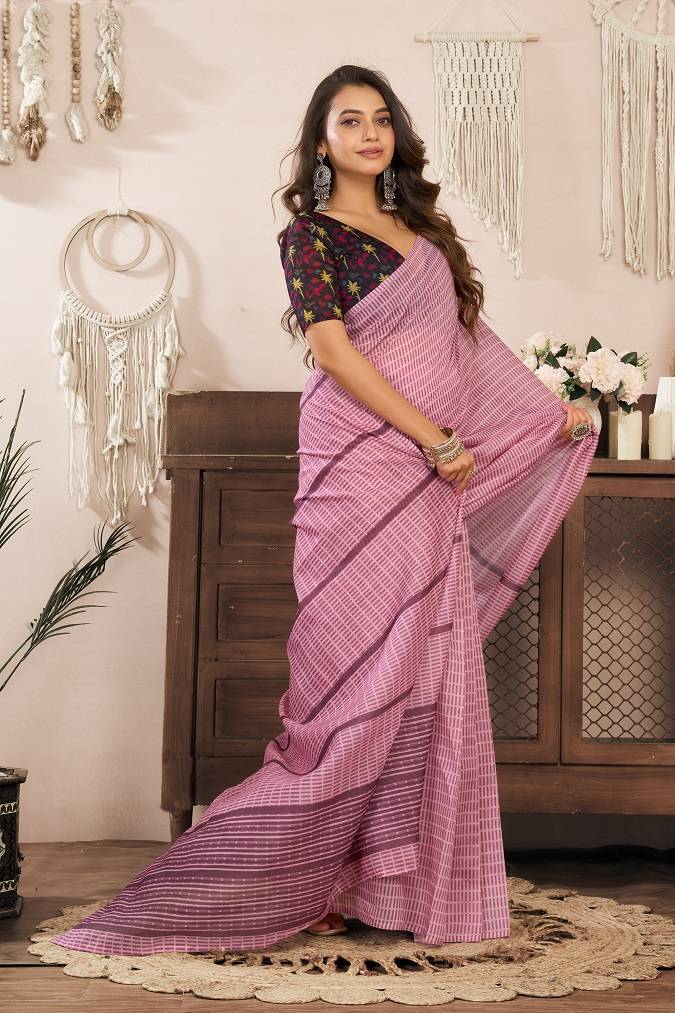
Cotton sarees wholesale is a practical category for retailers because comfort remains a major buying factor in many parts of India. Cotton and cotton-blend sarees can serve teachers, office professionals, homemakers, senior customers, and shoppers looking for breathable everyday ethnic wear.
Demand often increases during warmer months, but cotton is not purely seasonal. Printed cotton, handloom-inspired designs, border sarees, office-wear patterns, and festive cotton styles provide different retail opportunities throughout the year.
Why Cotton Works for Resellers
Cotton sarees can offer accessible entry-level price points and broad usability. This makes them particularly useful for new resellers and Home-Based Sellers who want products that can be marketed to a large audience. Buyers can create separate collections for daily wear, office wear, summer fashion, traditional prints, and lightweight festive looks.
The Surat textile market ecosystem is important for buyers seeking variety across fabrics and price ranges. Commercial textile areas around Ring Road and Sahara Darwaza connect retailers with a large network of traders, suppliers, designers, and manufacturing-linked businesses, making Surat an important sourcing centre for Indian ethnic fashion.
4. Georgette Sarees – Lightweight Fashion with Broad Appeal
Georgette sarees occupy a useful position between everyday fashion and occasion wear. Their flowing drape, comparatively lightweight feel, and compatibility with prints, sequins, embroidery, lace, and designer borders allow suppliers to create collections across several retail price segments.
Georgette sarees wholesale collections can be especially useful for online sellers because visually striking prints and embellishments often photograph well. Floral prints, abstract patterns, digital designs, sequin work, contrast borders, and contemporary blouse combinations can appeal to younger shoppers as well as customers looking for party wear.
Retailers should pay attention to the intended customer rather than simply stocking whichever print is currently popular. Smaller motifs and elegant colours can work for office or semi-formal customers, whereas larger floral patterns, shimmer details, and embellished borders may be better positioned as party wear.
5. Chiffon Sarees – Elegant and Easy-to-Drape Fashion
Chiffon sarees remain relevant for customers who prefer a light, graceful drape. Depending on the design, they can be positioned for casual gatherings, parties, office functions, dinners, festive occasions, and gifting.
Plain chiffon with an attractive border can create a sophisticated minimal look, while printed and embellished variations provide more fashion-oriented choices. Retailers can increase the versatility of this category by selecting different colour groups rather than buying many similar designs.
For online resellers, styling matters significantly. The same saree can look substantially more premium when paired with an attractive blouse, jewellery, and appropriate photography. Sellers should therefore consider the merchandising potential of a design when evaluating wholesale stock.
6. Organza Sarees – Contemporary Premium Fashion
Organza has gained strong visibility among customers looking for lightweight yet distinctive occasion wear. Its structured appearance creates an elegant silhouette, while floral prints, embroidery, woven details, and delicate borders give designers considerable creative flexibility.
Organza sarees wholesale can work particularly well for Boutique Owners and online fashion sellers targeting trend-conscious customers. Pastels, floral designs, subtle embroidery, pearl details, and sophisticated borders can be positioned for engagement ceremonies, daytime weddings, festive lunches, parties, and special events.
However, organza customers often pay close attention to presentation and finishing. Retailers should inspect print quality, border alignment, blouse coordination, embroidery finishing, and fabric feel. In a category where visual elegance influences the buying decision, small quality differences can significantly affect the final retail experience.
7. Designer Sarees – High Visual Impact for Social Selling
Designer sarees represent one of the most flexible segments within top selling saree categories in India. Instead of being defined by one fabric, the category can include georgette, chiffon, crepe, organza, net, silk blends, and other bases enhanced through embroidery, sequins, lace, stone work, printed patterns, or fashionable blouse concepts.
These products are particularly suitable for Instagram sellers, boutiques, and showrooms because the buying decision is often highly visual. Customers may discover a style through a reel, influencer post, wedding photograph, or celebrity-inspired look and then search for a similar design.
Designer Sarees for Boutique Owners
Boutique buyers should look for differentiation. If the same design is widely available across many sellers, price competition can become intense. Distinctive blouse patterns, unusual colour combinations, attractive embroidery, premium borders, or limited-design collections can help a boutique create a stronger identity.
Wholesaleexport.in can be used by professional buyers exploring latest saree collections for different retail audiences. Instead of building inventory around one trend, sellers can combine fast-moving commercial designs with selected premium pieces that increase the overall perceived value of their collection.
8. Printed Sarees – Fast-Moving Designs Across Price Segments
Printed sarees continue to attract buyers because printing allows frequent design refreshes at multiple price levels. Floral, geometric, abstract, traditional, Bandhani-inspired, Kalamkari-inspired, block-print-style, and digital patterns can serve very different customer profiles.
Printed sarees wholesale can be especially effective for sellers who depend on regular new arrivals. Customers browsing WhatsApp groups or social media feeds often respond to fresh colour combinations and patterns even when the basic fabric category remains unchanged.
In 2026, sellers should consider building printed saree inventory around use cases. One group can target daily wear, another office wear, another casual festive dressing, and another fashionable social occasions. This makes product communication clearer and allows customers to understand why a particular collection suits their needs.
9. Party Wear Sarees – Fashion-Led Demand with Better Margin Potential
Party wear sarees wholesale attracts retailers looking for visually impressive merchandise that can support stronger retail margins. Sequins, shimmer fabrics, embroidery, metallic borders, stone detailing, designer blouses, and fashionable drapes can transform a saree into an occasion-specific product.
This segment is highly trend-sensitive. Retailers should therefore avoid overstocking one fashion unless they already understand their customer demand. Smaller, more frequent purchases can sometimes be more effective than committing heavily to a single trend.
Party wear also creates cross-selling opportunities. Boutiques can combine sarees with jewellery, clutches, blouse customization, petticoats, shapewear, or styling services to increase the average transaction value.
10. Wedding Sarees – Essential Inventory for Occasion-Focused Retailers
Weddings generate demand across several saree categories rather than one single style. The bride, close family members, wedding guests, and gifting buyers may each require different fabrics and price points. This makes wedding sarees wholesale a broad commercial segment incorporating silk, Banarasi styles, designer sarees, zari work, embroidered sarees, and regional designs.
Showroom Owners should consider creating clear price tiers. Entry-level festive options can serve bulk family purchases, mid-range products can target wedding guests and gifting, while premium pieces can be reserved for major ceremonies and customers seeking statement fashion.
Colour planning is equally important. Traditional red, maroon, rani, green, and gold continue to have strong ceremonial relevance, while champagne, pastel pink, lavender, ivory, teal, and other contemporary shades can expand the assortment for modern weddings.
Wholesale Price Planning for Wedding Stock
The correct wholesale saree price depends on fabric, workmanship, brand, design complexity, order quantity, and quality. Sellers should calculate their expected retail margin after considering GST where applicable, shipping, packaging, marketing, payment charges, and potential alteration or blouse-related expenses.
A low buying price does not automatically produce the highest profit. Products with stronger finishing and presentation can sometimes achieve better margins because customers perceive greater value. The goal should be a balanced inventory with attractive opening prices, dependable mid-range products, and selected premium pieces.
For buyers researching ready-to-wear sarees, convenience-focused styles can complement traditional inventory and attract customers looking for faster dressing solutions. Retailers can also explore wholesale dress materials in Surat when expanding their ethnic wear assortment beyond sarees.
11. Ready-to-Wear Sarees – Convenience Meets Modern Ethnic Fashion
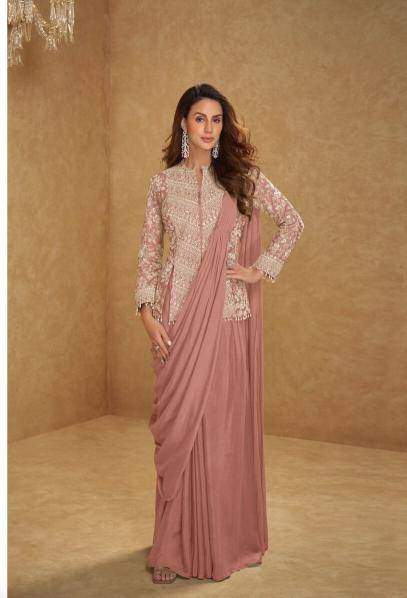
One of the interesting developments in the saree business is growing interest in convenient draping solutions. Ready-to-wear and pre-stitched sarees are designed for customers who appreciate the appearance of a saree but want to reduce the time and effort involved in traditional draping. This makes the category relevant to younger shoppers, working professionals, wedding guests, travellers, and customers who do not wear sarees regularly.
For Boutique Owners and online Resellers, this category provides an opportunity to target a slightly different audience from traditional saree customers. Product demonstrations through reels and short videos can be particularly effective because sellers can visually show how quickly the saree can be worn.
Wholesale Buyers should pay attention to sizing flexibility, stitching quality, pleat construction, fabric fall, blouse compatibility, and finishing. Since convenience is the primary selling proposition, the product should genuinely provide an easier wearing experience.
12. Bandhani and Traditional Print Sarees – Regional Styles with Pan-India Appeal
Indian regional textile traditions continue to influence mainstream ethnic fashion. Bandhani-inspired patterns are particularly recognizable because of their distinctive dotted motifs and vibrant colour combinations. Traditional designs can be offered in affordable printed versions as well as more elaborate festive interpretations.
Regional fashion does not necessarily have to remain limited to its place of origin. Social media, interstate commerce, tourism, and wedding fashion have introduced customers to textile traditions from different parts of the country. A seller in one state can therefore successfully market sarees inspired by another region when the design, quality, and price match customer expectations.
Regional Variety Can Strengthen a Saree Collection
Retailers can experiment with Bandhani-inspired sarees, Leheriya patterns, Patola-inspired designs, Kalamkari-style prints, traditional checks, temple borders, Paithani-inspired motifs, and other regional influences. Such variety gives customers more reasons to browse a collection and can help sellers avoid an inventory that looks repetitive.
Regional designs can also perform strongly around festivals and cultural occasions. Retailers who plan purchases according to the local festive calendar may be able to introduce relevant collections before demand reaches its peak.
13. Linen and Linen-Look Sarees – Sophisticated Everyday Fashion
Linen and linen-look sarees appeal to customers seeking understated elegance. They can work for office wear, formal events, daytime functions, casual gatherings, and customers who prefer a clean contemporary appearance instead of heavy embellishment.
Neutral shades, earthy colours, pastel combinations, stripes, checks, simple borders, and minimal motifs can perform well in this segment. Retailers can merchandise these sarees with elegant blouse combinations and simple accessories to communicate a premium yet wearable look.
For Shop Owners, this category can help diversify inventory beyond highly decorative sarees. Not every customer wants zari, sequins, or elaborate embroidery. Maintaining a selection of sophisticated minimal designs allows a retailer to serve those buyers without moving away from ethnic wear.
14. Soft Silk Sarees – Traditional Appearance with Comfortable Draping
Soft silk styles have become commercially useful because they combine a rich traditional appearance with relatively comfortable draping. They can be positioned for festivals, religious functions, family occasions, wedding events, gifting, and traditional celebrations.
Soft silk sarees wholesale buyers should evaluate fabric feel, weaving appearance, pallu richness, border finishing, colour combinations, and blouse coordination. Customers purchasing this category generally expect a saree that appears elegant when worn and photographs well at functions.
Retailers can maintain traditional colours alongside contemporary combinations. A collection containing deep green, maroon, red, navy, mustard, and rani together with pastel and dual-tone options can address multiple age groups.
15. Daily Wear Sarees – A Volume-Oriented Retail Segment
While premium sarees attract attention, daily wear can provide regular business for sellers serving value-conscious customers. Daily wear sarees wholesale typically focuses on comfortable fabrics, manageable drapes, practical prints, easy maintenance, and accessible price points.
Home-Based Sellers can benefit from this category because repeat customers may purchase several designs rather than a single expensive piece. Offering regular new arrivals can encourage customers to return frequently and can support WhatsApp and social-commerce selling.
Instead of competing only on the lowest price, retailers should communicate practical value. Fabric comfort, attractive colours, washable materials where applicable, useful blouse pieces, and consistent quality can become meaningful selling points.
How to Choose the Right Saree Mix for Your Business
There is no universal inventory formula for every seller. The ideal assortment depends on location, customer profile, average order value, selling platform, season, and available working capital. A physical showroom can maintain broader inventory, whereas a new online reseller may prefer smaller quantities across more designs.
A balanced strategy is to divide purchasing into core sellers, seasonal products, trend-led products, and premium statement pieces. Core sellers may include cotton, printed, georgette, and daily-wear products. Seasonal inventory may include wedding and festive silk designs. Trend-led inventory can include organza, designer sarees, and fashionable party wear.
Stock According to Your Customer’s Price Range
Before placing a wholesale order, understand what customers normally spend. A seller whose audience generally shops within an affordable range should not allocate most working capital to expensive premium pieces. Similarly, a premium boutique should avoid filling the store entirely with entry-level products simply because the wholesale cost is attractive.
Create multiple price bands and measure which band produces the best combination of sales volume and margin. This provides more useful information than judging products only by the number of enquiries they receive.
Buy Variety Before Buying Excess Quantity
Fashion inventory carries trend risk. For many small and medium sellers, purchasing a wider variety in controlled quantities can be safer than buying a large quantity of one design before its demand has been tested.
Once customers begin responding positively to a particular fabric, colour group, pattern, or price level, sellers can increase purchases in that segment. This approach is particularly useful for Resellers and Boutique Owners who introduce products frequently through digital channels.
Saree Wholesale Trends to Watch in 2026
The top selling saree categories in India are increasingly influenced by a combination of traditional preferences and digital fashion discovery. Customers may still purchase sarees for conventional festivals and weddings, but the designs they request are often influenced by Instagram reels, short-form videos, celebrities, creators, and online boutiques.
Lightweight fabrics are important because many modern customers prioritize comfort. At the same time, premium-looking borders, designer blouses, floral prints, woven effects, embroidery, and statement pallus continue to create visual differentiation.
Another important 2026 trend is faster collection rotation. Online customers regularly see new fashion, which increases expectations for fresh arrivals. Retailers may therefore benefit from maintaining controlled inventory and refreshing selections more frequently rather than keeping very large quantities of ageing designs.
Social-Commerce Friendly Products
Sarees with strong visual appeal can be easier to promote through reels, WhatsApp Status, Facebook, Instagram, and live-selling formats. Clear product photography, close-up fabric shots, blouse details, draping videos, and transparent pricing information can help customers make purchasing decisions remotely.
This is particularly relevant to Wholesale Buyers supplying smaller resellers. Providing useful product images and accurate information can make it easier for downstream sellers to market the collection to their own customers.
Why Surat Matters for Wholesale Saree Sourcing
Surat has developed a strong position within India’s textile trade through its extensive fabric, processing, trading, design, and manufacturing ecosystem. Buyers visiting the surat textile market can explore numerous ethnic wear categories and connect with businesses serving different price levels.
Commercial textile zones around ring road and sahara darwaza are widely associated with wholesale textile activity. For retailers, the advantage of sourcing from an established textile hub is access to variety and regular collection development.
However, wholesale sourcing should still involve careful evaluation. Buyers should verify product specifications, understand order terms, confirm dispatch arrangements, inspect quality information, and calculate the landed cost before deciding whether a collection fits their business.
Wholesaleexport.in brings online accessibility to this sourcing process by helping buyers explore wholesale fashion collections without depending entirely on physical market visits.
Opportunities for International Saree Buyers
Indian ethnic fashion has customers well beyond India. Retailers serving Indian communities and South Asian fashion buyers overseas can create specialized collections based on local events, wedding seasons, cultural functions, and festive calendars.
For example, wholesale buyers serving USA, Australia, and Malaysia can consider a combination of traditional and contemporary products rather than assuming overseas customers want only premium wedding sarees. Daily ethnic fashion, festive styles, lightweight sarees, designer collections, and gifting products can all have relevant audiences.
For international export orders, buyers should consider shipping cost, product weight, customs requirements, delivery timelines, packaging, and destination-specific regulations. These factors influence the actual landed cost and should be calculated before setting a retail price.
Wholesale Saree Buying Tips for Better Profitability
Check Product Quality Before Focusing on Margin
A strong margin means little if customers are dissatisfied. Fabric quality, colour accuracy, weaving or print consistency, embroidery finishing, borders, blouse pieces, and packaging should be considered while evaluating merchandise. Reliable quality can encourage repeat purchases and referrals.
Track Which Designs Actually Sell
Do not depend entirely on assumptions. Maintain simple records showing category, purchase price, selling price, quantity, sales speed, and customer feedback. Over time, this data can reveal whether your customers prefer silk, cotton, organza, georgette, printed, designer, or other styles.
Plan Around Festivals and Wedding Seasons
Wholesale buying should happen before demand peaks. Sellers who wait until a major festival has already started may lose valuable selling days. Create a purchasing calendar covering major festivals, regional celebrations, wedding periods, and promotional campaigns.
Keep New Arrivals Visible
Customers need to know when stock changes. Use WhatsApp broadcasts where appropriate, social posts, short videos, website updates, and in-store displays to showcase new collections. Consistent communication can convert inventory freshness into actual customer visits and enquiries.
Which Saree Categories Should New Resellers Start With?
A new reseller does not need every saree type immediately. Starting with a controlled mix can reduce investment risk. Printed sarees, lightweight georgette, selected cotton designs, soft silk styles, and a small number of festive or designer pieces can provide enough variety to test customer preferences.
As sales data develops, the seller can gradually expand into Banarasi sarees wholesale, wedding collections, organza, premium silk, party wear, and regional styles. The objective should be to build inventory according to real customer response rather than simply following every fashion trend.
Wholesaleexport.in can support Shop Owners, Boutique Owners, Showroom Owners, Home-Based Sellers, Resellers, and Wholesale Buyers looking to explore different wholesale ethnic wear segments and build collections according to their market.
Internal Linking and Product Discovery
A well-planned online wholesale buying journey should make it easy to move between related product categories, new arrivals, and different price levels. Buyers researching sarees may also want to compare other ethnic wear categories before finalizing their purchase budget.
For retailers, this same principle applies to their own websites and social selling. Organize products by fabric, occasion, price, colour, and style wherever possible. Customers looking for wedding fashion should be able to discover related festive products, while shoppers browsing affordable products should easily find additional options within a similar budget.
Strong internal product discovery can increase browsing time and help buyers compare more merchandise before placing an order. It also creates a more convenient experience than presenting hundreds of unrelated products without clear categorization.
Vastralife’s Wholesale and Export Experience Since 2017
Experience in textile sourcing matters because fashion wholesale involves more than simply listing products. Understanding market demand, product quality, supplier relationships, customer expectations, logistics, and collection movement helps create a more dependable purchasing experience.
Vastralife has been involved in wholesale and export activities since 2017, bringing industry expertise to ethnic wear sourcing and serving professional buyers looking for commercially relevant collections. The focus on premium product quality, variety, and practical wholesale support is particularly valuable for businesses that depend on repeat purchases.
Through Wholesaleexport.in, buyers can explore products suited to different customer segments while benefiting from experience connected with Surat’s textile ecosystem.
Customer FAQs
1. What are the top selling saree categories in India in 2026?
Popular categories include silk, Banarasi, cotton, georgette, chiffon, organza, designer, printed, party wear, wedding, soft silk, daily wear, traditional print, and ready-to-wear sarees. Actual demand varies by region, season, customer budget, and occasion.
2. Which sarees are suitable for a new home-based reseller?
New Home-Based Sellers can consider starting with commercially versatile products such as printed sarees, georgette sarees, cotton styles, daily wear collections, and selected festive products. Testing smaller quantities across multiple designs can help identify customer preferences before making larger purchases.
3. How should boutique owners select wholesale sarees?
Boutique Owners should consider their customer profile, average selling price, preferred fabrics, local fashion trends, product uniqueness, quality, and expected margin. Maintaining a combination of dependable sellers and distinctive premium designs can create a stronger assortment.
4. Can international buyers source sarees from India?
Yes. International wholesale sourcing is common, but buyers should confirm product specifications, order quantity, shipping charges, export documentation requirements, customs rules, and expected delivery schedules before ordering. The final landed cost should be calculated for the destination country.
5. Which sarees have good demand during wedding season?
Silk sarees, Banarasi styles, soft silk, designer sarees, zari-rich products, party wear sarees, and regional traditional designs are commonly considered for wedding-focused collections. Retailers should maintain different price levels because wedding customers can include brides, relatives, guests, and gifting buyers.
6. Is Surat a good location for wholesale saree sourcing?
Surat is an important Indian textile trading and manufacturing hub with extensive wholesale activity. Buyers can find numerous fabric and ethnic fashion categories through businesses operating across its major textile market areas.
7. How can resellers improve profit margins on sarees?
Profitability can improve through careful product selection, controlled inventory, quality checks, appropriate retail pricing, frequent new arrivals, effective product presentation, repeat-customer marketing, and tracking which designs sell fastest. Sellers should calculate all relevant costs rather than judging margin only from purchase and selling prices.
Build Your Saree Collection with Wholesaleexport.in
The saree market offers opportunities across affordable daily fashion, traditional wear, contemporary styling, festivals, weddings, and premium occasions. Successful wholesale purchasing comes from understanding your customers and selecting the right combination of fabrics, designs, quality, and price points.
Whether you are a Home-Based Seller starting a new business, a Reseller building an online audience, a Boutique Owner searching for differentiated designs, a Shop Owner refreshing inventory, or a Showroom Owner planning large seasonal purchases, Wholesaleexport.in can help you explore commercially relevant ethnic fashion collections.
Discover Latest Collections, competitive Wholesale Pricing, Trendy Ethnic Wear, Fast Shipping, COD Support, and attractive Bulk Order Deals. Buyers can also explore Quality Products Starting From ₹299, subject to individual product availability, specifications, and applicable ordering terms.
Start sourcing for your next collection today.
Contact Number: +91 9712582172
Website: wholesaleexport.in