


Tissue Paithani Saree Wholesale Collection for Retailers & Resellers 2026
Tissue Paithani Saree Wholesale Collection for Retailers & Resellers 2026
The Indian saree market continues to evolve as customers look for traditional designs presented with a lighter, more contemporary appeal. Among these choices, Tissue Paithani sarees have developed strong potential for boutiques, saree stores, online sellers and ethnic-wear resellers. Their lustrous appearance, rich borders and festive character allow retailers to offer something that feels premium while remaining suitable for modern wardrobes. For businesses sourcing from Surat, the category can become an attractive addition to wedding, festive and occasion-wear inventories.
Introduction
A Paithani-inspired saree is immediately associated with heritage, elegant borders and distinctive traditional motifs. When these elements are combined with tissue-style fabric and a graceful metallic sheen, the result is a saree that can attract customers searching for sophisticated festive fashion. This combination has made the Tissue Paithani Saree Wholesale Collection increasingly relevant for retailers planning their 2026 inventory.
Wholesale buyers today are not simply looking for the lowest price. They need products that photograph well, look attractive inside a showroom, offer good perceived value and can be marketed for multiple occasions. Tissue Paithani styles address several of these requirements because they combine traditional Indian aesthetics with a visually rich finish.
For shop owners, boutique owners, showroom operators, home-based sellers and online resellers, the real opportunity lies in selecting the right mix of colors, borders, motifs and price segments. Instead of filling inventory with similar designs, a carefully planned assortment can cover wedding shoppers, festive buyers, gifting customers and women searching for elegant ethnic wear.
Why Tissue Paithani Sarees Are Important for the 2026 Wholesale Market
Indian ethnic fashion is becoming increasingly diverse. Customers may purchase lightweight sarees for regular functions while choosing richer zari and silk-look products for weddings, festivals and family celebrations. A Tissue Paithani saree wholesale assortment sits comfortably between these requirements by providing visual richness without always requiring an extremely heavy construction.
Traditional Appeal with a Contemporary Finish
One reason this category works well at retail is its ability to connect generations. Traditional motifs can appeal to customers who appreciate classic Indian craftsmanship, while contemporary shades and lighter-looking fabric surfaces attract younger buyers. This gives retailers more flexibility when merchandising the collection.
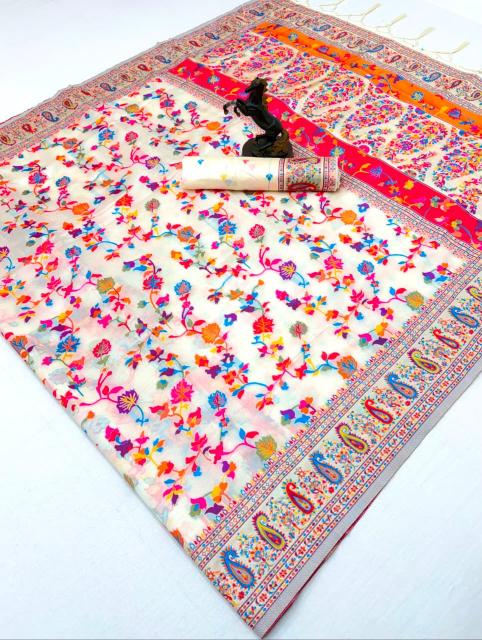
Popular selections may include jewel tones, pastel shades, festive reds, bottle green, wine, mustard, purple, royal blue, rani pink and elegant neutral combinations. Depending on the design, buyers can also look for contrasting pallus, zari borders, peacock-inspired motifs, floral patterns and traditional Paithani-style detailing.
Strong Visual Value for Online Selling
For online resellers, appearance matters immediately. Customers generally see the photograph or video before they experience the fabric. Tissue surfaces naturally reflect light and can help zari detailing and borders appear prominent in catalogue photography, reels and product videos.
This makes the category useful for WhatsApp sellers, Instagram resellers, marketplace sellers and home-based businesses. Clear photographs showing the complete saree, border, pallu and close-up details can make the buying decision easier for customers who cannot physically inspect the product.
Suitable for Multiple Selling Seasons
Although wedding and festival seasons create particularly strong opportunities, Paithani-inspired sarees are not limited to a single event. Retailers can position them for engagements, anniversaries, religious functions, family celebrations, traditional ceremonies and festive gifting. This wider occasion range can improve the usefulness of the stock throughout the year.
Understanding Tissue Paithani Sarees Before Buying Wholesale
A professional wholesale buyer should understand what customers are actually purchasing rather than relying only on catalogue photographs. Fabric feel, weaving style, zari appearance, color consistency, border finishing and pallu presentation can influence the perceived quality of a saree.
The term Tissue Paithani may be used across different commercially produced constructions and blends in the wholesale market. Therefore, buyers should verify the actual fabric specification supplied for each catalogue instead of assuming that every product marketed under a similar name has identical composition or weaving.
Fabric and Texture
Tissue-style sarees are generally selected for their luminous surface and festive appearance. The fabric should look elegant under normal lighting without feeling unnecessarily stiff. When evaluating a Paithani saree wholesaler, retailers should ask for fabric information, catalogue videos or detailed photographs whenever necessary.
A premium-looking finish can increase the product's perceived retail value. However, wholesalers and retailers should describe the fabric accurately to customers. Clear product information builds trust and reduces confusion after delivery.
Zari Border and Pallu
The border and pallu are often among the strongest selling points. A striking zari border can transform the overall appearance even when the body remains relatively simple. Traditional motifs and contrasting pallus can further increase visual impact.
Wholesale buyers should inspect whether the border looks balanced with the body color, whether the pallu has sufficient detailing and whether the overall design can be easily explained to the final customer. Retail success often comes from products whose visual features are immediately understandable.
Color Selection
Color planning is particularly important in saree wholesale. Ordering too many pieces in one color family can limit customer choice. A better approach is to combine dependable traditional shades with a smaller selection of trend-oriented colors.
For example, a retailer may stock red, maroon, green and royal blue for traditional demand while adding lavender, peach, pista, beige or other softer shades for customers looking for a modern festive appearance. The exact mix should reflect the retailer's local customer profile.
Surat as a Major Sourcing Hub for Saree Wholesale Buyers
Surat has long been connected with India's textile trade, and its extensive supplier ecosystem gives wholesale buyers access to numerous saree categories, fabrics, designs and price points. The surat textile market serves retailers and distributors from different parts of India while also supporting international textile trade.
Commercial textile zones around Ring Road and Sahara Darwaza are widely associated with Surat's textile business. Manufacturers, traders, catalogue suppliers, distributors and logistics providers operating across the city contribute to a supply network capable of handling both domestic wholesale demand and export requirements.
This ecosystem can be particularly useful for retailers who want to purchase more than one women's ethnic-wear category. Instead of depending on isolated sources, businesses can explore sarees, dress materials, kurtis, suits and other collections through established Surat-based wholesale networks.
How Retailers Should Select a Tissue Paithani Saree Wholesale Collection
Successful wholesale buying is less about purchasing the maximum number of designs and more about choosing products that match the retailer's actual customer base. A showroom serving premium wedding shoppers requires a different assortment from a home-based reseller selling affordable festive sarees through WhatsApp.
Start with Your Customer's Budget
Before placing a bulk order, divide your expected customers into price groups. Entry-level festive buyers, mid-range customers and premium shoppers may respond to different designs and finishes. Knowing the target retail range helps determine the appropriate wholesale price and prevents over-investment in stock that may move slowly.
Retailers should also consider the total landed cost rather than looking only at the product rate. Shipping, taxes where applicable, packaging and other business expenses can affect the final margin. Proper calculation makes it easier to establish a sustainable selling price.
Choose Variety Instead of Repetition
For an initial order, a mixed assortment can be more practical than purchasing too many nearly identical sarees. Buyers can combine traditional colors, contemporary shades, different border treatments and varied pallu designs. This creates a stronger presentation for both physical stores and online catalogues.
A varied Tissue Paithani Saree Wholesale Collection also allows the retailer to learn which combinations receive the fastest response. Future orders can then focus more heavily on proven designs instead of relying entirely on assumptions.
Check Product Presentation
Catalogue images have become an important sales tool. Retailers should prefer collections supported by clear product photographs whenever available. Detailed images help resellers explain the saree and allow customers to compare designs remotely.
This is particularly useful for businesses selling beyond their immediate city. Wholesaleexport.in helps wholesale buyers explore ethnic-wear collections online, allowing retailers and resellers to review products without depending exclusively on physical market visits.
Wholesale Opportunities for Different Types of Sellers
The same saree collection can be marketed differently depending on the seller's business model. Understanding this distinction can help buyers build more efficient inventory.
Shop Owners and Showroom Owners
Physical retailers can use Tissue Paithani styles as part of a dedicated festive or premium saree display. Keeping several colors visible together can create stronger visual merchandising and encourage customers to compare options.
Showrooms can also pair the collection with complementary categories such as festive sarees, designer sarees and wedding wear. Customers visiting for one product may discover additional options, potentially increasing the average transaction value.
Boutique Owners
Boutiques often benefit from curated selections rather than extremely large quantities of one catalogue. Boutique buyers can focus on distinctive colors, sophisticated borders and designs that match their store's identity.
A boutique can further enhance presentation through blouse styling, accessories and personalized customer service. Since Paithani-inspired sarees already carry a strong cultural character, thoughtful merchandising can increase their premium appeal.
Home-Based Sellers and Resellers
Home-based sellers generally need greater control over inventory investment. Starting with selected pieces or manageable wholesale quantities can reduce stock pressure. Product photographs and short videos can then be shared through WhatsApp, social media and customer groups.
For resellers, fast communication is especially important. Providing accurate color information, fabric details, availability and dispatch expectations helps customers make decisions confidently.
Demand Beyond India: Export Potential for Ethnic Sarees
Indian ethnic wear also has an audience among overseas Indian communities and customers interested in traditional fashion. Markets such as the USA, Australia and Nepal can provide opportunities for boutiques, ethnic-wear stores and resellers looking for Indian saree collections.
International buyers need to consider more than the product rate. Packaging, shipping weight, destination rules, customs requirements and delivery timelines can influence the total landed cost. Wholesale buyers should confirm these details before finalizing an export order.
For overseas sellers, catalogue presentation becomes even more important because physical product inspection before purchase may not always be practical. Clear communication between supplier and buyer can reduce misunderstandings and support repeat business.
Manufacturing and Quality Factors Wholesale Buyers Should Consider
The broader Surat textile ecosystem combines manufacturing, processing, trading and distribution capabilities. However, individual products can differ significantly in fabric construction, zari quality, finishing and design. Wholesale buyers should therefore evaluate collections on their own specifications rather than assuming all similarly named sarees offer identical quality.
Consistency Across the Catalogue
For retailers ordering a complete catalogue, consistency matters. Customers expect the supplied products to broadly correspond with the displayed design, color family and stated specifications. Reliable sourcing helps businesses protect their reputation with repeat customers.
Finishing and Quality Checks
Before selling a saree, basic quality observations should include fabric condition, weaving appearance, border alignment, pallu finishing and any visible defects. A systematic quality-check process is particularly useful when stock is being shipped directly to another city or country.
Wholesaleexport.in focuses on making wholesale sourcing more convenient for buyers seeking multiple ethnic-wear categories. The platform is supported by textile industry experience connected with Vastralife's wholesale and export journey since 2017, bringing practical understanding of retailer requirements, catalogue buying and product selection.
How to Build a Profitable Saree Inventory in 2026
Profitability does not come simply from buying at the lowest possible rate. The real objective is to purchase products that can sell within a reasonable period while leaving enough margin for operating expenses and promotions.
For 2026, retailers can consider maintaining three broad inventory groups: regular-selling sarees, occasion-oriented designs and premium statement collections. Tissue Paithani styles can contribute to the festive and statement segments, while complementary everyday products can maintain regular sales.
Stock rotation is equally important. Retailers should monitor which colors, motifs and price ranges sell quickly. Reordering successful designs while limiting slow-moving variations can improve cash flow.
Understand Seasonal Buying Cycles
Demand for festive and traditional sarees can increase around wedding seasons, regional festivals and major celebrations. Retailers should plan purchasing early enough to receive, photograph and promote stock before customer demand peaks.
At the same time, businesses should avoid treating every festive period identically. Local preferences vary considerably across India. A design performing strongly in Maharashtra may not necessarily have the same demand pattern in another state. Local customer knowledge should guide the final buying decision.
Maintain a Balanced Price Mix
Customers entering a store may have very different budgets. Keeping only premium sarees can reduce conversion among value-focused buyers, while stocking only budget merchandise can limit opportunities with customers seeking something more exclusive.
A balanced inventory gives sales staff and online sellers alternatives. When one product exceeds the customer's budget, another suitable option can be offered without losing the inquiry.
Retailers exploring complementary categories can also browse wholesale sarees in India to build a broader saree assortment. Buyers planning to diversify into wedding-focused ethnic wear can additionally explore the wholesale lehenga market in Surat for another occasion-driven category.
What Makes Tissue Paithani Sarees Attractive for Festive and Wedding Buyers?
Festive customers generally want a saree that looks special from the moment it is draped. Tissue-inspired fabric, decorative zari work and Paithani-style detailing help create this effect without depending entirely on very heavy embellishment. This combination makes the category suitable for wedding guests, engagement functions, traditional ceremonies, festive gatherings and family celebrations.
For retailers, the advantage is versatility. A well-selected Tissue Paithani saree wholesale range can be displayed alongside silk sarees, wedding sarees, designer sarees and traditional festive collections. This gives customers several options within the same occasion-wear section and allows sales staff to recommend products according to budget and styling preference.
Wedding and Occasion-Wear Demand
Wedding shoppers frequently compare multiple sarees before making a decision. They may consider the richness of the pallu, border detailing, overall color combination, blouse coordination and how premium the saree looks when draped. For this reason, retailers should select products that offer clear visual differences instead of stocking many nearly identical designs.
Deep maroon, magenta, emerald, purple, royal blue and traditional red can work well for buyers seeking a classic festive appearance. Softer colors such as peach, lavender, pista, beige and pastel pink can provide alternatives for daytime functions and contemporary styling.
Festival-Friendly Inventory
Festivals create opportunities for sarees that appear traditional but remain practical enough for social gatherings. Tissue Paithani-inspired styles can be marketed for Diwali, Navratri celebrations, regional festivals, puja functions and other special occasions depending on local customer preferences.
Retailers can prepare promotional catalogues before the festive season instead of waiting for demand to peak. Early presentation through WhatsApp groups, social media posts and customer broadcasts can help identify popular colors before larger repeat orders are placed.
How Wholesale Buyers Can Compare Price, Quality and Margin
One of the biggest mistakes in wholesale purchasing is comparing products only by their quoted price. Two sarees may appear similar in a small photograph but differ in fabric feel, zari appearance, border construction, finishing and overall presentation. The lower-priced option is not automatically the more profitable product.
A retailer should consider the complete value equation: purchase rate, shipping expense, applicable taxes, expected selling price, market demand and probable stock rotation. A slightly higher wholesale cost can sometimes generate better returns if the product looks more premium and sells faster.
Calculate Your Real Landed Cost
Before deciding the retail selling price, calculate the complete cost of bringing the merchandise into your business. This may include product cost, transportation, packaging and other applicable expenses. International buyers should additionally account for freight, customs-related costs and destination-specific requirements.
Once the landed cost is clear, retailers can establish a realistic margin instead of applying an arbitrary markup. This is particularly important for online sellers because advertising, payment processing and shipping-related expenses may also influence profitability.
Do Not Compete Only on Lowest Price
Customers purchasing occasion wear often consider appearance, trust and service alongside price. A retailer who provides accurate information, clear images, reliable communication and a carefully selected range can compete without always becoming the cheapest seller.
This is where premium product quality becomes commercially important. Better product presentation can support stronger customer confidence, repeat purchases and referrals, which may be more valuable than a one-time sale generated purely through discounting.
Online Wholesale Buying for Retailers and Resellers
Digital wholesale sourcing has made it possible for retailers to explore collections from Surat without travelling to the physical market for every purchase. Product catalogues, photographs, videos and direct communication allow buyers to shortlist inventory from their own city.
Wholesaleexport.in supports this changing buying pattern by giving wholesale customers access to multiple women's ethnic-wear collections from Surat. For retailers who regularly need fresh inventory, online sourcing can reduce travel requirements while making it easier to check new arrivals more frequently.
What to Check Before Placing an Online Wholesale Order
Before confirming an order, buyers should verify the product description, available colors, catalogue quantity, wholesale rate, dispatch terms and applicable shipping details. When fabric specification is important, ask for clarification instead of relying only on visual assumptions.
Wholesale buyers should also confirm current stock availability because fast-moving catalogues can change quickly. For seasonal products, timely ordering is especially important because the strongest designs may receive higher demand during wedding and festival periods.
Use Product Content to Generate Retail Sales
Once inventory arrives, retailers should create their own presentation whenever possible. A short draping video, border close-up or natural-light photograph can provide additional confidence beyond standard catalogue images.
Home-based sellers can use WhatsApp Status and customer groups, while boutiques can create reels and styling videos. Showrooms can combine digital promotion with physical displays. The objective is to show customers why a particular saree deserves attention rather than simply posting a photograph and price.
Wholesale Buying Strategy for Different Business Sizes
Every wholesale buyer has a different level of capital, customer reach and inventory capacity. A successful buying strategy should reflect the actual size of the business rather than copying another retailer's order pattern.
For New and Home-Based Sellers
New sellers should focus on variety and customer feedback before investing heavily in a single design. A manageable selection of colors and styles makes it possible to test demand while keeping working capital available for repeat purchases.
Once customers begin responding consistently to specific colors or price points, the seller can increase inventory based on actual sales data. This approach can be more sustainable than purchasing large quantities simply because a catalogue looks attractive.
For Established Saree Shops
Established retailers generally have a better understanding of their customer profile. They can divide purchases between proven sellers and experimental new designs. For example, the majority of an order may consist of familiar color families, while a smaller portion introduces fresh shades or newer motifs for 2026.
Repeat customers also create opportunities for regular new-arrival campaigns. Instead of showing the same collection for months, stores can maintain customer interest by periodically introducing fresh designs.
For Boutiques and Premium Showrooms
Premium businesses may benefit from focusing more on exclusivity, styling and presentation. Rather than competing with mass-market sellers on rate alone, boutiques can create curated selections around weddings, festive occasions, gifting and coordinated accessories.
A sophisticated display can increase perceived value. Proper blouse styling, jewelry pairing and professional product photography can transform how customers experience the same saree.
Why Surat Remains Relevant for Wholesale Saree Sourcing
Surat's importance comes from the scale and diversity of its textile ecosystem. The city connects fabric production, processing, design development, catalogue trading, wholesale distribution and logistics. This creates access to numerous categories for buyers with different budgets.
The commercial areas surrounding Ring Road, Sahara Darwaza and the broader Surat textile market remain familiar names among textile traders across India. For a retailer, sourcing through Surat can mean access not only to sarees but also to complementary women's ethnic-wear categories.
Wholesaleexport.in brings this sourcing opportunity into an online format for businesses that prefer browsing and ordering remotely. Behind the business is textile industry expertise and Vastralife's wholesale and export experience since 2017, helping the platform understand practical requirements such as collection variety, product quality, bulk buying and dispatch coordination.
Tissue Paithani Saree Export Opportunities
Indian traditional fashion has customers well beyond the domestic market. Boutiques serving Indian communities overseas can add Paithani-inspired products to festive and wedding selections, especially when customers want distinctive sarees connected with Indian cultural styling.
In markets such as the USA and Australia, ethnic boutiques may position these sarees for weddings, cultural programs, festive celebrations and special events. In Nepal, Indian sarees also form part of the broader cross-border ethnic-fashion trade, giving wholesalers and retailers another potential customer market.
Export buyers should plan orders carefully. Shipping cost, package weight, transit time, customs documentation and local import requirements should be understood before placing a bulk order. For higher quantities, discussing packaging and dispatch requirements in advance can simplify the process.
Build Collections for Overseas Customers
International customers may not always follow exactly the same color or design preferences as domestic buyers. Export-oriented retailers should study their own audience and build an assortment accordingly. A combination of recognizable traditional shades and contemporary colors can provide a broader selection.
Clear fabric information is particularly important for overseas orders because returns and exchanges can be more complicated. Accurate descriptions and detailed visual content help establish realistic expectations before purchase.
Internal Linking and Related Wholesale Categories
Retailers should avoid depending entirely on one product category. Tissue Paithani styles may generate strong festive demand, but a diversified women's ethnic-wear inventory can provide opportunities across different seasons and budgets. Sarees for regular use, designer collections, wedding wear, kurtis, suits and dress materials can complement occasion-oriented Paithani stock.
When planning a wholesale purchase, consider how each new category fits with products your customers already buy. A saree shop may expand into coordinated festive products, while a multi-category boutique can use sarees as part of a wider ethnic-fashion offering.
Wholesaleexport.in can be used by shop owners, boutiques, resellers and wholesale buyers seeking multiple collections through a Surat-based sourcing platform. Regularly reviewing new arrivals can also help businesses identify emerging styles before planning their next purchase cycle.
Customer FAQs
1. What is a Tissue Paithani saree?
A Tissue Paithani saree generally refers to a saree combining a lustrous tissue-style appearance with Paithani-inspired elements such as traditional borders, decorative pallus, zari effects and heritage motifs. Actual fabric composition and construction can vary between manufacturers and catalogues, so wholesale buyers should verify individual product specifications before ordering.
2. Is a Tissue Paithani saree suitable for a retail saree shop?
Yes. The category can work particularly well for retailers serving wedding, festive and occasion-wear customers. Its traditional appearance combined with an eye-catching finish can make it useful for saree shops, boutiques, showrooms, home-based sellers and online resellers.
3. How should I choose colors for a wholesale order?
Begin with shades already popular among your customers and then add a smaller number of trend-oriented colors. Traditional red, green, maroon, purple and blue can be combined with pastel or contemporary shades. A mixed assortment generally provides more selling opportunities than excessive repetition of one color family.
4. Can Tissue Paithani sarees be ordered for resale outside India?
Export opportunities may be available depending on the product, destination and order requirements. International buyers should confirm product availability, shipping terms, documentation and destination-specific import requirements before ordering. Overseas boutiques can particularly consider the category for Indian wedding and festival customers.
5. What should wholesale buyers check before confirming an order?
Buyers should check fabric specifications, available colors, catalogue details, wholesale price, quantity requirements, current stock, shipping terms and expected dispatch information. Clear communication before payment helps reduce misunderstandings and makes inventory planning easier.
6. Is Tissue Paithani suitable only for weddings?
No. Although weddings are an important selling occasion, these sarees can also be marketed for festivals, engagements, anniversaries, religious ceremonies, family events, cultural functions and festive gifting. Retailers should position each design according to its richness and price segment.
7. How can online resellers sell these sarees more effectively?
Use clear full-length photographs along with close-ups of the border, pallu and important motifs. Short videos can show fabric movement and shine more naturally. Accurate descriptions, prompt replies and transparent pricing can further improve customer confidence.
Why Buy Wholesale Through Wholesaleexport.in?
For wholesale buyers, sourcing becomes easier when product variety, industry understanding and business support come together. Wholesaleexport.in is designed for retailers, resellers, boutique owners, showroom owners and home-based businesses looking for women's ethnic wear from Surat.
The platform benefits from Vastralife's wholesale and export experience since 2017 and practical knowledge of the textile industry. The focus remains on helping buyers discover commercially relevant collections while maintaining attention to premium product quality, competitive wholesale sourcing and dependable business communication.
Whether you are building a new saree business or adding fresh designs to an established store, the Tissue Paithani Saree Wholesale Collection can become a valuable festive segment when selected according to customer demand, budget and regional preferences.
Order Latest Wholesale Collections for Your Business
If you are preparing your store, boutique, showroom or online reselling business for the upcoming season, explore fresh wholesale collections and build an inventory that gives customers genuine variety. From traditional sarees to trending women's ethnic wear, thoughtful wholesale sourcing can help you maintain fresh stock and create more selling opportunities throughout the year.
- Latest Collections – Explore regularly updated ethnic-wear styles for your customers.
- Wholesale Pricing – Source collections at business-friendly wholesale rates.
- Trendy Ethnic Wear – Add fashionable sarees and women's wear to your inventory.
- Fast Shipping – Convenient dispatch support for wholesale orders.
- COD Support – Available on eligible orders as per applicable terms.
- Bulk Order Deals – Ask about suitable options for larger wholesale requirements.
- Quality Products Starting From ₹299 – Explore value-oriented wholesale categories for different customer budgets.
Contact Number: +91 9712582172
Website: wholesaleexport.in
Choose collections according to your customers, maintain a healthy mix of price points and keep refreshing your inventory as market preferences change. With the right sourcing strategy, quality presentation and consistent customer service, Tissue Paithani and other trending saree categories can help create profitable opportunities for wholesale and retail businesses in 2026.