


Tissue Dress Material Collection: Elegant Wholesale Styles for Boutiques & Resellers in 2026
Tissue Dress Material Collection: Elegant Wholesale Styles for Boutiques & Resellers in 2026
Ethnic fashion buyers are increasingly looking for fabrics that create a premium impression while remaining versatile enough for modern styling. Tissue-based suit materials answer this demand with their distinctive surface, graceful appearance and ability to elevate embroidered, printed and occasion-focused designs. For retailers, these collections can introduce a richer visual category alongside cotton, rayon, modal and other familiar dress material fabrics.
Introduction
The Indian ethnic wear market in 2026 is becoming more diverse. Customers no longer shop only by colour or design; they pay attention to fabric, finish, dupatta styling, embroidery, comfort and the overall appearance of a completed outfit. This shift gives retailers an opportunity to introduce specialized fabrics that help their inventory stand apart.
The Tissue Dress Material Collection category can be particularly attractive for customers seeking sophisticated ethnic outfits for festivals, weddings, family functions, celebrations and semi-formal occasions. Depending on the exact fabric construction and design, tissue materials can create a subtle sheen and refined visual character that photographs beautifully and looks distinctive when stitched.
This category can work for Home-Based Sellers, Shop Owners, Boutique Owners, Showroom Owners, Resellers and Wholesale Buyers. Each business can position the product differently according to its audience. A boutique may focus on customized stitching, while a reseller may highlight complete catalogue looks through WhatsApp and social media.
For businesses sourcing from Surat, access to the surat textile market provides exposure to a large ecosystem of fabrics, designs, processing, trading and manufacturing. Textile commercial zones around ring road and sahara darwaza are well known among buyers searching for dress materials and other ethnic fashion categories.
What Is Tissue Dress Material?
Tissue dress material generally refers to unstitched ethnic suit fabric featuring a tissue-style texture or finish, depending on the specific construction supplied by the manufacturer or brand. Tissue fabrics are often chosen for their elegant appearance, subtle lustre and ability to create visually rich outfits.
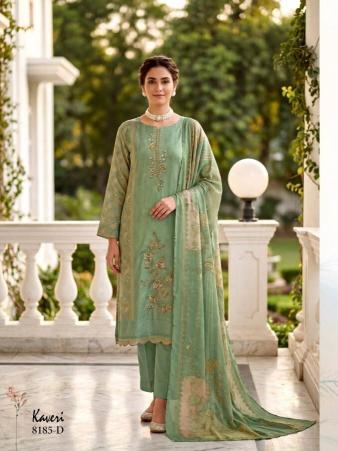
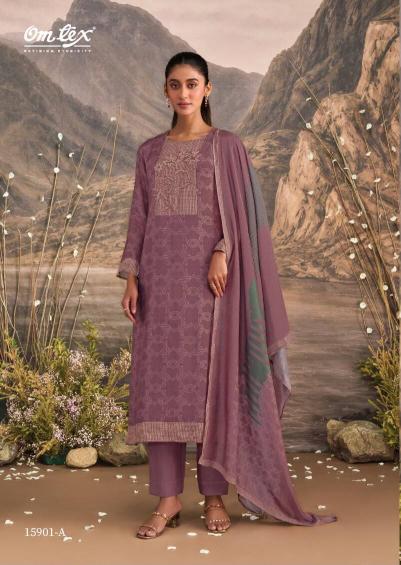
A complete dress material set may contain top fabric, bottom fabric and a coordinated dupatta. The actual combination differs from catalogue to catalogue. Some designs emphasize the fabric itself, while others incorporate embroidery, woven details, prints, zari-inspired elements, decorative borders or contrasting dupattas.
Because fabric composition and construction can vary significantly, Wholesale Buyers should always check the exact product specification rather than assuming that every product labelled tissue has identical characteristics.
Why Tissue Fabric Looks Premium
The visual appeal of tissue comes largely from the way its surface interacts with light. This can give a stitched suit greater depth and make embroidery or decorative details more noticeable. That quality is useful for retailers selling festive dress materials because occasion shoppers often want an outfit that looks richer than standard daily wear.
The final appearance depends on colour, weave, embellishment and styling. Softer pastel shades can create an understated elegant look, whereas deeper shades combined with embroidery can produce a stronger festive effect.
Tissue Dress Material Versus Regular Daily-Wear Fabrics
Daily-wear fabrics and tissue-based collections generally serve different customer intentions. Cotton and other casual materials are commonly selected for frequent use, whereas tissue can be positioned toward customers looking for something visually elevated.
This does not mean every tissue suit must be extremely heavy or expensive. Contemporary collections can range from relatively subtle designs to elaborate occasion wear. This variety gives retailers the flexibility to stock different dress material price segments.
Why Tissue Dress Materials Matter for Wholesale Buyers in 2026
Retailers increasingly need products that attract attention both in stores and online. Customers scrolling through WhatsApp catalogues, Instagram posts or ecommerce listings often make their first judgement based on visual impact. An elegant tissue suit with a coordinated dupatta and thoughtful detailing can stand out among more conventional fabrics.
For tissue dress material wholesale buyers, this creates an opportunity to introduce products that can command attention without replacing the core everyday inventory. Tissue collections can instead function as an occasion-focused category alongside regular cotton suits, printed dress materials and casual ethnic wear.
Growing Demand for Occasion-Focused Ethnic Wear
Indian ethnic fashion remains closely connected with weddings, festivals, religious occasions, family gatherings and gifting. Customers often want a new outfit for these events but do not necessarily want extremely heavy bridal-style clothing.
A thoughtfully selected designer dress material can fill this gap. It allows customers to choose a more polished fabric while retaining the flexibility of customized stitching.
Customization Adds Retail Value
Unstitched suits have an important advantage: customers can tailor them according to their measurements and style preferences. Necklines, sleeve lengths, kurta cuts, pant styles and finishing can all be personalized.
This is especially valuable for Boutique Owners. Instead of selling only fabric, boutiques can offer design guidance and tailoring, transforming a wholesale dress material into a personalized finished outfit.
Who Can Benefit from Tissue Dress Material Wholesale?
The wholesale textile business now serves sellers at many different scales. Digital platforms have enabled even smaller businesses to display large catalogues and connect with customers without operating a traditional showroom.
Home-Based Sellers
Home-Based Sellers can showcase tissue collections through WhatsApp, Instagram and personal customer networks. Because these designs often have strong visual appeal, high-quality catalogue images and short videos can generate interest even without a physical display.
New sellers should avoid purchasing excessive quantities initially. Testing several designs and observing which colours and price ranges receive genuine enquiries can help build a more commercially relevant inventory.
Resellers
Resellers benefit from having products that can be differentiated by fabric, design and occasion. Instead of promoting everything simply as a suit, they can classify collections as festive, premium-looking, wedding guest wear, party wear or elegant ethnic fashion.
Clear positioning makes digital selling easier because customers immediately understand the intended use of the product.
Boutique Owners
Boutique Owners can use tissue suit material as the foundation for customized outfits. A boutique may recommend straight-cut kurtas, A-line silhouettes, elegant pants or other suitable designs depending on the individual fabric and customer preference.
When tailoring and styling are added to the product, the boutique can compete through service and creativity rather than competing only on wholesale cost.
Shop and Showroom Owners
Physical stores can create dedicated sections for festive and premium dress materials. Tissue collections can sit alongside embroidered suits, silk-inspired fabrics and other occasion-focused ethnic wear.
Showroom Owners should maintain variety across price ranges. Some customers prioritize affordability, while others are prepared to spend more for distinctive fabric, better detailing and a richer dupatta.
How to Select the Right Tissue Dress Material Collection
A successful wholesale purchase should be based on more than attractive catalogue photography. Retailers need to evaluate whether the collection matches their customer profile, selling range and existing inventory.
Check the Exact Fabric Specification
Fabric names can sometimes be used broadly in textile marketing. Before ordering, buyers should understand the fabric details supplied with the catalogue. Check the top, bottom and dupatta specifications separately because a set can combine different materials.
This information is also important when selling online. Customers cannot physically examine the product, so accurate fabric descriptions help establish realistic expectations.
Examine Embroidery and Decorative Work
Embroidery can significantly influence the visual value and price of a tissue suit. Buyers should examine neckline work, borders, motifs, sleeves and other decorative areas shown in the catalogue.
More decoration is not automatically better. Some customer groups prefer minimal elegance, while others actively search for detailed festive designs. The strongest inventory often includes both.
Evaluate Colour Selection
Colour can determine whether a design attracts the right customer. Pastels, ivory-inspired shades and muted tones can create a sophisticated appearance, while maroon, green, royal blue and other deeper colours may appeal strongly during festivals and wedding seasons.
A balanced wholesale dress material purchase should avoid putting the entire budget into one colour family unless previous sales clearly support that decision.
Pay Attention to the Dupatta
The dupatta can become the focal point of an ethnic suit. Borders, prints, embroidery, woven effects and contrasting colours can dramatically change the overall appearance of the set.
Wholesale Buyers should therefore review the complete outfit combination rather than evaluating only the kurta fabric. A strong coordinated dupatta can increase perceived value and make the catalogue easier for retailers to present.
Why Surat Is Important for Dress Material Wholesale Sourcing
Surat has developed into one of India's best-known textile sourcing destinations. Its ecosystem includes textile traders, processors, designers, fabric businesses, wholesalers and manufacturing networks serving buyers across India and international markets.
The surat textile market, particularly the commercial textile belt around ring road and sahara darwaza, is familiar to Shop Owners and Wholesale Buyers who travel to the city for sourcing. Buyers can compare multiple ethnic wear categories and identify collections suitable for different retail segments.
Traditional Sourcing Meets Online Wholesale
Physical market visits remain useful, but digital sourcing has changed the way retailers replenish inventory. A seller located hundreds or thousands of kilometres away no longer needs to travel to Surat for every new catalogue.
Wholesaleexport.in gives buyers a digital route to explore wholesale ethnic fashion collections. This is particularly convenient for businesses that want to discover products regularly, compare options remotely and communicate regarding order requirements.
Experience Behind Wholesale Sourcing
Vastralife has wholesale and export experience since 2017, supported by years of involvement with textile products and market requirements. That experience provides practical understanding of how Home-Based Sellers, boutiques, retailers and larger Wholesale Buyers approach inventory differently.
Industry expertise matters because successful sourcing is not simply about listing more products. Retailers need commercially relevant designs, suitable price options and collections that can serve their specific customer base.
Attention to premium product quality is equally important. A retailer's reputation depends heavily on the experience delivered to the final customer, so fabric, design and overall product presentation should align with the collection's market positioning.
Understanding Tissue Dress Material Price and Profit Potential
Wholesale buying decisions should focus on value rather than only the lowest available rate. The cost of a tissue collection can depend on fabric specification, embroidery, weaving, printing, dupatta quality, design complexity, brand positioning and quantity.
For retailers, the important calculation is the relationship between buying price, additional applicable costs, realistic retail value and expected stock movement. A slightly higher-cost product can sometimes generate better business if customers perceive it as distinctive and are willing to pay accordingly.
Create Multiple Selling Ranges
A store does not need to target only one budget. Retailers can create entry, mid-range and premium segments, giving customers alternatives without sending them elsewhere.
Affordable ethnic products can generate regular footfall, while better premium dress materials can improve average order value. Occasion-focused tissue collections can become part of the latter segment depending on their individual specifications and design.
Inventory Rotation Is as Important as Margin
A large percentage margin means little if the product remains unsold for months. Successful Wholesale Buyers monitor sell-through and reorder according to actual demand.
Keep records of colours, designs, fabrics and price ranges that perform well. Over time, this information can turn wholesale purchasing from guesswork into a more disciplined business process.
How the Tissue Dress Material Collection Supports Online Selling
Digital selling continues to expand opportunities for small and established textile businesses. A retailer can now introduce a new catalogue to hundreds of customers within minutes through WhatsApp, Instagram, Facebook and other channels.
The visual characteristics of the Tissue Dress Material Collection can work particularly well in this environment. Fabric details, embroidery and coordinated dupattas provide multiple elements for photographs, close-ups and videos.
Use Product-Focused Photography
Do not depend entirely on one full-length catalogue image. When possible, show the neckline, embroidery, fabric surface, border and dupatta separately. These details help online buyers understand why one collection differs from another.
For a reseller, this is also an opportunity to communicate value rather than repeatedly discounting the product. Better product information can make customers more comfortable purchasing at the appropriate retail rate.
Use Video for Fabric Presentation
Short-form videos can demonstrate movement and surface appearance more effectively than static photographs. A seller can show the complete set, focus on decorative details and explain who the design may suit.
The same video can be adapted for Instagram Reels, Facebook content, YouTube Shorts and WhatsApp Status. This makes content creation more efficient for businesses with limited marketing resources.
Planning Wholesale Purchases for Festivals and Wedding Seasons
Tissue-based ethnic collections naturally fit occasion-driven merchandising, making advance planning important. Retailers should identify major local festivals, wedding periods and seasonal shopping patterns rather than waiting until demand has already peaked.
Inventory purchased early gives the seller time to photograph products, prepare videos, contact regular customers and display the collection before the main shopping rush. It also allows successful designs to be reordered when stock availability permits.
Build a Balanced Festive Inventory
A festive collection should not consist only of extremely decorative products. Some customers want understated outfits for smaller functions, while others want richer looks for weddings and major celebrations.
Combining subtle tissue designs with embroidered and more elaborate styles can serve a broader customer base. Complementing them with ethnic wear wholesale categories such as kurtis, suit sets and other dress materials can further improve assortment variety.
Use Customer History to Plan 2026 Inventory
Previous sales are one of the most useful guides for future buying. Retailers should review which colours, fabrics, price points and designs performed during earlier festive periods.
Even basic records can help identify patterns. If customers consistently prefer medium-range elegant designs over very heavy pieces, future purchases can reflect that demand instead of relying on assumptions.
Domestic and Export Opportunities for Wholesale Buyers
The market for Indian ethnic wear extends beyond India, particularly among South Asian communities and customers interested in traditional fashion. Unstitched dress materials can be especially useful internationally because customers can tailor the garment according to local preferences and individual measurements.
For this guide, three markets worth considering are Singapore, Canada and Nepal. Each has different customer profiles, logistics and retail conditions, so exporters and overseas buyers should select products according to their own market rather than assuming identical demand everywhere.
Wholesaleexport.in can help businesses explore Indian ethnic collections remotely. For international orders, buyers should account for shipping, documentation, customs, taxes and other destination-specific costs while calculating the final landed price.
Singapore Market Opportunity
Retailers serving Indian and South Asian customers in Singapore can use occasion-focused ethnic fashion for festivals, weddings and cultural gatherings. Carefully selected tissue materials can complement ready-made suits by offering customization.
Canada Market Opportunity
Ethnic boutiques and online Resellers in Canada can offer dress materials to customers who prefer personalized tailoring. Seasonal buying should be planned well in advance because international transit and local marketing time need to be considered before major festivals.
Nepal Market Opportunity
Indian ethnic fashion has a familiar customer base in Nepal. Retailers can test a combination of fashionable, festive and commercially practical designs while considering local customer budgets and the complete landed cost of imported merchandise.
Building a Stronger Wholesale Buying Strategy
The most profitable inventory is not necessarily the largest inventory. Successful retailers build stock around customer behaviour, available working capital and realistic sales potential.
A new Home-Based Seller may begin with selected catalogues, whereas an established Showroom Owner may require a much broader range. Both should follow the same principle: buy with a clear customer in mind.
Wholesaleexport.in provides a platform for exploring different ethnic wear categories, allowing buyers to compare designs and identify collections suited to their business model. As the market changes through 2026, regular product evaluation and disciplined purchasing can help retailers remain competitive.
Do Not Compete Only on Price
Price competition has limits. A retailer can create stronger differentiation through product selection, trustworthy information, responsive customer service and styling guidance.
Customers who understand the quality and design value of a product are less likely to judge it solely by the cheapest alternative available online.
Track What Customers Actually Ask For
Every customer enquiry contains useful information. Keep track of frequently requested colours, budgets, fabrics, designs and occasions. Even unanswered enquiries can reveal gaps in your current inventory.
Using this information during the next wholesale purchase can improve stock relevance and reduce dependence on instinct alone.
Retailers who want to broaden their assortment can explore wholesale dress materials for additional suit options. Businesses expanding into family-focused retail can also evaluate kids wear wholesale as a complementary category.
How to Merchandise Tissue Dress Materials for Better Sales
Buying attractive products is only the beginning. The way a collection is presented can strongly influence customer interest, especially when the product belongs to a more elegant or occasion-focused segment. Retailers should help customers understand the complete value of the fabric rather than displaying only a catalogue image and price.
For a Tissue Dress Material Collection, presentation can focus on fabric appearance, embroidery, dupatta coordination, colour combination and the type of occasion for which the outfit may be suitable. A customer shopping for a wedding function will evaluate the product differently from someone looking for an understated festive suit.
Create Occasion-Based Displays
Physical stores can organize dress materials according to customer intent. Instead of keeping every fabric in one section, create displays for festive wear, wedding guest outfits, elegant everyday styles and premium ethnic wear.
This makes product discovery easier. A customer who enters the shop looking for an upcoming family function can immediately be shown suitable tissue and designer dress material options rather than browsing through unrelated casual products.
Present Complete Colour Stories
Retail displays become more attractive when colours complement one another. Retailers can group pastels together, create a section for deeper festive shades or combine coordinated products around seasonal themes.
The same principle works online. Instagram carousels and WhatsApp catalogue selections look more professional when products are arranged thoughtfully instead of being shared randomly.
Explain the Value Instead of Only Quoting the Rate
Customers frequently ask for a price first, but retailers should also explain what they receive for that amount. Fabric specification, design detailing, embroidery, dupatta and overall finish can all contribute to perceived value.
This approach is especially important for premium dress material wholesale products. If a retailer communicates only the rate, customers may compare the item with cheaper products that are not genuinely comparable in fabric or design.
Online Selling Ideas for Home-Based Sellers and Resellers
Home-Based Sellers and Resellers have become an important part of the textile distribution ecosystem. They can operate with relatively controlled overheads while reaching customers through social media, messaging applications and personal networks.
Tissue dress materials can fit this model because visually appealing designs can be promoted through catalogue photographs and videos. However, sellers should provide accurate information rather than relying entirely on attractive imagery.
Write Better Product Captions
A useful product caption can include the collection name, fabric details supplied by the wholesaler, available colours, design highlights and ordering information. Keep the description readable and avoid excessive promotional language.
Search-friendly phrases such as tissue suit material wholesale, festive suit collection, designer unstitched suits and Surat dress material supplier can be incorporated naturally into website pages and social content where relevant.
Use WhatsApp for Repeat Customers
WhatsApp can be particularly effective for repeat buyers because new arrivals can be shared directly with customers who already understand the seller's product range. Organize customers according to their interests when practical rather than sending every catalogue to everyone.
A buyer interested in premium festive suits may respond better to tissue collections, while another customer may prefer affordable cotton dress materials. Relevant communication generally creates a better customer experience than excessive catalogue forwarding.
Create Short Product Videos
Short videos can highlight fabric texture, embroidery, borders and dupatta details. Sellers can also explain possible styling ideas in a natural voice rather than relying only on music and text.
This format works across Instagram Reels, YouTube Shorts, Facebook and WhatsApp Status. A single product video can therefore support multiple marketing channels and increase the usefulness of each piece of content.
Managing Wholesale Inventory Without Overbuying
Inventory management is one of the biggest challenges in fashion retail. Every unsold catalogue represents money that cannot immediately be used for new collections. Wholesale Buyers should therefore balance variety with disciplined purchasing.
Test Before Scaling
When introducing a new fabric category, begin with quantities appropriate to your business size. Monitor customer enquiries, actual orders and repeat demand. If the response is strong, increase purchasing gradually.
This approach can be particularly valuable for a new Tissue Dress Material Collection because demand may vary according to location, season and customer profile.
Separate Fast-Moving and Slow-Moving Products
Retailers should periodically review inventory and identify products that move quickly. Those products can guide future purchasing decisions. Slow-moving stock should also be examined to understand whether the issue is design, colour, price, season or presentation.
Sometimes a collection does not need immediate discounting; it may simply need better photography, a different display position or presentation to the correct customer group.
Keep Capital Available for New Arrivals
Fashion changes regularly, so using the entire buying budget at once can limit flexibility. Keeping part of the purchasing budget available allows retailers to respond when a promising new collection enters the market.
Regular new arrivals can also give customers a reason to revisit the store, website or WhatsApp catalogue.
Manufacturing, Sourcing and Quality Considerations
The textile supply chain includes multiple stages, from yarn and fabric development to processing, printing, embroidery, finishing, packaging and wholesale distribution. Understanding this broader manufacturing environment helps retailers appreciate why products with apparently similar photographs may differ in quality and price.
When sourcing through the surat textile market, buyers may encounter numerous products at different quality levels. Areas around ring road and sahara darwaza provide access to extensive textile trading networks, but careful product selection remains essential.
Check Product Specifications Before Ordering
Wholesale Buyers should confirm available information about top fabric, bottom fabric, dupatta, work and set contents before purchasing. This becomes particularly important for online sourcing, where the buyer cannot physically examine every catalogue before ordering.
Quality Supports Repeat Business
Retailers should think beyond the first sale. When customers are satisfied with the overall product experience, they are more likely to return and recommend the seller to others.
This is why premium product quality, accurate information and appropriate product selection are important parts of a sustainable wholesale business rather than simply marketing phrases.
Opportunities for Export-Focused Ethnic Wear Businesses
Indian ethnic fashion has potential in overseas markets where Indian and South Asian communities maintain demand for traditional clothing. Boutiques, online sellers and community-based retailers can use unstitched dress materials as a flexible addition to their ready-made collections.
An export buyer should consider more than the Indian purchase price. Shipping, customs procedures, applicable duties, local taxes and other destination costs can influence the final landed value. These factors should be understood before setting a retail rate.
Businesses selling in Singapore, Canada and Nepal should also observe local customer preferences. The colours and styles popular in one market may not perform identically in another. Small test orders and customer feedback can therefore be useful before significantly expanding inventory.
Plan International Purchases Early
Overseas boutiques preparing for Diwali, wedding seasons or other cultural events should account for sourcing and transit time. Ordering close to the selling date can reduce the available marketing period and create unnecessary pressure.
Advance planning gives retailers time to receive products, create promotional content and introduce the collection to customers before peak shopping begins.
Why Long-Term Supplier Relationships Matter
Wholesale businesses frequently need new inventory, making supplier relationships more important than one isolated transaction. Retailers benefit when they can regularly discover new categories, understand product specifications and communicate their buying requirements clearly.
Vastralife's wholesale and export experience since 2017 contributes practical industry expertise across ethnic fashion sourcing. Experience with different buyer types helps in understanding that a Home-Based Seller may have very different purchasing priorities from an established showroom or international Wholesale Buyer.
Wholesaleexport.in brings wholesale product discovery into an online format, helping buyers explore collections without depending entirely on physical market visits. For growing businesses, the ability to review fresh products regularly can support more flexible inventory planning.
Internal Linking
A profitable ethnic wear business generally benefits from variety. Tissue suits can create an elegant occasion-focused category, while other dress materials can serve customers looking for casual, office, printed and different fabric options.
Retailers can use related categories to build a broader product mix rather than depending on a single trend. A boutique might stock tissue suits alongside embroidered dress materials, kurtis and festive products, while a Showroom Owner may maintain separate sections according to fabric, occasion and budget.
Businesses serving families can also diversify into complementary categories when appropriate. The important principle is to expand according to genuine customer demand instead of adding unrelated inventory simply for the sake of variety.
Customer FAQs
1. What is a tissue dress material?
A tissue dress material is an unstitched ethnic suit material featuring tissue fabric or a tissue-style fabric specification as provided for the particular product. Sets may include top material, bottom material and a coordinated dupatta. Exact composition should always be checked for each catalogue.
2. Is tissue dress material suitable for festive wear?
Many tissue collections are well suited to festive and occasion-focused styling because their surface and finish can create an elegant appearance. The suitability of an individual product depends on its colour, design, embroidery, dupatta and overall construction.
3. Can Boutique Owners use tissue fabric for customized suits?
Yes. Unstitched material gives boutiques considerable flexibility in tailoring. Customers can select their preferred kurta length, neckline, sleeves, bottom style and fitting according to the available fabric and design.
4. Where can I buy tissue dress materials wholesale from Surat?
Surat has a large network of dress material wholesalers and textile businesses. Buyers can source through physical markets around ring road and sahara darwaza or explore wholesale collections online through Wholesaleexport.in.
5. What affects the wholesale price of tissue dress material?
The wholesale price can vary according to fabric specification, design, embroidery, printing, dupatta, finishing, brand positioning and order quantity. Buyers should compare similar products and evaluate overall value rather than looking only for the lowest rate.
6. Can Home-Based Sellers start with tissue dress materials?
Yes. Home-Based Sellers can introduce selected tissue collections through WhatsApp, Instagram, Facebook and local customer networks. Starting with controlled quantities and tracking actual demand can help manage inventory risk.
7. Are tissue dress materials available for export?
Export availability can depend on the destination, order size and current shipping arrangements. International buyers should confirm applicable logistics and calculate freight, duties, customs and local taxes when determining the landed cost.
8. Which customers should retailers target for tissue suits?
Potential customers include women shopping for festivals, weddings, family functions, parties and elegant ethnic occasions. Retailers can also target customers who prefer unstitched suits because they want personalized tailoring and fitting.
9. How can Resellers market tissue dress materials online?
Use clear catalogue images, fabric close-ups, short videos and accurate product descriptions. Highlight the design, dupatta and intended occasion rather than posting only a rate. Consistent WhatsApp Status updates and social media content can also help introduce new arrivals.
10. Is tissue dress material a useful category for 2026?
It can be a valuable category for businesses whose customers want elegant and occasion-oriented ethnic fashion. Retailers should still test demand in their own market and choose designs, quantities and selling ranges accordingly.
Why Choose Wholesaleexport.in for Wholesale Ethnic Wear?
Wholesale buying becomes easier when retailers can explore multiple categories while keeping their own customer profile in mind. Wholesaleexport.in is designed for Shop Owners, Boutique Owners, Showroom Owners, Resellers, Home-Based Sellers and Wholesale Buyers looking for Indian ethnic fashion sourcing opportunities.
With Vastralife's wholesale and export experience since 2017 behind the business approach, buyers benefit from years of exposure to textile sourcing, changing market trends and different retail requirements. The focus remains on offering commercially useful collections while supporting buyers who want to grow their ethnic wear businesses.
For buyers exploring the Tissue Dress Material Collection, the objective should be to combine elegant products with intelligent inventory planning. Choose fabrics and designs that suit your customers, maintain variety across price segments and continuously evaluate what actually sells.
Explore Latest Wholesale Collections Today
If you are planning your next inventory purchase for 2026, explore products that can add freshness and variety to your ethnic wear business. Whether you operate from home, run a boutique, manage a retail shop or purchase for a larger showroom, thoughtful sourcing can help you serve customers more effectively.
Discover Latest Collections, competitive Wholesale Pricing, Trendy Ethnic Wear and new options for retailers and Resellers. Buyers can also explore Fast Shipping, applicable COD Support, Bulk Order Deals and Quality Products Starting From ₹299 across eligible wholesale collections.
Build an inventory that balances style, quality, customer demand and commercial potential. From elegant tissue suits to broader ethnic fashion categories, choose products that give your customers a reason to return for every new season.
Start Your Wholesale Order
Looking for new ethnic wear collections for your shop, boutique, showroom or reselling business? Connect with Wholesaleexport.in to explore current wholesale options and discuss your buying requirements.
Contact Us: +91 9712582172
Website: wholesaleexport.in
Explore fresh designs, plan your inventory intelligently and bring your customers ethnic wear collections selected for the evolving fashion market of 2026.