


Thread Work Dress Material Wholesale in Surat: Latest Designs, Price & Trends 2026
Thread Work Dress Material Wholesale in Surat: Latest Designs, Price & Trends 2026
Detailed embroidery has always held a special place in Indian ethnic fashion, but today's buyers increasingly want decoration that looks elegant without making an outfit unnecessarily heavy. Thread embroidery answers that demand beautifully. From subtle floral motifs to elaborate neckline patterns and statement dupattas, the category gives retailers plenty of opportunities to build collections for everyday elegance, festive occasions and premium boutique customers.
Introduction
Thread Work Dress Material is an important category for retailers who want to offer customers the freedom of unstitched ethnic wear with the visual appeal of embroidery. Instead of depending entirely on prints or metallic embellishments, thread work uses coloured embroidery to create texture, motifs and decorative patterns across the fabric.
The category can range from simple embroidered cotton and rayon sets to richer festive fabrics featuring dense thread embroidery, lace, sequins, zari or complementary decorative elements. This versatility allows shop owners to build collections at different price levels while still maintaining a consistent embroidered ethnic-wear theme.
For 2026, commercial buying is increasingly about balance. Customers want attractive products, but retailers must also consider fabric quality, embroidery finishing, wearable colours, wholesale price, repeat demand and retail margin. A beautiful catalogue that does not suit the target customer's budget may move slowly, while an inexpensive product with weak finishing may affect repeat business.
Wholesaleexport.in helps home-based sellers, shop owners, boutique owners, showroom owners, resellers and wholesale buyers access Indian ethnic-wear sourcing from Surat. Backed by Vastralife's wholesale and export experience since 2017, the business combines textile industry expertise with a focus on premium product quality and commercially relevant collections.
Why Thread Work Dress Material Has Strong Retail Potential
Thread embroidery has one major advantage: it can look traditional, contemporary or fusion-oriented depending on the design. This makes embroidered dress material wholesale relevant to retailers serving several customer groups rather than only one specific occasion.
Embroidery Adds Visible Value
Customers often compare unstitched suits according to fabric, colour, dupatta and decorative work. Thread embroidery adds texture and visual detail that can immediately differentiate a product from a basic printed suit.
For retailers, this can help create clear price segmentation. A light embroidery collection can occupy an accessible price bracket, while intricate thread work on premium fabric can be positioned for customers seeking more elaborate occasion wear.
Suitable for Multiple Occasions
Unlike extremely heavy bridal embroidery, thread work does not have to be limited to major wedding events. Depending on the design, it can work for office celebrations, family functions, festivals, parties, festive gifting, engagement events and regular social occasions.
This wider usage can make thread embroidery suit material a practical inventory category. Retailers are not necessarily dependent on one short festive window to sell the merchandise.
Unstitched Dress Material Provides Size Flexibility
Ready-made clothing requires retailers to think about size distribution. Unstitched material approaches the problem differently because the customer can tailor the garment according to individual measurements and styling preferences.
This is particularly useful for boutique owners. A boutique can source an embroidered dress material and create a customized neckline, sleeve pattern, kurta length or bottom style for its customer. Tailoring can therefore become an additional service and revenue opportunity.
Popular Thread Work Dress Material Designs in 2026
Thread embroidery is no longer restricted to one traditional style. Textile designers combine embroidery with printed bases, velvet, cotton, silk blends, organza, lawn and several other fabrics to create collections for different seasons and customer segments.
Floral Thread Embroidery
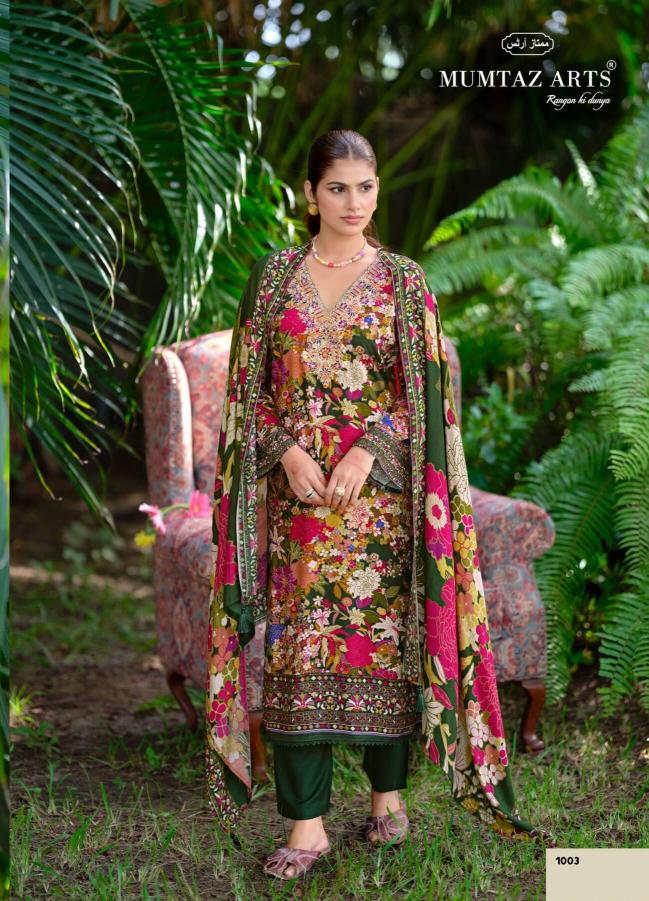
Floral patterns remain commercially versatile because they can be adapted to both subtle and decorative designs. Small floral motifs can create a refined appearance, while larger multicolour floral embroidery can turn a simple base fabric into a statement outfit.
Pastel combinations may work well for daytime functions and contemporary styling, whereas maroon, navy, bottle green, wine and other deeper shades can create a richer festive appearance.
Neckline Thread Work
Strategic embroidery around the neckline is popular because it adds a visible design feature without requiring dense work across the complete fabric. This can help manufacturers create attractive products at accessible wholesale price points.
For online sellers, neckline embroidery is also easy to highlight in catalogue photographs and short-form videos. A close-up image can communicate workmanship more effectively than a distant full-product photograph.
All-Over Embroidered Dress Material
Premium customers may prefer richer designs featuring embroidery across larger areas of the top fabric. Depending on the base material and density of work, these collections can be positioned for festive functions, wedding events and premium boutique selling.
Wholesale buyers should inspect the embroidery density and finishing rather than assuming that more work automatically means better quality. Neatness, motif placement and overall design balance matter just as much as quantity.
Thread Work with Embellishment Combinations
Designers frequently combine thread embroidery with sequins, zari, lace, mirror-inspired details or decorative borders. These combinations can increase festive appeal while preserving the softer visual character of thread work.
A retailer can use such combinations to create several levels within the same category: simple embroidery for semi-festive customers, enhanced work for festive buyers and richer designs for wedding-oriented shoppers.
Fabric Selection Matters in Thread Embroidery
The same embroidery technique can look completely different depending on the base fabric. Retailers should therefore evaluate fabric and work as one complete product rather than judging embroidery separately.
Cotton and Cotton-Blend Dress Materials
Cotton-based embroidered suits can be useful for customers looking for comfort combined with decorative styling. Lighter embroidery often works particularly well in this segment because the final outfit remains wearable for longer periods.
Lawn Dress Material
Lawn fabrics are frequently associated with lightweight, elegant styling. Printed or solid lawn combined with thread embroidery can provide a refined appearance suitable for customers who prefer detailed fashion without excessively heavy fabric.
Velvet Dress Material
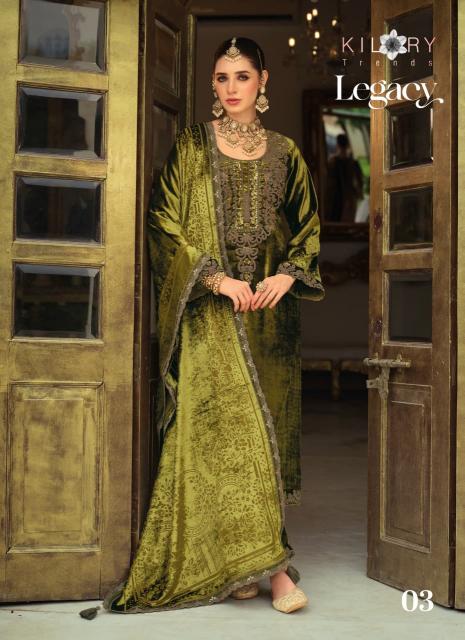
Velvet creates a very different visual effect. Its rich surface can complement embroidery and make deeper colours appear particularly luxurious. Velvet-based embroidered collections can be considered for cooler weather, festive seasons and premium occasion-wear assortments.
Silk and Silk-Blend Fabrics
Silk-inspired textures can enhance the appearance of thread work and make the finished garment suitable for celebrations and formal functions. Retailers should verify the exact fabric composition supplied with each catalogue instead of relying only on photographs.
Surat: A Major Market for Wholesale Dress Material Sourcing
Surat has developed a large textile ecosystem covering fabric processing, trading, distribution, fashion supply and manufacturing. For retailers, this creates opportunities to source multiple Indian clothing categories from a concentrated textile market.
The Surat textile market, including commercial textile areas around Ring Road and Sahara Darwaza, is widely associated with wholesale textile activity. Buyers visiting these areas can encounter dress materials, sarees, kurtis, suits, lehengas and many other categories across different price ranges.
For retailers who cannot visit Surat frequently, digital sourcing can reduce dependence on repeated physical market trips. Wholesaleexport.in provides access to wholesale fashion collections for buyers looking to source from the Surat supply ecosystem.
Why Buying from a Wholesale Source Matters
A retailer's purchase cost directly affects the flexibility available when setting the final selling price. Buying closer to the wholesale supply chain can make it easier to compare products and build an assortment appropriate for a particular customer segment.
However, buyers should not evaluate suppliers only by the lowest quoted rate. Product consistency, embroidery finishing, fabric quality, stock availability, catalogue presentation and order support can all influence the actual commercial value of the purchase.
Manufacturing and Market Variety
Surat's broader textile ecosystem gives buyers access to products produced and distributed through different supply channels. This variety can be useful when a retailer wants to maintain several categories rather than depending on a single design style.
For example, a boutique could combine embroidered suits with printed collections, Pakistani-inspired dress materials, festive styles and premium occasion wear. A showroom might carry even broader inventory across sarees, lehengas and ready-made ethnic fashion.
How to Select Thread Work Dress Material for Wholesale Buying
Wholesale purchasing should begin with the end customer. The most attractive catalogue is not necessarily the right catalogue for every business. A seller targeting budget-conscious customers needs a different assortment from a premium boutique serving wedding shoppers.
Check Embroidery Finishing
Thread work should appear neat and commercially presentable. Buyers should look at motif definition, thread finishing, colour coordination and how the embroidery sits on the base fabric.
Product photographs are useful for initial selection, but buyers should request or review the available product information carefully before committing to significant quantities.
Evaluate the Complete Dress Material Set
Do not evaluate only the embroidered top. The bottom and dupatta also influence the customer's perception of value. A beautifully coordinated dupatta can substantially improve the appeal of the complete outfit.
For designer dress material wholesale, coordination between all pieces becomes particularly important because customers paying a premium expect the complete set to look intentional.
Select a Practical Colour Mix
Instead of purchasing only one trending shade, build variety. Neutral tones, pastels, bright festive colours and deeper shades can appeal to different customers and occasions.
The ideal mix should also reflect your own sales history. If bottle green and wine repeatedly perform well in your store, that information is more useful for buying decisions than following a trend without considering your actual customer base.
Understand MOQ and Catalogue Assortment
Wholesale products may have minimum order requirements or catalogue-wise purchasing conditions. Home-based sellers and newer resellers should understand these requirements before advertising products to customers.
Established stores may prefer larger quantities when they have confidence in a design, while smaller sellers can focus on controlled inventory wherever purchasing conditions permit.
Thread Work Dress Material Price: What Determines the Cost?
There is no universal Thread Work Dress Material price. Wholesale cost can vary according to fabric, embroidery density, thread quality, additional embellishments, dupatta work, brand, catalogue size and quantity.
For this reason, retailers should compare like-for-like products. A basic embroidered cotton set cannot be evaluated using the same price expectation as a premium velvet or richly embroidered festive collection.
Fabric Quality
The base fabric contributes significantly to the product's cost and retail positioning. A richer fabric can support a more premium presentation, while lightweight fabrics may serve different seasonal and budget requirements.
Embroidery Density
More elaborate embroidery generally involves additional production work, but density alone should not determine the purchase decision. Clean execution and commercially attractive placement are equally important.
Dupatta and Additional Work
A plain dupatta and a heavily coordinated embroidered dupatta can create very different final products. Borders, lace, printing and embroidery on the dupatta can influence both wholesale cost and customer appeal.
Order Quantity
Commercial terms may vary according to product and quantity. Buyers planning bulk purchases should confirm current pricing, available stock and applicable order conditions before finalizing their inventory budget.
Who Can Sell Thread Work Dress Materials?
The category is suitable for several types of fashion businesses because the unstitched format provides flexibility in both merchandising and customer sizing.
Home-Based Sellers
Home sellers can present new catalogues through WhatsApp, Instagram and existing customer groups. Products with strong photography and visible embroidery can be particularly suitable for digital presentation.
Boutique Owners
Boutiques can add customized stitching and styling to the fabric, creating a more distinctive final garment. This allows the business to compete through design and service rather than only through product price.
Retail Shop Owners
Physical shops can display multiple fabrics and allow customers to compare embroidery, colour and fabric feel directly. Maintaining several price points can help accommodate customers with different budgets.
Showroom Owners and Wholesale Buyers
Larger buyers can combine thread-work products with broader ethnic-fashion categories and build seasonal assortments. For them, catalogue turnover, stock planning and reliable replenishment become especially important.
International Demand and Export Potential
Indian embroidered fashion is also relevant to overseas boutiques and resellers serving customers interested in traditional and contemporary Indian clothing. For this blog, three useful markets to consider are Canada, Malaysia and Germany.
International buyers should evaluate more than the Indian wholesale price. Freight, import requirements, customs duties, local taxes where applicable, payment costs and domestic delivery can all affect landed cost and eventual retail margin.
Wholesaleexport.in supports wholesale and export-oriented product sourcing, while Vastralife brings experience in wholesale and export since 2017. Overseas buyers can select Indian fashion according to their local customer base rather than assuming the same collection will perform identically in every country.
Canada
Retailers serving Indian and South Asian communities can consider embroidered dress materials for festive, wedding and family-function demand. Assortment planning should reflect the local customer's preferred fabrics, colours and retail budget.
Malaysia
Lightweight Indian ethnic fashion and decorative dress materials can provide opportunities for retailers serving customers who appreciate embroidered styling. Fabric choice should be planned with climate and local preferences in mind.
Germany
Boutiques and online sellers serving Indian-fashion customers can use focused collections rather than holding excessive inventory. Accurate product specifications and realistic shipping planning become particularly important when sourcing internationally.
For international shipments, buyers should independently verify current import, tax and regulatory requirements applicable to their destination before placing an order.
How to Build a Profitable Thread Work Dress Material Collection
A profitable collection is rarely built by choosing only the most decorative designs. Successful wholesale buying requires a balanced assortment of price points, colours, fabrics and embroidery levels. Retailers should think about what their customers can comfortably purchase, which products are suitable for repeat sales and which premium designs can create visual attraction inside the store or online catalogue.
For Thread Work Dress Material, a practical approach is to divide inventory into everyday, semi-festive and premium segments. Everyday collections can focus on lighter embroidery and comfortable fabrics, while semi-festive designs can introduce richer necklines, embroidered dupattas and more detailed motifs. Premium collections can feature elaborate thread work, velvet, silk blends, decorative borders or additional embellishments.
Keep Entry-Level Options
Affordable products help home-based sellers and retailers reach customers who want attractive ethnic wear without moving into a high retail price bracket. These collections can also encourage repeat purchases because customers may buy multiple designs rather than treating the product as a once-a-year occasion purchase.
Add Mid-Range Commercial Designs
The middle segment can be especially useful for boutiques and established shops. Customers in this category generally expect better presentation and more visible embroidery but still compare value carefully. Floral thread work, embroidered necklines, coordinated bottoms and decorative dupattas can work well here.
Use Premium Designs as Collection Highlights
Premium embroidered suits can become visual anchors for a showroom, Instagram page or WhatsApp catalogue. Even when such pieces sell in smaller quantities, they can help communicate the overall quality and variety of a retailer's collection.
Online Selling Opportunities for Resellers and Boutiques
Digital selling has made it possible for smaller businesses to present Indian ethnic wear without operating a large physical showroom. A reseller can use catalogue photographs, short videos, customer groups and social platforms to introduce new arrivals regularly.
Thread embroidery is particularly suitable for visual marketing because close-up content can demonstrate details that may not be visible in a standard full-length photograph. Sellers can show the neckline, embroidery texture, dupatta border and fabric movement separately.
Use Product Information Alongside Attractive Images
Good photographs generate attention, but buyers also need useful information. Include the fabric type, set contents, available colours, embroidery details and relevant purchasing conditions. Avoid making assumptions about material composition when the catalogue specification is available.
Create Occasion-Based Collections
Instead of posting products randomly, retailers can organize them into themes such as festive dress materials, wedding guest outfits, embroidered everyday suits, premium boutique collections and seasonal new arrivals. This makes browsing easier and gives customers a reason to revisit the seller's catalogue.
Use Video to Show Embroidery Details
Short videos can show thread texture, fabric fall and decorative details more clearly than still images alone. For premium designs, this can help customers understand why one product occupies a higher price category than another.
Internal Linking: Explore More Wholesale Ethnic Wear Categories
Retailers building a complete ethnic-wear inventory do not have to depend on one product category. Buyers looking for embroidered fabrics can explore wholesale dress materials Surat to compare different fabrics, designs and catalogue styles suitable for boutiques, shops and reselling businesses.
Businesses planning a wider festive assortment can also explore wholesale sarees India and combine sarees with embroidered suit materials. Carrying complementary categories can help retailers serve customers shopping for different occasions while sourcing from the broader Indian ethnic-fashion market.
Wholesale Buying Checklist for 2026
Before placing an order for Thread Work Dress Material wholesale, buyers should consider the complete commercial picture. A product must look attractive, but it should also fit the business model and target customer.
- Confirm the fabric and product specifications.
- Check whether the embroidery style suits your customer segment.
- Compare the wholesale price with the expected local retail range.
- Understand the catalogue quantity and applicable MOQ.
- Check colour assortment before selecting larger quantities.
- Review the top, bottom and dupatta as a complete set.
- Consider seasonal demand before increasing inventory.
- For export orders, calculate shipping and destination-side costs.
- Ask about current stock before advertising a catalogue heavily.
- Keep enough variety for repeat customers without overstocking one design.
This type of disciplined buying can be more valuable than simply chasing the lowest price. A slightly better product that generates repeat customers may provide stronger long-term value than a cheaper catalogue that is difficult to sell.
Why Source Through Wholesaleexport.in?
Wholesaleexport.in is designed for buyers searching for Indian wholesale fashion from a textile sourcing ecosystem connected with Surat. The platform can be useful for home-based sellers, shop owners, boutique owners, showroom owners, resellers and wholesale buyers looking for fresh ethnic-wear collections.
Vastralife's wholesale and export experience since 2017 brings practical industry understanding to the sourcing process. The focus is not simply on listing products but on offering commercially relevant fashion categories with attention to quality, variety and wholesale requirements.
Access to Trending Indian Ethnic Wear
Fashion businesses need regular new arrivals because customers quickly become familiar with older catalogues. Access to fresh collections allows retailers to update their WhatsApp groups, social-media pages, websites and physical displays throughout the season.
Wholesale-Oriented Product Selection
A wholesale buyer evaluates products differently from an individual consumer. Retail margin, catalogue quantity, customer demand and repeat-selling potential matter alongside design. Wholesaleexport.in is positioned around this B2B sourcing requirement.
Surat Textile Industry Expertise
Surat's extensive textile trade around Ring Road, Sahara Darwaza and the wider Surat textile market gives the city an important role in Indian fashion distribution and manufacturing. Working with a Surat-oriented wholesale source can give buyers exposure to multiple styles and product segments from this ecosystem.
Support for Indian and International Buyers
Wholesale sourcing requirements can differ considerably between a retailer in India and a buyer importing products into Canada, Malaysia or Germany. International buyers need to consider freight, documentation and destination regulations in addition to product selection. Buyers should confirm the current terms applicable to their order and destination before payment and dispatch.
How Retailers Can Improve Margins Without Compromising Quality
Retail profit does not depend only on buying at the lowest possible rate. Product selection, presentation, customer targeting and inventory turnover can have an equally important effect on profitability.
Buy According to Customer Data
Keep records of colours, price ranges, fabrics and styles that sell repeatedly. Over time, this information can make purchasing more accurate. If customers consistently request embroidered cotton suits within a particular retail range, that should influence the next wholesale order.
Avoid Excess Inventory in One Catalogue
Fashion changes quickly. Unless a particular catalogue has proven demand, spreading purchasing across multiple styles can reduce dependence on a single design.
Present Premium Quality Properly
If a product contains detailed embroidery, premium fabric or an elaborate dupatta, communicate those features clearly. Customers cannot appreciate value that they cannot see or understand.
Good lighting, close-up photographs, videos and accurate descriptions can help distinguish premium products from entry-level options. This is especially relevant for online resellers where the customer cannot physically touch the fabric before ordering.
Plan Around Seasonal Demand
Festival and wedding periods can create stronger demand for decorative ethnic fashion, but stock should reach the retailer early enough to capture the selling window. International buyers need an even larger planning buffer because export transit and customs processes can add time.
Related Keywords Buyers Use When Searching Online
Customers and business buyers searching for this category may use several related terms, including thread work suit material, embroidered dress material, designer dress material wholesale, unstitched suits wholesale, ladies dress material wholesale, Surat dress material supplier, embroidered suits wholesale, cotton dress material, velvet dress material, lawn suits wholesale, festive dress material, wedding dress material, Indian ethnic wear wholesale, salwar suit material, wholesale clothing supplier, Surat textile wholesaler, dress material exporter, boutique dress material supplier, latest dress material collection, wholesale ethnic wear and bulk dress material supplier.
These search patterns reflect different stages of buying intent. Someone searching for embroidery styles may still be researching, while a query such as “bulk dress material supplier” or “buy dress material wholesale” can indicate stronger commercial intent. Creating useful product information for both types of visitors can improve the overall shopping and sourcing experience.
Customer FAQs
1. What is Thread Work Dress Material?
Thread Work Dress Material is unstitched fabric designed with embroidery created primarily using threads. A set may include material for the kurta, bottom and dupatta, depending on the specific catalogue. The embroidery can range from light neckline work to detailed floral or all-over patterns.
2. Is thread work suitable for festive and wedding wear?
Yes. The suitability depends on the fabric and embroidery level. Light thread work can work for casual or semi-festive occasions, while richer embroidery combined with premium fabrics and decorative dupattas can be suitable for weddings, festivals and family functions.
3. What is the wholesale price of Thread Work Dress Material?
The wholesale price varies according to fabric, embroidery density, brand, design, dupatta, additional embellishments and catalogue quantity. Buyers should check the current product listing or contact the wholesale team for the applicable price and availability rather than relying on a single standard rate.
4. Can home-based resellers purchase wholesale dress materials?
Yes, home-based sellers can source wholesale ethnic wear subject to the applicable product and order conditions. They can market new catalogues through WhatsApp, Instagram, Facebook and their existing customer network.
5. Can boutique owners source thread work suits from Surat?
Yes. Boutique owners can source unstitched embroidered materials and add customized tailoring for their customers. This gives boutiques flexibility in neckline, sleeves, fit and overall garment styling.
6. Does Wholesaleexport.in supply products outside India?
Wholesaleexport.in caters to wholesale and export-oriented buyers. International customers should confirm product availability, shipping options, payment terms and destination-specific requirements for their particular order before purchasing.
7. What should international buyers check before ordering?
International buyers should consider product cost, freight, shipment weight, customs requirements, import duties, taxes and local delivery costs where applicable. Regulations differ by destination, so import requirements should be verified for the receiving country.
8. Which fabrics are popular for embroidered dress materials?
Thread embroidery can be used on cotton, cotton blends, lawn, rayon, silk blends, velvet and other fabrics. The right fabric depends on the season, occasion, target retail price and preferences of the retailer's customer base.
9. How can retailers choose colours for wholesale inventory?
A balanced approach usually works better than relying entirely on one trend. Retailers can combine pastels, festive brights, classic neutrals and deeper shades while using their own sales history to identify colours that perform best with their customers.
10. Why source ethnic wear from Surat?
Surat has an extensive textile manufacturing and wholesale ecosystem with access to many Indian fashion categories. Buyers can find products across different fabrics, designs and price segments, making the city an important sourcing centre for textile businesses.
Order Latest Thread Work Dress Material Wholesale
If you are a boutique owner, reseller, shop owner, showroom owner, home-based seller or wholesale buyer looking to expand your ethnic-wear business, explore the latest collections available through Wholesaleexport.in. Build your inventory with designs selected for today's wholesale and retail fashion market.
What you can explore:
- Latest Collections
- Wholesale Pricing
- Trendy Ethnic Wear
- Fast Shipping
- COD Support where applicable
- Bulk Order Deals
- Quality Products Starting From ₹299
Whether you are developing a small online reselling business or sourcing inventory for an established showroom, choosing the right products, price segment and supplier can make a meaningful difference to inventory turnover and customer retention.
For current designs, catalogue availability, wholesale pricing and bulk order enquiries, contact the team directly.
Contact Number: +91 9712582172
Website: wholesaleexport.in
Explore fresh Indian ethnic fashion, compare commercially relevant collections and source your next Thread Work Dress Material range with a wholesale business backed by Vastralife's industry and export experience since 2017.