


Teej Dress Material Collection Wholesale 2026 – Festive Suits for Retailers
Teej Dress Material Collection Wholesale 2026 – Festive Suits for Retailers
Teej creates a strong seasonal opportunity for ethnic wear sellers who prepare their inventory before festive shopping reaches its peak. Bright colours, graceful prints, comfortable fabrics and attractive dupatta combinations can help retailers build a collection suitable for both traditional celebrations and everyday festive dressing. For boutiques, resellers and wholesale buyers planning their 2026 inventory, choosing the right designs at the right price can turn this seasonal demand into a valuable sales opportunity.
Introduction
The festive fashion market changes quickly, but Teej continues to create demand for colourful Indian ethnic wear. Customers commonly look for fresh designs that feel traditional without becoming difficult to wear. This makes Teej dress material collection an important category for shop owners, boutique owners, home-based sellers and online resellers who want to refresh their inventory before the festive season.
For 2026, buyers can build their Teej range around cotton dress materials, printed salwar suit materials, embroidered suits, floral designs, festive dupatta sets and premium unstitched suit collections. Instead of stocking only one style, retailers can maintain a balanced assortment across different price points so that regular customers as well as premium buyers have suitable options.
Wholesaleexport.in helps wholesale buyers access ethnic wear collections sourced through the textile ecosystem of Surat. Buyers looking around the surat textile market, Ring Road and Sahara Darwaza often compare designs, fabric quality, wholesale price and availability before finalising festive stock. An online wholesale platform can simplify this process by allowing buyers outside Surat to review collections without depending entirely on physical market visits.
Why Teej Dress Materials Deserve a Place in Festive Inventory
Teej shopping is closely connected with traditional dressing, gifting and festive gatherings. This naturally creates an opportunity for salwar suits and dress materials in shades such as green, red, pink, maroon, yellow, rani and other festive combinations. At the same time, many customers want clothing they can continue wearing after the festival, making versatile fabrics and practical patterns particularly useful for retailers.
A strong Teej dress material wholesale assortment should therefore combine festive appeal with wearable designs. Printed cotton suits can serve customers seeking comfort, while embroidered and designer dress materials can address buyers shopping for celebrations and family functions. Boutique owners may additionally select statement designs that can be stitched into customised silhouettes.
Festive Colours That Can Strengthen Your Display
Colour plays a major role in festive merchandising. Green remains closely associated with Teej styling, but retailers do not need to restrict their inventory to a single colour family. Pink, red, mustard, turquoise, wine, peach, purple and multicolour floral patterns can broaden the display and provide more choice to customers.
For physical stores, combining several coordinated colours on one rack can make a festive collection visually stronger. Online resellers can similarly photograph or share multiple colour options together to demonstrate variety. This is especially useful when customers are comparing festive dress material wholesale designs through WhatsApp, social media or online catalogues.
Cotton and Comfortable Fabrics for Seasonal Demand
Comfort is equally important because Teej celebrations can involve long hours of dressing, visiting relatives and participating in traditional activities. Cotton, cotton blends and breathable printed materials can therefore complement heavier festive designs. A retailer who stocks both premium and comfortable ranges can serve a wider customer base instead of relying entirely on occasion-heavy products.
For home-based sellers, cotton collections can also provide useful repeat-selling potential beyond the festival. Customers who initially purchase a suit for Teej may continue wearing a versatile floral or printed design for casual outings, small functions and everyday ethnic dressing.
Best Teej Dress Material Categories to Buy Wholesale in 2026
Wholesale purchasing works better when inventory is divided into clear selling categories. Rather than buying large quantities of visually similar products, buyers can create a combination of entry-level, mid-range and premium merchandise. This improves the probability of matching different customer budgets.
Printed Cotton Dress Materials
Cotton dress material wholesale remains useful for retailers because of its broad customer appeal. Floral prints, traditional motifs, geometric patterns, leafy designs and coordinated dupattas can work well during the Teej season. These products are particularly relevant for customers who prefer understated festive dressing rather than heavy embroidery.
Shop owners can select multiple colour stories while maintaining similar price points. This makes it easier to present customers with alternatives without moving them outside their preferred budget. For online sellers, printed cotton collections are also comparatively easy to explain through product photographs and catalogue details.
Designer Unstitched Salwar Suit Materials
Customers who prefer customised fitting frequently choose unstitched dress material wholesale collections. They can select their preferred neckline, sleeve pattern, kurta length and bottom style after purchasing the fabric. This flexibility makes unstitched suits particularly relevant for boutiques that provide tailoring services or work with local designers.
Retailers can merchandise designer materials as complete looks rather than individual fabric pieces. Showing the top fabric, bottom and dupatta together helps customers understand the final outfit more easily and can increase the perceived value of the collection.
Embroidered Festive Dress Materials
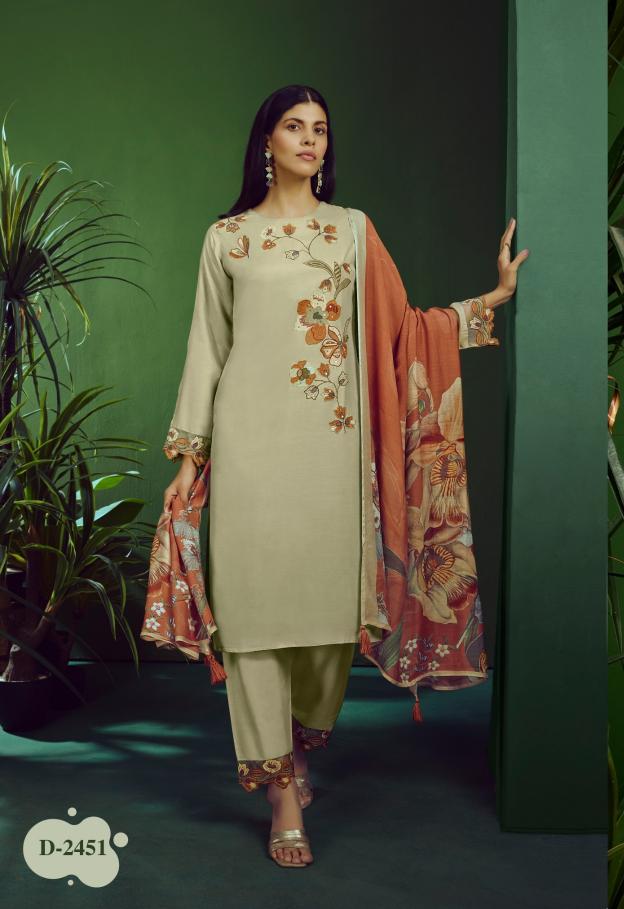
Embroidery gives retailers a stronger premium segment. Thread work, neckline detailing, borders and decorative dupattas can make a suit suitable for festive gatherings without necessarily moving into very heavy occasion wear. Buyers should examine workmanship carefully because neat finishing and balanced embellishment often influence customer satisfaction more than simply having a large amount of work.
For boutiques and showrooms, these designs can be positioned alongside festive jewellery and accessories to create complete styling combinations. This can increase the average transaction value while making the store display more attractive.
How Retailers Can Build a Profitable Teej Collection
Buying festive stock is not only about choosing beautiful products. Quantity, price range, local customer preferences and timing all influence inventory performance. A small boutique may benefit from greater design variety with controlled quantities, while a larger showroom may require deeper stock in proven patterns and colours.
Home-Based Sellers can begin with selected catalogue designs rather than spreading capital across too many products. Shop Owners can maintain a mix of fast-moving cotton and designer pieces. Boutique Owners can focus more heavily on distinctive fabrics that support custom stitching. Showroom Owners can create dedicated festive sections, while Resellers and Wholesale Buyers can select collections according to their distribution network.
Keep Multiple Price Levels
A single price bracket can restrict sales. An effective festive inventory can contain affordable daily-festive options, mid-range designer products and selected premium pieces. Dress material wholesale price should always be evaluated together with fabric, design, workmanship and expected retail positioning rather than on cost alone.
Products with attractive presentation and reliable quality may support a stronger retail margin even when their purchase cost is slightly higher. Conversely, economical merchandise can generate faster rotation among value-focused buyers. Maintaining both segments creates a more balanced inventory strategy.
Order Early Enough for Festival Selling
Retailers should avoid waiting until customer demand is already at its highest. Early purchasing gives time for stock receipt, product photography, social media promotion, customer previews and replenishment. For businesses serving customers outside their own city, additional shipping time should also be considered.
This becomes especially important for Teej dress materials online wholesale buyers who serve multiple locations. Stock planning ahead of the festival allows sellers to launch their collection while customers are still deciding what to purchase instead of competing only during the final days.
Surat as a Sourcing Base for Dress Material Wholesale
Surat has developed a strong textile ecosystem covering fabric trading, processing, designing, manufacturing, wholesale distribution and dispatch. Areas around Ring Road, Sahara Darwaza and the broader surat textile market connect buyers with a large range of ethnic fashion merchandise.
This ecosystem is valuable for retailers because new designs can move from manufacturing and sourcing networks into wholesale channels relatively quickly. Buyers can compare cotton suits, designer dress materials, printed collections, embroidered ranges and other ethnic wear according to their target market.
Wholesaleexport.in provides an online route for buyers who want access to wholesale products without making every purchase through a physical Surat visit. This is particularly useful for businesses that need regular new arrivals and catalogue-based purchasing.
Wholesale Sourcing for India
Within India, demand for festive ethnic wear comes from metropolitan cities, tier-two markets and smaller retail centres. A boutique in Hyderabad may require a different product mix from a reseller in Jaipur or a showroom in Kolkata. Wholesale buyers should therefore choose inventory based on their own customer profile rather than assuming one collection will perform identically everywhere.
Retailers can use a combination of salwar suit wholesale, cotton dress materials, festive suit sets, printed suit materials and embroidered products to create a broader Teej presentation. Keeping regular new arrivals available during the selling period also gives existing customers a reason to revisit the store or catalogue.
Opportunities for Nepal, Australia and USA Buyers
Ethnic fashion demand also extends beyond India. Buyers serving Nepal, Australia and the USA can select Teej and Indian festive collections according to their local South Asian customer base. For overseas sourcing, buyers should consider product value, shipping, assortment depth and the timing required for international dispatch.
Export buyers may prefer consolidated purchasing across several ethnic categories so their shipment contains a more useful assortment. Clear product specifications and dependable packing become particularly important when stock is travelling internationally.
Quality Checks Retailers Should Consider Before Bulk Purchasing
Product photographs can attract attention, but repeat business depends on what customers receive. Before placing significant bulk orders, wholesale buyers should consider fabric feel, print clarity, colour consistency, embroidery finishing, dupatta coordination and overall presentation. These details affect both customer satisfaction and the retailer's reputation.
Premium product quality does not necessarily mean every product must be expensive. Quality means the merchandise should reasonably match its price segment and product description. An affordable cotton suit and a premium embroidered suit have different expectations, but both should provide suitable value for their category.
Check Fabric and Print Presentation
Printed dress materials should have visually balanced motifs and colours that work together across the top and dupatta. Retailers should also think about how a print will appear after stitching. Some patterns look attractive as flat fabric but require careful placement when converted into a kurta, so boutique buyers should consider the final garment appearance.
Review Dupatta and Bottom Coordination
The dupatta can significantly influence the perceived value of a dress material set. Contrasting borders, coordinated prints or complementary colour combinations can transform a straightforward suit into a more festive product. Bottom fabric should similarly coordinate well while remaining practical for stitching.
These factors matter when customers compare several products within a similar price range. A well-coordinated three-piece set can often create stronger shelf appeal than a design where each component feels disconnected.
For buyers wanting to explore a broader assortment, the wholesale dress materials range can complement a Teej-specific purchase with additional fabrics, patterns and seasonal options.
Retailers expanding their festive assortment beyond suits can also evaluate the wholesale lehenga market Surat with price category for occasion-focused inventory.
What Makes a Teej Collection Attractive for Retail Customers
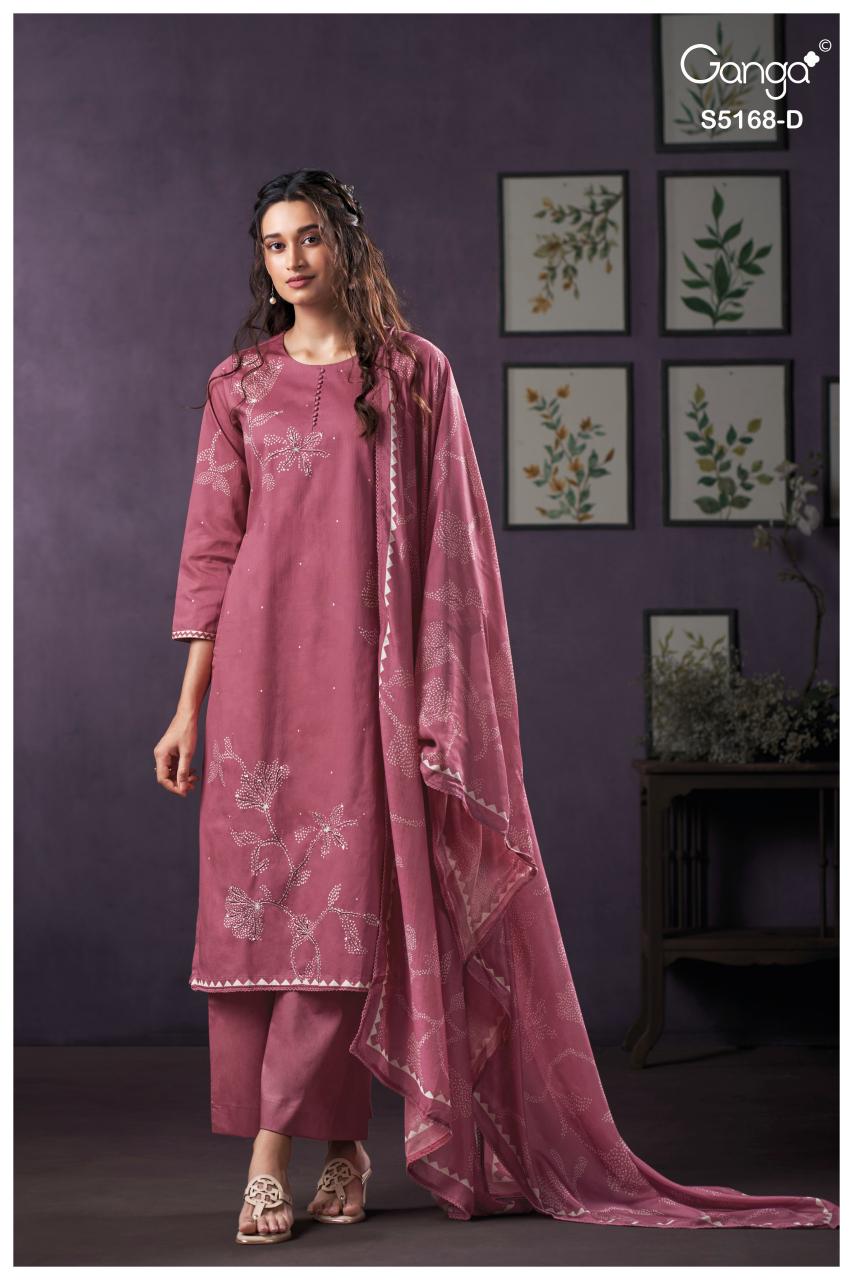
A successful festive collection needs more than traditional colours. Customers increasingly look for ethnic outfits that photograph well, feel comfortable and remain useful after the celebration. Retailers can therefore combine traditional Teej shades with contemporary floral patterns, elegant dupattas and wearable silhouettes. This balance allows the same inventory to appeal to women shopping specifically for Teej as well as customers searching for attractive ethnic wear for family gatherings and festive occasions.
In 2026, variety can be particularly valuable for businesses selling through Instagram, WhatsApp, websites and physical stores simultaneously. A customer discovering a product through a short video may focus first on colour and overall styling, whereas a customer visiting a showroom may inspect fabric and finishing before making a decision. Selecting merchandise that performs well visually and physically gives sellers greater flexibility across sales channels.
Traditional Colours with Modern Prints
Green, red, rani pink, maroon and yellow remain strong choices for Teej-inspired merchandising. However, retailers can make their displays more distinctive by combining these traditional colours with floral prints, geometric motifs, delicate borders and contemporary dupatta patterns. Pastel green, turquoise, wine and peach can further expand the assortment for customers who prefer softer styling.
A varied Teej dress material collection also helps sellers avoid depending on one trend. If one colour sells more slowly in a particular market, other designs can continue generating sales. This is especially useful for wholesale buyers distributing products to several retailers with different customer preferences.
Festive Designs That Can Sell Beyond Teej
Inventory planning becomes stronger when products are not limited to one festival. Floral cotton suits, embroidered dress materials, printed dupatta sets and elegant salwar suit fabrics can continue selling for Raksha Bandhan, small family functions, festive gatherings and regular ethnic wear requirements.
Retailers should therefore consider the post-festival selling potential while purchasing bulk stock. Designs with balanced colours and versatile styling can reduce the risk of seasonal inventory remaining unsold after Teej.
Wholesale Buying Strategy for Different Types of Sellers
Every retailer has a different business model, so the ideal wholesale purchase quantity is not identical for everyone. Home-Based Sellers usually benefit from maintaining variety without locking too much capital into a single catalogue. Boutique Owners may prefer distinctive designs with better custom-stitching potential, while Showroom Owners generally require broader inventory across multiple price segments.
Wholesale Buyers supplying other retailers can focus on repeatable collections and catalogue depth. Resellers working mainly through social platforms may give more importance to attractive product images and new arrivals. Understanding the final selling channel before purchasing can make the wholesale order considerably more efficient.
Home-Based Sellers and Online Resellers
Home-Based Sellers can start with carefully selected designs and gradually increase quantities according to customer response. Instead of buying excessive quantities of one colour, they can maintain a broader assortment of printed cotton suits, designer dress materials and festive combinations.
Online resellers should also pay attention to catalogue presentation. Clear photographs, fabric details, available colours and price information make it easier to convert enquiries into orders. Regularly introducing fresh designs can keep social media audiences engaged during the festive shopping period.
Boutiques and Shop Owners
Boutiques can use dress materials as a base for customised styling. A premium fabric can be converted into straight kurtas, A-line suits, palazzo combinations or other silhouettes depending on customer preference. This gives boutiques an opportunity to add tailoring value beyond the wholesale product itself.
Shop Owners should maintain an assortment that covers practical cotton options as well as dressier festive pieces. When customers can compare several styles within one store, the retailer has a better opportunity to serve different budgets and occasions.
Showrooms and Larger Wholesale Buyers
Showrooms can create dedicated festive displays containing several coordinated ethnic categories. Teej dress materials can be combined with ready-to-wear suits, kurtis, lehengas and complementary accessories. Larger buyers can also purchase deeper quantities of designs that have already demonstrated demand in their market.
For bulk procurement, buyers should compare landed cost rather than only the initial product price. Packing, transportation and, where applicable, export logistics can influence the final cost of inventory.
Vastralife Wholesale and Export Experience Since 2017
Wholesale fashion requires practical understanding of product selection, sourcing, quality expectations and retailer requirements. Vastralife has been working in wholesale and export since 2017, bringing industry experience to the sourcing of ethnic wear for different types of buyers.
This experience is relevant when dealing with a rapidly changing category such as women's ethnic fashion. Retailers need regular designs, competitive wholesale pricing and products appropriate for their target market. Access to Surat's textile and manufacturing ecosystem also makes it possible to work with a broad variety of ethnic collections.
Wholesaleexport.in brings this sourcing approach online for retailers who want to purchase without relying only on repeated physical visits to Surat. The objective is to make wholesale access more practical for Shop Owners, Boutique Owners, Resellers and Wholesale Buyers purchasing from different regions.
Premium Quality for Better Retail Positioning
Premium product quality becomes especially important when retailers are building long-term customer relationships. Customers remember fabric feel, colour quality, stitching potential and overall presentation after the purchase. For this reason, wholesalers and retailers should look beyond photographs and focus on products that deliver suitable quality within their respective price segments.
A well-selected premium festive product can also help boutiques maintain healthier margins because customers may be willing to pay more for distinctive designs and better finishing. At the same time, economical products remain important for volume sales, which is why maintaining multiple ranges is generally more practical than focusing exclusively on premium merchandise.
Teej Dress Material Wholesale Opportunities for 2026
Seasonal ethnic fashion can create a concentrated selling window, but retailers who prepare early have more opportunities to promote and replenish successful products. The Teej dress material wholesale market in 2026 can serve physical stores, online boutiques, home sellers and regional distributors looking for colourful festive merchandise.
Buyers can build inventory around cotton dress materials, floral suit sets, printed salwar materials, embroidered suits, designer dupattas, traditional colour combinations and premium unstitched collections. Maintaining variety makes the assortment relevant to a broader customer base and provides options at different retail prices.
Wholesaleexport.in can also support businesses sourcing from outside Surat by providing access to collections connected with one of India's major textile centres. Whether a buyer is serving India, Nepal, Australia or the USA, purchasing decisions should consider local customer preferences, shipping time and the type of ethnic products already performing in that market.
Plan Reorders Around Actual Customer Response
One practical approach is to launch the season with a varied assortment and monitor which colours, fabrics and price points receive the strongest response. Sellers can then concentrate repeat orders on successful patterns rather than predicting the entire season in advance.
This strategy can be especially useful for online businesses because enquiries, saves, shares and actual orders provide quick signals about customer interest. Physical retailers can use similar feedback by tracking which products customers request even when they do not immediately purchase.
Combine Teej Stock with Upcoming Festive Demand
Retailers can improve inventory efficiency by considering the wider festive calendar. Designs purchased for Teej can be selected with subsequent celebrations in mind. Versatile dress materials may continue selling through Raksha Bandhan and other festive occasions, depending on local demand and styling.
This reduces dependence on a very short selling period and makes bulk purchasing more practical. Products with broadly appealing colours and prints are particularly useful for this type of multi-occasion strategy.
Internal Linking and Related Wholesale Categories
A focused Teej collection works best when it forms part of a broader ethnic wear inventory. Retailers can combine dress materials with kurtis, ready-made suits, lehengas and other festive merchandise so customers can shop according to budget, size preference and occasion.
Wholesale buyers should also review related categories while planning bulk orders. Combining several suitable product types can help shops create a stronger festive presentation and can be particularly useful for businesses purchasing stock for multiple customer segments.
When browsing Wholesaleexport.in, buyers can evaluate new arrivals alongside existing fast-moving categories and select products according to their retail positioning. The goal should not be to stock every available design, but to build an assortment that fits the customer's actual purchasing behaviour.
Customer FAQs
1. Where can retailers buy Teej dress materials wholesale online?
Retailers, boutiques, resellers and wholesale buyers can explore Teej-oriented dress materials through Wholesaleexport.in. Buyers can select from festive prints, cotton dress materials, designer suits and other ethnic collections according to current availability.
2. Which colours should I stock for Teej 2026?
Green, red, pink, rani, maroon and yellow can form the traditional base of a Teej collection. Retailers can additionally stock turquoise, wine, peach, purple and multicolour floral designs to provide customers with a wider choice.
3. Are cotton dress materials suitable for Teej sales?
Yes. Cotton and cotton-blend dress materials can be valuable for customers who prioritise comfort while still wanting festive colours and prints. Retailers can combine these with embroidered or premium products to cover several price segments.
4. Can boutiques buy Teej dress materials for custom stitching?
Yes. Unstitched dress materials are particularly suitable for boutiques because they give customers flexibility in neckline, sleeve, kurta length and bottom styling. Boutique owners can add tailoring and customisation services to increase the overall value of the purchase.
5. Can wholesale buyers order for markets outside India?
Export requirements depend on destination, order size and available logistics. Buyers serving markets such as Nepal, Australia and the USA can discuss their wholesale requirements and suitable dispatch arrangements before finalising bulk purchases.
6. What should a retailer check before placing a bulk dress material order?
Buyers should evaluate fabric, design, colour combinations, dupatta coordination, workmanship, product price, quantity requirements and expected customer demand. For seasonal merchandise, dispatch and selling timelines should also be considered before placing a large order.
7. Is Teej stock useful after the festival?
It can be when products are selected carefully. Floral cotton suits, designer dress materials and versatile festive colours can remain relevant for family functions, Raksha Bandhan and other ethnic wear requirements after Teej.
Order Teej Dress Materials Wholesale for Your 2026 Collection
Prepare your festive inventory with products selected for retailers, boutiques, showrooms, resellers and home-based businesses. Wholesaleexport.in offers access to Latest Collections, Wholesale Pricing, Trendy Ethnic Wear, Fast Shipping, COD Support, Bulk Order Deals and Quality Products Starting From ₹299, subject to applicable product and order terms.
Whether you are preparing a small curated festive catalogue or sourcing bulk inventory for a larger retail operation, choosing the right combination of designs, fabrics and price points can help create a more saleable collection. Explore current Teej and ethnic wear arrivals, compare suitable products and plan your stock early for the 2026 festive selling season.
Contact: +91 9712582172
Website: wholesaleexport.in