


Surat Wholesale Clothing Suppliers for Mumbai Boutiques – 2026 Buying Guide
Surat Wholesale Clothing Suppliers for Mumbai Boutiques – 2026 Buying Guide
Mumbai's fashion market moves quickly. Boutique customers constantly look for fresh designs, comfortable fabrics, attractive colors and outfits that feel different from ordinary mass-market stock. For boutique businesses trying to maintain this balance, Surat has become an important sourcing destination because of its enormous textile ecosystem, diverse collections and ability to serve buyers across multiple price segments.
Introduction
Running a successful boutique in Mumbai is no longer simply about filling racks with garments. Customers compare designs online, discover trends through social media and expect stores to refresh their collections frequently. This makes product sourcing one of the most important parts of boutique management.
Surat wholesale clothing suppliers for Mumbai boutiques can provide access to kurtis, kurti sets, dress materials, sarees, co-ord sets, festive outfits, Anarkali suits, Pakistani-style suits and other women's ethnic fashion categories. The city's textile ecosystem combines fabric trading, processing, designing, stitching, embroidery, catalog development, wholesale distribution and manufacturing within a highly active commercial environment.
For Boutique Owners, Shop Owners, Showroom Owners, Home-Based Sellers, Resellers and Wholesale Buyers, this creates an opportunity to source different categories from one major textile hub instead of depending on multiple disconnected markets.
The challenge, however, is choosing the right supplier and the right merchandise. A low wholesale price alone does not guarantee profitable retail. Fabric quality, design selection, sizing, stock rotation, customer profile, delivery reliability and repeat availability all influence the final result.
Why Mumbai Boutiques Source Clothing from Surat
Mumbai has its own extensive wholesale and fashion markets, yet Surat continues to attract buyers because of the scale and diversity of its textile trade. For retailers who require frequent fashion updates, the ability to access multiple product categories is especially valuable.
Wide Variety of Women's Ethnic Wear
One major advantage is variety. A boutique can source everyday cotton dress materials during one buying cycle and add festive kurti sets, designer suits or embroidered collections during another. This flexibility helps retailers adapt inventory according to season rather than carrying the same product mix throughout the year.
Popular wholesale categories can include ladies kurtis wholesale, cotton suits, rayon kurtis, printed dress materials, ready-made kurti sets, designer ethnic wear, Anarkali suits, co-ord sets, festive wear, sarees, plus-size clothing and boutique-style collections.
Regular New Catalog Launches
Fashion customers notice repetition quickly. A boutique that keeps showing the same merchandise may struggle to generate repeat visits. Surat's large supplier network helps businesses access latest wholesale clothing collections more frequently.
This is especially useful for Mumbai boutiques using Instagram, WhatsApp and short-form videos to promote new arrivals. Every fresh catalog becomes another opportunity to reconnect with existing customers.
Different Price Segments
Not every boutique serves the same consumer. Some focus on affordable everyday clothing, while others sell premium occasion wear. Surat's wholesale ecosystem accommodates multiple pricing levels, allowing retailers to create entry-level, mid-range and premium merchandise sections.
A thoughtful assortment can therefore include affordable products for volume sales alongside higher-value pieces that improve average billing.
Surat Textile Market: A Major Sourcing Hub for Mumbai Buyers
The surat textile market is not one isolated building or a single type of supplier. It is a broad commercial ecosystem consisting of numerous markets, manufacturers, wholesalers, distributors and textile businesses.
Areas around Ring Road have historically played an important role in Surat's textile trade. The broader Sahara Darwaza region is also widely associated with textile sourcing activity. Buyers visiting Surat can find businesses dealing in fabric, sarees, dress materials, kurtis, ready-made garments and related textile products.
Why Location Matters Less for Online Buyers
Earlier, a Mumbai retailer often needed to visit Surat personally to check products and place orders. Digital catalogs and online wholesale platforms have changed this process considerably.
A retailer can now review catalogs remotely, communicate about stock, compare designs and arrange dispatch without travelling for every purchase. Physical market visits can still be valuable for large buying programs, but online sourcing makes regular replenishment considerably easier.
Surat to Mumbai Is a Practical Supply Route
For Mumbai retailers, geographical proximity is another advantage. Compared with sourcing from much farther production centers, purchasing from Surat can simplify inventory planning and replenishment.
A boutique does not necessarily need to purchase several months of inventory at once. Instead, it can maintain controlled stock, observe customer response and replenish promising categories based on availability.
Dress Materials: A Strong Category for Mumbai Boutiques
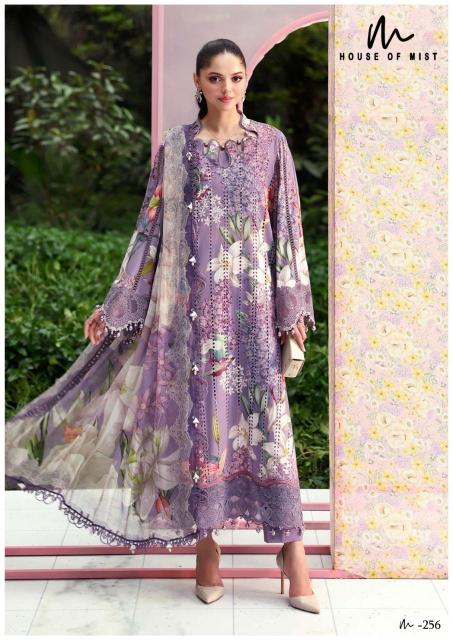
Dress materials continue to offer strong merchandising flexibility because customers can select fabric and customize the final outfit according to personal measurements and styling preferences. For boutiques that provide tailoring services or work with local designers, this category can create additional value beyond the garment itself.
Cotton Dress Materials for Everyday Customers
Comfort-focused products can be particularly useful for everyday retail. Cotton and cotton-blend dress materials appeal to customers looking for practical clothing for office wear, regular outings and daily use.
When selecting cotton dress material wholesale collections, buyers should examine print quality, fabric feel, color combination, dupatta coordination and the overall perceived value of the set.
Printed Collections for Fast Rotation
Printed dress materials can help boutiques offer visual variety without moving exclusively into expensive merchandise. Floral patterns, geometric designs, traditional motifs, abstract prints and contemporary combinations allow stores to serve different age groups.
Instead of buying excessive quantities of one print, boutiques can often benefit from maintaining broader design variety. Customers visiting smaller fashion stores generally appreciate the feeling of discovering something distinctive.
What Mumbai Boutique Owners Should Buy from Surat in 2026
The ideal inventory depends on location, customer age, average selling price and store positioning. Nevertheless, several categories can form a practical foundation for women's ethnic fashion retail in 2026.
Kurti and Pant Sets
Coordinated kurti sets offer convenience because customers do not need to find separate matching bottoms. Straight-cut kurtis with pants, embroidered sets, printed sets and three-piece combinations can serve both everyday and semi-festive demand.
Dress Materials
Unstitched and semi-stitched products remain relevant for customers who prefer personalized fitting. Boutiques with tailoring connections can position these collections particularly effectively.
Designer Kurtis
A well-selected designer kurti wholesale assortment can provide the boutique with products that stand apart from standard everyday inventory. Embroidery, neckline detailing, interesting sleeves, surface work and modern silhouettes can justify a stronger retail presentation.
Co-Ord Sets
Co-ord sets bridge the space between traditional and contemporary fashion. They can appeal to younger customers looking for comfortable outfits suitable for casual outings, travel, work or social occasions.
Festive Ethnic Wear
Festival and wedding demand can support higher-value merchandise. Embroidered suits, Anarkali styles, festive kurti sets and designer ethnic outfits can be introduced ahead of important selling periods.
How to Select a Reliable Surat Wholesale Clothing Supplier
Finding products is relatively easy. Finding a wholesale partner that fits your business model requires more careful evaluation. A boutique should examine the complete buying experience rather than making a decision from attractive catalog photographs alone.
Check Product Information Clearly
Before ordering, understand what is included in the product. Confirm fabric, size range, garment type, set components, color options and relevant product specifications.
Clear information is especially important for online wholesale purchasing because the buyer cannot physically examine every item before dispatch.
Understand MOQ Before Selecting Designs
MOQ, or minimum order quantity, directly affects inventory investment. A smaller boutique may prefer lower quantities across more designs, while a large showroom may be comfortable purchasing deeper quantities.
The correct MOQ is therefore not necessarily the smallest possible number. It is the quantity that fits the retailer's selling capacity and working capital.
Compare Quality, Not Just Price
Suppose Supplier A offers a kurti slightly cheaper than Supplier B. If Supplier B provides better fabric, stronger stitching and a design that can command a better retail rate, the apparently more expensive product may produce a better business result.
For this reason, professional wholesale clothing buyers evaluate value rather than focusing exclusively on the lowest purchase rate.
Look for Consistency
A single successful order is useful, but consistency creates a sourcing relationship. Retailers should consider whether the supplier regularly introduces new products, communicates clearly and maintains dependable order processing.
Wholesaleexport.in for Boutique and Reseller Sourcing
Wholesaleexport.in is designed to help business buyers explore multiple fashion categories through a wholesale-focused sourcing model. Instead of relying entirely on repeated physical market visits, retailers can review collections digitally and identify products suited to their customer segment.
This approach can benefit Mumbai Boutique Owners who require regular variety but want to manage inventory more carefully. It can also serve Home-Based Sellers, Shop Owners, Showroom Owners, Resellers and Wholesale Buyers looking for different categories and price points.
The platform's connection with Surat's textile ecosystem allows buyers to explore products suitable for everyday retail, fashion-led collections and seasonal demand.
Vastralife's Wholesale and Export Experience Since 2017
Experience in textile sourcing becomes valuable because wholesale fashion is not simply about listing garments. Understanding product movement, retailer requirements, seasonal buying and customer expectations takes time.
Vastralife has been involved in wholesale and export operations since 2017, bringing practical industry expertise to the sourcing process. This experience supports a stronger understanding of how different buyers evaluate merchandise, from small Resellers to established Showroom Owners.
Attention to premium product quality is equally important. A retailer's reputation ultimately depends on the merchandise delivered to the customer, which makes product selection and quality awareness essential parts of sustainable wholesale business.
Building a Profitable Boutique Inventory
Wholesale purchasing should begin with a merchandise plan rather than an attractive catalog. Boutique owners can divide purchasing capital across proven sellers, new trends and seasonal products.
Keep Core Products in Stock
Core products are the categories customers repeatedly purchase. Depending on the store, these might include cotton kurtis, office-wear sets, dress materials or regular ethnic suits.
These products provide stability and should normally receive a meaningful portion of the purchasing budget.
Use Trends as Controlled Experiments
Fashion trends can generate excitement but may have shorter selling cycles. Rather than investing heavily in every trend, retailers can introduce selected designs and observe customer response.
If a collection performs strongly, reorder when possible. If it does not, the boutique has avoided locking excessive capital into slow stock.
Plan Seasonal Inventory Early
Festival merchandise should reach the store before customers begin serious shopping. Waiting until peak demand has already started can reduce the available selling period.
For Mumbai retailers sourcing from Surat, planning purchases ahead of Navratri, Diwali, Eid and wedding seasons can provide additional time for product photography, social-media promotion and customer communication.
Price Planning and Retail Profitability
Wholesale buying becomes commercially successful only when the final retail economics work. Retailers should calculate the landed cost rather than looking exclusively at the catalog price.
The landed cost can include the purchase rate, applicable tax, transportation, packaging and other relevant business expenses. The final selling price should then provide sufficient room for operating expenses and profit.
Create Multiple Retail Price Points
A boutique with only one price segment may unnecessarily limit its customer base. Consider developing a structured assortment with affordable, mid-range and premium options.
This allows customers to choose according to budget while helping the retailer improve cross-selling opportunities.
Stock Turnover Matters as Much as Margin
A ₹1,000 profit on a garment that takes six months to sell is not necessarily better than a smaller margin on merchandise that sells repeatedly. Working capital should rotate efficiently.
Retailers should therefore track which products move quickly, which require discounting and which generate repeat enquiries. These insights can make every future purchase more accurate.
For retailers purchasing from Surat wholesale clothing suppliers for Mumbai boutiques, another useful strategy is to compare products by expected selling speed rather than simply by purchase cost. A well-balanced assortment of dependable basics, fashionable pieces and limited premium designs can protect cash flow while keeping the boutique visually fresh.
Use Customer Feedback for Reordering
Sales data tells only part of the story. Boutique owners should also pay attention to what customers ask for when they cannot find the right product. Requests for particular sizes, colors, fabrics, sleeve patterns or price ranges can reveal opportunities for the next wholesale purchase.
For example, repeated enquiries for comfortable cotton three-piece sets may indicate stronger potential than adding another heavily embellished collection. Similarly, younger shoppers asking for contemporary silhouettes can signal an opportunity to introduce Indo-western kurtis, short kurtis and co-ord sets.
This customer-led buying approach reduces guesswork and helps create an inventory that reflects actual local demand in Mumbai.
Online Wholesale Sourcing Can Reduce Buying Complexity
Frequent travel between Mumbai and Surat is not practical for every retailer. Online wholesale sourcing can therefore become an important part of inventory management, especially for businesses that need smaller but more regular product updates.
Buyers can explore wholesale dress materials in Surat when building everyday and semi-festive assortments. Retailers looking to diversify their family-oriented merchandise can separately review kids wear wholesale collections.
Digital sourcing is particularly useful when product catalogs clearly communicate designs and specifications. Instead of waiting until the next physical market visit, retailers can identify new arrivals and make purchasing decisions according to current stock requirements.
Use Digital Catalogs as a Buying Tool
A catalog should not simply be forwarded to customers without analysis. Boutique owners can first shortlist designs according to their target audience, preferred selling range and previous sales history.
A store serving working professionals may prioritize elegant straight suits, cotton dress materials and practical kurti sets. A fashion-oriented boutique targeting younger women may allocate more inventory to co-ord sets, contemporary kurtis and distinctive prints.
This makes catalog selection more strategic and prevents the store from becoming an unfocused mixture of unrelated products.
Dress Material Wholesale Opportunities for Mumbai Retailers
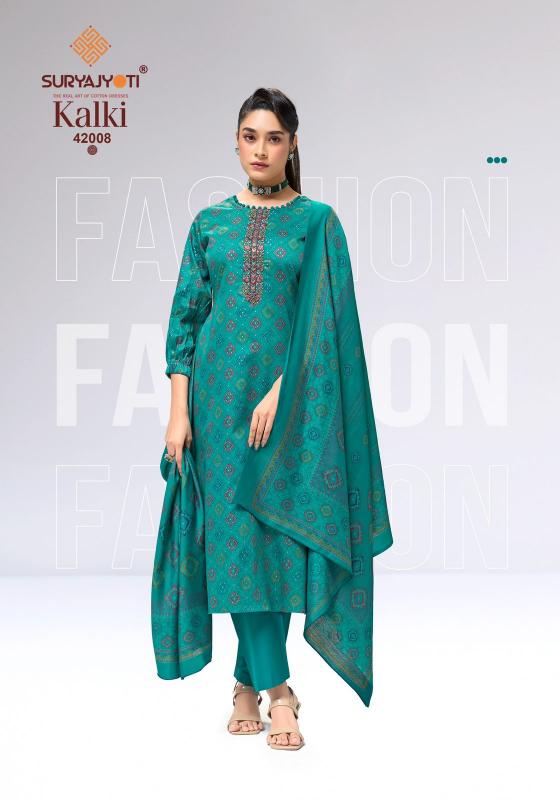
Dress materials deserve special consideration because they can serve multiple customer profiles. Some women prefer customized tailoring for better fitting, while others enjoy selecting neck patterns, sleeve styles and silhouettes according to personal taste.
For boutiques, this creates opportunities beyond a single ready-made garment sale. Stores associated with tailoring services can provide a more complete shopping experience and build stronger customer relationships.
Everyday Cotton Collections
Cotton and cotton-blend collections can form a dependable section of a boutique's inventory. Customers commonly seek breathable fabrics for office wear, daily routines, casual occasions and warmer weather.
When buying cotton products, examine more than the visual print. Fabric feel, finishing, color coordination and overall presentation affect the customer's perception of quality.
Festive and Premium Dress Materials
Premium dress materials can complement regular collections during festive and wedding periods. Embroidery, jacquard elements, distinctive dupattas, decorative borders and richer fabrics can create higher-value retail options.
The objective is not necessarily to stock large quantities. A curated premium section can provide visual attraction while allowing customers to move upward from regular merchandise to higher-ticket products.
From Surat Manufacturing to Mumbai Retail Shelves
One reason Surat remains important to fashion retailers is the depth of its textile supply chain. Fabric production, processing, printing, embroidery, garment manufacturing, catalog development, distribution and logistics are connected across the city's textile economy.
For a retailer, this ecosystem can translate into greater assortment diversity and frequent product launches. Suppliers operating around the surat textile market, Ring Road and the broader Sahara Darwaza textile zone interact with a large network of manufacturers and traders.
This is particularly relevant in 2026, when consumers can discover fashion trends instantly through Instagram, marketplaces and influencer content. Retailers therefore have less time to react when a style begins gaining attention.
Faster Collection Rotation
Instead of expecting one large collection to sell for several months, boutiques can think in terms of shorter merchandise cycles. New arrivals can be introduced regularly while older inventory is actively promoted before it becomes stagnant.
This approach also creates more marketing opportunities. A retailer can announce weekly new arrivals, create WhatsApp previews, publish styling videos and contact repeat customers when merchandise matching their preferences becomes available.
Wholesale Clothing for Different Mumbai Customer Segments
Mumbai is not a single homogeneous retail market. Customer preferences can change significantly by neighborhood, age group, occupation and purchasing power. Successful sourcing should therefore begin with the boutique's actual audience.
Young Fashion Buyers
Younger consumers may respond strongly to short kurtis, relaxed co-ords, fashionable prints, fusion wear and easy-to-style kurti-pant combinations. Comfort and social-media-friendly presentation can be as important as traditional detailing.
Working Women
For professional customers, clean silhouettes, breathable fabrics and practical styling often matter more than heavy ornamentation. Straight kurtis, subtle printed suits and coordinated sets can provide useful options.
Festive and Occasion Customers
Customers shopping for celebrations may look for richer colors, embroidery, distinctive dupattas and more elaborate silhouettes. Boutiques can gradually increase festive inventory ahead of the relevant season instead of purchasing everything at once.
Value-Conscious Customers
Affordable fashion remains a significant retail opportunity. A carefully sourced product does not need to look inexpensive simply because its wholesale cost is competitive. Good prints, suitable fabric and attractive presentation can create strong perceived value.
Wholesale Opportunities Beyond Mumbai and India
Surat's textile products also attract business buyers outside the domestic market. Retailers and ethnic-fashion sellers in countries such as USA, Nepal and Australia can have demand for Indian kurtis, suits, dress materials and occasion wear, although product selection should always reflect the preferences and commercial requirements of each destination.
International buyers should consider sizing, seasonal conditions, local customer preferences, shipping cost and the landed price before building an assortment. Export orders may also require different documentation and logistics compared with domestic shipments.
Vastralife's wholesale and export experience since 2017 provides industry knowledge developed through serving different types of textile buyers. That experience is useful when understanding the practical differences between supplying a local reseller and supporting a buyer serving customers in another market.
How Home-Based Sellers Can Start with Wholesale Clothing
A physical boutique is not essential for entering fashion resale. Home-Based Sellers can begin with carefully selected merchandise, build customer communities through WhatsApp or social platforms and gradually expand based on actual sales.
Start with Focused Categories
Instead of attempting to sell kurtis, sarees, dresses, kids wear and every other category immediately, new sellers can begin with one or two clearly defined segments.
For example, a seller might specialize in affordable kurti sets and dress materials. Once repeat customers develop, related categories can be introduced gradually.
Avoid Excessive Opening Inventory
Large inventories can appear impressive but also consume working capital. New Resellers should understand customer preferences before purchasing deep quantities.
A smaller assortment with regular updates can often appear more exciting online than a large collection that remains unchanged for months.
Why Product Quality Matters for Repeat Business
Digital marketing may generate the first sale, but product satisfaction helps generate the second. Boutique customers remember fabric feel, stitching quality, fitting and whether the actual product matched their expectations.
That makes premium product quality an important commercial factor rather than simply a marketing phrase. Retailers should build their reputation by choosing merchandise that provides reasonable value within its intended price category.
Quality Should Match the Selling Segment
An affordable daily-wear garment and a premium festive suit naturally have different specifications. The goal is not to make every item luxury-grade. Instead, the quality should feel appropriate for what the customer pays.
Clear positioning also reduces unnecessary customer dissatisfaction. When retailers understand the product before selling it, they can communicate expectations more accurately.
Inventory Planning Mistakes Mumbai Boutiques Should Avoid
Even experienced buyers can lose profitability through poor inventory decisions. Avoiding a few common mistakes can make wholesale purchasing significantly more efficient.
Buying Too Much of One Design
Unless a design has already demonstrated strong sales, excessive depth can create unnecessary risk. Fashion preferences can change quickly, and customers often value variety.
Ignoring Size Distribution
An attractive collection can still underperform if the available size mix does not match local demand. Retailers should review past sales to identify frequently requested sizes and consider inclusive sizing where commercially appropriate.
Purchasing Only Because the Price Is Low
A low buying rate is useful only when the product can sell. Slow-moving cheap inventory can consume more capital than a slightly higher-priced design with stronger customer demand.
Ordering Festive Products Too Late
Retailers need time to receive merchandise, organize displays, photograph products and market collections. Purchasing earlier gives the store a longer selling window and reduces last-minute pressure.
Internal Linking
Building a complete wholesale assortment becomes easier when categories are planned according to customer demand rather than purchased randomly. Retailers can combine dress materials with kurtis, kurti sets, ethnic suits, festive products and selected complementary categories to create a broader merchandise strategy.
Wholesaleexport.in can be used as a sourcing destination for businesses looking to explore changing collections from the Surat textile ecosystem. A Shop Owner may concentrate on regular-selling merchandise, while a Boutique Owner can prioritize limited designs and premium presentation. Showroom Owners and larger Wholesale Buyers can develop wider category assortments based on volume requirements.
The same principle applies to Resellers: begin with products suitable for your existing audience and expand only after identifying what converts consistently.
Customer FAQs
1. Why do Mumbai boutiques source wholesale clothing from Surat?
Surat offers a large textile ecosystem with access to dress materials, kurtis, kurti sets, sarees, co-ord sets, festive wear and many other categories. Its proximity to Mumbai and frequent product launches also make it practical for regular sourcing.
2. What products should a Mumbai boutique source from Surat in 2026?
The ideal mix depends on the boutique's customers, but popular options can include cotton dress materials, ready-made kurti sets, designer kurtis, co-ord sets, ethnic suits, festive collections and comfortable everyday wear.
3. Can small Resellers buy wholesale clothing from Surat?
Yes. Home-Based Sellers and smaller Resellers can source wholesale products, but they should always check the applicable MOQ, catalog conditions, stock availability, shipping and payment requirements before ordering.
4. How should I compare wholesale prices?
Compare the complete value of the product rather than only the listed rate. Consider fabric, workmanship, design, size range, shipping and expected retail selling price. The product offering the best margin is not always the one with the lowest purchase cost.
5. Is online wholesale sourcing suitable for Mumbai boutiques?
Online sourcing can be especially useful for regular inventory replenishment because it reduces the need to travel to Surat for every order. Buyers should still review product details, order terms and supplier policies carefully before purchasing.
6. Where are the major textile trading areas in Surat?
Ring Road and areas around Sahara Darwaza are widely associated with Surat's textile trade. The broader market ecosystem includes numerous textile markets, traders, distributors and garment businesses rather than one single wholesale destination.
7. Can Surat suppliers serve international wholesale buyers?
Many businesses in Surat participate in domestic and international textile trade. Export buyers should confirm destination availability, shipping charges, documentation, payment terms and applicable import requirements before placing an order.
Source Your Next Boutique Collection with Wholesaleexport.in
If you are searching for Surat wholesale clothing suppliers for Mumbai boutiques, Wholesaleexport.in can help you explore fashion products suited to different retail segments. Whether you operate a boutique, showroom, retail shop, home-based business or resale network, smarter sourcing begins with choosing merchandise that fits your actual customers.
Explore Latest Collections, competitive Wholesale Pricing and Trendy Ethnic Wear while planning inventory for everyday, seasonal and festive demand. Buyers can also enquire about Fast Shipping, COD Support, applicable Bulk Order Deals and Quality Products Starting From ₹299.
Wholesaleexport.in combines access to changing wholesale fashion collections with practical textile industry experience. Supported by Vastralife's wholesale and export journey since 2017, the focus remains on helping retailers discover commercially relevant products with attention to variety, value and premium product quality.
Contact: +91 9712582172
Website: wholesaleexport.in
For Mumbai boutiques competing in a fast-moving fashion market, profitable purchasing is not about buying the largest quantity. It is about selecting the right designs, at the right price, for the right customers and refreshing them at the right time. A disciplined sourcing strategy can turn Surat's enormous textile variety into a dependable growth opportunity for your retail business.