



Surat Wholesale Clothing Suppliers for Delhi Retailers: Complete 2026 Buying Guide
Surat Wholesale Clothing Suppliers for Delhi Retailers: Complete 2026 Buying Guide
Delhi is one of India's most competitive fashion retail markets, where customers expect frequent new designs, attractive pricing and plenty of variety. For retailers trying to maintain that balance, Surat has become an important sourcing destination. From everyday kurtis and kurti sets to festive ethnic wear, dress materials, co-ord sets and designer collections, the city offers a broad wholesale ecosystem that can serve businesses ranging from small resellers to established showrooms.
Introduction
The connection between Surat's textile industry and Delhi's retail market is commercially important. Delhi has enormous demand across local markets, boutiques, online businesses, neighbourhood stores and large ethnic-wear showrooms, while Surat has a deep network of textile traders, wholesalers, brands and manufacturing businesses capable of introducing new collections throughout the year.
For a Delhi retailer, however, successful sourcing involves more than finding the lowest price. Product quality, catalog freshness, size availability, MOQ, dispatch speed, supplier reliability and reorder possibilities can all influence the final profitability of a purchase.
This is where experienced Surat wholesale clothing suppliers for Delhi retailers can become valuable sourcing partners. Rather than purchasing large quantities blindly, retailers can build inventory around customer demand, price segments and seasonal requirements.
In 2026, digital wholesale sourcing has made this relationship even more practical. Delhi businesses can review collections remotely, compare categories and place repeat orders without travelling to Gujarat for every purchase. Platforms such as Wholesaleexport.in make it easier for business buyers to discover women's fashion collections originating from one of India's most important textile hubs.
Why Delhi Retailers Source Clothing from Surat
Delhi itself has major wholesale fashion markets, but retailers often source directly from Surat because the city provides access to a different part of the textile supply chain. Surat is particularly strong in women's ethnic wear, synthetic fabrics, sarees, kurtis, dress materials and fashion-oriented ready-made garments.
Access to Frequent New Collections
Fashion inventory becomes old quickly when customers see the same designs repeatedly. One major advantage of sourcing from Surat is the regular arrival of fresh catalogs. Retailers can introduce new products more frequently instead of relying entirely on a few seasonal buying cycles.
For Boutique Owners and Shop Owners, this can create an important competitive advantage. Customers who know that a store receives regular new arrivals have a stronger reason to return.
Wide Wholesale Price Segments
Delhi does not represent a single customer profile. A neighbourhood clothing store, premium boutique, Instagram reseller and large ethnic showroom may all need very different products.
Surat's wholesale ecosystem covers economical, mid-range and premium segments. Buyers can therefore create a merchandise mix rather than filling their entire store with products from one price bracket.
Variety Across Women's Fashion Categories
Retailers can source products such as cotton kurtis, rayon kurtis, printed kurtis, embroidered kurtis, kurti-pant sets, kurti-pant-dupatta sets, Anarkali styles, co-ord sets, dress materials, sarees, festive suits, designer ethnic wear and plus-size clothing.
This category diversity is useful because a retailer can serve multiple customer requirements while maintaining a more unified sourcing process.
Understanding the Surat Textile Market Before Buying
The surat textile market is not a single building or supplier. It is a large commercial ecosystem consisting of textile markets, traders, wholesalers, manufacturers, brands, agents, logistics businesses and supporting services.
Two location terms frequently associated with textile sourcing are Ring Road and Sahara Darwaza. Buyers visiting Surat often encounter numerous textile market complexes around these commercial zones.
Ring Road Textile Business Area
Ring Road has long been associated with Surat's textile trade. Numerous businesses dealing in sarees, dress materials, fabrics, kurtis and women's fashion operate within or around textile market complexes in this broader area.
Sahara Darwaza and Connected Textile Markets
Sahara Darwaza is another familiar reference point for buyers navigating Surat's textile trading ecosystem. A first-time visitor can find the scale overwhelming because different suppliers specialize in different categories and price levels.
Delhi retailers should therefore prepare before visiting. Create a list containing the required categories, target buying price, sizes, expected quantity and preferred fabric. This makes supplier comparison much more productive.
What Delhi Retailers Should Source from Surat in 2026
The best inventory is determined by the retailer's actual customer base. Nevertheless, several women's fashion categories are commercially relevant for Delhi businesses looking at Surat sourcing in 2026.
Daily Wear Kurtis
Everyday kurtis can provide consistent business because they are not restricted to weddings or festivals. Cotton blends, rayon, printed fabrics and practical silhouettes can appeal to customers looking for office wear, casual clothing and comfortable daily outfits.
For retailers, daily-wear products can also provide faster stock rotation when the design and price are appropriate for the local market.
Kurti Pant Sets
Ready combinations have become commercially useful because customers do not need to purchase or match a separate bottom. Straight-cut kurtis with pants, printed combinations and lightly embroidered sets can cover multiple price levels.
Kurti Pant Dupatta Sets
Adding a dupatta changes the overall perception of an outfit. These sets can serve customers who want a more complete ethnic appearance for family occasions, festivals, small functions or semi-formal wear.
Festive and Designer Kurtis
Delhi's festival and wedding-related demand creates opportunities for embroidered kurtis, Anarkalis, richer fabrics, decorative dupattas and more elaborate sets. These products generally require careful buying because their selling window can be more seasonal.
Plus-Size Kurtis
Size inclusivity can expand a retailer's addressable customer base. Stores that repeatedly receive enquiries for larger sizes should treat plus-size inventory as a planned category rather than an occasional purchase.
Maintaining sensible depth in successful sizes can also help create repeat customers who know the store is likely to carry suitable options.
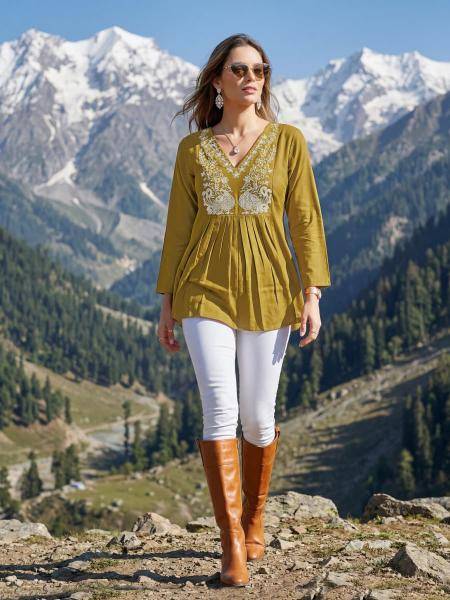
How to Choose Reliable Surat Wholesale Clothing Suppliers
Supplier selection should be treated as a business decision, not simply a product-selection exercise. A catalog can look attractive while the commercial experience behind it may be completely different.
Check Product Information Clearly
Before placing an order, understand what is included. Confirm fabric, sizes, number of pieces, colors, set contents and other relevant details. For embroidered or decorated products, understanding the type of work is particularly useful.
Understand MOQ Before Comparing Prices
A very attractive wholesale rate may come with a quantity requirement that is unsuitable for a smaller retailer. Compare the total investment rather than only the per-piece price.
For example, a slightly higher rate with a manageable MOQ can sometimes be commercially safer than a lower rate that forces the buyer to carry excessive inventory.
Ask About Stock and Reordering
One of the most valuable situations in fashion retail is discovering a bestseller and being able to reorder it quickly. Ask whether products are likely to remain available or whether the catalog is a limited run.
Check Dispatch Practices
For Delhi retailers ordering remotely, dispatch reliability matters almost as much as the garment itself. A late shipment can reduce the effective selling period for a seasonal collection.
Before purchasing time-sensitive stock, confirm the expected dispatch process and shipping arrangement.
Surat to Delhi Wholesale Buying Strategy
A strong buying strategy starts with understanding what already sells in your business. Retailers often make mistakes when they purchase according to what looks attractive personally instead of what their customers actually buy.
Divide Inventory by Customer Requirement
Instead of creating one large category called “kurtis,” divide your planned inventory into commercial groups such as daily wear, office wear, festive wear, premium sets, plus sizes and younger fashion.
This makes it easier to understand where sales are coming from and which segment deserves additional investment.
Build Multiple Price Points
A Delhi store can benefit from maintaining entry-level, mid-range and selected premium options. If every garment sits in the same price range, the retailer may lose customers with either smaller or larger budgets.
Wholesaleexport.in can be used by business buyers to review multiple product categories and build a broader wholesale assortment without restricting the store to a single product type.
Use Small Testing Orders for New Designs
When trying a new silhouette, brand or color story, controlled purchasing can provide valuable sales information. Once a product proves itself, deeper reordering becomes easier to justify.
This approach is especially practical for Home-Based Sellers, Resellers and Boutique Owners who want variety without tying up too much capital.
Why Product Quality Matters More Than the Lowest Wholesale Price
Customers rarely know what the retailer paid for a garment, but they immediately notice fabric feel, fitting, stitching and finishing. This makes quality an important component of retail profitability.
Fabric Should Match the Product Positioning
An economical everyday garment and a premium festive outfit naturally have different expectations. The important point is that the product should deliver reasonable value for its stated segment.
Check Stitching and Finishing
Necklines, sleeve edges, hems, side seams and decorative work deserve attention. Poor finishing can lead to complaints and can damage customer confidence even when the design itself is attractive.
Evaluate the Complete Set
When buying a kurti with pants and dupatta, assess all three components. A strong kurti paired with a noticeably weak dupatta can reduce the perceived value of the complete outfit.
Premium product quality is particularly important for Boutique Owners and Showroom Owners who rely on repeat customers and reputation rather than one-time price-driven sales.
Vastralife’s Wholesale and Export Experience Since 2017
Wholesale sourcing becomes easier when the business behind the supply understands both textile products and retailer requirements. Vastralife has been involved in wholesale and export activities since 2017, building industry expertise across women's ethnic and ready-made fashion categories.
This experience is relevant because different businesses purchase differently. A Home-Based Seller may require controlled quantities and fast-moving designs, while an established Showroom Owner may need broader catalogs and larger inventory planning.
Wholesale Buyers may focus on rates and volume, whereas boutique businesses often place greater importance on design differentiation and presentation. Understanding these different requirements helps create a more practical sourcing experience.
Delhi Retailers Should Buy According to Season
Delhi's climate and festival calendar create distinct selling periods. Wholesale buying should therefore be planned in advance rather than handled only when existing inventory becomes low.
Spring and Summer
Lightweight fabrics, comfortable kurtis, breathable daily-wear products and fresh colors can become more relevant as temperatures rise. Retailers should avoid building excessive inventory in heavy styles when customers are shifting toward lighter clothing.
Festive Period
Festivals create demand for stronger colors, embroidery, complete ethnic sets and more decorative products. Retailers should begin sourcing before peak customer demand so that there is enough time for merchandising and promotion.
Wedding Season
Anarkali suits, embroidered kurti sets, richer dupattas and premium ethnic styles can complement the regular kurti assortment during wedding-related buying periods.
Winter Transition
Retailers should study local demand before making large winter-specific purchases. Delhi's seasonal shift can affect fabric and styling preferences quickly, so timing is important.
Managing Wholesale Inventory Without Blocking Capital
Inventory is an investment until it is sold. A store with impressive shelves but slow-moving merchandise can face cash-flow pressure despite having significant stock.
The goal is therefore not simply to buy more. The goal is to purchase merchandise that moves at a commercially healthy speed.
Track Sales by Design
Maintain basic records of which designs sell fastest. Even a simple spreadsheet containing design number, purchase date, quantity, size, buying rate and sales can provide valuable information.
Track Color Performance
Sometimes the product is successful but only particular colors move quickly. This information can improve future buying decisions.
Identify Slow-Moving Inventory Early
Do not wait until the end of the season to notice that a product is not moving. Early identification allows retailers to change display, promote the product online, offer combinations or adjust purchasing before additional capital is committed.
This inventory discipline is particularly useful when working with Surat wholesale clothing suppliers for Delhi retailers, because the large variety available can otherwise encourage overbuying.
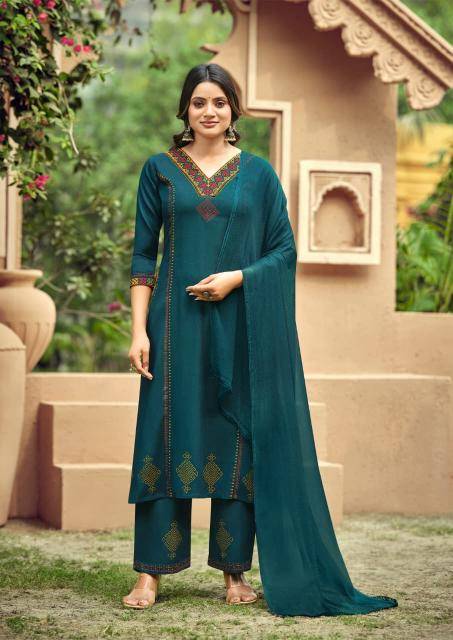
How Online Wholesale Sourcing Helps Delhi Retailers
Traditionally, retailers travelled to Surat, visited multiple textile markets, selected catalogs and arranged transportation manually. Physical market visits are still valuable, especially for buyers placing large orders, but online sourcing has changed how frequently retailers can replenish inventory.
A Delhi retailer can now review newly launched collections remotely, shortlist suitable designs and place repeat orders without making a sourcing trip every few weeks. This is particularly useful when the store needs a quick refill of fast-selling kurtis or wants to test a new category with controlled quantities.
For buyers exploring Surat wholesale clothing suppliers for Delhi retailers, online access can also make comparison easier. Instead of judging a supplier only by a single catalog, businesses can evaluate category range, price positioning, size options and new-arrival frequency.
Online Catalogs Reduce Selection Time
A well-organized digital catalog allows Shop Owners and Resellers to shortlist products before committing capital. This becomes particularly useful during busy festive periods when spending several days travelling for purchasing may not be practical.
Digital Sourcing Supports Faster Reordering
Suppose a retailer orders 20 designs and five become strong sellers. The ability to communicate quickly with a supplier and check availability can help replenish those winners instead of waiting for the next physical sourcing trip.
For stores expanding their ethnic-wear selection, collections such as wholesale rayon kurtis can complement daily and casual inventory. Retailers that also sell unstitched products can explore wholesale dress materials Surat collections to broaden their merchandise mix.
Choosing the Right Product Mix for Delhi Customers
A successful retailer does not necessarily carry the maximum number of products. The stronger strategy is to carry the right assortment for the target customer. A store serving college-going women will need a different merchandise mix from a showroom focused on family and festive ethnic wear.
For Home-Based Sellers
Home-Based Sellers generally benefit from controlled inventory, visually appealing catalogs and products that can be promoted easily through WhatsApp, Instagram and personal customer networks. Rather than stocking excessive quantities, they can focus on variety and reorder successful designs when possible.
For Boutique Owners
Boutique Owners can focus on distinctive silhouettes, embroidery, curated color combinations and designs that look less mass-market. Customers visiting boutiques may accept a higher retail price when the styling, quality and overall shopping experience support the value.
For Shop Owners
General retail stores often require balance. Daily-wear kurtis can generate regular movement, while kurti sets and festive styles can improve average billing during seasonal demand.
For Showroom Owners
Showroom Owners generally need wider depth across sizes, colors and price points. They may also need regular replenishment because larger floor space requires consistent merchandise presentation.
For Resellers
Resellers should consider products that are easy to explain and sell through photographs and videos. Clear fabric details, sizing and attractive catalog presentation can simplify online selling.
For Wholesale Buyers
Wholesale Buyers purchasing for further distribution need to evaluate not only the product rate but also continuity, volume capability, dispatch process and market demand. A small difference in per-piece cost can become significant at volume, but reliability remains equally important.
Understanding Wholesale Price and Retail Margin
The lowest buying price does not automatically create the highest profit. Retailers should calculate the complete landed cost of merchandise before deciding whether a collection offers sufficient margin.
The calculation should consider the garment purchase rate, applicable taxes, transportation, packaging, payment charges where relevant, local delivery and potential stock losses. Only after understanding the landed cost should the retailer decide the appropriate selling price.
Do Not Compare Products Only by Piece Rate
Two kurtis offered at different wholesale rates may not be commercially comparable. Fabric quality, stitching, design value, brand recognition, size availability and customer perception can justify different pricing.
A better buying question is: “At this landed cost, can this garment sell comfortably to my target customer while leaving a healthy margin?”
Calculate Stock Rotation Alongside Margin
A garment with a modest margin that sells repeatedly can sometimes generate more annual profit than a high-margin product that remains on the shelf for months. Stock rotation and margin should therefore be evaluated together.
Shipping Clothing from Surat to Delhi
Surat and Delhi are major commercial centers, making regular goods movement between them practical. Nevertheless, retailers should understand the supplier's dispatch procedure before placing an urgent order.
Plan Around Selling Dates
If stock is required for Diwali, Navratri, Eid, wedding season or another specific sales period, do not place the order at the last possible moment. Processing, packing and transportation all require time, and seasonal logistics can experience higher volumes.
Verify the Parcel After Receiving It
Retail businesses should follow a consistent receiving process. Check parcel condition, quantities, product codes and visible product issues promptly. Keeping records of purchase and receiving details can make inventory management easier.
Consolidate Orders Sensibly
Very small, frequent shipments may increase logistics cost per garment. On the other hand, waiting too long to create an extremely large shipment can delay replenishment. Retailers should find a dispatch frequency that balances transportation cost with inventory requirements.
Surat Clothing Sourcing Beyond Delhi
The same textile ecosystem supplying Indian retail businesses also serves international buyers. Surat's broad production and trading network supports demand from boutiques, resellers and ethnic-wear businesses outside India.
For example, buyers serving customers in USA, Nepal and Australia may source Indian ethnic wear according to local community demand, festival calendars and customer preferences. International buying, however, requires additional attention to shipping, documentation, duties, product specifications and commercial terms.
This international demand is one reason why businesses with practical export knowledge can be useful for wholesale buyers. Vastralife's wholesale and export experience since 2017 contributes industry understanding of product selection, sourcing and different buyer requirements.
Manufacturing and Wholesale: Understanding the Difference
Retailers often search for a “manufacturer” assuming it will always provide the best deal. In reality, a strong sourcing strategy can involve manufacturers, brands, wholesalers and distributors depending on the requirement.
When Direct Manufacturing Can Help
Direct manufacturing relationships can be valuable for businesses purchasing significant quantities of a particular style or developing repeat product programs. Volume can make production-level sourcing commercially attractive.
When Multi-Brand Wholesale Can Be Better
A Boutique Owner who needs 30 different designs may benefit more from access to multiple brands than from purchasing a large quantity of one manufacturer's limited range.
Wholesale platforms can therefore be useful because they provide broader selection. Instead of forcing every retailer into a manufacturing-level quantity, the buying process can be aligned with the size and type of business.
How Delhi Retailers Can Compete with Online Fashion Sellers
Physical retailers increasingly compete with marketplaces, social-commerce sellers and direct-to-consumer brands. Competing only through discounts can damage margins. A more sustainable strategy combines assortment, service, trust and faster fashion rotation.
Refresh Displays Frequently
Even when all inventory is not new, changing displays can make the store feel fresher. Combine new arrivals with existing complementary products and create coordinated sections.
Use Social Media to Sell Local Inventory
Delhi retailers can photograph newly received Surat collections and share them through WhatsApp Status, Instagram Reels and customer groups. This allows existing customers to discover stock before visiting the store.
Understand Your Local Customer Better Than Large Marketplaces
A local retailer has one advantage that large online platforms often lack: direct knowledge of customer preferences. Store owners know which sizes customers repeatedly request, which colors perform locally and what price range produces faster decisions.
Use this information when purchasing from Surat rather than copying general fashion trends blindly.
Common Mistakes Delhi Retailers Should Avoid
Wholesale purchasing becomes more profitable when retailers avoid a few recurring mistakes.
Buying Too Much of an Untested Design
A design that looks impressive in a catalog is not automatically a bestseller. Test new concepts before committing heavily whenever purchasing terms allow.
Ignoring Size Distribution
A collection may sell well overall but still leave unwanted sizes behind. Track size-wise sales instead of ordering equal quantities automatically.
Buying Only Low-Price Merchandise
A store filled entirely with budget products can lose customers who are willing to pay more for better quality or more distinctive styling. Maintain an appropriate price ladder.
Ordering Seasonal Stock Too Late
Fashion merchandise has maximum value when it reaches the store before peak demand. Buying festive clothing after competitors have already launched their collections can reduce the selling window.
Changing Suppliers Only for Small Price Differences
Competitive pricing matters, but supplier consistency also has value. Reliable quality, accurate dispatch and responsive communication can save costs that are not visible in the basic product rate.
Internal Linking: Explore More Wholesale Categories
A retailer's assortment becomes stronger when categories complement each other. Daily kurtis can generate regular traffic, while kurti sets, dress materials, sarees, festive suits and designer collections can increase the number of shopping occasions a store can serve.
Wholesaleexport.in provides access to multiple women's clothing categories for business buyers who want to compare new arrivals and develop a diversified inventory strategy. Retailers can use category-based browsing to identify products appropriate for daily wear, festive sales, boutique customers and seasonal demand.
When building your buying plan, avoid adding unrelated categories simply to increase variety. Each new product group should have a clear customer, price segment and expected selling opportunity.
Customer FAQs
1. Why do Delhi retailers buy wholesale clothing from Surat?
Surat offers extensive access to women's ethnic wear, kurtis, kurti sets, sarees, dress materials and other fashion categories. Regular new collections, multiple price segments and a large textile ecosystem make it a practical sourcing destination for Delhi retailers.
2. Can a small reseller purchase clothing from Surat?
Yes. The required quantity depends on the supplier and catalog. Home-Based Sellers and smaller Resellers should confirm MOQ before ordering and start with quantities that match their available capital and customer base.
3. Which Surat products are suitable for Delhi boutiques?
Depending on the boutique's customer profile, useful categories can include embroidered kurtis, designer kurti sets, Anarkali styles, co-ord sets, festive outfits, plus-size kurtis and premium ethnic wear.
4. Where is the main textile wholesale area in Surat?
Surat has numerous textile markets and commercial complexes. Ring Road and the broader Sahara Darwaza textile area are commonly associated with the city's textile trade. Buyers should identify relevant suppliers before visiting because the market ecosystem is extensive.
5. What should I check before placing a wholesale kurti order?
Confirm fabric, size range, quantity, colors, set contents, wholesale price, MOQ, stock status, dispatch terms and applicable shipping arrangements. For larger purchases, having these details documented can reduce misunderstandings.
6. Is online Surat wholesale purchasing useful for Delhi stores?
Online purchasing can be especially useful for checking fresh catalogs, testing products and replenishing successful designs without travelling repeatedly. Retailers should still evaluate supplier credibility and commercial terms before ordering.
7. How should retailers decide the right quantity to purchase?
Use previous sales data, available working capital, seasonal demand and the possibility of reordering. New designs are generally safer to test in controlled quantities before deeper investment.
8. Can Surat suppliers serve international clothing businesses?
Many businesses within Surat's textile ecosystem work with domestic as well as international buyers. Export orders require additional consideration for shipping, documentation, duties and destination-specific commercial requirements.
Start Sourcing Latest Wholesale Collections
Whether you operate a Delhi boutique, neighbourhood clothing shop, showroom, home-based business or online reselling operation, the objective should be the same: source merchandise that your customers actually want while protecting inventory turnover and profit margins.
Wholesaleexport.in helps business buyers discover Latest Collections, competitive Wholesale Pricing and Trendy Ethnic Wear for different retail requirements. Buyers can explore options for daily selling, festive demand and fashion-focused inventory while selecting products appropriate for their target customer.
Business buyers can also enquire about Fast Shipping, COD Support where applicable, Bulk Order Deals and Quality Products Starting From ₹299. Product prices, availability and applicable terms should be checked for the selected collection at the time of ordering.
With Vastralife's wholesale and export experience since 2017, industry expertise and focus on premium product quality, retailers can approach sourcing as a long-term business process rather than simply searching for the cheapest catalog.
If you are looking for Surat wholesale clothing suppliers for Delhi retailers, explore current collections on Wholesaleexport.in and build your purchase according to your customers, selling season and target price range.
Contact Number: +91 9712582172
Website: wholesaleexport.in
A successful wholesale purchase is not measured by how much stock you buy. It is measured by how effectively that stock converts into satisfied customers, repeat sales and healthy business growth.