


Surat Textile Industry Trends 2026: Wholesale Fashion, Manufacturing & Export Growth
Surat Textile Industry Trends 2026: Wholesale Fashion, Manufacturing & Export Growth
Surat continues to be one of India’s most active textile sourcing centres, where fabric production, garment trading, design development and wholesale distribution work together within a large business ecosystem. For retailers and resellers, understanding what is changing in this market can make purchasing decisions more practical. In 2026, buyers are increasingly looking for fresh designs, competitive price points, dependable quality and faster ways to source products without relying only on physical market visits.
Introduction
The Surat textile industry trends visible in 2026 reflect an important shift in the way manufacturers, wholesalers and buyers conduct business. Traditional wholesale markets remain central to the industry, but digital catalogues, online B2B sourcing, social commerce and direct communication between suppliers and retailers are becoming equally important.
Surat has long been associated with sarees, dress materials, synthetic fabrics and women’s ethnic wear. Today, the product range available through the city’s textile ecosystem is much broader. Buyers can source kurtis, kurti sets, Pakistani suits, lehenga choli, gowns, co-ord sets, ready-to-wear outfits, festive collections and numerous fabric-based fashion categories.
For a home-based seller or boutique owner, this means greater product choice. For established shop owners, showroom operators and wholesale buyers, it means the opportunity to build a more diverse inventory from a single sourcing ecosystem. At the same time, having thousands of available designs makes careful selection more important than simply purchasing large quantities.
Wholesaleexport.in helps buyers explore wholesale fashion collections online, making it easier for businesses outside Surat to discover products and plan purchases. This digital approach is particularly useful when a retailer needs regular new arrivals but cannot travel to the market for every buying cycle.
Major Surat Textile Industry Trends Shaping 2026
Fashion wholesale is becoming faster. Earlier, a retailer could depend on a relatively stable collection for a longer period. Today, customers regularly discover new styles through Instagram, short videos, marketplaces and online fashion stores. This exposure creates faster changes in demand at the retail level.
As a result, one of the important Surat textile industry trends is the movement toward frequent collection updates. Retailers increasingly prefer buying fresh designs regularly instead of keeping very deep inventory in every catalogue.
Smaller, More Frequent Buying Cycles
For many retailers, inventory rotation is becoming more important than simply maintaining a large stock. Buyers want enough variety to keep their store looking fresh while avoiding excessive capital being locked into designs that may move slowly.
This creates demand for wholesalers capable of presenting latest ethnic wear collections regularly. Popular sourcing searches now include Surat wholesale clothing, women’s ethnic wear wholesale, wholesale kurti suppliers, wholesale dress materials, designer suits wholesale, saree wholesalers and lehenga choli suppliers.
For resellers, the same trend is even more visible. A home-based seller working through WhatsApp or social media may need new product photographs and catalogues frequently because customers respond strongly to fresh arrivals.
Value Is Becoming More Important Than the Lowest Price
Price remains a major consideration in wholesale purchasing, but experienced buyers increasingly evaluate the complete value of a product. Fabric, finishing, design, work quality, presentation and expected retail selling price all matter.
A low-cost garment that generates little customer interest may be less profitable than a slightly higher-priced design with stronger perceived value. This is why buyers should calculate expected selling margin instead of comparing only the initial purchase rate.
In 2026, the strongest wholesale strategy is often to maintain multiple price segments. Entry-level products can serve price-conscious customers, while mid-range and premium designs help boutiques and showrooms serve shoppers looking for better fabrics or more detailed work.
Women’s Ethnic Wear Continues to Drive Wholesale Demand
Women’s ethnic fashion remains a significant category within Surat’s wholesale ecosystem. The market serves daily wear, office wear, casual fashion, wedding shopping, festive demand and occasion wear, allowing wholesalers to operate across several consumer segments.
Retailers searching for a Surat textile wholesale market supplier are increasingly interested in complete category coverage rather than one isolated product. A store that traditionally sells sarees may introduce suits, kurtis or lehengas, while a kurti-focused boutique may add festive sets or dress materials.
Kurti and Kurti Set Demand
Kurtis remain attractive for wholesale businesses because they can serve several customer groups. Cotton and rayon styles work well for everyday requirements, while embroidered, printed and designer versions can be positioned for occasions and festive buying.
Matching kurti-pant sets and coordinated outfits have also become an important part of retail merchandising. They simplify styling for the end customer and give sellers a complete outfit rather than an individual garment.
Relevant wholesale searches include kurti wholesale market Surat, branded kurtis wholesale, cotton kurti wholesaler, rayon kurti wholesale, designer kurti manufacturer and kurti pant set wholesale.
Dress Materials Retain a Strong Buyer Base
Despite the growth of ready-made clothing, dress materials continue to hold an important place in the Indian ethnic wear business. Customers who prefer customised fitting or specific tailoring styles continue to purchase unstitched suits.
For wholesalers, this category offers considerable variety through cotton, rayon, muslin, silk blends, printed fabrics, embroidered collections, jacquard designs and festive materials. Retailers can therefore maintain different price levels without moving away from the same core category.
Demand for dress material wholesale Surat, cotton dress material wholesale, designer dress material, Pakistani dress material and unstitched suits wholesale remains relevant for shop owners and resellers looking for broad product selection.
Lehenga Choli and Occasion Wear Are Becoming More Diverse
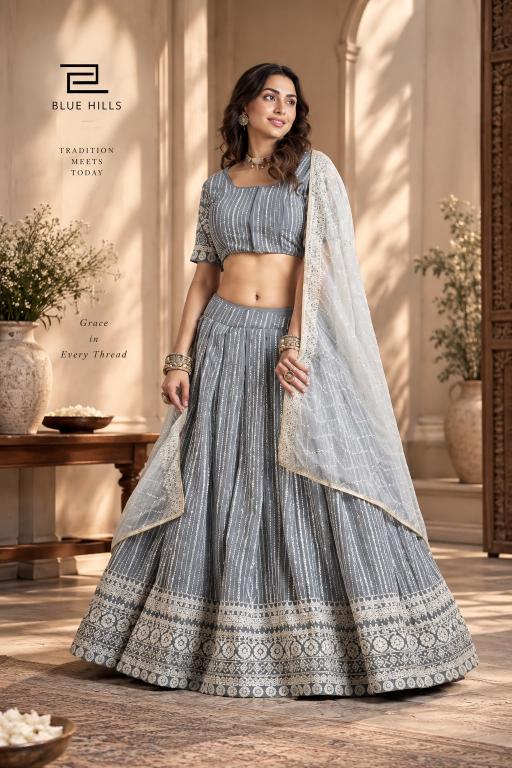
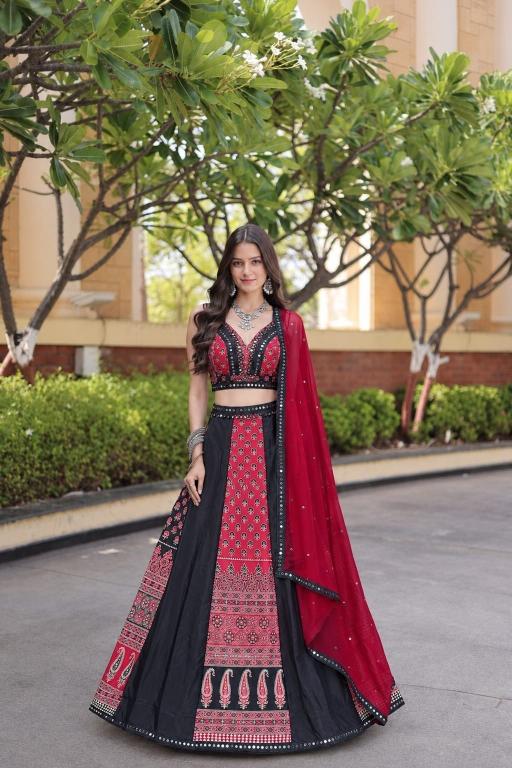
The lehenga segment is no longer limited to extremely heavy bridal pieces. The wholesale market now includes a wider range of products for weddings, engagement functions, Navratri, festive occasions, family celebrations and destination events.
This gives retailers an opportunity to merchandise the category at several price points. Lightweight festive lehengas may appeal to younger customers, while detailed embroidery and premium fabrics can serve wedding and boutique customers.
Colour preferences are also broader. Traditional red and maroon continue to have a place in wedding fashion, while pastel shades, greens, blues, pinks, wine tones and contemporary combinations create additional merchandising opportunities.
Why Variety Matters in Lehenga Wholesale Buying
A retailer purchasing lehengas should avoid judging demand only from catalogue photography. Consider the actual customer segment, occasion, fabric, work, expected retail price and local fashion preference.
A boutique serving wedding customers may require detailed premium pieces. A reseller targeting younger customers may perform better with fashionable designs at more accessible price points. A regional wholesaler may need broader variety so downstream retailers can choose according to their local demand.
This is why searches such as lehenga choli wholesale Surat, bridal lehenga wholesaler, designer lehenga manufacturer, Navratri lehenga wholesale and wedding lehenga supplier can represent quite different buying requirements.
Digital Wholesale Sourcing Is Changing the Surat Textile Market
One of the most practical changes in textile trading is the expansion of online B2B discovery. A buyer in another city no longer needs to travel to Surat merely to see what kinds of collections are currently available.
Online sourcing allows retailers to review catalogue images, shortlist relevant products and communicate their requirements before placing an order. It does not eliminate the value of physical market relationships, but it can make repeat purchasing considerably more convenient.
Wholesaleexport.in supports this type of digital discovery for buyers looking for women’s ethnic fashion. For businesses that need frequent stock updates, online access can shorten the gap between discovering a product and making a buying decision.
Social Media Has Accelerated Fashion Discovery
Instagram Reels, YouTube Shorts, Facebook, WhatsApp and other digital channels have changed how quickly a fashion trend reaches customers. A particular silhouette, colour or styling idea can attract attention rapidly, creating enquiries at the retail level before traditional seasonal buying cycles catch up.
This affects wholesale purchasing directly. Shop owners and resellers increasingly watch customer reactions and then source collections aligned with those signals. Instead of buying purely according to a fixed seasonal calendar, they can respond to real-time demand.
However, trend-driven purchasing should still be controlled. Not every viral fashion style becomes a long-term retail seller. Experienced buyers can allocate a portion of their inventory to trending designs while keeping proven everyday products as the foundation of their stock.
Surat Textile Manufacturing and the Importance of Product Quality
The relationship between manufacturing and wholesale distribution is an important part of Surat’s textile ecosystem. Fabric development, processing, embroidery, printing, stitching and trading can involve different specialised businesses before a finished fashion product reaches a retailer.
For the buyer, however, the practical concern is the quality of the final product. Fabric feel, colour consistency, embroidery finishing, stitching, measurements and overall presentation influence customer satisfaction and repeat sales.
Premium Quality Does Not Mean Only Premium Pricing
Quality should be judged relative to the product segment. A ₹500 product and a ₹2,500 product do not need identical materials or detailing, but both should provide reasonable value for their respective categories.
This distinction is important for wholesale businesses because retailers serve different customers. Home-based sellers may focus on affordable fast-moving fashion, while premium boutiques may prioritise distinctive fabrics, finer detailing and exclusive-looking designs.
Vastralife’s wholesale and export experience since 2017 brings practical industry expertise to product sourcing and B2B requirements. The focus on premium product quality helps buyers select collections suitable for different retail markets rather than treating every product category in the same way.
Ring Road and Sahara Darwaza Remain Important Wholesale Locations
Even as digital sourcing grows, physical textile trading areas remain important. Ring Road and Sahara Darwaza are familiar reference points for buyers exploring Surat’s textile business ecosystem.
The wider surat textile market includes numerous markets, traders, manufacturers, distributors and wholesalers. This concentration provides buyers with access to an enormous product range, but it can also make purchasing difficult for first-time visitors.
A retailer arriving without a buying plan can easily spend too much time comparing similar products or allocate excessive budget to the first attractive collection. Professional buyers generally benefit from preparing their category requirements and approximate purchasing budget before beginning market visits.
Plan by Category Before Visiting Surat
Divide the buying budget according to the categories that already perform in your business. For example, a retailer may allocate the largest portion to regular-selling suits and kurtis, another portion to sarees and a controlled percentage to lehengas or premium festive collections.
This approach still leaves room for discovering new products while protecting the working capital required for dependable sellers.
The next stage of the Surat textile industry trends discussion is especially important for wholesale buyers: how export demand, international markets, internal category linking, seasonal purchasing and inventory planning are changing the way Surat-based products reach customers in India and overseas.
Export Demand Is Expanding the Reach of Surat Fashion
Surat’s textile business is not limited to domestic wholesale. Ethnic fashion has an established customer base among Indian communities and South Asian consumers living overseas, while digital communication has made it easier for international retailers to discover suppliers in India. This creates opportunities for businesses dealing in sarees, suits, kurtis, lehengas, dress materials and other women’s ethnic wear.
For 2026, export-oriented buyers are becoming more selective about product presentation, consistency and dependable supply. An overseas retailer cannot easily replace a product after it reaches another country, so fabric quality, finishing, packing and accurate product information become particularly important.
Markets such as the USA, Australia and Nepal can have different purchasing patterns. A product that performs well in one market may not necessarily generate the same response in another. Buyers should therefore consider climate, festivals, local customer demographics, preferred price ranges and delivery timelines before building an export order.
What International Wholesale Buyers Should Check
International buyers should confirm product availability and quantities before finalising a bulk purchase. They should also understand fabric details, size information for ready-made garments, catalogue composition, packing and approximate dispatch arrangements. For seasonal merchandise, the purchasing decision should be made early enough to accommodate international transportation time.
The same principle applies to retailers purchasing within India. A strong wholesale operation is built around predictable stock movement rather than purchasing simply because a catalogue is new.
Internal Linking for Better Wholesale Product Discovery
Buyers researching occasion wear can explore the wholesale lehenga market Surat with price category to compare available styles for weddings, festivals, boutiques and retail stores. Looking at a focused product category can make sourcing more efficient than browsing unrelated catalogues.
Retailers who want to diversify beyond Indian-style collections can also explore wholesale Pakistani suits, particularly when their customers prefer longer silhouettes, coordinated fabrics and distinctive suit styling.
These categories can complement one another rather than compete for the same customer. A retailer can maintain everyday ethnic wear as core inventory while using Pakistani suits, designer lehengas and premium collections to create additional price and occasion segments.
How Wholesale Buyers Should Plan Inventory in 2026
One of the most useful lessons from current Surat textile industry trends is that inventory planning should follow customer behaviour. The number of products available in Surat is enormous, but a retailer does not need every design. The objective is to select merchandise that can move efficiently within the buyer’s own market.
Maintain Core, Seasonal and Trend Stock
A practical inventory structure can be divided into three groups. Core stock consists of products that sell consistently throughout the year. Depending on the business, these may include regular kurtis, cotton suits, dress materials or everyday sarees.
Seasonal stock is purchased around festivals, weddings and climate-related demand. It may include embellished suits, festive sarees, gowns and lehengas. Trend stock includes products influenced by rapidly changing fashion demand.
This structure can help retailers avoid putting the entire purchasing budget into one trend. If a fashionable collection performs strongly, it can be reordered where stock remains available. If demand slows, the business still has core products generating regular sales.
Track Actual Sales Instead of Guessing Demand
Retailers should maintain simple records of what sells. Category, colour, size, fabric, purchase price, selling price and time taken to sell are useful indicators. Even a basic spreadsheet can reveal patterns that are difficult to notice from memory alone.
For example, a shop owner may believe premium suits are the strongest category because they generate higher-value bills. Sales records may reveal that mid-range kurti sets actually produce faster stock rotation and more consistent margins. Future purchasing can then be adjusted accordingly.
Seasonal Fashion Will Continue to Influence Surat Wholesale
Indian ethnic wear is closely connected with festivals and weddings. Navratri, Diwali, wedding periods and regional celebrations can create significant changes in demand for colours, fabrics and garment categories.
Wholesale buyers should therefore plan purchases before demand reaches its peak. Waiting until customers begin asking for a product can reduce the time available for sourcing, transportation and retail selling.
Festive Collections
Festive buying often favours richer colours, embroidery, zari-inspired detailing, decorative dupattas, designer sarees and coordinated ethnic sets. However, modern customers increasingly look for outfits that feel festive without necessarily being extremely heavy.
This creates opportunities for lightweight festive fashion that can be worn for family functions, office celebrations and smaller occasions. Retailers can maintain both premium occasion pieces and accessible festive options to serve a broader customer base.
Wedding Collections
Wedding merchandise can include bridal lehengas, designer sarees, gowns, festive suits and outfits for family members and wedding guests. Rather than treating wedding fashion as a single category, wholesalers and retailers can merchandise products according to different functions and budgets.
For boutique owners, visual presentation becomes particularly important in this segment. Good catalogue photographs and clear product details can help customers understand the design before seeing the physical garment.
Growing Opportunities for Home-Based Sellers and Resellers
Digital selling has reduced some of the traditional barriers to entering the clothing business. A seller no longer necessarily needs a large showroom before testing a fashion category. Home-based sellers can begin with carefully selected wholesale stock and use WhatsApp, Instagram, Facebook and their existing customer network to generate sales.
For these sellers, the most important requirement is not an enormous catalogue. It is a manageable selection of products at price points their customers are willing to purchase.
Start With Controlled Inventory
New resellers should avoid purchasing excessive quantities before understanding their audience. Testing several relevant styles can provide more useful market information than buying deeply into one design.
Once a seller knows which fabrics, colours and price points generate enquiries, purchasing becomes more data-driven. This is one reason digital access through Wholesaleexport.in can be useful: sellers can regularly review new wholesale collections instead of depending entirely on occasional physical buying trips.
Boutique Owners Need Differentiation
Boutiques usually compete differently from mass-market retailers. Their customers may expect curated styles, distinctive combinations or premium-looking products. Boutique buyers should therefore pay particular attention to fabric, finishing, colour coordination and design details rather than selecting merchandise solely according to price.
A smaller collection with a clear identity can sometimes be more useful to a boutique than hundreds of unrelated designs.
Wholesale Pricing and Margin Planning
Wholesale buying becomes sustainable when the retailer understands the complete cost of inventory. Purchase price is the starting point, but transportation, payment-related costs, packaging, local operating expenses and unsold inventory can all influence the final margin.
A buyer should therefore calculate a realistic landed cost before setting the retail price. For export orders, freight and destination-related costs become even more important.
Do Not Compare Different Quality Levels Only by Price
Two visually similar garments can have different fabrics, embroidery density, finishing and construction. Comparing them only according to wholesale price can lead to incorrect purchasing decisions.
The better approach is to identify the intended retail customer first and then select the appropriate quality within that price segment. A budget reseller and a premium boutique can both source successfully from Surat, but their product requirements will naturally be different.
Why Fast-Moving Collections Need Faster Buying Decisions
Another characteristic of modern wholesale fashion is that successful designs can move quickly. When retailers across several regions respond to the same catalogue, popular colours or designs may not remain available indefinitely.
This does not mean buyers should make impulsive purchases. Instead, businesses should create a faster internal decision process. Know the required category, approximate budget, acceptable price range and quantity before reviewing new arrivals. When the right product appears, the buyer can make a decision without starting the entire evaluation from the beginning.
Wholesaleexport.in gives B2B buyers a way to discover current collections and communicate their requirements while operating outside Surat. For repeat buyers, digital sourcing can become part of a broader purchasing system combining online selection with established supplier relationships.
What the Future of Surat Textile Wholesale Looks Like
The future of Surat textile trading is likely to combine its established manufacturing and wholesale strengths with faster digital product discovery. Physical markets around Ring Road, Sahara Darwaza and other textile areas will continue to matter, while online platforms and direct digital communication make those collections accessible to a wider geographic audience.
Manufacturers and wholesalers that can combine competitive pricing with reliable quality, regular new arrivals and responsive communication are positioned to serve modern B2B buyers more effectively.
At the same time, buyers themselves are becoming more professional. Shop owners increasingly track inventory movement, resellers test products before expanding quantities, boutiques curate their assortments and international buyers pay closer attention to consistency and logistics.
These changes make the Surat textile industry trends of 2026 particularly relevant for anyone building a long-term clothing business. Success increasingly depends on how intelligently products are selected and sold, not simply on how much stock is purchased.
Customer FAQs
1. What are the major Surat textile industry trends in 2026?
Important developments include faster collection rotation, increased online B2B sourcing, continued demand for women’s ethnic wear, growth in coordinated sets and occasion wear, greater attention to quality-to-price value and expanding opportunities for domestic and export buyers.
2. Which women’s ethnic wear products can buyers source from Surat?
Buyers can find sarees, dress materials, kurtis, kurti sets, Pakistani suits, lehenga choli, gowns, festive suits, embroidered collections and many other categories. Availability varies according to supplier, season and current stock.
3. Can I purchase Surat wholesale garments online?
Yes. Buyers can use B2B websites such as Wholesaleexport.in to discover wholesale collections remotely. Product details, quantities, current price, stock availability and dispatch terms should be confirmed when placing an order.
4. Is Surat wholesale suitable for home-based resellers?
Yes. Home-based sellers can select products according to their target customer and available investment. Starting with controlled quantities and tracking customer response is generally more practical than building very large inventory before demand is established.
5. What should boutique owners check before purchasing?
Boutique buyers should consider fabric quality, finishing, design uniqueness, colour combinations, customer profile and expected retail margin. Products should fit the positioning of the boutique rather than being selected only because the wholesale rate is low.
6. Can international retailers source from Surat?
Surat products are supplied to domestic and international markets. Overseas buyers should confirm product specifications, quantities, packing, payment arrangements, shipping requirements and expected timelines before finalising an order.
7. Why are Ring Road and Sahara Darwaza important for textile buyers?
Ring Road and Sahara Darwaza are widely recognised reference areas within Surat’s textile trading ecosystem. Buyers visiting Surat frequently explore markets and suppliers in and around these established textile zones.
8. How should retailers select wholesale products for better margins?
Retailers should evaluate wholesale price together with fabric, finishing, customer demand, expected selling price and stock rotation. The product offering the lowest buying rate is not automatically the product offering the strongest business margin.
Source Your Next Wholesale Collection from Surat
If you are a home-based seller, reseller, boutique owner, shop owner, showroom operator or wholesale buyer, 2026 offers significant opportunities to build a stronger ethnic wear assortment through Surat sourcing.
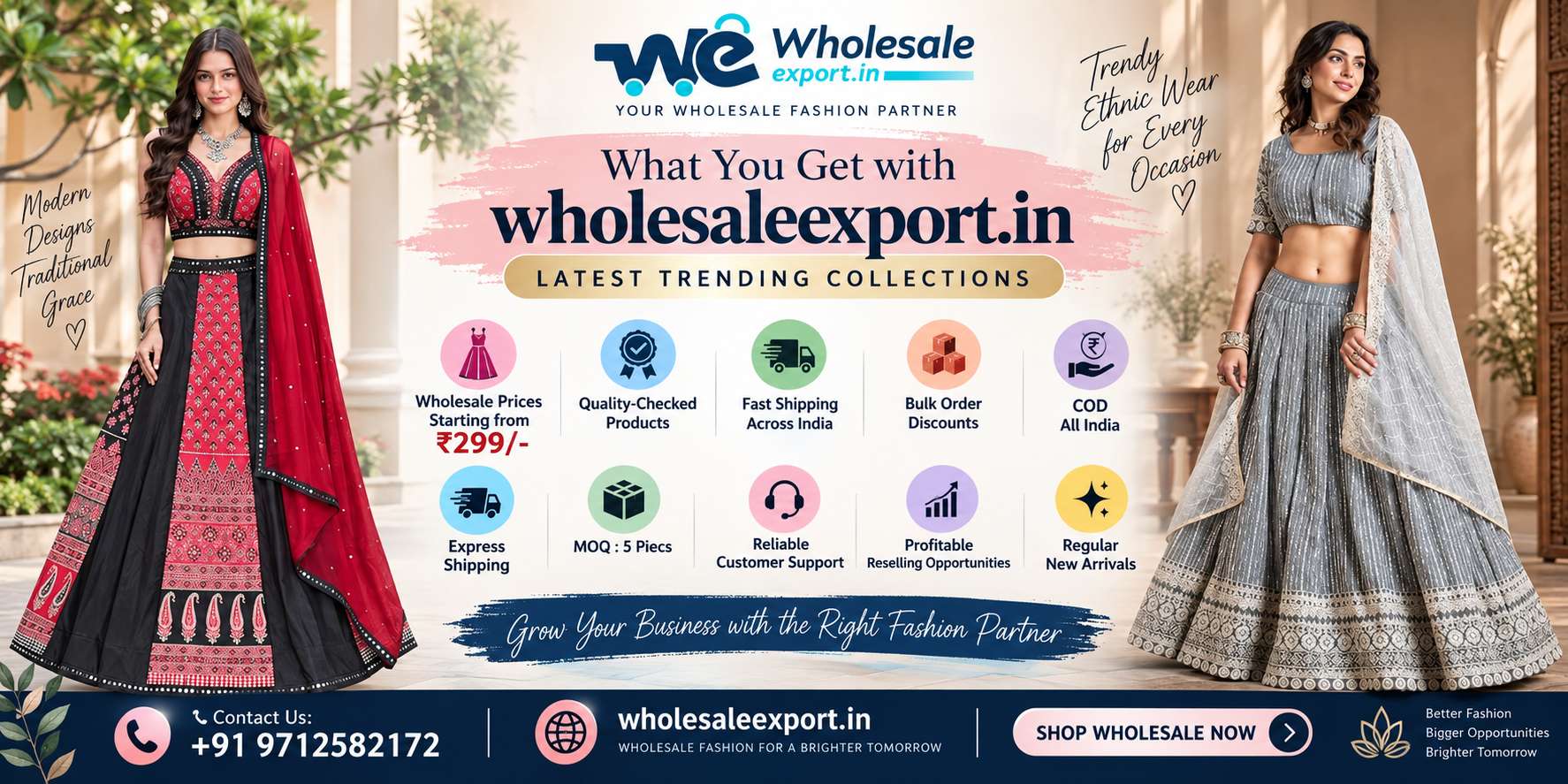
Explore Latest Collections and competitive Wholesale Pricing across Trendy Ethnic Wear. Buyers can enquire about Fast Shipping, available COD Support, Bulk Order Deals and current stock according to their business requirements.
Quality Products Starting From ₹299 provide options for businesses serving value-focused customers, while designer and premium collections can support boutiques and retailers targeting higher price segments. Prices and availability can vary by product and should be confirmed when ordering.
With wholesale and export experience since 2017, Vastralife brings industry knowledge to B2B ethnic wear sourcing while focusing on product variety, premium quality and practical wholesale requirements.
Contact: +91 9712582172
Website: wholesaleexport.in
From the established Surat textile market around Ring Road and Sahara Darwaza to digital wholesale sourcing accessible across India and overseas, the textile business continues to evolve. Retailers who combine reliable core products with carefully selected new trends, disciplined inventory planning and customer-focused purchasing can use Surat’s manufacturing and wholesale ecosystem to build a stronger and more adaptable fashion business.