


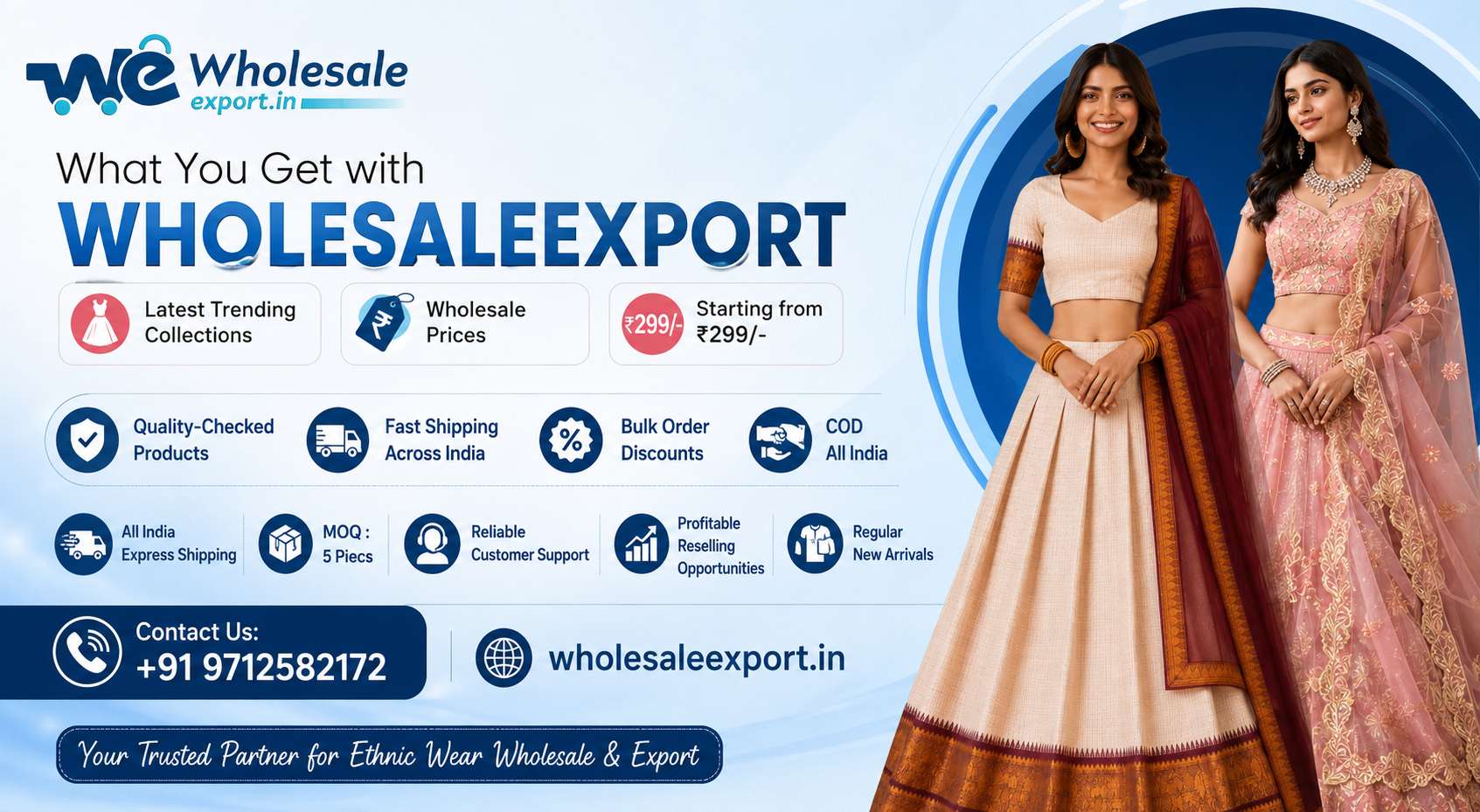
Surat Textile Business Guide 2026 – Wholesale Market, Products, Prices & Export Opportunities
Surat Textile Business Guide 2026 – Wholesale Market, Products, Prices & Export Opportunities
Surat has developed into a major sourcing destination for entrepreneurs who want to buy women's ethnic wear, fabrics and ready-to-sell fashion products for retail, reselling and international distribution. From established market areas to online wholesale purchasing, the city offers opportunities for businesses operating at different investment levels.
Introduction
Understanding the Surat textile business requires more than knowing where textile markets are located. A buyer needs to understand product categories, sourcing channels, wholesale pricing, quality levels, minimum quantities, seasonal demand, transportation and the type of customers they plan to serve.
In 2026, textile buyers include traditional Shop Owners and Showroom Owners as well as Boutique Owners, online Resellers and Home-Based Sellers. Their purchasing requirements can be completely different. A showroom may require broad inventory across multiple categories, while a new online seller may prefer a smaller selection of highly marketable products.
The wider surat textile market ecosystem connects fabric trading, processing, printing, embroidery, garment production, packaging and distribution. This makes Surat relevant not only for domestic wholesale buying but also for businesses interested in export.
Wholesaleexport.in helps buyers explore changing wholesale fashion collections without requiring every purchasing decision to begin with a physical market visit. The objective should always be to match the right product, quality, quantity and price with the final customer's demand.
Why Surat Is Important for the Textile Business
Surat's textile ecosystem has developed around multiple interconnected activities. Fabric can move through processing, printing, embroidery and garment manufacturing before reaching wholesalers and retailers. This interconnected supply chain gives buyers access to a wide range of textile and fashion products.
Large Variety of Textile Products
Buyers can source sarees, kurtis, kurti sets, lehenga cholis, dress materials, salwar suits, ethnic sets and several other women's fashion categories. The availability of different product types allows a retailer to build inventory for everyday wear, festive demand, weddings and seasonal occasions.
This variety is especially useful for Wholesale Buyers serving multiple customer groups because their entire business does not need to depend on a single fashion category.
Different Wholesale Price Segments
The market includes products across affordable, mid-range and premium segments. The lowest price is not automatically the best buying decision. Fabric quality, workmanship, finishing, design and expected resale value should be considered together.
A Home-Based Seller may prefer affordable products that can rotate quickly, whereas a premium boutique may require distinctive products that justify a higher retail price.
Access to Manufacturing and Trading Networks
One of Surat's advantages is the connection between textile trading and manufacturing. Buyers can encounter wholesalers, distributors, traders and businesses connected directly or indirectly with production networks.
Understanding where a product comes from and whether it can be reordered is particularly useful for retailers who want to develop repeat-selling categories.
Understanding Surat Textile Market Areas
A first-time visitor may think of Surat's textile trade as one single marketplace. In practice, textile businesses are spread across a large commercial ecosystem with important concentrations around Ring Road and nearby market zones.
Ring Road Textile Market
ring road is one of the best-known references for Surat textile sourcing. The surrounding textile market network contains businesses dealing in fabrics, sarees, dress materials, ready-made ethnic wear and related categories.
Shop Owners visiting this area should prepare a buying list before entering the market. With a large number of available products, it is easy to spend capital on attractive stock that may not match actual customer demand.
Sahara Darwaza Textile Sourcing
sahara darwaza is another important reference point associated with Surat's textile trading environment. Buyers exploring the surrounding market areas can compare different product categories, suppliers and price levels.
Before confirming larger quantities, compare fabric, stitching, colour, finishing and size specifications. A visually similar garment from two sources may differ considerably in final quality.
Surat Textile Market Buying Preparation
Before visiting the surat textile market, buyers should decide their approximate budget, target products, preferred price range and expected quantity. This makes supplier comparison easier and reduces impulsive purchasing.
It is also useful to maintain product codes, supplier details and purchase rates. These records become valuable when a particular design sells quickly and needs to be reordered.
Best Products to Source from Surat in 2026
The right product mix depends on your target market. Instead of asking which single product is universally best, buyers should identify categories suitable for their customer profile, season and selling channel.
Wholesale Sarees
Wholesale sarees continue to offer opportunities across daily wear, festive, wedding and occasion-based segments. Retailers can select collections according to fabric, design, regional preference and customer budget.
For stores serving different age groups, maintaining multiple saree price segments can help create a broader customer base.
Wholesale Kurtis and Kurti Sets
Wholesale kurtis are suitable for boutiques, retail stores and online Resellers because they can be sold across regular wear, office wear and fashion-focused segments. Kurti-pant sets and complete ethnic combinations can provide additional selling options.
Buyers should pay attention to size availability because a strong design can still lose sales when commonly requested sizes are unavailable.
Wholesale Lehenga Choli
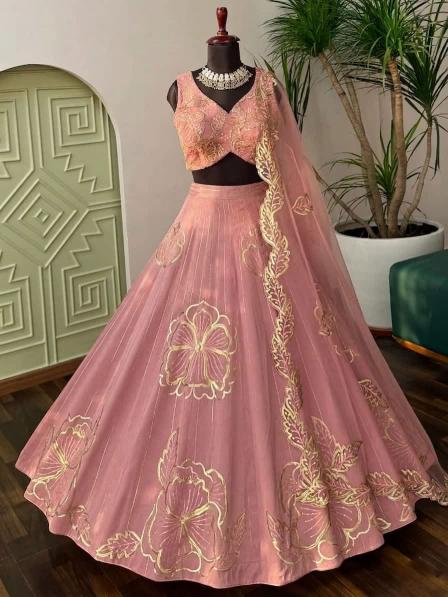
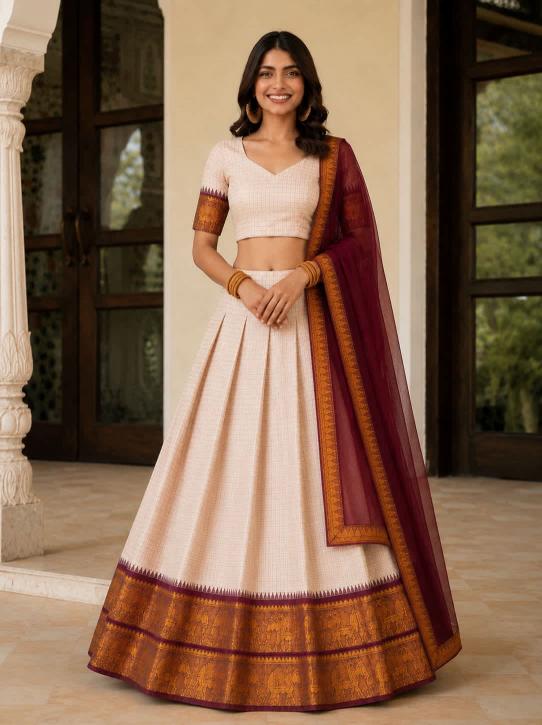
Wholesale lehenga choli collections can serve wedding, festive, Navratri and family-function demand. This category may include affordable printed designs as well as heavily worked premium pieces.
Because the investment per piece can vary considerably, buyers should purchase according to the spending capacity of their target customers rather than simply choosing the most elaborate designs.
Dress Materials and Salwar Suits
Wholesale dress materials allow customers to select stitching and fitting according to their preferences. Ready-to-wear salwar suits, meanwhile, appeal to buyers looking for convenient complete outfits.
Retailers can use both categories to complement saree and kurti inventory and create a more complete women's ethnic wear offering.
Designer and Festive Ethnic Wear
Festive products can create higher-value transactions during strong shopping periods. Embroidery, decorative work, attractive dupattas, richer fabrics and distinctive silhouettes can help create a premium presentation.
However, festive inventory should be planned according to seasonality. Buying too much occasion-specific stock after peak demand can block working capital.
How to Start a Surat Textile Business with Controlled Investment
A new textile entrepreneur does not necessarily need to begin with a large physical showroom. The Surat textile business can be approached through several models, including home-based selling, social media reselling, boutique retail and conventional shop operations.
Start with a Defined Product Category
Instead of purchasing sarees, kurtis, lehengas, dress materials and every other category immediately, select one or two core categories according to your customer base.
Once those products begin generating repeat sales, related categories can be introduced gradually.
Keep the Opening Inventory Diverse
Within the selected category, maintain enough design variety to test customer preferences. For example, a kurti seller can begin with printed styles, cotton designs, selected kurti sets and a smaller premium range.
The objective is to learn which products customers actually purchase before increasing quantities.
Reserve Capital for Reorders
Using the entire budget in the first purchase can reduce flexibility. Keep part of the working capital available so fast-selling products can be replenished and fresh arrivals can be introduced.
Calculate Landed Cost Before Retail Price
Wholesale purchase price is only one expense. Buyers should account for transportation, packaging, applicable taxes or charges and other operating expenses before setting the final retail price.
For international orders, freight and applicable export costs should also be included in landed-cost calculations.
Surat Textile Business for Home-Based Sellers and Resellers
Digital selling has made textile reselling accessible to entrepreneurs who do not initially want the fixed costs associated with a physical store. A Home-Based Seller can purchase selected wholesale stock and reach customers through WhatsApp, Instagram and existing personal networks.
Home-Based Textile Selling
Home-Based Sellers should prioritise products that are easy to present, store and dispatch. Kurtis, kurti sets, sarees and selected ethnic wear can be organised into digital catalogues with clear product codes and sizes.
A smaller inventory should focus on variety rather than unnecessary depth. Once actual demand becomes visible, the seller can increase quantities in proven categories.
WhatsApp Reselling
WhatsApp can be used to display new arrivals through Status, catalogues and direct customer communication. Clear images, product information, sizes and prices can make the ordering process easier.
Customer enquiries should also be treated as buying data. If multiple customers request a particular colour, size or product category, future wholesale purchases can be adjusted accordingly.
Instagram Textile Reselling
Instagram works particularly well for visually distinctive fashion. Sellers can showcase sarees, lehenga cholis, kurtis and coordinated sets through posts and short-form videos.
Regular fresh arrivals give the seller more content to publish while also creating repeat purchase opportunities among existing customers.
Surat Wholesale Buying for Boutique Owners
Boutique Owners generally need a more curated purchasing strategy. Customers often visit a boutique expecting designs that feel different from standard mass-market inventory.
Create a Distinctive Product Mix
A boutique can combine selected everyday products with designer kurtis, premium sarees, Anarkali outfits and occasion-focused lehengas. The exact mix should match the boutique's positioning.
Buy Smaller Quantities of More Designs
Where supplier terms allow, buying controlled quantities across more designs can help maintain visual freshness. This can also reduce the risk of excessive stock in a single style.
Balance Affordable and Premium Products
Not every boutique customer wants the same price point. Maintaining an accessible range alongside selected premium products gives buyers more options while protecting the boutique from dependence on one customer segment.
Surat Wholesale Sourcing for Shop and Showroom Owners
Shop Owners and Showroom Owners generally need broader inventory planning because they serve higher walk-in volumes and multiple customer requirements.
Create Product Sections
Organising inventory into daily wear, office wear, festive wear, wedding collections and premium ethnic wear can make purchasing and retail presentation more structured.
Track Category-Wise Sales
Record which categories generate consistent turnover. If kurtis rotate faster than another category, the next wholesale budget can be adjusted rather than automatically repeating the previous purchase ratio.
Track Size and Price Demand
Sales data should include more than product names. Size demand and customer price preferences can provide valuable guidance for the next purchasing cycle.
Wholesale Textile Opportunities for India, Nepal and Singapore
Surat-based sourcing can serve domestic as well as international buyers, but product selection should be adapted to the final market. For this Surat textile business guide, India, Nepal and Singapore represent three different customer environments where ethnic wear inventory can be selected according to local demand.
Wholesale Textile Buying for India
India offers a broad ethnic wear customer base with demand influenced by region, climate, festivals and local fashion preferences. Retailers can build inventory across kurtis, sarees, lehengas, dress materials and complete ethnic sets.
Rather than applying one product mix across every city, buyers should study their own local sales and reorder accordingly.
Wholesale Textile Buying for Nepal
Nepal-focused buyers can create inventory combining regular ethnic wear with selected festive and occasion collections. Smaller test orders can help retailers understand which Surat-sourced products match their local customers.
Shipping, order quantity and final landed price should be evaluated before scaling purchases.
Wholesale Textile Buying for Singapore
Singapore-based ethnic wear businesses can select products for regular styling, cultural occasions, celebrations and festive demand. Curated inventory can be more practical than purchasing large quantities across every available category.
International buyers should calculate shipping and applicable export-related costs before finalising their retail margins.
Vastralife Wholesale and Export Experience Since 2017
Reliable sourcing becomes increasingly important when a retailer moves from occasional purchases to regular wholesale buying. Vastralife has wholesale and export experience since 2017, supported by textile industry expertise and continued involvement in women's ethnic wear sourcing.
Premium product quality remains important because a retailer's reputation ultimately depends on the merchandise received by the final customer. Fabric, stitching, finishing, design accuracy and overall presentation should therefore remain part of the buying decision.
Wholesaleexport.in provides a digital route for Home-Based Sellers, Shop Owners, Boutique Owners, Showroom Owners, Resellers and Wholesale Buyers to explore changing wholesale collections according to their individual business requirements.
Build a Profitable Textile Buying Cycle
The long-term value of a Surat textile business guide lies in turning wholesale purchasing into a repeatable process. Every completed sale should provide information that improves the next order.
Identify Fast-Selling Products
Maintain a record of products that sell quickly without excessive discounting. Similar designs can receive a larger portion of the next purchasing budget.
Identify Slow-Moving Inventory
Products remaining unsold for long periods should be reviewed. Consider whether the problem is design, price, size availability, seasonality or product presentation before repeating similar purchases.
Keep Capital Available for New Arrivals
Fashion inventory changes regularly. Keeping some working capital available allows buyers to introduce fresh collections without waiting for every older product to sell.
Build Repeat Supplier Relationships
Once a supplier consistently meets your requirements for quality, price and service, maintaining continuity can simplify future buying. At the same time, product quality should still be checked whenever new collections are purchased.
With structured sourcing, the Surat textile business can be approached as an ongoing inventory system rather than a one-time market purchase. The next stage is to understand supplier selection, wholesale versus manufacturing sourcing, international buying, internal product categories and the practical steps that can improve margins as the business scales.
How to Choose the Right Surat Textile Wholesale Supplier
A profitable textile business depends not only on selecting attractive products but also on working with suppliers who can support repeat purchases. Before increasing order quantities, Wholesale Buyers should evaluate product consistency, communication, stock availability and overall service.
Compare Product Quality Before Bulk Buying
Two products appearing similar in photographs can differ in fabric, stitching, embroidery, colour finishing and overall garment construction. Buyers should therefore evaluate the complete product rather than making decisions solely on the lowest price.
For Boutique Owners and Showroom Owners, maintaining consistent quality becomes particularly important because their customers may return expecting a similar standard from future purchases.
Check Availability for Repeat Orders
A fast-selling product can generate repeat business only when suitable stock or comparable fresh designs remain accessible. Ask about stock availability and new collection frequency before building a major retail campaign around one catalogue.
Understand Wholesale Order Terms
Before placing an order, confirm quantity requirements, sizes, dispatch terms, payment conditions and other relevant purchasing details. Clear communication at the buying stage can prevent confusion later.
Evaluate New Suppliers with Controlled Orders
When working with a new supplier, starting with a manageable purchase can help buyers evaluate actual product quality and service. Larger quantities can be considered after the buying experience meets expectations.
Wholesale Supplier vs Manufacturing Source in Surat
Buyers researching the Surat textile business often come across manufacturers, wholesalers, traders and distributors. Each sourcing model can serve a different purpose, and one is not automatically better for every buyer.
When Wholesale Buying Makes Sense
Wholesale suppliers can be useful for retailers who need variety across multiple designs or categories. A wholesaler may provide access to products from different collections, allowing the buyer to create a broader retail assortment.
This can suit Home-Based Sellers and Boutique Owners who prefer controlled quantities and frequent collection changes.
When Manufacturing-Based Sourcing Makes Sense
A business connected with manufacturing can become relevant when buyers require larger quantities, repeat designs or specific production-oriented requirements. However, quantities and terms can vary significantly depending on the product and source.
Choose According to Your Business Stage
A new reseller may benefit more from variety and purchasing flexibility, while an established Wholesale Buyer may prioritise larger quantities and repeat availability. The right sourcing route should therefore match the scale and structure of the business.
Internal Linking Section
Retailers planning to expand into wedding and festive inventory can explore the wholesale lehenga market Surat with price category to compare styles suitable for boutiques, wedding stores and occasion-focused Resellers.
Businesses building a wider women's ethnic wear assortment can also explore wholesale sarees India collections and add regular, festive and occasion-based sarees according to their customer demand.
Related categories should be added strategically rather than all at once. Existing sales data can indicate whether customers are more likely to purchase sarees, lehengas, kurtis or complete ethnic sets alongside the products already selling in the business.
How to Plan Wholesale Textile Pricing and Profit Margins
Buying at wholesale rates creates room for resale margins, but the difference between purchase and retail price should not be treated as pure profit. A sustainable calculation includes all costs associated with getting the product ready for the final customer.
Calculate the Complete Landed Cost
Start with the wholesale product rate and add transportation, packaging and other applicable expenses. International buyers should also consider freight and relevant export costs.
The resulting landed cost provides a more realistic base for determining the final selling price.
Build Different Price Segments
A retail business can serve more customers by maintaining different product levels. Affordable products can support regular sales, mid-range collections can form the core inventory and selected premium designs can address customers seeking something more distinctive.
Consider Stock Rotation Alongside Margin
A product carrying a high potential margin but remaining unsold for a long period can block working capital. In contrast, products generating consistent sales at a commercially suitable margin can create faster capital rotation.
Keep Space for Retail Promotions
Retail pricing can include reasonable flexibility for seasonal promotions or repeat-customer offers. However, the regular price should remain credible and appropriate for the product quality and customer segment.
How to Grow a Textile Reselling Business Online
Online selling can complement traditional textile sourcing by giving businesses access to customers beyond their immediate location. The product catalogue, customer communication and fulfilment process should become increasingly organised as sales grow.
Create a Clean Digital Catalogue
Organise products by category and provide clear product codes. Sarees, kurtis, lehengas, dress materials and ethnic sets can be separated so customers can browse the type of product they actually want.
Use New Arrivals as Marketing Content
Fresh collections provide natural content for WhatsApp, Instagram and other digital selling channels. Instead of repeatedly promoting old products, businesses can showcase changing designs and seasonal arrivals.
Track Online Customer Enquiries
Customer questions provide valuable buying information. Frequent enquiries for a certain colour, size, design or price range can influence the next wholesale order.
Turn Buyers into Repeat Customers
After a completed purchase, maintain a basic record of the customer's preferences. When relevant products arrive, the seller can share suitable options rather than sending every catalogue indiscriminately.
2026 Textile Buying Strategy for India, Nepal and Singapore
Wholesale sourcing from Surat can serve different geographic markets, but purchasing decisions should reflect the customers who will eventually wear the products. The same stock ratio should not automatically be used for India, Nepal and Singapore.
India Textile Reselling Strategy
For India, retailers can maintain broader ethnic wear inventory because demand can cover everyday wear, office clothing, festive shopping, weddings and family functions. Product preferences can vary significantly between regions.
Local sales records should guide the balance between sarees, kurtis, lehengas, dress materials and complete ethnic outfits.
Nepal Textile Reselling Strategy
For Nepal, buyers can select a mix of wearable ethnic fashion and occasion-based products according to their customer base. Seasonal and festive requirements can influence purchasing decisions.
Before increasing order quantities, retailers should evaluate customer response, transportation expenses and final landed price.
Singapore Textile Reselling Strategy
For Singapore, curated ethnic wear can address cultural functions, festive occasions, family celebrations and regular styling. Buyers may prefer selected designs across several categories instead of excessive depth in a single product.
Shipping and applicable international export expenses should be included when determining the final retail rate.
How Export Buyers Can Source Textiles from Surat
International Wholesale Buyers should approach sourcing differently from local retail purchasing. Product cost is important, but shipping efficiency, order consolidation, documentation and destination-specific requirements can also affect the viability of the purchase.
Select Products with the Final Market in Mind
Do not purchase a collection simply because it is popular in Surat. Consider whether the colours, styles, sizes and price points are suitable for customers in the destination market.
Calculate Export Landed Price Before Ordering
International buyers should calculate product cost together with shipping and applicable charges before confirming retail margins. A product with an attractive factory or wholesale rate can become commercially unsuitable if logistics make the final landed cost too high.
Plan Larger Orders Carefully
Consolidated purchasing may improve shipping efficiency in some situations, but increasing quantity purely to reduce freight per piece can create inventory risk. The final order should remain aligned with realistic sales potential.
Focus on Quality for Repeat International Business
Premium product quality becomes especially important when products travel longer distances and replacements are more complicated. Buyers should therefore pay attention to fabric, stitching, finishing and product specifications before scaling international orders.
Seasonal Planning for Surat Textile Wholesale Buying
Fashion demand changes throughout the year. Buyers can improve inventory planning by preparing for major selling periods rather than purchasing seasonal stock after demand has already peaked.
Wedding Season Inventory
Wedding-focused retailers can consider lehenga cholis, premium sarees, designer suits and richer ethnic sets. Inventory should reflect the spending level of the customers served by the business.
Festive Ethnic Wear
Festivals can create demand for brighter colours, decorative detailing, sarees, Anarkali styles and festive sets. Different regions may prefer different products, so previous seasonal sales can provide useful guidance.
Regular Wear Inventory
Daily wear should not be ignored while preparing festive stock. Cotton kurtis, printed products, practical sarees and comfortable ethnic wear can continue generating regular transactions between major seasonal peaks.
Buy Seasonal Products Early
Purchasing early gives retailers time for product photography, catalogue creation, marketing and customer promotion. It also reduces dependence on last-minute inventory availability.
Common Surat Textile Business Mistakes to Avoid
Buying Only on Lowest Price
The cheapest product does not necessarily offer the best resale value. Poor finishing or weak fabric quality can lead to customer dissatisfaction and affect repeat business.
Purchasing Too Many Categories Initially
New sellers can lose control of inventory when capital is divided across too many unrelated products. Start with selected categories and expand according to actual sales.
Buying Heavy Quantity of Untested Designs
A design that appears attractive may still perform poorly in a particular retail market. Controlled initial quantities allow buyers to test demand before committing more capital.
Ignoring Slow-Moving Stock
Unsold inventory should be reviewed regularly. Identify whether the issue is product presentation, size, price, season or customer mismatch before repeating similar purchases.
Ignoring Customer Data
Sales history provides more useful guidance than assumptions. Record popular sizes, colours, categories and price points so future buying becomes progressively more accurate.
Expanding Fixed Expenses Too Quickly
A growing reseller does not automatically need a larger office or showroom immediately. Inventory, customer service and working capital may deserve priority until sales consistently support higher fixed expenses.
Vastralife Experience for Wholesale and Export Sourcing
Vastralife has been working with wholesale and export requirements since 2017, bringing industry expertise developed through practical involvement in the textile business. This experience helps in understanding the different sourcing needs of Home-Based Sellers, Boutique Owners, Shop Owners, Showroom Owners, Resellers and Wholesale Buyers.
Premium product quality remains an important focus because successful textile reselling depends heavily on customer satisfaction and repeat orders. Buyers should consider fabric, finishing, design, stitching and overall product presentation alongside wholesale pricing.
Through Wholesaleexport.in, buyers can explore changing ethnic wear collections for domestic and international sourcing requirements while building inventory according to their own market, budget and customer profile.
Customer FAQs
1. Is Surat a good place to start a textile business in 2026?
Surat provides access to a large textile trading and manufacturing ecosystem covering fabrics, sarees, kurtis, lehengas, dress materials and other ethnic wear. The business opportunity depends on selecting suitable products, controlling inventory and matching stock with actual customer demand.
2. Where is the main textile wholesale area in Surat?
The surat textile market ecosystem includes numerous textile markets and businesses around areas such as ring road and sahara darwaza. Buyers should plan the product categories and price ranges they want to source before visiting.
3. What products can I buy wholesale from Surat?
Buyers can explore sarees, kurtis, kurti sets, lehenga cholis, dress materials, salwar suits and other women's ethnic wear across different price and quality segments.
4. Can I start a textile reselling business from home?
Yes. Home-Based Sellers can begin with selected wholesale stock and use WhatsApp, Instagram and existing customer networks for selling. Controlled inventory can help reduce initial capital requirements.
5. How should I select a Surat textile wholesaler?
Compare product quality, wholesale price, communication, order terms and availability. New supplier relationships can initially be tested with manageable purchases before increasing quantities.
6. Should I buy from a wholesaler or manufacturer?
The choice depends on your business requirements. Wholesalers can be useful when variety and flexibility are priorities, while manufacturing-based sourcing may become relevant for larger or repeat production requirements.
7. Can Boutique Owners buy wholesale textile products online?
Yes. Boutique Owners can use online wholesale platforms such as Wholesaleexport.in to explore collections remotely and select products according to their boutique's customer segment.
8. Can Surat textile products be sourced for export?
International Wholesale Buyers can source products according to destination requirements. Product cost, freight, applicable export processes and final landed price should be evaluated before confirming larger orders.
9. How can I reduce dead stock in a textile business?
Start new designs in controlled quantities, track category-wise sales, monitor popular sizes and colours, and avoid repeating slow-moving products without understanding why they failed to sell.
10. How much investment is required to start textile reselling?
There is no single investment amount suitable for every business. A Home-Based Seller may start with a smaller curated inventory, while a shop or showroom can require broader stock. Budget should be determined according to product category, purchasing quantity and target customers.
11. Which textile products are suitable for online Resellers?
Kurtis, kurti sets, sarees, lehenga cholis and visually distinctive ethnic wear can be suitable for online presentation. Product selection should ultimately depend on the seller's customer audience and price range.
12. How can I grow a Surat textile wholesale business?
Track actual sales, identify fast-moving products, maintain working capital for fresh arrivals, build reliable sourcing relationships and gradually increase inventory in categories that consistently generate customer orders.
Strong CTA Section
Whether you are starting a textile resale business, refreshing your boutique inventory or sourcing larger quantities for retail and international distribution, choose products according to customer demand instead of purchasing stock only because it is available at a wholesale rate.
- Latest Collections – Explore fresh ethnic wear and changing fashion collections for your customers.
- Wholesale Pricing – Source products for Resellers, boutiques, shops, showrooms and Wholesale Buyers.
- Trendy Ethnic Wear – Build inventory across fashionable and customer-focused categories.
- Fast Shipping – Convenient dispatch support for eligible wholesale orders.
- COD Support – Check applicable COD terms while confirming eligible orders.
- Bulk Order Deals – Enquire about suitable purchasing options for larger wholesale requirements.
- Quality Products Starting From ₹299 – Explore value-focused products across different resale requirements.
Contact Number: +91 9712582172
Website: wholesaleexport.in
A successful Surat textile business is built by combining the sourcing strength of Surat with disciplined inventory decisions. Understand your customers, compare quality and price, purchase new designs in sensible quantities and reinvest in categories that produce actual sales. With Vastralife's wholesale and export experience since 2017, textile industry expertise and focus on premium product quality, Wholesaleexport.in supports buyers looking to source ethnic wear for reselling, retail, boutique and wholesale requirements in 2026 and beyond.