



Surat Market Buying Tips for Wholesale Clothing Buyers in 2026
Surat Market Buying Tips for Wholesale Clothing Buyers in 2026
Buying garments from Surat can open valuable opportunities for retailers, boutiques and resellers, but profitable sourcing requires more than finding the lowest rate. Buyers need to understand product quality, catalogue selection, supplier reliability, minimum quantities, market trends and their own customers before investing in stock. A planned approach helps businesses purchase better products, control inventory and create stronger resale opportunities.
Introduction
Surat is one of India’s most recognised textile sourcing destinations. The city connects fabric producers, garment suppliers, wholesalers, processors, traders and businesses involved in manufacturing across numerous textile categories. For buyers searching for sarees, kurtis, salwar suits, dress materials, kids wear, lehengas and other ethnic fashion, the city offers extensive variety.
However, variety can also make purchasing complicated. A first-time visitor to the surat textile market may see hundreds of catalogues and many different price points in a short period. Without a clear buying plan, it is easy to purchase products because they look attractive in the moment rather than because they match actual customer demand.
The most useful Surat market buying tips therefore begin before the buyer enters the market. Decide your budget, customer profile, product category, expected retail price and approximate purchasing quantity in advance. These decisions make supplier comparison much easier.
Online wholesale sourcing has also changed the buying process in 2026. Businesses no longer need to depend entirely on physical market visits. Platforms such as Wholesaleexport.in allow buyers to discover collections remotely and can be particularly useful for retailers located outside Surat or overseas.
Understand Your Customer Before Visiting Surat
The biggest buying mistake is purchasing according to personal taste instead of customer demand. A boutique owner may personally prefer premium embroidery, while most customers visiting the store may actually be searching for affordable daily wear. Similarly, a reseller might purchase low-priced products even though their online audience responds better to premium coordinated sets.
Know Your Target Price Range
Before sourcing, determine what your customer normally pays. If your strongest retail segment is between ₹799 and ₹1,499, your wholesale buying decisions should leave enough room for transportation, packaging, marketing, discounts and business margin.
A low wholesale price is not automatically a profitable price. The product still needs acceptable fabric, stitching, finishing and customer appeal. A slightly higher-cost product that sells quickly can be more profitable than a cheaper product that remains unsold for months.
Identify Your Fast-Moving Categories
Analyse previous sales wherever possible. Determine whether customers buy more kurtis, sarees, salwar suits, kids wear, dress materials or festive products. Existing retailers should also examine which sizes, colours and price segments move fastest.
New sellers without sales history can begin with a mixed assortment instead of purchasing heavily from one catalogue. This allows the business to test demand with less inventory risk.
Buy According to Your Selling Channel
A physical showroom and an Instagram reseller may need different stock. Showrooms generally benefit from depth in sizes and designs because customers expect to browse physically. Online sellers may place greater importance on catalogue photographs, trendy styling and products that can be promoted effectively through WhatsApp and social media.
Home-Based Sellers can start with controlled inventory and build around customer response. Boutique Owners may focus on distinctive products, while Wholesale Buyers often require larger quantities and wider catalogue depth.
Plan Your Surat Textile Market Visit Before You Arrive
Surat's textile trade covers a large commercial area, so trying to visit every supplier is rarely an efficient strategy. Prepare a shortlist based on the categories you actually need.
Areas around ring road are strongly associated with textile commerce, while sahara darwaza is another familiar reference point for buyers exploring Surat’s garment and textile ecosystem. Planning suppliers and categories before travelling can save significant time.
Create a Written Buying List
Before entering the market, prepare a simple purchase plan. For example, you might allocate your budget across daily wear kurtis, premium kurti sets, kids ethnic wear, festive sarees and dress materials. A written allocation helps prevent one attractive catalogue from consuming too much of your total budget.
Your list should include approximate quantity, target buying price, preferred sizes and the maximum amount you are willing to invest in each category.
Do Not Complete Your Entire Purchase at the First Shop
One of the most practical Surat market buying tips is to compare before committing. Similar-looking garments can vary in fabric, work, stitching and pricing. Comparing a few suitable suppliers gives you a clearer understanding of the market.
That does not mean spending the entire day searching for a ₹10 difference. Supplier reliability, quality consistency and ease of repeat ordering may be worth more than a marginally lower rate.
Ask Whether the Catalogue Can Be Reordered
A product that sells successfully becomes much more valuable when it can be replenished. Ask whether a catalogue is likely to remain available or whether it is a limited production run.
For fast-moving products, repeat availability can reduce inventory risk because you can test the design first and increase quantity later when stock is available.
Compare Wholesale Prices the Right Way
Price comparison should be based on comparable products. A ₹450 kurti and a ₹650 kurti may look similar in a photograph while using different fabrics, embroidery, stitching standards or accessories.
Ask exactly what is included in the quoted rate. For sets, confirm whether the listed price includes the kurti, bottom and dupatta. For sarees, understand whether a blouse piece is included. For kids wear, verify the size set and pieces supplied.
Understand MOQ Before Ordering
Minimum order quantity can vary by supplier and catalogue. Some collections may require a complete catalogue, while other sellers may provide more flexible purchasing options.
This is especially important for Resellers and Home-Based Sellers working with limited starting capital. A low unit price is less attractive if the required quantity forces you to purchase far more inventory than you can realistically sell.
Calculate Landed Cost, Not Only Purchase Cost
Your true inventory cost can include the garment price, applicable taxes, shipping, packaging and other business expenses. International buyers may also need to account for freight, customs and destination-specific charges.
For buyers sourcing for Nepal, Australia and Malaysia, calculating landed cost before confirming a large export order can prevent pricing problems later.
Ask About Bulk Order Pricing
If you operate a showroom or wholesale business and require significant quantities, discuss bulk rates directly. Larger purchases may have different commercial terms depending on product and supplier.
However, never purchase unnecessary stock simply to receive a lower unit price. Inventory that does not sell can cost more than the discount saved during purchasing.
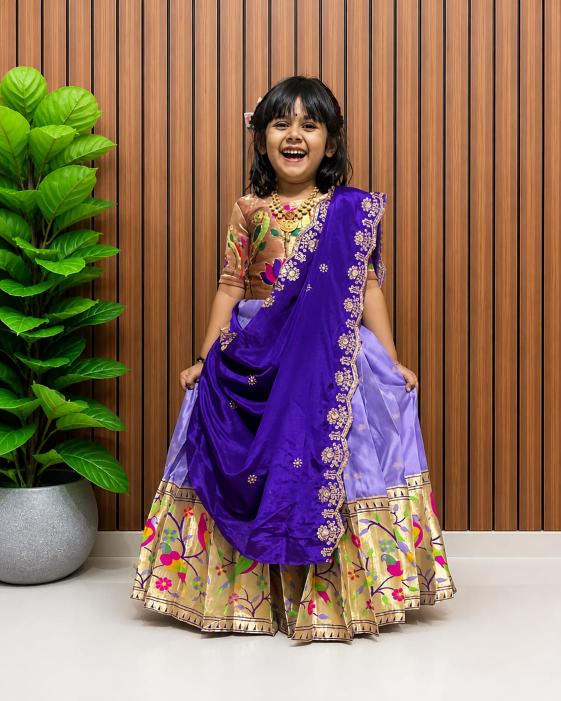
Check Product Quality Before Buying in Bulk
Quality inspection is one of the most important parts of wholesale sourcing. Catalogue photography can attract attention, but the customer eventually receives the physical garment. Repeat business depends on how closely the actual product meets expectations.
Check Fabric Quality
Understand what fabric you are purchasing and whether it is suitable for the intended retail segment. Daily wear buyers may prioritise comfort and easy maintenance, while festive customers may value appearance, fall, texture and decorative work.
Touch and examine samples whenever possible during physical purchasing. If sourcing remotely, review available product information carefully and communicate questions before ordering.
Inspect Stitching and Finishing
Look at seams, hems, necklines, sleeves, zippers, buttons and decorative elements. For embroidered garments, examine whether the work appears properly finished. For printed products, check print clarity and consistency.
Premium product quality does not necessarily mean every garment must be expensive. Quality should be appropriate to the price segment in which the product is being sold.
Verify Sizes Carefully
Size confusion can create unnecessary exchanges and dissatisfied customers. Ask for size charts and understand whether measurements refer to garment measurements or recommended body measurements.
For children's products, size selection becomes particularly important because age labels alone may not always give customers enough information. Clear measurements can make online reselling easier.
Kids Wear Can Add a Valuable Category to Your Wholesale Mix
Retailers traditionally sourcing women's ethnic fashion can consider adding selected kids wear collections. Parents purchase children's clothing for festivals, weddings, birthdays, family events and regular use, creating opportunities across multiple price segments.
Kids Ethnic Wear for Festive Demand
Lehengas, ethnic sets, traditional dresses and festive kids outfits can perform particularly well around wedding and festival seasons. Attractive colours and comfortable construction are both important because parents generally consider appearance as well as wearability.
When buying kids ethnic wear wholesale, retailers should check size assortment carefully and avoid putting too much capital into only one age group.
Keep a Mix of Premium and Affordable Options
A balanced kids collection can include affordable products for regular buying alongside selected premium outfits for occasions. This creates more opportunities to serve different budgets.
The same principle applies across sarees, kurtis, salwar suits and other categories: a healthy inventory usually gives customers more than one price choice.
Choose Suppliers for Long-Term Business, Not One-Time Deals
A reliable wholesale relationship can become more valuable than constantly changing suppliers to save a small amount per piece. When a supplier understands your category, quality expectations and buying pattern, repeat sourcing can become faster and more predictable.
Vastralife’s wholesale and export experience since 2017 provides practical industry expertise built through years of textile sourcing and wholesale business. This experience supports Wholesaleexport.in in serving businesses looking for Indian ethnic fashion and wholesale product options.
For retailers, the goal should be to create a small network of dependable sourcing channels instead of relying on random purchases every season.
Check Communication Before Increasing Order Size
Supplier communication matters when dealing with stock confirmation, sizes, dispatch and repeat orders. Test how clearly your questions are answered before significantly increasing your purchase quantity.
Ask About New Arrivals
Fashion businesses need regular freshness. Suppliers offering frequent new catalogues can help Shop Owners and Resellers maintain customer interest without changing sourcing partners constantly.
Wholesaleexport.in can be useful for buyers who want to explore wholesale collections online rather than relying only on repeated physical visits to Surat.
Smart Buying Strategy for Resellers and Boutiques
The strongest buying strategy combines data with experimentation. Continue purchasing proven products while allocating a smaller portion of your budget to new styles. This protects the business from becoming outdated without putting too much money into untested inventory.
Follow the Test, Sell and Reorder Approach
When possible, begin with manageable quantities of a new design. Promote it to your customers and measure response. If enquiries and conversions are strong, reorder while stock remains available.
This approach is particularly suitable for online resellers because digital selling makes customer response visible quickly.
Keep Your Cash Moving
Profit on paper means little if capital remains trapped in slow inventory. Faster stock rotation can be more valuable than a high theoretical margin on products that take months to sell.
For example, an affordable item that sells repeatedly can contribute more to annual business performance than an expensive product with a larger per-piece margin but very slow turnover.
Buy Before Seasonal Demand Peaks
Festival and wedding inventory should be planned before customers begin shopping heavily. Waiting until peak demand can reduce selection and create pressure around dispatch timelines.
For 2026, businesses should prepare their seasonal buying calendar in advance and allocate purchasing budgets for major selling periods. This becomes particularly useful for retailers who need stock transported outside Gujarat or shipped internationally.
A well-planned purchasing system ultimately combines market knowledge, supplier relationships, product quality, price discipline and customer data. The next stage is learning how to use online sourcing alongside physical Surat buying, how to reduce common purchasing mistakes and how to structure orders for stronger retail margins.
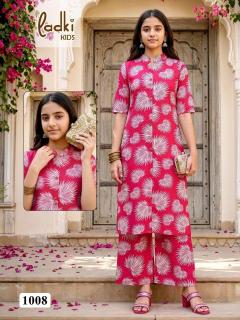
Combine Physical Surat Buying with Online Wholesale Sourcing
Physical visits to Surat remain valuable, particularly when a buyer wants to examine fabrics, compare finishing and understand a new supplier. However, travelling to the market for every stock requirement is not always practical. Once a retailer understands the products and suppliers they prefer, online wholesale sourcing can make repeat purchasing significantly easier.
This hybrid approach is one of the most practical Surat market buying tips for growing businesses in 2026. Visit the market when necessary, understand the products and then use digital sourcing for regular stock updates, new arrivals and repeat orders whenever possible.
Platforms such as Wholesaleexport.in help Home-Based Sellers, Boutique Owners, Shop Owners, Showroom Owners, Resellers and Wholesale Buyers explore multiple ethnic wear categories without physically travelling to Surat for every purchase.
Use Online Catalogues to Shortlist Before Purchasing
Instead of randomly selecting stock, review online catalogues and shortlist products according to your customers' budget, style and seasonal requirements. A structured shortlist makes purchasing faster and reduces impulsive buying.
For example, a boutique can separate requirements into categories such as daily wear kurtis, festive kurti sets, kids ethnic wear, sarees and salwar suits. The owner can then decide how much capital to allocate to each category before placing an order.
Compare Products, Not Just Rates
Online sourcing makes it easy to compare multiple products quickly, but buyers should not focus only on the lowest rate. Compare fabric, design, work, size availability, catalogue quantity and overall marketability.
Retail customers usually judge the complete product rather than the wholesale purchase price. Therefore, sourcing merchandise with a good balance of appearance, quality and resale potential is more useful than simply finding the cheapest catalogue.
Explore Related Wholesale Categories for Better Inventory Planning
Businesses that already sell ethnic fashion can improve their product mix by exploring related categories instead of depending entirely on one segment. Buyers looking for children's fashion can explore kids wear wholesale collections for festive and occasion-based requirements.
Similarly, stores serving customers across broader size requirements can explore plus size kurtis wholesale options and build a more inclusive inventory assortment. Expanding into related categories can increase the number of purchasing opportunities from existing customers without forcing a retailer to enter an entirely different market.
Build Categories Around Your Existing Customer
Suppose your boutique already has a strong customer base for women's ethnic wear. Instead of suddenly adding unrelated products, consider categories that naturally complement existing demand. A customer purchasing festive sarees may also be interested in kids ethnic wear for family occasions, while kurti buyers may respond positively to coordinated sets or plus-size collections.
This type of category expansion can increase average order value while keeping your store identity focused.
Avoid Overstocking Every New Trend
Not every trending catalogue will become a long-term bestseller. New styles should generally be tested in controlled quantities. Monitor enquiries, actual orders and repeat demand before increasing inventory.
This is particularly useful for social media sellers because likes and views do not always translate into purchases. Use actual sales data when deciding which products deserve larger restocking budgets.
Common Mistakes to Avoid When Buying from Surat
Surat provides tremendous variety, but successful sourcing depends on discipline. Some purchasing mistakes can reduce margins even when the original wholesale rate looks attractive.
Buying Only Because the Price Is Low
A low buying price can be useful, but only when the merchandise has genuine resale potential. Products that remain unsold consume working capital, storage space and marketing effort.
Before buying, ask a simple question: “Can my customer realistically purchase this product at my planned selling price?” If the answer is uncertain, buying more pieces simply because the rate is attractive may increase risk.
Ignoring Product Quality
Photographs are important in online retail, but customer satisfaction begins after the parcel arrives. Fabric feel, stitching, finishing and consistency influence reviews, repeat purchases and referrals.
Retailers aiming to build a long-term brand should therefore treat quality control as part of purchasing rather than as something to consider only after customer complaints appear.
Purchasing Too Much of One Design
Unless a design already has proven demand, concentrating too much capital in a single catalogue can be risky. Fashion preferences change quickly, particularly online.
A broader assortment often gives smaller retailers more opportunities to discover which colours, patterns and price points their audience prefers.
Ignoring Shipping Costs
A wholesale deal should be evaluated according to the final landed cost. Transportation can affect margins, particularly when ordering small quantities or bulky products.
Before finalising an order, understand how shipping affects your per-piece cost. For an export buyer, freight, destination procedures and applicable charges become even more important.
Not Keeping Purchase Records
Maintain records of supplier, catalogue, product cost, quantity, date purchased, shipping expense and selling performance. These records turn purchasing into a measurable business process.
After several months, you can identify which suppliers, categories and price bands consistently generate better results.
Surat Wholesale Buying Strategy for International Buyers
Surat's textile ecosystem also serves businesses outside India. Retailers in markets such as Nepal, Australia and Malaysia can source Indian ethnic wear according to local customer preferences.
International purchasing, however, requires additional planning. Product selection is only one part of the decision. Buyers should also consider order quantity, freight efficiency, documentation, destination costs and expected selling prices.
Choose Products According to the Destination Market
A design selling strongly in one region may not perform equally well in another. Overseas boutique owners should evaluate the preferences of their own customers instead of purchasing purely according to Indian domestic trends.
Festive sarees, designer kurtis, lehengas, salwar suits and kids ethnic wear can all have international demand, but the ideal assortment depends on the local Indian and South Asian community, climate, occasions and customer spending patterns.
Calculate Export Economics Before Bulk Purchasing
International buyers should calculate estimated landed cost before confirming substantial quantities. Freight can influence profitability considerably, especially on lower-priced merchandise.
Consolidating a planned assortment can sometimes make more business sense than sending several small shipments, depending on the destination and logistics arrangement.
Vastralife has wholesale and export experience since 2017, bringing practical textile industry knowledge to product sourcing and international wholesale requirements. This experience, together with a focus on premium product quality, can be useful for buyers seeking a more organised sourcing process.
How to Improve Profit Margins When Buying Wholesale Clothing
Wholesale profit is not created only during selling. A large part of it is determined when stock is purchased. Selecting the right product at the right cost and quantity gives a retailer more flexibility later.
Set Your Target Margin Before Buying
Do not purchase first and calculate your selling price afterward. Estimate the realistic retail value before placing the order.
For example, include wholesale product cost, transportation, packaging, advertising, payment-related costs and an allowance for discounts when estimating your margin. This produces a more realistic profitability picture.
Prioritise Inventory Turnover
A product does not need the highest percentage margin to be valuable. Fast-moving stock can generate repeated cash flow, allowing the same working capital to be reinvested multiple times.
Successful wholesale purchasing therefore balances margin with inventory turnover. Retailers should identify products that customers purchase repeatedly and keep sufficient working capital available for restocking them.
Use Different Price Levels
Instead of building an entire store around one price range, consider offering entry-level, mid-range and selected premium merchandise when that matches your audience.
An online reseller might use affordable products to attract new customers, mid-range products as the core collection and premium products for weddings or festivals. This creates more opportunities to convert buyers with different budgets.
2026 Buying Checklist for Surat Textile Market
Before placing your next wholesale order, use a structured buying checklist. It helps reduce emotional decisions and keeps your inventory aligned with actual business requirements.
- Define your total purchasing budget before entering the market.
- Identify the exact product categories you need.
- Set a target wholesale and retail price range.
- Understand your customers' preferred fabrics, colours and styles.
- Compare product quality rather than only the lowest price.
- Confirm MOQ and catalogue quantity.
- Check available sizes and size charts.
- Understand what is included with each product.
- Ask about repeat availability for fast-moving catalogues.
- Calculate shipping and approximate landed cost.
- Keep purchase and supplier records.
- Test new products before placing very large orders.
- Plan festival and wedding inventory early.
- Keep part of your working capital available for reorders.
- Choose suppliers who communicate clearly and consistently.
These Surat market buying tips are useful whether you purchase directly around ring road and sahara darwaza or source through an online wholesale platform.
Internal Linking
A well-planned sourcing journey should allow buyers to move between complementary product categories rather than repeatedly starting their search from zero. Retailers can build seasonal assortments by combining women's ethnic wear, children's collections, festive merchandise and everyday products according to customer demand.
Wholesaleexport.in provides access to multiple wholesale fashion categories so businesses can explore new arrivals and plan stock from one sourcing ecosystem. For retailers unable to visit the surat textile market regularly, online catalogue discovery can make purchasing and replenishment more convenient.
Customer FAQs
1. What should I check before buying wholesale clothes from Surat?
Start with your target customer, budget and expected retail price. Then check fabric, stitching, sizes, catalogue quantity, MOQ, supplier reliability, shipping charges and repeat availability before confirming an order.
2. Is Surat suitable for small resellers and home-based sellers?
Yes. Surat serves businesses of different sizes, although minimum quantities depend on the supplier and catalogue. Smaller sellers should focus on manageable quantities and test customer demand before increasing inventory.
3. Which products can I source from Surat?
Buyers can find sarees, kurtis, kurti sets, salwar suits, dress materials, lehengas, kids wear and many other ethnic fashion categories. Surat's large textile and garment manufacturing ecosystem gives retailers access to a wide assortment.
4. Can international buyers source products from Surat?
Yes. Overseas boutiques, resellers and wholesale buyers can source Indian ethnic fashion from Surat. International buyers should confirm product details, quantities, shipping arrangements and estimated landed costs before placing bulk orders.
5. How can I get better wholesale prices?
Wholesale pricing depends on the product, catalogue, quantity and supplier. Larger orders may sometimes qualify for better commercial terms, but buyers should never overstock solely to receive a lower per-piece rate.
6. Should I visit Surat or buy online?
Both approaches can work. A physical visit is useful for market exploration and product inspection, while online sourcing can be convenient for regular catalogue discovery and repeat purchasing. Many businesses can benefit from combining both methods.
7. Which Surat areas are associated with textile wholesale markets?
The ring road textile belt and areas around sahara darwaza are widely associated with Surat's textile trading ecosystem. Buyers visiting physically should prepare a supplier and category shortlist beforehand to use their time efficiently.
8. How much stock should a new reseller buy?
There is no single quantity suitable for every business. New resellers should begin according to available working capital, supplier MOQ and realistic customer demand. A diversified test assortment is often safer than investing heavily in one untested design.
Start Your Wholesale Buying with Wholesaleexport.in
If you are preparing your next stock purchase for 2026, explore Wholesaleexport.in for wholesale ethnic fashion sourcing from Surat. Whether you operate from home, manage a boutique, run a retail shop, own a showroom or purchase stock for wholesale distribution, you can build your assortment according to your market and budget.
Explore Latest Collections, competitive Wholesale Pricing, Trendy Ethnic Wear, Fast Shipping, COD Support, Bulk Order Deals and Quality Products Starting From ₹299.
Instead of buying random stock, build a collection around what your customers actually want. Compare products, control your buying budget, test new designs and reorder successful merchandise whenever available. Smart purchasing can help reduce dead inventory and improve the long-term profitability of your fashion business.
Contact Number: +91 9712582172
Website: wholesaleexport.in
From first-time Home-Based Sellers to experienced Wholesale Buyers, the most effective Surat market buying tips remain simple: know your customer, understand your costs, check quality, purchase the right quantity and build relationships with dependable suppliers. With a disciplined sourcing strategy and access to regularly updated collections, Surat can remain a powerful sourcing destination for growing ethnic wear businesses in India and international markets.