



Slub Cotton Kurti Wholesale in Surat – Latest Designs & Wholesale Price 2026
Slub Cotton Kurti Wholesale in Surat – Latest Designs & Wholesale Price 2026
Comfort-focused ethnic fashion continues to create strong opportunities for retailers, boutiques and online sellers. Among fabrics suitable for everyday Indian wear, slub cotton has developed a distinctive place because its subtle textured surface gives a simple kurti more character without making it difficult to wear. For sellers building practical yet fashionable inventories, sourcing the right designs, sizes, colours and quantities can help create a collection that serves regular customers as well as new buyers.
Introduction
The Indian ethnic wear business is increasingly influenced by customers who want clothing that looks stylish but remains comfortable for long hours. This shift has made Slub Cotton Kurti Wholesale an interesting sourcing category for Home-Based Sellers, Shop Owners, Boutique Owners, Showroom Owners, Resellers and Wholesale Buyers.
Slub cotton is known for its naturally textured appearance. Unlike completely smooth fabrics, its slight variations in yarn thickness create an attractive surface that can give even a minimal kurti a more premium visual feel. Manufacturers can combine the fabric with prints, embroidery, buttons, lace, pockets, contrast panels and different silhouettes to develop collections for multiple customer segments.
For buyers sourcing in 2026, however, choosing kurtis only by appearance is not enough. Fabric quality, stitching, size availability, repeatability, wholesale price, colour selection, supplier reliability and dispatch support all influence the profitability of the final purchase.
Surat remains an important sourcing destination for ethnic fashion because buyers can explore a broad network connected with fabric production, garment manufacturing, processing, wholesale distribution and trading. Wholesaleexport.in helps buyers access such collections without requiring every reseller to personally spend days searching different markets.
Why Slub Cotton Kurtis Are Useful for a Retail Collection
A good retail inventory usually needs products that customers can actually use frequently. Heavy festive products can offer attractive margins, but they do not necessarily generate the same regular movement as practical ethnic wear. Slub cotton kurtis can fit this gap by combining everyday usability with a noticeable textile texture.
Comfort Suitable for Everyday Customers
Many women select kurtis for office hours, college, casual outings, travelling, home gatherings and routine wear. Breathable cotton-based garments can therefore remain relevant across a large portion of the year. Retailers who understand their local climate can choose sleeve lengths, kurti lengths and patterns accordingly.
Instead of purchasing only one fashion-forward style, wholesalers can build an assortment covering straight kurtis, A-line kurtis, short kurtis, printed kurtis, embroidered kurtis, office-wear designs and relaxed silhouettes. This makes a slub cotton kurti collection easier to sell to customers with different preferences.
Natural Texture Adds Visual Value
The surface character of slub fabric is one of its key attractions. A plain colour can appear more interesting when the fabric itself carries visible texture. This allows designers to create understated products without depending entirely on heavy embellishment.
For boutique buyers, that quality can be useful when creating a sophisticated casual section. For price-conscious resellers, it can help present a simple garment attractively without pushing the product into a heavily embellished price category.
Works with Multiple Design Treatments
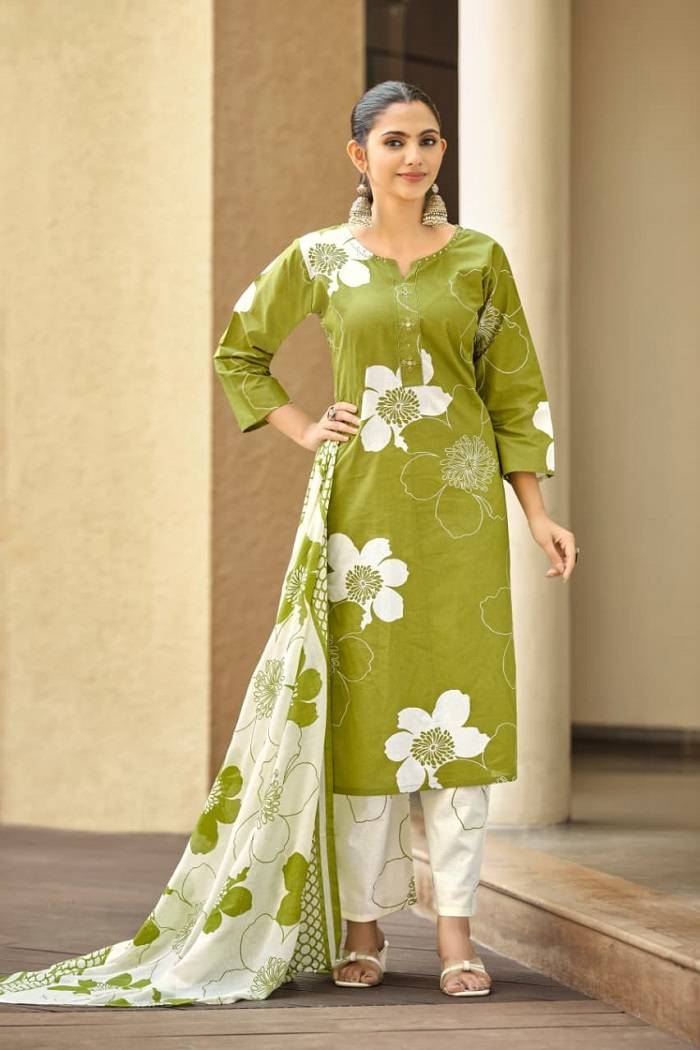
Slub cotton can be adapted to different ethnic wear aesthetics. Depending on the collection, buyers may find floral prints, geometric patterns, ethnic motifs, embroidery, contrast piping, wooden-style buttons, yoke detailing, patch pockets and subtle neck work.
This variety matters in wholesale buying because the same fabric family can serve different retail audiences. A reseller may select simple styles for everyday customers while keeping embroidered or coordinated pieces for shoppers looking for something slightly dressier.
Slub Cotton Kurti Wholesale Market in Surat
Surat's textile ecosystem offers buyers access to a large assortment of women's ethnic wear. The wider surat textile market network includes manufacturers, wholesalers, distributors and suppliers handling products ranging from sarees and dress materials to kurtis, kurti sets, co-ord sets and festive garments.
Areas around ring road are particularly familiar to textile buyers. The trading ecosystem around sahara darwaza also makes Surat a recognised destination for businesses that want to compare different suppliers and product categories within a concentrated commercial zone.
For a buyer searching for kurti wholesale in Surat, the real advantage is not simply the number of products available. The ability to compare different fabrics, designs and price levels can make inventory planning more flexible.
Manufacturers and Wholesale Suppliers
Different businesses operate at different stages of the supply chain. Some focus primarily on manufacturing, while others aggregate catalogues from multiple brands and production units. A retailer should understand this distinction before assuming that every supplier offers identical conditions.
Direct production may be useful for larger repeat quantities, while multi-brand wholesale sourcing can be useful for retailers who want greater design variety. The best approach depends on order volume, desired assortment and how frequently stock needs to be refreshed.
Wholesale Price Depends on More Than Fabric
The slub cotton kurti wholesale price can vary according to fabric quality, garment length, stitching, printing method, embroidery, accessories, brand, size range and order quantity. Two garments described as slub cotton may therefore belong to different commercial segments.
Wholesale Buyers should compare actual product specifications rather than selecting stock only because one catalogue shows a lower rate. A slightly better finished garment may provide stronger customer satisfaction, fewer complaints and better repeat sales.
Popular Slub Cotton Kurti Styles for Wholesale Buyers
There is no single style that works for every store. A successful wholesale purchase normally combines dependable everyday products with enough fresh fashion to keep the collection visually interesting.
Straight Slub Cotton Kurtis
Straight-cut kurtis are useful for retailers because customers can style them with leggings, straight pants, palazzos and other bottoms. Their uncomplicated silhouette also makes them suitable for office wear and regular daily use.
Neutral shades, earthy colours, navy, maroon, black, mustard and softer pastel tones can be mixed depending on regional demand. Sellers should consider purchasing colour diversity instead of placing too much stock in a single shade.
Printed Slub Cotton Kurtis
Printed varieties allow wholesalers to introduce more visual variety without necessarily entering heavy festive pricing. Floral prints, traditional motifs, geometric designs and contemporary patterns can all work within this segment.
For Home-Based Sellers who promote stock through WhatsApp or Instagram, distinctive prints are particularly useful because customers can quickly notice the difference between designs in catalogue images.
Embroidered Slub Cotton Kurtis
Light embroidery around the neckline, yoke, sleeves or front panel can elevate an otherwise simple cotton kurti. These products can appeal to buyers who want something more refined than a basic printed garment while retaining everyday comfort.
Boutique Owners can combine minimal embroidered styles with plain and printed options to create different selling price points inside the same category.
Plus Size Slub Cotton Kurtis
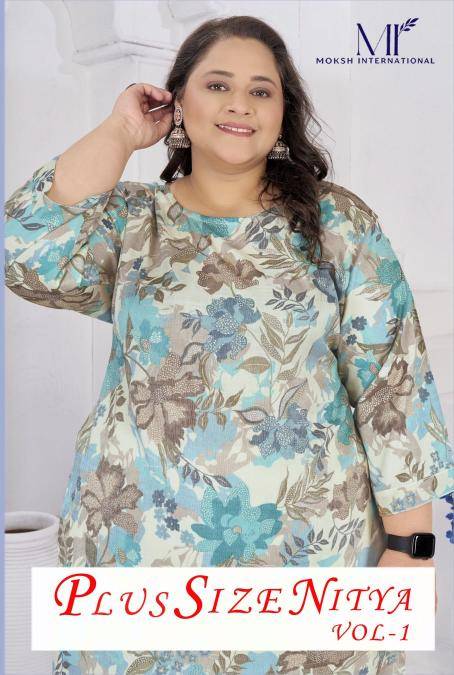
Inclusive sizing is becoming increasingly important for ethnic wear businesses. A catalogue that stops at limited sizes may leave a significant customer group underserved. Buyers should therefore check whether suitable styles are available across regular and extended size ranges.
When sourcing plus size kurtis wholesale, buyers should look beyond merely increasing garment measurements. Fit, shoulder proportion, sleeve comfort, length and overall silhouette should remain appropriate across sizes.
How to Choose Slub Cotton Kurtis for Your Business
Buying wholesale stock is ultimately a business decision. Attractive catalogue photographs can generate initial interest, but profitability depends on whether the product matches the customers who actually purchase from your store.
Start with Your Customer Profile
A boutique selling premium contemporary ethnic wear may require a different assortment from a neighbourhood shop focused on affordable daily wear. Similarly, an Instagram reseller targeting younger customers may prefer modern silhouettes, while a traditional retailer may need more conservative patterns.
Before ordering, define the likely customer age group, preferred price range, typical sizes, colours and occasions. This makes the buying process more disciplined and reduces random inventory accumulation.
Check Fabric and Finishing Quality
Fabric feel is only one part of garment quality. Buyers should also consider stitching consistency, neckline finishing, side seams, sleeve construction, buttons, embroidery quality and overall presentation. Premium product quality creates a stronger foundation for repeat business.
For online sellers, this becomes particularly important because the product customers receive should correspond closely with its catalogue presentation. Consistent quality helps a reseller protect credibility.
Build a Balanced Size Mix
Ordering equal quantities of every size may not always match actual demand. Existing businesses should review their previous sales and identify which sizes move fastest. New sellers can begin with a sensible mixed-size assortment and adjust subsequent orders using real customer data.
Keeping some extended-size options can also broaden the customer base and create additional selling opportunities.
Compare Landed Cost, Not Only Catalogue Rate
A low quoted price does not automatically mean the final purchase will be the most profitable. Buyers should understand the complete cost of acquiring inventory, including applicable taxes, transportation and other relevant order expenses.
This becomes even more important for export orders because freight, destination requirements and shipment planning can influence final landed cost. Professional buying decisions should therefore be based on complete commercial calculations.
Wholesale Buying Strategy for Resellers in 2026
The fashion business moves quickly. Customers see new designs every day through social media, marketplaces and online catalogues, so sellers cannot depend indefinitely on the same inventory. A more flexible purchasing model can reduce stock risk while keeping the collection active.
Test Designs Before Increasing Quantity
Smaller businesses do not necessarily need to purchase very deep quantities of every new design. An initial mixed order can reveal which colours, sizes and patterns receive stronger customer responses. Successful designs can then guide future buying.
This approach can be particularly useful for new Resellers and Home-Based Sellers because it preserves working capital for subsequent arrivals.
Keep Daily Wear and Fashion Pieces Together
A balanced kurti inventory can include dependable daily-wear designs as well as more distinctive pieces. Basic products help maintain regular demand, while fresh patterns give existing customers a reason to revisit the catalogue.
This combination is particularly useful for sellers who update WhatsApp groups, social pages or physical displays frequently.
Plan Reorders Around Actual Sales
Inventory decisions improve when sellers track what customers actually buy rather than relying entirely on assumptions. Record fast-moving sizes, colours, price points and patterns. Over time, this information creates a clearer buying profile for the business.
Wholesaleexport.in is designed to support retailers looking for access to varied ethnic wear catalogues and sourcing options from Surat. Buyers can use fresh product availability to plan their purchases around changing market demand.
Slub Cotton Kurti Opportunities in India, Nepal and Australia
Ethnic wear demand is not limited to one type of market. For this article, the three selected target countries are India, Nepal and Australia. Each market can require a different product mix, and sellers should adapt inventory rather than assuming that one catalogue will perform identically everywhere.
India
India provides broad demand for cotton kurtis because they can be worn for office, college, casual outings, travel and everyday activities. Regional climate and fashion preferences differ considerably, making assortment planning important.
Retailers can experiment with straight kurtis, printed styles, embroidered cotton pieces and larger size ranges while monitoring local customer response.
Nepal
Nepal offers opportunities for Indian ethnic wear suppliers and retailers serving customers interested in practical as well as occasion-oriented fashion. Buyers can select cotton kurtis alongside kurti sets, sarees and other ethnic categories to create a more complete merchandise mix.
For cross-border orders, buyers should confirm current shipping, documentation, duties and import requirements before finalising commercial quantities.
Australia
Australian boutiques and online sellers serving South Asian communities may use comfortable Indian kurtis as part of their everyday ethnic wear offering. Cotton-oriented products can be useful for warmer conditions and casual cultural gatherings.
Export buyers should focus on accurate size information, product specifications, packing and dependable communication because these factors become particularly important when stock is being purchased from another country.
Vastralife brings wholesale and export experience since 2017, supported by practical textile industry expertise and a focus on premium product quality. This experience helps connect the needs of retailers and resellers with the fast-moving wholesale ecosystem of Surat.
Internal Linking Section: Explore Related Wholesale Categories
Retailers who build a wider ethnic wear inventory do not have to depend on one fabric or one kurti category. Customers often purchase according to season, occasion, size availability and budget, so complementary categories can improve the overall selling opportunity. Buyers interested in expanding their cotton range can explore plus size kurtis wholesale for customers who need broader sizing options and comfortable silhouettes.
Stores that already sell kurtis can also diversify their ethnic assortment with wholesale sarees in India. Combining kurtis and sarees allows retailers to serve everyday buyers as well as customers shopping for festive, traditional and family occasions without depending on a single product segment.
Slub Cotton Kurti Wholesale Price and Profit Planning
Price is naturally one of the first considerations when sourcing wholesale clothing, but a profitable purchase requires more than finding the lowest quotation. Buyers should evaluate the relationship between cost, fabric quality, design appeal, size range and expected retail value. A well-selected Slub Cotton Kurti Wholesale collection should leave sufficient selling margin while still offering customers an attractive final price.
Create Multiple Retail Price Segments
Instead of stocking products within only one selling range, retailers can create an entry-level, mid-range and slightly premium kurti selection. Basic printed designs may attract value-focused customers, while embroidered or detailed slub cotton kurtis can serve customers willing to spend more for styling and finishing.
This strategy can be especially helpful for Boutique Owners and Showroom Owners because customers entering the store have different budgets. Showing them two or three relevant alternatives can improve conversion without immediately pushing every buyer toward the cheapest garment.
Calculate the Complete Product Cost
Wholesale Buyers should calculate the landed cost before deciding their selling price. Product rate, applicable GST, freight, packaging and other order-related expenses can influence the actual inventory cost. International buyers should additionally account for applicable shipping and destination charges.
Once the landed cost is clear, sellers can establish a margin that supports operating expenses, marketing and occasional customer discounts. This is a more sustainable approach than setting retail prices only by copying competitors.
Use Bulk Buying Strategically
Bulk orders can provide commercial advantages when the selected designs have proven demand. However, buying large quantities only to achieve a lower per-piece rate can become expensive if the merchandise moves slowly.
Experienced sellers generally benefit from increasing quantities in products supported by actual sales data. A bestseller with reliable size demand may justify deeper inventory, while a completely new pattern may be better tested in controlled quantities.
Best Customers for Slub Cotton Kurtis
The versatility of cotton-based ethnic fashion gives retailers access to several customer groups. Understanding these groups helps businesses select more appropriate colours, cuts and price ranges instead of buying random catalogues.
Office and Working Women
Office customers commonly prefer clothing that remains comfortable for long hours while still looking presentable. Straight cuts, three-quarter sleeves, subtle embroidery, modest necklines and medium-length kurtis can work effectively for this audience.
Earthy colours, blue, black, maroon, green and understated prints can create a practical workwear assortment. Retailers should nevertheless adapt their selection to local preferences rather than following a fixed colour formula.
College and Younger Customers
Younger customers may respond better to contemporary prints, shorter lengths, relaxed silhouettes and styling that works with jeans, trousers or palazzos. Small retailers can use such designs to create affordable fashion combinations rather than presenting every kurti only as traditional wear.
Fresh photography and regular social media updates can be particularly valuable when selling to this segment because customers frequently discover fashion through visual platforms.
Everyday and Casual Wear Buyers
Daily-wear customers generally value comfort, easy styling, wearable colours and sensible pricing. These buyers can become valuable repeat customers because everyday clothing needs replacement and variety more frequently than occasional festive garments.
A reliable cotton kurti wholesale assortment can therefore create recurring business for neighbourhood stores, online sellers and Home-Based Sellers.
Customers Looking for Extended Sizes
Size-inclusive inventory can create an important competitive advantage. Customers who struggle to find fashionable options in their preferred size often value sellers who maintain consistent availability instead of treating extended sizes as an occasional category.
Retailers should check garment measurements carefully and communicate them accurately, particularly when selling online. Clear size charts can reduce confusion and improve the buying experience.
How Home-Based Sellers Can Sell Slub Cotton Kurtis
Starting an ethnic wear business does not necessarily require a large showroom. Home-Based Sellers can begin with a carefully selected inventory and use digital communication to reach customers. The important factor is to operate with a structured approach rather than simply forwarding hundreds of catalogue images.
Create Focused WhatsApp Catalogues
Customers are more likely to browse a manageable selection than an unorganised stream of product photographs. Sellers can create separate collections for cotton kurtis, office wear, plus sizes, new arrivals and different price ranges.
Include essential details such as fabric, available sizes, colour options and selling price. Clear information reduces repetitive questions and makes ordering easier.
Use Instagram for Product Discovery
Short videos, styling reels, product close-ups and new-arrival posts can help customers understand how a kurti looks beyond a static catalogue photograph. Content should show useful product details rather than relying only on promotional text.
Location-focused content can also help local sellers attract nearby buyers who may prefer quick delivery or personal service.
Build Repeat Business
A customer who has already purchased a comfortable kurti and liked its quality is more valuable than constantly searching for completely new buyers. Sellers can share relevant new arrivals with previous customers instead of sending every catalogue indiscriminately.
Repeat business becomes stronger when product quality, communication and dispatch expectations remain consistent.
Buying Slub Cotton Kurtis for Boutiques and Retail Shops
Physical retailers have a different advantage: customers can see fabric, colours and garment construction directly. A carefully arranged display can therefore increase the perceived value of the collection.
Mix Solids, Prints and Embroidery
A rack filled with nearly identical designs can appear repetitive even when individual products are good. A stronger presentation may combine plain textured kurtis, printed patterns, subtle embroidery and a few distinctive statement designs.
The objective is to provide enough variation that customers can compare styles while maintaining a coherent collection.
Refresh the Display Regularly
Newness matters in fashion retail. Even existing merchandise can receive more attention when the store display is refreshed. Combine this with genuinely new arrivals to encourage regular customers to explore the collection again.
For 2026, retailers should increasingly connect physical inventory with digital promotion. A new arrival displayed in-store can simultaneously be promoted through WhatsApp, Instagram and customer groups.
Track Product-Wise Performance
Shop Owners should record which fabric, colour, size and price segment sells fastest. This information makes the next wholesale purchase more accurate. It also helps identify products that should be reordered quickly before demand moves to another style.
Such data-driven purchasing is particularly useful when sourcing from the large surat textile market, where the sheer variety of available products can otherwise encourage unnecessary buying.
Surat Manufacturing and Wholesale Sourcing Advantage
Surat's importance in textiles comes from the depth of its commercial ecosystem. Buyers sourcing around ring road, sahara darwaza and connected textile trading areas can access multiple garment categories and suppliers.
The city's textile network supports fabric sourcing, processing, garment manufacturing, wholesale distribution and nationwide supply. This makes it possible for retailers to source not only slub cotton kurtis but also kurti sets, sarees, dress materials, co-ord sets and other ethnic fashion categories.
Why Variety Matters to Wholesale Buyers
A supplier relationship becomes more useful when buyers can continue refreshing their inventory. A store may need cotton kurtis today, festive collections next month and sarees during another selling season. Access to multiple product categories can simplify sourcing.
Wholesaleexport.in provides an online route for buyers looking to explore products connected with Surat's wholesale ecosystem without depending exclusively on repeated physical market visits.
Premium Product Quality Matters for Long-Term Business
Retail businesses are ultimately built on customer confidence. A low-priced product that creates frequent quality complaints can cost more in lost customers than the initial saving generated during purchasing.
Vastralife's wholesale and export experience since 2017 brings practical industry understanding to sourcing and customer requirements. The focus on premium product quality, varied collections and wholesale support is particularly relevant for retailers building long-term ethnic wear businesses.
Export Opportunities for Cotton Kurtis
Indian ethnic fashion has customers beyond the domestic market. Retailers, boutiques and resellers serving Indian and South Asian communities abroad can include lightweight kurtis in their regular merchandise assortment.
For the selected markets of India, Nepal and Australia, the product mix should be planned according to climate, customer lifestyle, local fashion preferences and commercial requirements.
Plan Export Orders Carefully
International Wholesale Buyers should confirm available sizes, quantity, fabric details, packing and dispatch conditions before completing an order. Freight and destination requirements can influence landed price, so these details should be considered before deciding retail margins.
Import rules, duties and documentation can change, so overseas buyers should verify current requirements applicable to their destination before shipment.
Use Mixed Collections for Overseas Boutiques
A boutique serving South Asian customers abroad may benefit from combining everyday kurtis with a limited assortment of sarees, festive sets and occasion wear. This provides multiple purchase reasons throughout the year and reduces dependence on one product category.
Common Mistakes to Avoid When Buying Kurtis Wholesale
Buying Only Because the Price Is Low
The cheapest product is not necessarily the easiest to sell. Fabric, finishing, design and customer expectations should all influence the purchase. A product offering stronger value can often generate healthier repeat sales than one chosen purely on rate.
Ordering Too Much of an Untested Design
New designs can look attractive in photographs but perform differently with actual customers. Unless a buyer already understands the demand, testing a design before increasing quantity can reduce inventory risk.
Ignoring Size Demand
Stock can appear plentiful while still losing sales if the sizes customers need are unavailable. Sellers should monitor size-wise movement and adjust subsequent purchases accordingly.
Keeping the Same Collection for Too Long
Fashion customers respond to fresh options. Regular New Arrivals help retailers create new conversations with existing customers and provide fresh content for online promotion.
Not Calculating Final Selling Margin
Revenue and profit are different. Sellers should calculate complete acquisition cost, expected retail price, operating expenses and realistic discounting before judging whether a wholesale purchase is commercially attractive.
Customer FAQs
1. What is a slub cotton kurti?
A slub cotton kurti is made using cotton-based fabric with characteristic variations in yarn thickness that create a subtle textured appearance. The texture can make simple designs visually distinctive while retaining the comfort associated with cotton-oriented clothing.
2. Where can I buy Slub Cotton Kurti Wholesale from Surat?
Buyers can source through manufacturers, wholesalers and textile suppliers associated with Surat. Wholesaleexport.in provides access to wholesale ethnic wear collections for retailers, boutiques, resellers and other business buyers.
3. Are slub cotton kurtis suitable for everyday wear?
Yes. Depending on fabric construction and design, they can be suitable for office wear, casual use, college, travel and routine outings. Buyers should always check the specific fabric and garment details of the collection being ordered.
4. What sizes should a new reseller purchase?
A new reseller can begin with a mixed assortment based on the supplier's available size range. After collecting actual sales data, future orders can be adjusted toward the sizes that move fastest with that seller's customers.
5. Can I buy plus-size cotton kurtis wholesale?
Yes, many wholesale catalogues include extended sizes. Availability varies by design and supplier, so buyers should confirm the current size chart before placing an order.
6. What determines slub cotton kurti wholesale price?
Fabric quality, design, embroidery, printing, stitching, garment length, size range, brand and quantity can all influence wholesale price. Buyers should compare product specifications rather than judging two collections only by their quoted rates.
7. Can Home-Based Sellers source these kurtis?
Yes. Home-Based Sellers can build a small curated collection and sell through WhatsApp, Instagram and existing customer networks. Controlled inventory and frequent stock rotation can be particularly useful when starting.
8. Can Shop Owners order other ethnic wear with kurtis?
Yes. Depending on current catalogue availability, buyers can create a broader assortment with sarees, kurti sets, dress materials and other women's ethnic wear categories.
9. Is international export available for wholesale clothing?
Wholesale and export enquiries can be discussed according to destination, quantity and current logistics options. International buyers should also confirm applicable import regulations, duties and documentation in their country.
10. How often should retailers add new kurti designs?
There is no fixed frequency for every business. Sellers should refresh stock according to sales velocity, season and customer demand. Businesses with active online audiences may benefit from showcasing fresh arrivals more frequently.
Order Latest Wholesale Ethnic Wear Collections
If you are a Home-Based Seller, Shop Owner, Boutique Owner, Showroom Owner, Reseller or Wholesale Buyer looking for fresh merchandise, Wholesaleexport.in can help you explore wholesale ethnic fashion from Surat with convenient sourcing support.
Discover Latest Collections selected for changing retail demand, competitive Wholesale Pricing for business buyers and Trendy Ethnic Wear suitable for different customer segments.
Buyers can explore Quality Products Starting From ₹299, subject to the individual collection and current availability. The range is designed to help sellers create affordable as well as fashion-focused inventories.
Wholesale buyers can also benefit from Fast Shipping, available COD Support for eligible orders and locations, and Bulk Order Deals depending on collection and quantity. Product availability, MOQ, pricing, COD eligibility and shipping terms should be confirmed when ordering.
With Vastralife's wholesale and export experience since 2017, industry expertise and focus on premium product quality, buyers can explore a growing selection created for today's competitive ethnic wear business.
Contact Number: +91 9712582172
Website: wholesaleexport.in
Whether you are building your first kurti inventory or expanding an established retail business, a carefully selected Slub Cotton Kurti Wholesale range can provide a practical combination of comfort, styling and repeat-selling potential. Focus on the right fabric, useful sizes, attractive designs, sensible quantities and sustainable margins, and let actual customer demand guide every reorder.