


Silk Kurti Wholesale Collection 2026 – Latest Designer Kurtis at Wholesale Prices
Silk Kurti Wholesale Collection 2026 – Latest Designer Kurtis at Wholesale Prices
Silk kurtis continue to hold a strong position in Indian ethnic fashion because they combine a rich appearance with versatile styling. From elegant everyday designs to heavily detailed festive pieces, silk-based kurtis give retailers an opportunity to serve customers across different occasions and budgets. For boutique owners, shopkeepers, resellers and wholesale buyers, choosing the right assortment can create a valuable category that remains relevant beyond a single fashion season.
Introduction
The ethnic wear market in 2026 is increasingly influenced by customers who want traditional character without sacrificing contemporary styling. This is where a carefully selected Silk Kurti Wholesale Collection becomes commercially interesting. Silk textures naturally create a premium impression, while modern cuts, embroidery, prints, coordinated bottoms and dupattas make the category suitable for a wide range of buyers.
Retail customers today are not searching only for traditional silk garments. They are looking for outfits that can work for festivals, weddings, office celebrations, family gatherings, religious occasions and social events. As a result, wholesale buyers can benefit from maintaining variety rather than depending on one type of silk kurti.
Wholesaleexport.in connects business buyers with changing ethnic wear collections sourced through the textile ecosystem of Surat. Buyers can evaluate styles according to their market, customer profile, expected retail price and seasonal demand before selecting stock.
Why Silk Kurtis Remain Important for Ethnic Wear Retailers
Fashion trends change quickly, but silk-inspired ethnic wear has maintained long-term appeal because the fabric is naturally associated with celebrations and refined dressing. A well-designed silk kurti can look premium even when its silhouette remains simple. This gives retailers flexibility to serve both value-conscious shoppers and customers looking for higher-end pieces.
Premium Appearance with Wide Customer Appeal
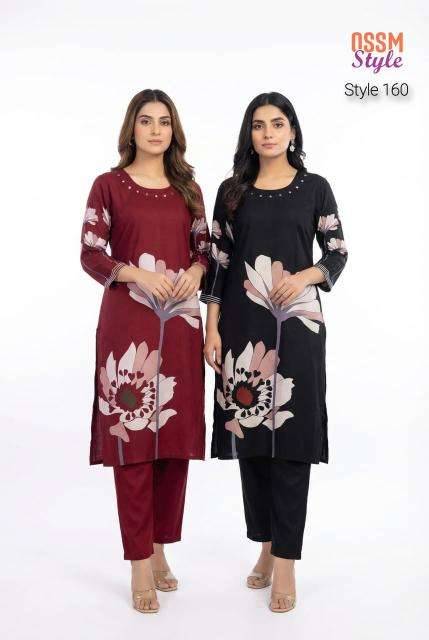
One of the strongest advantages of designer silk kurtis is visual value. Rich colours, smooth textures, zari-inspired detailing, embroidery, jacquard patterns and decorative necklines can immediately give a garment a more elevated appearance.
For boutiques, this visual quality can help create attractive displays. For home-based sellers and online resellers, catalogue photographs of silk kurtis can also generate strong interest because customers can quickly understand the festive or occasion-wear positioning of the garment.
Suitable for Multiple Occasions
A silk kurti does not need to be restricted to weddings. Depending on its design, customers can wear one for Diwali, Navratri gatherings, Raksha Bandhan, family functions, puja ceremonies, engagement events, festive office celebrations and dinner occasions.
This wider usage can extend the selling life of the inventory. Instead of stocking merchandise for only a short festival window, retailers can select festive wear kurtis wholesale that continue to have relevance for different events throughout the year.
Trending Silk Kurti Styles for 2026
The 2026 market is not defined by a single silhouette. Customers are increasingly mixing classic ethnic styles with contemporary fashion preferences. Retailers therefore have an opportunity to create a diverse Silk Kurti Wholesale Collection rather than buying repetitive designs.
Embroidered Silk Kurtis
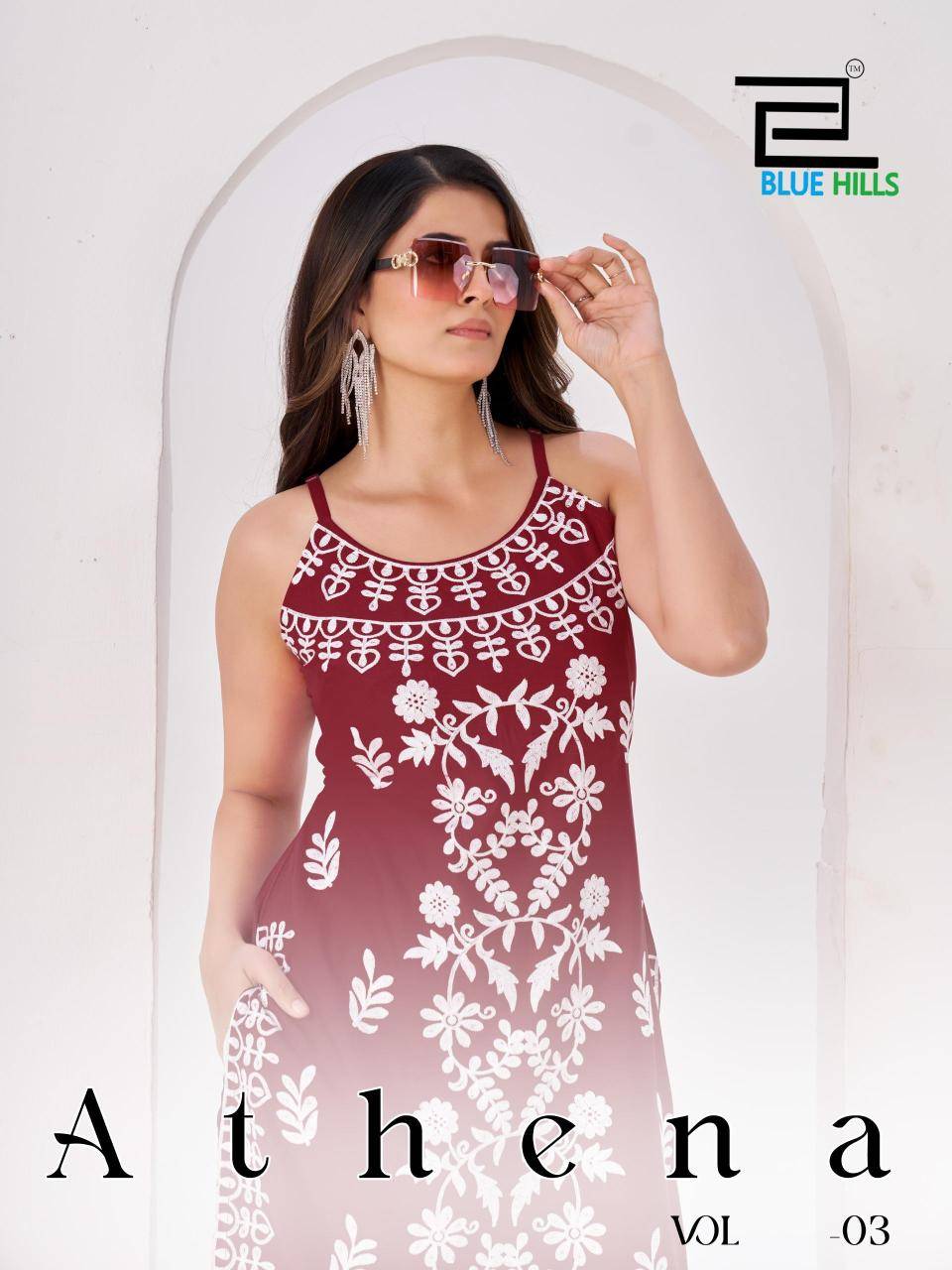
Embroidery remains one of the most commercially attractive additions to silk kurtis. Neckline embroidery, floral motifs, thread work, zari-style detailing and carefully placed borders can enhance a garment without making it excessively heavy.
For boutique customers, refined embroidery can be more practical than extremely elaborate work because it allows the outfit to be worn on several occasions. Retailers can stock both lightly embroidered pieces and richer designs to cover different price segments.
Silk Kurti Sets with Dupatta
Complete ethnic outfits are particularly useful for customers who prefer ready styling. A coordinated kurti, bottom and dupatta can reduce the need to purchase separate pieces and can command stronger perceived value in a retail environment.
Kurti pant dupatta sets wholesale can therefore be a useful category for showrooms and boutiques. The dupatta itself can become an important selling feature when it includes contrast colours, woven patterns, printed borders or decorative detailing.
Straight-Cut Silk Kurtis
Straight silhouettes remain commercially relevant because they are familiar, versatile and easy to style. Customers can pair them with pants, palazzos, leggings or coordinated bottoms depending on the design.
For retailers who want a balanced inventory, straight-cut designs can provide a dependable foundation while more experimental silhouettes add fashion variety.
A-Line and Flared Silk Kurtis
A-line and flared silhouettes can appeal to shoppers looking for a slightly dressier appearance. When combined with silk textures, attractive prints or embroidery, these designs can move comfortably between festive and semi-formal fashion.
Understanding Silk Fabrics Before Buying Wholesale
Not every garment described commercially as a silk kurti uses exactly the same fabric construction. Buyers should understand this before comparing products purely on price. Different collections may use pure silk, silk blends, art silk, viscose silk, chanderi-inspired fabrics, jacquard textures or other commercially developed materials that create a silk-like appearance.
The right option depends on the target customer. Premium boutiques may prefer richer fabric qualities and detailed finishing, while high-volume retailers may require attractive silk-look products at more accessible price points.
Fabric Feel and Fall
Wholesale buyers should consider how the fabric falls when worn. Some fabrics provide a structured silhouette, while others have softer movement. This influences both the appearance and the type of design that works best.
Product photographs are useful for initial selection, but experienced buyers also consider fabric composition, lining where applicable, stitching quality and overall finishing when evaluating larger orders.
Colour and Surface Finish
Silk fabrics can respond beautifully to rich shades. Wine, maroon, bottle green, navy, royal blue, mustard and deep teal can work particularly well for festive collections. Pastel pink, lavender, ivory, peach, beige and powder blue can provide a softer premium look.
A wholesale assortment that combines deeper festive colours with lighter contemporary shades can help retailers reach different customer groups.
Silk Kurti Wholesale Price and Buying Strategy
There is no single wholesale price for all silk kurtis because the cost depends on fabric, work, construction, brand, set composition, size range and quantity. A simple silk-look kurti and a premium embroidered three-piece set naturally belong to different commercial segments.
Instead of buying only according to the lowest available price, retailers should calculate potential retail value. Fabric appearance, finishing, design uniqueness and customer demand often determine whether a product can produce a healthy margin.
Build Multiple Price Segments
A shop serving varied customers can maintain entry-level, mid-range and premium merchandise. Entry-level pieces help generate volume, while better-finished designer collections can increase average order value.
This strategy is particularly useful for home-based sellers and resellers because customers frequently ask for options within a specific budget. Having multiple price ranges allows the seller to respond without losing the enquiry.
Test Designs Before Increasing Quantity
New businesses can begin with selected designs and monitor customer response. Track which colours receive enquiries, which sizes sell fastest and which price ranges convert most effectively. This information can make repeat purchasing more accurate.
Established showroom owners and wholesale buyers can take deeper inventory positions when they already understand their customer demand and seasonal sales history.
Surat as a Major Sourcing Hub for Silk Kurtis
Surat has developed a strong position in India's textile trade because manufacturing, processing, trading and distribution operate within a large interconnected ecosystem. Buyers visiting the surat textile market can explore a wide range of women's ethnic wear, including kurtis, dress materials, sarees, suits and coordinated sets.
Ring Road is particularly familiar to textile traders because numerous markets and wholesale businesses operate across this commercial belt. Sahara Darwaza and surrounding textile areas also connect buyers with a broad network of suppliers and distributors.
For a retailer searching for a kurti wholesaler in Surat, this concentration can make comparison easier. Buyers can examine different fabrics, design concepts and commercial ranges while planning inventory according to their local market.
Manufacturing and Fast-Moving Fashion
Surat's broader manufacturing and textile supply ecosystem can respond quickly to changing fashion demand. New prints, silhouettes, colour combinations and coordinated styles regularly enter the wholesale market, giving retailers opportunities to refresh inventory.
This matters because today's customers frequently discover fashion through Instagram, short videos, online marketplaces and influencer content. Retailers who update their merchandise consistently can respond more effectively to those changing preferences.
Who Can Benefit from Silk Kurti Wholesale?
The category is suitable for businesses of different sizes. Home-based sellers can select visually attractive pieces and promote them through WhatsApp, Instagram and their personal customer network. Resellers can build digital catalogues without needing a large physical showroom.
Boutique owners can concentrate on differentiated designs and premium finishing, while shop owners can maintain a broader assortment covering daily ethnic wear and festive merchandise. Showroom owners can create dedicated occasion-wear sections using silk kurti sets wholesale, designer kurtis and coordinated collections.
Wholesale buyers supplying other retailers can approach the category differently by selecting wider colour and design combinations and focusing on merchandise that can serve multiple downstream markets.
Vastralife Experience Behind Wholesale Sourcing
Experience in textile sourcing becomes particularly valuable when trends change quickly. Vastralife has been involved in wholesale and export activities since 2017, building industry knowledge across ethnic wear categories and working with business buyers who require variety, quality and commercially relevant products.
That experience supports the broader sourcing approach available through Wholesaleexport.in, where the objective is not simply to display products but to help retailers discover collections suitable for actual resale.
Premium product quality remains especially important for silk-based fashion because customers notice fabric appearance, stitching, embroidery placement and finishing. A garment that looks strong in a catalogue must also create the right impression when it reaches the end customer.
Silk Kurti Export Opportunities for International Retailers
Indian ethnic wear has customers well beyond India. For 2026, boutiques and ethnic fashion businesses serving Indian and South Asian communities abroad can consider silk kurtis as part of festival, wedding and occasion-based merchandising.
USA Market
Retailers in the USA can position silk kurtis around Diwali, Navratri, weddings, community events and family functions. Contemporary silhouettes can also attract younger shoppers who want Indian fashion that is easier to style than heavier traditional outfits.
Australia Market
Indian fashion boutiques in Australia can build mixed collections combining silk kurtis, kurti sets and other festive products. Planning inventory ahead of major Indian festivals can provide enough time for international dispatch and local marketing.
Nepal Market
Nepal also offers opportunities for Indian ethnic fashion, particularly around festive and wedding demand. Wholesale buyers can evaluate silk styles according to local preferences, climate, price positioning and customer profile rather than assuming that identical merchandise will perform equally in every market.
For any export order, buyers should plan quantities and delivery timelines in advance. International freight, destination requirements and seasonal demand should be considered before confirming large purchases.
Wholesaleexport.in can serve as a digital starting point for business buyers who want to explore changing wholesale ethnic wear collections without depending only on physical market visits.
For retailers who are expanding beyond a single product category, silk kurtis can also work as an anchor category alongside sarees, dress materials, festive suits and other women's ethnic wear. A carefully planned assortment gives customers more reasons to shop from the same seller while allowing the business to increase cross-selling opportunities.
How to Select a Profitable Silk Kurti Wholesale Collection
Successful wholesale buying is not simply about selecting the most attractive catalogue. The collection must match the purchasing capacity and fashion preferences of the final customer. A boutique serving premium customers may require detailed embroidery and sophisticated colours, whereas a high-volume reseller may perform better with affordable, easy-to-sell designs.
Before placing a bulk order, buyers should evaluate fabric, design, colour assortment, available sizes, finishing and expected retail margin. The best Silk Kurti Wholesale Collection is ultimately one that combines visual appeal with realistic selling potential.
Choose a Balanced Colour Assortment
Instead of purchasing every design in similar shades, build a collection with complementary colour groups. Deep green, navy, maroon and wine can support festive demand, while beige, peach, lavender, ivory and pastel tones can appeal to customers looking for understated fashion.
Bright colours such as mustard, rani pink and royal blue can add visual energy to a showroom or social-media catalogue. The exact combination should reflect previous customer enquiries and regional demand.
Consider Size Demand Before Ordering
Size availability can directly affect inventory turnover. Retailers should study their historical sales rather than automatically buying identical quantities of every size. Businesses serving a broad audience can benefit from collections with inclusive size options, provided there is proven demand for them.
For online sellers, clearly displaying measurements can reduce unnecessary questions and help customers select confidently. Accurate product information becomes even more important when selling outside the local market.
Maintain Freshness in Your Inventory
Customers who regularly follow a boutique expect to see something new. Rather than purchasing a very large quantity of one design, many retailers benefit from introducing smaller batches of new styles at regular intervals. This creates fresh content for WhatsApp, Instagram, Facebook and other selling channels while reducing dependence on a single trend.
Explore Related Wholesale Categories
Silk kurtis can be combined with complementary categories when building a broader ethnic wear inventory. Buyers looking for lightweight and versatile options can explore wholesale rayon kurtis alongside silk collections. This allows retailers to maintain different fabrics and price levels without moving away from the core kurti segment.
Businesses serving families or operating multi-category fashion stores can also explore kids wear wholesale collections. Maintaining carefully selected related categories can increase the number of products available to existing customers and create additional opportunities for repeat purchases.
Silk Kurtis for Home-Based Sellers and Online Resellers
Home-based fashion businesses have changed the way wholesale ethnic wear reaches consumers. A seller no longer requires a large showroom to begin building a customer base. WhatsApp catalogues, Instagram Reels, Facebook pages and direct customer groups allow sellers to present new merchandise quickly.
Silk kurtis wholesale online can be especially useful for this model because attractive ethnic garments create visually engaging catalogue content. Sellers can organise their promotions according to occasion, colour, fabric, price or new arrival status rather than simply forwarding an unstructured collection.
A reseller should avoid competing only on the lowest price. Clear communication, accurate product descriptions, genuine images, responsive service and good product selection can build repeat customers. Over time, customer trust becomes more valuable than a temporary discount.
Create Occasion-Based Selling Campaigns
Instead of posting random products every day, sellers can create mini campaigns such as "Wedding Guest Edit," "Festive Silk Collection," "Office Celebration Looks," or "New Season Ethnic Wear." This gives customers a reason to explore multiple products together.
The same strategy works for physical boutiques. A dedicated festive display can combine silk kurtis, dupatta sets and complementary accessories to improve the shopping experience.
Silk Kurti Wholesale Buying for Boutiques and Showrooms
Boutique customers often expect differentiation. If every store carries identical products, competing becomes difficult. Boutique owners can therefore focus on selected patterns, distinctive colour combinations, embroidery details and better-finished pieces rather than building inventory purely around volume.
Showroom owners usually require broader depth. They may maintain multiple racks according to price, occasion or style. A combination of designer kurtis wholesale, silk kurti sets, straight kurtis, festive kurtis and contemporary ethnic sets can make the overall department more complete.
For wholesale buyers serving multiple retailers, consistency becomes equally important. They should evaluate whether a supplier can provide regular new arrivals rather than relying on one successful catalogue.
Wholesale Pricing, Margins and Inventory Planning
Wholesale pricing should always be evaluated together with expected retail value. A slightly more expensive garment can sometimes provide a better margin if its design, finishing and perceived quality allow stronger retail positioning.
For example, embroidery, dupatta quality, fabric construction, stitching details and presentation can influence how much a customer is prepared to pay. Buyers should therefore compare value rather than focusing only on the initial price.
Plan Inventory Around Demand Cycles
Festive merchandise should ideally reach the store before customer demand reaches its peak. Buying too late can leave insufficient time for promotion, while purchasing excessive quantities too early can lock working capital into inventory.
A practical strategy is to maintain evergreen ethnic wear while gradually increasing festive stock as major occasions approach. New arrivals can then be introduced in stages, keeping customer interest active.
Use Sales Data for Repeat Orders
Even a small reseller can maintain a simple record of designs sold, colours requested, size demand and customer price preferences. Over several months, this becomes valuable purchasing data.
Instead of guessing which ladies silk kurtis wholesale will perform best, the seller can use actual customer behaviour to guide future purchasing decisions.
Why Quality Matters in Wholesale Ethnic Wear
Quality is especially important when selling products positioned as premium ethnic fashion. Customers may notice stitching, fabric feel, embroidery placement, colour appearance, finishing and overall garment construction immediately after receiving the product.
For retailers, one poor-quality product can create more cost than its purchase value because returns and dissatisfied customers affect trust. Selecting quality-checked merchandise can therefore support long-term business stability.
Wholesaleexport.in focuses on giving business buyers access to a broad range of ethnic wear so they can compare products according to their own market positioning. Combined with Vastralife's wholesale and export experience since 2017, this industry understanding helps support sourcing across different customer segments.
Internal Linking and Related Ethnic Wear Buying Strategy
A strong ethnic wear business rarely depends on one product type. Silk kurtis can perform as a premium or festive category, while lighter fabrics can support daily wear and budget-focused demand. Dress materials, kurti sets, sarees and other coordinated outfits can further broaden the assortment.
The important point is to maintain a logical merchandise mix. If most customers visit a shop for affordable everyday fashion, premium inventory should complement that demand rather than dominate it. Conversely, boutiques serving wedding and occasion shoppers can maintain a larger proportion of premium silk and embellished products.
Wholesaleexport.in allows wholesale buyers to follow new product arrivals and compare categories from a business perspective. Regular assortment updates are useful for retailers who want to respond quickly to changing trends rather than depending on old inventory.
Customer FAQs
1. What is a Silk Kurti Wholesale Collection?
A silk kurti wholesale collection generally includes kurtis or coordinated ethnic outfits made using silk or silk-blend fabrics and supplied for business purchasing. Collections may include straight kurtis, embroidered designs, printed styles, kurti-pant combinations and three-piece sets with dupattas.
2. Who can buy silk kurtis at wholesale prices?
Home-based sellers, boutique owners, shop owners, showroom owners, resellers and other wholesale buyers can purchase according to available catalogue terms and quantities. Businesses should select products based on their target customers, budget and expected retail price.
3. Are silk kurtis suitable for festive retail collections?
Yes. Silk textures naturally complement festive and occasion wear. Depending on the design, they can be marketed for weddings, Diwali, Raksha Bandhan, family functions, religious celebrations, parties and other special occasions.
4. Can international buyers order wholesale ethnic wear?
International wholesale and export requirements can be discussed according to destination, quantity, product availability and shipping arrangements. Buyers in markets such as the USA, Australia and Nepal can enquire about suitable collections and dispatch options.
5. Where can I find silk kurti wholesale suppliers in Surat?
Surat has an extensive textile trading network around Ring Road, Sahara Darwaza and other major textile-market areas. Buyers who prefer online sourcing can also browse wholesale collections through Wholesaleexport.in and enquire directly about current availability.
6. What should I check before placing a bulk kurti order?
Check fabric details, available sizes, colour assortment, design, set contents, finishing, wholesale price, quantity requirements and dispatch terms. For large purchases, it is useful to understand the final customer profile before selecting inventory.
7. Are silk kurtis suitable for online reselling?
Yes. Their visual appeal makes them suitable for catalogue-based selling through social media and messaging platforms. Sellers should use accurate product information and clearly communicate sizes, fabric details, prices and ordering terms.
8. What silk kurti colours are popular for festive selling?
Deep green, maroon, wine, navy, royal blue, mustard and rani pink are commonly associated with festive fashion, while pastel shades, beige, ivory and lavender can appeal to customers seeking a softer contemporary look. Actual demand can vary by region and season.
Order Latest Silk Kurti Wholesale Collections
If you are preparing your store, boutique, showroom or online reselling business for the 2026 ethnic wear market, explore new collections according to your customer profile rather than relying on a single design trend. A balanced mix of fabrics, colours, silhouettes and price points can help create stronger selling opportunities throughout the season.
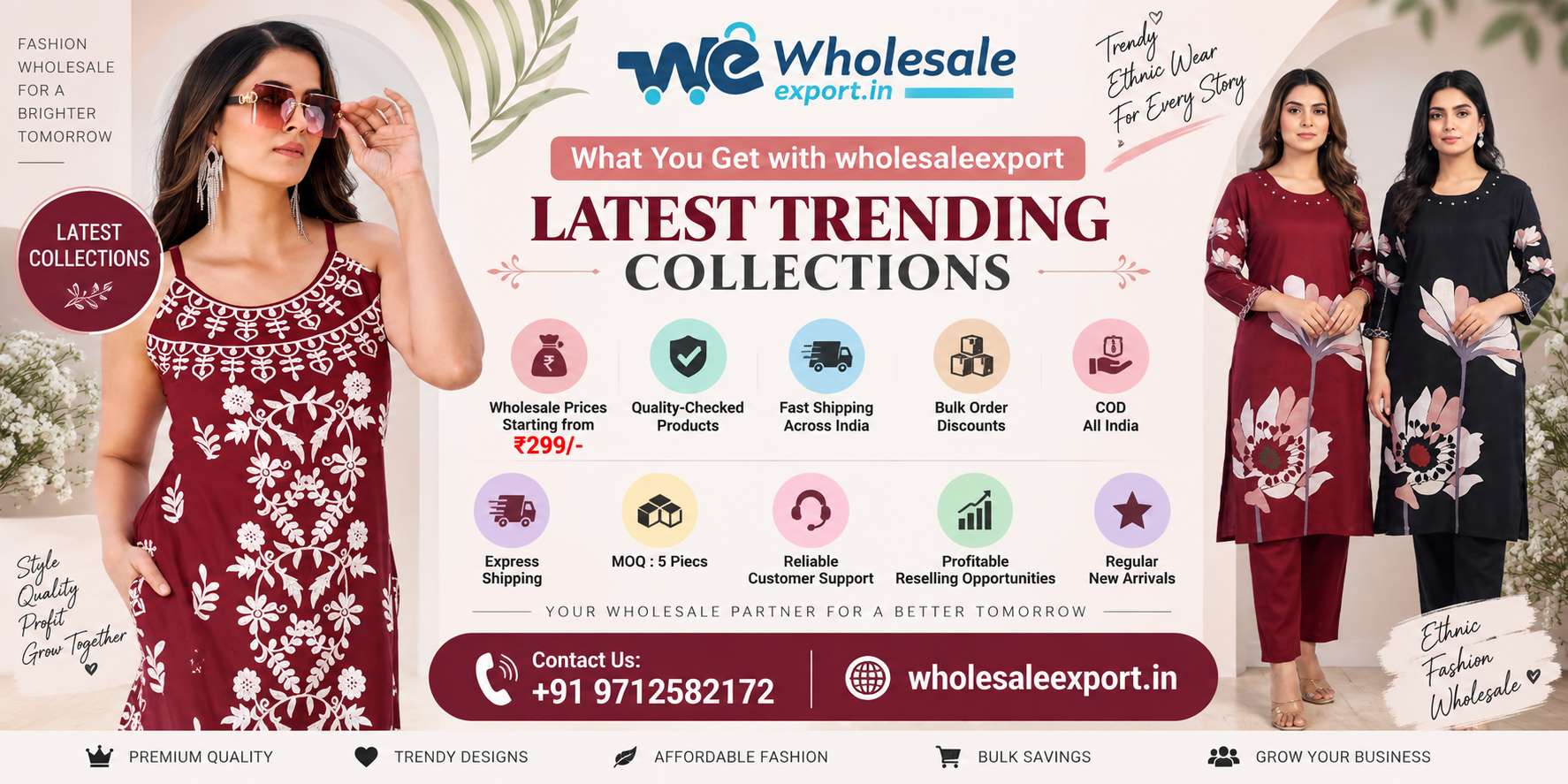
At Wholesaleexport.in, business buyers can explore Latest Collections, competitive Wholesale Pricing and regularly updated Trendy Ethnic Wear for different retail requirements.
- Latest Collections for changing ethnic fashion demand
- Wholesale Pricing for retailers and resellers
- Trendy Ethnic Wear across multiple categories
- Fast Shipping for convenient order fulfilment
- COD Support on eligible India orders and applicable terms
- Bulk Order Deals for business buyers
- Quality Products Starting From ₹299 across eligible collections
Whether you are a home-based seller beginning with selected pieces or an established wholesale buyer planning larger inventory, the goal should remain the same: choose products your customers will genuinely want to wear and purchase.
Contact: +91 9712582172
Website: wholesaleexport.in
Explore the latest arrivals, compare wholesale options and build your next ethnic wear assortment with collections designed for today's retail market.