


Sharara Dress Material Wholesale Collection 2026 – Latest Designs from Surat
Sharara Dress Material Wholesale Collection 2026 – Latest Designs from Surat
Sharara styles continue to give ethnic-wear sellers an attractive combination of traditional appeal and modern presentation. For boutiques, retailers, resellers and showroom owners planning fresh inventory for festive, wedding and occasion-based demand, well-selected sharara fabrics and suit materials can add valuable variety to an existing salwar suit range. Wholesaleexport.in connects buyers with fresh collections from Surat while helping businesses source designs suitable for both Indian and international customers.
Introduction
The Indian ethnic-wear business changes quickly, but certain silhouettes repeatedly return with fresh fabrics, colors and styling. Sharara outfits are a good example. Their wide-leg bottom styling creates a distinctive festive look, while different kurta patterns, dupattas, embroidery techniques and prints allow manufacturers to develop collections for multiple price segments.
For wholesale buyers, a Sharara Dress Material range can serve customers shopping for weddings, festive occasions, family functions, Eid celebrations, parties and traditional events. The category can include simple printed materials for affordable retail segments as well as embroidered and embellished designs for premium counters.
Wholesaleexport.in helps home-based sellers, shop owners, boutique owners, showroom owners, resellers and wholesale buyers explore new ethnic-wear sourcing opportunities. Supported by Vastralife's wholesale and export experience since 2017, the business understands the practical requirements of catalogue selection, wholesale sourcing, changing fashion demand and repeat inventory buying.
Why Sharara Dress Material Is Important for Ethnic-Wear Sellers
A retailer normally needs more than basic salwar suits to maintain an interesting ethnic-wear assortment. Customers increasingly compare silhouettes, colors and styling before making a purchase. Adding sharara suit dress material wholesale options gives sellers another product category that can sit between everyday ethnic wear and heavier occasion outfits.
The visual shape of a sharara also helps it stand apart in product photographs and social-media catalogues. A coordinated kurta, wide-bottom design and matching or contrasting dupatta can create an instantly recognizable look. This makes the category useful for businesses selling through physical stores as well as WhatsApp, Instagram, Facebook and online catalogues.
Festive and Wedding Demand
Festivals and wedding seasons are important selling periods for ethnic-fashion retailers. Buyers preparing inventory for these periods often look for richer colors, embroidery, zari-style detailing, attractive dupattas, decorative borders and statement bottoms. A carefully selected festive sharara suit wholesale assortment can help retailers cover multiple customer budgets without depending only on heavy bridal products.
For 2026 buying, sellers can balance traditional shades such as maroon, bottle green, navy, mustard and wine with contemporary colors such as lavender, beige, peach, powder blue and pastel green. The ideal combination depends on the retailer's location and existing customer profile.
Useful Category for Boutiques and Resellers
Boutique owners often need products that appear different from basic everyday suits. Embroidered necklines, detailed borders, interesting dupattas and coordinated sharara bottoms can give the collection stronger visual value. Home-based resellers can similarly use catalogue images and videos to promote selected styles without maintaining the same inventory depth as a large showroom.
Wholesale buyers should compare the complete set before evaluating the sharara dress material price. Fabric quality, embroidery, dupatta, bottom fabric, design complexity and finishing all influence the final cost and expected retail positioning.
Latest Sharara Suit Trends for 2026 Wholesale Buying
Retailers sourcing new inventory need a balance between current fashion and designs with broader selling potential. Instead of purchasing one style in excessive quantity, buyers can create a mixed collection covering printed, embroidered, festive and premium designs.
Embroidered Sharara Dress Materials
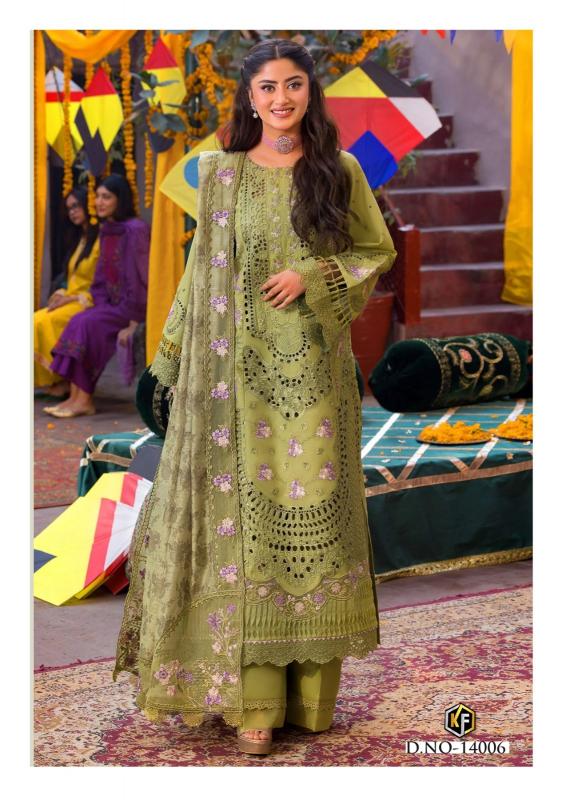
Embroidered sharara dress material is suitable for customers looking for a more decorative ethnic outfit. Depending on the catalogue, embroidery may appear around the neckline, front panel, sleeves, borders or dupatta. Some designs use delicate thread work, while others combine embroidery with decorative detailing to create a richer appearance.
For retailers, the advantage of embroidered collections is their ability to cover multiple occasions. Lighter embroidery can work for family gatherings and festive daywear, while heavier patterns may be positioned for weddings, receptions and celebration wear.
Printed Sharara Suit Materials
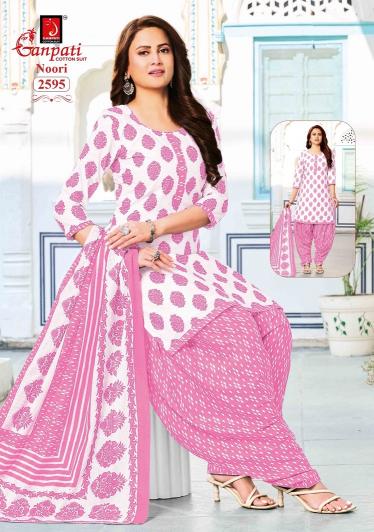
Printed styles can provide a more accessible option for buyers who want fashionable ethnic wear without very heavy workmanship. Floral patterns, traditional motifs, digital prints and coordinated dupattas can make these collections attractive for regular retail counters.
A mixed wholesale order containing both printed and embroidered designs can help sellers reach customers with different budgets. This is especially useful for businesses that receive enquiries through social media, where customers may compare several price levels before ordering.
Patiala and Wide-Bottom Inspired Styles
Indian ethnic fashion frequently combines established silhouettes with newer styling. Patiala-inspired bottoms, flared shararas and wide-leg designs can all appear within broader dress-material catalogues. Retailers can use these variations to build a more diverse display instead of offering identical bottom patterns across every suit.
Such styles also allow sellers to market collections under multiple customer needs, including party wear sharara suits, festive suits, wedding ethnic wear, traditional suit sets and designer dress materials.
Surat as a Major Sourcing Destination for Dress Materials
Surat has built a strong textile ecosystem covering fabrics, dress materials, sarees, kurtis and numerous other women's fashion categories. For buyers searching for dress material wholesale in Surat, the scale of the local supply network makes the city relevant for retailers from different parts of India.
The surat textile market ecosystem includes trading and sourcing activity across areas associated with ring road, sahara darwaza and surrounding textile-market zones. Buyers can encounter a wide selection of catalogues across different fabrics, patterns and price segments.
Wholesaleexport.in provides a digital sourcing route for buyers who may not be able to visit Surat for every purchase. Instead of depending entirely on physical market visits, businesses can review collections remotely and enquire about available stock, MOQ, pricing and dispatch requirements.
Advantages of Sourcing from Surat
One practical advantage of Surat sourcing is variety. Retailers can build a broader ethnic-wear inventory by combining sharara materials with salwar suits, Pakistani-style suits, dress materials, kurtis and other related categories. This can be particularly valuable for multi-category boutiques and showrooms.
Surat's textile ecosystem also connects fabric trading, designing, processing and manufacturing networks. For wholesale buyers, however, product specifications should always be checked catalogue by catalogue because fabric, work, set contents and availability can differ.
How to Choose Sharara Dress Material for Wholesale Purchase
Good buying decisions begin with the end customer. A product that performs well for a premium boutique may not necessarily be the right choice for a price-focused reseller. Before placing a bulk order, buyers should define the type of customers they want to serve and the occasions for which those customers are most likely to shop.
Check Fabric and Seasonal Suitability
Fabric influences appearance, comfort and selling season. Cotton-based materials can work well for lighter wear, while synthetic blends and flowing fabrics may be selected for different silhouettes and festive styles. Buyers should rely on the actual catalogue specification for each product rather than assuming the fabric from photographs alone.
For international buyers, climate can also affect product selection. Collections intended for warmer markets may need a different fabric mix from those sold in cooler regions or primarily for indoor festive events.
Compare Work and Overall Presentation
The perceived value of a sharara outfit is influenced by the complete presentation. Neck embroidery, sleeve detailing, border work, dupatta design and bottom styling can collectively determine whether a product feels like regular ethnic wear or premium occasion wear.
Wholesale buyers should therefore evaluate more than the front design. Check what is included in the catalogue, available colors and whether the complete combination suits the intended retail price range.
Plan the Price Range Carefully
A useful inventory usually contains more than one price point. Affordable products can support regular turnover, while premium designs can increase the value and visual appeal of a boutique collection. Instead of selecting everything at one price level, buyers can divide purchasing across entry, mid-range and premium segments.
The exact wholesale price can change according to catalogue, fabric, workmanship, set composition and availability. Current rates should therefore be confirmed when placing the order rather than relying on an older catalogue or previously quoted price.
Sharara Dress Material for Retailers, Boutiques and Home Sellers
Different types of sellers can use the same product category in different ways. A large showroom may keep multiple colors and designs ready for walk-in customers, while a home-based reseller may focus on selected catalogue pieces and promote them digitally.
Boutiques can create a more curated collection by selecting distinctive embroidery, fashionable colors and premium-looking combinations. Shop owners serving a broader market may prefer a balanced mix of regular and festive designs. Wholesale buyers supplying other retailers can focus on catalogue depth and repeat-demand products.
For Home-Based Sellers
Home-based businesses can promote new sharara collections through WhatsApp status, customer groups, Instagram reels and direct enquiries. Clear product information is important because online customers cannot physically inspect the fabric before ordering.
Providing accurate catalogue details, available colors, set contents and current pricing can improve the buying experience. High-quality photographs showing the full outfit and important design details can also make the product easier to understand.
For Boutique and Showroom Owners
Boutiques and showrooms can combine designer sharara suits wholesale with other occasion-wear categories to build a coordinated festive section. Color grouping and occasion-based merchandising can make the display more attractive and help customers compare products more easily.
A retailer might, for example, combine sharara styles with Pakistani suits, embroidered salwar kameez, festive dress materials and party-wear collections. This creates more cross-selling opportunities without making the inventory dependent on one silhouette.
Wholesale and Export Opportunities in 2026
Indian ethnic fashion is not limited to domestic demand. Wholesale and export buyers can build collections for South Asian communities and ethnic-fashion customers in multiple international markets. For this article, three relevant markets are Nepal, USA and Australia.
Nepal has established demand for Indian clothing across everyday and festive segments. Retailers sourcing for Nepal can plan sharara and suit collections around major festivals, wedding demand and seasonal buying periods. Adequate lead time should be allowed for international transportation and customs-related processes.
In the USA and Australia, Indian and South Asian communities shop for ethnic wear for weddings, cultural celebrations, festivals and family functions. Export buyers can select designs according to their local audience rather than simply copying the same assortment sold in India.
Wholesaleexport.in supports wholesale sourcing enquiries while Vastralife brings industry experience developed since 2017. International buyers should confirm freight, applicable import rules, duties, taxes and delivery requirements for their destination before finalizing an export order.
Planning Inventory Before Peak Seasons
Waiting until a festival or wedding season has already started can limit product choice. Popular catalogues may move quickly, particularly when multiple retailers are purchasing from the same supply market. Buyers can reduce this risk by planning inventory in advance and confirming available stock before launching promotions.
For 2026, businesses can create buying calendars around major selling periods and schedule new catalogue promotions accordingly. This also gives resellers enough time to photograph, post and market their products before customer demand reaches its peak.
Retailers who want to expand beyond sharara styling can explore wholesale dress materials Surat collections for broader ethnic-wear sourcing. Businesses building a multi-category store can also add wholesale sarees India to create additional buying options for their customers.
Build a Stronger Ethnic-Wear Inventory with Sharara Collections
The commercial value of a Sharara Dress Material collection depends on how well it fits the retailer's existing customer base. A thoughtful assortment can include lighter styles for regular festive use, statement designs for weddings and premium products for boutique customers.
Rather than buying purely on appearance, wholesale buyers should consider price, fabric, design, season, local customer preferences and potential resale positioning. These factors help create inventory that looks attractive while remaining commercially practical.
Wholesaleexport.in gives buyers an online route to explore changing ethnic-fashion catalogues sourced through the wider Surat textile ecosystem. With regular new arrivals, businesses can keep refreshing their selection instead of relying on the same designs for long periods.
How Retailers Can Sell Sharara Dress Material More Effectively
Buying the right collection is only one part of the business. Retailers also need to present each design in a way that helps customers understand its style, fabric, occasion and overall value. A Sharara Dress Material catalogue can perform better when sellers clearly communicate what makes each design different instead of sharing only a product photo and price.
For online selling, use full-length catalogue images along with close-up photographs whenever available. Mention the fabric, work, available colors, set details and current wholesale or retail price. If a design is suitable for weddings, festivals, parties or family functions, include that information naturally in the product description.
Use Occasion-Based Product Marketing
Customers often search according to the occasion rather than the technical product category. A retailer can therefore promote the same collection using phrases such as wedding sharara suit, festive sharara dress, party wear sharara, embroidered ethnic suit and designer sharara set, depending on the actual product.
During major festive periods, create separate WhatsApp, Instagram and store displays around relevant occasions. Wedding-season buyers may respond to rich embroidery and deeper colors, while festive customers may also prefer lighter, easy-to-wear combinations. This segmentation makes the collection easier to browse and can improve customer enquiries.
Create a Balanced Color Assortment
A wholesale order should not depend entirely on one color family. Traditional shades such as maroon, red, navy, bottle green and mustard can be combined with contemporary options such as lavender, peach, beige, powder blue and pastel green. Neutral shades with attractive embroidery can also work well for customers seeking understated festive wear.
Shop owners and resellers should study previous customer enquiries before repeating stock. If certain colors or size-related requirements repeatedly generate enquiries, that information can guide the next wholesale purchase more effectively than simply following a general trend.
Wholesale Buying Tips for Better Inventory Rotation
Inventory rotation matters because fashion products can lose momentum when the same catalogue remains on display for too long. Businesses purchasing sharara suit wholesale collections should consider how quickly they can promote and sell each catalogue before investing heavily in another similar range.
A practical approach is to begin with selected designs, measure customer response and then expand into related collections. This is especially useful for home-based sellers and newer boutiques that may not want to lock too much working capital into one category.
Mix Fast-Moving and Premium Products
Affordable ethnic wear can generate frequent enquiries, while premium pieces can increase the average order value. Maintaining both segments allows a retailer to serve more than one customer profile. The correct mix depends on location, customer purchasing power and whether the business sells primarily offline or online.
Wholesale buyers should also calculate the complete landed cost rather than looking only at the product price. Packing, transportation and other applicable costs can affect the final resale margin. For export orders, international freight, customs procedures, taxes and destination-specific charges may also need to be considered.
Use Fresh Arrivals to Bring Customers Back
Regular new arrivals give customers a reason to revisit a store, website or WhatsApp catalogue. Instead of uploading dozens of similar products together, sellers can introduce new designs in smaller batches and maintain consistent communication with interested customers.
Wholesaleexport.in is designed to help buyers discover changing ethnic-wear collections from the Surat sourcing ecosystem. New catalogue availability can vary, so confirming stock before advertising a specific design to customers is a sensible business practice.
Why Product Quality Matters in Sharara Dress Material Wholesale
Price attracts attention, but repeat business depends heavily on whether the received product matches customer expectations. Fabric feel, embroidery finishing, color presentation, dupatta quality and overall construction all contribute to the perceived value of an ethnic outfit.
For retailers, premium product quality does not necessarily mean buying only expensive products. It means selecting products whose quality is appropriate for their price segment. An affordable dress material should still provide a commercially acceptable combination of fabric, design and finishing, while a premium product should justify its higher positioning through stronger materials or workmanship.
Check Product Specifications Before Ordering
Catalogue photographs are important, but buyers should also read the product details. Confirm whether the product is unstitched, semi-stitched or ready-to-wear where applicable, and check what components are included. Do not assume that every sharara catalogue follows the same format.
For larger wholesale orders, verifying the catalogue details before payment can prevent misunderstandings later. Businesses should also communicate their quantity requirements clearly, particularly when ordering for a showroom, reseller network or overseas market.
Choose Suppliers with Relevant Industry Experience
Wholesale clothing requires understanding of fast-changing stock, catalogue availability and seasonal demand. Vastralife has worked in wholesale and export since 2017, providing industry experience across women's ethnic-wear sourcing. This experience supports the broader wholesale approach behind the collections available through Wholesaleexport.in.
For buyers located away from the surat textile market, digital sourcing can reduce the need to travel to ring road or sahara darwaza for every catalogue enquiry. Buyers can review available products remotely and communicate their purchasing requirements before finalizing an order.
Sharara Dress Material for India, Nepal and International Markets
Product selection should reflect the destination market. In India, sharara outfits can be marketed across wedding, festival and party-wear segments. Demand can differ significantly between cities, customer age groups and price categories, so sellers should adapt their assortment to their own sales history.
For Nepal, Indian ethnic-wear collections can be selected for festive periods, weddings and boutique retail. Businesses importing products should plan ahead because international transportation and customs procedures require additional lead time compared with domestic dispatch.
For the USA, ethnic-wear sellers often serve customers purchasing for South Asian weddings, festivals, cultural gatherings and family celebrations. Export buyers should select a mix suitable for their own audience and confirm shipping, import requirements and final landed costs before ordering.
The same principle applies to other markets such as Australia, Canada, Singapore, Malaysia, Sri Lanka, Germany, Italy and New Zealand. There is no single collection guaranteed to perform identically everywhere, so local customer knowledge remains important when selecting export inventory.
Internal Linking and Related Wholesale Categories
Sharara materials work particularly well as part of a wider women's ethnic-wear assortment. Retailers can combine them with salwar kameez, Pakistani suits, embroidered dress materials, festive kurtis, wedding wear and sarees. A broader collection can help businesses serve customers shopping for different occasions and budgets from the same supplier network.
When planning a seasonal purchase, consider whether complementary products can increase the usefulness of the order. A boutique preparing for wedding season, for example, may want premium sharara materials alongside designer suits and sarees, while a reseller targeting everyday customers may prefer affordable dress materials and lighter ethnic sets.
Wholesaleexport.in can be used to explore these related categories and monitor fresh arrivals. Buyers can then build orders according to their actual customer demand rather than purchasing unrelated products simply to increase quantity.
Customer FAQs About Sharara Dress Material Wholesale
1. Where can I buy Sharara Dress Material wholesale from Surat?
Wholesale buyers can explore sharara, salwar suit and related ethnic-wear catalogues through Wholesaleexport.in. Buyers who cannot regularly visit Surat can use online catalogue sourcing to check products and enquire about current availability, wholesale price, MOQ and dispatch details.
2. Is Sharara Dress Material suitable for boutique and reseller businesses?
Yes. The category can work for boutique owners, home-based sellers, resellers, shop owners and showroom operators because designs can be selected across affordable, mid-range and premium segments. The best assortment depends on your customer profile and target selling price.
3. What should I check before placing a bulk sharara order?
Check fabric details, design, work, set contents, available colors, quantity, current stock, wholesale price and shipping requirements. For larger orders, it is also useful to calculate the approximate landed cost before deciding the final retail pricing.
4. Can Sharara Dress Material be supplied for export orders?
International wholesale enquiries can be discussed for suitable collections and destinations. Buyers should confirm current shipping arrangements and understand applicable customs, duties, taxes and import requirements in their own country before finalizing an ethnic wear export purchase.
5. What type of sharara designs are suitable for festive and wedding sales?
Demand varies by market, but embroidered necklines, decorative borders, coordinated dupattas, rich festive shades and attractive wide-bottom silhouettes are commonly considered for occasion-focused assortments. Retailers should combine statement pieces with lighter designs to cover different customer budgets.
6. How should a new reseller start buying sharara collections?
A new reseller can begin with a controlled quantity and a varied selection rather than investing heavily in one design. Track which colors, fabrics and price points generate the most enquiries, then use that sales information to guide repeat orders.
7. Are wholesale prices the same for every catalogue?
No. Prices can differ according to fabric, embroidery, design, brand, manufacturing details, set composition and current availability. Buyers should always confirm the latest price before placing an order, particularly when working from an older catalogue.
8. Can showroom owners source multiple ethnic-wear categories together?
Yes. Depending on current availability, showroom and wholesale buyers can explore multiple categories such as dress materials, salwar suits, Pakistani suits, kurtis, sarees and other women's ethnic-wear products. This can help create a more complete store assortment.
Source Your 2026 Ethnic-Wear Collection with Wholesaleexport.in
For retailers preparing their 2026 inventory, the Sharara Dress Material category offers an opportunity to add visually distinctive festive and occasion wear to the existing product mix. The key is to select products according to real customer demand, maintain multiple price levels and refresh stock with new designs at the right time.
Wholesaleexport.in combines access to changing Surat collections with Vastralife's wholesale and export experience since 2017. Whether you are a home-based seller, boutique owner, shop owner, showroom operator, reseller or wholesale buyer, you can enquire about collections that match your market and purchasing requirements.
Order Latest Wholesale Collections
Looking for fresh women's ethnic wear for your business? Explore Latest Collections, competitive Wholesale Pricing, Trendy Ethnic Wear, Fast Shipping, available COD Support, Bulk Order Deals and Quality Products Starting From ₹299.
Choose from changing wholesale collections for boutiques, shops, showrooms, resellers and home-based businesses. Product availability, MOQ, pricing, COD eligibility and shipping terms should be confirmed for the selected catalogue and destination at the time of ordering.
Contact: +91 9712582172
Website: wholesaleexport.in
Build your next ethnic-wear inventory with fresh designs, practical wholesale sourcing and industry experience focused on helping retailers find products for today's changing fashion market.