


Satin Dress Material Wholesale in Surat: Latest 2026 Collection for Retailers & Resellers
Satin Dress Material Wholesale in Surat: Latest 2026 Collection for Retailers & Resellers
Satin dress materials have become an attractive inventory choice for sellers who want to offer customers a combination of smooth texture, elegant appearance and versatile ethnic styling. From boutique-ready festive designs to sophisticated suits for occasion wear, the category gives retailers multiple opportunities to build collections across different customer preferences and price segments.
Introduction
The ethnic wear market in 2026 continues to reward retailers who can combine attractive designs with sensible buying decisions. Customers no longer purchase dress material only on the basis of colour or embroidery. Fabric feel, finishing, styling possibilities, visual presentation and overall value all influence the final buying decision. This is one reason Satin Dress Material Wholesale has become relevant for boutique owners, shop owners, home-based sellers, resellers and wholesale buyers searching for premium-looking merchandise.
Satin is particularly appealing because of its smooth surface and graceful visual finish. Depending on the construction, blend and design, it can work beautifully for salwar suits, straight suits, festive outfits, semi-formal ensembles and boutique-style stitched garments. For a retailer, this versatility makes satin dress material easier to position for different occasions instead of restricting inventory to a single season.
Surat remains an important sourcing destination for Indian ethnic fashion because buyers can explore extensive textile manufacturing, trading and wholesale networks in one city. Commercial textile areas around ring road, sahara darwaza and the wider surat textile market connect buyers with manufacturers, wholesalers and distributors supplying merchandise across India and international markets.
For buyers who prefer digital sourcing, Wholesaleexport.in provides access to wholesale ethnic wear collections without requiring every customer to make repeated physical market visits. This can be particularly useful for businesses that need regular catalogue updates and convenient ordering from outside Surat.
Why Satin Dress Material Works for a Fashion Retail Business
A successful ethnic wear inventory needs more than products that simply look attractive in photographs. The merchandise should provide a clear reason for customers to buy. Satin has several characteristics that make it commercially interesting when selected correctly.
Premium Visual Appeal
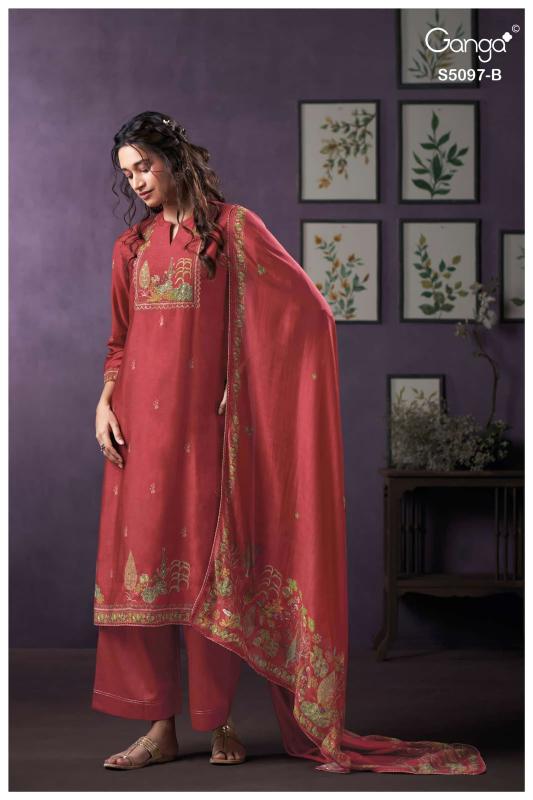
The smooth appearance associated with satin can instantly give an outfit a more polished character. Rich colours can appear especially striking on fabrics with a subtle sheen. Deep maroon, wine, navy, bottle green, teal, black, purple and jewel-inspired shades can therefore become useful additions to festive and occasion-oriented collections.
This visual appeal can also help online sellers. Customers browsing WhatsApp catalogues, social media posts or online stores often make their first decision from product images. A well-presented designer dress material wholesale collection with attractive colours and coordinated dupattas can capture attention quickly.
Suitable for Multiple Customer Segments
A boutique may sell a satin-based outfit as an elegant premium option, while a reseller can position selected designs for festivals, family functions and gifting. A showroom may maintain several price levels by stocking simpler patterns alongside more detailed designs.
This flexibility matters because not every buyer serves the same audience. Home-Based Sellers may prefer manageable quantities and designs that can be promoted through social platforms. Shop Owners may need dependable repeat-selling styles. Boutique Owners often look for distinctive combinations, while Wholesale Buyers may prioritize assortment depth, availability and competitive price.
Easy Addition to Mixed Ethnic Wear Inventory
Retailers do not necessarily need to build an entire store around satin. The category can complement cotton dress materials, silk blends, embroidered suits, printed suits, Pakistani-style collections, kurtis, sarees and festive ethnic wear. This makes it easier to test customer demand before increasing purchasing volume.
A balanced wholesale dress material selection can also help businesses serve customers throughout the year. Lightweight and simpler designs can support regular selling periods, while richer patterns and coordinated dupattas can be promoted during festive and wedding demand.
What Buyers Should Check Before Ordering Satin Dress Material Wholesale
Wholesale buying becomes more profitable when selection is based on product suitability rather than only a low purchase rate. An inexpensive product that remains unsold can be costlier for a retailer than a slightly higher-priced design with stronger customer acceptance.
Check Fabric Feel and Fall
Not every satin construction behaves identically. Buyers should pay attention to softness, weight, drape and overall handling. A fabric intended for a straight suit may need a different fall compared with material selected for a flowing festive silhouette.
When buying through an online wholesale platform, review product descriptions, catalogue information and available photographs carefully. Wholesale Buyers ordering larger quantities can also clarify product specifications before finalizing substantial stock.
Evaluate the Complete Suit Combination
Dress material is normally purchased as an overall combination rather than as an isolated fabric. Therefore, the top, bottom and dupatta should visually complement each other.
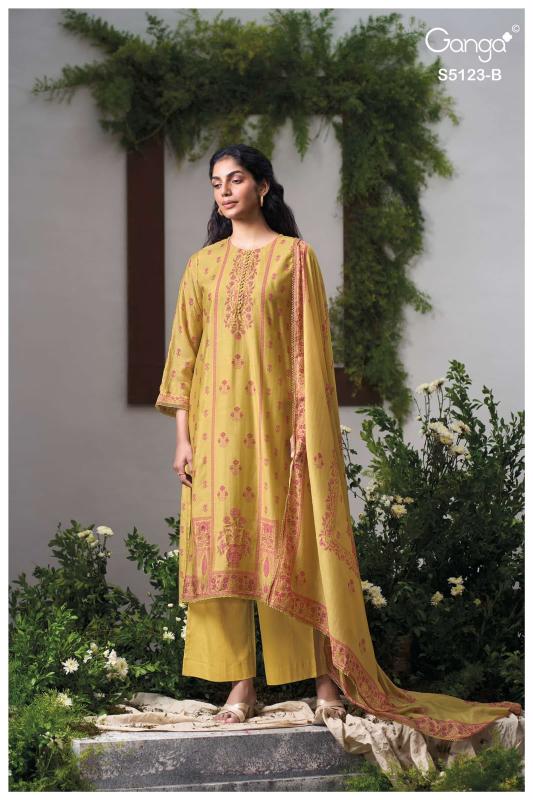
A strong combination may use a relatively understated base with a decorative dupatta, or a printed/embroidered top paired with a balanced bottom. The important commercial question is whether the completed outfit will look attractive once stitched.
For satin suit material wholesale purchasing, examine the coordination of colours, borders, prints, embroidery and dupatta detailing. A coherent combination generally gives retailers a stronger product story when presenting the design to customers.
Compare Value, Not Only Wholesale Price
Price remains essential in wholesale purchasing, but it should be evaluated together with quality and selling potential. Buyers should consider whether the design looks appropriate for the intended retail bracket and whether the expected margin remains commercially sensible after transportation, packaging, marketing and other operating expenses.
For online resellers especially, visually distinctive products may support stronger perceived value than generic designs competing purely on discounting.
Surat as a Sourcing Hub for Wholesale Dress Materials
Surat has developed an extensive textile ecosystem involving fabric production, processing, design, embroidery, trading, garment supply and distribution. This concentration allows retailers to source multiple categories from the same commercial region and regularly refresh their inventory.
The surat textile market ecosystem around Ring Road and nearby commercial zones has long attracted buyers looking for sarees, dress materials, kurtis and other women's ethnic wear. The areas surrounding sahara darwaza are also closely associated with Surat's textile trade, making the city an important reference point for wholesale fashion sourcing.
For retailers outside Gujarat, however, visiting the market for every new purchase can require travel time and additional expenditure. Digital wholesale platforms help bridge this gap by allowing businesses to browse collections remotely and place orders according to their requirements.
Wholesaleexport.in is designed around this changing purchasing behaviour, where a buyer may be located hundreds or thousands of kilometres from Surat but still wants access to current textile collections.
Benefits for Boutique Owners
Boutique Owners can use satin materials to develop a curated collection rather than simply stocking large quantities of identical products. Designs can be selected according to colour stories, festive themes, wedding seasons and local preferences.
Some boutiques also use unstitched material as an opportunity to offer customization. Customers can choose their preferred neckline, sleeve pattern, salwar style or trouser cut, allowing the boutique to create additional value beyond the fabric itself.
Benefits for Home-Based Sellers and Resellers
Home-Based Sellers often work with smaller inventories and digital customer networks. Their success depends heavily on selecting merchandise that photographs well and can be explained easily through WhatsApp, Instagram, Facebook or personal customer groups.
A carefully chosen online dress material wholesale catalogue can help these sellers introduce new products without operating a large traditional showroom. Starting with selected pieces, observing enquiries and then replenishing successful styles can reduce unnecessary inventory pressure.
Benefits for Shop and Showroom Owners
Physical retailers need breadth because customers often want to compare fabrics, designs and prices before purchasing. A showroom can combine everyday suits with premium satin options, festive dress materials, printed designs and embroidered collections.
Maintaining different selling brackets also allows retailers to serve both value-conscious shoppers and customers willing to spend more for distinctive occasion wear.
2026 Satin Dress Material Trends Worth Stocking
The strongest wholesale strategy is rarely to buy every available design. Retailers can instead create a planned assortment based on colour, occasion, styling and customer demographics. For 2026 dress material wholesale buying, several categories can be considered.
Rich Solid Colours with Statement Dupattas
Solid or minimally decorated suit materials paired with detailed dupattas create a clean premium appearance. These combinations are useful for customers who prefer elegant ethnic clothing without extremely heavy embellishment.
They can also work across a wider age range, making them commercially useful for retailers who serve diverse customers.
Printed Satin Dress Materials
Print-based designs can bring a more contemporary feel to the satin category. Florals, abstract patterns, traditional motifs, geometric arrangements and artistic prints can provide variety without relying entirely on embroidery.
Printed dress material wholesale inventory can be especially useful for sellers looking for styles that move between casual elegance and semi-festive dressing.
Embroidered and Festive Collections
Festive merchandise can include embroidery, decorative necklines, border work, detailed dupattas and richer colour combinations. These products may be promoted around weddings, Diwali, Navratri, Eid, family functions and other celebration-driven buying periods.
Retailers should purchase festive inventory early enough to photograph, promote and sell it before peak demand. Waiting until a festival has already started can shorten the available selling window.
Block Prints and Craft-Inspired Designs
Traditional-looking patterns continue to have strong merchandising value because they combine familiar Indian aesthetics with wearable styling. Block-inspired prints and handcrafted visual themes can give a collection a distinctive boutique identity.
These styles can be particularly useful for customers who want ethnic outfits that feel sophisticated without appearing excessively formal.
Wholesale Buying Strategy for Better Retail Margins
A good Satin Dress Material Wholesale purchase should support both sell-through and profit. Buying too much of one colour or one design can unnecessarily concentrate inventory risk. Instead, retailers can create a structured assortment.
Start with Design Variety
For a first purchase, variety can often be more valuable than excessive depth in one style. Different colours, prints and visual treatments allow sellers to discover what their customer base responds to.
Once a pattern begins receiving repeat enquiries, the retailer can consider increasing stock in similar designs. This approach is especially useful for resellers and smaller boutiques working with limited capital.
Plan Inventory Around Your Selling Price
Before ordering, define the retail segment you intend to serve. If your customers normally shop within a certain price range, wholesale purchasing should leave sufficient room for operating costs and a reasonable margin.
The lowest supplier price is not automatically the best purchase. Product quality, visual presentation, consistency and customer satisfaction can influence repeat business far more than a small difference in initial cost.
Build Everyday and Occasion Categories Together
A retailer can reduce seasonal dependency by combining versatile products with premium festive merchandise. Everyday products can maintain regular sales, while occasion collections can increase order value during stronger buying periods.
This mixed approach also gives customers more reasons to return because the store is not limited to a single fashion requirement.
Buyers looking to expand their sourcing can explore wholesale dress materials in Surat while planning complementary categories. Retailers who also sell draped ethnic wear can browse wholesale sarees in India to build a broader product mix.
How to Select Satin Dress Materials for Different Customer Markets
Wholesale buying becomes more effective when the product mix reflects the actual customer base. A design that performs strongly in one market may not generate the same response in another. Retailers should therefore consider regional preferences, customer age groups, occasions, colour demand and expected retail price before building inventory.
For Shop Owners and Showroom Owners, a combination of classic and contemporary styles can provide broader selling opportunities. Boutique Owners can focus more heavily on distinctive prints, premium dupattas and sophisticated colour combinations. Home-Based Sellers and Resellers may benefit from visually attractive products that are easy to promote through WhatsApp, Instagram and online catalogues.
Choosing Stock for Indian Customers
India provides a diverse market for ethnic clothing. Demand can vary substantially between cities and regions, which makes assortment planning important. Traditional colour combinations may perform well during weddings and festivals, while lighter prints and modern shades can support regular sales.
A retailer sourcing Satin Dress Material Wholesale can maintain a balanced catalogue containing festive designs, printed suits, elegant solids, embroidered materials, silk-look collections and contemporary patterns. This creates opportunities to serve customers with different budgets instead of relying on one price bracket.
Choosing Collections for Nepal
Nepal is an interesting market for Indian ethnic wear because sarees, suits, kurtis and dress materials are relevant for festivals, celebrations and regular fashion purchases. Wholesale buyers supplying Nepal can consider rich colours, elegant coordinated suits, embroidered dress materials and festive combinations.
For export buyers, product selection should also consider transportation, packaging and order planning. Selecting a commercially balanced assortment rather than excessive quantities of a single design can make the first buying cycle more flexible.
Choosing Collections for the USA
Indian boutiques and ethnic fashion sellers in the USA frequently serve customers shopping for weddings, cultural functions, festivals and family events. Satin materials with a premium visual finish can complement sarees, lehengas, kurtis and stitched suits in such stores.
USA-based wholesale buyers can create assortments that include traditional colours alongside contemporary shades. Providing multiple styling possibilities can also help boutiques appeal to both traditional customers and younger shoppers interested in modern Indian fashion.
Wholesale Dress Material Sourcing from Surat in 2026
The surat textile market continues to be an important sourcing destination because the city combines textile production, processing, design, trading and distribution. Buyers visiting commercial areas around ring road and sahara darwaza can encounter a large range of suppliers and categories.
However, physical market purchasing is only one sourcing method in 2026. Digital catalogues and wholesale platforms allow retailers to compare new arrivals and place orders without travelling to Surat for every purchasing cycle. This is particularly useful for buyers operating from other Indian states or international markets.
Wholesaleexport.in helps connect this Surat sourcing ecosystem with buyers looking for convenient access to ethnic fashion collections. For a reseller, the advantage is not merely online ordering; the larger benefit is being able to refresh merchandise more regularly without making every purchase a physical sourcing trip.
Manufacturing and Supplier Network Advantage
Surat's extensive manufacturing and textile supply network supports frequent product development. New colour combinations, prints, embroidery patterns, fabrics and coordinated sets can enter the wholesale market throughout the season.
For retailers, frequent newness matters. Customers who follow a store on social media or visit regularly expect to see different merchandise. A seller repeatedly promoting identical stock may gradually lose engagement, even when the original product quality is good.
Regularly introducing fresh latest dress material designs can therefore become part of the marketing strategy as well as the purchasing strategy.
How Vastralife's Experience Supports Wholesale and Export Buyers
Experience in textiles can be valuable when dealing with a category where fabric, finishing, designs, seasonal demand and customer preferences continually change. Vastralife has been involved in wholesale and export operations since 2017, bringing industry experience to the sourcing and supply of women's ethnic wear.
This background supports an understanding of what different types of buyers require. A Home-Based Seller may need manageable purchasing and fast-moving products, while an established Wholesale Buyer may focus more heavily on catalogue depth, consistency and repeat sourcing. Boutique Owners may prioritize differentiated designs, whereas Showroom Owners often require a wider range across several price segments.
Premium product quality also remains important because long-term wholesale relationships depend on more than the first order. When customers are satisfied with fabric, presentation and overall value, retailers have a stronger opportunity to generate repeat purchases.
Industry Expertise for Product Selection
Textile industry expertise becomes particularly relevant when fashion trends change rapidly. Buyers may see hundreds of products, but not every design belongs in every store. The goal should be to select merchandise that matches the retailer's actual customer profile.
For example, a boutique targeting festive customers may prioritize richer satin combinations, whereas a reseller serving regular wear buyers may choose lighter and more versatile designs. A wholesale business supplying multiple retailers may need both.
Premium Product Quality for Repeat Business
Customer retention is closely connected to product satisfaction. When a customer purchases a dress material and finds the fabric, colour and finished outfit satisfactory, the likelihood of returning to the seller increases.
For this reason, retailers should evaluate wholesale merchandise from the perspective of the final consumer rather than simply looking at the purchase rate. Sustainable retail growth comes from balancing wholesale price, quality and customer appeal.
How to Sell Satin Dress Material Faster
Purchasing good stock is only the first stage. Retailers also need to present it effectively. Satin products can benefit considerably from visual marketing because texture, colours and dupatta detailing influence buying decisions.
Use Clear Product Photography
Customers buying online cannot touch the fabric, so photographs carry additional responsibility. Images should clearly display the suit material, colour, dupatta, border, print or embroidery and overall combination.
Whenever possible, include close-up images of important detailing. This can help customers understand why one product may have a different price from another.
Create WhatsApp and Social Media Catalogues
Resellers can organize products into simple collections such as New Arrivals, Festive Dress Materials, Satin Collection, Premium Suits or Budget Wholesale Picks. Organized presentation makes browsing easier and prevents customers from being overwhelmed by unrelated products.
Short product videos can also show fabric movement and detailing that may not be obvious in still photographs.
Promote New Arrivals Regularly
Instead of uploading a large quantity of products once and then remaining inactive, sellers can introduce new designs consistently. Regular updates keep the business visible and create a reason for existing customers to revisit the catalogue.
A message such as "New Satin Dress Material Collection Arrived" can be paired with selected designs rather than dozens of unrelated catalogue images. Focused promotion often makes the buying decision easier.
Sell the Occasion, Not Just the Fabric
Customers frequently purchase clothing for a purpose. Retail marketing can therefore position products around occasions such as festive wear, wedding functions, family gatherings, gifting, office celebrations or traditional events.
Instead of describing a product only as "satin dress material," explain the kind of look it can create. This helps customers visualize the finished garment.
Inventory Planning for Home-Based Sellers, Boutiques and Retailers
Inventory planning is one of the most important factors in a profitable clothing business. Buying too little can result in missed sales, while buying too much can block working capital.
Home-Based Sellers
Home-Based Sellers can begin with a curated assortment of different colours and designs. They can observe customer enquiries before expanding into larger quantities. Products with strong responses can then guide subsequent purchasing.
This test-and-repeat method can be more manageable than investing heavily in an untested design.
Boutique Owners
Boutiques can create smaller, carefully selected collections with stronger visual identity. Instead of competing only on low price, they can offer styling suggestions, stitching services or curated combinations.
Premium satin, embroidered suits, block-inspired prints and distinctive dupattas can be useful for building such an assortment.
Shop and Showroom Owners
Physical stores generally benefit from wider selection. Retailers can arrange merchandise by price, occasion or fabric so customers can quickly compare suitable options.
A showroom might maintain separate groups for regular dress materials, festive suits, premium satin collections, printed materials and wedding-oriented designs. Clear segmentation can improve the shopping experience.
Wholesale Buyers
Larger Wholesale Buyers should pay attention to assortment ratios and repeatability. Purchasing several complementary categories can help serve different downstream retailers while reducing dependency on one product type.
Wholesaleexport.in can be used to explore different ethnic wear categories and new collections when planning broader inventory requirements.
Internal Linking for Better Product Discovery
A strong wholesale buying journey should make it easy to move between related product categories. A buyer initially searching for satin material may also require printed suits, silk dress materials, festive collections, sarees or kurtis. Connecting relevant categories allows retailers to plan a more complete purchase instead of sourcing every product independently.
For sellers, this approach also supports cross-category merchandising. A customer who visits for one dress material may discover a saree or another ethnic product that fits an upcoming occasion. Building a coordinated catalogue can therefore improve both product discovery and average order potential.
Customer FAQs
1. Where can I buy Satin Dress Material Wholesale from Surat?
Wholesale buyers, retailers, boutique owners and resellers can source satin and other ethnic dress material collections through Surat-based wholesale channels and online platforms such as Wholesaleexport.in. Buyers should review current catalogue availability, product details and applicable ordering terms before placing an order.
2. Is satin dress material suitable for a boutique business?
Yes. Satin can be particularly useful for boutiques because its smooth appearance and rich colour presentation can work well for festive, semi-formal and occasion-based outfits. Boutiques can further add value through customized stitching and styling.
3. What should I check before buying dress materials in bulk?
Check fabric quality, colour combinations, design details, dupatta coordination, wholesale price, quantity requirements, shipping terms and suitability for your target customers. For larger purchases, clarify relevant product and ordering information before finalizing stock.
4. Can international buyers source ethnic wear from Surat?
Yes. International buyers in markets such as Nepal and the USA can source Indian ethnic wear from Surat suppliers, subject to applicable export, logistics, customs, duties and destination-country requirements. Buyers should confirm current shipping and export terms for their specific destination.
5. Which customers can sell satin dress materials?
Satin dress materials can be suitable for Home-Based Sellers, Shop Owners, Boutique Owners, Showroom Owners, Resellers and Wholesale Buyers. The appropriate assortment and quantity will depend on the business model and target customer segment.
6. How can retailers improve profit on wholesale dress materials?
Retailers can focus on commercially suitable designs, control inventory, maintain multiple price points, present products professionally and replenish styles based on actual demand. Profitability depends on the complete cost structure and selling performance rather than wholesale purchase price alone.
7. Are satin dress materials suitable for online reselling?
They can work well for online reselling when product photography accurately represents colours, fabric appearance and design details. Clear descriptions, consistent catalogue updates and customer communication can further support online sales.
Build Your 2026 Ethnic Wear Collection with Wholesaleexport.in
If you are preparing your next inventory purchase, Wholesaleexport.in offers a convenient way to explore women's ethnic fashion for your retail, boutique, reselling or wholesale business. Build your assortment around customer demand instead of relying on random stock purchases.
Explore Latest Collections and access competitive Wholesale Pricing across selected ethnic wear categories. Discover Trendy Ethnic Wear suitable for different markets and customer segments, along with Fast Shipping options according to applicable order and destination terms.
Buyers can also enquire about COD Support where applicable, Bulk Order Deals for suitable orders, and Quality Products Starting From ₹299 across eligible collections. Product availability, pricing, COD eligibility and shipping conditions may vary, so current terms should be confirmed while ordering.
Whether you are building a small home-based reselling business or purchasing inventory for an established boutique, shop or showroom, the objective remains the same: source products your customers will want to buy and create enough variety to keep your catalogue fresh.
Contact Number: +91 9712582172
Website: wholesaleexport.in
With Vastralife's wholesale and export experience since 2017, industry expertise and focus on premium product quality, buyers can explore ethnic fashion sourcing for India and selected international markets. Plan your Satin Dress Material Wholesale inventory for 2026 with a balanced mix of quality, design variety, sensible pricing and customer-focused selection.