


Saree Wholesale Supplier for Export Business: Complete Sourcing Guide 2026
Saree Wholesale Supplier for Export Business: Complete Sourcing Guide 2026
Indian sarees have a strong place in international ethnic fashion, from traditional wedding collections to contemporary styles designed for modern customers. For businesses selling outside India, successful sourcing depends on much more than finding attractive designs. Product quality, wholesale cost, collection variety, consistency and an understanding of overseas customer demand all influence whether imported inventory becomes profitable retail stock.
Introduction
Finding the right saree wholesale supplier for export business is one of the most important decisions for boutiques, retailers, online sellers and wholesale distributors dealing in Indian ethnic wear. International customers increasingly discover Indian fashion through social media, online stores, community events, weddings and cultural celebrations, creating opportunities for businesses that can offer the right products at commercially sensible prices.
In 2026, overseas sourcing has also become more accessible. Buyers can explore wholesale catalogues digitally, compare collections and communicate with suppliers without travelling to India for every purchase. This gives smaller businesses opportunities that were once available mainly to large importers.
However, international wholesale buying requires careful product planning. A collection that looks attractive in photographs is not automatically suitable for an export business. Buyers must consider product value, customer preferences, landed cost, inventory rotation and seasonal demand before investing.
Wholesaleexport.in provides access to Indian fashion collections for Home-Based Sellers, Shop Owners, Boutique Owners, Showroom Owners, Resellers and Wholesale Buyers. Vastralife's wholesale and export experience since 2017 contributes practical textile industry expertise, sourcing knowledge and an understanding of the importance of premium product quality for professional buyers.
Why Indian Sarees Have Strong Export Business Potential
The saree is one of India's most recognisable traditional garments, yet its commercial appeal extends far beyond traditional styling. Today's market includes everything from affordable printed sarees and lightweight daily-wear options to designer, festive, Banarasi-inspired, silk-look and premium wedding collections.
This variety makes sarees suitable for different international customer segments. An online reseller may focus on affordable collections, while an established ethnic boutique may require premium wedding and festive products.
Demand from Indian and South Asian Communities
Indian and South Asian communities living abroad create consistent demand for sarees during weddings, festivals, religious functions, family celebrations and cultural events. Retailers who understand these purchasing cycles can plan inventory before important selling seasons.
Products selected for Diwali may differ from wedding inventory, while customers shopping for regular cultural events may prefer comfortable and moderately priced sarees. Understanding these distinctions helps an overseas seller create a stronger product mix.
Growing Online Ethnic Fashion Market
Social commerce has made Indian fashion easier to market internationally. Instagram, Facebook, WhatsApp and e-commerce websites allow small retailers to display products to customers without maintaining large physical showrooms.
For Home-Based Sellers and Resellers, this means a carefully selected collection of Indian sarees wholesale can become the foundation of a scalable ethnic fashion business.
Why Surat Matters for Saree Wholesale Sourcing
Surat is closely associated with India's textile and women's fashion trade. Its strength comes from an extensive ecosystem involving fabric production, weaving, processing, printing, embroidery, finishing, manufacturing, trading and distribution.
This network gives wholesale buyers access to a broad range of saree categories and price levels. International buyers who cannot physically visit every production unit can work with experienced sourcing businesses connected to the wider Surat market.
Surat Textile Market Ecosystem
The surat textile market represents a vast network of markets, textile businesses and suppliers rather than one single shopping location. Buyers can find fabrics, sarees, dress materials, kurtis and numerous other fashion categories within this commercial ecosystem.
For an export buyer, this concentration is valuable because trends and new products can move through the market quickly. Retailers can therefore explore new collections according to changing customer demand.
Ring Road and Wholesale Textile Trade
ring road is one of the best-known commercial references in Surat's textile sector. Many buyers visiting the city explore wholesale markets in and around this area for sarees and other women's clothing.
While physical market visits remain useful for some large buyers, online wholesale sourcing can reduce the need for repeated travel. Overseas buyers can review products remotely and plan purchases from their own country.
Sahara Darwaza and Nearby Textile Markets
sahara darwaza is another familiar location for businesses researching Surat textile sourcing. Together with nearby textile market areas, it forms part of the city's broader wholesale environment.
Location can help establish sourcing context, but international buyers should still evaluate suppliers according to product suitability, business experience, communication and purchasing terms rather than choosing solely because a seller operates in a famous textile area.
What Makes a Good Saree Wholesale Supplier for Export Business?
A reliable saree wholesale supplier for export business should understand that overseas buyers have different concerns from local walk-in customers. Product selection must make commercial sense after international shipping and other destination-related expenses are considered.
The supplier should also be able to provide relevant product information so that the buyer can make an informed purchasing decision.
Strong Product Variety
International retailers rarely want to depend permanently on one saree style. A strong wholesale source should provide access to multiple categories so buyers can adjust their inventory according to seasons and customer preferences.
Useful categories may include designer sarees, Banarasi-inspired sarees, soft silk sarees, printed sarees, festive sarees, wedding sarees, embroidered sarees, traditional sarees and affordable daily-wear collections.
Competitive Wholesale Price
The wholesale price is particularly important in export sourcing because the buyer has additional costs after purchasing the merchandise. A commercially workable buying rate gives retailers enough room to account for logistics and still maintain an attractive resale margin.
However, international buyers should avoid choosing products based solely on the cheapest rate. Poor-quality merchandise can become far more expensive when it results in customer dissatisfaction and slow-moving stock.
Consistent Product Quality
Quality becomes even more important when the buyer and supplier are in different countries. Returning or resolving unsuitable international inventory can be more complicated than dealing with a local purchase.
Buyers should therefore select products according to the expected retail segment and understand available details about fabric, work, finishing and set contents before ordering.
Best Saree Categories for International Wholesale Buyers
There is no single saree category that works equally well in every country. Successful sellers study their local audience and create a collection around actual demand.
Traditional Silk and Silk-Look Sarees
Traditional-looking sarees can perform well for weddings, religious ceremonies and cultural occasions. Rich borders, woven patterns and elegant colour combinations give these products strong visual appeal.
They can be particularly valuable for boutiques targeting customers who want an Indian traditional appearance for important events.
Banarasi-Inspired Sarees
Banarasi-inspired designs remain popular because they combine traditional aesthetics with strong occasion-wear appeal. Rich zari-style work and festive colours make them suitable for weddings, gifting and celebrations.
Retailers should maintain different price levels so customers can choose according to their budget.
Designer Sarees
Designer sarees wholesale collections may include embroidery, sequins, decorative borders, contemporary drapes, printed concepts and fashionable blouse combinations.
These products can help boutiques differentiate themselves from sellers offering only basic traditional merchandise.
Lightweight and Everyday Sarees
Not every overseas customer wants a heavy festive saree. Lightweight products can serve customers looking for temple visits, cultural gatherings, office events, gifting or regular wear.
A balanced inventory therefore benefits from both occasion wear and accessible everyday collections.
How to Select Sarees According to the Destination Country
Export buyers should never assume that every overseas market has identical preferences. Climate, community demographics, purchasing power, local fashion trends and event calendars can all affect demand.
For this guide, consider three different markets: Australia, Malaysia and Canada. Each can offer opportunities for Indian fashion sellers, but product planning should reflect the retailer's actual local customer base.
Saree Wholesale for Australia
Retailers serving Indian communities in Australia can build collections around weddings, Diwali, Navratri, cultural functions and family celebrations. Boutiques may benefit from maintaining a combination of traditional and contemporary styles.
Because international freight contributes to landed cost, buyers should consider products with enough perceived retail value to maintain commercially useful margins.
Saree Wholesale for Malaysia
Malaysia has a significant Indian community and a strong cultural connection with Indian ethnic fashion. Traditional sarees, festive products and occasion wear can be relevant depending on the retailer's customer segment.
Lightweight products can also be useful in warmer climates. Buyers should analyse their own customer history to determine the right combination of fabrics and price points.
Saree Wholesale for Canada
Canadian ethnic fashion businesses can plan inventory around wedding seasons, Diwali celebrations, community events and other cultural occasions. Customers may seek everything from accessible traditional sarees to premium event wear.
Boutique Owners should track which styles and colours actually sell rather than assuming that every trending Indian collection will perform equally well overseas.
How to Calculate Saree Export Pricing and Retail Margin
One of the biggest mistakes in international sourcing is calculating profit from the Indian wholesale rate alone. The actual cost of inventory is determined after considering all relevant expenses required to bring the merchandise into the destination market.
Start with Wholesale Purchase Cost
Begin with the applicable wholesale price of the saree. Compare similar products according to fabric, work, design and overall quality rather than comparing numbers without considering specifications.
Add Logistics and Applicable Destination Costs
International shipping, customs procedures and other destination-related expenses can affect the final landed cost. Requirements vary by destination and shipment, so buyers should verify applicable rules and charges for their specific transaction.
Set a Sustainable Retail Price
After calculating landed cost, consider local marketing expenses, business overhead and the profit required to make the transaction worthwhile.
A sustainable selling price should remain acceptable to customers while providing sufficient margin for the retailer to continue purchasing and growing.
Wholesale Buying Strategy for Home-Based Export Resellers
A Home-Based Seller does not need to operate like a large importer from the first order. Smaller businesses can use flexibility as an advantage by testing products and increasing quantities according to actual customer response.
Start with Focused Collections
Instead of purchasing many unrelated sarees, create a small but coherent selection. For example, a reseller could begin with festive sarees across several colours or build a traditional silk-look collection around a particular customer budget.
A focused catalogue is easier to market and makes customer feedback more useful.
Use Pre-Launch Marketing to Understand Demand
Where appropriate to the seller's business model, sharing upcoming styles with existing customers can provide an indication of interest before larger inventory commitments are made.
However, purchasing decisions should ultimately be based on genuine sales behaviour rather than social media likes alone.
Wholesale Buying Strategy for Overseas Boutiques
Boutique Owners typically need stronger differentiation than general resellers. Customers visit a boutique expecting carefully selected merchandise and a more curated shopping experience.
Create Different Price Tiers
Consider maintaining entry-level, mid-range and premium saree selections. This allows customers with different budgets to shop within the same boutique.
The majority of inventory can be concentrated around the price segment that generates the strongest sales, while selected premium products create visual impact and higher-value opportunities.
Plan New Arrivals Regularly
Customers are more likely to return when they know the boutique introduces fresh merchandise. Regular new arrivals can also provide ongoing content for social media and customer messaging.
Wholesaleexport.in can support product discovery across changing collections, allowing businesses to explore new Indian fashion according to their inventory requirements.
Why Experience Matters in Saree Wholesale and Export
Wholesale fashion requires more than sending product photographs. Understanding fabric categories, manufacturing networks, price positioning, seasonal demand and buyer expectations can significantly improve sourcing decisions.
Vastralife's wholesale and export experience since 2017 provides industry expertise developed through practical involvement in textile sourcing and B2B fashion supply.
For international buyers, experience is particularly valuable because product decisions must balance premium product quality with commercially realistic costs. The objective is not simply to source more sarees, but to select products that can become profitable inventory in the destination market.
How to Verify a Saree Supplier Before an Export Order
Before making a substantial purchase, evaluate the supplier's business presence, product knowledge and ordering process. A genuine wholesale relationship should be based on clear information rather than only attractive catalogue photographs.
Check Product Specifications
Ask for relevant details about fabric, design, work, catalogue quantity and other product characteristics. The information required will depend on the type of saree being purchased.
Understand MOQ
Minimum order quantities affect how much capital is committed to a collection. New businesses should select quantities that allow them to test customer response without creating excessive inventory.
Confirm Current Price and Availability
Wholesale fashion inventory can change quickly. Confirm the applicable price and availability when you are ready to order, especially during busy wedding and festival seasons.
Prepare Inventory for Festivals and Wedding Seasons
Seasonal planning is particularly important for an export saree business because international orders require additional logistics time. Buyers should plan purchasing, transportation, merchandising and marketing before the expected selling period.
Wedding sarees, festive silk-look products, designer collections and traditional styles can be selected according to the events most relevant to the destination market.
A retailer that receives inventory after peak customer demand has passed may have to hold the products until another selling opportunity. Early planning therefore protects both sales potential and working capital.
Building a Long-Term Saree Export Business
The most successful approach to wholesale sourcing is continuous improvement. Keep records of products purchased, landed costs, selling prices, popular colours, customer feedback and inventory turnover.
After several buying cycles, these records can reveal which categories deserve more investment and which should be reduced.
A dependable saree wholesale supplier for export business can then become more than a source of inventory. Consistent sourcing can support regular new arrivals, seasonal planning and business expansion as the retailer learns more about its customers.
Wholesaleexport.in provides a convenient starting point for businesses exploring Indian sarees and other ethnic fashion categories while benefiting from Vastralife's wholesale and export experience since 2017.
How to Reduce Risk When Placing Your First Export Order
Even after identifying a promising supplier, international buyers should approach the first transaction with a practical sourcing strategy. The objective is to understand the complete buying experience before committing a large percentage of working capital to one collection.
Begin with products that match your established customer profile. If your buyers regularly purchase traditional silk-look sarees, testing a focused selection from that category is more sensible than ordering several completely unrelated designs simply because they are trending in India.
Test Products Before Scaling Quantities
A controlled first purchase allows Resellers and Boutique Owners to evaluate product appeal, customer response and actual retail margins. Once a particular collection begins generating repeat demand, order quantities can be increased more confidently.
This approach is especially useful in an export business, where freight and destination-related expenses make unsold inventory more costly than a similar purchasing mistake in a local market.
Keep Complete Purchase Records
Record the product name, purchase price, quantity, shipping expense, landed cost, selling price and sales performance. Over time, this information creates a valuable purchasing history.
Instead of relying on memory, buyers can identify which fabrics, colours, designs and price segments consistently generate profitable sales.
Quality Control for Wholesale Saree Export Orders
Quality expectations should always match the product category and price level. An affordable daily-wear saree and a premium wedding saree naturally have different specifications, but both should provide appropriate value within their respective segments.
For international retailers, quality control becomes particularly important because the product will represent their own business once it reaches the customer.
Understand Fabric and Work Details
Before ordering, review available information regarding fabric, weaving, printing, embroidery, borders, blouse material and other relevant details. A professional saree wholesale supplier for export business should provide useful product information so buyers can select collections intelligently.
Retailers should also avoid presenting a product to customers as something different from the supplier's actual description. Accurate merchandising helps establish long-term customer trust.
Inspect Stock After Receiving It
Once an order arrives, inspect the merchandise according to the supplier's applicable claim and checking procedures. Keeping an appropriate unboxing record can also be useful when documenting an eligible issue.
Do not leave wholesale parcels unopened for extended periods if the supplier has a defined reporting period for claims.
How Traditional Sarees Can Strengthen an Export Collection
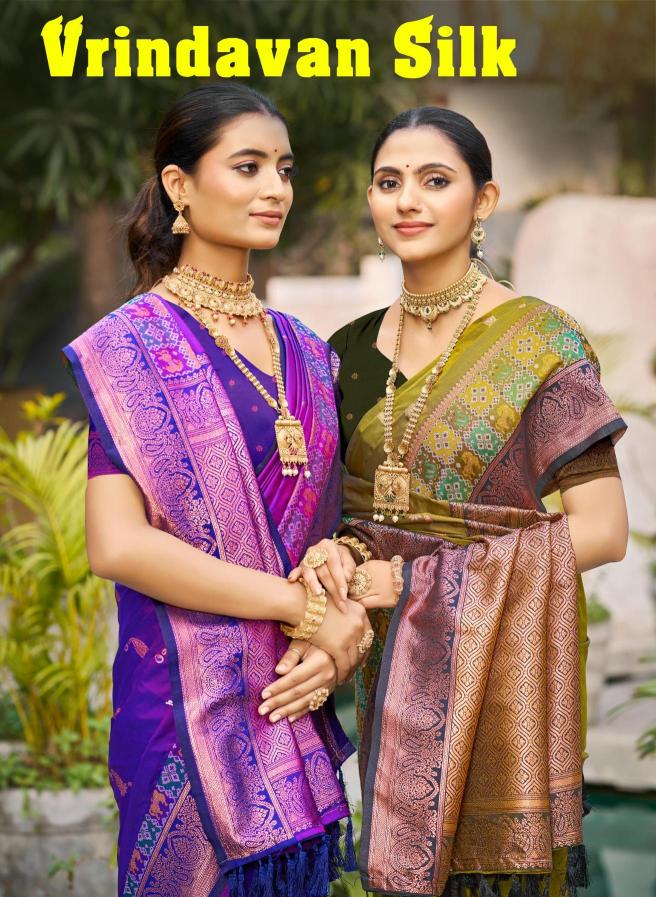
Traditional Indian sarees remain valuable for international retailers because they are connected with occasions that continue across generations. Weddings, religious functions, festivals and family celebrations consistently create demand for products with a recognisable Indian aesthetic.
Soft silk, woven styles, Banarasi-inspired patterns, Bandhej designs and festive borders can help an overseas boutique create a collection that feels culturally relevant without depending entirely on temporary fashion trends.
Mix Traditional Designs with Contemporary Colours
A traditional weave does not necessarily require only conventional colours. Modern customers may prefer pastel shades, sophisticated neutrals, jewel tones or unusual combinations while still wanting classic borders and woven motifs.
A balanced wholesale order can therefore combine proven traditional colours with selected contemporary options.
Use Occasion-Based Merchandising
Instead of displaying every saree under one general category, retailers can merchandise products according to customer intent. Wedding Sarees, Festive Sarees, Diwali Collections, Traditional Silk Sarees and Party Wear Sarees can make online browsing more intuitive.
This also gives sellers useful themes for social media campaigns and customer messaging.
Internal Linking for Wider Wholesale Fashion Sourcing
Buyers looking beyond traditional collections can explore fancy sarees wholesale options for contemporary customers, parties, celebrations and boutique-focused inventory.
Retailers who want to diversify beyond sarees can also explore wholesale dress materials Surat collections and create a broader Indian ethnic fashion assortment for their customers.
Category diversification can be useful for established retailers because customers purchasing sarees may also be interested in suits, dress materials, kurtis or other ethnic products. The expansion should nevertheless be guided by genuine customer demand rather than simply increasing the number of products available.
How Wholesale Buyers Can Plan Seasonal Inventory
International inventory planning requires additional lead time. A retailer cannot treat an overseas wholesale order in the same way as purchasing replacement stock from a supplier located nearby.
Start planning important seasonal collections early enough to accommodate sourcing, order processing, transportation and merchandising before customer demand reaches its peak.
Wedding Season Inventory
Wedding buyers often seek richer fabrics, decorative borders, woven designs and premium-looking products. Boutiques can prepare selected wedding sarees at different price levels rather than concentrating the entire budget on extremely expensive merchandise.
Festival Collections
Diwali, Navratri and other celebrations can create demand for colourful sarees and traditional Indian fashion. Overseas businesses should consider the dates of local community events as well as the main festival calendar.
Year-Round Products
Do not allow seasonal buying to consume the complete inventory budget. Lightweight and moderately priced sarees can support regular sales between major festivals.
A mixture of seasonal and year-round merchandise can produce more consistent cash flow.
Why Surat Is Useful for Multi-Category Export Buyers
The strength of the surat textile market extends beyond sarees. Its enormous textile ecosystem includes fabrics, dress materials, kurtis, suits, lehengas and many other women's fashion categories.
This can be useful when an overseas retailer wants to expand gradually. After establishing a successful saree business, the same customer audience may respond to complementary Indian ethnic wear.
Access to Manufacturing and Wholesale Networks
Surat's manufacturing and trading infrastructure enables buyers to explore products across multiple price segments. Businesses around ring road, sahara darwaza and surrounding textile areas form part of this larger commercial network.
Working with an experienced sourcing channel can help overseas buyers navigate this enormous selection without having to establish a separate relationship with every production unit.
How to Build Repeat Customers in an Overseas Saree Business
Finding a supplier is only one side of the business. Long-term profitability comes from converting inventory into satisfied customers who return for future purchases.
Describe Products Clearly
Provide customers with accurate information about the saree and avoid exaggerated claims. Clear product descriptions help customers understand what they are purchasing and reduce unnecessary expectation gaps.
Offer Multiple Price Levels
Not every customer entering an ethnic boutique has the same budget. Maintaining different price segments makes it possible to serve a wider audience without losing the store's positioning.
Introduce New Arrivals Consistently
Regular product updates encourage customers to revisit your website, social media account or physical store. New arrivals also give retailers a natural reason to reconnect with previous buyers.
Rather than purchasing random collections, develop a recognisable style that customers begin associating with your business.
Digital Marketing Ideas for Saree Resellers
Wholesale sourcing creates inventory; marketing creates demand. Home-Based Sellers and boutiques can use digital channels to present sarees more effectively without requiring a large advertising budget.
Use Product Videos
Videos can show drape, texture, borders and overall appearance more clearly than a single photograph. Short-form content is particularly useful for Instagram Reels, Facebook and WhatsApp Status.
Create Occasion-Focused Content
Instead of repeatedly posting “New Saree Available,” explain where the product fits. Content such as “Wedding Guest Saree Collection,” “Diwali Sarees” or “Traditional Sarees for Family Functions” gives customers a reason to imagine wearing the product.
Communicate New Arrivals to Existing Customers
Existing customers are an important audience because they already understand your business. Where customers have chosen to receive updates, share relevant new arrivals rather than overwhelming them with every catalogue.
Common Mistakes in Saree Export Sourcing
Even experienced buyers can make purchasing mistakes when decisions are driven by excitement rather than commercial planning. Recognising common problems can help protect both working capital and customer satisfaction.
Buying Only Because the Price Is Low
A low wholesale rate does not guarantee profitable inventory. Evaluate quality, styling, customer demand and landed cost together.
Ignoring Destination-Market Preferences
A trending saree in India may not automatically become a bestseller in Australia, Malaysia or Canada. Use local customer behaviour as the primary guide.
Ordering Too Deeply into One Design
Unless a style has already demonstrated strong demand, excessive quantities can create slow-moving inventory. Variety can sometimes be more valuable than depth, especially for smaller boutiques.
Ignoring Shipping Economics
Always calculate the final landed cost. International freight can change the profitability of a product considerably.
Waiting Until the Festival Begins to Order
International inventory should ideally reach the retailer before the strongest marketing and purchasing period. Last-minute sourcing can reduce the time available to sell the collection effectively.
Why Wholesaleexport.in Is Useful for Wholesale and Export Buyers
Wholesaleexport.in provides a digital sourcing option for businesses exploring Indian fashion collections from different locations. Home-Based Sellers, Shop Owners, Boutique Owners, Showroom Owners, Resellers and Wholesale Buyers can review products according to their business requirements.
For businesses seeking a saree wholesale supplier for export business, the ability to discover products remotely can reduce dependence on repeated physical market visits while maintaining access to Indian fashion sourcing.
Wholesale and Export Experience Since 2017
Vastralife's wholesale and export experience since 2017 brings years of practical involvement with India's textile and apparel sector. Industry expertise helps in understanding product categories, sourcing networks, wholesale buyer expectations and changing market demand.
Focus on Premium Product Quality
Different buyers require different price segments, but product value remains important across every category. Wholesale sourcing should balance competitive pricing with quality appropriate to the product segment.
This becomes especially important for international businesses because their reputation depends on what the end customer eventually receives.
Customer FAQs
1. How do I find a saree wholesale supplier for export business?
Look for suppliers with relevant wholesale experience, clear product information, multiple saree categories and an understanding of international purchasing. Compare product quality and commercial value rather than selecting solely on the lowest price.
2. Can I export wholesale sarees from Surat?
Yes. Surat is a major textile sourcing centre, and overseas businesses can source sarees from the city's broader manufacturing and wholesale ecosystem. Buyers should verify the applicable shipping, customs and import requirements for their destination.
3. Which sarees are suitable for overseas boutiques?
Traditional silk-look sarees, Banarasi-inspired styles, designer sarees, festive collections, lightweight sarees and wedding products can all have potential. The ideal assortment depends on the boutique's customers.
4. How should I calculate my saree export profit?
Calculate the complete landed cost, including the wholesale purchase cost and applicable logistics and destination expenses. Then include your operating and selling expenses before deciding the final retail price.
5. Should a new reseller buy sarees in large quantities?
New Resellers should usually test customer demand with quantities appropriate to their budget before significantly increasing inventory. Successful products can then be reordered or expanded into related styles.
6. Why is Surat popular for saree wholesale buying?
Surat has an extensive textile ecosystem covering fabric, processing, weaving, printing, embroidery, manufacturing and wholesale trading. This provides access to numerous product categories and price levels.
7. Can Home-Based Sellers start a saree export business?
Yes. Digital selling and online sourcing have made international ethnic fashion businesses more accessible. Sellers still need to understand destination regulations, shipping economics and their customers before scaling.
8. What should I check before placing an international wholesale order?
Review product details, MOQ, current availability, applicable pricing, payment terms and shipping arrangements. Also calculate whether the merchandise will provide a commercially workable landed cost in your country.
9. How often should a boutique add new saree collections?
There is no fixed schedule for every business. Add new products according to sales velocity, customer demand, seasonal opportunities and available working capital rather than purchasing simply to maintain a particular frequency.
10. Is Wholesaleexport.in suitable for wholesale buyers?
Wholesaleexport.in is focused on wholesale fashion sourcing for different types of business buyers, including retailers, boutiques, resellers and bulk purchasers looking to explore Indian fashion collections.
Build Your Saree Export Business with Smarter Sourcing
A successful international saree business requires the right combination of sourcing, inventory planning and customer knowledge. Attractive designs matter, but profitable wholesale purchasing also depends on quality, landed cost, seasonal timing and product-market fit.
Start with collections that match your existing audience, measure actual sales and increase purchasing where the data supports it. Over time, this approach can turn occasional wholesale buying into a structured sourcing system.
Working with an experienced saree wholesale supplier for export business can also make it easier to explore new categories as your business expands.
Start Wholesale Saree Sourcing with Wholesaleexport.in
Explore Wholesaleexport.in for Indian sarees and ethnic fashion collections suitable for boutiques, retailers, Resellers, Home-Based Sellers and Wholesale Buyers in 2026.
Latest Collections – Explore regularly updated Indian fashion and saree selections for changing customer demand.
Wholesale Pricing – Source products with commercially focused wholesale pricing for professional buyers.
Trendy Ethnic Wear – Discover sarees and other Indian fashion categories for daily, festive and occasion-based retailing.
Fast Shipping – Shipping and dispatch support is available according to eligible orders, destinations and applicable terms.
COD Support – COD Support is available for eligible India orders according to applicable order conditions.
Bulk Order Deals – Wholesale Buyers planning larger quantities can contact the team to discuss suitable bulk-order options.
Quality Products Starting From ₹299 – Explore value-focused fashion products according to current collection availability.
Contact Number: +91 9712582172
Website: wholesaleexport.in
From Surat's established textile and manufacturing ecosystem to boutiques serving customers around the world, Indian fashion continues to create opportunities for serious wholesale buyers. Choose your collections carefully, understand your destination market, calculate the complete cost of every order and build supplier relationships that support consistent growth. With disciplined sourcing and the right product mix, saree wholesale can become a strong foundation for a sustainable international ethnic wear business.