



Rayon Kurti Wholesale Collection 2026 – Latest Designs, Prices & Surat Suppliers
Rayon Kurti Wholesale Collection 2026 – Latest Designs, Prices & Surat Suppliers
Rayon kurtis continue to hold a strong position in the women’s ethnic wear business because they combine comfort, attractive styling and practical everyday usability. For retailers, boutique owners and resellers, the category offers plenty of opportunities to build a collection across different price points, patterns, sizes and customer preferences. From simple daily-wear pieces to coordinated festive looks, buyers can source varieties suitable for both offline stores and online selling.
Introduction
The Indian women’s fashion market keeps evolving, but some categories maintain consistent demand across seasons. Rayon kurtis are among them. The fabric is appreciated for its soft feel, graceful fall and versatility, while manufacturers continuously introduce new prints, silhouettes, embroidery patterns and contemporary details to keep collections fresh.
For a wholesale buyer, however, choosing products involves much more than finding an attractive design. Fabric quality, stitching, size availability, finishing, wholesale price, repeat availability, dispatch speed and supplier reliability can directly influence profitability. This is particularly important for Home-Based Sellers, Shop Owners, Boutique Owners, Showroom Owners, Resellers and Wholesale Buyers who need collections that are commercially practical rather than simply visually appealing.
A well-planned Rayon Kurti Wholesale Collection can cover several customer segments simultaneously. Retailers can stock affordable daily-wear kurtis, office-friendly patterns, trendy short kurtis, printed styles, embroidered pieces and premium kurti sets according to their local market. This variety makes rayon an important category for businesses looking to maintain regular customer engagement throughout 2026.
Why Rayon Kurtis Continue to Sell in 2026
Customers today look for clothing that works across multiple occasions. A kurti that can be worn at home, at work, while shopping or during a casual gathering has a wider potential customer base. Rayon fits naturally into this requirement because the fabric provides an elegant drape without making the garment unnecessarily heavy.
Another important advantage is design flexibility. Rayon kurtis wholesale collections can include floral prints, geometric patterns, ethnic motifs, solid colours, embroidery, foil prints, block-inspired designs and modern neck patterns. Manufacturers can also develop straight kurtis, A-line kurtis, short tops, flared styles and coordinated sets using rayon-based fabrics.
For retailers, this creates an opportunity to serve customers of different age groups and fashion preferences without moving away from one commercially proven fabric category. A college-going customer may prefer a trendy short kurti, while an office-going buyer may select a straight printed design. Another customer may choose a coordinated kurti-pant set for a family function or casual festive occasion.
Comfort Meets Commercial Demand
Fashion trends can create short-term demand, but comfort encourages repeat purchases. This is one reason rayon kurti wholesale remains relevant for retailers. When customers find an affordable garment comfortable and easy to style, they may return for additional colours or new designs from the same category.
This repeat-buying potential is valuable for sellers because it allows them to introduce regular new arrivals rather than depending entirely on one-time festive sales. A boutique can create weekly rayon updates, an Instagram reseller can share new catalogs frequently, and a physical shop can maintain a dedicated daily-wear ethnic section.
Suitable for Different Indian Markets
India is not one uniform fashion market. Customer preferences can differ significantly between Gujarat, Maharashtra, Rajasthan, Delhi, Uttar Pradesh, Bihar, Karnataka, Telangana and other regions. Rayon provides wholesalers with enough design diversity to adapt inventory to regional demand.
Bright printed pieces can work well in one market, while subtle office-wear colours may perform better elsewhere. Instead of purchasing every available design, professional buyers can study their own customer behaviour and build a targeted wholesale kurti collection.
Popular Rayon Kurti Designs Wholesale Buyers Should Consider
The best wholesale inventory normally includes a combination of dependable sellers and selected trend-driven designs. Buying only experimental fashion can increase inventory risk, while stocking only basic designs can make a store look repetitive. A balanced approach provides customers with familiarity as well as freshness.
Some of the most commercially useful categories in a Rayon Kurti Wholesale Collection include straight kurtis, printed rayon kurtis, embroidered styles, A-line designs, short kurtis, flared kurtis, kurti-pant combinations and three-piece ethnic sets. The exact mix should depend on the retailer’s customer profile and average selling price.
Printed Rayon Kurtis
Printed rayon kurtis wholesale are particularly useful for businesses targeting everyday and casual wear customers. Floral patterns, abstract prints, traditional motifs and geometric designs allow stores to provide considerable variety without shifting into expensive occasion wear.
Printed designs can also be easier to promote through WhatsApp, Instagram and online catalogs because customers can quickly compare colours and patterns. Home-Based Sellers and Resellers can share multiple options digitally and collect customer interest before increasing their inventory.
Embroidered Rayon Kurtis
Embroidery can elevate the perceived value of a rayon kurti. Neck embroidery, yoke work, sleeve detailing and carefully positioned motifs can transform a basic garment into a more premium-looking product. These designs can be useful for boutiques and showroom owners who want to maintain a slightly higher retail selling range.
Wholesale buyers should evaluate embroidery finishing rather than purchasing solely on photographs. Loose threads, uneven stitching or poor placement can reduce customer satisfaction. Reliable kurti manufacturers in Surat generally focus on finishing because repeat wholesale business depends heavily on consistent product quality.
Short Rayon Kurtis and Modern Retail Demand
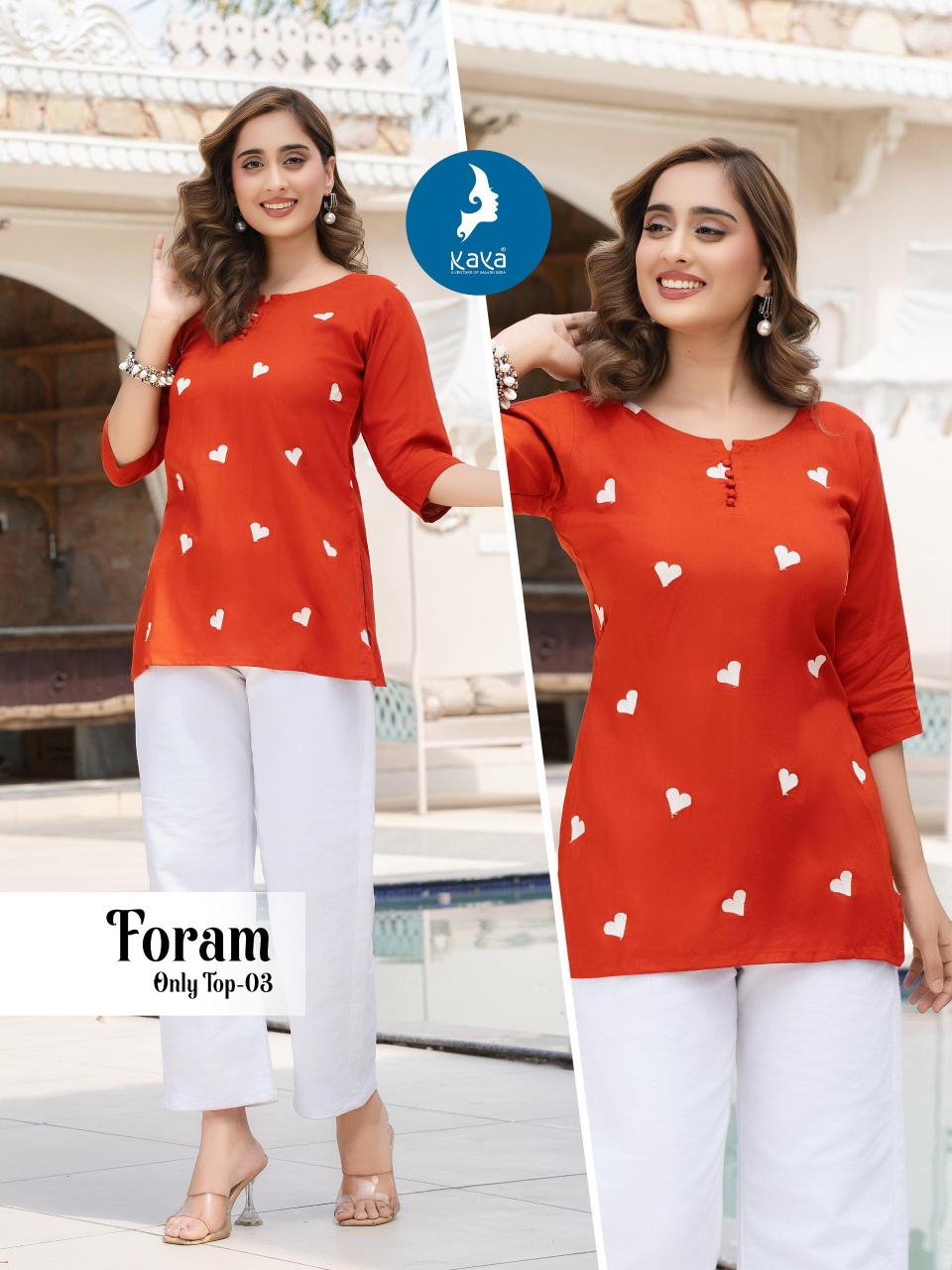
Short kurtis have created another commercially interesting segment within women’s ethnic and fusion wear. They can be paired with jeans, trousers, palazzos or skirts, making them attractive to younger customers who want Indian-inspired fashion without a completely traditional appearance.
For a reseller, short rayon kurti wholesale products can complement regular long kurtis and help broaden the target audience. Stores near colleges, urban residential areas and fashion-focused markets may particularly benefit from testing these styles in limited quantities before placing larger repeat orders.
Colour selection also matters. Instead of choosing ten similar shades, wholesalers can create a stronger assortment using neutrals, pastels, bright seasonal colours and darker evergreen tones. This makes the collection appear larger and more varied to the final customer.
Understanding Rayon Kurti Wholesale Price
Price is naturally one of the first considerations for wholesale buyers, but the lowest quotation does not necessarily produce the highest profit. A commercially useful purchase should be evaluated according to fabric, stitching, design, size ratio, finishing, packaging and expected retail selling value.
A slightly better garment purchased at a reasonable rayon kurti wholesale price may offer stronger margins if customers perceive it as higher quality. Conversely, an extremely inexpensive product can become costly if there are frequent defects, poor fitting issues or unsold inventory.
In 2026, buyers should compare products on a value-for-money basis. Ask what is included at a particular price: Is it a single kurti or a complete set? Is the design printed or embroidered? What is the fabric specification? Which sizes are available? Is the catalog sold as a complete set? What is the minimum order quantity? These questions make wholesale purchasing more systematic.
Factors That Influence Wholesale Pricing
Several elements can influence the final kurti wholesale price, including fabric quality, garment length, design complexity, embroidery, printing method, accessories, stitching quality, size range and order quantity. Manufacturing volume can also affect costing because larger production runs may distribute certain production expenses more efficiently.
Bulk buyers should therefore compare similar specifications instead of comparing two products only by their quoted rates. A premium rayon piece and an entry-level rayon kurti are intended for different retail segments and should not be evaluated as identical products.
Building a Profitable Retail Margin
A good buying decision leaves sufficient room for operating expenses and retail profit. Sellers should account for product cost, GST where applicable, shipping, packaging, advertising, payment charges and possible return-related expenses before deciding their final customer price.
For online resellers, product presentation can also affect perceived value. Clear images, correct measurements, fabric information and honest product descriptions can help customers understand what they are purchasing and can reduce unnecessary confusion.
Surat as a Major Kurti Wholesale Sourcing Hub
Surat has developed an extensive ecosystem around textiles, garments, fabrics, trading and distribution. The surat textile market connects manufacturers, wholesalers, traders, transport providers and buyers from numerous regions, making the city highly relevant for women’s ethnic wear sourcing.
Commercial areas around ring road and sahara darwaza are widely associated with textile trade. Buyers visiting Surat can encounter a broad range of sarees, dress materials, kurtis, suits and other women’s apparel categories. At the same time, online wholesale platforms have made it possible for businesses outside Surat to access collections without making frequent physical buying trips.
This combination of established textile infrastructure and digital sourcing has changed the way retailers operate. A boutique owner in another state can examine new catalogs remotely, discuss quantities and arrange dispatch instead of travelling for every purchase.
Manufacturing and Wholesale Supply
The strength of a textile hub is not limited to the number of products available. Its network of manufacturing, processing, stitching, trading and logistics businesses can support regular collection development and nationwide distribution.
Wholesale buyers should still evaluate individual suppliers carefully. Product consistency, communication, order handling and after-sales assistance matter just as much as location. A supplier being based in Surat does not automatically guarantee that every product will meet the requirements of every retailer.
Who Can Benefit from Buying Rayon Kurtis in Wholesale?
The category works for several types of fashion businesses because order strategies can be adapted to business scale. A large showroom may purchase broader size and design assortments, whereas a Home-Based Seller can begin with carefully selected products and expand according to actual customer response.
Home-Based Sellers and Resellers
Digital selling has lowered the entry barrier for people who want to start a clothing business without opening a large physical store. Home-Based Sellers can showcase catalogs through WhatsApp, Instagram, Facebook and personal customer networks.
For this audience, low inventory risk is especially important. Collections with manageable MOQ requirements allow sellers to test designs before investing more capital. Wholesaleexport.in provides access to multiple women’s ethnic wear categories, enabling resellers to explore products according to their target customers.
Boutique and Shop Owners
Boutique Owners generally need a more curated selection. Rather than displaying dozens of nearly identical pieces, they can choose different silhouettes, prints and embellishment levels. Regularly refreshing a latest rayon kurti collection can also give existing customers a reason to revisit the store.
Shop Owners serving value-conscious markets can concentrate on fast-moving designs, practical size combinations and attractive retail price points. The objective should be inventory rotation rather than simply accumulating a large number of catalogs.
Showroom Owners and Wholesale Buyers
Showroom Owners and larger Wholesale Buyers may require deeper inventory, broader sizes and dependable repeat supply. Their sourcing decisions often depend on consistency and scalability. Before committing to substantial quantities, it is useful to evaluate samples or smaller initial orders whenever possible.
Larger buyers should also discuss packing, dispatch schedules and repeat-production possibilities. These operational details become increasingly important as order quantities grow.
Rayon Kurtis for India and International Export Markets
Indian ethnic fashion has customers far beyond the domestic market. Retailers serving Indian communities overseas can consider rayon kurtis because the category provides a familiar ethnic identity while remaining practical for everyday and semi-casual use.
For example, buyers serving India, USA and Australia can create different assortments based on climate, customer demographics, local fashion preferences and expected retail pricing. International orders also require careful attention to shipping cost, product weight, documentation and delivery timelines.
An export buyer should verify all applicable commercial requirements before ordering. Product selection for overseas customers may also differ from domestic purchasing because size preferences, colour demand and seasonal buying cycles can vary by destination.
Wholesaleexport.in supports wholesale sourcing for businesses looking for Indian women’s ethnic wear collections. The broader business experience behind the platform includes Vastralife’s wholesale and export experience since 2017, combining industry expertise with an emphasis on premium product quality and practical sourcing support for professional buyers.
How to Select the Right Rayon Kurti Supplier
A supplier relationship can influence the long-term stability of a retail business. Attractive catalog photographs may generate the first inquiry, but repeat purchasing depends on what happens after the order is placed. Buyers should evaluate communication quality, product information, dispatch reliability, quality consistency and issue-resolution processes.
When comparing rayon kurti suppliers, ask for accurate size information and fabric details. Confirm MOQ and whether the quoted rate applies to a complete catalog, selected pieces or individual designs. Also understand payment and shipping conditions before transferring funds.
Businesses searching online can explore wholesale rayon kurtis to compare suitable options for their customer base. Retailers planning to expand beyond kurtis can also consider complementary categories such as wholesale Pakistani suits to create a more diverse ethnic wear offering.
The aim should be to build a dependable sourcing system rather than repeatedly changing suppliers to save a very small amount per garment. Consistent quality, transparent communication and dependable dispatch can often provide more business value than a minor difference in purchase price.
How to Build a Balanced Rayon Kurti Inventory
Successful wholesale buying is not simply about purchasing the maximum number of designs. The objective is to create an inventory mix that gives customers enough choice while allowing products to move quickly. Retailers should balance proven everyday styles with selected new trends instead of investing heavily in only one design direction.
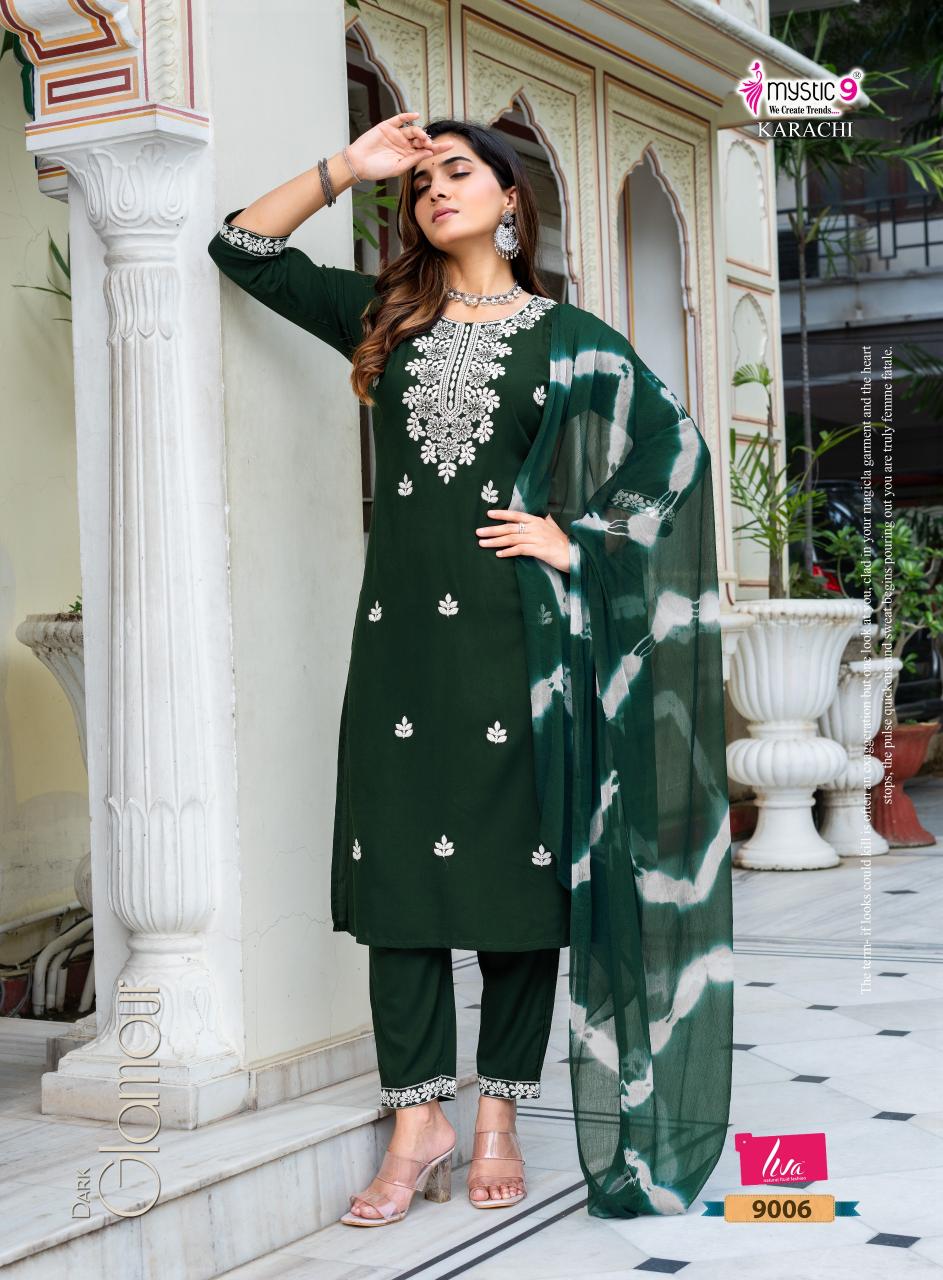
A practical Rayon Kurti Wholesale Collection can include simple printed kurtis for regular use, embroidered designs for customers looking for a more premium appearance, short kurtis for younger buyers and kurti sets for customers who prefer a complete coordinated outfit. This approach allows one category to serve several retail requirements.
Colour planning is equally important. Black, navy, maroon, wine and darker greens can provide evergreen options, while pastel pink, lavender, mint, sky blue and other softer shades can add a contemporary feel. Seasonal bright colours can then be introduced in smaller quantities according to current demand.
Plan Inventory According to Customer Budget
Every store has its own customer price range. Before buying, retailers should identify which selling brackets generate the most inquiries and actual conversions. A business catering primarily to budget-conscious customers may need more affordable daily-wear pieces, whereas a premium boutique can allocate greater inventory to embroidery, distinctive patterns and coordinated sets.
The purchase decision should therefore begin with the expected retail customer rather than the supplier catalog. When the product, customer and price range are aligned, inventory management becomes significantly more efficient.
Use Small Tests Before Large Repeat Orders
New designs can look promising in a catalog but perform differently after reaching the retail market. Sellers can reduce this uncertainty by testing new styles in smaller quantities and monitoring inquiries, conversions and customer feedback.
When a particular design performs well, repeat ordering can be considered subject to availability. This method can be particularly useful for online resellers and Home-Based Sellers who want to protect working capital while continuing to introduce new products.
Latest Rayon Kurti Trends for 2026
Women’s ethnic fashion in 2026 reflects a combination of traditional Indian elements and practical contemporary styling. Customers increasingly look for outfits that photograph well, feel comfortable and can be styled in more than one way. This has encouraged manufacturers to experiment with silhouettes, surface detailing and coordinated looks.
Within rayon kurtis wholesale, clean straight silhouettes continue to have commercial value because they appeal to a broad customer base. Alongside them, short kurtis, A-line patterns, flared shapes, tiered details and kurti-pant combinations give retailers opportunities to target trend-conscious customers.
Floral and Ethnic Prints
Floral prints remain useful because they can be adapted to both subtle and vibrant collections. Small floral patterns can work for office and daily wear, while larger motifs can create a stronger fashion statement. Traditional-inspired motifs provide another option for customers who prefer an ethnic appearance.
The right print should complement the garment shape. Buyers should inspect whether the design placement looks balanced across different sizes and whether the print remains visually appealing after the garment is stitched.
Minimal Embroidery and Neck Detailing
Not every customer wants heavy embroidery. Light thread work, attractive neck patterns, small motifs and subtle decorative detailing can add enough visual interest while keeping a kurti suitable for repeated use.
For boutiques, these designs can occupy the space between basic printed kurtis and expensive festive wear. This middle segment can be commercially valuable because customers receive a more dressed-up appearance without moving into a significantly higher budget.
Kurti Sets and Coordinated Fashion
Ready-to-style combinations remain important in women’s ethnic fashion. Customers who do not want to spend time matching bottoms and dupattas may prefer complete sets. Consequently, a retailer focusing on rayon kurti wholesale can consider complementing single kurtis with selected two-piece and three-piece sets.
Coordinated collections can also increase average transaction value. A customer who might otherwise purchase one kurti receives an entire outfit, while the retailer gains an additional selling category without moving away from ethnic wear.
Online Wholesale Buying Versus Physical Market Sourcing
Traditional sourcing from the surat textile market remains useful for buyers who prefer inspecting merchandise physically and comparing multiple suppliers during a market visit. Areas around ring road and sahara darwaza provide access to a large textile trading ecosystem.
However, frequent travel involves time and cost. Online wholesale sourcing provides an alternative for businesses located outside Surat. Catalogs can be reviewed remotely, product details can be discussed digitally and orders can be dispatched to the buyer’s location.
For many modern retailers, the most practical approach can be a combination of both methods. Buyers may develop trusted supplier relationships through physical visits and subsequently place repeat orders online. Others may operate entirely through digital sourcing when reliable product information and support are available.
Wholesaleexport.in is designed to make this process convenient for Shop Owners, Boutique Owners, Showroom Owners, Resellers and Wholesale Buyers who want access to multiple ethnic wear categories from a single online sourcing environment.
How Rayon Kurtis Can Help Home-Based Sellers Grow
A large showroom is no longer essential for starting a fashion resale business. Social media, messaging applications and digital catalogs have created opportunities for Home-Based Sellers to build customer networks with relatively controlled overheads.
Rayon kurtis can fit this business model because they cover broad everyday fashion requirements. Sellers can regularly share new designs, identify customer preferences and gradually create a niche around particular styles, sizes or price points.
Instead of sharing every available catalog, a reseller can curate products according to the audience. For example, one customer group may prefer affordable office wear, another may respond to plus-size options, while another may be interested in premium kurti sets. Better segmentation can make product communication more relevant.
Use Product Information to Build Customer Confidence
Online buyers cannot physically touch a garment before purchasing, so accurate information becomes especially important. Sellers should clearly communicate fabric type, size, garment length, colour variation possibilities, washing guidance where available and what exactly is included in the package.
A professional seller should avoid making claims that cannot be verified. Clear communication may not eliminate every return or question, but it helps customers make better purchase decisions and can strengthen long-term trust.
Keep New Arrivals Consistent
Customers following an online clothing seller often expect fresh options. Regular new arrivals can keep WhatsApp groups, Instagram pages and customer broadcasts active. However, sellers should prioritise relevance over quantity and avoid overwhelming customers with hundreds of unrelated products.
A carefully selected latest rayon kurti collection can be introduced as a focused update, followed by complementary products such as kurti sets, dress materials or ethnic suits according to customer response.
Wholesale Rayon Kurtis for Boutique and Showroom Owners
Boutiques and showrooms often compete through presentation, curation and customer service rather than price alone. Their inventory therefore needs enough visual distinction to encourage customers to explore multiple products.
A boutique can arrange its rayon section by style or occasion. One section may focus on everyday prints, another on office wear and another on embroidered or coordinated outfits. This makes shopping easier and allows sales staff to recommend products according to customer requirements.
Showroom Owners can also use size-wise and colour-wise inventory data to improve repeat buying. If particular sizes sell more frequently, future purchases can be adjusted instead of repeatedly ordering the same ratio without analysing sales.
Do Not Ignore Size Availability
Design attracts the customer, but correct sizing closes the sale. A collection with beautiful products but limited usable sizes can create missed opportunities. Before placing a wholesale order, buyers should check the available size range and understand whether all designs are supplied in identical sizes.
Retailers targeting broader customer groups can specifically look for suppliers offering multiple size options. Accurate size charts should also be communicated to online customers whenever possible.
Wholesale Export Opportunities for Rayon Kurtis
Indian ethnic wear continues to have a customer base in international markets, particularly among Indian communities and consumers interested in South Asian fashion. Rayon kurtis can provide international boutiques with lightweight, colourful and versatile ethnic products.
Businesses planning export orders should approach inventory differently from domestic buying. Shipping cost, packaging, destination regulations, import requirements, product weight and delivery time all influence the landed cost of merchandise.
Retailers supplying customers in the USA may prefer a broad size assortment and versatile ethnic styles, while businesses targeting Australia can plan purchases around local seasons and community events. Indian buyers, meanwhile, can focus more heavily on regional preferences and rapid inventory rotation.
International buyers should confirm current shipping and commercial terms before placing an order because freight charges, documentation requirements and destination-specific conditions can change. Reliable communication between supplier and buyer becomes especially important when merchandise crosses borders.
Quality Checks Before Placing a Bulk Order
Wholesale purchasing becomes safer when buyers follow a consistent evaluation process. Fabric feel, stitching, colour, measurements, embroidery, buttons, zippers and finishing should be considered according to the garment design.
When dealing with a new supplier, starting with a manageable order can provide useful information about actual product quality and service. Buyers can then evaluate whether the received products correspond reasonably with the catalog presentation before increasing order quantities.
Check Fabric and Stitching
Fabric is central to the customer experience. Buyers should understand what type of rayon or rayon-based fabric is being offered instead of assuming that every product marketed under the broad rayon category will have an identical texture or weight.
Stitching should appear neat and commercially acceptable. Important areas such as necklines, sleeves, side seams and hems deserve attention because visible finishing issues can negatively affect retail presentation.
Check Colour and Product Presentation
Digital photography, lighting and screen settings can create slight colour differences. Retailers selling online should therefore communicate reasonable expectations to customers. At the wholesale level, buyers should also examine whether product photographs represent the design clearly enough for resale marketing.
Strong product images can save considerable time for resellers, but photographs should still be supported by accurate specifications.
Why Experience Matters in Textile Wholesale
The textile industry involves much more than selecting attractive garments. Understanding changing customer demand, seasonal movement, fabric categories, supplier coordination, dispatch management and wholesale buying behaviour requires practical experience.
The business ecosystem associated with Wholesaleexport.in benefits from Vastralife’s wholesale and export experience since 2017. This background contributes industry expertise in women’s ethnic wear sourcing and a continued focus on premium product quality, buyer requirements and commercially useful collections.
For professional buyers, experience can be valuable when choosing between similar-looking catalogs. The objective is not merely to offer a large product count but to help businesses discover collections suitable for their own retail market.
Internal Linking and Related Wholesale Categories
Retailers can strengthen their product mix by viewing rayon kurtis as one component of a wider women’s ethnic wear strategy. Customers who purchase kurtis may also be interested in kurti sets, sarees, dress materials, Pakistani-style suits, festive outfits and other complementary categories.
When planning inventory, related categories should be selected according to actual customer behaviour. For example, a boutique with strong demand for daily-wear kurtis can introduce a smaller festive range for special occasions, while a showroom with established ethnic customers can maintain several categories throughout the year.
Wholesaleexport.in allows buyers to explore different wholesale collections and compare options according to their store positioning, customer budget and expected order quantity. A diversified but controlled assortment can help retailers increase cross-selling opportunities without tying excessive capital into slow-moving inventory.
Customer FAQs
1. What is a Rayon Kurti Wholesale Collection?
It refers to rayon kurtis offered for business purchasing in wholesale quantities or according to a supplier’s applicable MOQ. Collections may include printed kurtis, embroidered pieces, straight styles, short kurtis, A-line designs and coordinated sets.
2. Where can I buy rayon kurtis wholesale from Surat?
Buyers can source through manufacturers, traders and wholesalers associated with Surat’s textile ecosystem or use online wholesale platforms such as Wholesaleexport.in. Before ordering, confirm product specifications, quantity, current price, size availability and dispatch terms.
3. Are rayon kurtis suitable for Home-Based Sellers?
Yes. They can be suitable for Home-Based Sellers because the category covers everyday, casual and semi-ethnic fashion at different price levels. Sellers should select products according to their customer base and begin with manageable inventory.
4. What should I check before buying rayon kurtis in bulk?
Check fabric details, sizes, stitching, design, finishing, MOQ, wholesale price, catalog quantity, shipping terms and applicable replacement or claim policies. For a new supplier, a smaller initial purchase can help evaluate service and product consistency.
5. Can rayon kurtis be exported internationally?
Yes, rayon kurtis can be supplied to international markets subject to the seller’s shipping coverage and applicable export and import requirements. International buyers should confirm freight cost, documentation, destination rules and expected delivery schedules before ordering.
6. What rayon kurti styles are popular in 2026?
Demand can vary by market, but printed straight kurtis, short kurtis, subtle embroidered designs, A-line silhouettes and coordinated kurti sets remain commercially relevant options. Retailers should prioritise their own customer sales data when selecting trends.
7. Is the lowest wholesale price always the best choice?
No. Wholesale buyers should compare fabric, stitching, design, size availability, finishing and expected retail value along with price. A slightly higher purchase cost can sometimes provide better overall profitability if the product offers stronger customer acceptance and fewer quality issues.
8. How can boutique owners choose the right wholesale collection?
Boutique Owners should define their target customer, preferred retail price range and most frequently sold sizes before purchasing. A balanced mix of evergreen designs and limited trend-driven products can help maintain freshness while controlling inventory risk.
Start Sourcing Your Next Wholesale Collection
Whether you operate a boutique, showroom, retail shop, home-based business or online resale network, a carefully selected rayon collection can provide a strong foundation for regular ethnic wear sales. Focus on products that combine attractive designs, wearable fabrics, appropriate sizing, dependable quality and commercially workable margins.
Explore Latest Collections, competitive Wholesale Pricing and Trendy Ethnic Wear suitable for different retail requirements. Buyers can also enquire about Fast Shipping, available COD Support, Bulk Order Deals and selected Quality Products Starting From ₹299, subject to current collection availability and applicable ordering terms.
For current catalogs, product details, wholesale rates and bulk-order assistance, connect with the Wholesaleexport.in team and select collections according to your business requirements.
Contact Us: +91 9712582172
Website: wholesaleexport.in
Build your 2026 inventory with better product selection, sensible quantities and a clear understanding of your customers. The right wholesale sourcing strategy can help turn regular new arrivals into repeat sales, stronger customer relationships and sustainable growth for your ethnic wear business.