


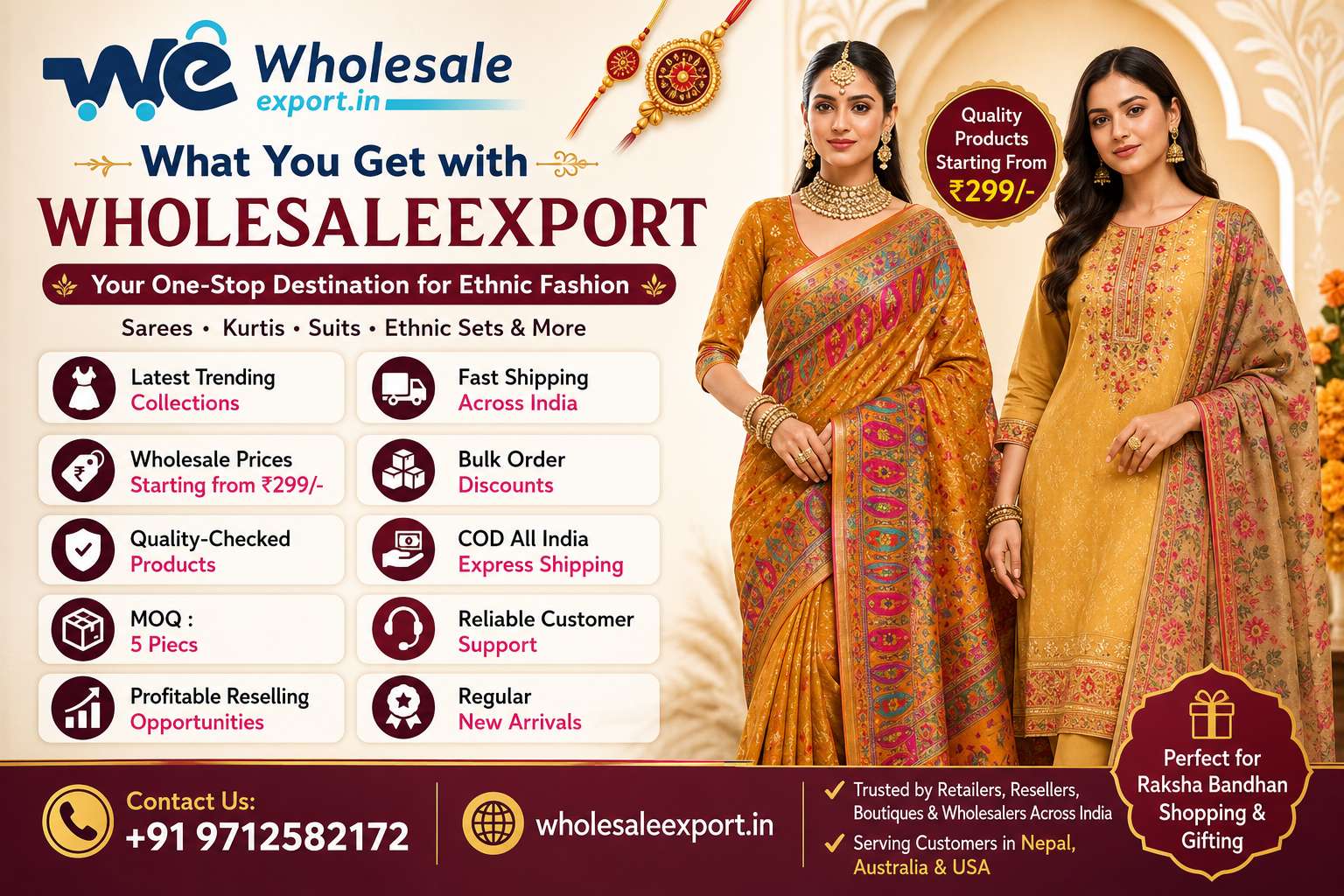
Raksha Bandhan Saree and Kurti Wholesale Collection 2026 for Retailers
Raksha Bandhan Saree and Kurti Wholesale Collection 2026 for Retailers
Raksha Bandhan creates a valuable seasonal opportunity for ethnic wear retailers because customers are not only shopping for the festival day but also looking for beautiful outfits that can be gifted to sisters, daughters, relatives, and friends. For shop owners, boutique owners, resellers, showroom owners, and home-based sellers, preparing the right combination of sarees and kurtis before the festive rush can improve both inventory movement and customer choice. A carefully planned collection should balance attractive designs, comfortable fabrics, festive colours, practical price points, and styles suitable for different age groups.
Introduction
Raksha Bandhan is traditionally associated with family gatherings, gifting, celebrations, and dressing beautifully for the occasion. This makes women's ethnic wear one of the most relevant categories for retailers during the festive buying season. Customers may choose a saree for a traditional family celebration, a kurti set for comfortable festive dressing, or a designer outfit as a Rakhi gift. Retailers who understand these different purchase intentions can build a much stronger seasonal assortment.
The Raksha Bandhan saree and kurti wholesale collection for 2026 should therefore not depend on a single design or price segment. A better approach is to stock an assortment covering everyday festive kurtis, kurti-pant sets, designer sarees, printed sarees, embroidered kurtis, ethnic co-ord sets, festive kurta sets, lightweight sarees, and selected premium styles. This creates options for customers with different budgets while helping retailers increase their average order value.
For wholesale buyers sourcing from Surat, the advantage is access to a large textile ecosystem covering fabric sourcing, designing, manufacturing, embroidery, printing, finishing, packaging, and distribution. Areas around the surat textile market, Ring Road, and Sahara Darwaza remain important sourcing zones for retailers looking for variety. Online wholesale platforms have made this ecosystem accessible to buyers who cannot physically visit Surat for every purchase.
Wholesaleexport.in helps connect retailers with fashion collections suitable for seasonal and regular selling. Buyers can explore products online and compare styles instead of depending entirely on traditional offline sourcing. For retailers in India as well as international buyers serving customers in Nepal, Australia, and the USA, this type of digital wholesale sourcing can make seasonal planning considerably easier.
Why Raksha Bandhan Is an Important Clothing Sales Season
Raksha Bandhan may be celebrated on a specific day, but retail demand starts much earlier. Customers begin browsing designs, planning gifts, coordinating family outfits, and comparing prices weeks before the festival. Retailers who wait until the final few days can miss early shoppers and may also find that the most attractive wholesale designs have already moved out of stock.
Festive Dressing Creates Natural Ethnic Wear Demand
Unlike occasions where western fashion dominates, Raksha Bandhan naturally complements Indian ethnic clothing. Sarees, kurtis, kurta-pant sets, Anarkali styles, straight-cut suits, printed cotton kurtis, festive rayon kurtis, and embroidered sets all fit comfortably into the occasion.
The demand is also broader than premium occasion wear. A customer may want an elegant ₹500–₹1,000 outfit for a simple family gathering while another may prefer a more elaborate designer saree or embellished kurti set. Maintaining several wholesale ethnic wear price levels allows a retailer to serve both customers without over-investing in only premium inventory.
Rakhi Gifting Expands the Customer Base
One of the biggest commercial advantages of the season is gifting. Brothers often search for clothing gifts for their sisters, while families may purchase outfits for daughters or relatives. Retailers can therefore merchandise selected products as “Rakhi Gift Picks” rather than displaying every item simply as another saree or kurti.
Ready-to-wear products can perform particularly well because customers buying gifts often prefer convenient choices. Kurti sets, coordinated ethnic sets, and easy-to-style sarees can simplify the buying decision. Clear size information, fabric details, product images, and an understandable price structure further help retailers convert gift shoppers.
Best Sarees to Stock for Raksha Bandhan 2026
A strong Raksha Bandhan saree wholesale assortment should combine festive appeal with wearability. Extremely heavy bridal sarees may not suit every Rakhi customer, while overly simple everyday sarees may lack the celebratory feel buyers expect. The most commercially useful assortment usually sits between these two extremes.
Designer Sarees for Festive Buyers
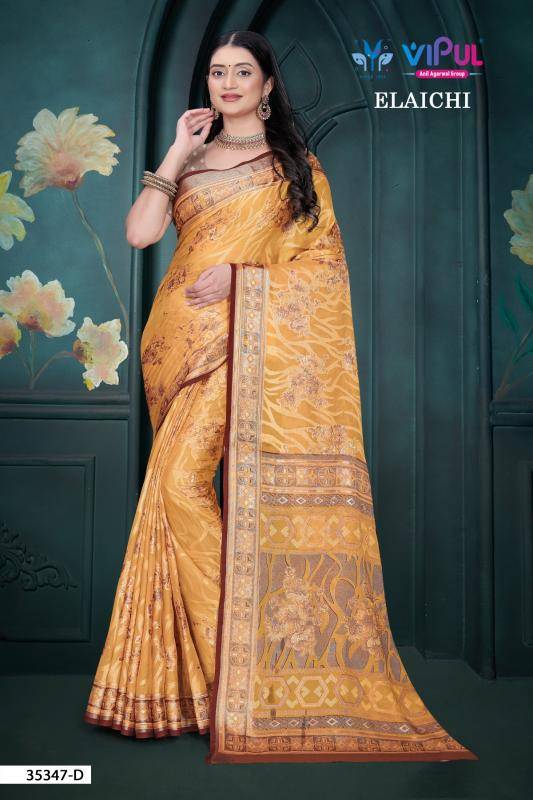
Designer sarees remain a useful category for customers who prefer an elevated traditional appearance. Retailers can consider embroidered borders, zari detailing, subtle sequins, attractive blouse combinations, printed designer sarees, and lightweight festive fabrics.
Colour selection matters considerably. Maroon, wine, royal blue, rani pink, green, purple, mustard, red, beige, and elegant pastel combinations can create visual variety. Instead of purchasing too much quantity in one colour, smaller retailers can spread their investment across multiple designs and shades.
Lightweight Sarees for Younger Customers
Younger buyers often want a saree that looks festive in photographs without being difficult to carry for several hours. Lightweight georgette, chiffon-style fabrics, soft silk looks, organza-inspired styles, and comfortable printed sarees can serve this segment effectively.
These products are especially useful for boutiques and Instagram or WhatsApp resellers because attractive draping and modern styling can perform well in short videos, reels, catalogue images, and social selling campaigns.
Printed and Everyday Festive Sarees
Not every Raksha Bandhan purchase is intended for one-time occasion wear. Many shoppers want something they can use again for family functions, office celebrations, small gatherings, or religious occasions. Printed sarees with an ethnic appearance can satisfy this need while remaining accessible at a practical retail price.
For wholesale buyers, this category can also reduce post-festival inventory risk because wearable designs can continue selling after Raksha Bandhan.
Best Kurti Categories for Raksha Bandhan Retail Stock
Kurtis offer one of the widest customer bases in women's ethnic fashion. They are easier to size, style, display, and ship than many elaborate festive garments, which makes kurti wholesale particularly relevant for home-based sellers, boutiques, online resellers, and traditional clothing stores.
Kurti Pant Sets
Two-piece kurti and pant sets provide customers with a complete look without requiring separate bottom-wear shopping. Straight-cut kurtis with coordinated pants, printed sets, embroidered necklines, and subtle festive details can work well for Raksha Bandhan.
Retailers should consider stocking both bright festive shades and softer contemporary colours. Customers increasingly appreciate outfits that can transition from festival wear to office parties, family dinners, and other social occasions.
Three-Piece Kurti Sets with Dupatta
A kurti, pant, and dupatta combination provides a more traditional appearance and can command a higher perceived value. Dupattas with prints, borders, foil detailing, embroidery, or contrasting colours can transform a relatively simple kurti into a festive outfit.
This makes three-piece sets particularly suitable for customers looking for Rakhi gifts. Boutique owners can merchandise them as complete ready-to-gift ethnic outfits and offer multiple price brackets.
Embroidered and Festive Kurtis
Embroidery around the neckline, sleeves, yoke, or hem can provide enough festive character without making the outfit excessively heavy. Such products can appeal to women who prefer understated fashion and want clothing that remains useful after the festival.
Retailers sourcing a Raksha Bandhan saree and kurti wholesale collection should consider the balance between design and practicality. An attractive catalogue photograph may generate initial interest, but fabric comfort, finishing, sizing, and wearable styling are what help build repeat customers.
How Retailers Should Plan Their Raksha Bandhan Inventory
Successful festive buying is less about purchasing the maximum quantity and more about creating the correct assortment. A retailer should understand existing customer behaviour before deciding how much stock to buy.
Divide the Budget Across Price Segments
A useful approach is to divide inventory into entry, mid-range, and premium segments. Entry-level products attract price-sensitive shoppers and resellers. Mid-range ethnic wear can form the largest part of the assortment because it balances design and affordability. Premium pieces can create higher-ticket sales for customers looking for distinctive gifting or festive outfits.
The exact distribution should depend on the retailer's local market. A neighbourhood clothing shop may require more value-focused inventory, while a designer boutique may dedicate a larger portion to premium products.
Stock Depth Versus Stock Variety
For smaller businesses, variety is often safer than excessive depth. Buying several designs in controlled quantities allows the seller to test customer response. Once a particular pattern, colour, or silhouette starts moving quickly, repeat orders can be placed when availability permits.
Large showrooms with established customer data may choose greater depth in proven categories. The key is to avoid locking too much capital into one untested festive trend.
Start Seasonal Buying Early
Early sourcing gives retailers more time for photography, cataloguing, social-media promotion, customer previews, pre-bookings, and replenishment. It also provides a buffer for shipping time and unexpected stock changes.
For 2026, retailers planning online campaigns should prepare product content well before peak demand. Images, reels, WhatsApp catalogues, product descriptions, size charts, and promotional messages can all be prepared while inventory is arriving rather than during the final sales rush.
Surat as a Strategic Wholesale Sourcing Market
Surat has built a strong reputation in India's textile trade because of its extensive manufacturing and distribution ecosystem. Buyers exploring the surat textile market encounter numerous categories of women's fashion, including sarees, kurtis, dress materials, suits, lehengas, gowns, and ready-made ethnic wear.
Ring Road and the broader Sahara Darwaza textile belt are widely associated with wholesale textile activity. For an outstation buyer, however, travelling to individual suppliers repeatedly can consume significant time. Digital sourcing helps reduce that friction by allowing retailers to review collections remotely before making purchase decisions.
Wholesaleexport.in is designed around this changing wholesale behaviour, giving buyers an online route to discover products for regular and festive inventory. Vastralife's wholesale and export experience since 2017 also contributes practical industry knowledge around sourcing, product selection, premium product quality, and serving buyers across different markets.
For international retailers, export planning involves more than selecting an attractive garment. Product availability, order consolidation, packaging, shipping schedules, and destination requirements need consideration. Buyers serving Nepal, Australia, or the USA should therefore plan seasonal purchases earlier than domestic retailers to provide enough time for logistics.
Retailers who want to expand their assortment can explore fancy sarees wholesale for additional festive saree options. Stores targeting wedding and celebration customers can also review the wholesale lehenga market Surat category when building a broader occasion-wear inventory.
How to Select the Right Colours for Raksha Bandhan Stock
Colour selection has a direct influence on festive fashion sales. While traditional colours remain dependable, modern customers increasingly look for softer shades and unusual combinations. A balanced Raksha Bandhan saree and kurti wholesale collection should therefore combine classic festive colours with contemporary options instead of depending heavily on one trend.
Traditional Festive Colours
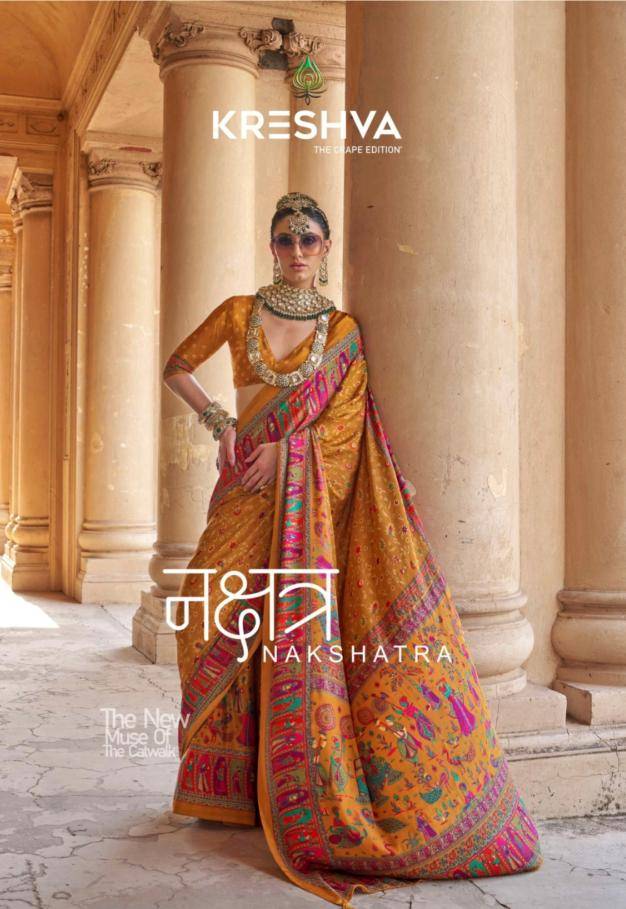
Red, maroon, rani pink, mustard, royal blue, bottle green and wine continue to work well for Indian celebrations. These shades immediately communicate a festive mood and can be especially attractive in sarees, embroidered kurtis and three-piece ethnic sets.
Traditional colours are useful for shop owners serving customers who prefer familiar ethnic styling. They also photograph strongly for storefront displays, WhatsApp catalogues and social-media promotions.
Pastels and Contemporary Shades
Pastel pink, lavender, powder blue, mint green, peach, beige and subtle ivory combinations provide an alternative for younger buyers. Retailers should consider adding these shades in lightweight sarees, straight-cut kurtis, kurti-pant sets and modern festive designs.
The objective is not to replace traditional colours but to create enough variety for different customer tastes. This approach is particularly helpful for boutiques and online sellers whose audience may include both younger fashion-conscious customers and traditional ethnic wear buyers.
Fabric Selection for Better Festive Sales
A beautiful design may attract attention, but fabric quality often determines whether a customer actually purchases the garment. Retailers should therefore consider comfort, drape, maintenance and climate while selecting their Raksha Bandhan stock.
Cotton and Cotton Blend Styles
Cotton and cotton-blend kurtis remain useful for customers who prioritise comfort. Printed cotton kurtis, embroidered cotton sets and breathable kurta-pant combinations can work particularly well for daytime Raksha Bandhan celebrations.
These products also have good post-festival selling potential because customers can continue wearing them for work, casual outings and everyday occasions. This reduces the risk of seasonal inventory becoming difficult to sell after the festival.
Rayon and Flowing Fabrics
Rayon-based kurtis and flowing ethnic garments offer comfortable movement while allowing manufacturers to create attractive silhouettes at commercially useful price levels. Straight-cut styles, flared kurtis and coordinated sets can all be included depending on the retailer's target customer.
Georgette and Festive Saree Fabrics
Lightweight georgette-style sarees can appeal to women who want an elegant festive appearance without the weight associated with heavily constructed occasion wear. Embroidery, sequins, printed patterns and decorative borders can increase their festive appeal.
Silk-Look and Premium Fabrics
Retailers serving higher-value customers can include selected silk-look sarees, jacquard patterns, rich woven designs and premium festive fabrics. Rather than stocking excessive quantities, boutiques can maintain a smaller curated premium section to provide aspirational choices while protecting working capital.
Wholesale Price Planning and Retail Margins
Price planning should begin before placing a wholesale order. Retailers should calculate not only the garment purchase cost but also transportation, packaging, marketing expenses, payment charges and other operational costs that influence the final margin.
A product that appears inexpensive at the wholesale level is not automatically profitable. Likewise, a slightly higher-priced design with better presentation and customer demand can sometimes produce stronger returns. The objective is to evaluate wholesale clothing price together with realistic selling potential.
Maintain Multiple Retail Price Points
A strong festive display should not force every customer into the same budget. Retailers can create entry-level, mid-range and premium choices so customers can quickly find products matching their spending plans.
For example, affordable kurtis can generate volume, coordinated sets can serve the mid-range customer, and premium sarees can increase the average transaction value. This combination also gives sales staff opportunities to offer upgrades without losing price-sensitive customers.
Consider Bundle Selling
Festive periods create opportunities for multiple-item purchases. A customer shopping for herself may also need a gift for a sister or relative. Retailers can create combinations such as two-kurti offers, saree-and-kurti selections or family gifting packages where commercially practical.
Home-based sellers can use similar strategies through WhatsApp by preparing curated price-range catalogues. Instead of sending hundreds of random products, they can create smaller selections such as “Rakhi Gifts Under ₹999,” “Premium Sister Gift Collection,” or “Festive Sarees for Raksha Bandhan.”
Inventory Strategy for Different Types of Retailers
The ideal stock plan varies according to the selling model. A showroom with walk-in customers requires different inventory depth from a home-based reseller who primarily works through catalogue sharing.
For Home-Based Sellers
Home-based sellers should focus on products that are easy to explain and sell digitally. Clear product photography, straightforward size options, comfortable fabrics and attractive price points are especially important.
Kurti sets, ready-to-wear ethnic outfits, printed kurtis and lightweight sarees can work effectively because customers can understand the product from images and videos. Sellers should avoid purchasing excessive quantities until they understand which styles their customer base prefers.
For Boutique Owners
Boutiques can differentiate themselves through curation. Instead of trying to display every available design, boutique owners can select distinctive embroidery, coordinated colour stories, premium sarees, elegant kurti sets and limited festive pieces.
Presentation also matters. Products can be organised by colour, occasion or price range to make the buying experience easier. Styling a complete look with jewellery, footwear or accessories can further improve the perceived value of an outfit.
For Shop and Showroom Owners
Larger stores can maintain broader stock across sarees, kurtis, kurti sets, festive suits and selected occasion wear. Their advantage is the ability to serve several customer profiles simultaneously.
However, larger inventory should still be data-driven. Reviewing previous festive sales, popular sizes, best-performing price bands and fast-moving colours can help determine the quantity required for 2026.
For Online Resellers
Online resellers depend heavily on content. Product images should clearly show the garment, while descriptions should mention fabric, size, colour, work details and other useful buying information. Video demonstrations can improve confidence where available.
Resellers should also monitor which products receive the most enquiries rather than judging demand only from likes or views. Actual enquiries, saved products, repeat customer requests and completed orders provide better signals for restocking.
How to Market Raksha Bandhan Ethnic Wear Online
Buying good stock is only one part of festive retail planning. Customers must discover the collection early enough to make a purchase. A coordinated digital campaign can help retailers generate awareness before peak Rakhi demand.
Start with Product Teasers
Retailers can begin with short previews announcing that the Raksha Bandhan collection is arriving. This creates anticipation and allows existing customers to request early access.
Once stock is available, individual categories can be promoted separately. For example, one campaign can highlight festive sarees while another focuses on kurti sets for gifting. This is generally more useful than placing every product into one oversized catalogue.
Use WhatsApp for Direct Selling
WhatsApp remains useful for retailers with an established customer base. Sellers can segment customers according to previous purchases and share relevant products rather than sending the same catalogue to everyone.
A customer who regularly buys sarees can receive new saree arrivals, while a buyer interested in kurtis can receive kurti sets and new sizes. More relevant communication can improve response rates and reduce unnecessary messaging.
Create Reels and Short Videos
Short videos can show fabric movement, embroidery, saree drape and overall outfit appearance better than a single static photograph. Boutique owners and resellers can create simple styling videos around themes such as “3 Rakhi Looks,” “Sister Gift Ideas,” or “Festive Ethnic Wear Under Your Budget.”
Content should remain product-focused. Customers usually want to know what the garment looks like, what it costs, which sizes are available and how they can order.
Wholesale and Export Planning for International Buyers
Indian ethnic fashion has demand beyond India, particularly among South Asian communities and boutiques serving festive customers internationally. Buyers in Nepal, Australia and the USA can use Raksha Bandhan as an opportunity to introduce seasonal Indian collections to their customers.
International wholesale buyers should place orders with additional lead time because export shipments involve packing, consolidation, transportation and destination-specific logistics. Ordering too close to the festival can reduce the useful selling window even when the products themselves are attractive.
Retailers should also consider the climate and local customer profile of their destination market. Lightweight ethnic wear may perform differently from heavy festive clothing depending on the country, season and customer demographics.
Wholesaleexport.in provides access to multiple women's ethnic fashion categories that can help buyers build mixed wholesale orders rather than depending on only one product type. This can be useful for boutiques looking to test several Indian fashion categories within the same season.
Quality Checks Retailers Should Make Before Bulk Buying
Premium product quality plays an important role in repeat business. Retailers should therefore examine more than catalogue appearance when evaluating a wholesale collection.
Check Fabric and Finishing
The fabric should match the intended price category and product positioning. Stitching, neckline finishing, sleeve finishing, hems, borders and embellishments should look commercially acceptable. For sarees, retailers should pay attention to border consistency, print clarity and overall fabric appearance.
Review Size Availability
For ready-made kurtis and sets, the size mix can directly influence sales. Retailers should understand which sizes are supplied and whether popular sizes can be replenished. A visually attractive design becomes difficult to sell if the required customer sizes are consistently unavailable.
Compare Actual Value, Not Only Lowest Price
The cheapest product is not always the most profitable. Product quality, presentation, fit, design relevance and repeat availability can all affect customer satisfaction. Retailers should evaluate the complete commercial value before deciding which supplier or collection deserves larger quantities.
Vastralife's wholesale and export experience since 2017 brings industry expertise developed through years of working with textile products, suppliers and wholesale customers. This experience supports a practical focus on collection variety and quality suitable for retailers and resellers.
Internal Linking and Related Wholesale Categories
Retailers building a complete Raksha Bandhan range should think beyond a single category. Sarees and kurtis can form the core assortment, while complementary categories such as kurti sets, ethnic suits, festive dress materials and occasion wear can help broaden customer choice.
A diversified approach is particularly useful for retailers who continue selling through the wider festive calendar. Products selected for Raksha Bandhan can often remain relevant for Janmashtami, family celebrations, Navratri preparations and other upcoming occasions, provided the designs are versatile rather than festival-specific.
Wholesale buyers should regularly review new arrivals on Wholesaleexport.in because fashion inventory changes as manufacturing units and suppliers release fresh catalogues. Frequent collection updates can help sellers keep their WhatsApp groups, online stores, boutiques and showrooms visually fresh.
Customer FAQs
1. When should retailers buy Raksha Bandhan wholesale stock?
Retailers should ideally begin planning several weeks before the festival. Early buying provides time to receive stock, prepare product photography, promote collections, test customer response and reorder fast-moving designs. International buyers should allow additional time for export shipping and logistics.
2. Which products are best for a Raksha Bandhan saree and kurti wholesale collection?
A balanced collection can include lightweight designer sarees, printed sarees, embroidered kurtis, kurti-pant sets, three-piece kurti sets with dupattas and selected premium ethnic styles. The exact combination should match the retailer's customer profile and typical price range.
3. Are affordable kurtis suitable for Rakhi gifting?
Yes. Comfortable and well-presented kurtis can make practical gifts, particularly when they are available in attractive prints, festive colours and usable sizes. Retailers can create dedicated gifting selections across different budgets.
4. Can wholesale buyers outside India source these collections?
Yes, export-oriented wholesale sourcing can serve international retailers depending on destination and shipping arrangements. Buyers in markets such as Nepal, Australia and the USA should plan orders early so that stock arrives before their main festive selling period.
5. How can a small reseller reduce festive inventory risk?
Small resellers can begin with greater design variety and controlled quantities instead of purchasing deep stock in one style. Customer enquiries can then guide repeat buying. Choosing versatile garments that remain wearable after Raksha Bandhan can further reduce seasonal inventory risk.
6. Is Surat a good market for wholesale sarees and kurtis?
Surat has a large textile and apparel ecosystem covering manufacturing, trading and wholesale distribution. The Ring Road and Sahara Darwaza areas are well known within the textile trade, while online sourcing now makes Surat collections accessible to buyers who cannot visit the market personally.
7. What colours should retailers focus on for Raksha Bandhan 2026?
A mixed colour strategy is usually more practical than relying on one trend. Traditional shades such as red, maroon, green, royal blue and rani pink can be combined with lavender, peach, mint, beige and other softer contemporary colours.
Build Your Raksha Bandhan 2026 Collection with Wholesaleexport.in
Festive retail performs best when product selection, pricing, timing and promotion work together. A carefully planned Raksha Bandhan saree and kurti wholesale collection gives customers meaningful choices while helping retailers maintain healthier inventory movement. Whether you operate a home-based business, boutique, retail shop, showroom or online reselling business, selecting the right combination of wearable styles and festive designs can strengthen your seasonal sales opportunity.
Wholesaleexport.in helps wholesale buyers explore ethnic fashion collections sourced for retailers and resellers. Buyers can review new styles, compare categories and build inventory according to their target customers, budget and selling model.
Order Wholesale Ethnic Wear for Your Store
Prepare your festive inventory with collections selected for today's wholesale and retail fashion market. Explore options suitable for Raksha Bandhan and the upcoming festive season while keeping your customers' style preferences and budgets in mind.
- Latest Collections for seasonal and regular retail demand
- Wholesale Pricing suitable for resellers, boutiques and shop owners
- Trendy Ethnic Wear across multiple women's fashion categories
- Fast Shipping to help retailers receive stock efficiently
- COD Support on eligible orders and locations
- Bulk Order Deals for wholesale buyers
- Quality Products Starting From ₹299
For current collections, availability, wholesale price details and bulk order assistance, contact the Wholesaleexport.in team.
Contact Number: +91 9712582172
Website: wholesaleexport.in
Plan your 2026 festive stock early, maintain a balanced selection of sarees and kurtis, and give your customers enough variety to find the right Raksha Bandhan outfit or gift within their preferred budget.