


Premium Dress Material Collection Wholesale in Surat – Latest Designer Fabrics & Prices 2026
Premium Dress Material Collection Wholesale in Surat – Latest Designer Fabrics & Prices 2026
A beautiful dress begins with the right fabric, and for clothing retailers, choosing the right collection can make a real difference to customer satisfaction and repeat sales. From elegant embroidered suits to fashionable printed fabrics, today's buyers want clothing materials that offer attractive designs, comfortable textures, and flexibility in tailoring. If you are planning to expand your ethnic wear inventory in 2026, exploring a premium dress material collection from Surat can help you discover fresh designs, appealing colour combinations, and wholesale purchasing opportunities for your business.
Introduction
India's women's ethnic wear market offers a wide variety of clothing styles, but unstitched dress materials continue to hold an important place in retail stores, boutiques, and home-based clothing businesses. Customers appreciate the freedom to select their preferred stitching style, sleeve length, neckline, and overall fit.
For wholesale buyers, this flexibility creates opportunities to serve customers with different fashion preferences and body measurements. A thoughtfully selected premium dress material collection can include everyday cotton suits, festive embroidered designs, elegant silk-blend fabrics, and fashionable three-piece suit materials.
Surat, Gujarat, is a major textile sourcing destination for buyers looking for women's clothing at competitive wholesale prices. The city's established textile trading network connects fabric businesses, manufacturers, distributors, and retailers across India.
Areas around the surat textile market, Ring Road, and the Sahara Darwaza textile trading belt are well known among garment and fabric buyers. These markets offer access to different product categories, price segments, and sourcing arrangements.
For boutique owners, showroom operators, resellers, and wholesale distributors, working with an experienced supplier can simplify the process of finding suitable products.
Wholesaleexport.in provides access to women's clothing collections for business buyers, supported by Vastralife's wholesale and export experience since 2017.
In this guide, we explore premium dress material styles, fabric options, wholesale pricing considerations, popular design categories, and practical ways to select suitable products for your clothing business in 2026.
Why Premium Dress Materials Remain a Valuable Wholesale Category
Unstitched dress materials offer something that ready-made garments cannot always provide: personalisation. Customers can have their outfits stitched according to their preferred measurements, fitting, and design requirements.
This makes dress materials suitable for customers who prefer customised clothing rather than standard ready-made sizes.
Freedom to Choose Personalised Stitching
A customer purchasing an unstitched suit can decide whether the final outfit should feature a straight-cut kurta, traditional salwar suit, Punjabi suit, or contemporary ethnic silhouette.
Depending on the fabric length and design, the material may also support different neckline and sleeve styles.
This flexibility is especially useful for boutique owners who offer tailoring services alongside their fabric collections.
Instead of stocking multiple ready-made sizes, retailers can offer dress materials that customers take to their preferred tailor.
Suitable for Everyday and Occasion-Based Fashion
Different fabrics serve different clothing requirements. Cotton and breathable blends are popular choices for everyday garments, while decorated fabrics and richer textures are commonly selected for celebrations.
A designer dress material wholesale collection can therefore include products suitable for office wear, family gatherings, festive occasions, and casual ethnic styling.
Retailers who maintain a balanced assortment can serve customers with different budgets and fashion expectations.
Attractive Inventory Options for Resellers
Home-based sellers often prefer products that can be presented through catalogue photographs and shared easily with customers.
Unstitched suit materials can be promoted using clear images of the fabric, embroidery, dupatta, and suggested finished outfit.
However, sellers should explain exactly what is included in each package. A catalogue image showing a stitched model outfit does not necessarily mean the customer will receive a ready-made garment.
Accurate descriptions help customers understand the product before purchasing.
Latest Premium Dress Material Designs for 2026
Wholesale buyers planning their 2026 inventory can consider several dress material categories to create a varied ethnic wear collection.
Rather than depending on a single fabric or design style, retailers can select products according to customer preferences, seasonal requirements, and expected retail price points.
1. Designer Embroidered Dress Materials
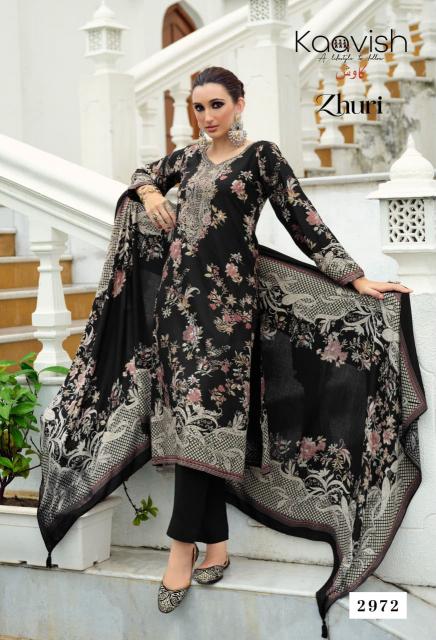
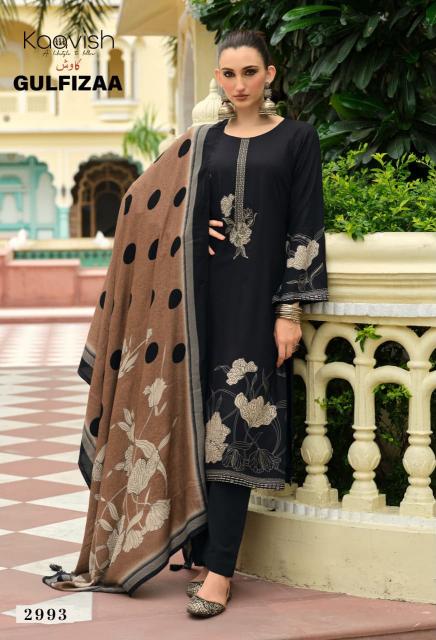
Embroidered dress materials are an appealing option for customers who enjoy decorative ethnic clothing. Depending on the catalogue, these fabrics may feature thread embroidery, floral patterns, neckline detailing, sequins, or other embellishments.
A premium embroidered suit material can be suitable for family functions, festive celebrations, and boutique collections.
Buyers should examine embroidery density, finishing, fabric backing, and decorative details before placing bulk orders.
For retailers, embroidered collections can complement simpler daily wear fabrics and create a more varied product display.
2. Cotton Dress Material Collections
Cotton dress materials remain a practical option for customers seeking comfortable everyday clothing.
Printed cotton suit materials can feature floral patterns, geometric motifs, traditional block-inspired designs, and contemporary colour combinations.
When selecting cotton dress material wholesale products, buyers should consider fabric weight, softness, colourfastness, and washing requirements.
Lightweight materials may be suitable for warm weather, while slightly heavier fabrics can offer different styling and stitching possibilities.
Retailers should confirm whether the material is pure cotton or a cotton blend, as the composition can affect customer expectations and pricing.
3. Pakistani Style Dress Materials
Pakistani-inspired suits are recognised for their elegant silhouettes, decorative embroidery, and coordinated dupatta styling.
These designs may include long kurta concepts, embroidered necklines, patterned sleeves, and coordinated bottoms.
For boutiques offering contemporary ethnic fashion, Pakistani suit material wholesale collections can provide an additional category alongside traditional Indian salwar suits.
Customers may prefer understated printed designs for daily wear or elaborate embroidered fabrics for special occasions.
Before ordering, retailers should confirm the fabric composition, included pieces, measurements, and whether the decorative work matches the catalogue photographs.
4. Silk and Silk-Blend Dress Materials
Silk and silk-blend fabrics are often selected for their elegant appearance and distinctive texture.
Depending on the material, they may provide a smooth finish, gentle sheen, or structured drape.
These qualities make selected fabrics suitable for festive suits, traditional celebrations, and premium boutique collections.
Buyers searching for silk dress material wholesale should verify whether a product contains natural silk, artificial silk, or blended fibres.
Clear material specifications help retailers describe the garment accurately and set suitable customer expectations.
For premium collections, fabric quality and finishing should receive as much attention as decorative design.
Premium Dress Material Collection from Surat Textile Market
Surat is widely recognised as an important centre for textile trading, fabric processing, and women's ethnic wear sourcing.
Its textile ecosystem supports a broad network of businesses involved in manufacturing, fabric finishing, garment production, wholesale distribution, and domestic trade.
For retailers sourcing dress materials, this concentration of textile businesses provides opportunities to compare designs, fabric categories, and purchasing arrangements.
Ring Road – An Important Wholesale Textile Area
The Ring Road textile trading area is familiar to many buyers visiting Surat for wholesale clothing purchases.
Businesses in and around this commercial belt offer various textile products, including sarees, dress materials, kurtis, and other ethnic wear categories.
Buyers visiting the market should prepare a clear purchasing plan that includes their preferred fabric types, approximate quantity, target price, and required delivery schedule.
Having these details ready makes supplier discussions more productive.
Sahara Darwaza and Nearby Textile Trading Areas
The Sahara Darwaza area is another established reference point within Surat's textile trading geography.
Buyers sourcing wholesale dress materials in Surat can explore suppliers across the wider textile market network rather than restricting their search to a single location.
Different businesses may specialise in printed materials, embroidered fabrics, traditional suit sets, or contemporary designer collections.
Comparing product specifications is important because similar-looking fabrics can differ in material composition, finishing, and decorative work.
Manufacturing and Wholesale Supply Networks
Surat's textile industry includes businesses involved in weaving, dyeing, printing, embroidery, finishing, and garment-related production.
These manufacturing and trading activities contribute to the variety of fabrics available through the city's wholesale channels.
For buyers, understanding the difference between a manufacturer, distributor, and wholesaler can be useful when discussing order quantities and customisation.
A manufacturer may focus on production-specific requirements, while a wholesale supplier may offer catalogues sourced from multiple brands.
Neither arrangement is automatically better for every buyer. The right choice depends on purchasing quantity, required designs, pricing, and service expectations.
Choosing the Right Premium Dress Material for Your Customers
Purchasing attractive fabric is only one part of successful clothing retail. Buyers also need to consider who will purchase the finished product and how it will be used.
A carefully selected premium dress material collection should reflect the preferences of the intended customer group.
For Boutique Owners
Boutique customers may prefer distinctive fabrics, decorative details, and clothing that can be tailored into personalised outfits.
Premium embroidered suits, silk-blend fabrics, and coordinated designer materials can complement a boutique's customised stitching services.
Offering customers a choice of neckline designs, sleeve styles, and garment lengths may help boutiques create a more personalised shopping experience.
Retailers should confirm that each fabric set contains sufficient material for the intended stitching style.
For Retail Shop Owners
Retail shops often serve customers with different purchasing budgets and everyday clothing requirements.
A balanced selection can include affordable printed suit materials, mid-range embroidered collections, and selected premium designs.
Shop owners should evaluate local customer preferences before ordering large quantities of unfamiliar products.
Maintaining clear price labels and organised fabric displays can also make the purchasing experience easier for customers.
For Showroom Owners
Showrooms may require a broader collection that covers multiple styles, occasions, and price segments.
Displaying fabrics by category can help customers compare daily wear materials, festive suits, designer fabrics, and premium ethnic collections.
For higher-value products, detailed fabric descriptions and well-presented catalogue photographs can support purchasing decisions.
For Home-Based Sellers and Online Resellers
Home-based clothing businesses can promote dress material catalogues through WhatsApp Business, Instagram, and other digital channels.
Successful online presentation depends on accurate photographs, clear product specifications, transparent pricing, and reliable communication.
Resellers should confirm stock availability before accepting customer payments, especially when products are offered from frequently changing wholesale catalogues.
Sharing fabric details, package contents, and expected dispatch arrangements helps reduce confusion.
For Wholesale Buyers and Distributors
Large-volume buyers usually need consistency in product specifications, packaging, pricing, and supply arrangements.
Before purchasing, distributors should confirm the available catalogue quantity, colour assortment, minimum order requirements, and applicable bulk discounts.
It is also useful to discuss replacement conditions, product inspection procedures, and transportation arrangements in advance.
For businesses purchasing multiple product categories, maintaining a clear record of catalogue codes and supplier invoices can simplify inventory management.
Premium Dress Material Wholesale Price and Buying Considerations
The wholesale price of a dress material set depends on its fabric composition, decorative work, included pieces, brand, and purchase quantity.
Simple printed fabrics and heavily embroidered designer collections generally belong to different pricing segments.
Wholesaleexport.in offers selected women's clothing products starting from ₹299, although premium dress material prices vary according to the specific catalogue and product details.
What Influences the Wholesale Price?
Fabric quality is one important factor. Material composition, thickness, finishing, and decorative work can affect the supplier's quoted price.
Other considerations include whether the package contains two or three pieces, the type of dupatta, the quantity of embroidery, and the overall garment design.
For bulk purchasing, order quantity may also influence the final commercial terms.
Buyers should request a complete quotation rather than comparing products using only their advertised starting prices.
How to Compare Dress Material Catalogues
When comparing wholesale catalogues, retailers should check the exact package contents, fabric measurements, design assortment, and applicable taxes.
Two catalogues may appear similar in photographs but differ in material quality, included dupatta, or decorative detailing.
Buyers should also confirm whether the displayed model image represents a stitched sample made from the supplied unstitched fabric.
This distinction is important for accurate product descriptions and customer communication.
For businesses planning repeat purchases, maintaining records of successful catalogue designs can make future inventory decisions more efficient.
How to Select the Best Dress Material Designs for Resale in 2026
Building a successful ethnic wear business requires more than purchasing attractive fabrics. Retailers must understand customer preferences, identify suitable price segments, and maintain a collection that encourages repeat purchases. A carefully selected range of designer dress materials can help clothing businesses serve different customer groups without depending entirely on one fashion category.
For 2026, buyers can consider combining traditional designs with contemporary colours, embroidery patterns, and comfortable fabrics. The ideal selection depends on the customers visiting your shop, boutique, showroom, or online clothing store.
Choose Fabrics According to Customer Preferences
Customers shopping for everyday outfits may prefer lightweight cotton fabrics, printed dress materials, and simple coordinated dupattas. Buyers purchasing clothing for family celebrations may prefer decorative embroidery, silk-blend fabrics, or designer suit materials with attractive finishing.
Retailers should study their existing sales before placing large wholesale orders. Understanding which colours, fabric types, and price ranges sell consistently can help prevent unnecessary stock accumulation.
Maintain a Balanced Collection of Colours
Colour selection plays an important role in women's ethnic wear purchasing decisions. Traditional shades such as maroon, navy blue, bottle green, and mustard can complement softer tones such as peach, lavender, cream, and pastel pink.
A varied colour assortment gives customers more options without requiring every design to be stocked in large quantities.
For a premium dress material collection, retailers can combine elegant neutral shades with selected festive colours to create an appealing catalogue.
Check Fabric Measurements and Package Contents
Before confirming a wholesale purchase, verify whether the product includes fabric for the top, bottom, and dupatta. Some collections may include two pieces, while others provide a complete three-piece unstitched suit set.
Buyers should also check fabric lengths, widths, embroidery placement, and any special washing instructions. These details help customers understand whether a particular dress material is suitable for their preferred stitching requirements.
Wholesale Dress Material Sourcing for Retailers and Boutiques
Reliable sourcing is important for businesses that depend on regular inventory updates. Whether you operate a small home-based business or a large ethnic wear showroom, selecting a wholesale supplier with clear product information can simplify purchasing.
Explore Designer Suit Materials in Different Categories
Retailers looking to expand their inventory can explore wholesale dress materials in Surat to discover fabric collections suitable for different customer requirements.
Popular sourcing categories include embroidered dress materials, cotton printed suits, Pakistani-inspired fabrics, silk-blend suit sets, festive dress materials, and everyday unstitched collections.
Each category serves a different customer requirement. Maintaining an appropriate combination can help retailers present a more complete ethnic wear assortment.
Expand Your Store with Complementary Ethnic Wear
Customers purchasing dress materials may also be interested in sarees, ready-made kurtis, and coordinated ethnic outfits. Retailers can consider adding wholesale sarees in India alongside dress materials to broaden their product selection.
Offering complementary categories may help retailers serve customers shopping for multiple occasions, including weddings, festivals, family gatherings, and everyday clothing.
However, inventory expansion should be based on customer demand, available working capital, and the retailer's ability to manage additional products.
Premium Dress Material Export Opportunities from Surat
Indian ethnic wear has customers beyond the domestic market, particularly among communities that appreciate traditional clothing for festivals, celebrations, and family occasions.
Wholesale buyers interested in international business can explore suitable dress material collections for selected overseas markets. Product preferences, import requirements, and transportation arrangements should be evaluated separately for each destination.
Dress Material Wholesale for Nepal
Nepal is one potential market for Indian ethnic wear suppliers and resellers. Buyers may consider cotton suits, embroidered fabrics, and traditional unstitched dress materials according to their customers' preferences.
Businesses importing clothing into Nepal should confirm customs documentation, applicable duties, VAT, and transportation charges before finalising their purchase.
For Nepal-based retailers, selecting a suitable combination of affordable and premium dress materials can help serve customers with different budgets.
Indian Dress Materials for Malaysia
Malaysia offers potential opportunities for Indian ethnic clothing businesses serving customers interested in traditional and occasion-based outfits.
Retailers may consider embroidered suits, elegant printed fabrics, and premium designer materials for customers purchasing clothing for cultural celebrations and family functions.
Before arranging export shipments, buyers should confirm product demand, freight options, import procedures, and local retail pricing.
Wholesale Ethnic Wear for Australia
Australia is another potential destination for businesses supplying Indian ethnic clothing to overseas retailers and community-focused boutiques.
Selected dress materials may appeal to customers looking for personalised traditional outfits for weddings, festivals, and cultural events.
International buyers should evaluate shipping costs, import taxes, product descriptions, and delivery schedules when calculating their final landed price.
With Vastralife's wholesale and export experience since 2017, buyers can discuss suitable ethnic wear sourcing requirements and available international supply arrangements.
Why Choose Wholesaleexport.in for Premium Dress Materials?
For clothing businesses, a useful wholesale platform should provide access to suitable collections, clear purchasing information, and dependable communication.
Wholesaleexport.in focuses on helping business buyers explore women's ethnic wear products across different categories and price segments.
Wholesale and Export Experience Since 2017
Vastralife has been involved in wholesale and export activities since 2017, building industry experience in women's clothing sourcing, customer requirements, and product distribution.
This experience supports discussions with retailers, resellers, boutique owners, and wholesale buyers looking for different types of ethnic wear collections.
Premium Product Quality and Collection Variety
Product quality is an important consideration when purchasing dress materials for resale. Fabric finishing, decorative details, stitching suitability, and accurate catalogue descriptions can influence customer satisfaction.
Wholesale buyers should review available product specifications and confirm fabric details before placing orders.
A varied assortment of women's clothing can also help businesses explore new product categories while continuing to serve their existing customers.
Wholesale Purchasing for Different Business Sizes
Small resellers, home-based sellers, established boutiques, and larger wholesale distributors may have different purchasing requirements.
Some buyers prefer smaller catalogue quantities, while others require bulk purchasing arrangements.
Wholesaleexport.in offers a website minimum order quantity of five pieces, subject to applicable catalogue and product conditions. Individual catalogues may have different minimum quantity requirements.
Buyers should confirm the final order quantity, available stock, and applicable wholesale price before payment.
How to Start a Dress Material Reselling Business
Starting a dress material reselling business requires product knowledge, a clear customer segment, and a practical inventory plan. Beginners do not necessarily need a large showroom, but they should understand their costs and purchasing responsibilities.
Step 1: Identify Your Target Customers
Decide whether your business will primarily serve everyday clothing buyers, festive wear customers, boutique clients, or customers looking for premium designer fabrics.
This decision will influence the products you select, your selling prices, and the type of catalogue presentation you use.
Step 2: Select Suitable Wholesale Collections
Compare several catalogues before purchasing. Review product photographs, fabric specifications, available designs, and minimum order requirements.
For a new business, starting with a manageable assortment can help you understand customer preferences before increasing your inventory.
Step 3: Calculate Your Complete Selling Cost
Your actual product cost may include the wholesale purchase price, applicable taxes, transportation, packaging, and other business expenses.
For example, if a dress material costs ₹600 and associated expenses total ₹50, the combined cost becomes ₹650 before adding your intended profit margin.
Retailers should calculate their selling price according to their actual expenses, target customers, and competitive market conditions.
Step 4: Promote Products with Clear Catalogue Information
Share accurate photographs, catalogue names, fabric details, and prices through suitable marketing channels.
WhatsApp Business, Instagram, and local customer networks can be useful for communicating with potential buyers.
Avoid promising exact colours or fabric characteristics based only on edited catalogue images. Lighting and screen settings can affect how a product appears.
Step 5: Build Customer Confidence
Explain payment conditions, dispatch schedules, and product policies before accepting orders.
Providing timely updates and accurate product information can support customer confidence and encourage future purchases.
For repeat customers, maintaining a record of preferred designs, fabric types, and price ranges can make future product recommendations more relevant.
Customer FAQs – Premium Dress Material Wholesale
1. Where can I buy premium dress materials at wholesale prices in Surat?
Wholesale buyers can explore Surat's established textile trading areas, including the Ring Road market and nearby commercial textile centres. Online wholesale platforms such as Wholesaleexport.in also provide access to women's clothing catalogues for business purchasing.
2. What is the minimum order quantity for wholesale dress materials?
The website minimum order quantity is five pieces, although individual catalogues may require larger quantities. Buyers should confirm the applicable MOQ for their selected products before ordering.
3. What is the wholesale price of premium dress material in 2026?
Prices vary according to fabric composition, embroidery, brand, design, and order quantity. Selected women's clothing products start from ₹299, but premium dress material catalogues may have different prices. Contact the supplier for current catalogue-specific quotations.
4. Can boutique owners purchase designer unstitched suit materials?
Yes. Boutique owners can source suitable unstitched fabrics for customised ethnic outfits. Before purchasing, they should verify fabric measurements, decorative placement, and package contents to ensure the materials meet their tailoring requirements.
5. Are premium dress materials suitable for home-based reselling?
Yes. Home-based resellers can market dress materials using digital catalogues and customer networks. Accurate product descriptions, stock confirmation, and transparent order policies are important for managing customer expectations.
6. What fabrics are available in designer dress material collections?
Depending on the supplier and catalogue, collections may include cotton, rayon, silk blends, georgette, muslin, and other materials. Buyers should verify the exact fabric composition because products with similar appearances may use different fibres.
7. Can I order dress materials for export?
International wholesale buyers can enquire about available export arrangements. Shipping costs, customs requirements, import duties, documentation, and delivery schedules depend on the destination country and order details.
8. How can I select the best dress material collection for my shop?
Start by reviewing your customers' preferred fabrics, designs, colours, and price ranges. Compare wholesale catalogues, confirm quality specifications, and select quantities according to expected demand and available inventory budget.
9. Does Wholesaleexport.in provide COD support?
COD support is available for eligible orders within India, subject to order confirmation and applicable advance-payment conditions. For eligible orders of ₹3,000 or more, a 30% advance is required. International orders are not eligible for COD.
10. How can I contact the supplier for the latest dress material catalogues?
Buyers can contact the wholesale team at +91 9712582172 or visit Wholesaleexport.in to enquire about available collections, pricing, order quantities, and shipping arrangements.
Order Premium Dress Materials at Wholesale Prices – Contact Us Today
Whether you are starting a home-based clothing business, expanding a boutique, or purchasing inventory for an established retail showroom, choosing suitable ethnic wear collections is an important part of your business growth.
Explore fashionable fabrics, designer suit materials, and wholesale ethnic wear collections for your customers through Wholesaleexport.in.
What You Get with Wholesaleexport
- Latest Collections: Explore newly available women's ethnic wear designs and updated product catalogues.
- Wholesale Pricing: Enquire about competitive wholesale prices for selected clothing collections.
- Trendy Ethnic Wear: Discover dress materials, kurtis, sarees, and other women's clothing categories.
- Fast Shipping: Shipping arrangements across India, subject to order processing, stock availability, and destination.
- COD Support: Available for eligible Indian orders with applicable advance-payment conditions.
- Bulk Order Deals: Discuss quantity-based purchasing arrangements for eligible products.
- Quality Products Starting From ₹299: Explore selected women's clothing products at entry-level wholesale prices. Individual dress material prices vary.
- MOQ Starting From 5 Pieces: Website minimum order quantity, subject to catalogue-specific requirements.
- Reliable Customer Support: Assistance with product enquiries, catalogue details, and purchasing requirements.
- Profitable Reselling Opportunities: Source products for resale while setting your own prices according to business costs and market demand.
- Regular New Arrivals: Explore newly added designs and seasonal ethnic wear collections.
Wholesale & Export Experience: Since 2017
Business Location: Rajhans Imperia, Maan Darwaja, Ring Road, Surat, Gujarat, India.
Contact Number: +91 9712582172
Website: Wholesaleexport.in
Start Your Wholesale Enquiry Today: Contact the team to request the latest available catalogues, confirm wholesale pricing, check minimum order quantities, and discuss shipping requirements for your clothing business.
Conclusion
A well-planned dress material inventory can help retailers serve customers looking for comfortable daily wear, personalised ethnic outfits, and elegant occasion-based clothing. From cotton printed suits to embroidered designer materials, the right product assortment depends on customer preferences, fabric quality, and sensible purchasing decisions.
Surat remains an important sourcing destination for women's ethnic wear businesses because of its established textile manufacturing and wholesale trading network.
For 2026, shop owners, boutique operators, home-based sellers, showroom owners, and wholesale distributors can benefit from comparing collections carefully, understanding their customers, and maintaining transparent purchasing arrangements.
With Vastralife's industry experience in wholesale and export since 2017, buyers can explore suitable clothing collections and discuss their sourcing requirements with the wholesale team.
Choose quality, compare designs, plan your inventory carefully, and build a collection that gives your customers more reasons to return.