


Paisley Print Kurti Collection: Wholesale Trends, Styles & Buying Guide 2026
Paisley Print Kurti Collection: Wholesale Trends, Styles & Buying Guide 2026
Paisley has remained one of the most recognizable patterns in Indian fashion because it can move comfortably between traditional, everyday and contemporary styling. For retailers, boutique owners and resellers, this versatility makes paisley kurtis an interesting category to stock across multiple customer segments. From lightweight daily-wear pieces to coordinated sets and more detailed festive designs, today's collections offer considerably more variety than the classic paisley styles buyers may remember from earlier seasons.
Introduction
Indian ethnic wear changes quickly, but certain prints continue returning in fresh forms. Paisley is one of them. In the 2026 ethnic wear market, designers are combining familiar curved motifs with updated colours, modern silhouettes, coordinated bottoms, digital printing, embroidery and comfortable fabrics. This creates products that retain an Indian identity while still looking current enough for today's customer.
For wholesale buyers, this matters because a good Paisley Print Kurti Collection can serve several selling occasions rather than depending on one festival or season. A simple rayon paisley kurti can work as office wear, while an embroidered paisley kurti set can appeal to customers shopping for small functions, family gatherings or festive occasions.
Home-based sellers and online resellers can also benefit from visually distinctive prints. Customers scrolling through WhatsApp, Instagram or an online catalogue often make their first decision from the product photograph. Clear motifs, attractive colour combinations and wearable silhouettes can therefore help a product gain attention before the customer even studies its fabric or price.
Wholesaleexport.in brings together wholesale clothing options for buyers who want to explore products online instead of depending only on physical market visits. The broader sourcing experience behind the platform also benefits from Vastralife's wholesale and export experience since 2017, with industry knowledge developed through serving different types of clothing buyers.
Why Paisley Print Kurtis Continue to Sell
Fashion trends can become popular quickly and disappear just as quickly. Paisley has a different advantage: customers already understand the pattern. The familiar motif can be enlarged, minimized, recoloured or mixed with floral and geometric elements without losing its recognizable character.
This adaptability makes paisley print kurtis wholesale relevant to shops serving different age groups. A young buyer may prefer an A-line silhouette with subtle motifs and straight pants, while another customer may choose a traditional kurta with dense paisley printing and a dupatta. Retailers do not have to depend on a single interpretation of the design.
A Print That Works Beyond One Season
Seasonality is an important concern when buying wholesale clothing. Highly occasion-specific stock can become difficult to move once the relevant festival or event passes. Paisley patterns are comparatively flexible. Cotton and rayon versions can work during warmer months, while richer fabrics, darker shades and embellished styles can be positioned for festive and wedding-related demand.
That gives wholesale buyers greater freedom when planning inventory. Rather than buying excessive quantities of one design, retailers can build a mixed range covering daily wear, workwear, casual ethnic fashion and dressier kurti sets.
Traditional Appeal with Contemporary Styling
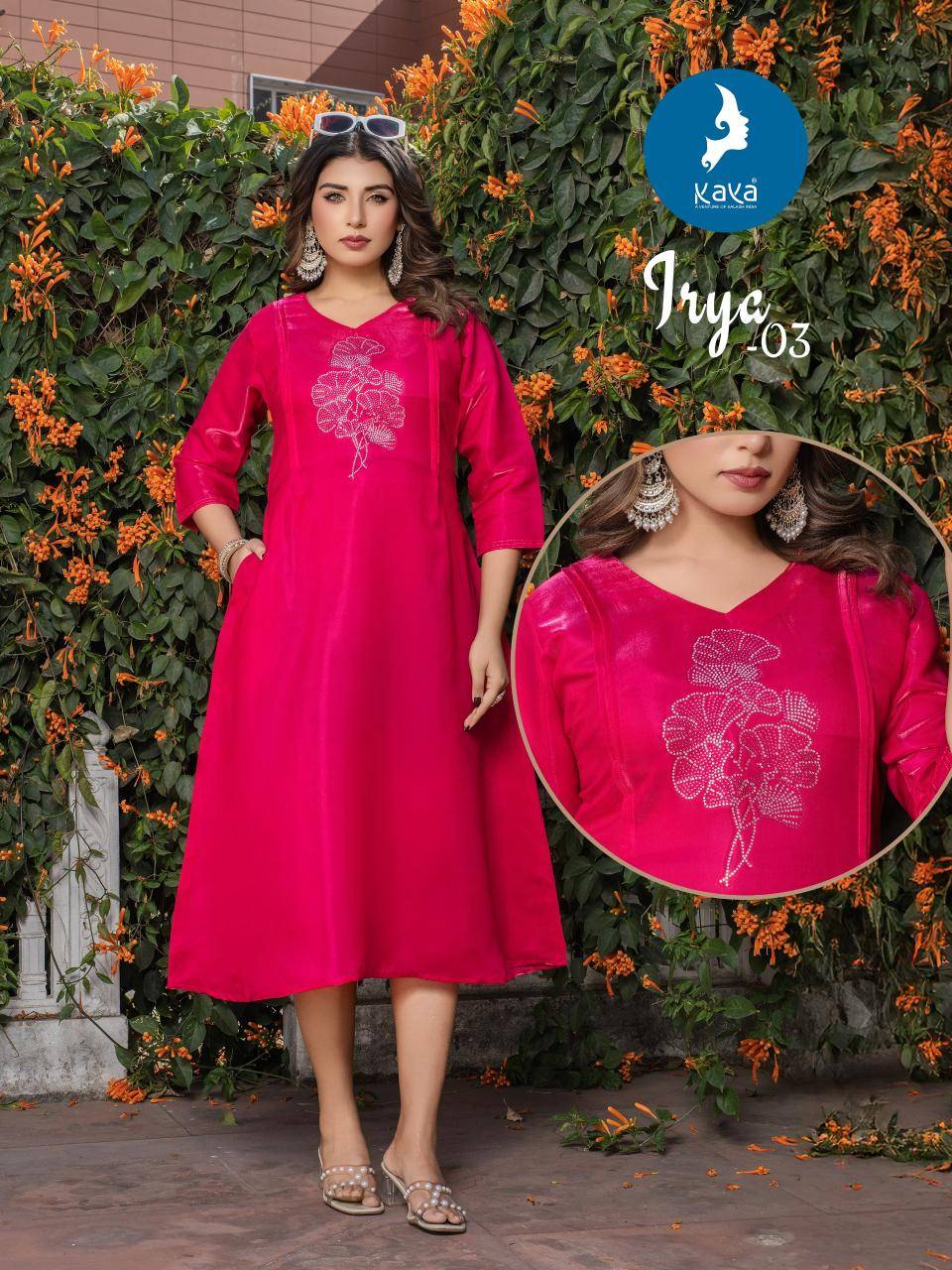
The strongest current designs do not simply reproduce older paisley patterns. Manufacturers are adapting the motif to changing fashion preferences. Buyers may find paisley incorporated into panelled kurtis, straight cuts, flared silhouettes, Anarkali-inspired designs, kurta-pant combinations and three-piece sets.
Details such as contrast necklines, lace borders, buttons, embroidery, foil accents and coordinated dupattas can change the overall positioning of the garment. This helps a retailer create several price levels within the same broad print category.
Popular Paisley Kurti Styles for Wholesale Buyers in 2026
A wholesale collection should ideally give customers a reason to choose between products rather than showing several nearly identical designs. The latest kurti designs 2026 demonstrate how print, fabric, silhouette and detailing can be varied to build a broader assortment.
Straight Paisley Kurtis
Straight kurtis remain commercially useful because they are easy to understand and easy to style. Depending on the design, customers can pair them with leggings, trousers, palazzos or jeans. For shop owners and resellers, that familiarity can make straight kurtis useful as regular inventory rather than highly experimental stock.
Smaller paisley motifs can give these pieces a neat office-wear appearance, while larger patterns and stronger colours create a more noticeable casual look. When evaluating a wholesale catalogue, buyers should examine motif placement around the neckline and front panel, not only the overall print.
A-Line and Flared Paisley Kurtis
A-line and flared silhouettes add movement to printed fabrics and photograph well for digital selling. These designs can appeal to customers who want something more styled than a basic straight kurti without moving into heavy occasion wear.
Rayon, cotton blends and other flowing fabrics are frequently suitable for this category. The actual fabric composition should always be checked before ordering because drape has a major influence on how a flared garment looks when worn.
Paisley Kurti Pant Sets
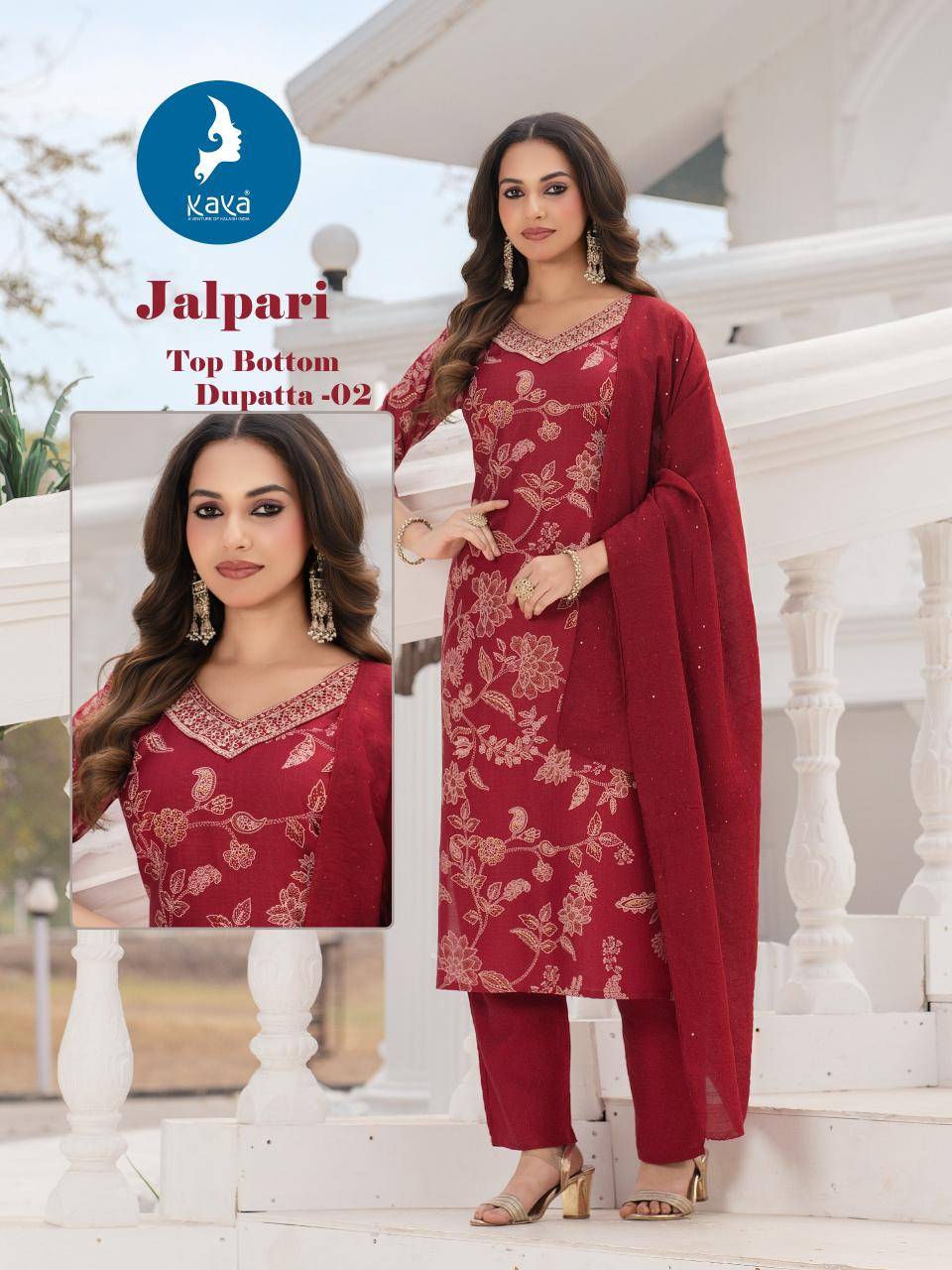
Ready-to-style combinations continue to be useful for boutiques because customers do not need to search separately for matching bottoms. A coordinated kurti pant set wholesale range can include printed kurtas with plain pants, matching printed sets or contrasting combinations.
For retailers, complete sets can also create a different selling price from single kurtis. Buyers should compare the complete set specification, fabric, size range and finishing rather than comparing only the headline price between suppliers.
Paisley Kurti Sets with Dupatta
A three-piece set can shift the same print toward a more festive or occasion-ready category. Printed dupattas, woven borders, chiffon dupattas and coordinated colour stories can make a simple kurta appear significantly more complete.
This category can be particularly relevant to boutiques and showrooms that want products suitable for family functions, festive shopping and gifting. It is also useful for wholesale buyers serving customers who prefer complete ethnic outfits.
Choosing the Right Fabric for Paisley Print Kurtis
The print may attract the customer, but fabric often determines whether the customer is satisfied after wearing the product. Wholesale buyers should therefore evaluate fabric quality alongside design and wholesale kurti price.
Rayon for Comfortable Everyday Styles
Rayon is commonly used in printed kurtis because it can provide a soft feel and flowing appearance. It works especially well with A-line and flared silhouettes. For retailers targeting everyday ethnic wear, rayon paisley styles can create an accessible combination of visual appeal and comfort.
Cotton and Cotton Blends
Cotton remains an important choice for customers looking for breathable everyday clothing. Paisley motifs naturally complement cotton-based ethnic designs, making this combination suitable for casual wear, office wear and warm-weather collections.
Retailers should pay attention to fabric thickness, colour clarity and expected wash behaviour. A low purchase price alone does not guarantee strong repeat business if customers are dissatisfied with the finished garment.
Premium Fabrics for Occasion Wear
For a more elevated assortment, manufacturers may use richer fabrics, textured surfaces or fabrics with a subtle sheen. When combined with embroidery, zari-inspired accents or detailed dupattas, paisley can move from daily wear into a more premium ethnic segment.
This allows showroom owners and boutique buyers to maintain different price bands instead of competing only in the lowest-price category.
How to Build a Profitable Paisley Kurti Assortment
Buying wholesale is not simply about finding an attractive catalogue. The assortment must match the customers who actually purchase from the business. A home-based seller with a WhatsApp customer base may need a different mix from a large showroom carrying hundreds of styles.
Start with Multiple Price Points
A practical collection can include entry-level daily wear, mid-range coordinated sets and a smaller selection of premium designs. This gives customers alternatives and reduces dependence on one selling price.
Retailers should calculate their complete landed cost before deciding margins. Product cost, GST where applicable, transport, packaging and other operational expenses can affect the final retail price. Export buyers must additionally account for destination-specific freight, duties and import requirements.
Mix Safe Colours with Fresh Colours
Established shades such as maroon, navy, black, green and earthy colours can form the dependable part of a range, while selected brighter or seasonal colours add freshness. The ideal ratio depends on the retailer's existing sales data rather than on fashion trends alone.
For online sellers, it is useful to test a new colour or silhouette in a smaller quantity before scaling it. This approach can help preserve working capital while still allowing the business to introduce new designs frequently.
Consider Size Range Before Quantity
Size availability can be just as important as design variety. Retailers increasingly need to consider customers beyond standard size ranges, making inclusive inventory planning valuable. Buyers should check the supplier's actual size chart because measurements can differ between brands and manufacturers.
Businesses expanding this segment can also explore plus size kurtis wholesale options as part of a broader ethnic-wear assortment.
Alongside kurtis, shops serving customers who buy multiple Indian-wear categories can review wholesale sarees India collections when planning complementary inventory.
Understanding the Surat Wholesale Kurti Market
For many clothing businesses, Surat remains an important sourcing centre because of its large textile ecosystem. The surat textile market connects fabric suppliers, designers, manufacturers, wholesalers, traders, packers and transport networks within one commercial region. This concentration helps buyers explore a wide variety of ethnic wear without depending on a single manufacturing style.
Areas around Ring Road and Sahara Darwaza are widely associated with Surat's textile trade. However, physical market visits are no longer the only way to source products. Digital catalogues, product videos, WhatsApp communication and wholesale websites have made it easier for shop owners, boutique owners and resellers to review new collections remotely.
Wholesaleexport.in is designed around this changing buying behaviour. Instead of requiring every buyer to travel frequently to Surat, online wholesale sourcing allows businesses to check designs, compare available collections and place orders from their own location. This can be especially useful for buyers outside Gujarat and for international customers.
Why Manufacturing Knowledge Matters When Buying Wholesale
Two kurtis may appear similar in a catalogue image but perform very differently after the customer receives them. Fabric selection, stitching, printing clarity, cutting, finishing and quality control all influence the final garment. This is why understanding the manufacturing side of wholesale clothing is valuable.
For a Paisley Print Kurti Collection, buyers should inspect whether the motif looks clean, whether colours complement the base fabric and whether the overall garment appears balanced. Neckline finishing, sleeve stitching, side seams and bottom finishing are also important details when evaluating quality.
Print Quality and Colour Combination
Paisley is a detailed motif. Poor printing can make intricate patterns appear blurred or crowded, especially when several colours are used together. A well-planned print should remain visually clear from both close and normal viewing distances.
Colour combinations should also suit the intended customer. Soft pastel paisley designs may appeal to customers looking for understated fashion, while stronger combinations can work for festive, casual and statement ethnic wear.
Stitching and Garment Finishing
Retailers building long-term customer relationships should look beyond the front photograph. Stitching quality affects fitting, durability and customer satisfaction. Before placing a larger wholesale order, buyers should understand the garment specifications, size details and fabric information provided for the catalogue.
Premium product quality becomes particularly important for boutique and showroom owners because customers often expect a higher standard when paying a higher retail price. Vastralife's wholesale and export experience since 2017 contributes practical industry understanding of the expectations of different types of wholesale buyers.
Who Can Sell Paisley Print Kurtis?
The advantage of paisley is that it does not belong exclusively to one retail format. The same broad category can be adapted for home sellers, traditional clothing stores, online businesses, boutiques and larger showrooms by changing the fabric, design and price level.
Home-Based Sellers
Home-based sellers usually need products that are visually attractive, understandable and easy to present through mobile catalogues. Printed kurtis can work well because customers can immediately see the colour, silhouette and major design features from photographs.
Rather than purchasing a very deep quantity of one design, a home seller can consider maintaining more catalogue variety. Newness gives existing customers a reason to check WhatsApp updates, social posts and product messages regularly.
Boutique Owners
Boutiques can position paisley differently by selecting unusual colours, distinctive silhouettes, premium fabrics or coordinated sets. Customers visiting boutiques frequently expect something more curated than a basic mass-market assortment.
A boutique can therefore combine designer kurtis wholesale, printed kurta sets, plus-size options, embroidered pieces and selected premium styles. Paisley then becomes one part of a carefully balanced ethnic-wear collection rather than an isolated print category.
Shop and Showroom Owners
Physical retailers have the advantage of allowing customers to see fabric and colours directly. A broad range covering economical, mid-range and premium pieces can help serve customers with different budgets.
Showroom owners can also merchandise paisley kurtis alongside trousers, palazzos, dupattas, sarees and other complementary ethnic categories. This can create cross-selling opportunities and make the overall store assortment appear more complete.
Online Resellers
For online resellers, image quality and accurate product information are especially important. Customers cannot touch the fabric before ordering, so descriptions should clearly communicate the product type, fabric, available sizes and set contents.
Resellers should avoid making assumptions from photographs alone. Confirming product details before forwarding them to customers helps reduce misunderstandings and supports better repeat business.
Paisley Kurtis for India and International Wholesale Buyers
Indian ethnic wear has demand beyond domestic markets. Retailers serving South Asian communities abroad often need contemporary Indian styles that remain culturally familiar. Paisley fits naturally into this space because the motif is recognizable while still allowing designers to create modern products.
For buyers in Nepal, Indian kurtis and kurta sets can form part of regular boutique and retail inventory, although buyers should plan stock with sufficient transport and customs lead time. Seasonal orders are more effective when placed before demand reaches its peak rather than after popular designs begin selling out.
Wholesale buyers in Australia may serve Indian and South Asian communities looking for ethnic wear for daily use, festivals, social events and family occasions. A balanced assortment of lightweight kurtis and dressier kurta sets can help address different purchasing needs.
Similarly, retailers in Canada can evaluate ethnic collections according to their local customer profile, season and upcoming cultural events. International buyers should confirm shipping costs, import duties, taxes and local regulations before finalizing their landed cost.
For export orders, product price is only one part of the calculation. Freight, packaging, customs procedures, local duties and delivery timelines can influence the final cost. Planning these elements before ordering helps businesses set a realistic selling price.
How to Select Wholesale Paisley Kurtis Online
Online sourcing can save travel time, but buyers should still follow a disciplined purchasing process. The goal is not simply to find the lowest price; it is to identify products that fit the target customer and leave enough margin after all costs.
Step 1: Define Your Customer Segment
Decide whether your primary buyers want economical daily wear, office wear, trendy ethnic clothing, plus-size kurtis, festive outfits or premium boutique pieces. This prevents unnecessary purchasing simply because a catalogue looks attractive.
Step 2: Review Fabric and Product Details
Check fabric, sizes, colours, set contents and available quantity. For kurta sets, confirm whether pants and dupatta are included. Product specifications matter more than assumptions based on catalogue photography.
Step 3: Compare Value Instead of Only Price
A slightly higher-priced garment can sometimes offer better fabric, stitching or presentation and therefore support a stronger retail margin. Buyers should compare products based on the value their customers will perceive.
Step 4: Keep a Balanced Inventory
Mix everyday styles with selected trend-driven designs. Include different colour families and, where available, useful size ranges. A balanced inventory can reduce dependence on one customer segment.
Step 5: Reorder Fast-Moving Designs Early
Wholesale stock can move quickly. If a design is performing well, waiting too long to reorder may mean that the same catalogue is no longer available. Tracking weekly sales can help retailers identify winning styles before stock becomes difficult to replace.
2026 Paisley Kurti Trends Retailers Should Watch
The Paisley Print Kurti Collection in 2026 is broader than traditional all-over printed kurtis. Retail buyers can watch for designs that combine paisley with contemporary silhouettes, practical coordinated sets and details that photograph effectively for online selling.
Potentially useful directions include smaller motifs for workwear, larger statement prints for casual fashion, paisley-and-floral combinations, contrast borders, embroidered necklines, straight kurta sets, flared kurtis and coordinated dupattas. Retailers should still use their own sales data to decide which trends deserve deeper inventory.
Comfortable Ethnic Wear
Comfort remains an important purchasing consideration. Customers often want clothing that looks polished without feeling excessively heavy. Soft fabrics, practical silhouettes and easy-to-style sets can therefore complement more decorative occasion wear.
Inclusive Size Options
Retailers who serve a wider size range can address customers who may otherwise struggle to find fashionable ethnic wear. Rather than treating larger sizes as an afterthought, buyers can include them while planning the main collection where appropriate.
Complete Ready-to-Wear Looks
Kurta-pant and kurta-pant-dupatta combinations make purchasing straightforward for customers. For resellers, complete sets are also easy to explain in catalogue messages because the buyer immediately understands what is included in the outfit.
Internal Linking and Collection Discovery
A useful wholesale buying strategy is to avoid building an entire business around a single print. Paisley can sit alongside plain kurtis, embroidered kurtis, floral prints, feeding kurtis, plus-size styles, Pakistani suits, sarees and other ethnic categories. This provides customers with more choice while helping retailers respond to changing demand.
Wholesaleexport.in can be used to discover different clothing categories and new wholesale collections from one online sourcing environment. Buyers can compare relevant products and build a broader assortment according to their store positioning, target price range and customer demand.
Customer FAQs
1. What is a paisley print kurti?
A paisley print kurti features the distinctive curved, teardrop-shaped paisley motif in its design. The motif may appear as an all-over print, border element, central pattern or part of a combination with floral and geometric artwork.
2. Are paisley kurtis suitable for wholesale resale in 2026?
They can be a useful category because paisley works across everyday, office, casual and selected festive styles. Actual sales will depend on factors such as fabric, colour, fitting, local demand and price, so retailers should select stock according to their own customer data.
3. Which fabrics are commonly used for paisley kurtis?
Depending on the collection, paisley kurtis may be available in rayon, cotton, cotton blends and other fabrics. Buyers should check the individual catalogue specifications because fabric composition varies by manufacturer and design.
4. Can boutique owners order paisley print kurtis wholesale?
Yes. Boutique owners, shop owners, showroom owners, resellers, home-based sellers and other wholesale buyers can source printed kurtis according to the supplier's applicable MOQ and ordering terms.
5. Are plus-size paisley kurtis available?
Size availability varies between catalogues. Buyers looking for plus-size inventory should check the size chart and available sizes for each design rather than assuming that all catalogues follow the same sizing.
6. Can international buyers order Indian ethnic wear?
International wholesale orders may be possible depending on the destination and applicable shipping arrangements. Buyers should confirm freight, customs, duties, taxes, documentation and delivery estimates for their country before placing the order.
7. What should I check before placing a bulk kurti order?
Check the product's fabric, sizes, design assortment, set contents, MOQ, wholesale price, availability, payment terms and dispatch information. International buyers should additionally calculate estimated landed cost.
8. How frequently should retailers add new kurti designs?
There is no universal schedule. Stores with fast-moving online customers may require frequent catalogue updates, while physical retailers may refresh inventory according to sales cycles. The safest approach is to track sell-through and reorder or introduce new styles based on actual demand.
Shop Latest Wholesale Ethnic Wear with Wholesaleexport.in
If you are a boutique owner, reseller, home-based seller, shop owner, showroom owner or wholesale buyer looking for fresh ethnic wear inventory, explore Wholesaleexport.in for products suited to different customer segments and budgets.
Discover Latest Collections, competitive Wholesale Pricing, Trendy Ethnic Wear, Fast Shipping, applicable COD Support, Bulk Order Deals and Quality Products Starting From ₹299. Product availability, prices, MOQ and delivery terms should be confirmed at the time of ordering.
With Vastralife's wholesale and export experience since 2017, the focus remains on industry expertise, dependable sourcing and premium product quality for businesses looking to build a stronger ethnic-wear assortment.
Contact: +91 9712582172
Website: wholesaleexport.in
A carefully selected Paisley Print Kurti Collection can give retailers a useful mix of familiar Indian design and current fashion appeal. Instead of purchasing only on trend, build your range around customer demand, wearable fabrics, useful sizes, multiple price points and consistent quality. That approach can turn an attractive catalogue into inventory that supports repeat sales and long-term wholesale growth.