


Online Stock Buying for Boutiques: Smart Wholesale Buying Guide 2026
Online Stock Buying for Boutiques: Smart Wholesale Buying Guide 2026
Running a successful boutique today depends on more than finding beautiful clothing. Boutique owners need the right products, workable margins, dependable suppliers, manageable quantities and fresh designs at the right time. Digital wholesale sourcing has made this process much easier, allowing retailers to explore collections, compare options and place orders without making frequent physical sourcing trips.
Introduction
The traditional boutique buying model has changed considerably. Earlier, many retailers travelled regularly to major textile hubs, spent days visiting wholesalers and purchased inventory after physically checking hundreds of designs. That method still has value, but online stock buying for boutiques gives modern retailers another practical way to source merchandise.
In 2026, Boutique Owners, Shop Owners, Home-Based Sellers, Resellers, Showroom Owners and Wholesale Buyers can use digital catalogues to shortlist products before investing their working capital. This is particularly useful for businesses located outside large textile centres.
However, online buying should never mean random catalogue buying. A boutique needs stock that matches its customer profile, selling price, seasonal demand and expected margin. The objective is not to purchase the maximum number of products. The objective is to create an inventory mix that has a realistic opportunity to sell.
Wholesaleexport.in is designed around this requirement by connecting wholesale buyers with ethnic wear collections suitable for different business segments. Vastralife's wholesale and export experience since 2017 also brings years of textile-industry exposure to the sourcing process, with attention to product selection and premium product quality.
Why Online Wholesale Stock Buying Is Growing in 2026
Online sourcing has become especially relevant for retailers who need regular new arrivals but cannot visit the Surat textile market every few weeks. Instead of waiting for the next sourcing trip, boutiques can review available designs remotely and make faster purchasing decisions.
Access New Collections Without Frequent Travel
For a boutique located hundreds or thousands of kilometres from Surat, a sourcing trip involves travel expenses, accommodation, local transport and time away from the store. These indirect costs can affect the real cost of inventory.
Digital wholesale sourcing gives retailers the opportunity to review new collections from their shop, home or office. This is particularly helpful for smaller businesses where the owner personally handles customers, purchasing and daily operations.
Buy According to Customer Demand
One of the strongest advantages of online buying is the ability to purchase closer to actual demand. Instead of purchasing a very large amount of stock during one market visit, a retailer can monitor what customers are requesting and then look for suitable wholesale options.
If customers are asking for festive lehenga cholis, the boutique can focus its next purchase on that category. If daily-wear kurtis are moving faster, working capital can be redirected toward those products.
Compare Product Categories More Efficiently
Online catalogues make it easier to review several categories within a single buying session. A retailer can compare kurtis, kurti sets, sarees, lehenga cholis, dress materials and other ethnic wear before deciding where the next inventory budget should go.
This does not automatically make every online purchase profitable, but it can make the buying process more organised when the retailer already understands the needs of their customers.
What Boutique Owners Should Check Before Buying Stock Online
A good wholesale photograph can attract attention, but boutique purchasing should never depend on photographs alone. Every product needs to fit a broader business calculation.
Check the Complete Wholesale Price
The listed price is only the starting point of a buying decision. Retailers should understand the applicable product cost, quantity requirements, taxes where applicable, shipping and other relevant charges before calculating their expected margin.
For international buyers, the calculation can include additional logistics and import-related expenses depending on the destination and shipment arrangement.
Understand MOQ Before Ordering
MOQ, or minimum order quantity, directly affects how much money gets committed to one product or catalogue. Smaller retailers usually benefit from keeping enough variety rather than putting a large percentage of their budget into one untested design.
If a product already performs well with your customers, increasing quantity can make sense. For a completely new style, controlled testing is generally a more disciplined inventory approach.
Evaluate Product Quality and Finishing
For Boutique Owners, quality is closely connected to reputation. Customers remember fabric feel, stitching, colour, finishing and overall garment presentation.
Premium product quality does not necessarily mean every item must belong to an expensive segment. It means that the quality should reasonably match the product positioning and customer expectations at its selling price.
Review Sizes and Product Specifications
Before placing a wholesale order, check the available size range and relevant product specifications. A beautiful garment can still become slow inventory if its sizing does not match your primary customer base.
Boutiques should maintain simple records of size enquiries and completed sales. Over time, this information can help improve the accuracy of wholesale purchases.
How to Build a Profitable Boutique Stock Mix
Inventory planning is one of the most important parts of online stock buying for boutiques. The best-looking catalogue is not automatically the best investment. Retailers need a combination of products that addresses different customer occasions and budgets.
Everyday Fast-Moving Products
Daily-wear kurtis, printed styles and comfortable ethnic wear can create regular sales opportunities. These products may be suitable for customers looking for practical fashion rather than occasional outfits.
Home-Based Sellers can also use these categories to build repeat purchases because customers may buy everyday clothing more frequently than premium occasion wear.
Mid-Range Boutique Collections
Kurti sets, coordinated outfits, embroidered styles and dress materials can form the middle layer of the inventory. This segment can serve customers who want something more distinctive than basic daily wear without moving into heavily embellished premium fashion.
Premium Occasion Wear
Wedding and festive products such as lehenga cholis, premium sarees and designer ethnic sets can increase average order value. However, the retailer should balance these pieces with faster-moving products so that too much working capital is not locked in occasion-specific inventory.
Keep Space for New Arrivals
A common purchasing mistake is spending the entire inventory budget at once. Fashion retail needs freshness. Keeping some working capital available makes it easier to introduce new products when customer demand or seasonal trends change.
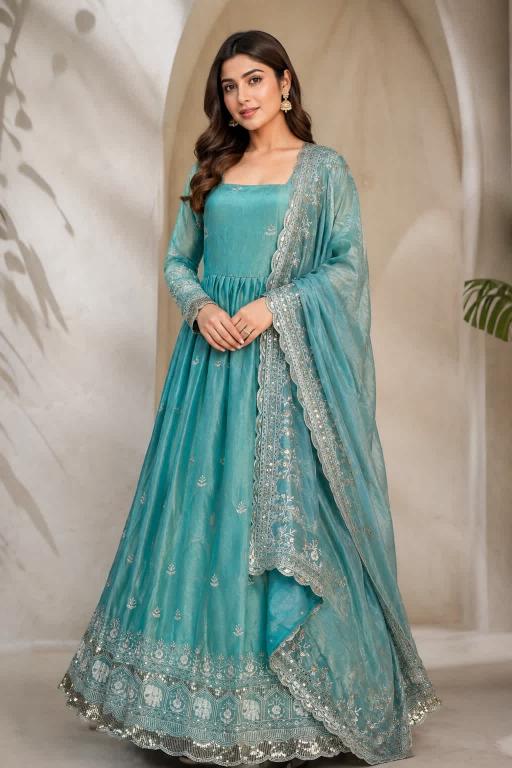
Buying Wholesale Lehenga Choli Stock for Boutiques
Lehenga cholis can be an important category for boutiques serving wedding, festive and celebration-driven customers. The visual appeal of the product can also make it suitable for social-media merchandising, window displays and occasion-focused promotions.
Select Designs for Your Actual Customer Base
Do not purchase every heavily embellished design simply because it looks impressive in a catalogue. Consider the age group, occasion, local preferences and typical spending capacity of your customers.
A boutique serving young wedding guests may require a different assortment from a showroom primarily serving bridal families. Product selection should follow the audience rather than personal taste alone.
Create Different Price Levels
Customers entering a boutique rarely have identical budgets. Maintaining different price points can allow the retailer to serve a wider range of enquiries.
A carefully selected assortment might include accessible festive styles, mid-range occasion wear and a smaller number of premium statement pieces. The exact mix should depend on previous sales and local demand.
Use Product Presentation to Improve Perceived Value
Premium ethnic wear requires strong presentation. Good lighting, clean displays, styling suggestions and clear product photography can influence how customers perceive a garment.
Online boutiques should similarly use clear product images and useful descriptions instead of relying only on a catalogue number and price.
Surat as a Major Wholesale Sourcing Base
Surat has an extensive textile ecosystem covering trading, processing, manufacturing and wholesale distribution. Areas around Ring Road, Sahara Darwaza and the wider Surat textile market are widely associated with textile commerce.
For boutique owners across India, online sourcing provides a way to access products connected with this broader supply ecosystem without requiring a physical visit for every purchasing cycle.
Why Location Still Matters in Online Buying
Digital purchasing may happen from anywhere, but the supplier ecosystem behind the products remains important. Access to textile manufacturers, traders and specialised product categories can influence collection variety and replenishment opportunities.
This is one reason Surat continues to be relevant for businesses looking for Indian ethnic wear wholesale stock in 2026.
Physical Sourcing and Online Buying Can Work Together
Retailers do not necessarily have to choose one method permanently. Larger buyers may visit sourcing markets periodically to understand new developments and then use online channels for regular replenishment.
Smaller businesses may begin almost entirely online and consider physical sourcing once their purchasing volume grows. The right model depends on order frequency, business size and available time.
Online Stock Buying for Home-Based Sellers and Resellers
Online stock buying for boutiques is equally relevant to entrepreneurs operating without a traditional retail shop. Home-Based Sellers and Resellers can use online sourcing to build a smaller, more focused inventory.
Start with Controlled Inventory
A home-based business does not need to imitate a large showroom. Starting with selected products can help the seller understand customer preferences before making a larger investment.
The first goal should be learning which designs, sizes, fabrics and price points actually convert into completed orders.
Use WhatsApp and Social Media to Test Demand
Retailers can organise products into clear categories and share relevant selections with their audience. Instead of sending every available catalogue, focus on styles that match the customer's known preferences.
Responses, enquiries and completed orders can then become useful data for the next wholesale purchase.
Calculate Margin Before Setting the Retail Price
Resellers should calculate the complete cost of selling rather than simply adding an arbitrary amount to the wholesale rate. Product cost, logistics, packaging, promotional expenses and applicable business costs can all affect the actual margin.
A healthy business needs enough margin to cover these expenses while keeping the final retail price suitable for the intended customer segment.
How Boutique Owners Can Reduce Slow-Moving Stock
Unsold inventory is one of the biggest risks in fashion retail. It occupies space and, more importantly, locks working capital that could otherwise be used for new products.
Buy Depth Only After a Product Proves Itself
When testing new collections, variety can often be more valuable than excessive quantity. Once a particular design begins selling consistently, the retailer can consider deeper purchasing according to availability.
Review Sales by Category
Track which categories generate regular sales. Separate your records for kurtis, sarees, dress materials, lehenga cholis, kurti sets and other products.
This makes it easier to see where working capital is generating movement and where purchasing should be reduced.
Watch Seasonal Demand
Festivals, wedding seasons and regional occasions can influence ethnic wear demand. Buyers should plan inventory early enough to sell during the relevant period rather than receiving large quantities after peak demand has already passed.
The same principle is especially important for export buyers because international transit and destination-side logistics can require additional planning time.
International Online Wholesale Buying Opportunities
Indian ethnic wear is also purchased by boutiques and resellers serving overseas communities. For this guide, three relevant markets are USA, Australia and Nepal.
Wholesale Ethnic Wear for USA Boutiques
Retailers in the USA serving Indian and South Asian customers can build collections around weddings, festivals, cultural gatherings and everyday ethnic fashion. International buyers should calculate the landed product cost rather than using the Indian wholesale price alone.
Online Boutique Stock Buying for Australia
Australian ethnic wear businesses can use online wholesale sourcing to review Indian collections remotely. A curated inventory can be especially useful when the retailer serves a defined local or online customer community.
Indian Wholesale Fashion for Nepal
Nepal-based boutiques and resellers can evaluate Indian ethnic wear according to their local customer demand, target price range and preferred product categories. Wholesale purchasing should account for all applicable logistics and destination-related costs before final retail pricing is decided.
Wholesaleexport.in can support buyers exploring different ethnic wear categories while Vastralife's experience since 2017 provides a foundation in wholesale and export-oriented textile business.
A boutique that follows this structured approach can make online stock buying for boutiques more disciplined, reducing emotional purchasing and building inventory around real customer demand.
How to Choose the Right Wholesale Supplier for Online Boutique Stock
The supplier behind your inventory can influence product consistency, order management and the overall buying experience. Boutique Owners should therefore evaluate more than attractive catalogue photographs. A useful wholesale relationship should support the retailer's actual business model, whether that means smaller mixed purchases, regular replenishment or larger seasonal orders.
Look for Consistent Product Variety
A boutique rarely survives on one successful collection. Customers expect new styles, fresh colours and different price ranges throughout the year. Working with a source that offers regular new arrivals can help retailers refresh their inventory without repeatedly searching for completely new suppliers.
For example, a boutique may need casual kurtis during regular weeks, premium sarees around festivals and lehenga cholis during the wedding season. Access to multiple ethnic wear categories makes it easier to adjust purchasing according to demand.
Compare Quality with Price, Not Price Alone
The cheapest wholesale product does not automatically create the highest profit. If customers reject the finishing, fabric or overall appearance, even a low purchase price can result in blocked inventory.
Retailers should evaluate the relationship between quality, wholesale cost and expected retail positioning. A ₹299 entry-level product and a premium designer piece serve different customers, so each should be judged according to its intended market.
Prioritise Clear Communication
Before placing larger orders, buyers should understand available designs, quantities, sizes and relevant order terms. Clear communication becomes even more important for Showroom Owners and Wholesale Buyers purchasing multiple catalogues at a time.
For online buying, product references and catalogue numbers should be recorded carefully so that enquiries and repeat purchases can be managed efficiently.
Managing Your Boutique Buying Budget More Effectively
Successful online stock buying for boutiques is closely connected to cash-flow management. Retailers need enough inventory to generate sales while retaining sufficient working capital for replenishment and operating expenses.
Divide the Inventory Budget by Product Role
Instead of treating the entire purchasing budget as one amount, divide it according to the role each category plays in your store. Everyday products can receive one allocation, festive wear another and experimental fashion a smaller testing allocation.
This prevents one premium category from consuming the majority of available capital simply because its products look attractive.
Keep a Reorder Reserve
When a product sells faster than expected, the ability to replenish it can be more valuable than having excessive stock of slow designs. Keeping part of the budget available for repeat buying gives retailers greater flexibility.
Calculate Stock Age
Record when products enter inventory. A design that has remained unsold for several months should not be treated in the same way as a newly received collection.
Tracking stock age helps boutique owners identify where capital is blocked and decide whether older products require promotional activity, different merchandising or a revised selling strategy.
Wedding and Festive Stock Buying for Boutique Owners
Wedding and festive collections can create valuable seasonal sales, but they also require disciplined planning. Buyers need to source early enough to display and market products before peak demand arrives.
Buy According to the Occasion Calendar
Plan major purchasing cycles around the demand patterns relevant to your market. Wedding seasons, festivals and regional celebrations can influence colour preferences, embroidery levels, silhouettes and customer budgets.
Rather than purchasing all seasonal stock in one large order, retailers can use online sourcing to introduce collections in stages where suitable. This can help preserve freshness during the selling period.
Balance Statement Pieces with Sellable Designs
Highly embellished lehengas and premium sarees can make a boutique display visually impressive. However, the products that attract attention are not always the products that generate the highest unit volume.
Maintain statement pieces for presentation while ensuring sufficient inventory is available in practical price bands for your regular customer base.
Use Colour Variety Strategically
Festive and wedding customers often shop with particular colour preferences. Instead of purchasing excessive quantities of one shade, boutiques can create a more varied colour story across selected designs.
Sales records from previous seasons can provide valuable guidance about colours that perform well with your customers.
Internal Linking for Wholesale Boutique Categories
Retailers building a wedding or occasion-wear section can explore the wholesale lehenga market Surat with price category when selecting lehenga inventory for boutiques, reselling businesses or showrooms.
Boutiques that want to balance lehengas with another established ethnic category can also explore wholesale sarees India collections for festive, traditional and occasion-focused customers.
These related categories allow a boutique to build a broader ethnic wear assortment without moving away from the same core customer audience.
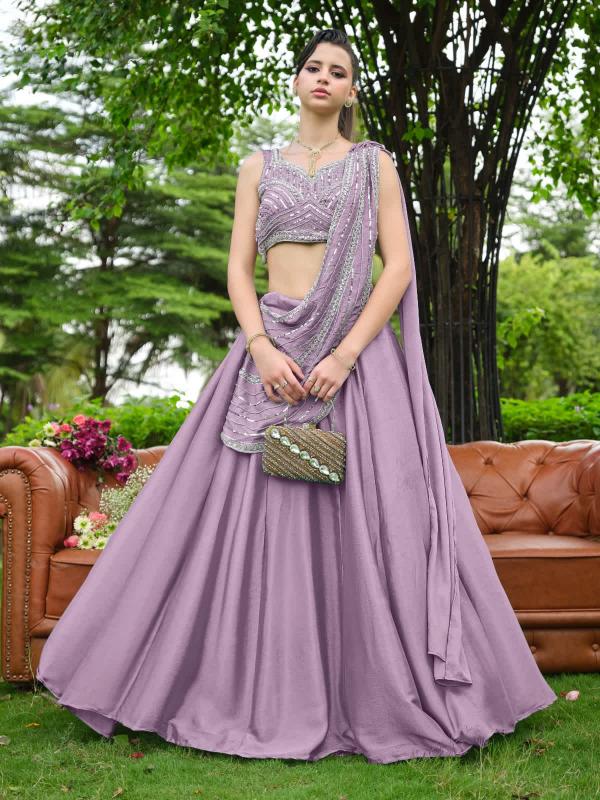
Premium Lehenga Choli Stock for Higher-Value Boutique Orders
Premium lehenga cholis can play a different role from regular fast-moving inventory. These products can target wedding guests, family functions, festive events and customers who want a more distinctive outfit.
Understand the Premium Customer Before Buying
A premium customer may pay more, but expectations are also higher. Product presentation, detailing, fabric appearance, finishing and design uniqueness become particularly important.
Boutique Owners should therefore avoid selecting premium inventory purely from a margin calculation. The complete product should support the selling price the boutique intends to charge.
Purchase Premium Stock in Controlled Quantities
Premium products usually require more working capital per piece. Unless previous sales support deeper buying, controlled quantities can help reduce inventory risk.
When a particular design or style receives strong demand, the retailer can consider additional purchasing according to availability.
Create Complete Occasion-Wear Sections
Rather than displaying premium lehengas randomly among daily-wear products, retailers can create dedicated wedding or festive sections. This makes it easier for customers to understand the collection and compare products within the same buying occasion.
Using Wholesaleexport.in for Online Wholesale Sourcing
Wholesaleexport.in gives retailers a digital route for exploring wholesale ethnic wear collections. For businesses that cannot regularly visit Surat, online catalogue access can make product discovery and stock planning more convenient.
The platform can be relevant for Home-Based Sellers starting with controlled inventory as well as Shop Owners, Boutique Owners, Showroom Owners, Resellers and Wholesale Buyers looking for broader collections.
Regular Collection Discovery
Fashion inventory needs regular updating. Reviewing new arrivals frequently can help retailers identify products that match changing customer demand instead of relying only on stock purchased several months earlier.
Wholesale Buying Across Different Price Segments
Not every retailer serves the same customer. Some businesses require affordable everyday products, while others need mid-range or premium ethnic wear. A broader wholesale assortment allows buyers to select according to their own retail positioning.
Industry Experience Behind Wholesale Sourcing
Vastralife has been involved in wholesale and export business since 2017, bringing textile-industry experience to sourcing and serving different buyer segments. For retailers, this industry exposure is useful because wholesale requirements can differ substantially between a home seller, boutique, showroom and bulk buyer.
Product quality also remains an important consideration. Premium product quality, dependable presentation and appropriate pricing can help retailers build stronger customer confidence over repeated buying cycles.
Online Buying Versus Visiting Surat Textile Market
Online purchasing and physical market sourcing each have advantages. The most suitable method depends on the retailer's location, buying volume, experience and frequency of purchasing.
When Online Buying Makes Sense
Online buying can be particularly practical when the retailer needs regular replenishment, lives far from Surat or wants to review products before committing time to a sourcing trip.
It can also help new sellers start without immediately spending money on repeated travel.
When a Physical Market Visit Can Help
Larger buyers may benefit from occasional visits to the Surat textile market, including the broader textile areas around Ring Road and Sahara Darwaza. Physical visits can provide direct exposure to the scale of textile trading, manufacturing activity and different product segments.
After understanding suppliers and categories, regular purchasing can potentially be supported through online communication and digital catalogues, depending on the supplier's processes.
A Hybrid Buying Model
For growing businesses, combining both methods can be effective. Visit important sourcing markets when necessary, but use online stock buying for regular updates and replenishment. This can reduce unnecessary travel while maintaining connections with the textile sourcing ecosystem.
Stock Buying Strategy for Different Types of Retailers
Home-Based Sellers
Focus on manageable inventory, easy-to-sell designs and price ranges suited to your immediate customer network. Use completed sales to decide where the next investment should go.
Boutique Owners
Maintain a recognisable style while balancing fashion with sellability. A boutique can use curated collections rather than trying to stock every available product.
Shop Owners
Shops serving regular walk-in customers may need greater depth in dependable price ranges. Keep enough variety while tracking which products receive repeated enquiries.
Showroom Owners
Larger showrooms can create dedicated product sections and maintain broader inventory across everyday, festive and premium segments. Buying data becomes particularly important as the number of SKUs increases.
Resellers
Resellers should prioritise products that can be presented clearly online and sold with a workable margin after all relevant costs. Fast catalogue sharing should not replace careful product selection.
Wholesale Buyers
Bulk buyers should evaluate quantity, assortment, price structure, logistics and expected downstream demand. Larger purchase volume makes inventory planning even more important because a poor selection can lock substantial working capital.
How to Prepare Boutique Stock for Online Selling
Buying is only the first half of the process. Once inventory arrives, retailers need to convert wholesale stock into appealing retail merchandise.
Organise Products by Category
Create clear groups for kurtis, sarees, lehenga cholis, dress materials, kurti sets and premium collections. Good organisation improves both internal inventory management and customer browsing.
Present the Product Clearly
Use clean photographs and accurate descriptions wherever possible. Customers purchasing remotely need enough information to make a confident buying decision.
Do Not Hide Important Product Details
Clear information about size, colour, style and other relevant specifications can reduce unnecessary questions and improve the customer's buying experience.
Promote New Arrivals Consistently
New inventory should not remain invisible. Use social media, WhatsApp and other customer communication channels to highlight relevant arrivals. Focus on quality communication rather than overwhelming customers with excessive catalogue messages.
Customer FAQs
1. Is online stock buying suitable for a new boutique?
Yes. A new boutique can use online wholesale sourcing to begin with controlled inventory, compare categories and increase purchases according to actual sales. New retailers should still check product details, quantity requirements and complete costs before ordering.
2. How much stock should a new boutique buy?
There is no single quantity suitable for every business. Your budget, customer base, store size and product price determine the appropriate level. Beginners should avoid putting their entire working capital into the first purchase.
3. Which products should boutiques stock in 2026?
The right mix depends on the target customer. Kurtis, kurti sets, sarees, dress materials, festive wear and lehenga cholis can all form part of a boutique assortment when demand supports them.
4. How can I find profitable wholesale stock?
Compare the complete buying cost with the realistic selling price, expected margin and likely inventory turnover. A product is not profitable merely because its wholesale price is low.
5. Can Home-Based Sellers purchase wholesale stock online?
Yes. Online sourcing can be particularly useful for Home-Based Sellers because it allows them to review products remotely and build inventory according to their available budget.
6. Is Surat a good place for wholesale ethnic wear sourcing?
Surat has a large textile trading and manufacturing ecosystem. Ring Road, Sahara Darwaza and surrounding textile markets are well-known sourcing areas for buyers seeking different Indian textile and ethnic wear categories.
7. Can I buy Indian boutique stock for export?
Wholesale buyers can source Indian ethnic wear for international markets subject to applicable order, shipping, customs and destination requirements. The final landed cost should be calculated before deciding retail pricing.
8. How often should a boutique add new stock?
There is no fixed schedule for every boutique. Review sales velocity, available working capital, seasonal demand and customer enquiries. New arrivals should support demand rather than being purchased only to increase inventory.
9. Should I buy premium lehengas in bulk?
Premium lehengas require more investment per design, so boutiques should generally base quantities on proven customer demand. Testing selected designs can reduce the risk of slow-moving premium inventory.
10. What should I check before placing an online wholesale order?
Check the product, available size or specifications, wholesale price, quantity requirements, applicable charges and expected delivery arrangement. International buyers should additionally consider destination-related costs.
Build Your Boutique Inventory with Wholesaleexport.in
Smart online stock buying for boutiques is not about purchasing more products. It is about purchasing the right products at the right time for the customers you actually serve. When inventory decisions are based on demand, price positioning, quality and stock movement, retailers can use their working capital more efficiently.
Wholesaleexport.in helps retailers explore wholesale ethnic wear options for different business models, from Home-Based Sellers and Resellers to established boutiques, shops and showrooms.
- Latest Collections – Explore regularly updated wholesale fashion selections.
- Wholesale Pricing – Source products with business-focused wholesale rates.
- Trendy Ethnic Wear – Discover kurtis, sarees, lehenga cholis and other ethnic categories.
- Fast Shipping – Convenient order processing and shipping support.
- COD Support – Available according to applicable order terms.
- Bulk Order Deals – Explore suitable options for larger purchasing requirements.
- Quality Products Starting From ₹299 – Find value-focused options across available collections.
Contact Number: +91 9712582172
Website: wholesaleexport.in
Whether you are launching a new boutique in India, expanding an ethnic wear business in the USA or building a retail collection in Australia or Nepal, a disciplined buying strategy can make a meaningful difference. Explore the latest collections through Wholesaleexport.in, compare products according to your customers and build your 2026 boutique inventory one carefully planned buying cycle at a time.