



Navratri Ethnic Wear Wholesale Buying Guide for Retailers – 2026 Surat Market
Navratri Ethnic Wear Wholesale Buying Guide for Retailers – 2026 Surat Market
Navratri creates one of the strongest seasonal opportunities for ethnic-wear retailers, boutiques and resellers because customers actively search for colourful, festive and dance-friendly outfits before the celebrations begin. Successful sellers do more than purchase attractive designs; they plan their assortment around customer budgets, local trends, sizes, colours, stock depth and the right buying schedule. Wholesaleexport.in gives buyers access to changing Surat collections so they can prepare a commercially balanced Navratri range for their own market.
Introduction
A practical Navratri Ethnic Wear Wholesale Buying Guide for Retailers should begin with one important principle: festive stock must be purchased according to selling potential, not simply visual appeal. Navratri fashion moves quickly, and retailers have a limited period to convert seasonal inventory into sales. Buying the right combination of traditional, contemporary, affordable and premium designs can therefore make a major difference to the season's performance.
For Home-Based Sellers, Shop Owners, Boutique Owners, Showroom Owners, Resellers and Wholesale Buyers, the Navratri season can attract both existing customers and entirely new audiences. Some shoppers want traditional mirror-work chaniya cholis, while others prefer designer lehenga cholis, fusion outfits, embroidered sets or modern Garba looks. A retailer who understands these different buying intentions can create a collection with broader appeal.
Timing is equally important. Waiting until Navratri has already started leaves a much shorter selling window. Retailers should ideally source early enough to receive the products, photograph or display them, communicate with existing customers and still have time for replenishment if a particular collection performs exceptionally well.
Surat provides significant sourcing opportunities through its large textile ecosystem. The surat textile market, particularly trading areas around Ring Road and Sahara Darwaza, connects retailers with wholesalers, textile processors, embroidery businesses, garment manufacturing units and distribution networks serving buyers across India and international markets.
Why Retailers Should Plan Navratri Stock Early in 2026
Seasonal fashion buying is different from regular inventory purchasing. Everyday kurtis and dress materials may continue selling after a festival, but highly specific Navratri ethnic wear wholesale stock has its strongest demand within a relatively concentrated period.
Early planning gives retailers more flexibility. They can compare collections instead of buying under pressure, select an appropriate size mix, prepare promotional content and monitor initial customer response before deciding whether to increase quantities.
Early Buying Gives You More Design Choice
Popular festive designs can move quickly through the wholesale market. Buyers who begin sourcing earlier generally have a better opportunity to evaluate different colour combinations, embroidery patterns, mirror-work concepts and price ranges.
Retailers purchasing at the last moment may have to choose from whatever inventory remains rather than what best matches their customers. Early buying does not necessarily mean purchasing the complete season's requirement at once. A planned first order followed by demand-based replenishment can provide a more flexible approach.
You Get More Time to Promote Your Collection
Festive products need visibility. After stock arrives, shops can prepare window displays and mannequins, while online sellers can photograph products, create reels, share WhatsApp catalogs and begin taking customer inquiries.
Customers also need time to compare designs and coordinate accessories. Releasing your Navratri collection 2026 before peak demand can help capture buyers who prefer completing their festive shopping early.
Reordering Becomes Easier
An early first launch gives retailers useful information about what customers actually want. If mirror-work lehengas receive stronger inquiries than printed styles, or a particular colour sells quickly, the next wholesale order can be adjusted accordingly.
This is safer than predicting the entire season before seeing customer response. Retailers can keep their purchasing strategy flexible while still maintaining enough inventory to appear well stocked.
Best Navratri Ethnic Wear Categories for Retailers
A strong Navratri collection usually contains multiple categories. Different customers have different budgets, styling preferences and levels of interest in traditional fashion. Retailers can increase their selling opportunities by offering a thoughtful mix rather than purchasing one style repeatedly.
Traditional Chaniya Choli Wholesale Collection
Chaniya choli wholesale remains closely associated with Garba and Navratri celebrations. Traditional combinations featuring colourful skirts, blouses and dupattas can appeal to customers who want an authentic festive look.
Retailers can consider mirror work, embroidery, ethnic prints, decorative borders and multicolour designs according to their target market. The complete outfit should have enough visual impact to stand out during Garba events without compromising practical wearability.
Designer Lehenga Choli for Navratri
Lehenga choli wholesale collections can serve customers looking for a more polished or contemporary festive outfit. Depending on the styling, some designs can also be sold beyond Navratri for weddings, sangeet functions and other celebrations.
This crossover potential can be valuable for retailers because it reduces dependence on a single festival. Buyers should identify which designs are strongly Navratri-specific and which have broader occasion-wear appeal when planning quantities.
Mirror Work Garba Dresses
Mirror detailing creates the bright, festive visual character many customers associate with Garba fashion. Mirror work chaniya choli wholesale collections can become important display products for boutiques and showrooms because they immediately communicate a Navratri theme.
Buyers should consider the overall finishing and placement of the decorative work. A visually impressive design still needs appropriate construction and finishing to provide value at its intended retail price.
Embroidered Navratri Lehenga Choli
Embroidery allows retailers to create different price levels within their festive range. Light embroidery can serve mid-range customers, while richer work can be positioned toward premium festive buyers.
When purchasing embroidered lehenga choli wholesale stock, retailers should evaluate the complete product rather than embroidery density alone. Fabric, blouse styling, dupatta, borders, colour coordination and finishing all contribute to perceived value.
Fusion and Contemporary Garba Wear
Younger customers may want festive clothing that maintains Navratri energy without following a completely traditional silhouette. Fusion skirts, contemporary blouses, coordinated ethnic sets and modern cuts can help retailers serve this segment.
A balanced shop can maintain traditional products as the foundation of its Navratri range while using selected fusion styles to add freshness and attract trend-focused shoppers.
How to Build the Right Navratri Wholesale Product Mix
Retailers should avoid putting the entire seasonal budget into one price range or design style. A commercially balanced Navratri ethnic wear wholesale assortment can include entry-level options, mid-range bestsellers and selected premium products.
Keep Affordable Fast-Moving Options
Not every customer wants an expensive festive outfit. Students, group Garba participants and customers attending multiple events may prefer attractive products at accessible prices.
Affordable inventory can generate volume, particularly for sellers serving value-conscious markets. However, retailers should still check product quality because a low purchase price is useful only when the garment remains suitable for resale.
Build a Strong Mid-Range Collection
For many retailers, the middle price segment can become an important part of Navratri inventory. These customers may expect better detailing and presentation while still remaining conscious of budget.
A good mid-range assortment can include embroidery, mirror detailing, coordinated dupattas, interesting prints and stronger overall finishing. Retailers should study their previous festive sales to identify the price band where the highest number of conversions occurred.
Add Premium Statement Pieces
Premium designs help create visual impact even when they represent a smaller percentage of total inventory. Boutique customers, wedding shoppers and buyers attending high-profile Garba events may be willing to spend more for distinctive outfits.
Retailers can keep premium pieces on prominent displays and use them in social-media promotions. They can attract attention to the collection while also creating opportunities for higher-value transactions.
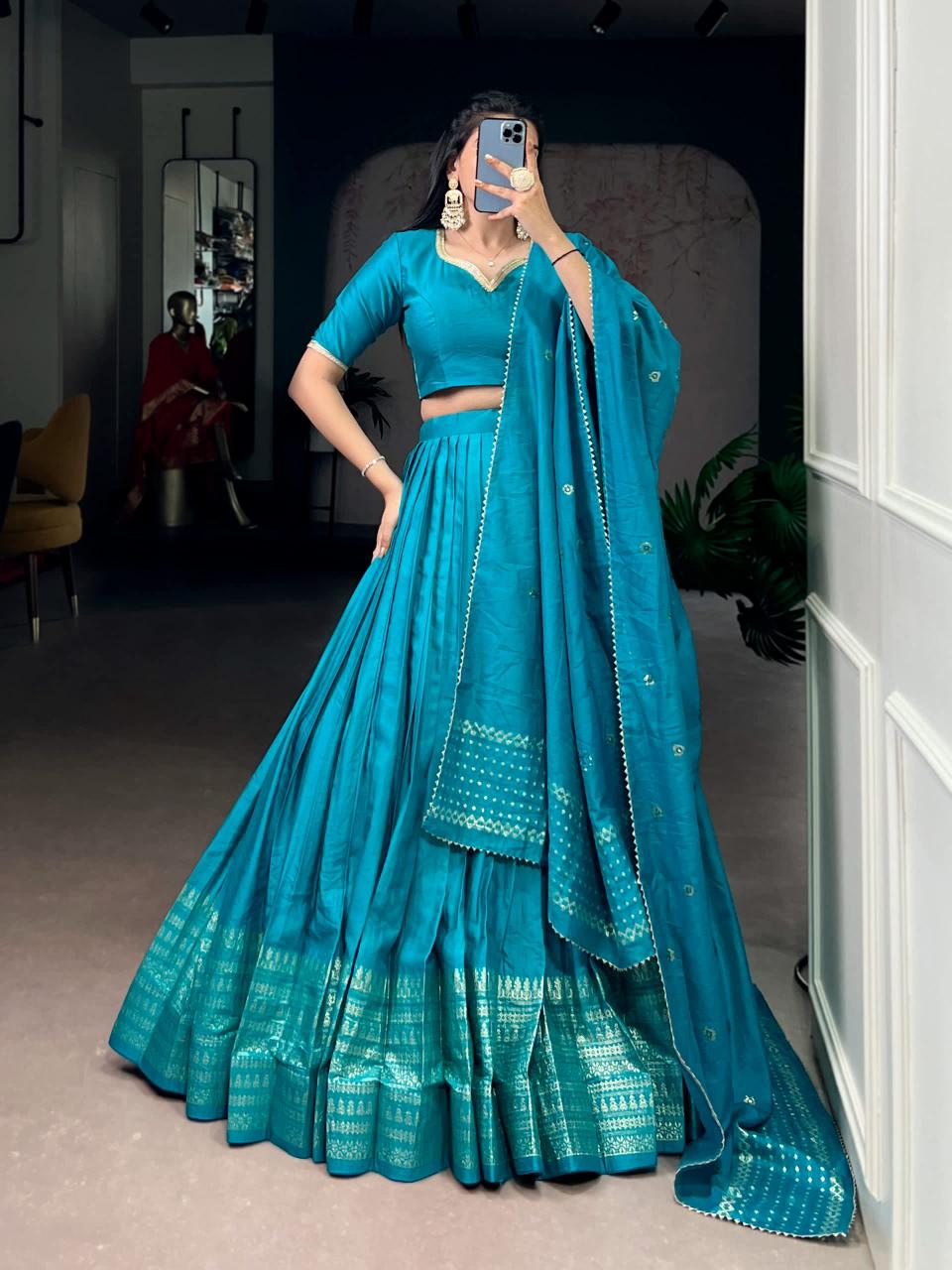
How to Choose Navratri Stock by Customer Type
The ideal festive assortment depends heavily on who buys from the business. A home-based reseller should not necessarily copy the inventory strategy of a large showroom, and a premium boutique may require a very different mix from a high-volume retail shop.
Buying Strategy for Home-Based Sellers
Home-based sellers can begin with controlled quantities and greater design variety. This reduces the risk of having too many pieces of one style left after the festive period.
Catalog-based promotion can also be effective. Sellers can introduce collections through WhatsApp and social media, observe customer interest and increase purchases in designs that receive stronger demand.
Buying Strategy for Retail Shops
Physical shops usually need enough inventory to create a convincing festive section. A customer entering for Navratri shopping should see meaningful variety across colours, styles and budgets rather than only a few isolated pieces.
Retailers can divide the display by price segment or style. Traditional chaniya cholis, designer lehengas and contemporary Garba outfits can be organised separately to make selection easier.
Buying Strategy for Boutiques
Boutiques can focus more heavily on curated products. Instead of carrying a very high quantity of similar pieces, boutique owners can choose distinctive colour combinations, detailed blouses, premium embroidery and fashionable silhouettes.
Limited quantities across multiple designs can also create a stronger sense of exclusivity, which may support premium retail positioning.
Buying Strategy for Showrooms
Showrooms generally have more floor space and may serve customers across several price levels. They can maintain broader size coverage, larger design variety and more stock depth in proven products.
Premium statement lehengas can be combined with mid-range and value-oriented Garba collections so sales staff can show suitable alternatives according to each customer's budget.
Navratri Wholesale Price Planning and Retail Margin
A wholesale buying decision should never be based solely on the lowest available price. Retailers need to consider whether the garment provides enough perceived value to achieve the required retail margin.
Two lehenga cholis offered at different wholesale rates may vary substantially in fabric, embroidery, blouse construction, dupatta quality, finishing and overall presentation. The better purchase is the one that fits the retailer's customer and creates realistic resale potential.
Calculate the Complete Landed Cost
Retailers should calculate product cost along with applicable taxes, transportation, packing and other relevant expenses. For export orders, international logistics and destination-related costs may also affect the final landed amount.
This calculation should happen before the retail price is decided. Otherwise, a product that appears profitable based only on its basic wholesale rate may deliver a much smaller actual margin.
Keep Room for Festive Promotions
Retailers often run Navratri offers, customer discounts or special promotions as the festival approaches. Purchasing at an appropriate cost gives the business enough flexibility to run these campaigns without eliminating its margin.
Promotions should still be planned carefully. Reducing the price unnecessarily on a product already selling well can weaken profitability without creating meaningful additional volume.
Understand Your Local Customer Budget
The ideal price mix can differ significantly between cities and customer segments. A premium metropolitan boutique may sell a different assortment from a neighbourhood ethnic-wear shop or online reseller.
Previous sales data, customer inquiries and local competition can help retailers understand where most of their Navratri demand is concentrated.
Why Surat Is Important for Navratri Ethnic Wear Wholesale
Surat's textile ecosystem brings together fabrics, processing, printing, embroidery, garment manufacturing, wholesale distribution and logistics. This allows buyers to access multiple ethnic-wear categories through a major Indian sourcing hub.
The surat textile market, including established textile trading zones around Ring Road and Sahara Darwaza, attracts buyers from different regions looking for changing collections and competitive sourcing opportunities.
Regular Access to New Festive Designs
Navratri fashion changes through colours, blouse patterns, embroidery concepts, prints and styling combinations. A large textile ecosystem can respond to these changes with regular catalog launches during the buying season.
For retailers, this creates an opportunity to refresh stock instead of relying entirely on designs purchased months earlier.
Multiple Categories in One Sourcing Market
Retailers preparing for Navratri may require more than lehenga cholis. Depending on their business, they may also need sarees, kurtis, festive suits, dress materials and other ethnic-wear categories.
Wholesaleexport.in helps buyers explore different women's fashion collections connected with Surat sourcing, making it easier to plan a broader seasonal inventory according to the requirements of their own store.
Choosing Colours, Sizes and Designs for Navratri 2026
Colour and size planning can be just as important as choosing the design itself. A beautiful collection may still move slowly if the retailer purchases the wrong size distribution or ignores the colours customers regularly request.
Maintain a Balanced Colour Mix
Navratri encourages colourful styling, but retailers should avoid making every product visually similar. Traditional bright colours can be combined with jewel tones, elegant dark shades, multicolour patterns and selected contemporary palettes.
Buyers can use previous customer response to identify proven colours while reserving part of the purchasing budget for new combinations that reflect 2026 trends.
Plan Sizes from Real Sales Data
Established retailers should examine previous festive sales before placing the next order. If particular sizes consistently sell faster, future purchases can reflect that pattern instead of ordering every size in equal quantity automatically.
New businesses can begin with a balanced size selection and adjust subsequent orders once genuine sales information becomes available.
Balance Traditional and Modern Designs
Traditional Navratri fashion remains important, but not every customer wants the same look. A combination of classic Garba designs and contemporary styling can help the collection appeal to different age groups.
Retailers should keep their core customer in mind when deciding the balance. Trend-focused sellers may allocate more space to fusion products, while stores with a traditional customer base can prioritise authentic chaniya choli styling.
Wholesale and Export Opportunities for India, USA and Australia
Navratri ethnic wear has opportunities both within India and among South Asian communities overseas. For this buying strategy, India, USA and Australia provide three distinct target markets where retailers can adapt their inventory according to local customer demand.
Navratri Wholesale Buying Across India
India provides the broadest domestic opportunity, but demand can vary substantially between regions. Gujarat naturally has a strong Garba culture, while Navratri celebrations in other states can create demand for festive ethnic fashion in different styles and price ranges.
Retailers should adapt their wholesale selection to local customer behaviour instead of assuming that the same collection will perform equally in every city.
Navratri Ethnic Wear for USA Retailers
Indian and South Asian communities across the USA organise Navratri and Garba events, creating opportunities for boutiques and resellers supplying festive clothing. International retailers should source early because overseas delivery requires additional planning.
Size selection, landed cost and local retail pricing become particularly important for an export order because replenishment may take longer than domestic sourcing.
Festive Wholesale Opportunities in Australia
Retailers serving Indian communities in Australia can plan Navratri collections around local Garba events, cultural associations and community celebrations. A combination of traditional and contemporary designs can help serve different age groups.
International buyers should keep sufficient time for product selection, order processing, shipping and local promotion before the festive season reaches its peak.
Vastralife Wholesale and Export Experience Since 2017
Wholesale festive buying requires practical understanding of fashion cycles, sourcing, customer demand and inventory movement. Vastralife has wholesale and export experience since 2017, supported by industry expertise across women's ethnic-wear sourcing and international supply requirements.
Premium product quality remains important because the retailer's reputation depends on what ultimately reaches the customer. Buyers need products that provide suitable value for their intended segment, whether they are sourcing affordable Garba wear or premium festive collections.
Wholesaleexport.in helps connect wholesale buyers with changing collections suitable for retailers, boutiques, resellers and larger purchasing requirements. Buyers can use the available product range to plan inventory according to their market rather than following a one-size-fits-all buying strategy.
Prepare Your Navratri Buying Budget Before Ordering
A disciplined budget can prevent seasonal excitement from turning into excessive inventory. Buyers following this Navratri Ethnic Wear Wholesale Buying Guide for Retailers should divide their available investment across product segments before placing orders.
Reserve More Budget for Proven Sellers
Previous sales should influence the largest portion of the buying budget. If a particular type of chaniya choli, colour range or price point consistently performs well, it can receive a greater share of the new purchase.
Keep a Smaller Budget for Trend Testing
New trends are important, but they do not need to dominate the first order. Retailers can test fresh silhouettes, unusual colour combinations and new embroidery styles in smaller quantities before increasing their investment.
Keep Replenishment Money Available
Spending the complete Navratri budget in the first purchase removes flexibility. Keeping part of the budget available for repeat buying allows retailers to respond when a particular product becomes a bestseller.
This approach can also help sellers introduce new arrivals closer to the festival instead of showing exactly the same inventory throughout the entire season.
.How Much Navratri Stock Should Retailers Buy?
The ideal quantity depends on the size of the business, previous festive sales, available working capital and the speed at which additional stock can be sourced. There is no single quantity that works equally well for a home-based seller, boutique, retail shop and large showroom.
Retailers should use previous Navratri sales wherever possible. Compare how much inventory was purchased, which designs sold first, which sizes remained unsold and which price ranges generated the highest number of transactions. This information can provide a much stronger purchasing foundation than assumptions based only on current fashion trends.
Home-Based Sellers Should Prioritise Variety
Smaller sellers can benefit from keeping controlled quantities across several designs rather than investing heavily in one catalog. Their advantage is flexibility. They can promote fresh products digitally, measure customer response and then increase purchases in styles generating genuine orders.
This strategy can also protect cash flow. Because Navratri has a defined seasonal selling window, unsold stock should be kept within manageable limits.
Retail Shops Need Depth in Fast-Moving Products
Retail shops should maintain enough pieces in proven categories so popular products do not disappear immediately after promotion begins. However, depth should be concentrated around designs and sizes that have realistic sales potential.
For a shop with historical data, last year's best-performing sizes and price ranges can provide useful guidance for Navratri collection 2026 planning.
Showrooms Can Build Multiple Festive Sections
Larger showrooms can divide Navratri inventory into affordable Garba wear, traditional chaniya choli, designer lehenga choli and premium statement collections. This helps sales teams quickly guide customers according to their budget and styling preferences.
It also creates opportunities for upselling. A customer who initially considers an entry-level outfit may choose a more detailed design after comparing the complete presentation.
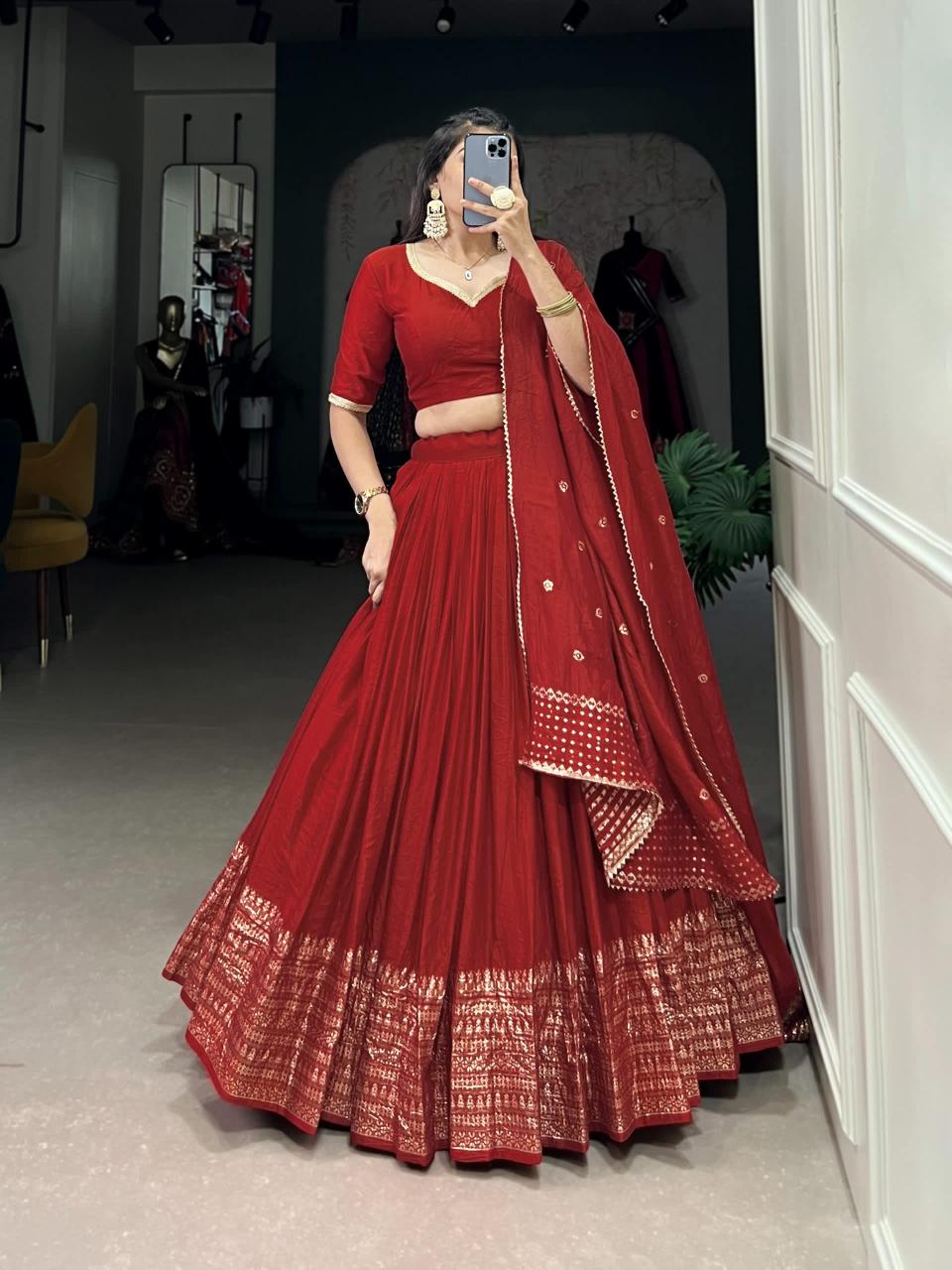
How to Sell Navratri Ethnic Wear Faster Before the Festival
Successful seasonal retailing depends on both sourcing and promotion. Even an excellent Navratri ethnic wear wholesale selection needs enough visibility to reach customers before competing stores capture their attention.
Retailers should begin marketing soon after the first important collections arrive. The objective is to build awareness early, create urgency gradually and maintain fresh product visibility as the festival approaches.
Create a Dedicated Navratri Display
Physical retailers can create a clearly visible festive section rather than mixing Garba products among regular ethnic wear. Mannequins styled with complete lehenga-choli combinations, dupattas and complementary accessories can immediately communicate the Navratri theme.
Window displays should feature visually strong designs that encourage passing customers to enter the shop. The display product does not necessarily need to be the lowest-priced bestseller; it should represent the overall attraction of the collection.
Use WhatsApp for Early Customer Promotion
Existing customers are often one of the easiest audiences to reach. Retailers can share selected new arrivals through WhatsApp rather than sending an overwhelming number of catalog images at once.
Collections can be grouped according to price, style or customer type. For example, separate messages can feature affordable Garba wear, mirror-work chaniya choli and premium designer lehengas. Focused communication makes it easier for customers to find relevant products.
Use Instagram Reels for Visual Impact
Navratri clothing naturally suits short-form video because movement can highlight the flare of the lehenga, mirror work, embroidery and dupatta. Retailers can create reels showing complete looks rather than relying only on static catalog photographs.
Product-focused videos should clearly communicate important information such as available sizes, collection type and how customers can place an order. Strong visual content combined with a simple call to action can generate inquiries before customers visit the store.
Create Urgency Without Misleading Customers
Seasonal inventory genuinely has a limited selling window, so retailers can communicate current availability and approaching festival dates. However, artificial claims about stock or fake scarcity should be avoided.
Messages such as "popular sizes moving fast" should only be used when supported by actual inventory movement. Accurate communication helps maintain customer trust.
Internal Linking for Complete Festive Wholesale Buying
Retailers preparing a broader festive inventory can explore the wholesale lehenga market Surat with price range when comparing lehenga options for Navratri, weddings and other celebrations. This can help buyers evaluate additional designs alongside their primary Garba collection.
Stores that serve customers across multiple ethnic-wear categories can also include wholesale sarees India selections in their festive buying plan. Maintaining complementary categories can create additional selling opportunities beyond customers shopping exclusively for Navratri.
Navratri Buying Strategy for Online Resellers
Online resellers need a slightly different inventory strategy because customers primarily evaluate products through photographs, videos and descriptions. Visual clarity, accurate product information and fast communication become particularly important.
Promote Smaller Curated Collections
Sending hundreds of product images can make selection difficult. Instead, resellers can create smaller groups such as "Navratri Under ₹X," "Premium Mirror Work," "Traditional Garba Collection" and "Designer Navratri Looks."
This approach allows customers to browse products according to their buying intention rather than searching through an unstructured catalog.
Confirm Stock Before Accepting Orders
Festive products can sell quickly at the wholesale level. Online sellers should confirm availability before collecting final payment from customers, particularly for specific sizes and colours.
Accurate stock confirmation reduces cancellations and helps create a more dependable reselling experience.
Clearly Mention Product Details
Customers should know what is included in the advertised product. Retailers can clearly mention whether the outfit includes a lehenga, blouse, dupatta or other components, together with available sizes and relevant product information.
Clear communication reduces repetitive questions and can make online purchasing more comfortable for customers who cannot physically inspect the garment.
Navratri Wholesale Buying for Boutiques
Boutiques can differentiate themselves by focusing on selection rather than simply carrying the largest possible quantity. Customers visiting a boutique often expect something more distinctive than products available everywhere in the local market.
Buy Limited Pieces Across More Designs
Instead of purchasing deep quantities in every catalog, boutique owners can select fewer pieces across a wider variety of premium-looking designs. This creates more visual choice while reducing the chance of several customers in the same local market purchasing identical outfits.
Focus on Blouse and Dupatta Details
In a premium lehenga or chaniya choli, the blouse and dupatta can be just as important as the skirt. Interesting necklines, sleeves, embroidery and coordinated dupatta borders can significantly improve the overall presentation.
Boutique buyers should therefore evaluate the complete outfit rather than choosing stock based solely on the lehenga design.
Keep Selected Crossover Designs
Some festive lehengas can continue selling after Navratri for sangeet, mehendi, weddings and other celebrations. Including such designs can reduce the risk associated with purely seasonal stock.
When purchasing, boutique owners can identify which products have broader occasion-wear potential and allocate slightly greater quantities to them.
Navratri Export Buying for USA and Australia
International retailers need to begin Navratri sourcing earlier because shipping adds another stage between wholesale purchasing and retail launch. Buyers in the USA and Australia should work backward from local event dates rather than waiting for peak wholesale activity in India.
Plan International Orders Early
Overseas retailers need enough time for product selection, order preparation, export dispatch, transportation and local promotion. Delayed purchasing can significantly reduce the number of days available for retail sales.
Early stock also allows businesses to begin taking inquiries before the largest local Garba events and cultural celebrations start.
Calculate Landed Price Before Selecting Quantities
The wholesale product price is only one component of international buying. Shipping and other applicable destination expenses can affect the final landed cost.
International retailers should calculate this before deciding their retail price and order quantity. A product that works well at an Indian retail price may need different positioning in an overseas market.
Understand Local Size Requirements
International customer profiles can differ from those of an Indian retail shop. Buyers should use their own historical sales information when planning sizes instead of automatically copying a supplier's standard quantity distribution.
A wider size assortment may create additional opportunities where retailers have previously received demand that could not be fulfilled.
How Wholesale Buyers Can Reduce Leftover Navratri Inventory
Seasonal leftover stock can lock up working capital, so inventory risk should be considered before the first order is placed. Retailers cannot eliminate all risk, but disciplined buying can reduce it considerably.
Do Not Overbuy the First Collection
Early excitement around new catalogs can encourage excessive purchasing. A better approach is to buy enough stock to launch a strong collection while preserving funds for repeat orders.
This allows actual customer behaviour to influence later purchasing decisions.
Prioritise Designs with Wider Occasion Use
Products suitable for weddings, sangeet, mehendi and festive functions may retain selling potential after Navratri. Retailers can use such designs to balance more theme-specific Garba inventory.
Start Promotions Before Peak Season
Every additional week of meaningful selling time can improve inventory turnover. Waiting until customers begin asking for Navratri products wastes the opportunity to generate earlier sales.
Retailers can announce their first collection, follow with new arrivals and then increase promotional activity as the festival approaches.
Monitor Slow-Moving Designs Early
Do not wait until the final days of Navratri to identify products that are not moving. If a particular collection receives little customer interest, retailers can improve its display, create fresh content, reposition it to another customer segment or use appropriate promotional pricing while sufficient selling time remains.
Using Surat Textile Market Sourcing for Long-Term Growth
The value of the surat textile market extends beyond a single Navratri season. The broader textile ecosystem around Ring Road, Sahara Darwaza and other commercial areas supports multiple women's fashion categories throughout the year.
Retailers who develop a consistent sourcing process can move from Navratri collections into Diwali, wedding-season and other ethnic-wear inventory rather than searching for an entirely new supply structure after each festival.
Build Supplier Relationships Beyond One Season
Wholesale purchasing becomes more efficient when buyers understand product categories, order processes and sourcing cycles. Long-term business relationships can simplify communication and help retailers plan repeat requirements more effectively.
Use Sales Data for the Next Festival
After Navratri 2026, retailers should record what worked while the information is still fresh. Note bestselling categories, colours, sizes, average selling prices and products that remained unsold.
This creates a valuable reference for the following season and helps purchasing decisions become increasingly data-driven.
Customer FAQs
1. When should retailers start buying Navratri wholesale stock?
Retailers should begin sufficiently early to allow time for product selection, dispatch, store preparation and promotion. International buyers generally need an even longer planning window because export shipping adds additional time.
2. Which ethnic wear sells well during Navratri?
Demand can include chaniya choli, lehenga choli, mirror-work Garba outfits, embroidered festive wear and contemporary fusion styles. The best category depends on local customer preferences, budget and age group.
3. Where can I buy Navratri ethnic wear wholesale from Surat?
Retailers, boutiques and resellers can explore Surat-based wholesale collections through Wholesaleexport.in and select products according to current availability, quantity requirements and their target customer segment.
4. How should I decide my Navratri wholesale budget?
Use previous sales where available and divide the budget across proven products, new trend testing and repeat purchasing. Avoid spending the complete seasonal budget on the first order if replenishment is possible.
5. Should I buy only traditional chaniya cholis for Navratri?
Not necessarily. A balanced assortment can combine traditional Garba clothing with designer lehengas and selected contemporary styles. The ideal mix depends on the customers served by your business.
6. Can Navratri ethnic wear be exported from Surat?
Yes, wholesale and export requirements can be planned for international buyers according to destination, quantity, available products and shipping arrangements. Buyers should confirm applicable details before placing the order.
7. How can retailers reduce leftover festive stock?
Start with planned quantities, monitor early sales, maintain money for replenishment and include selected designs that can also sell for weddings or other festive occasions after Navratri.
8. Is Navratri wholesale stock suitable for home-based resellers?
Yes. Home-based sellers can work with curated collections and controlled quantities according to applicable order requirements. Digital promotion through WhatsApp and social media can help them reach customers without maintaining a large showroom.
9. What should I check before buying lehenga choli in bulk?
Check fabric, embroidery or mirror work, blouse design, dupatta, size availability, finishing, wholesale price and expected resale value. For larger purchases, also consider how easily successful designs can be replenished.
10. Why should retailers source Navratri collections from Surat?
Surat has an extensive textile ecosystem covering fabric, processing, embroidery, manufacturing, wholesale trading and distribution. This gives buyers access to multiple ethnic-wear categories and frequently changing collections.
Order Your Navratri 2026 Wholesale Collection
A successful festive season begins with planned purchasing. Use this Navratri Ethnic Wear Wholesale Buying Guide for Retailers to build a collection around actual customer demand, suitable price ranges, practical size distribution and a healthy combination of traditional and contemporary styles.
Vastralife brings wholesale and export experience since 2017, backed by textile industry expertise and a focus on premium product quality. Through Wholesaleexport.in, Home-Based Sellers, Shop Owners, Boutique Owners, Showroom Owners, Resellers and Wholesale Buyers can explore changing ethnic-wear collections for their business requirements.
For your upcoming wholesale purchase, explore:
- Latest Collections for fresh Navratri and festive designs
- Wholesale Pricing for retailers, boutiques and resellers
- Trendy Ethnic Wear for changing customer preferences
- Fast Shipping for efficient order movement
- COD Support on eligible India orders
- Bulk Order Deals for larger wholesale requirements
- Quality Products Starting From ₹299 across eligible collections
Contact Number: +91 9712582172
Website: wholesaleexport.in
Start your Navratri 2026 wholesale buying early, test new trends without overstocking, keep replenishment funds available and use real customer response to guide repeat orders. With the right balance of chaniya choli, designer lehenga, mirror-work Garba wear and complementary festive products, retailers can create a collection designed not only to look attractive but also to deliver stronger seasonal selling opportunities.