


Monsoon Fashion Stock Ideas for Clothing Stores in 2026
Monsoon Fashion Stock Ideas for Clothing Stores in 2026
Rainy-season retail requires a different buying strategy from summer or festive stocking. Customers generally look for comfortable fabrics, practical silhouettes, easy-care garments and fresh styles that remain suitable for everyday outings, offices, colleges and casual occasions. For retailers, choosing the right combination of designs, sizes, colours and price points can turn the monsoon months into a productive selling period rather than simply waiting for the next major festive season.
Introduction
For clothing retailers, seasonal inventory planning is directly connected with sales performance and stock rotation. During the rainy months, buyers often prefer outfits that are comfortable, manageable and easy to style. This creates demand for cotton kurtis, rayon kurtis, short tops, kurti-pant sets, printed co-ord sets, lightweight ethnic wear and practical daily-wear collections.
A well-planned monsoon fashion stock should therefore combine everyday products with selected fashionable pieces. Shop owners do not necessarily need to fill their shelves with heavy seasonal designs. Instead, the focus can remain on products customers can wear repeatedly throughout the season and continue using after the monsoon.
For retailers sourcing from the Surat textile market, the advantage is access to a wide variety of manufacturers, wholesalers and catalog-based collections. Major textile trading areas around Ring Road and Sahara Darwaza connect buyers with constantly changing designs across different price segments. This variety helps retailers create inventory according to their own customer profile rather than following one fixed buying formula.
Wholesaleexport.in provides another buying route for retailers who prefer to browse wholesale clothing collections online. For shop owners, boutique owners, showroom owners, home-based sellers, resellers and wholesale buyers, online access can make it easier to compare styles and shortlist merchandise without depending entirely on physical market visits.
Best Monsoon Fashion Stock Ideas for Retailers
The most practical approach to rainy-season buying is to create several smaller product groups instead of investing the entire budget in one category. This gives customers more choice while reducing dependence on the performance of a single collection.
Printed Kurtis for Everyday Sales
Wholesale kurtis remain one of the most flexible categories for Indian ethnic wear retailers. Straight kurtis, A-line kurtis, short kurtis, printed kurtis and comfortable daily-wear designs can work across multiple customer segments. Women can pair them with leggings, pants, palazzos, jeans or existing bottoms, making the category convenient for repeat purchases.
For monsoon stocking, retailers can consider medium and darker shades alongside selective brighter colours. Floral prints, geometric patterns, traditional motifs, abstract designs and minimal prints help create visual variety. Instead of ordering excessive quantities of one design, a retailer can test multiple patterns and reorder the better-performing options.
Co-Ord Sets for Fashion-Focused Buyers
Matching sets have become useful inventory for retailers targeting customers who want ready-to-style outfits. A co-ord set wholesale collection can include printed tops with matching pants, relaxed-fit sets, ethnic co-ords and smart casual combinations.
Co-ord sets are particularly relevant for boutiques, online resellers and home-based sellers because the complete look is easy to present through product photographs and short videos. Customers do not need to decide which bottom should be paired with a top, which simplifies the buying decision.
Retailers should consider stocking a mix of entry-level and premium-looking sets instead of relying only on one price category. This allows the same store to serve value-focused shoppers as well as customers looking for more detailed designs.
Short Tops and Tunics for Younger Customers
Short tops, tunics and Indo-western kurtis can provide an additional sales opportunity for stores serving college students, working women and younger shoppers. These garments can be paired with jeans, trousers or palazzos and can remain relevant beyond the rainy season.
For a practical monsoon clothing wholesale selection, look for easy silhouettes, wearable sleeve lengths and patterns that can work for both casual and semi-formal styling. Keeping several colours and designs in moderate quantities can make the display look larger without overloading inventory.
How to Build the Right Monsoon Inventory Mix
A retailer's buying decision should be based on customer behaviour rather than simply purchasing whichever catalog looks attractive. A store serving family customers may need more kurtis and kurti sets, while a boutique targeting younger buyers may generate stronger demand from co-ords, tunics and contemporary ethnic wear.
Divide Your Buying Budget Across Categories
Instead of placing most of the seasonal budget into one product, divide purchasing across several categories. A balanced assortment might contain everyday kurtis, matching sets, short tops, kurti-pant combinations and a smaller quantity of premium pieces. The exact ratio should depend on previous store sales and local customer demand.
This approach can be especially valuable for wholesale clothing buyers because a diverse selection gives retailers more opportunities to identify fast-moving products. Once a particular design, fabric or price range starts selling consistently, additional stock can be purchased based on actual demand.
Keep Multiple Price Points
Customers entering the same clothing store can have very different budgets. Some may want affordable daily wear, while others may be willing to pay more for better detailing, coordinated sets or premium fabrics. A useful inventory therefore includes opening-price products, mid-range collections and selected premium styles.
Retailers should calculate not only the wholesale buying price but also freight, taxes where applicable, packaging, selling expenses and expected margin. A low purchase price is useful only when the product has the quality and customer appeal required to move from the shelf.
Plan Sizes According to Your Customer Base
Size planning is often as important as design selection. A popular pattern can still become slow stock when the store purchases an unsuitable size ratio. Review previous sales to understand whether your buyers purchase more medium sizes, larger sizes or a broad size range.
For online resellers, clearly displaying available sizes and measurements can reduce unnecessary customer questions and improve ordering convenience. Retailers serving different regions of India should build their size assortment according to their actual customer data rather than assuming one universal size ratio.
Why Fabric Selection Matters During the Rainy Season
Fabric is an important consideration when building a monsoon fashion stock. Retail buyers should consider how the garment feels, how easily it can be maintained, its weight, colour performance and suitability for repeated use. Comfortable cotton blends, rayon-based garments, lightweight woven fabrics and practical everyday materials can form the core of the collection.
Cotton and Cotton-Blend Collections
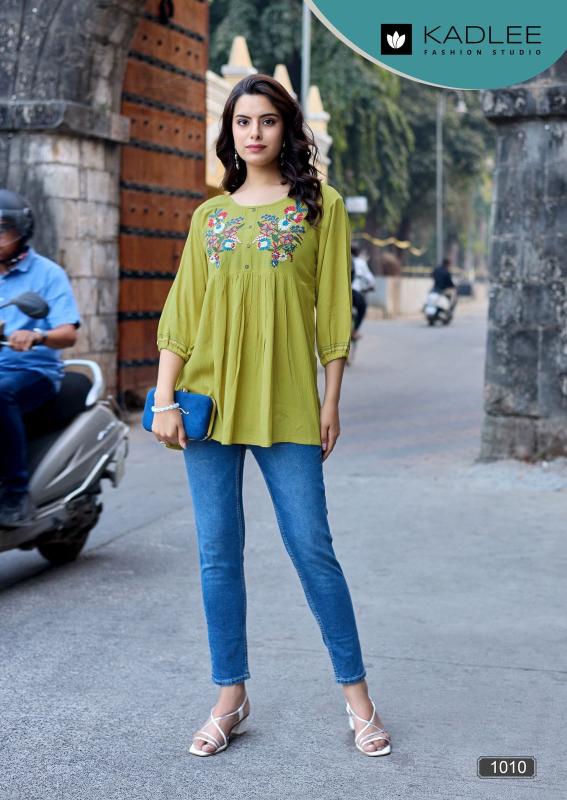
Cotton-oriented clothing remains useful for stores that serve customers looking for breathable everyday wear. Printed cotton kurtis, cotton sets and relaxed silhouettes can be positioned for workwear, casual use and regular outings.
When purchasing cotton kurtis wholesale, retailers should compare fabric feel, stitching, colour combinations and finishing rather than choosing solely on price. Better presentation and consistent quality can help build repeat business, particularly for stores that depend heavily on returning local customers.
Rayon and Easy-Fall Fabrics
Rayon-based kurtis and sets can offer attractive drape and a fashionable appearance at accessible price levels. Depending on the product construction, these styles can be suitable for straight kurtis, flared silhouettes, tops and coordinated sets.
Retailers searching for rayon kurti wholesale options can combine plain designs, printed patterns and light detailing. The objective is to create enough variation that customers can purchase for daily wear as well as slightly dressier occasions.
Easy-Care Clothing for Practical Buyers
Practicality becomes particularly relevant during monsoon shopping. Customers may favour clothing that fits naturally into everyday routines rather than garments requiring complicated maintenance. Retailers can therefore give more shelf space to wearable, easy-to-style collections and reserve heavily embellished pieces for targeted occasions.
This does not mean monsoon clothing has to look basic. Smart prints, attractive necklines, contrast details, coordinated bottoms and contemporary silhouettes can create a premium visual effect while keeping the garment practical.
Monsoon Colour and Design Planning for 2026
For 2026 wholesale clothing planning, a varied colour palette is more useful than following one trend blindly. Darker colours can be practical for rainy days, while fresh shades keep store displays visually attractive. Retailers can mix navy, wine, maroon, rust, teal and darker greens with selected pastel, white-based and brighter printed designs.
Print selection should also remain diverse. Floral patterns may attract one group of customers, while geometric, ethnic, abstract and minimal prints appeal to others. Shops with enough display space can organise merchandise by colour family or category to make browsing easier.
Use New Arrivals to Keep Displays Fresh
Customers who visit the same store regularly need a reason to look again. Regularly adding new designs, even in smaller quantities, can create the perception of a frequently refreshed collection. This strategy can work particularly well for boutiques and home-based resellers that promote arrivals through WhatsApp, Instagram and customer groups.
Wholesaleexport.in can be used to check changing wholesale ranges across multiple women's clothing categories. Instead of buying one large lot and waiting for it to sell completely, retailers can use smaller repeat purchases to maintain freshness where their purchasing model allows it.
Balance Trendy Products with Repeat Sellers
A store filled entirely with trend-driven products may look attractive but can carry higher inventory risk. Conversely, stocking only basic products can limit customer excitement. The stronger approach is usually a balance between proven sellers and new fashion.
For example, everyday printed kurtis can provide the foundation, while co-ord sets and newer silhouettes bring fashion appeal. This combination can support both regular customers and shoppers specifically looking for something new.
Wholesale Sourcing from Surat for Monsoon Collections
Surat continues to play an important role in India's textile and apparel supply ecosystem. The Surat textile market, including trading areas around Ring Road and Sahara Darwaza, connects buyers with suppliers dealing in kurtis, suits, sarees, dress materials, co-ords and many other women's clothing categories.
For buyers who cannot travel regularly to Surat, digital wholesale sourcing provides another route. Catalogs, product images and online communication allow retailers to shortlist collections remotely and arrange orders according to their business requirements.
Vastralife brings wholesale and export experience since 2017, supported by practical textile industry expertise and a focus on premium product quality. This experience is relevant for retailers who need access to changing fashion collections while managing quality, sourcing and supply requirements.
Manufacturing and Wholesale Access
Direct access to textile trading and manufacturing networks can help retailers discover broader product variety and different pricing segments. However, buyers should evaluate fabric, design, available sizes, catalog quantity, dispatch terms and product specifications before confirming larger purchases.
The right supplier relationship is not only about finding the lowest rate. Consistency, communication, new collection availability and order handling can become increasingly important as a retailer's purchase volume grows.
Buying for Domestic and Export Markets
Retail requirements can vary considerably across countries. Buyers serving customers in India may focus heavily on everyday ethnic wear, while retailers supplying Nepal or Australia may create a different combination based on their local customer preferences, climate, community demand and selling price range.
Export buyers should also consider shipping weight, order consolidation, size preferences and local retail positioning when selecting stock. A collection that performs strongly in one market does not automatically guarantee identical demand elsewhere.
For international resellers, the goal should be to select merchandise that remains easy to present online and simple for customers to understand. Clear product photographs, accurate size information, fabric details and coordinated sets can make remote selling easier. A carefully selected monsoon wear wholesale collection can therefore serve domestic shops as well as sellers supplying ethnic-fashion customers outside India.
Best Products to Add to a Monsoon Clothing Store
Retailers do not need dozens of unrelated categories to build a strong rainy-season collection. A focused selection of proven products can make inventory management easier while still providing customers with enough variety. The ideal mix depends on local demand, average selling price and the type of shoppers visiting the store.
Kurti Pant Sets
Kurti-pant combinations are useful for customers who prefer a complete outfit instead of purchasing separate pieces. Straight-cut kurtis with matching pants, printed sets, solid-and-printed combinations and contemporary silhouettes can work for office wear, casual occasions and regular outings.
Retailers looking to expand this category can browse kurti pant sets wholesale and compare different styles according to their customer profile. Keeping several colour and size options can help stores serve both regular buyers and customers searching for ready-to-wear combinations.
Pakistani-Style Suits
Retailers who serve customers interested in elegant ethnic silhouettes can also maintain selected Pakistani suits wholesale inventory. Straight silhouettes, detailed necklines, coordinated bottoms and attractive dupattas can create a more premium segment alongside everyday monsoon merchandise.
The quantity should be planned according to actual demand. Stores primarily focused on affordable daily wear may keep this category smaller, while boutiques serving occasion-oriented customers can allocate a larger portion of their inventory to detailed suit sets.
Co-Ord Sets
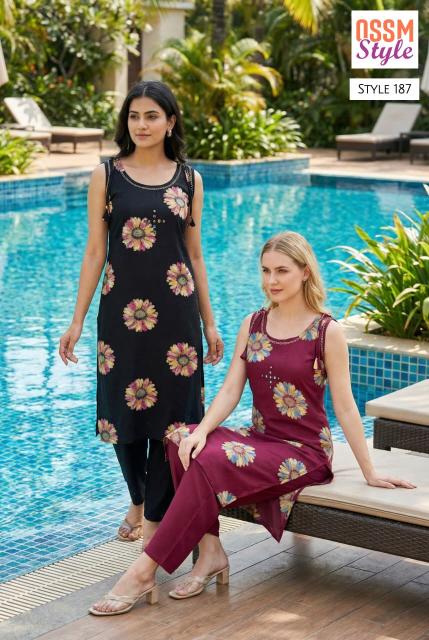
Co-ords can help retailers bridge the gap between ethnic and contemporary clothing. Printed matching sets, relaxed silhouettes and coordinated top-and-bottom combinations are convenient for customers and highly visual for social-media selling.
A strong co-ord set wholesale selection can be particularly valuable for home-based sellers and online resellers because one complete product photograph communicates the entire look. Retailers can test different prints, lengths and price ranges before increasing quantities of the designs receiving stronger customer response.
Short Kurtis and Tops
Short kurtis are useful for stores targeting younger customers because they can be paired with jeans, trousers, palazzos and skirts. They also allow retailers to offer lower-ticket fashion products alongside complete sets.
For a balanced monsoon fashion stock, short tops can be mixed with traditional kurtis and matching sets rather than treated as a separate seasonal category. This creates more styling choices without requiring a very large inventory commitment.
How Much Monsoon Stock Should Retailers Buy?
There is no universal quantity suitable for every retailer. A showroom with established walk-in traffic will naturally require more stock than a home-based seller testing a new market. The better method is to calculate inventory using previous sales, current customer enquiries, average order value and the frequency at which replacement stock can be sourced.
Start with Variety Before Depth
For new collections, variety can be more useful than purchasing deep quantities of a single design. If the budget allows 100 pieces, for example, having multiple styles across several product groups can provide better market feedback than purchasing most pieces from only one catalog.
Once sales data begins showing which colours, sizes, patterns and categories move quickly, retailers can place repeat orders accordingly. This approach can reduce the chance of locking working capital into products that receive limited customer response.
Keep Reordering Capacity Available
Using the complete purchasing budget in one transaction can leave little flexibility when a new fast-moving design enters the market. Retailers may benefit from keeping part of their budget available for repeat purchases and new arrivals.
This is especially relevant during 2026, when customers can discover fashion quickly through social platforms and online marketplaces. A design gaining attention can create sudden demand, while another product may slow faster than expected.
Track Size-Wise Sales
Retailers should maintain basic records of which sizes sell most frequently. If certain sizes consistently sell first, future purchases can be adjusted where supplier assortment options permit. The same principle applies to colours and price ranges.
Simple inventory tracking can improve purchasing decisions over time. Instead of relying entirely on intuition, buyers can compare actual sales against purchase quantities and identify which merchandise deserves a larger share of the next order.
Monsoon Wholesale Buying Checklist
Before finalising seasonal inventory, buyers should review the complete product proposition. Attractive photographs alone are not enough. Fabric, finishing, size availability, wholesale rate, quantity requirements, dispatch schedule and customer suitability all influence whether the product can generate a satisfactory retail return.
Check Fabric and Product Quality
Review available fabric specifications and product details carefully. Stitching, finishing, prints and overall presentation should match the price segment in which the garment will be sold. Stores building long-term customer relationships should prioritise consistent quality rather than purchasing exclusively on the lowest available rate.
Compare Wholesale Price with Retail Potential
A wholesale price should be evaluated in relation to realistic retail value. Include transportation, applicable taxes, packaging and operating expenses before deciding the selling rate. Products that provide sufficient room for sustainable margin while remaining attractive to the final customer are generally more useful than products purchased simply because they appear inexpensive.
Confirm Available Sizes Before Ordering
Size availability should match the customer profile of the store. Boutique owners, showroom owners and online sellers may have different size requirements. Confirming the assortment before purchase can prevent a situation where an attractive catalog reaches the store but does not match the sizes most frequently requested by customers.
Review Dispatch and Restocking Possibilities
Fast-moving fashion depends on timely availability. Buyers should understand expected dispatch arrangements and whether successful products are likely to remain available for repeat purchase. While fashion inventory can never be guaranteed indefinitely, knowing the supply process helps retailers plan promotions and customer commitments more carefully.
Monsoon Stock Strategy for Different Types of Sellers
The same wholesale collection can perform differently depending on how it is sold. A physical shop depends heavily on walk-in presentation, while an online reseller may rely on photographs, videos and WhatsApp sharing. Inventory planning should reflect the actual selling channel.
Home-Based Sellers
Home-based sellers can focus on manageable quantities and highly shareable products. Co-ord sets, kurtis and ready combinations are particularly convenient because customers can quickly understand the complete look through a catalog image.
Instead of maintaining very deep inventory, sellers can introduce regular new arrivals and monitor enquiries. Products receiving repeated requests can then become priorities for future purchasing.
Shop Owners
Physical stores benefit from variety across price points. Affordable daily wear can create regular footfall, while better-finished sets can increase average billing. A mix of cotton styles, rayon garments, co-ords, short kurtis and ethnic sets gives customers multiple reasons to purchase.
Boutique Owners
Boutiques can focus more strongly on distinctive prints, coordinated looks and products with a premium visual presentation. Instead of competing only on price, boutique owners can select merchandise that fits their store identity and customer preferences.
Showroom Owners and Wholesale Buyers
Larger buyers usually require greater assortment planning because their customer base is broader. Category-wise inventory, systematic size management and frequent new arrivals can help maintain a stronger retail presentation. Buyers purchasing larger quantities should also review their sell-through data before repeating major orders.
GEO-Focused Wholesale Supply for India, Nepal and Australia
Geographic demand should be considered when planning clothing inventory. In India, regional weather, local fashion preferences and city-level customer behaviour can affect which products move quickly. Retailers sourcing around Ring Road, Sahara Darwaza and other parts of the Surat textile market gain access to a broad supplier ecosystem serving different regions.
For buyers in Nepal, Indian ethnic clothing can serve everyday retail as well as occasion-driven demand. Retailers can select kurtis, sets, suits and other categories according to local customer preferences rather than simply duplicating an Indian store assortment.
For ethnic-fashion businesses in Australia, product selection may be influenced by the local season, Indian community events and customer preference for ready-to-wear outfits. Export buyers should therefore coordinate purchasing cycles with their own market calendar instead of following only India's seasonal schedule.
Wholesaleexport.in helps connect product discovery with wholesale purchasing requirements, while Vastralife's wholesale and export experience since 2017 contributes practical industry knowledge to the sourcing process. Premium product quality, changing collections and textile-market experience remain important when supplying different buyer profiles.
How Retailers Can Sell Monsoon Collections Faster
Buying the right inventory is only one part of seasonal retail. Merchandise also needs to be presented effectively. Customers should be able to quickly understand what is new, what fits their budget and how the product can be styled.
Create a Dedicated New-Arrival Display
Keep recently received products visible rather than mixing everything into existing stock. A dedicated new-arrival section can attract returning customers who already know the rest of the store's collection.
Share New Stock Through WhatsApp
WhatsApp can be especially effective for retailers with an established customer list. Instead of sending an excessive number of images together, select strong products and share them in organised batches with size and ordering details.
Use Short Product Videos
Short videos can communicate fabric movement, garment length, styling and overall appearance more effectively than a single photograph. This can be useful for co-ord sets, kurtis and other garments where customers want to understand the complete fit.
Create Price-Based Collections
Grouping products into affordable, mid-range and premium selections makes purchasing easier for customers. Online resellers can similarly create posts or catalog sections around specific budgets. This allows customers to shortlist merchandise without repeatedly asking for the price of every design.
Internal Linking and Related Wholesale Collections
A strong wholesale buying plan should connect seasonal stock with year-round categories. Retailers can move customers from monsoon-friendly kurtis and coordinated sets toward festive suits, ethnic collections and other categories as demand changes through the year.
Wholesaleexport.in can support this approach by giving buyers access to multiple apparel categories through one wholesale-focused platform. Retailers can periodically review new arrivals and adjust their purchasing according to customer response, seasonal demand and available working capital.
The objective should not be to purchase every available fashion trend. Strong retailers build a recognisable assortment, understand their customers and use fresh collections to supplement proven products. This makes inventory planning more controlled and helps maintain variety throughout the selling cycle.
Customer FAQs
1. What clothing should retailers stock for the monsoon season?
Retailers can consider printed kurtis, cotton and rayon styles, kurti-pant sets, co-ord sets, short kurtis, tunics and selected ethnic suit collections. The exact mix should be based on local customer demand, budget and previous sales performance.
2. Where can I buy monsoon clothing at wholesale prices?
Retailers can source through the Surat textile market and online wholesale platforms such as Wholesaleexport.in. Buyers should compare product details, sizes, rates and ordering requirements before finalising their stock.
3. Should I buy large quantities of one monsoon design?
For an untested design, purchasing broader variety in controlled quantities can reduce inventory risk. Once a product begins selling consistently, retailers can consider repeat orders or deeper quantities according to availability.
4. Which monsoon clothing categories are suitable for resellers?
Printed kurtis, matching sets, co-ords, short tops and ready-to-wear ethnic combinations are useful because they can be presented clearly through online catalogs, WhatsApp and social-media content.
5. Can wholesale clothing be supplied for international retail businesses?
Yes, wholesale and export requirements can be handled according to the destination, order quantity, product availability and applicable shipping arrangements. International buyers should confirm logistics and order terms before purchase.
6. How should a retailer decide the right wholesale price range?
Consider the customer's usual spending range, competing products, freight, applicable taxes, operating costs and required retail margin. Keeping more than one price segment can help serve a broader customer base.
7. Is monsoon stock useful after the rainy season?
Many practical kurtis, co-ords, tops and everyday sets are not strictly rain-specific. Choosing versatile colours, fabrics and silhouettes can allow unsold pieces to remain relevant beyond the monsoon period.
Build Your 2026 Monsoon Collection with Wholesaleexport.in
A successful monsoon fashion stock is built around the right combination of customer demand, wearable products, attractive designs, suitable price points and controlled inventory. For retailers, the goal is not simply to purchase more stock but to purchase merchandise that has a clear place in the store and a realistic customer segment.
Shop owners, boutique owners, showroom owners, home-based sellers, resellers and wholesale buyers can explore Wholesaleexport.in for changing clothing collections and wholesale sourcing opportunities. With Vastralife's wholesale and export experience since 2017 and established textile industry expertise, buyers can access collections designed for different retail requirements.
What You Get with Wholesaleexport.in
- Latest Collections for regularly refreshed retail inventory
- Wholesale Pricing for business-focused purchasing
- Trendy Ethnic Wear across multiple customer segments
- Fast Shipping for efficient order movement
- COD Support subject to applicable order terms and availability
- Bulk Order Deals for qualifying wholesale purchases
- Quality Products Starting From ₹299 across applicable collections
Whether you are preparing a neighbourhood clothing shop, expanding a boutique, building an online reselling business or sourcing stock for a larger showroom, plan your collection around products your customers can actually wear and reorder. Explore the latest wholesale ranges, compare available designs and create a smarter seasonal assortment for 2026.
Contact Number: +91 9712582172
Website: wholesaleexport.in