


Modal Kurti Wholesale in Surat 2026 – Latest Designs, Prices & Bulk Supplier
Modal Kurti Wholesale in Surat 2026 – Latest Designs, Prices & Bulk Supplier
Soft fabrics, wearable silhouettes and versatile styling are becoming increasingly important for ethnic wear retailers. Modal kurtis fit naturally into this demand because they combine a smooth feel with contemporary Indian styling. For boutiques, online sellers and traditional garment stores, the category offers an opportunity to build a collection that works for everyday dressing, office wear, casual occasions and coordinated ethnic looks.
Introduction
The Indian ethnic wear business continues to evolve as customers look beyond heavy occasion wear and increasingly choose comfortable outfits that can be worn throughout the day. This shift has created stronger opportunities for Modal Kurti Wholesale buyers who want merchandise that balances appearance, comfort and commercial practicality.
Modal is valued for its soft hand feel, smooth drape and refined appearance. When used in kurtis and kurti sets, the fabric can create an elegant fall without making the garment look unnecessarily heavy. Manufacturers are combining modal-based fabrics with prints, embroidery, attractive necklines, coordinated pants, dupattas and contemporary cuts, giving retailers a broader variety of merchandise to present to customers.
For 2026, the category is relevant not only to established garment shops but also to boutique owners, showroom owners, home-based sellers, social-commerce resellers and wholesale buyers. A carefully selected assortment can cover affordable daily-wear designs as well as more detailed pieces intended for customers looking for a premium finish.
Why Modal Kurtis Are Becoming Important for Wholesale Buyers
A successful wholesale product should satisfy two groups at the same time: the retailer purchasing inventory and the end customer wearing it. Modal kurtis have several characteristics that make this possible. Their fabric feel creates an immediate quality impression, while their versatile styling gives retailers multiple selling opportunities.
Comfort That Customers Can Notice
Fabric is often one of the first things customers evaluate when they physically inspect ethnic wear. A soft, flowing material can make even a relatively simple kurti feel more refined. This makes modal fabric kurtis useful for sellers targeting customers who prioritize comfort alongside design.
The category works particularly well for warm-weather markets, daily use and longer wearing periods. Depending on the fabric blend, construction and design, sellers can position individual styles for office wear, casual outings, family gatherings or semi-festive occasions.
A Premium Look Without Depending Only on Heavy Work
Not every premium-looking kurti requires dense embroidery or embellishment. Fabric drape, colour selection, printing quality, neckline finishing and stitching can collectively create an elevated appearance. Modal provides designers with a useful base for floral prints, geometric motifs, ethnic patterns, subtle embroidery and minimal contemporary styling.
This allows wholesalers to offer different modal kurti price segments rather than depending on one narrow range. Entry-level products can focus on prints and practical styling, while premium collections may include embroidery, coordinated bottoms, dupattas and more detailed finishing.
Useful Across Different Retail Formats
A neighbourhood clothing shop may want fast-moving everyday pieces, while a premium boutique may prefer selective designs with distinctive detailing. An Instagram or WhatsApp reseller may prioritize visually attractive catalogues that can be marketed without carrying a large physical display. Modal kurtis can serve each of these business models when the collection is selected correctly.
WholesaleExport.in focuses on giving buyers access to multiple ethnic wear options so that they can compare designs, product positioning and buying requirements according to their own customer base rather than depending on a single style.
Modal Kurti Wholesale Trends to Watch in 2026
Wholesale fashion purchasing should be driven by sell-through potential rather than simply by the number of designs available. In 2026 kurti trends, buyers can benefit from maintaining a mix of proven silhouettes and newer styling elements instead of investing their complete budget in one trend.
Printed Modal Kurtis
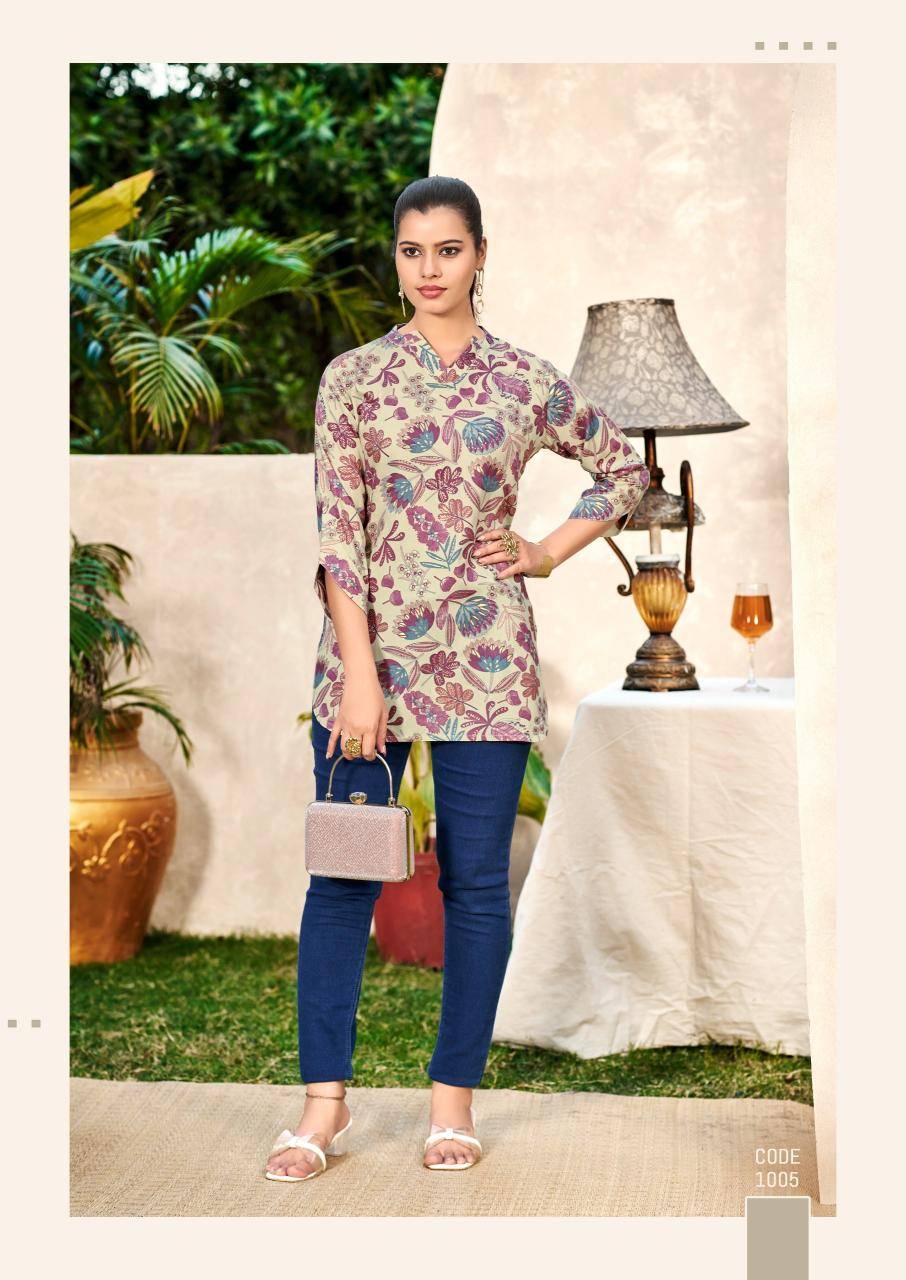
Printed styles remain practical because they can offer visual variety without making the final product excessively expensive. Florals, traditional motifs, abstract patterns, placement prints and smaller all-over designs can all work depending on the customer profile.
For home-based sellers and online resellers, attractive prints are particularly useful because they are easy to showcase through product photographs, reels, catalogues and social-media posts. A distinctive print can help a product attract attention even before customers examine detailed specifications.
Embroidered Modal Kurtis
Embroidered modal kurtis provide an upgraded option for retailers who need merchandise above basic daily wear. Neck embroidery, yoke work, sleeve detailing and carefully positioned motifs can increase the perceived value while retaining the fabric's graceful character.
For boutique owners, a balanced inventory can include both subtle embroidery for regular customers and richer work for occasions. The objective is not necessarily to buy the heaviest design, but to choose work that complements the fabric and expected retail price.
Modal Kurti Sets
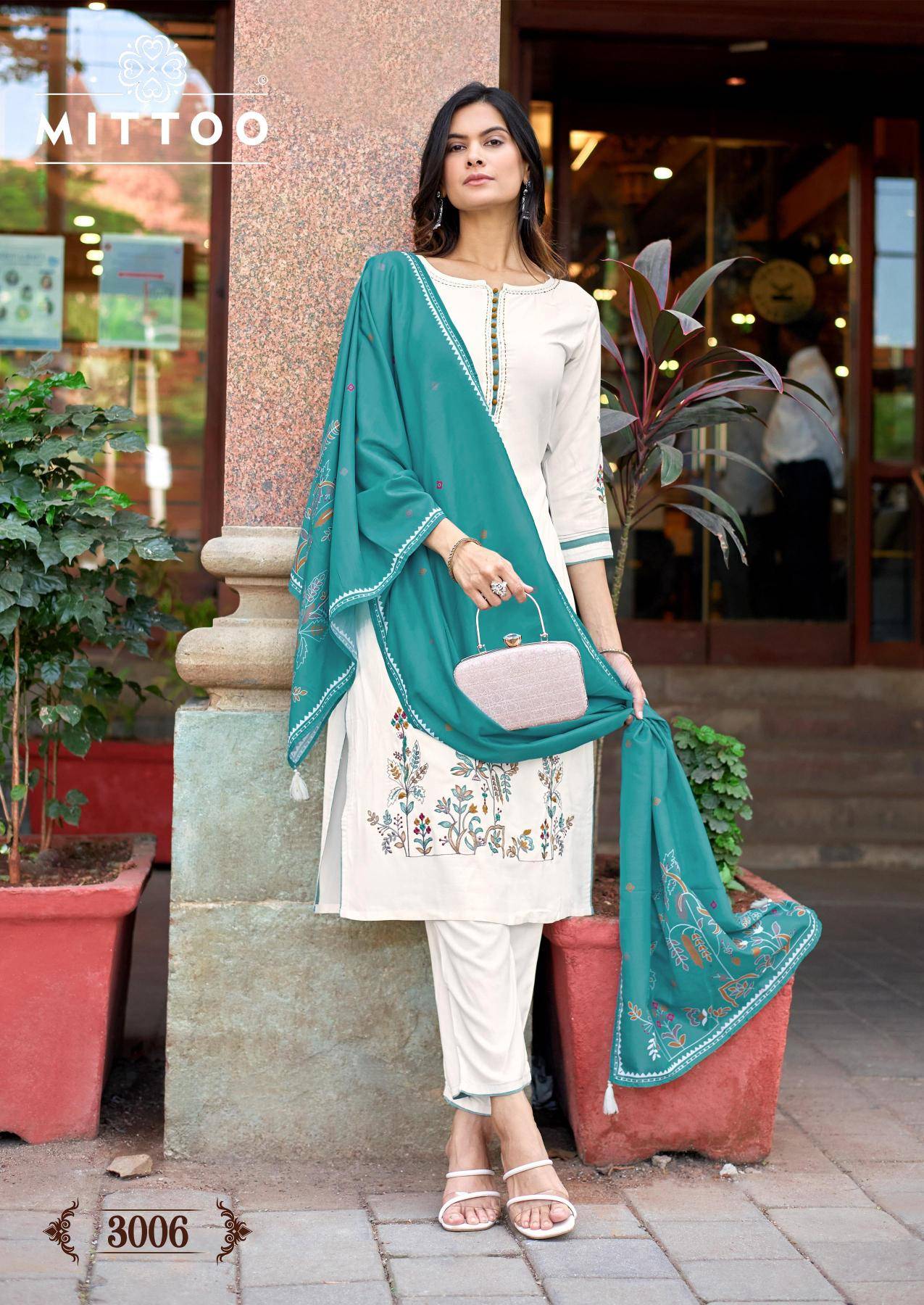
Coordinated outfits continue to offer an easy purchasing decision for customers because the styling is already completed. Modal kurti sets wholesale may include straight pants, palazzos or other coordinated bottoms, with selected designs adding dupattas for a complete ethnic look.
Retailers can merchandise these sets as ready-to-wear solutions for customers who do not want to separately coordinate a kurti and bottom. This convenience can be particularly valuable in online retail, where a complete look can be communicated clearly through a single catalogue image.
Understanding the Surat Wholesale Ecosystem
Surat has developed a substantial textile trading ecosystem covering fabrics, sarees, dress materials, kurtis, suits and many other women's ethnic wear categories. Buyers sourcing from the surat textile market encounter manufacturers, traders, wholesalers, distributors and businesses serving domestic as well as export requirements.
Commercial textile areas around ring road and sahara darwaza have long been associated with garment and textile sourcing. This concentration gives retailers access to multiple categories, price points and suppliers within a broad commercial network.
However, modern wholesale sourcing is no longer limited to physically walking through markets. Digital catalogues, websites, messaging platforms and logistics networks have made it possible for buyers across India to evaluate Surat merchandise remotely. WholesaleExport.in extends this approach by helping buyers discover wholesale ethnic wear collections without requiring every purchase to begin with a physical market visit.
What Retailers Should Check Before Buying Modal Kurtis in Bulk
A competitive purchase price matters, but it should never be the only criterion in wholesale buying. Retail profitability depends on whether the product actually satisfies customers after it reaches the store. Buyers should therefore evaluate fabric, stitching, design, sizing, presentation and supplier reliability together.
Check Fabric Quality and Feel
Different products sold under a broad fabric category may differ in composition, thickness, finish and performance. Buyers should review available product specifications instead of assuming every modal-based garment will feel identical. The intended selling season and customer segment should also influence selection.
For example, a boutique targeting premium customers may prioritize superior finishing and sophisticated detailing, while a volume retailer may require an attractive balance between quality and affordable wholesale kurti price.
Examine Stitching and Finishing
Small finishing details can influence customer satisfaction. Retail buyers should pay attention to neckline construction, sleeve finishing, side seams, hems, embroidery placement and the overall neatness of the garment. When purchasing coordinated sets, the quality of the bottom and dupatta should also be considered rather than evaluating only the kurti.
Build the Right Size Mix
Size planning is an important inventory decision. A retailer who knows which sizes move fastest in their market can allocate capital more efficiently. Rather than buying equal quantities automatically, experienced sellers often build assortments around actual customer demand where supplier pack structures allow it.
Home-based sellers can also benefit from maintaining clear size charts and communicating measurements accurately. This becomes especially important for online orders where the customer cannot physically try the garment before purchase.
Modal Kurti Wholesale Price and Profit Planning
Wholesale pricing can vary according to fabric composition, print technique, embroidery, garment construction, number of pieces in a set, brand, finishing and quantity. Therefore, buyers searching for the lowest possible Modal Kurti Wholesale rate should also compare what is actually included in each product.
A basic printed kurti and a premium three-piece modal set cannot be evaluated using the same price benchmark. The better approach is to calculate expected retail positioning and gross margin for each category.
Think in Terms of Retail Value
Suppose one design costs more at wholesale but has noticeably stronger fabric, presentation and detailing. If customers perceive sufficient additional value, that design may provide better rupee margin than a cheaper piece. Conversely, affordable fast-moving products can generate attractive returns through higher inventory turnover.
This is why experienced wholesale buyers usually maintain several price bands. Entry-level merchandise attracts value-focused customers, mid-range products support regular retail business, and selective premium designs can improve average order value.
Start with a Controlled Assortment
New resellers do not necessarily need to purchase every available design. A controlled assortment across colours, patterns and price points provides useful information about actual customer preferences. Successful designs can then be reordered or followed with similar products, subject to availability.
This approach is especially practical for home-based sellers who want to protect working capital. Inventory decisions can gradually become more data-driven as order history reveals which designs, sizes and price ranges perform best.
Who Can Benefit from Modal Kurti Wholesale Buying?
The category is suitable for businesses at different stages of growth. The right purchasing strategy, however, changes according to how and where the merchandise will be sold.
Boutique and Showroom Owners
Boutiques can select more curated designs rather than competing purely on price. Distinctive prints, elegant colour combinations and premium detailing can help create a stronger in-store presentation. Showrooms with wider floor space can combine modal kurtis with kurti sets, dress materials, Pakistani suits, sarees and other complementary ethnic categories.
Shop Owners and Wholesale Buyers
Traditional retailers generally need a dependable mix of fast-moving products. They can use modal collections to expand their casual and semi-premium ranges while continuing to carry established fabrics and categories. Wholesale buyers supplying smaller retailers can similarly create mixed assortments for different regional requirements.
Home-Based Sellers and Online Resellers
Digital selling has lowered some of the barriers to entering fashion retail. Home-based entrepreneurs can showcase new products through WhatsApp, Instagram, Facebook or their own online store. High-quality catalogue images, accurate product information and responsive customer service can help them build repeat business without operating a large physical showroom.
For such sellers, ladies kurti wholesale collections with attractive photography can be particularly practical because products can be presented quickly to existing customer groups.
Wholesale Supply from Surat to India and International Markets
Wholesale sourcing from Surat can serve customers well beyond Gujarat. Buyers in different Indian states often use transport and courier networks to source ethnic wear remotely. The same supplier ecosystem also supports ethnic wear export requirements where applicable.
For example, retailers serving Indian communities in USA, Nepal and Australia may look for contemporary Indian ethnic collections that combine recognizable styling with practical wearability. Product selection for international markets should take local customer preferences, seasonal demand, sizing and shipping economics into account.
WholesaleExport.in supports buyers looking for online access to evolving ethnic wear collections. International buyers should confirm current shipping arrangements, applicable charges, product availability and order requirements before finalizing bulk purchases.
Manufacturing, Sourcing and the Importance of Consistent Quality
The garment supply chain involves multiple stages, including fabric sourcing, designing, printing or embroidery, cutting, stitching, finishing, checking, cataloguing and dispatch. Understanding this broader manufacturing process helps retailers appreciate why two visually similar products may differ significantly in quality and price.
Consistency is particularly important for repeat wholesale business. A retailer needs confidence that the product received reasonably matches the catalogue description and expected quality level. Careful sourcing and quality-focused selection therefore contribute to long-term relationships between suppliers and buyers.
Vastralife has been active in wholesale and export business since 2017, bringing industry experience to the sourcing and supply of women's ethnic wear. That experience supports an understanding of what retailers typically need: current designs, commercially sensible pricing, product variety and dependable communication.
How to Build a Profitable Modal Kurti Collection in 2026
Profitability comes from buying the right merchandise in the right quantity, not simply accumulating inventory. Retailers planning a Modal Kurti Wholesale assortment for 2026 can divide their buying budget across several practical groups.
A core segment can contain everyday printed kurtis with broad customer appeal. A second segment can feature coordinated kurti sets for customers seeking complete outfits. A third, smaller segment can include premium embroidered designs for buyers willing to spend more for distinctive styling.
Colour planning is equally useful. Neutral and versatile shades can support everyday sales, while brighter colours and deeper festive tones can create seasonal interest. Buyers should consider their own historical sales rather than assuming the same palette will perform equally well in every city.
Seasonal purchasing also deserves attention. New collections introduced before festivals, wedding periods or major retail seasons can help stores refresh their displays. At the same time, evergreen daily-wear products can provide continuity between peak seasons.
For businesses wanting to broaden their ethnic assortment, the next stage can include related categories such as kurti sets, cotton kurtis, rayon kurtis, co-ord sets and dress materials. This creates multiple reasons for an existing customer to return rather than depending on a single product type.
How Modal Kurtis Fit into a Wider Ethnic Wear Inventory
A strong retail business rarely depends on only one garment category. Modal kurtis can work particularly well when they are positioned alongside complementary ethnic products. Customers who initially visit a store for a comfortable kurti may also be interested in kurti sets, dupattas, dress materials, festive suits or other coordinated garments. This gives retailers an opportunity to increase average order value without pushing customers toward unrelated products.
For buyers who want to expand beyond individual kurtis, exploring wholesale rayon kurtis can add another practical everyday-wear fabric category. Retailers serving families or operating multi-category stores can also explore mens wear to broaden their merchandise mix.
The important point is to expand gradually. Adding categories based on actual customer demand is usually more sustainable than purchasing large quantities simply to create variety. Retailers should monitor enquiries, repeat purchases, seasonal demand and price sensitivity before allocating more capital to a particular range.
Choosing Modal Kurtis for Different Customer Segments
One reason Modal Kurti Wholesale buying can be commercially useful is the category's ability to serve several types of end customers. Instead of presenting every design in the same way, retailers can organize their collection according to intended use, design level and price.
Everyday and Casual Wear Customers
For regular wear, customers generally appreciate uncomplicated designs, comfortable fits and easy-to-style colours. Printed modal kurtis, straight-cut designs and minimal embroidery can work well in this segment. Retailers should focus on practical sizes and patterns that customers can repeatedly wear rather than excessively trend-driven designs.
Affordable products can also help shops generate repeat visits. A customer satisfied with the fabric and fit of one everyday kurti may return for another colour or pattern, which makes this segment valuable for long-term retail relationships.
Office and Smart-Casual Buyers
Office-wear customers often prefer refined designs rather than very heavy embellishment. Straight kurtis, coordinated trousers, subtle prints, muted colours and neat neckline detailing can create a polished appearance. Modal's smooth drape makes it suitable for collections designed around this aesthetic.
Retailers targeting working women can maintain a dedicated section of office wear kurtis wholesale styles. Offering multiple colours within commercially proven silhouettes can make selection easier for repeat customers.
Premium and Occasion-Oriented Customers
Premium buyers generally expect more than fabric alone. Embroidery quality, garment finishing, dupatta design, colour coordination and overall presentation become more important. Retailers can therefore reserve a portion of their buying budget for designer modal kurti sets that provide a stronger visual impact.
This does not mean every premium product needs heavy embellishment. Sophisticated embroidery, tasteful prints and good construction can often create a more elegant result than excessive work.
Online Selling Strategy for Modal Kurtis
Online fashion selling depends heavily on how accurately and attractively products are presented. Since customers cannot physically touch modal fabric through a screen, sellers need to communicate its appearance, fit and product details through photographs, videos and clear descriptions.
Use Clear Product Information
Every listing should ideally explain what the customer is purchasing. Mention whether the item is a single kurti, two-piece set or three-piece set. Include available sizes, fabric information, colour, work or print details and any relevant care instructions supplied with the product.
Avoid creating unrealistic expectations through exaggerated descriptions. Accurate information builds customer confidence and can reduce unnecessary queries or dissatisfaction after delivery.
Show the Complete Look
Catalogue photographs showing the full outfit can help customers understand length, silhouette and styling. Additional close-up images of embroidery, print or fabric details can improve purchase confidence. Short videos can be even more effective because they demonstrate how the fabric falls and moves.
For home-based resellers, this content can be distributed through WhatsApp groups, status updates, social media and direct customer conversations. A regularly refreshed catalogue also gives existing customers a reason to check for new arrivals.
Calculate Your Selling Price Properly
A profitable retail price should account for more than the wholesale cost. Sellers may need to consider freight, packaging, payment charges, advertising, marketplace fees, returns and other operating expenses. Only after these costs are understood should the final margin be calculated.
This is particularly important for low-priced products. A seemingly attractive markup can become much smaller after fulfilment expenses are included. Wholesale buyers who understand their complete landed cost can make more informed purchasing decisions.
Why Location Still Matters in Digital Wholesale
Online sourcing has made geography less restrictive, but the location of a supplier ecosystem still matters. Surat's textile infrastructure brings together fabric sourcing, processing, garment production, trading, packaging and logistics within a mature commercial environment.
Buyers searching for a kurti wholesaler in Surat often encounter businesses operating around major textile trading zones. The surat textile market, Ring Road and areas around Sahara Darwaza are familiar sourcing references for buyers visiting the city.
At the same time, a retailer in another state does not necessarily need to travel to Surat for every order. Online wholesale platforms allow buyers to examine new catalogues and communicate remotely before arranging dispatch. WholesaleExport.in helps bridge this gap for buyers who want access to Surat-oriented wholesale collections while managing purchasing from their own city.
Export Opportunities for Indian Ethnic Wear Sellers
Indian ethnic clothing also serves overseas customers who want traditional styles adapted to contemporary lifestyles. Modal kurtis and coordinated sets can be relevant in such markets because they are comparatively easy to style and can cover casual, work and social occasions.
For retailers in the USA, Nepal and Australia, selecting the right merchandise requires understanding local customers rather than simply duplicating an Indian store assortment. Climate, sizing preferences, cultural events and customer spending levels can all influence which products perform well.
International wholesale buyers should also consider shipping weight, order consolidation, documentation and delivery timelines. For export orders, buyers should confirm current terms and logistics arrangements before placing a bulk order. Planning inventory ahead of festival seasons is particularly important because international transit adds time to the replenishment cycle.
Why Experience Matters When Choosing a Wholesale Partner
Wholesale purchasing is not only a product transaction. Retailers rely on suppliers for catalogue updates, product information, order coordination and dispatch support. Over time, consistency in these areas can become as important as an individual product's price.
Vastralife's wholesale and export experience since 2017 contributes practical industry understanding across women's ethnic wear categories. Experience with retailer requirements helps in identifying the difference between a visually attractive catalogue and a commercially useful collection.
Premium product quality also depends on disciplined sourcing. Fabric selection, stitching, finishing and product presentation all contribute to the final customer experience. Buyers should therefore compare value rather than evaluating products solely by the lowest available rate.
WholesaleExport.in brings this wholesale-oriented approach online, allowing shop owners, boutique owners, showroom operators, resellers, home-based sellers and bulk buyers to explore new ethnic fashion options according to their individual business requirements.
Inventory Planning Tips for Wholesale Buyers
Buying inventory is ultimately an investment decision. Every unsold garment represents capital that cannot immediately be used for another fast-moving product. A practical buying plan can therefore make a meaningful difference to profitability.
Keep a Balanced Price Range
Customers rarely share exactly the same budget. A retailer carrying only premium merchandise may lose value-conscious shoppers, while a store carrying only inexpensive products may struggle to serve customers looking for better finishing. Maintaining entry, mid and premium price segments creates more selling opportunities.
Track Fast-Moving Colours and Sizes
Retailers should record which sizes and colours sell rather than depending on memory. Even a simple sales record can reveal useful patterns. Over several buying cycles, this information can improve assortment planning and reduce slow-moving stock.
Refresh Designs Regularly
Customers notice newness. Regular additions can keep a physical store, WhatsApp catalogue or social-media page active without requiring a complete inventory replacement every week. Retailers can retain successful evergreen styles while adding selective new designs around them.
Prepare Before Major Seasons
Festivals and wedding periods can create increased demand for ethnic clothing, but purchasing too late can limit product choice. Wholesale buyers should plan ahead, particularly when they need larger quantities or international dispatch.
Internal Linking and Related Wholesale Categories
A retailer building a women's ethnic wear business should think in terms of customer wardrobes rather than isolated products. Modal kurtis can form the everyday and smart-casual portion of an assortment, while rayon kurtis, kurti-pant sets, co-ord sets, Pakistani suits, dress materials, sarees and festive garments can address additional occasions.
This category-based approach also helps online stores create clearer navigation. Customers who arrive while researching one fabric or style can naturally discover related merchandise, improving product discovery and increasing the possibility of multiple-item orders.
Wholesale buyers should still avoid purchasing every category at once. Start with products that match the existing audience, study actual sales and then expand into adjacent categories with demonstrated demand.
Customer FAQs
1. What is a modal kurti?
A modal kurti is an ethnic-style upper garment made using modal or a modal-based fabric blend. Modal is known for its smooth feel and graceful drape. Exact fabric composition can differ between products, so wholesale buyers should always review the specifications of the particular catalogue they intend to purchase.
2. Where can retailers buy Modal Kurti Wholesale collections?
Retailers can source collections through textile wholesalers, manufacturers and online wholesale suppliers. Surat is a major sourcing centre for women's ethnic wear, and WholesaleExport.in provides online access to multiple wholesale categories for buyers who may not be able to visit the market personally.
3. What is the wholesale price of modal kurtis in 2026?
The price varies according to fabric quality, brand, print, embroidery, stitching, whether the product includes a bottom or dupatta, and the quantity ordered. Buyers should check current catalogue pricing before ordering because designs and rates can change. WholesaleExport.in also carries broader product options with quality products starting from ₹299 across applicable collections; actual availability and category pricing should be confirmed at the time of purchase.
4. Are modal kurti sets suitable for boutiques and resellers?
Yes. They can work for boutiques, home-based sellers, shop owners, online resellers and showrooms because the category covers both everyday and more detailed designs. The best assortment depends on the seller's customer profile, budget and local demand.
5. Can wholesale orders be shipped outside Surat?
Wholesale buyers can enquire about shipping to destinations across India and supported international markets. Shipping availability, charges, timelines and export requirements should be confirmed for the specific destination and order before payment.
6. What should I check before placing a bulk kurti order?
Review fabric details, size availability, product inclusions, design assortment, wholesale price, minimum quantity, dispatch terms and applicable shipping costs. For larger orders, proper product and quantity confirmation can help avoid misunderstandings later.
7. Are modal kurtis suitable for online reselling?
They can be a practical online category when sellers have clear catalogue images, accurate sizing information and competitive pricing. Resellers should calculate their complete landed cost and expected margin before deciding the final retail price.
Order Latest Wholesale Ethnic Wear from WholesaleExport.in
If you are building or expanding an ethnic wear business in 2026, WholesaleExport.in gives you a practical way to explore fresh merchandise for your store, boutique, showroom or reselling business. Whether you are testing a new category or planning a larger bulk purchase, focus on designs that match your customer profile and selling price range.
What You Get with WholesaleExport.in:
- Latest Collections for changing retail demand
- Wholesale Pricing for business buyers
- Trendy Ethnic Wear across multiple categories
- Fast Shipping options for eligible orders and locations
- COD Support on eligible orders as per current terms
- Bulk Order Deals for qualifying purchases
- Quality Products Starting From ₹299 across applicable collections
From new home-based sellers to established boutique and showroom owners, the objective is simple: source attractive products at commercially sensible prices and build an inventory that customers genuinely want to buy.
Contact: +91 9712582172
Website: wholesaleexport.in
Explore the latest collections, compare available designs and connect with the wholesale team for current product details, pricing and order requirements. A carefully selected Modal Kurti Wholesale range can become a versatile part of a profitable ethnic wear assortment when quality, price, design and customer demand are considered together.