


Modal Dress Material Wholesale: Soft, Stylish & Profitable Collections for 2026
Modal Dress Material Wholesale: Soft, Stylish & Profitable Collections for 2026
Fabric choice has become one of the most important buying decisions for ethnic wear retailers. Customers today are not satisfied with attractive prints alone; they also expect softness, comfort, graceful drape and fabrics that can be worn for long hours. Modal-based dress materials fit naturally into this changing demand, giving retailers an opportunity to stock collections that combine modern comfort with the familiar appeal of Indian ethnic wear.
Introduction
The Indian dress material business continues to evolve as customers become more selective about fabric quality, styling and everyday usability. While cotton, rayon, silk blends and traditional fabrics continue to have strong markets, modal has gained attention because of its smooth texture, elegant fall and comfortable feel. For retailers looking for something that feels premium without moving completely into expensive luxury fabrics, Modal Dress Material Wholesale collections can offer an interesting middle ground.
This category is particularly relevant for Home-Based Sellers, Shop Owners, Boutique Owners, Showroom Owners, Resellers and Wholesale Buyers who want collections that can appeal to both regular ethnic wear customers and buyers searching for more refined fabrics. Depending on the design, modal dress materials can work for daily wear, office wear, casual outings, festive gatherings and semi-formal occasions.
For buyers sourcing from the surat textile market, the advantage is access to a broad textile ecosystem. Surat has developed a deep network of fabric suppliers, designers, processors, wholesalers and manufacturing businesses. Areas around ring road and sahara darwaza remain familiar sourcing references for textile traders visiting the city to explore new collections and compare options.
What Is Modal Dress Material?
Modal is known for its soft hand feel and fluid appearance. In ethnic fashion, it can be used alone or in suitable blends to create dress materials that feel comfortable while maintaining an attractive drape. The actual characteristics of a collection can vary according to fabric construction, processing, printing, embroidery and the combination of materials used for the top, bottom and dupatta.
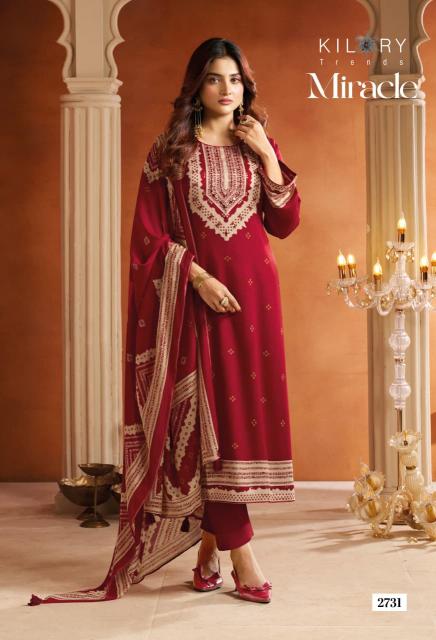
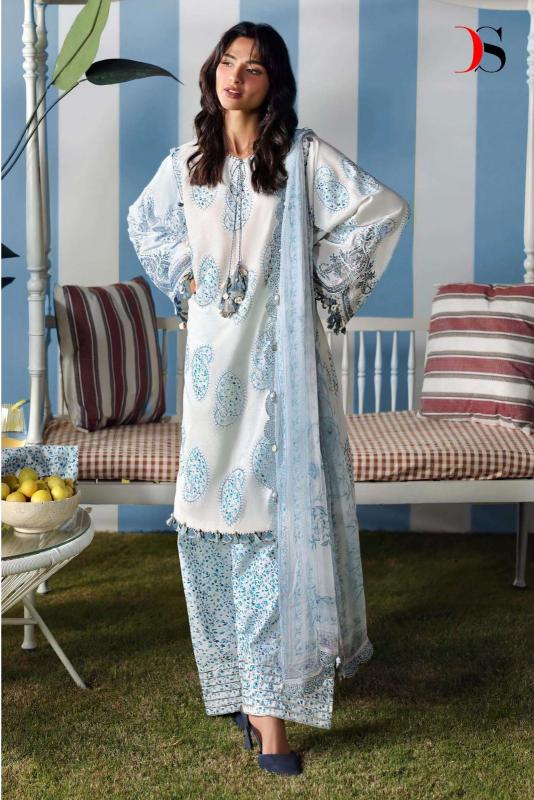
A typical unstitched suit set may include fabric for the kurta, matching or coordinated bottom material and a dupatta. Some collections focus on printed simplicity, while others introduce embroidery, borders, digital prints, woven details or decorative elements to create a more premium presentation.
Why Modal Feels Different to Customers
The first thing many customers notice is softness. A comfortable fabric can make an outfit feel more premium even before the customer examines the design closely. This is useful in physical stores where shoppers can touch the fabric and compare it with other materials.
Modal's graceful fall can also complement straight-cut suits, relaxed silhouettes and contemporary ethnic styling. When supported by tasteful prints or embroidery, it creates an outfit that can look sophisticated without becoming excessively heavy.
Modal Versus Regular Dress Material Fabrics
There is no single fabric that is ideal for every customer. Cotton remains popular for breathable everyday dressing, while silk-inspired materials have a stronger festive association. Rayon-based options are widely used for their drape and affordability. Modal provides retailers with another choice for customers who prioritize softness, fluidity and a refined finish.
This is why a good wholesale dress material supplier should not simply offer one fabric category. Retailers usually benefit from maintaining a balanced assortment across different fabrics, designs and price segments so they can serve more types of customers.
Why Modal Dress Materials Are a Strong Wholesale Category in 2026
Fashion purchasing in 2026 is increasingly influenced by versatility. Consumers want outfits that look presentable in photographs, feel comfortable throughout the day and can be styled for more than one occasion. That makes versatile ethnic fabrics particularly relevant for retailers.
For a reseller, Modal Dress Material Wholesale buying can create room for multiple selling approaches. A simple printed design can be promoted for office or everyday use, while richer embroidered or coordinated sets can be positioned for occasions, gifting and festive shopping.
Another advantage is visual presentation. Ethnic suit collections with coordinated dupattas, elegant motifs and polished fabric surfaces can perform well in catalogue images, WhatsApp selling, social media posts and online product listings. For home-based sellers who may not have a physical showroom, good product presentation can be a major part of converting enquiries into orders.
Demand for Comfortable Premium-Looking Ethnic Wear
Customers increasingly expect value to mean more than simply getting the lowest price. Fabric feel, stitching potential, colour coordination, print clarity and overall appearance influence whether a buyer considers an outfit worth purchasing.
This creates opportunities for retailers to maintain different ranges instead of competing only on low-cost products. Entry-level collections can bring regular enquiries, while better modal suit designs can support higher-value selling and improve the variety of the store.
Useful for Online and Offline Selling
Modal dress materials are suitable for traditional textile shops, boutiques, online stores and social-commerce businesses. An offline retailer can demonstrate the fabric directly, while an online reseller can highlight details through close-up photographs, videos and clear product descriptions.
For online selling, retailers should communicate important details such as fabric type, set contents, approximate measurements where supplied, colour information, work or print details and whether the product is unstitched or semi-stitched. Accurate information reduces confusion and helps customers make more confident buying decisions.
Who Should Buy Modal Dress Materials in Wholesale?
The wholesale market is no longer limited to large textile stores. Digital selling has made it possible for businesses of different sizes to participate. This makes modal suit wholesale collections relevant across several buyer profiles.
Home-Based Sellers and Resellers
Home-Based Sellers often need products that are easy to showcase through WhatsApp, Instagram, Facebook and personal customer networks. Attractive dress material catalogues allow them to display several options without requiring a large showroom.
For this audience, controlled inventory is important. Instead of investing too heavily in a single design, sellers can test different colours, patterns and price points, observe customer response and reorder according to actual demand.
Boutique Owners
Boutique Owners can use modal materials creatively because unstitched fabrics allow customers to personalize necklines, sleeves, lengths and fitting. A boutique can also add tailoring services and turn the fabric into a more complete fashion experience.
Collections with distinctive prints, elegant dupattas or embroidery can be especially useful for boutiques that want their product mix to feel different from standard mass-market offerings.
Shop and Showroom Owners
Shop Owners and Showroom Owners generally require greater assortment depth. They may need affordable products for regular footfall alongside better-looking ranges for customers willing to spend more. A carefully planned dress material wholesale purchase can cover daily wear, office wear, festive styles and premium-looking collections.
Showroom buyers should evaluate not only the purchase price but also design diversity, repeat availability, colour selection, product presentation and expected retail margin. A product that is slightly more expensive at wholesale but sells faster can sometimes be more commercially useful than a cheaper product with weak customer demand.
How to Select the Right Modal Dress Material Wholesale Collection
Wholesale buying becomes more profitable when selection is based on customer demand rather than personal preference alone. Before purchasing a collection, retailers should consider who normally buys from them, which price range moves fastest and whether customers prefer understated designs or more decorative ethnic wear.
Check Fabric Quality and Feel
Fabric is the foundation of the product. Buyers should understand the material specification provided for the collection and evaluate its softness, drape, finish and suitability for the intended use. Where possible, check whether the fabric appearance shown in catalogue images corresponds closely with the actual product.
Quality evaluation is particularly important for premium dress materials wholesale because customers paying a higher retail price naturally expect a better overall experience. Fabric, printing, embroidery and dupatta quality should feel reasonably consistent with the product's positioning.
Study Prints, Embroidery and Colour Combinations
A commercially strong catalogue normally offers enough variety to appeal to different tastes without making the assortment feel disconnected. Floral prints, traditional motifs, geometric elements, delicate embroidery and coordinated borders can all have a place depending on the target audience.
Colour selection matters equally. Neutral and subtle shades may attract office and mature buyers, while brighter colours can work well for festive demand and customers who prefer more expressive ethnic fashion. A balanced wholesale order can include both.
Evaluate the Dupatta Carefully
The dupatta often determines the visual impact of an unstitched suit. A relatively simple kurta fabric can appear much richer when paired with a beautifully coordinated printed, bordered or woven dupatta.
Retailers should therefore avoid judging a set only by the main top fabric. Consider how the entire combination will look after stitching and how easily a salesperson can communicate its value to the final customer.
Surat as a Major Sourcing Hub for Dress Materials
Surat has long been associated with India's textile trade, making it a practical sourcing destination for retailers exploring wholesale ethnic wear. Its textile ecosystem connects fabric production, processing, design, trading, packaging and distribution, allowing buyers to access a broad range of products within one commercial city.
Buyers visiting the surat textile market frequently explore commercial areas around ring road and sahara darwaza. However, physical travel is no longer the only method of sourcing. Digital catalogues and wholesale websites now allow retailers from other cities and countries to review collections remotely and place orders without visiting Surat for every purchase.
Benefits of Buying Through an Experienced Surat Supplier
Industry experience helps a wholesale business understand changing retail requirements, seasonal demand, fabric categories and the practical challenges buyers face when selecting inventory. Vastralife has been involved in wholesale and export activities since 2017, bringing years of textile-industry understanding to product sourcing and buyer support.
This experience is particularly useful when dealing with businesses that need variety. A home seller may need smaller, carefully selected quantities, whereas a larger showroom or Wholesale Buyer may prioritize broader catalogue availability and repeat purchasing potential.
Wholesaleexport.in brings this sourcing approach online so buyers can explore ethnic fashion collections while considering premium product quality, commercial suitability and wholesale buying requirements.
Understanding Wholesale Price and Retail Margin
The lowest buying rate should not be the only factor in a wholesale decision. Retailers need to consider the relationship between purchase cost, perceived customer value, selling price and inventory movement. A strong product is one that customers are willing to buy at a margin that makes sense for the seller.
The wholesale price of modal dress material can vary according to fabric specification, design complexity, printing technique, embroidery, dupatta type, brand, collection positioning and order quantity. Therefore, buyers should compare similar products rather than judging unrelated collections only by their rates.
Build a Multi-Price Inventory
A useful retail strategy is to stock more than one price segment. Entry-level products can attract budget-conscious shoppers, mid-range collections can serve regular buyers, and premium-looking options can cater to customers searching for better fabrics or special designs.
This also gives salespeople alternatives when a customer likes a style but wants a different budget. Instead of losing the enquiry, the retailer can move the customer to another suitable collection.
Think About Sell-Through, Not Just Margin Percentage
Suppose one catalogue offers a high theoretical margin but sells slowly, while another provides a slightly smaller percentage and receives repeat demand. The second catalogue may produce better business over time because capital returns faster.
Wholesale Buyers should therefore monitor which fabrics, colours, patterns and selling ranges actually move. Data from previous orders can make future Modal Dress Material Wholesale purchasing far more disciplined.
Opportunities for Indian and International Wholesale Buyers
Ethnic wear has a customer base well beyond India. Retailers serving Indian and South Asian communities overseas can use dress materials to provide flexible sizing and customization because unstitched fabric allows the final garment to be tailored locally.
For example, wholesalers and boutique businesses in Nepal, Malaysia and Australia can evaluate Indian dress material collections according to their own customer preferences, seasonal requirements and local selling prices. Export orders should always consider shipping, documentation, applicable duties and destination-specific regulations when calculating the final landed cost.
Wholesaleexport.in can be useful for buyers researching Surat dress material wholesale options without relying entirely on traditional offline sourcing. Product selection, quantity planning and logistics should be discussed according to the buyer's market and order requirements.
How Digital Selling Is Changing the Dress Material Business
One of the biggest opportunities in 2026 is the ability to sell ethnic wear without depending entirely on walk-in customers. WhatsApp catalogues, Instagram content, short-form videos, Facebook communities and ecommerce websites allow sellers to present new arrivals quickly to audiences in different locations.
For modal suits, retailers can create content showing fabric close-ups, dupatta details, colour combinations and possible stitched looks. Instead of uploading only a single catalogue photograph, a short video explaining the fabric and design can make the product easier for customers to understand.
Product Information Builds Trust
Online customers cannot physically touch the material before purchasing, so clear descriptions become important. Mention the supplied fabric details accurately and avoid making unsupported claims about material performance. Showing close-up visuals of embroidery, print and borders can further improve buying confidence.
Retailers can also organize products by customer intent, such as wholesale dress materials Surat for buyers exploring broader ethnic collections and wholesale Pakistani suits for customers interested in related suit categories.
Building a Profitable Modal Dress Material Inventory
A successful ethnic wear business is rarely built by stocking every available catalogue. Better results usually come from selecting collections according to actual customer demand, maintaining variety and rotating inventory regularly. For Modal Dress Material Wholesale buyers, this means combining commercially safe designs with a smaller percentage of experimental styles that can help identify new trends.
Start by studying your existing customers. If most buyers prefer subtle everyday suits, allocate more inventory to wearable prints, softer shades and uncomplicated designs. If your audience shops primarily for functions and festive occasions, introduce richer embroidery, decorative dupattas and stronger colour combinations. Boutique Owners may prefer distinctive designs, while large Showroom Owners may require a broader mix to serve different age groups and budgets.
Start with Controlled Quantities
For new Resellers and Home-Based Sellers, controlled purchasing can reduce unnecessary inventory pressure. Instead of putting most of the budget into one catalogue, sellers can test several designs and observe which products receive genuine enquiries.
Once a pattern becomes clear, repeat purchases can focus on faster-moving categories. This approach is particularly useful when fashion preferences change frequently. Regular testing allows a business to introduce latest dress material collections without allowing too much capital to remain locked in slow-moving stock.
Balance Classic and Trending Designs
Trends help attract attention, but classic ethnic designs often provide more stable demand. A wholesale order can therefore combine contemporary prints and fashionable shades with florals, traditional motifs, elegant borders and versatile colours.
This balance can be especially useful during seasonal buying. New styles bring freshness to social media and store displays, while proven designs continue serving regular customers who prefer familiar ethnic aesthetics.
How Retailers Can Sell Modal Dress Materials More Effectively
Good sourcing creates an opportunity, but presentation converts that opportunity into sales. Retailers should explain why a particular collection deserves attention rather than simply forwarding catalogue photographs with a price.
For example, a product presentation can mention the fabric type, colour combination, print or embroidery details, dupatta styling and suitable occasions. When customers understand where and how they can wear a product, purchasing becomes easier.
Create Better WhatsApp Product Presentations
WhatsApp remains useful for many textile sellers because customers can browse collections and communicate directly. Instead of sending dozens of images without context, organize products into smaller selections.
A simple message can identify whether a collection is suitable for daily wear, office wear, festive wear or boutique stitching. Mention whether the item is unstitched and provide the relevant product details supplied with the catalogue. Avoid overwhelming customers with unnecessary information.
Use Short Videos to Demonstrate Fabric
Video can communicate aspects of a dress material that a static photograph cannot. Sellers can show how the fabric falls, highlight embroidery, display the complete dupatta and provide a closer view of prints and borders.
For online dress material wholesale businesses, these small details can strengthen customer confidence. Videos can be repurposed across Instagram Reels, Facebook, YouTube Shorts and WhatsApp Status, allowing one piece of content to support several sales channels.
Sell the Complete Look
Customers often find it difficult to imagine how an unstitched suit will look after tailoring. Retailers can solve this by suggesting neckline ideas, kurta lengths, pant styles and dupatta draping options. Boutiques can go further by displaying stitched samples or offering tailoring assistance.
This turns the conversation from selling fabric into helping the customer create an outfit. That added guidance can differentiate a specialist ethnic wear seller from a business competing only on price.
Seasonal Planning for Modal Suit Wholesale Buyers
Inventory planning should reflect the retail calendar. Demand for ethnic wear can change around festivals, weddings, family functions and seasonal shopping periods. Wholesale Buyers who plan purchases ahead of demand generally have more time to promote products and replenish successful collections.
For regular months, comfortable prints and wearable shades can form the core inventory. During festive periods, retailers can increase the proportion of decorative designs, embroidery and richer-looking dupattas. Wedding-related demand may justify keeping more premium options alongside regular ranges.
Do Not Wait Until Peak Demand
Buying only after customers start requesting a category can leave little time for product selection, shipping and marketing. Retailers can maintain a simple buying calendar based on their local market and previous year's sales patterns.
This is particularly important for international buyers because export dress materials require additional planning for transit, documentation and destination procedures. A boutique in Australia, for example, should account for delivery time before promoting a collection for a specific festive period.
Modal Dress Material Opportunities for Nepal, Malaysia and Australia
Indian ethnic fashion serves different customer groups across international markets. However, the ideal assortment can differ considerably from one country to another. Export Buyers should therefore choose products based on their own audience rather than simply copying the inventory of an Indian retail shop.
Nepal
Nepal has an established market for Indian fashion products, including suits, sarees, kurtis and dress materials. Retailers can experiment with a combination of practical everyday designs and more decorative products for occasions. The final landed price should be calculated after considering applicable transport, customs, taxes and local business expenses.
Malaysia
Businesses serving South Asian communities in Malaysia may benefit from carefully selected ethnic collections for festive, family and social occasions. Fabric comfort can be an important consideration in warm climates, although buyers should always evaluate the actual specifications of each product rather than relying only on the fabric category name.
Australia
Ethnic boutiques and online sellers in Australia can use unstitched dress materials to offer greater flexibility to customers with different fitting preferences. Because tailoring can customize the finished outfit, dress materials can complement ready-made inventory and help retailers serve customers who want personalized ethnic clothing.
Wholesaleexport.in can support buyers exploring Indian wholesale collections for domestic and international markets. Before placing an international order, businesses should confirm product details, order quantity, shipping arrangements and applicable destination requirements.
Why Experience Matters When Choosing a Wholesale Supplier
A wholesale relationship involves more than receiving a catalogue. Retailers depend on suppliers for product information, collection updates, order handling and practical communication. This becomes increasingly important as order volumes grow.
Vastralife's wholesale and export experience since 2017 provides an understanding of the requirements of retailers, boutiques, resellers and other textile buyers. Years of exposure to the industry also help in understanding changing designs, different fabric categories and the importance of selecting commercially relevant products.
Industry expertise becomes valuable when buyers need to maintain variety rather than sourcing a single product type. A seller may require dress materials today, kurtis next month and festive collections before the next buying season. Working with a business familiar with multiple ethnic wear categories can simplify this sourcing process.
At the same time, premium product quality should remain an important consideration. Retailers build their reputation one customer at a time, and the quality level of the products they stock influences repeat purchases and referrals.
Common Mistakes Wholesale Dress Material Buyers Should Avoid
Even attractive collections can become difficult inventory when buying decisions are made without a clear strategy. Avoiding a few common mistakes can improve stock rotation and protect working capital.
Buying Only Because the Price Is Low
A low wholesale rate does not automatically make a product profitable. If colours, fabric or styling do not match customer demand, the collection may remain unsold. Buyers should evaluate value, appearance and market suitability together.
Ordering Too Much of One Design
Unless there is proven repeat demand, excessive concentration in one catalogue can increase inventory risk. Fashion customers generally appreciate variety, so spreading purchases across suitable designs can create a healthier product mix.
Ignoring Customer Feedback
Customer enquiries provide useful market information. If buyers repeatedly ask for particular colours, fabrics or budgets, record those requests. This information can guide the next dress material wholesale online purchase more effectively than relying entirely on assumptions.
Ignoring Product Details in Online Selling
Sending only an image and rate may generate unnecessary questions and misunderstandings. Sellers should provide accurate fabric and set information available from the supplier so customers know what they are considering.
Failing to Calculate the Complete Cost
Purchase rate is only one component of business cost. Depending on the order and destination, buyers may also need to consider taxes, shipping, packaging, payment costs and other applicable expenses. International buyers should additionally evaluate customs and import-related costs before setting retail prices.
Modal Dress Material Wholesale Buying Checklist
Before confirming an order, Wholesale Buyers can use a simple checklist to make more disciplined decisions. First, identify the target customer and intended selling range. Next, review fabric specifications, design, colours, dupatta, catalogue variety and available quantity.
Then calculate the likely landed cost and realistic retail selling range. Consider whether the collection complements existing stock or simply duplicates products already sitting in inventory. Finally, plan how the collection will be marketed after arrival.
A practical wholesale buying checklist should cover fabric quality, design variety, customer demand, wholesale price, quantity, shipping requirements, product information, expected margin and stock rotation. This process can be useful whether the buyer operates a small home business or a multi-category showroom.
Internal Linking
Wholesaleexport.in offers buyers the opportunity to explore related ethnic wear categories alongside modal-based collections. Retailers can build a broader inventory by combining dress materials with Pakistani-inspired suits, festive ethnic wear, kurtis and other suitable products according to their target market.
Internal category exploration is particularly useful for buyers who want to diversify their inventory instead of depending on one product segment. A boutique may combine sophisticated dress materials with limited premium pieces, while a high-volume retailer may create separate budget, mid-range and premium sections.
The goal is to create a product mix in which different categories support each other. Customers attracted by one collection may discover another suitable style, increasing the potential value of each enquiry.
Customer FAQs
1. What is modal dress material?
Modal dress material refers to unstitched ethnic suit material made using modal fabric or a specified modal-based fabric construction. Depending on the collection, a set may include kurta fabric, bottom fabric and a coordinated dupatta. Buyers should always check the exact fabric specification supplied for an individual catalogue.
2. Is modal dress material suitable for boutique businesses?
Yes. Boutique Owners can use modal dress materials to offer customers customized stitching and personalized styling. The soft appearance and graceful drape can work particularly well for customers looking for refined ethnic outfits.
3. Where can retailers source modal dress materials wholesale from Surat?
Surat has an extensive textile sourcing ecosystem, particularly around major textile trading areas such as ring road and sahara darwaza. Buyers who cannot visit the surat textile market regularly can also explore collections online through Wholesaleexport.in.
4. What is the minimum price for wholesale products?
Product rates depend on the category, fabric, design, work and individual collection. Wholesaleexport.in also features Quality Products Starting From ₹299 across applicable wholesale selections. Buyers should check the current catalogue and product details for actual available rates rather than assuming every modal product starts at the same price.
5. Can Home-Based Sellers purchase wholesale dress materials?
Yes. Home-Based Sellers and Resellers can use wholesale collections to build businesses through WhatsApp, social media and their local customer networks. Starting with carefully selected inventory and monitoring actual customer response can help manage investment more efficiently.
6. Are wholesale dress materials available for export?
International wholesale orders may be possible depending on destination and order requirements. Buyers from markets such as Nepal, Malaysia and Australia should discuss current shipping arrangements and calculate applicable duties, taxes and other destination charges separately.
7. How should I select a profitable dress material collection?
Look beyond the purchase rate. Consider fabric, designs, colours, customer demand, likely selling price, inventory turnover and your target market. Collections that fit your existing customer base generally have a better chance of selling consistently.
8. Are modal suits suitable only for premium customers?
Not necessarily. Product positioning depends on the complete collection, including fabric specification, design, printing, embroidery, dupatta and wholesale cost. Different collections can serve different customer budgets.
Grow Your Ethnic Wear Business with Wholesaleexport.in
Whether you are starting a home-based clothing business, expanding a boutique or purchasing inventory for an established showroom, the right wholesale collection can make a significant difference. The focus should be on combining appealing designs, sensible buying quantities, reliable sourcing and products appropriate for your customers.
Explore Latest Collections, competitive Wholesale Pricing and Trendy Ethnic Wear for your retail or reselling business. Wholesaleexport.in helps buyers discover collections suited to different markets while offering access to Fast Shipping, applicable COD Support, Bulk Order Deals and Quality Products Starting From ₹299.
For retailers researching Modal Dress Material Wholesale in 2026, now is a good time to build an inventory that balances comfort, style and commercial potential. Select products according to your customers, test new collections intelligently and use both digital and offline channels to expand your reach.
Ready to explore the latest wholesale collections?
Contact Us: +91 9712582172
Website: wholesaleexport.in
Discover new arrivals, compare wholesale options and choose ethnic wear collections that can help your boutique, shop, showroom or reselling business grow with confidence.