


Mehendi Dress Material Wholesale: Latest Designs, Prices & Buying Guide 2026
Mehendi Dress Material Wholesale: Latest Designs, Prices & Buying Guide 2026
Mehendi celebrations have evolved into a major fashion occasion where colour, comfort and festive styling matter equally. For boutiques, retailers and resellers, this creates a strong opportunity to stock dress materials that customers can customize into suits, salwar sets, straight-cut outfits and contemporary ethnic looks. From traditional green shades to embroidered fabrics, soft silk combinations and vibrant festive designs, the right wholesale assortment can serve both wedding shoppers and everyday ethnic-wear buyers.
Introduction
The Indian wedding market is increasingly occasion-focused. Customers no longer purchase one outfit for an entire wedding celebration; many shop separately for haldi, mehendi, sangeet, wedding and reception functions. This makes Mehendi Dress Material a useful category for retailers who want to build a focused festive collection rather than relying only on ready-made garments.
Dress material also gives customers flexibility. They can select the fabric and design they like and then customize the neckline, sleeve length, fitting, salwar or pant style according to their preference. This advantage makes unstitched dress materials relevant for customers across different age groups and body types.
For wholesale buyers, the opportunity is broader than wedding-only stock. Green, mehendi, olive, bottle green, pista, lime and related shades can also perform for festive functions, family events, traditional celebrations and gifting. A carefully planned dress material wholesale selection can therefore continue selling beyond the peak wedding period.
Wholesaleexport.in helps retailers, boutique owners, resellers and other business buyers explore ethnic-wear collections sourced through India's textile ecosystem. With Vastralife's wholesale and export experience since 2017, the focus remains on practical industry knowledge, premium product quality and collections suitable for real retail requirements.
Why Mehendi Dress Materials Are Important for Wedding Retail
Mehendi functions usually have a cheerful and colourful atmosphere. Traditional green continues to dominate, but today's customers are also experimenting with yellow-green combinations, olive, pista, parrot green, emerald, mustard, rani pink contrasts and multicolour detailing.
For a retailer, this variety creates several selling opportunities. A customer looking for a simple family mehendi outfit may choose an affordable printed or embroidered cotton set, while the bride or close family members may look for richer fabrics, detailed embroidery and premium dupattas.
Unstitched Fashion Offers Greater Flexibility
One reason unstitched dress material wholesale remains relevant is customization. Customers can convert the same fabric set into different silhouettes. One buyer may prefer a traditional salwar suit, another may make a straight kurta with pants, while someone else may choose a longer designer kurta.
This flexibility can also benefit boutiques. Instead of maintaining a large size inventory, boutiques can stock selected fabrics and offer tailoring or customization separately. For businesses working with customers who prefer personalized fitting, this can become an important selling advantage.
Mehendi Collections Can Cover Multiple Price Segments
A profitable collection does not necessarily mean stocking only premium designs. Retailers can create different levels within the same category: affordable printed materials for budget buyers, mid-range embroidered products for festive customers and premium designer fabrics for weddings and special occasions.
When evaluating Mehendi dress material wholesale price, retailers should consider the complete product rather than only the base fabric. Dupatta quality, bottom fabric, embroidery, printing, embellishment, finishing and overall presentation can all influence both wholesale cost and potential retail positioning.
Trending Mehendi Dress Material Styles for 2026
For 2026 ethnic wear wholesale, retailers can build collections around a mixture of traditional appeal and contemporary styling. Wedding shoppers increasingly see online fashion inspiration before visiting a store, so visually distinctive products can have an advantage when promoted through Instagram, WhatsApp and digital catalogues.
Embroidered Mehendi Dress Materials
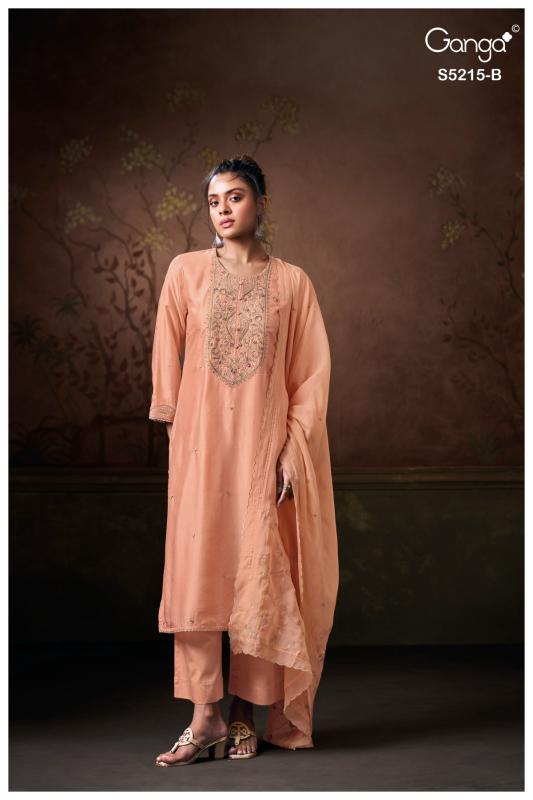
Embroidery immediately creates a festive impression. Thread embroidery, zari-inspired detailing, sequins, mirror-style work and floral motifs can transform a basic fabric into a wedding-ready product. Retailers can stock lighter embroidery for guests and richer designs for bridal families.
Colour contrast also matters. Mehendi green paired with pink, mustard, maroon, beige, gold or multicolour embroidery can make a product visually stronger in photographs and catalogue presentations.
Soft Silk Dress Materials
Soft silk dress material wholesale collections can appeal to customers who want a richer festive finish. Silk-look fabrics can work particularly well for evening functions, family celebrations and customers seeking an outfit that appears premium without necessarily choosing heavily embellished fashion.
For retailers, the key is to compare fabric quality and complete set details carefully. Two products that look similar in catalogue photographs may differ significantly in texture, dupatta quality, work and finishing.
Cotton and Comfortable Festive Fabrics
Not every mehendi function requires a heavy outfit. Daytime events, outdoor celebrations and warm-weather weddings create demand for breathable materials. Cotton dress material wholesale, cotton blends and other comfortable fabrics can therefore complement richer wedding collections.
These products can also remain saleable after the wedding season because customers may use them for casual ethnic wear, small functions and regular outings.
Floral and Printed Dress Materials
Floral prints fit naturally into mehendi styling because the event itself often uses flowers, greenery and colourful decoration. Digital prints, botanical motifs and traditional-inspired prints can create attractive options for bridesmaids, relatives and wedding guests.
Retailers targeting younger customers can combine prints with fashionable dupattas, contrasting bottoms and contemporary tailoring suggestions. This helps turn an ordinary fabric set into a complete styling idea.
How Retailers Should Select Mehendi Dress Material Stock
Wholesale purchasing should begin with the target customer. A neighbourhood retail shop, premium boutique, home-based reseller and large showroom may all require different combinations of designs and prices.
Rather than buying every available catalogue, buyers can divide their investment according to expected demand. A balanced assortment might include fast-moving affordable products, mid-range festive sets and a smaller premium selection.
Select a Strong Colour Mix
Green should not be treated as one colour. Mehendi, bottle green, olive, emerald, pista, parrot green and lime can appeal to different customers. Adding contrast colours also gives the collection greater visual variety.
For wedding-focused inventory, retailers can include yellow, mustard, pink and orange accents because these shades coordinate naturally with haldi and mehendi themes. This allows one stock selection to address multiple pre-wedding functions.
Choose Products According to Your Selling Price
Before placing an order, decide the retail price bands your customers normally accept. If most customers shop within an accessible range, filling the store with premium stock can slow inventory rotation. Similarly, a boutique serving premium clients should not build its complete collection around entry-level fabrics.
The best wholesale decision is therefore not simply the lowest price. Buyers should look at purchase cost, expected selling price, customer profile and the realistic margin available after transportation and other business expenses.
Buy Variety Before Excess Quantity
For smaller retailers and home-based sellers, variety can sometimes be more useful than excessive quantity of one design. Customers browsing WhatsApp or social-media catalogues usually want options. Multiple colourways, prints and work styles can make the collection appear larger and more interesting.
Once a particular style starts receiving repeat orders, the buyer can consider increasing quantities according to stock availability.
Buying Mehendi Dress Material from Surat Textile Market
Surat has a major role in India's textile trade, with a large ecosystem of manufacturers, wholesalers, traders and suppliers serving buyers across the country. For retailers searching for Surat dress material wholesale, the city's extensive product variety makes it possible to compare fabrics, designs and price segments within one sourcing ecosystem.
Important textile areas around Ring Road and Sahara Darwaza are familiar sourcing locations for buyers visiting the surat textile market. At the same time, online wholesale sourcing has made it possible for buyers outside Surat to explore collections without travelling for every new catalogue.
Direct Online Sourcing from Surat
Online purchasing can be particularly useful for repeat buyers. Instead of spending time and travel costs on frequent physical market visits, retailers can browse catalogue images, compare products, check availability and place orders remotely.
Wholesaleexport.in provides this type of sourcing access for business buyers looking for women's ethnic wear. Retailers should still confirm current availability, catalogue quantity, fabric specifications and applicable shipping conditions before finalising an order because wholesale stock can change quickly.
Manufacturing and Wholesale Sourcing
The strength of Surat lies not only in trading but also in its broader manufacturing and textile supply ecosystem. This supports continuous product development across dress materials, sarees, kurtis and other ethnic-wear categories.
For a reseller, regular access to changing designs can be more valuable than purchasing a very large quantity of one catalogue. Fresh products provide new material for WhatsApp status updates, Instagram posts, customer broadcasts and in-store displays.
Who Can Sell Mehendi Dress Materials?
The category can work across several retail models. Each seller simply needs to adapt the assortment and marketing approach to the customers they serve.
Home-Based Sellers
Home-based sellers can promote new catalogues through WhatsApp, Instagram and their existing customer network. Products with clear images and easy-to-understand details are particularly suitable for catalogue-based selling.
Boutique Owners
Boutiques can combine wholesale fabrics with customized stitching. This creates an opportunity to sell not just material but a personalized finished outfit. Boutique owners can also recommend neckline, sleeve and bottom styles based on the selected fabric.
Shop and Showroom Owners
Physical retailers can merchandise mehendi products as a dedicated wedding-function collection. Instead of mixing them throughout the store, creating a visible "Mehendi & Haldi Collection" can help customers quickly discover occasion-specific options.
Online Resellers
Resellers can focus on visually appealing catalogue content and clear product descriptions. Fabric, colour, work, set contents, price and ordering conditions should be communicated clearly to reduce unnecessary enquiries and improve purchase confidence.
Buyers who want to explore a wider sourcing category can browse wholesale dress materials in Surat and select products according to their target market, customer budget and seasonal requirements.
Retailers building a broader suit assortment can also explore wholesale Pakistani suits to complement mehendi-focused inventory with additional trending ethnic styles.
How to Build a Profitable Mehendi Collection for 2026
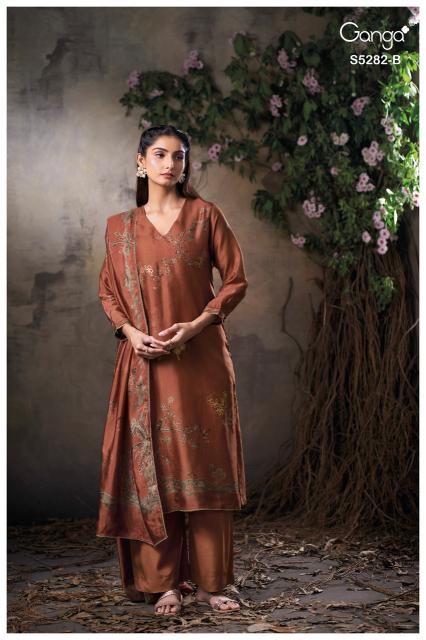
A strong Mehendi Dress Material collection should give customers enough variety without making inventory unnecessarily complicated. For 2026, wholesale buyers can focus on a combination of wearable colours, festive detailing, comfortable fabrics and attractive dupattas. The objective is to select products that look impressive in photographs while also offering practical value when customers see the fabric physically.
Retailers should consider their local customer profile before increasing stock. Some markets respond strongly to heavily embroidered wedding designs, while others prefer elegant fabrics that customers can reuse after the wedding. Maintaining both categories can help a shop serve different budgets and occasions.
Create Entry, Mid and Premium Price Segments
A practical buying strategy is to divide stock into multiple price segments. Entry-level products can attract price-sensitive customers and resellers, mid-range designs can form the core wedding collection, and premium products can serve brides, close family members and customers looking for richer outfits.
This approach also gives sales staff an easier way to present products. Instead of showing every catalogue to every customer, they can first understand the buyer's budget and then present the most relevant options.
Keep Fast-Moving Colours Alongside New Shades
Traditional mehendi green remains important, but a collection can become repetitive if every design looks similar. Add bottle green, emerald, olive, pista, lime, mustard-green combinations and contrasting dupattas to create greater choice.
Wedding shoppers often purchase outfits for groups of relatives or bridesmaids. Offering related colour families with different designs can help retailers handle such requirements without depending on a single product.
Focus on Complete Set Presentation
When buying wholesale, evaluate the complete set. The kurta fabric may attract attention first, but the bottom and dupatta influence the final perceived value. A beautifully coordinated dupatta can significantly improve the presentation of a relatively simple suit material.
Retailers selling through social media should display the complete set whenever possible. Customers need to understand what they will receive rather than judging the order only from one close-up fabric image.
Wholesale Price and Margin Planning
The right Mehendi dress material wholesale price depends on fabric, work, brand, catalogue, quantity and design complexity. Printed materials and lighter fabrics generally occupy a different segment from heavily embroidered or premium soft-silk sets. Because wholesale collections and stock change frequently, buyers should verify the current price before placing a bulk order.
For business buyers, purchase price is only one part of margin planning. Transportation, packaging, payment costs, local delivery, marketing expenses and possible alteration or stitching services can affect the final profitability of an order.
Calculate the Final Landed Cost
Suppose a retailer purchases a product at an attractive wholesale rate but ignores freight and other operational expenses. The expected margin can appear much larger than the actual margin. A better method is to calculate the approximate landed cost first and then decide the retail selling price.
This becomes particularly important for wholesale buyers ordering from outside Gujarat or for export customers, where transportation, customs procedures and destination-specific charges can influence total costs.
Do Not Compete Only on Lowest Price
Price is important, but retail customers also compare design, fabric feel, colour, finishing and exclusivity. A product with slightly better quality may generate a healthier margin if customers perceive it as more valuable.
For boutique owners, presentation can further increase perceived value. Coordinated jewellery suggestions, styling ideas, customized stitching and professional product photography can differentiate a product that other sellers may also carry.
Mehendi Dress Material for International Wholesale Buyers
Indian ethnic wear has a customer base beyond India, particularly among South Asian communities and retailers serving festive-fashion shoppers. Wholesale buyers in Nepal, Australia and the USA can consider mehendi and wedding-related dress materials as part of a broader Indian ethnic-wear assortment.
Export buyers should select stock according to the preferences of their local customers rather than simply copying domestic Indian demand. Climate, average selling price, customer age group, wedding season and local Indian-community size can all influence which fabrics and designs are practical.
Nepal Wholesale Market
Nepal has a strong cultural connection with Indian ethnic fashion. Retailers serving customers looking for festive suits, sarees and dress materials can consider mehendi shades alongside broader wedding collections. Product selection should account for local festival and wedding demand as well as delivery lead times.
Australia and USA Ethnic Wear Buyers
For buyers in Australia and the USA, Indian wedding functions can create demand for coordinated occasion wear. Boutiques may benefit from offering products for specific functions rather than presenting everything simply as Indian suits. Categorizing stock as mehendi, haldi, sangeet or wedding guest wear can make online discovery easier for customers searching by occasion.
International buyers working with Wholesaleexport.in should confirm product availability, order quantity, shipping method and destination requirements before finalizing an order. Export timelines and charges can vary according to shipment size and destination.
How to Sell Mehendi Dress Materials Faster
Good sourcing needs equally good presentation. A strong product can remain unsold if customers never understand where or how they can wear it. Retailers should market mehendi products around occasions, colours and styling rather than posting only catalogue numbers.
Create Occasion-Based Product Posts
Instead of writing only "New Dress Material Available," sellers can describe a design as suitable for mehendi functions, bridesmaids, wedding guests or family celebrations. This immediately gives the customer a reason to consider the product.
Search-friendly phrases such as mehendi function dress material, wedding dress material wholesale, designer suit material, festive dress material, green dress material, embroidered suit material and bridal function wear can also help describe the products naturally across websites and social platforms.
Use WhatsApp for Repeat Customers
Retailers already maintaining customer lists can use WhatsApp for new arrivals, catalogue updates and limited-stock announcements. Avoid overwhelming buyers with too many unrelated products at once. A focused selection of relevant designs is easier to browse.
For B2B buyers, catalogue information should clearly mention fabric details, available colours, quantity requirements and current availability. Clear information can reduce repeated questions and speed up order confirmation.
Use Short Videos for Fabric Presentation
Photographs show colour and design, but videos can demonstrate fabric movement, embroidery details, dupatta width and overall finish. Short product videos can therefore be valuable for Instagram Reels, YouTube Shorts, WhatsApp status and direct customer communication.
For premium collections, close-up footage of embroidery and fabric texture can help buyers understand why one product is priced differently from another.
Related Keywords Buyers Use for Wholesale Sourcing
Wholesale buyers may search for the same category using different phrases. Relevant terms include Mehendi Dress Material wholesale, dress material wholesale Surat, ladies suit material wholesale, unstitched suits wholesale, designer dress material supplier, wedding suit material wholesale, embroidered dress material wholesale, soft silk dress material, cotton suit material wholesale, green dress material wholesale, festive dress material supplier, bridal dress material, salwar suit material wholesale, churidar material wholesale, wholesale textile supplier Surat, ladies ethnic wear wholesale, wholesale clothing supplier India, Surat dress material supplier, online dress material wholesale and Indian ethnic wear exporter.
Using related terms naturally helps a product or category page address different buyer intents without repeating one phrase unnaturally. For SEO, GEO and AIO visibility, accurate product information and clear business context are more useful than excessive keyword repetition.
Internal Linking and Product Discovery
A well-organized wholesale website should allow buyers to move easily between related categories. A customer initially searching for mehendi material may also need Pakistani suits, sarees, kurtis or other products for the same store. Connecting relevant product categories makes sourcing more convenient and can increase the variety of a wholesale order.
Wholesaleexport.in can be used by shop owners, boutiques, home-based sellers, resellers, showroom owners and wholesale buyers looking for different women's ethnic-wear categories from the Surat textile ecosystem. Buyers should check current catalogue availability before placing orders because popular designs can move quickly.
Vastralife's wholesale and export experience since 2017 also brings practical industry understanding to sourcing, with attention to product selection, premium quality and requirements of retailers buying for different markets.
Customer FAQs
1. Where can I buy Mehendi Dress Material wholesale online?
Wholesale buyers can explore available women's ethnic-wear collections through Wholesaleexport.in. Before ordering, confirm the current catalogue, fabric specifications, available colours, quantity requirement, wholesale price and dispatch details.
2. Is Mehendi Dress Material suitable only for brides?
No. The category can serve brides, bridesmaids, relatives, wedding guests and customers attending pre-wedding functions. Retailers can stock simple, mid-range and premium designs to cover different requirements.
3. Can shop owners purchase dress materials from Surat without visiting the market?
Yes. Online wholesale sourcing enables buyers to explore collections remotely and place orders without physically visiting Ring Road, Sahara Darwaza or other areas of the Surat textile market for every purchase. Buyers should verify current stock and ordering terms before payment.
4. What fabrics should I stock for a mehendi collection?
The selection can include cotton and cotton blends for comfortable daytime functions, embroidered fabrics for festive customers, soft silk for richer styling and printed materials for affordable wedding looks. Your final mix should match your local customers and selling price range.
5. Can resellers start with a smaller wholesale selection?
Resellers can begin according to the applicable catalogue or minimum-order requirement and expand based on customer response. Choosing more useful designs rather than overstocking one style can help new sellers manage inventory more efficiently.
6. Are wholesale dress materials suitable for boutiques?
Yes. Boutiques can use unstitched materials for customized outfits and offer tailoring according to individual customer measurements and styling preferences. This can add value beyond simply reselling the fabric.
7. Does Wholesaleexport.in supply buyers outside India?
International wholesale and export requirements can be discussed for applicable destinations. Buyers in markets such as Nepal, Australia and the USA should confirm current shipping, order and destination requirements before purchasing.
8. What is the wholesale price of Mehendi Dress Material in 2026?
There is no single fixed rate for the complete category. Prices depend on fabric, embroidery, printing, dupatta, brand, catalogue and order quantity. Buyers should check the current product listing or contact the wholesale team for the latest applicable price.
9. How can I select profitable dress materials for my shop?
Start with your customer's normal budget, preferred colours and local wedding demand. Compare wholesale cost with your realistic retail selling price, include freight and operating expenses, and select a balanced combination of fast-moving and premium products.
10. Can I source other ethnic-wear products with dress materials?
Yes. Building a mixed wholesale order can help stores create a broader assortment covering dress materials, suits, sarees and other women's ethnic-wear categories, subject to current product availability and ordering conditions.
Order Latest Wholesale Collections from Wholesaleexport.in
If you are a home-based seller, shop owner, boutique owner, showroom owner, reseller or wholesale buyer, build your next ethnic-wear inventory with collections selected for today's retail market.
Explore Latest Collections, competitive Wholesale Pricing, Trendy Ethnic Wear, Fast Shipping, applicable COD Support, Bulk Order Deals and Quality Products Starting From ₹299. Product prices, COD eligibility, MOQ and stock availability may vary by catalogue and order, so confirm the current details before booking.
From the textile sourcing ecosystem of Surat to customers across India and international markets, Wholesaleexport.in aims to make wholesale purchasing easier for businesses that need fresh collections and reliable product options.
Contact: +91 9712582172
Website: wholesaleexport.in
Explore the latest Mehendi Dress Material collections, compare current wholesale options and select designs suited to your customers before fast-moving festive and wedding stock sells out.